• Global CNC market projected to reach $128B by 2028 • New EU trade regulations for precision tooling components • Aerospace deman
NYSE: CNC +1.2%LME: STEEL -0.4%

Metal Processing Explained: Common Methods, Material Limits, and Typical Industrial Uses
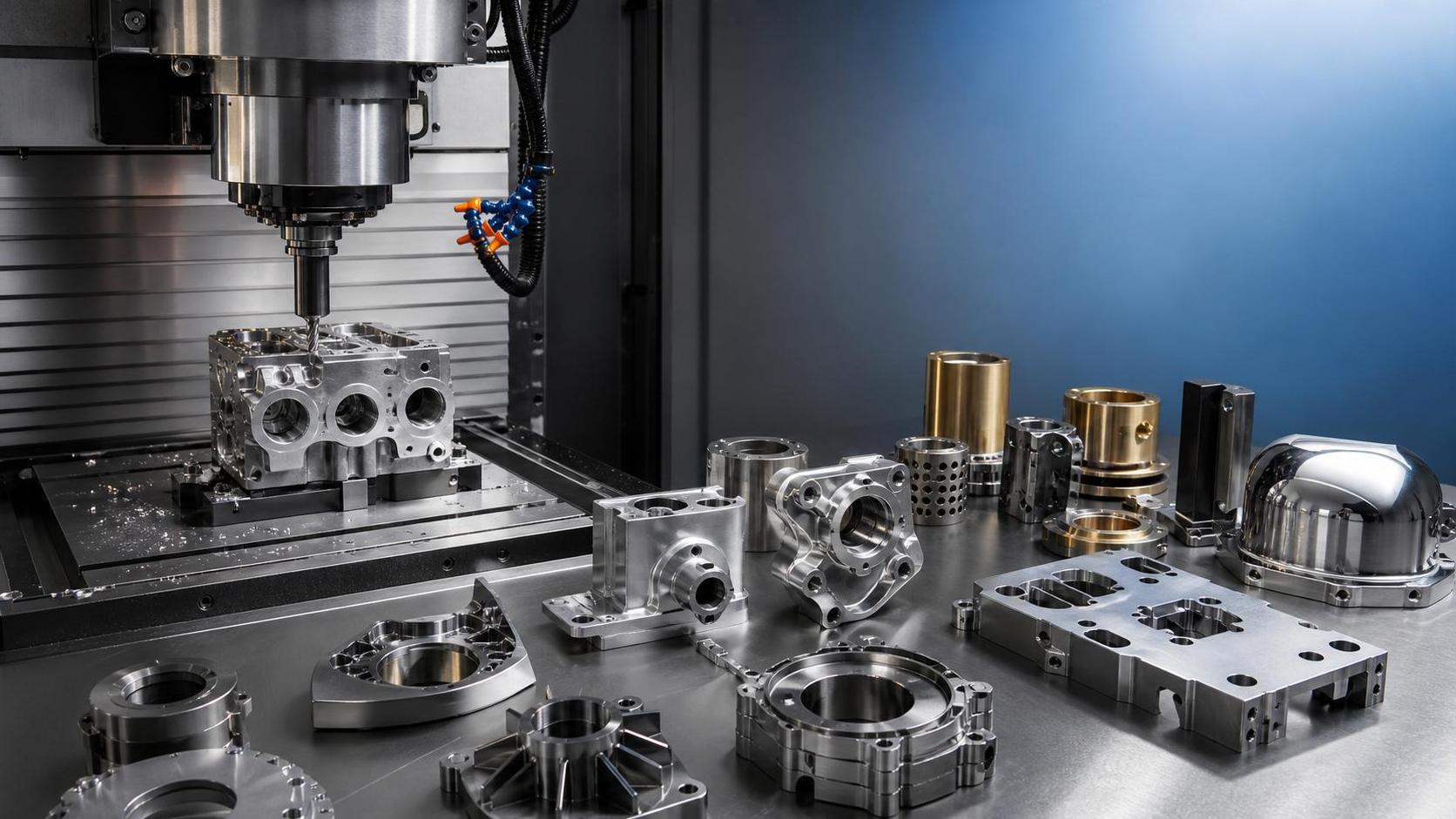
Why does Metal Processing matter so much in modern manufacturing?
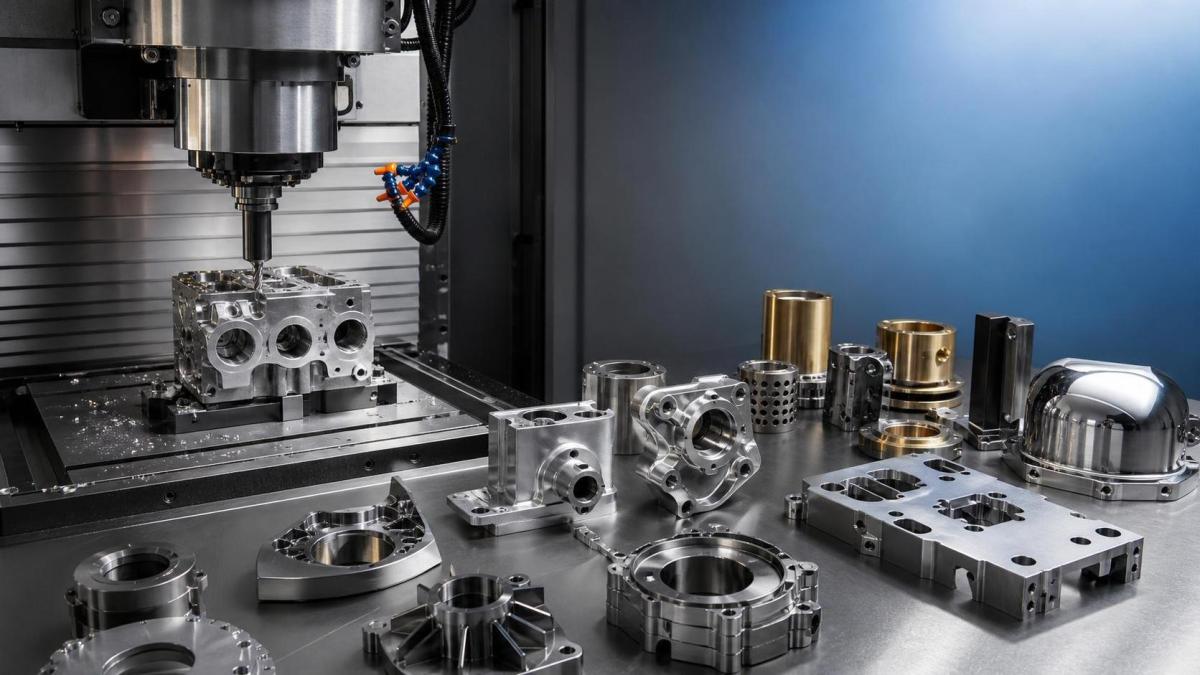
Metal Processing sits behind almost every precision product used in industry today. It shapes engine parts, structural brackets, medical tools, electronic housings, and energy equipment.
That is why this topic keeps appearing in search results. People are not only asking what Metal Processing means. They also want to know which methods fit real production needs.
In practical manufacturing, the answer often depends on geometry, tolerance, material behavior, and batch size. A process that works for a simple steel flange may fail on a thin aerospace alloy panel.
The broader CNC machine tool sector makes this even more relevant. CNC lathes, machining centers, multi-axis systems, and automated lines now support high-speed, repeatable, data-driven production across global supply chains.
So when people discuss Metal Processing today, they are usually talking about more than cutting or forming metal. They are really asking how parts are made accurately, consistently, and at an acceptable cost.
What counts as Metal Processing, and which methods are most common?
A simple way to understand Metal Processing is this: it includes the main operations used to change a metal part’s shape, size, surface, or internal properties.
Some methods remove material. Others reshape it. Some improve strength, hardness, or corrosion resistance after the main part has already been formed.
The most common categories include:
- Machining, such as turning, milling, drilling, boring, and grinding.
- Forming, including stamping, bending, rolling, forging, and extrusion.
- Joining, such as welding, brazing, riveting, and mechanical fastening.
- Thermal and surface treatment, including heat treatment, plating, anodizing, and coating.
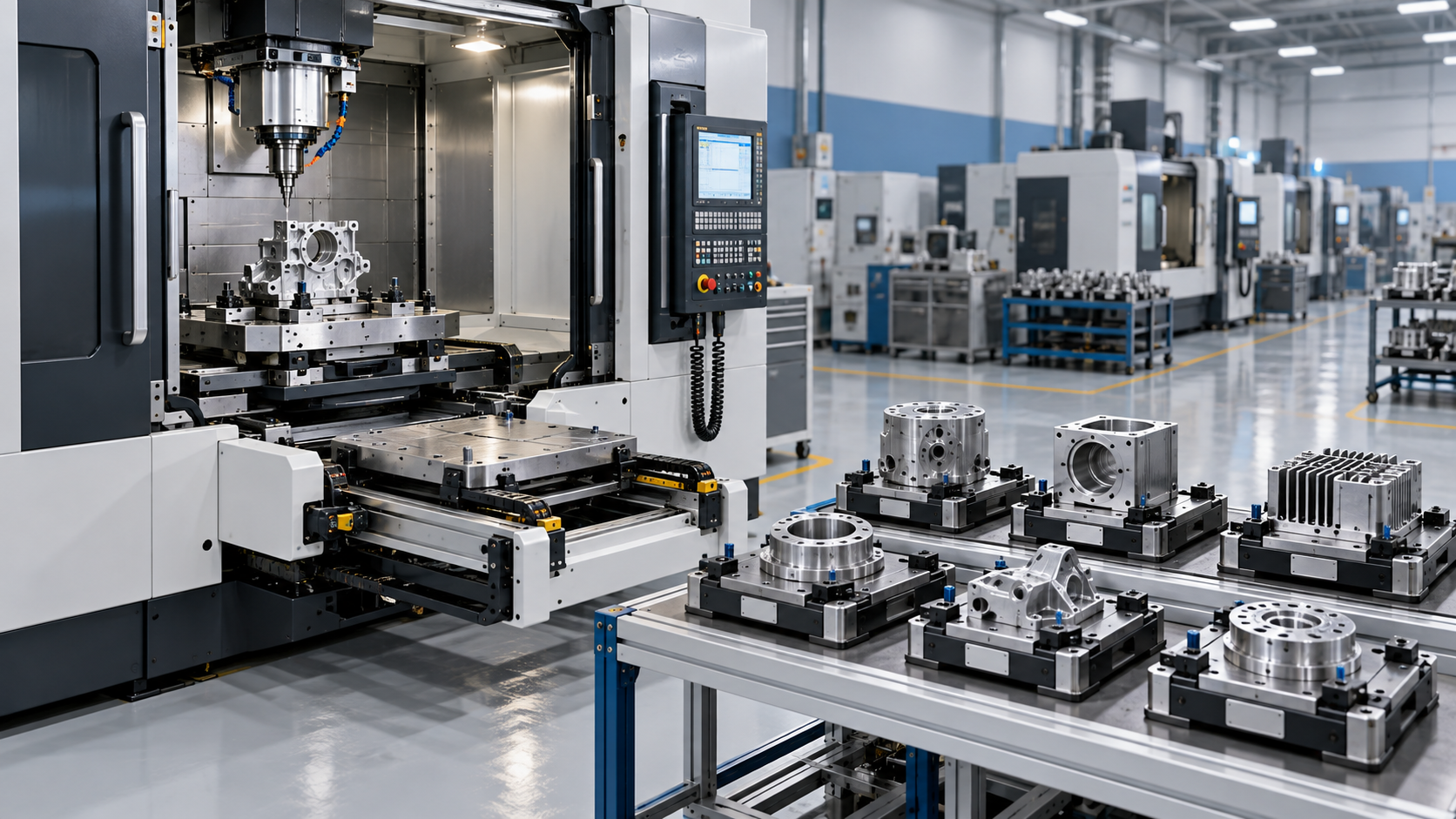
Machining is especially visible in CNC-driven production because it delivers tight tolerances and repeatability. It is widely used for shafts, discs, housings, molds, and complex structural parts.
Forming methods are often preferred when volume is high and the part geometry is stable. In those cases, Metal Processing shifts from flexibility toward speed, tool investment, and material utilization.
That difference matters. A prototype may be milled from billet, while the final production version is stamped or forged once demand rises.
How do you choose the right Metal Processing method for a part?
This is where many searches become more specific. People stop asking for definitions and start comparing methods based on part requirements.
A useful first check is to look at five decision points: shape complexity, tolerance, material type, production volume, and downstream finishing requirements.
In actual applications, the best Metal Processing route is rarely chosen by one factor alone. It is usually a balance between technical feasibility and production economics.
For example, machining from solid stock can save time in early development. But once annual demand increases, the material waste and cycle time may become difficult to justify.
What are the main material limits people often overlook?
This question matters because Metal Processing is never just about machine capability. Material behavior sets real boundaries, even when the equipment is advanced.
One common limit is hardness. Harder metals can improve wear resistance, but they also increase tool wear, cutting force, and heat. That directly affects accuracy and cost.
Another limit is ductility. Materials with low ductility are more likely to crack during bending, stamping, or forming. Thin sections are especially sensitive.
Thermal behavior also matters. Aluminum dissipates heat differently from stainless steel, and titanium tends to keep heat near the cutting zone. That changes tooling strategy and feed rates.
Then there is dimensional stability. Some alloys move after rough machining, heat treatment, or stress release. Without planning for that movement, final tolerance can drift out of range.
A more practical way to review material limits is to check these points before locking the process:
- Machinability rating and expected tool life.
- Risk of burrs, warping, or surface tearing.
- Heat treatment sequence and distortion risk.
- Corrosion or oxidation concerns during storage and finishing.
- Availability of stable supply in the required grade.
These limits are especially important in global CNC and precision manufacturing, where a part may be designed in one region, machined in another, and assembled elsewhere.
Where is Metal Processing used most often, and why do methods differ by industry?
Metal Processing appears across nearly every industrial sector, but the selection logic changes with performance requirements, compliance needs, and production scale.
In automotive manufacturing, repeatability and throughput usually dominate. Components such as transmission shafts, brake parts, and engine housings often rely on CNC machining combined with forming and automated inspection.
Aerospace applications focus more on lightweight alloys, structural integrity, and strict tolerance control. Here, multi-axis machining, special tooling, and careful thermal management become more important.
Energy equipment brings another set of priorities. Large dimensions, demanding materials, and long service life often shape the Metal Processing route for valves, turbine components, and pressure-related parts.
Electronics production leans toward smaller precision parts, conductive materials, and stable surface finishes. Burr control and fine dimensional consistency matter more than many newcomers expect.
This is also why the machine tool industry keeps moving toward automation and digital integration. Once parts become more complex and quality windows get tighter, manual judgment alone is no longer enough.
What mistakes lead to higher cost, longer lead time, or unstable quality?
A frequent mistake is choosing a Metal Processing method too early, before confirming the final tolerance, material condition, and expected batch size.
Another one is treating drawings as complete process instructions. A drawing may define dimensions, yet still leave open questions about clamping, cutting sequence, and inspection points.
Surface finish is also misunderstood. A part can meet size requirements and still fail in assembly if roughness, flatness, or edge condition was not controlled correctly.
In higher-precision environments, poor fixture design creates repeated variation. Even capable CNC systems cannot hold stable results if the workpiece moves or deforms during cutting.
The same applies to automation planning. Flexible production lines and robotic handling improve efficiency, but only when upstream Metal Processing is consistent enough to support repeatable transfer and positioning.
The more reliable approach is to review risk before production release:
- Confirm whether the chosen material state matches the process route.
- Check if tolerance stack-up has been linked to inspection capability.
- Verify that tooling, fixtures, and coolant strategy fit the material.
- Review whether finishing or heat treatment may alter dimensions later.
If you are comparing options, what is the smartest next step?
Start by narrowing the question. Do not ask only which Metal Processing method is best in general. Ask which method best matches the part, the material, and the target production reality.
A practical comparison usually includes geometry, tolerance class, annual volume, surface needs, and post-processing steps. Without that context, process comparisons stay too abstract to guide a decision.
It also helps to separate prototype logic from mass-production logic. The fastest route for early validation is often different from the most economical route for long-term supply.
Across the global CNC and precision manufacturing landscape, the strongest results usually come from aligning process choice with measurable constraints, not broad assumptions about speed or price.
In short, Metal Processing should be evaluated as a system decision. Review the method, the material limits, the expected quality level, and the industrial use case together.
That gives a clearer basis for comparing routes, identifying risks early, and tracking how automation, smart manufacturing, and machine tool capability may influence the next decision.
Recommended for You
![]() Mitsubishi Electric Announces Physical AI System Linking Humanoid Robots and CNC MachinesMachine Tool Industry Editorial Team
Mitsubishi Electric Announces Physical AI System Linking Humanoid Robots and CNC MachinesMachine Tool Industry Editorial Team Precision Machining for Defense: Supplier Quality and Traceability ChecksManufacturing Market Research Center
![]() Nidec Machine Tool Launches MVR-5X Five-Axis Gantry MachineMachine Tool Industry Editorial Team
Nidec Machine Tool Launches MVR-5X Five-Axis Gantry MachineMachine Tool Industry Editorial Team Choosing a Precision Disc Parts Manufacturer in China: Tolerances and Quality ChecksManufacturing Market Research Center
![]() Siemens Executive Says AI Could Raise Factory Automation to 80%Manufacturing Market Research Center
Siemens Executive Says AI Could Raise Factory Automation to 80%Manufacturing Market Research Center Choosing Automated Machine Tools for High-Mix, Low-Volume ProductionMachine Tool Industry Editorial Team


Aris Katos
Future of Carbide Coatings
15+ years in precision manufacturing systems. Specialized in high-speed milling and aerospace grade alloy processing.
▶
How thermal drift affects accuracy in high-precision manufacturingCNC Machining Technology Center▶
Industrial Machining: Selecting Processes for Tight-Tolerance Metal PartsCNC Machining Technology Center▶
How Does Precision Machining Differ From Standard Machining?CNC Machining Technology Center▶
CNC Precision: Which Tolerances, Materials, and Processes Fit Your Part?CNC Machining Technology Center▶
How to Choose Metal Machining Processes for Tight Tolerances and Production VolumeCNC Machining Technology Center
▶
Mastering 5-Axis Workholding Strategies
Join our technical panel on Nov 15th to learn about reducing vibrations in thin-wall components.

Providing you with integrated sanding solutions
Before-sales and after-sales services
Comprehensive technical support