• Global CNC market projected to reach $128B by 2028 • New EU trade regulations for precision tooling components • Aerospace deman
NYSE: CNC +1.2%LME: STEEL -0.4%

China Enacts GB/T 42862-2026: CNC Machine Energy Efficiency and Safety Requirements Effective June 1, 2026

China’s State Administration for Market Regulation has approved and published the national standard Minimum Allowable Values and Energy Efficiency Grades for CNC Machine Tools (GB/T 42862-2026), effective June 1, 2026. This regulation introduces mandatory compliance requirements—covering energy efficiency, electromagnetic compatibility (EMC), and emergency stop response time—for export-oriented CNC machine tools. Manufacturers, exporters, and certification bodies serving the EU (CE), U.S. (UL), and Southeast Asian markets must take note, as non-compliant models will fail China Customs export inspection and overseas third-party certification re-evaluation.
Event Overview
The State Administration for Market Regulation officially released GB/T 42862-2026 on an unspecified date prior to its enforcement date of June 1, 2026. The standard specifies mandatory energy efficiency thresholds, EMC performance criteria, and maximum allowable emergency stop response time for CNC machine tools intended for export. It applies exclusively to export-type CNC machines—not domestic-use units—and directly informs conformity assessments under CE, UL, and key Southeast Asian market准入 frameworks.
Industries Affected by Segment
Export-Oriented Machinery Manufacturers
These enterprises are directly subject to the new technical requirements. Compliance affects product design, testing protocols, and factory-level quality assurance systems. Non-conformance risks rejection at China Customs clearance and invalidates upstream test reports used for CE or UL submissions.
OEM/ODM Suppliers to Global Brands
Suppliers producing CNC components or subassemblies for international OEMs face revised technical specifications in procurement contracts. Upstream verification of EMC immunity, power consumption under load cycles, and safety circuit latency may now be contractually required—even if not previously stipulated.
Export Certification and Testing Service Providers
Laboratories and notified bodies accredited for CE or UL must align their test methodologies with GB/T 42862-2026’s measurement procedures and pass/fail criteria. Discrepancies between this standard and IEC/EN/UL test conditions could trigger retesting or require dual-certification documentation.
International Trade Compliance Officers & Customs Brokers
Customs declarations for exported CNC machines must now include evidence of GB/T 42862-2026 conformance—such as test reports or self-declaration statements meeting specified formats. Absence of such documentation may delay export release or trigger post-clearance audits.
Key Focus Areas and Immediate Actions for Stakeholders
Monitor official implementation guidance from SAMR and CNCA
While GB/T 42862-2026 is published, supporting documents—including interpretation notes, transitional arrangements, and recognized testing laboratories—have not yet been made public. Stakeholders should track announcements from the Standardization Administration of China (SAC) and China National Certification and Accreditation Administration (CNCA).
Identify affected product categories and target markets
Not all CNC machines fall under the scope. Analysis shows the standard explicitly covers machining centers, turning centers, and multi-axis milling machines designated for export. Enterprises should cross-reference model numbers, control system versions, and end-market labeling against the standard’s scope clause before initiating compliance reviews.
Distinguish between regulatory signal and enforceable requirement
GB/T standards are typically voluntary unless referenced in mandatory regulations. However, this standard is enforced via customs inspection—a de facto mandatory mechanism. Observably, its linkage to export clearance elevates it beyond typical recommended practice; it functions as a technical barrier to trade requiring operational adaptation, not merely documentation alignment.
Prepare for updated testing, documentation, and supply chain communication
Manufacturers should initiate pre-compliance EMC and emergency stop timing tests using measurement methods outlined in Annexes A and B of GB/T 42862-2026. Procurement teams should revise supplier agreements to require declaration of compliance. Export departments should draft standardized compliance statements for inclusion in shipping documents and technical files.
Editorial Perspective / Industry Observation
This standard is better understood as an institutionalized convergence point—not just a new rule, but a formal alignment of Chinese export controls with internationally recognized safety and sustainability benchmarks. Analysis shows it reflects growing policy emphasis on embedding energy performance and functional safety into industrial equipment trade frameworks. From an industry perspective, its enforcement mechanism (customs gatekeeping) signals that compliance is no longer deferred to downstream certification alone. Current observability suggests it functions more as an operational checkpoint than a long-term strategic shift—but sustained attention is warranted, as future revisions may extend applicability to domestic sales or broaden technical scope.
Conclusion
GB/T 42862-2026 marks a procedural tightening in the export lifecycle of CNC machine tools—not a fundamental redesign mandate, but a mandatory verification step embedded at the national border. Its significance lies in converting previously voluntary energy and safety metrics into enforceable conditions for market access. For stakeholders, the current priority is not broad strategic pivoting, but precise, scoped readiness: confirming applicability, validating test methods, and integrating compliance evidence into existing export workflows. It is best interpreted as a targeted operational update, not a paradigm shift.
Source Attribution
Main source: State Administration for Market Regulation (SAMR), People’s Republic of China — official release of GB/T 42862-2026.
Points requiring ongoing observation: Implementation guidelines, list of accredited testing institutions, and any transitional provisions announced by SAC or CNCA after May 2026.
Recommended for You
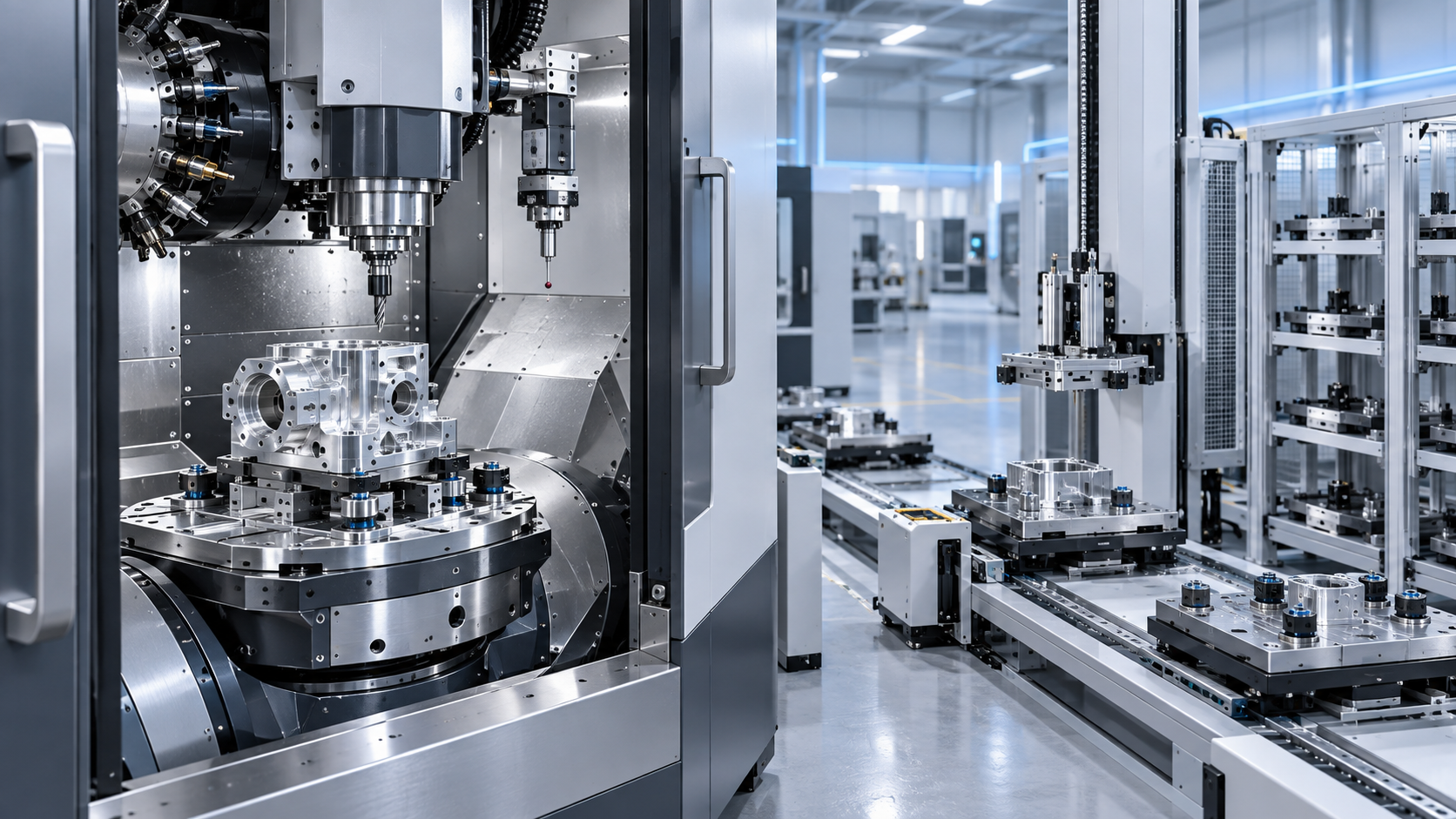
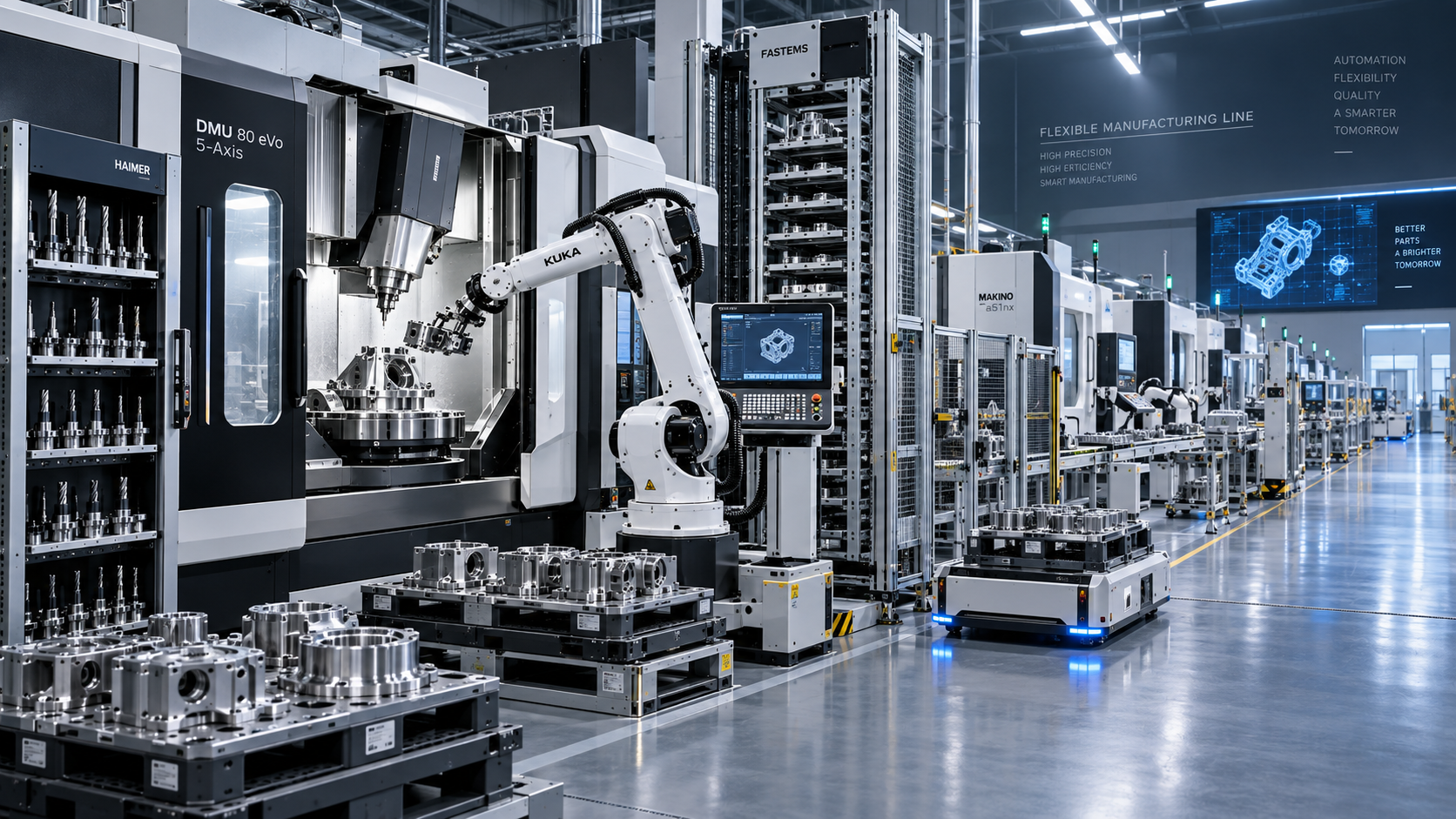
 How to Select CNC Equipment for High-Mix, Low-Volume ProductionCNC Machining Technology Center
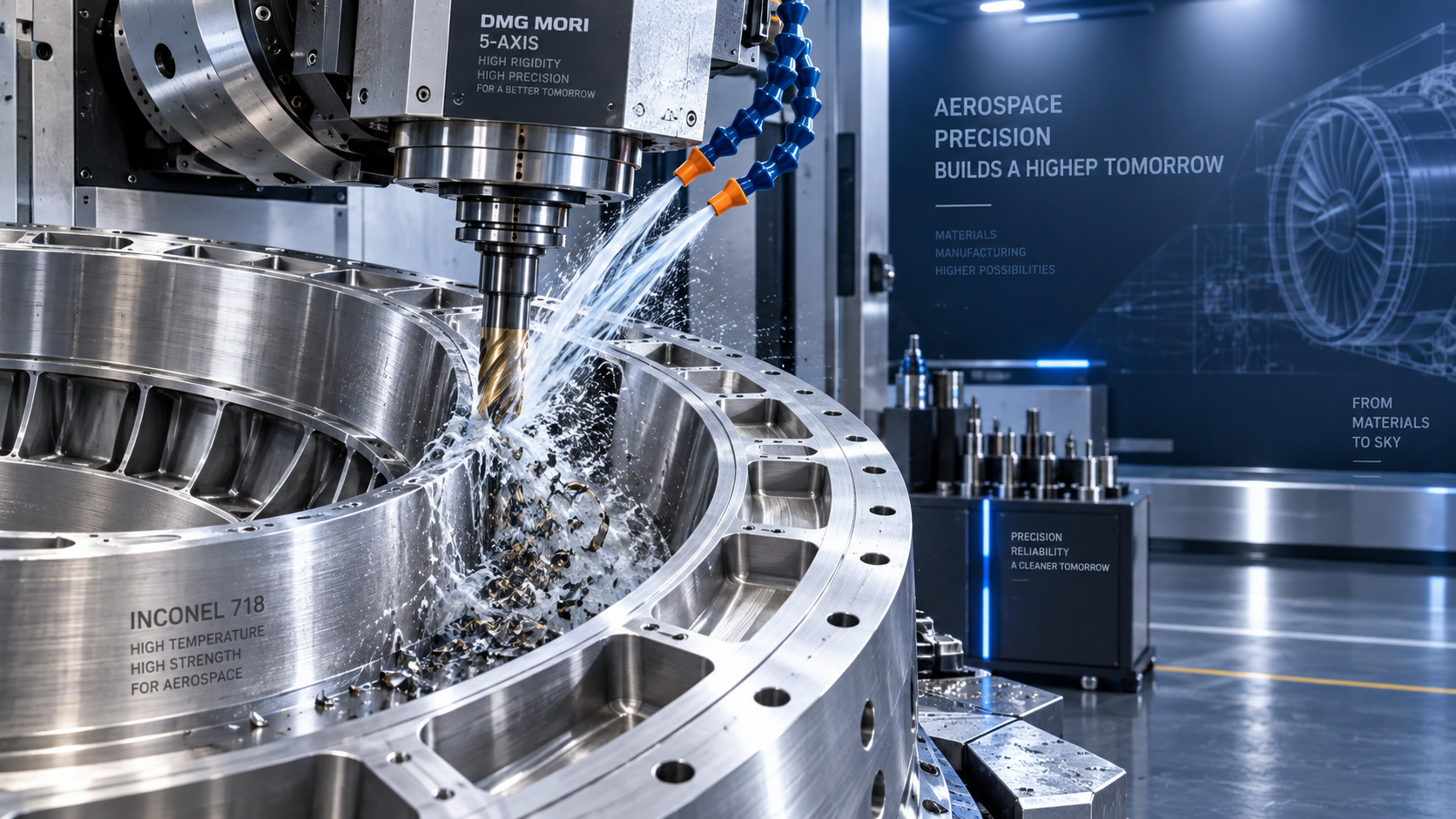
 Can CNC Machining Inconel Control Tool Wear in High-Temperature Aerospace Parts?CNC Machining Technology Center
 Machine Tool Market Outlook: Demand Drivers, Capacity Shifts, and Investment RisksManufacturing Market Research Center
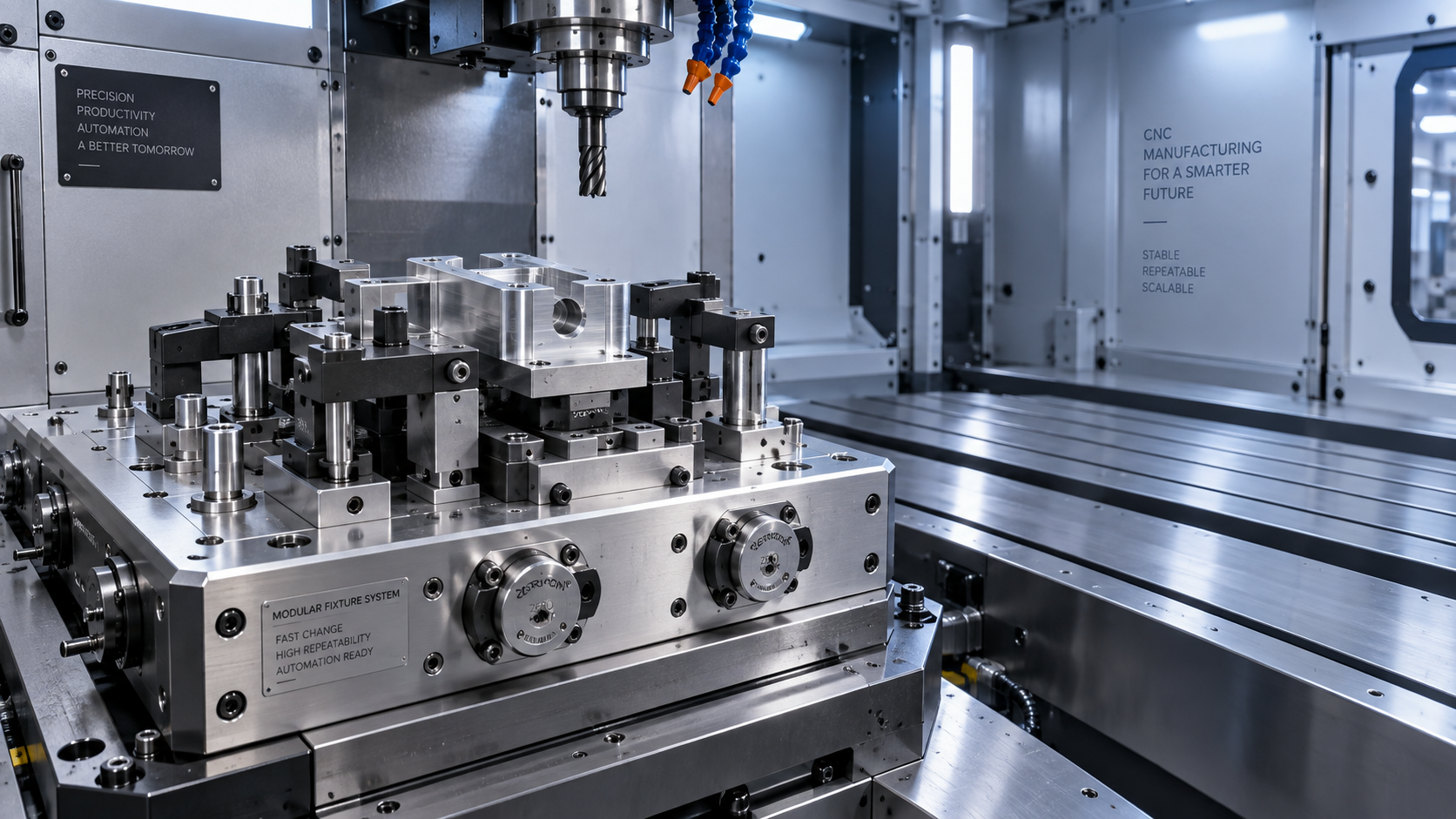
 Zero-Point Clamping or Modular Fixtures? Choosing a Faster CNC Changeover SystemCNC Machining Technology Center
 How to Cut CNC Fixture Changeover Time Without Sacrificing Part AccuracyCNC Machining Technology Center
 When Does CNC Turning Pay Off? A Break-Even Guide by Annual Part VolumeMachine Tool Industry Editorial Team

Aris Katos
Future of Carbide Coatings
15+ years in precision manufacturing systems. Specialized in high-speed milling and aerospace grade alloy processing.
▶
Machine Tool Standards by Country: What Importers Must Verify Before PurchaseManufacturing Policy Research Center▶
EU Sets CE-EMC+AI Certification Rule for CNC ExportsManufacturing Policy Research Center▶
EU Rule Update Raises CNC Safety Certification BarManufacturing Policy Research Center▶
U.S. Tightens Reviews for China CNC ExportsManufacturing Policy Research Center▶
EU Tightens CNC Export Compliance from October 2026Manufacturing Policy Research Center
Mastering 5-Axis Workholding Strategies
Join our technical panel on Nov 15th to learn about reducing vibrations in thin-wall components.

Providing you with integrated sanding solutions
Before-sales and after-sales services
Comprehensive technical support