• Global CNC market projected to reach $128B by 2028 • New EU trade regulations for precision tooling components • Aerospace deman
NYSE: CNC +1.2%LME: STEEL -0.4%

How to Vet a CNC Manufacturing Exporter in 2026
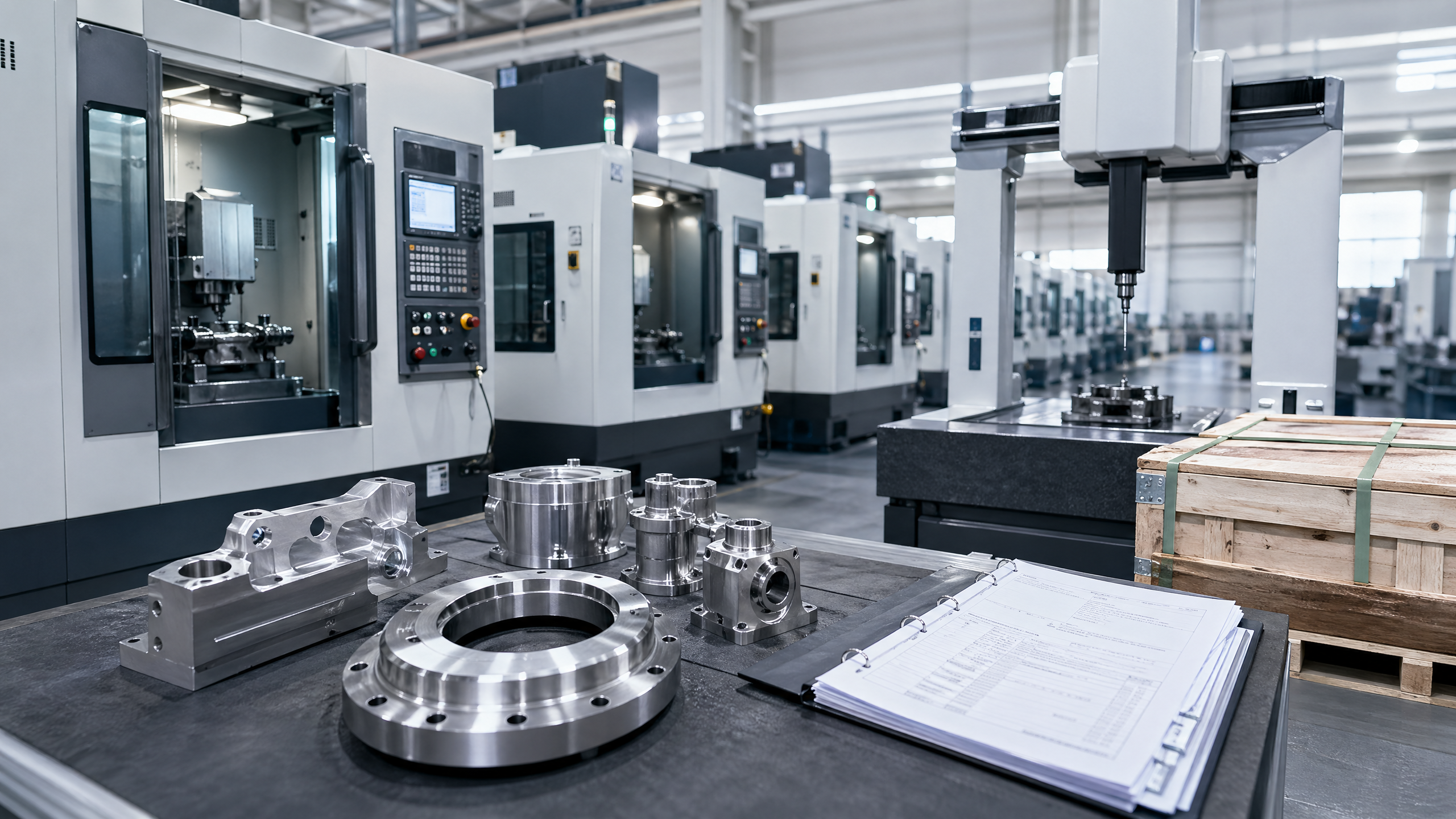
Choosing a CNC manufacturing exporter in 2026 is not just about finding the lowest quote. The right partner should prove process control, stable precision, export experience, and the ability to deliver parts or machine tools consistently across borders. For buyers, operators, and business evaluators, the real question is simple: can this exporter meet your quality, lead time, compliance, and communication requirements without creating hidden risk?
If you are sourcing from a CNC manufacturing factory, a machine tool exporter, or a CNC machine tool manufacturer, your evaluation should focus on verifiable capability rather than sales claims. In practice, that means checking quality systems, production capacity, machining tolerance control, traceability, after-sales support, and export readiness. In 2026, with supply chains under continued pressure and customer standards getting tighter, weak vetting can quickly lead to late delivery, inconsistent parts, or expensive corrective action.
What matters most when vetting a CNC manufacturing exporter in 2026
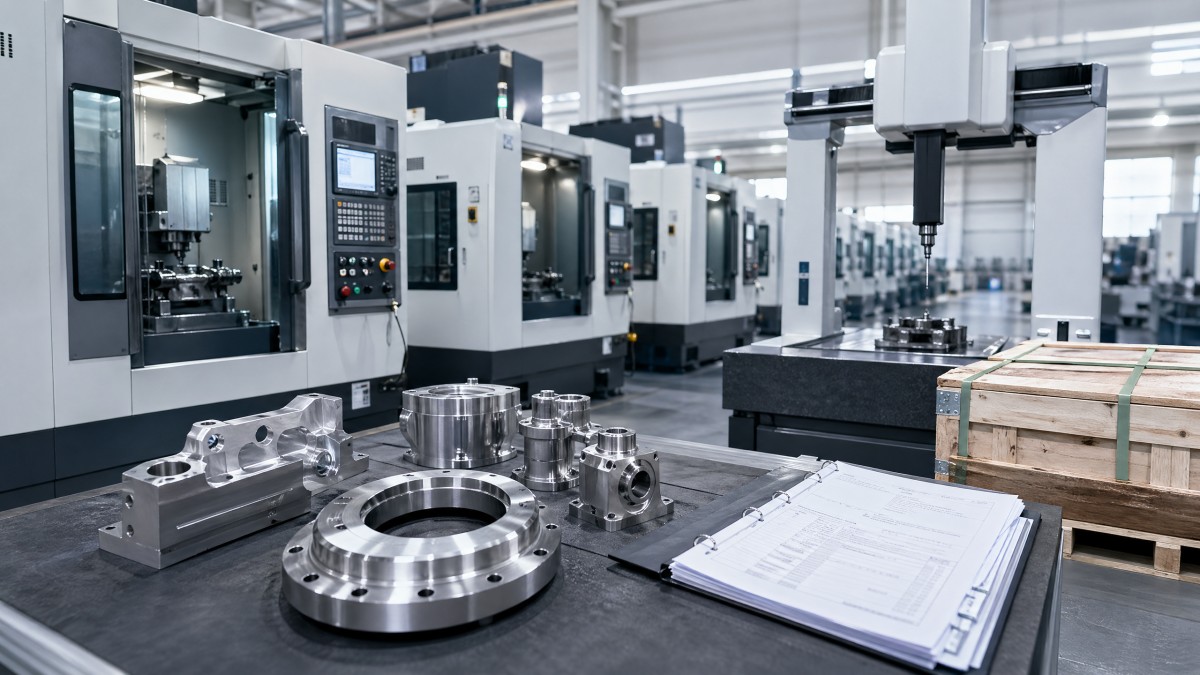
The most reliable CNC manufacturing exporters are the ones that can document what they do, not just describe it well. A strong exporter should be able to show:
- Clear quality management processes
- Stable precision CNC manufacturing capability
- Relevant industry experience in your application
- On-time delivery performance
- Export packaging, logistics, and documentation competence
- Responsive technical and commercial communication
- Reasonable scalability for future orders
For most procurement teams, the biggest mistake is overvaluing price and undervaluing execution risk. A supplier with a slightly lower unit cost may still become more expensive if it causes scrap, rework, delays, customs issues, or repeated engineering clarification.
Whether you need machined components, CNC lathes, machining centers, or multi-axis systems, the exporter should match your required level of complexity. A supplier making simple general industrial parts is not automatically qualified for aerospace, medical-adjacent, high-speed rotating components, or high-accuracy structural applications.
How to check if the exporter has real precision CNC manufacturing capability
Capability is the first filter. Before discussing annual volume or long-term cooperation, confirm whether the exporter can consistently produce your type of work.
Start with these questions:
- What materials do they machine regularly: aluminum, stainless steel, tool steel, titanium, brass, engineering plastics?
- What tolerance range can they hold repeatedly, not just in ideal cases?
- Do they handle 3-axis, 4-axis, and 5-axis machining?
- Can they support turning, milling, grinding, EDM, surface treatment, and assembly?
- What is their experience with complex geometries, thin-wall parts, shafts, discs, housings, or precision fixtures?
Ask for evidence instead of broad statements. Useful proof includes sample inspection reports, process flow charts, machine lists, photos of in-process inspection, and anonymized case studies from similar industries.
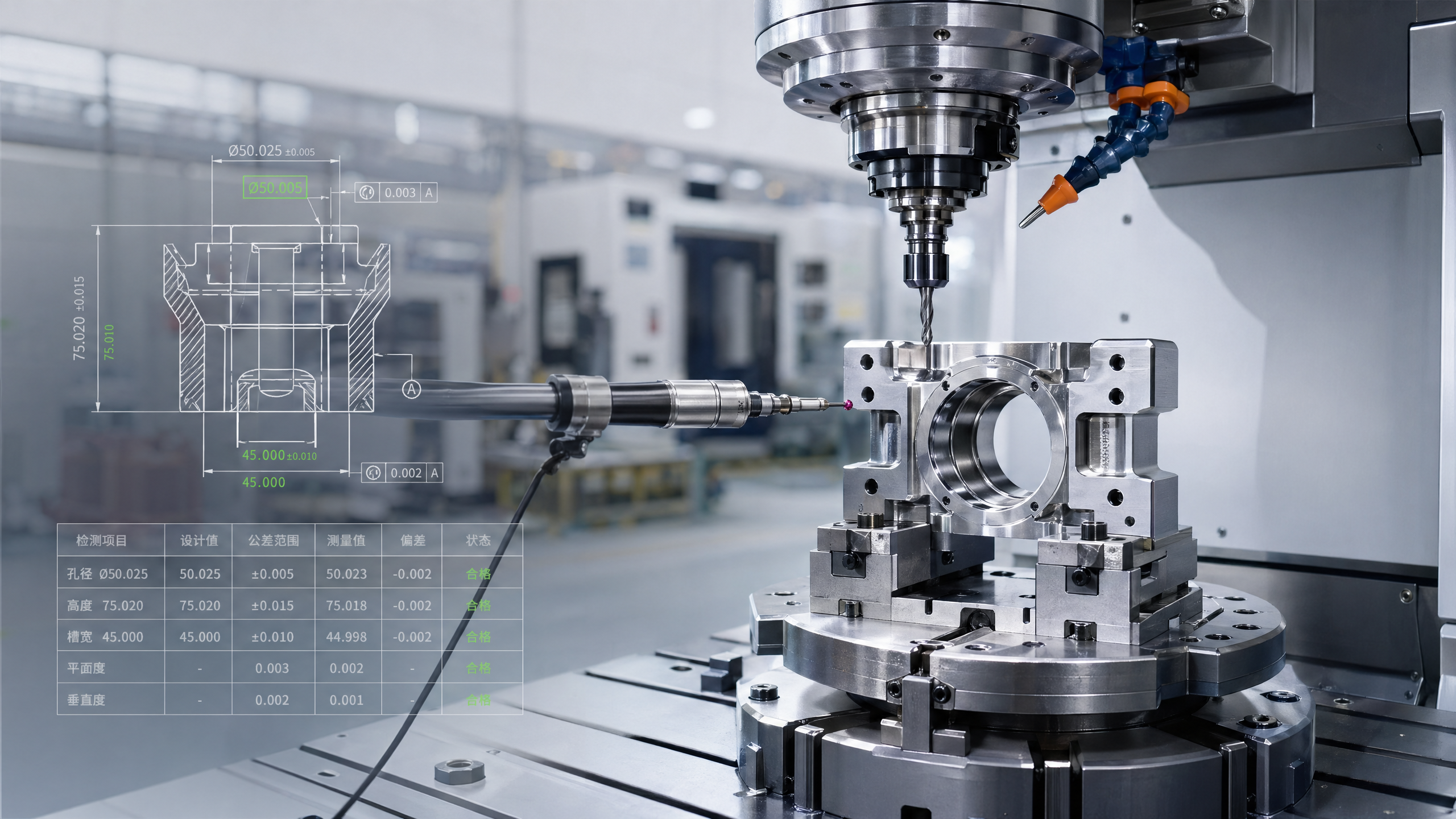
Pay close attention to how the exporter explains tolerance control. A capable CNC manufacturing factory should discuss fixture design, tool wear management, thermal stability, first article inspection, in-process measurement, and final quality verification. If a supplier only says “we can meet your drawing” without explaining how, that is a warning sign.
Which certifications and quality documents should you verify
Certifications alone do not guarantee performance, but they are an important screening tool. In 2026, serious buyers should verify both the certificate and the underlying system.
Common documents to review include:
- ISO 9001 for general quality management
- IATF 16949 for automotive-related manufacturing
- AS9100 if aerospace capability is claimed
- ISO 14001 or environmental system records where relevant
- Calibration certificates for key inspection equipment
- Material certificates and traceability records
- PPAP, FAI, COC, or other customer-required quality files
Do not stop at checking whether a certificate exists. Confirm:
- Whether the certification is current
- Which legal entity and site it covers
- Whether the scope actually includes your product type
- How quality records are maintained and retrieved
If the exporter cannot quickly provide organized documentation, that often signals weak internal control. For procurement and business assessment teams, document discipline usually reflects execution discipline.
How to evaluate machine capacity, process range, and production stability
A machine tool exporter or CNC machine tool manufacturer may have an impressive equipment list, but what matters is usable capacity and process fit.
Request a current summary of:
- CNC lathes, turning centers, vertical machining centers, horizontal machining centers
- Multi-axis machining systems
- Grinding, honing, deburring, and finishing capability
- Inspection equipment such as CMMs, height gauges, roundness testers, and surface roughness testers
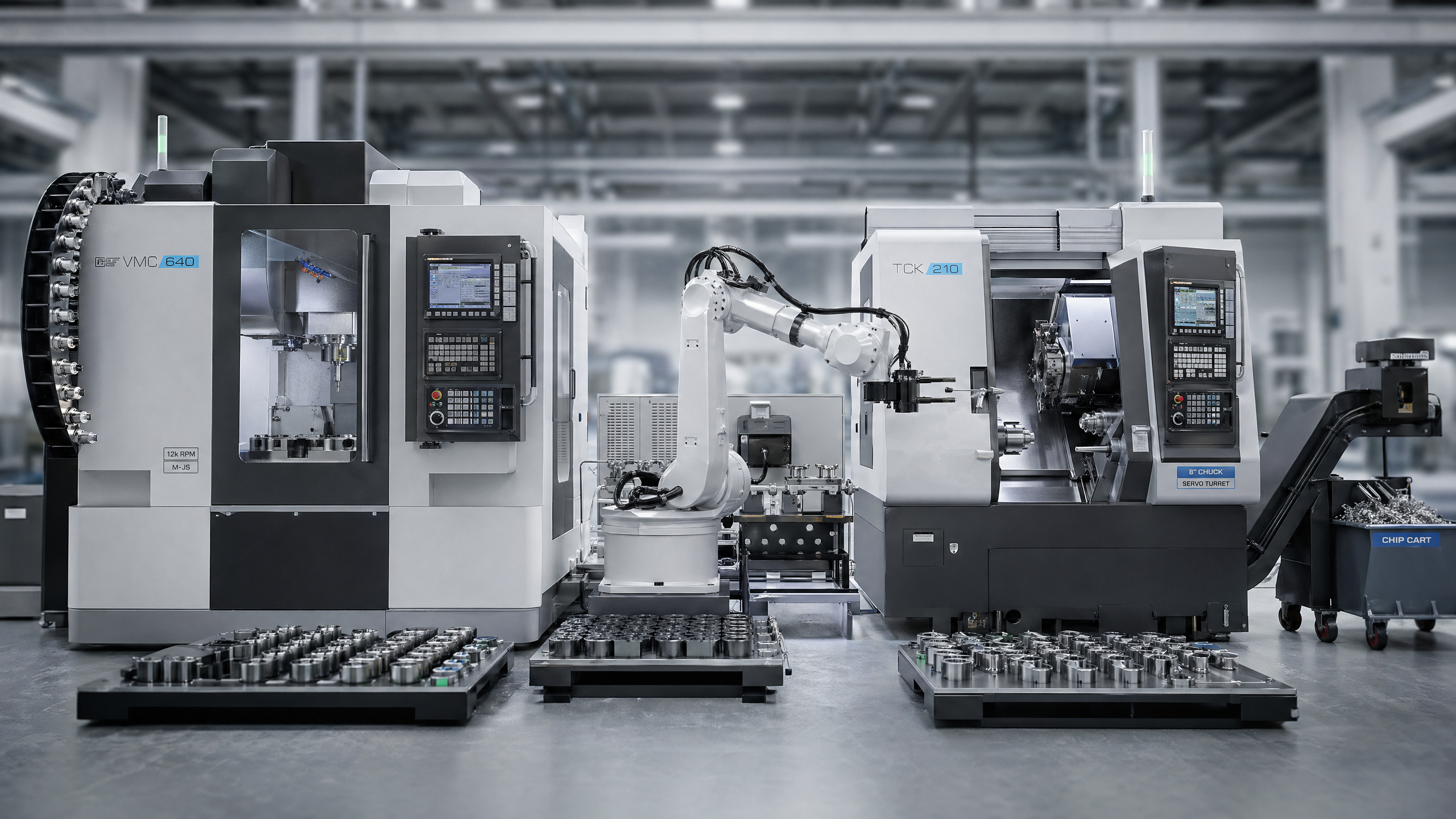
- Automation support such as robotic loading, pallet systems, or flexible production lines
Then ask practical follow-up questions:
- What is the current utilization rate?
- How do they handle urgent orders?
- What is the normal batch size range?
- Do they rely heavily on subcontractors for critical steps?
- What is the backup plan if a key machine fails?
Production stability matters as much as technical capability. A factory with advanced equipment but overloaded scheduling can become a delivery risk. For recurring orders, ask about OTD performance, scrap rate, rework rate, and peak-season constraints.
How to assess export experience and international trade reliability
Not every good manufacturer is a good exporter. Cross-border execution requires more than production skill. Inexperienced exporters can create delays through packaging errors, incomplete shipping documents, poor labeling, or weak coordination.
Key export checkpoints include:
- Experience shipping to your country or region
- Understanding of Incoterms and payment terms
- Correct commercial invoice, packing list, HS code, and origin documents
- Export-compliant packaging for precision parts or machine tools
- Moisture protection, rust prevention, shock protection, and crate design
- Coordination with freight forwarders, customs brokers, and inspection agencies
For CNC machine tools and high-value equipment, ask specifically about installation support, spare parts planning, electrical standard matching, and remote troubleshooting. For precision machined parts, ask how the exporter prevents transit damage, mixed lots, and labeling errors.
Good exporters know that international customers need predictability. They should be able to explain lead time structure, shipment milestones, and escalation procedures if something goes wrong.
What buyers should ask during sample orders and factory audits
A sample order is one of the most useful vetting tools because it tests real execution. It reveals how the exporter handles drawings, communication, tolerances, packaging, and schedule discipline.
During a sample phase, review:
- Quotation clarity and response speed
- Technical questions raised before production
- DFM feedback quality
- First article accuracy
- Inspection report completeness
- Packaging condition on arrival
- Ability to correct issues quickly
If you can perform a factory audit, focus on what is observable:
- Shop floor organization and 5S discipline
- Machine condition and maintenance records
- Tool management and work instruction control
- Incoming material identification
- In-process quality checkpoints
- Segregation of conforming and nonconforming parts
- Warehouse and export packing areas
For remote evaluation, ask for live video walkthroughs, timestamped production photos, and real examples of quality records. In 2026, digital audits are common, but they should still be structured and evidence-based.
Red flags that often indicate a risky CNC manufacturing exporter
Some warning signs appear early if you know where to look. Be cautious if the exporter:
- Provides prices quickly but avoids technical detail
- Claims very tight tolerances without asking about function or inspection method
- Cannot explain process control in a consistent way
- Refuses to share basic quality documentation
- Has a professional website but weak traceable business records
- Changes lead times or commercial terms repeatedly
- Relies too heavily on generic catalog language
- Offers extremely low prices far below market range
Another red flag is poor communication between sales and engineering. If your technical questions are answered vaguely, or if each response contradicts the last one, the handoff process may be weak internally. That often leads to drawing mistakes, revision confusion, and avoidable production errors.
How to balance price, precision, and long-term supply value
In CNC sourcing, the best value rarely comes from the cheapest exporter. A better framework is total supply value, including:
- Part quality consistency
- Delivery reliability
- Engineering support
- Corrective action speed
- Administrative efficiency
- Lifecycle support for repeat orders
For procurement professionals, compare exporters using a scorecard instead of unit price alone. Typical weighted areas include quality system, technical fit, delivery history, communication, export experience, and commercial competitiveness.
For operators and end users, practical fit matters too. If the exporter supplies CNC machine tools or integrated production systems, assess ease of operation, documentation quality, maintenance access, training support, and spare parts availability. A machine that looks competitive at purchase can become costly if support is slow or technical documentation is incomplete.
A practical vetting checklist for 2026 sourcing decisions
Use this simple sequence when evaluating a CNC manufacturing exporter:
- Confirm business identity, factory role, and export entity
- Review machine list, process range, and target industry experience
- Verify certifications, calibration status, and traceability practices
- Request sample reports, case studies, and quality documentation
- Assess engineering communication and DFM capability
- Check export packaging, shipping documentation, and destination experience
- Run a sample order or pilot project
- Audit on site or remotely using structured checkpoints
- Score total risk, not just price
- Approve only after evidence supports long-term reliability
This approach works whether you are sourcing precision machined parts, automated manufacturing cells, CNC lathes, or advanced machining centers. The core principle is the same: trust should follow proof.
Final thoughts
To vet a CNC manufacturing exporter in 2026, look beyond quotations and product photos. The right partner should demonstrate real precision CNC manufacturing capability, strong quality control, dependable export execution, and clear communication from first inquiry to final delivery.
For information researchers, this means separating marketing language from operational evidence. For operators, it means confirming that products and support will work in real production. For buyers and business evaluators, it means selecting a supplier that reduces risk while supporting long-term manufacturing performance.
A good exporter is not just a vendor. In a competitive global manufacturing environment, the right CNC manufacturing factory or machine tool exporter becomes a stable extension of your supply chain. Vet carefully, verify deeply, and make decisions based on proven capability.
PREVIOUS ARTICLE
NEXT ARTICLE
Recommended for You
 How to Choose a Space-Saving CNC Manufacturing SetupCNC Machining Technology Center
![]() What to Check Before Using a CNC Manufacturing WholesalerGlobal Machine Tool Trade Research Center
What to Check Before Using a CNC Manufacturing WholesalerGlobal Machine Tool Trade Research Center Why Precision CNC Manufacturing Fails Tolerance GoalsCNC Machining Technology Center
 Is CNC Manufacturing for Energy Equipment Worth the CostManufacturing Market Research Center
![]() How Low Maintenance CNC Manufacturing Cuts DowntimeMachine Tool Industry Editorial Team
How Low Maintenance CNC Manufacturing Cuts DowntimeMachine Tool Industry Editorial Team How to Compare One CNC Manufacturing Factory to AnotherManufacturing Market Research Center


Aris Katos
Future of Carbide Coatings
15+ years in precision manufacturing systems. Specialized in high-speed milling and aerospace grade alloy processing.
▶
How to Vet a CNC Manufacturing Exporter in 2026Global Machine Tool Trade Research Center▶
SSE Extends Post-Market Pricing to All A-Share Stocks and ETFsGlobal Machine Tool Trade Research Center▶
Shanghai Fastener Show 2026: 70,000㎡ Global Largest, Focus on Low-Carbon Compliance & Smart ManufacturingGlobal Machine Tool Trade Research Center▶
Fastener Expo Shanghai 2026: 70,000 sqm Global Record, Focus on Low-Carbon & Smart ManufacturingGlobal Machine Tool Trade Research Center▶
ISO/TR 37115-1:2026 Zero-Carbon City Standard ReleasedGlobal Machine Tool Trade Research Center
Mastering 5-Axis Workholding Strategies
Join our technical panel on Nov 15th to learn about reducing vibrations in thin-wall components.

Providing you with integrated sanding solutions
Before-sales and after-sales services
Comprehensive technical support