• Global CNC market projected to reach $128B by 2028 • New EU trade regulations for precision tooling components • Aerospace deman
NYSE: CNC +1.2%LME: STEEL -0.4%

How to Choose a Space-Saving CNC Manufacturing Setup
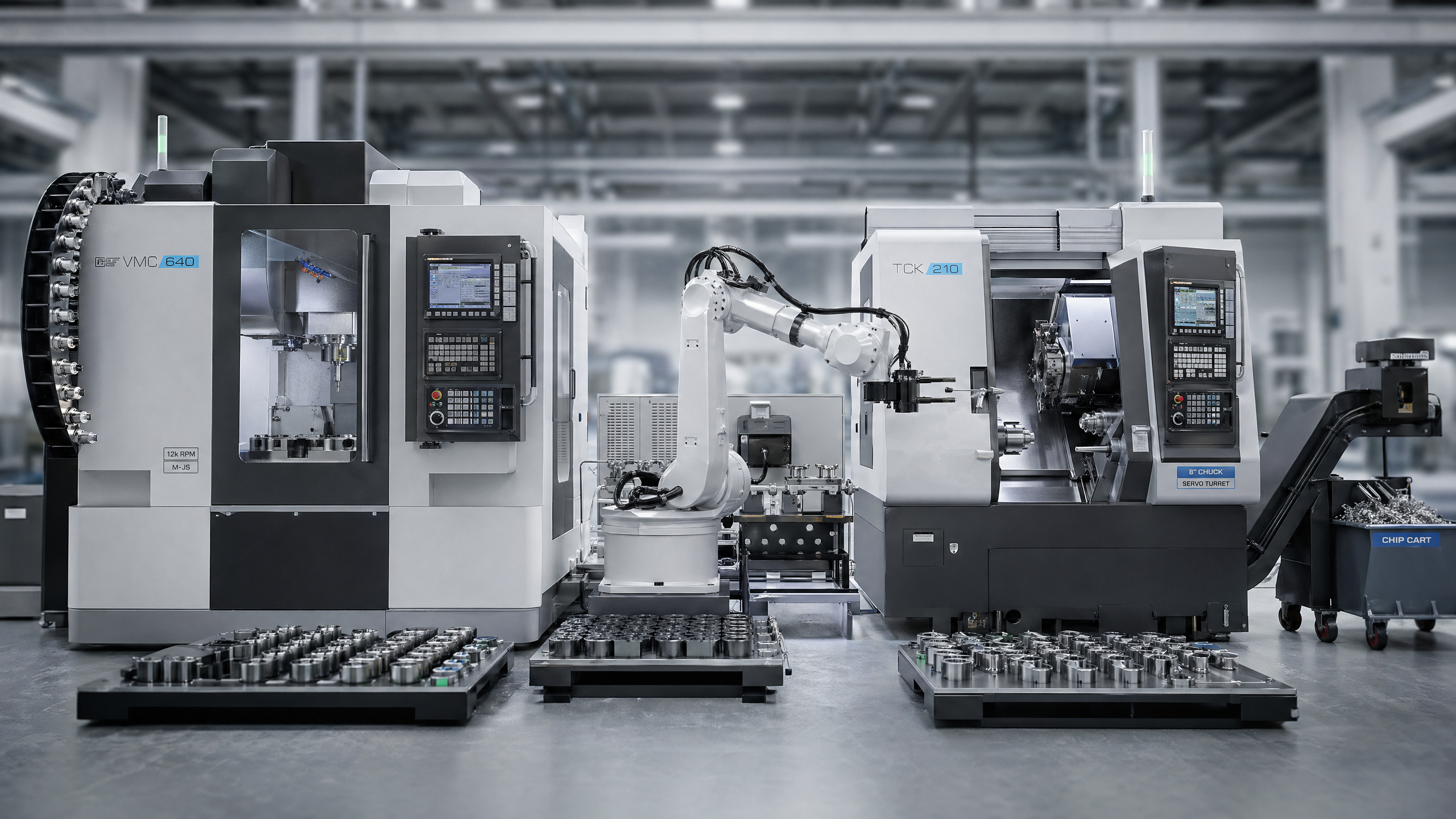
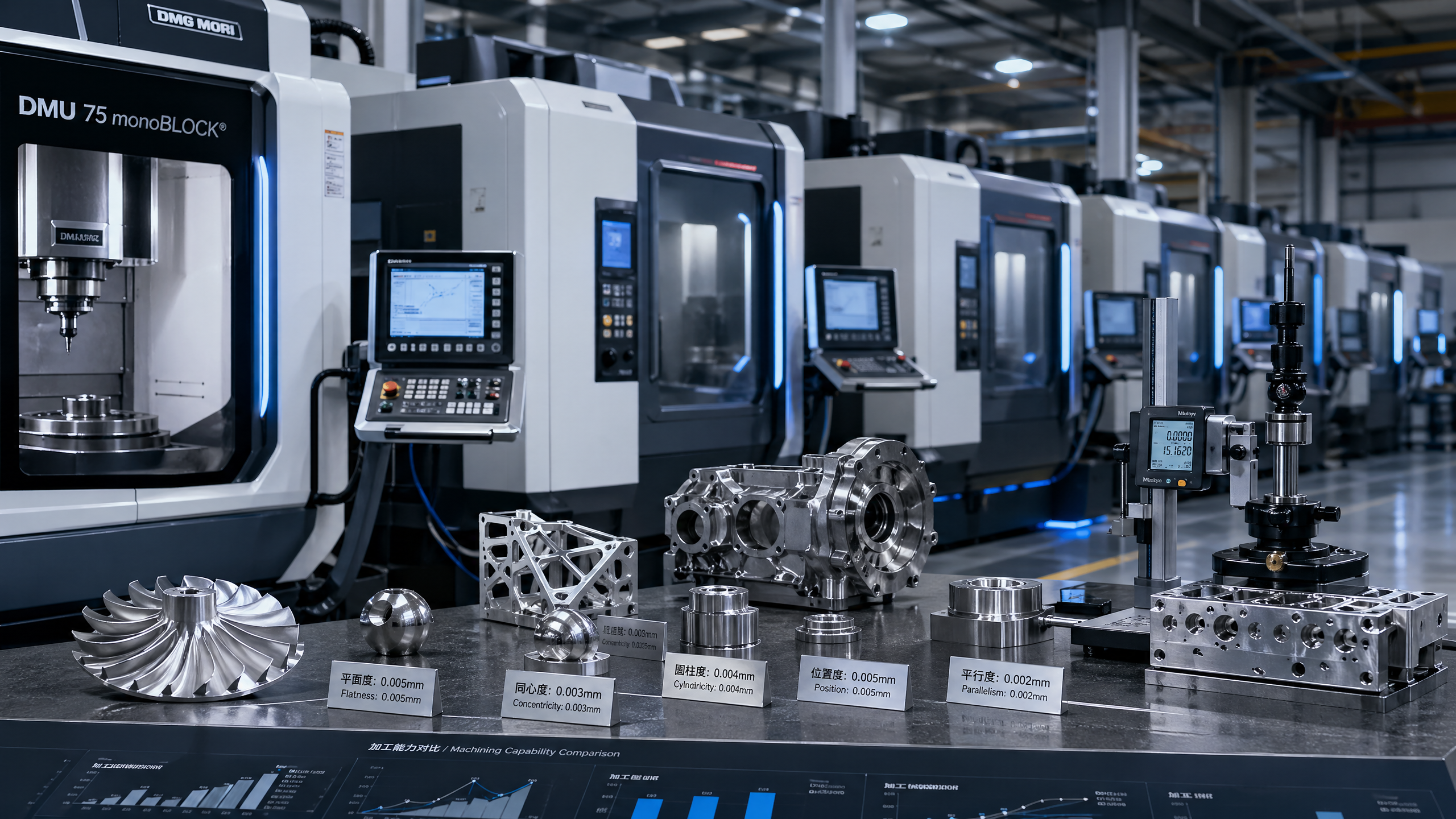
Choosing a space-saving CNC manufacturing setup requires balancing floor space, output, precision, and long-term operating costs. For buyers comparing a CNC manufacturing supplier, CNC manufacturing factory, or CNC machine tool manufacturer, the right solution should support high precision CNC manufacturing, automated CNC manufacturing, and quick setup CNC manufacturing without sacrificing flexibility. This guide explains how to evaluate compact machine tool options for modern production needs.
In today’s manufacturing environment, smaller footprints do not automatically mean lower capability. Many workshops, contract manufacturers, and component suppliers now need compact CNC lines that fit into 80–300 square meters while still meeting cycle time, tolerance, and staffing targets. This is especially important in automotive parts, aerospace components, electronics housings, and precision shaft or disc production.
For researchers, operators, procurement teams, and business evaluators, the real challenge is not only machine size. It is the full setup: machine layout, tool storage, loading method, chip management, maintenance access, digital connectivity, and future scalability. A space-saving CNC manufacturing setup should reduce wasted movement, shorten setup time by 20%–40% in many typical cases, and keep precision stable over long production cycles.
What a Space-Saving CNC Setup Really Means in Modern Production
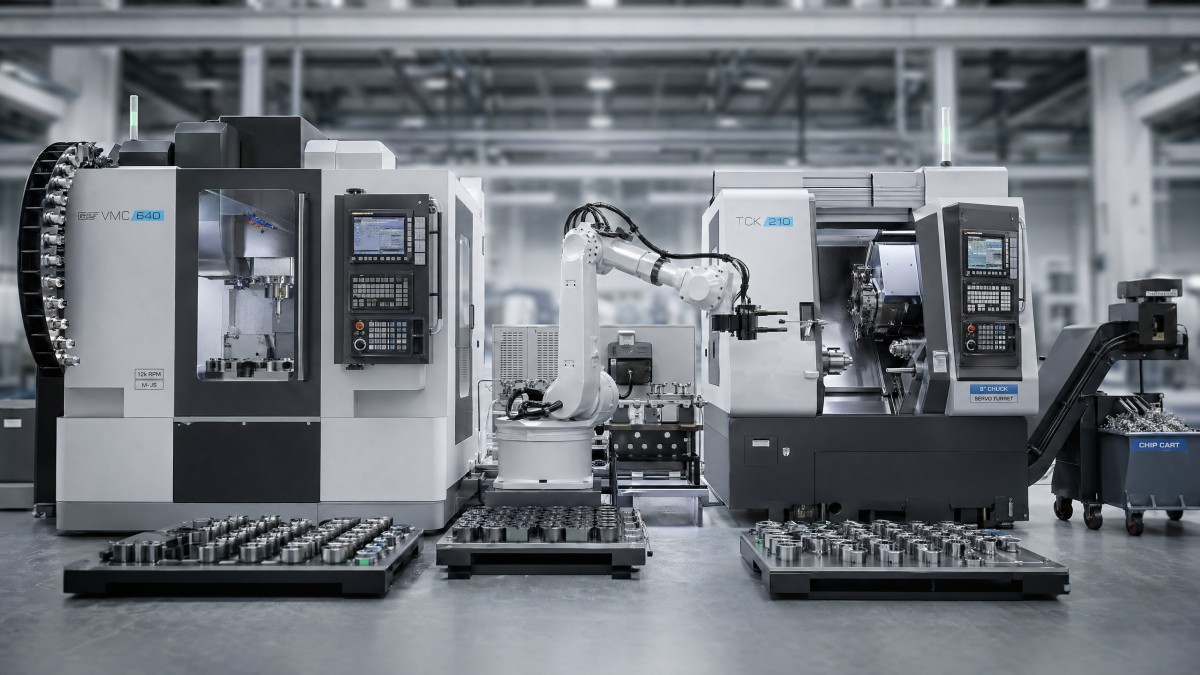
A compact CNC manufacturing setup is not simply a smaller machine placed in a tight corner. In practical factory planning, it refers to a production arrangement that minimizes occupied floor area per unit of output while preserving process capability, operator safety, and maintenance access. In many factories, the target is to improve square-meter productivity rather than only reduce machine dimensions.
For example, one vertical machining center may require only 6–10 square meters for the machine body, but a realistic working cell often expands to 15–25 square meters once tool carts, raw material racks, chip bins, coolant service space, and operator pathways are included. Buyers who ignore these support zones frequently underestimate the actual footprint by 30% or more.
Compact setups are especially valuable in three business situations. First, they help new plants launch production without investing in a large building. Second, they allow existing workshops to add capacity inside a fixed site. Third, they support flexible production where product mix changes every 1–3 weeks and machines must be reconfigured quickly.
Core elements that define compact efficiency
A space-efficient CNC line usually combines short machine-to-machine travel, centralized utilities, quick-change fixtures, and integrated automation. Instead of using separate stations for each task, manufacturers often combine milling, drilling, tapping, and light turning in fewer machines or use multi-axis systems that reduce secondary handling.
- Machine footprint versus actual operating footprint
- Part family compatibility across 2–5 product variants
- Average setup change time, often targeted below 30 minutes for flexible cells
- Tool magazine capacity, typically 20–60 tools in compact machining centers
- Access space for service doors, chip conveyors, and coolant maintenance
The table below shows how buyers can distinguish between machine size alone and the broader production-cell footprint that matters in procurement and layout decisions.
The key takeaway is that compact CNC manufacturing should be measured by usable output density, not by brochure dimensions alone. A buyer who evaluates only the machine base may choose an option that looks small but creates bottlenecks in loading, maintenance, or chip evacuation.
How to Match Machine Type to Available Space and Production Mix
The best space-saving setup depends on part geometry, annual volume, and process complexity. A shop making 5,000 identical flanges each month needs a different configuration from a supplier producing 50 aerospace brackets in mixed batches. Compact CNC manufacturing works best when the machine type aligns with both the part family and the layout constraints.
For shaft parts, compact CNC lathes with bar feeders often deliver the highest output per square meter. For prismatic metal parts, vertical machining centers remain common because they are easier to integrate, relatively efficient in footprint, and practical for 3-axis or 4-axis work. For complex components requiring fewer repositioning steps, 5-axis machining may save total floor space by reducing the need for extra fixtures and secondary stations.
Typical setup choices by production scenario
In mixed production environments, procurement teams should compare not only machine dimensions but also utility requirements, spindle power, pallet options, and loading approach. A machine with a 15% larger base may still save space overall if it consolidates two processes into one.
The following comparison helps identify which compact machine concept is usually better suited to different manufacturing goals.
This comparison shows that “smallest machine” is not always the most efficient choice. In many cases, one multitasking system can replace two separate machines, one inspection transfer, and one intermediate storage area. That can lower handling steps by 25%–50% and improve part consistency at the same time.
Questions procurement teams should ask
- Can one machine complete at least 70%–90% of the part process route?
- What is the actual floor area required after chip conveyor, electrical cabinet, and loader are installed?
- How many part numbers can run without major fixture replacement?
- Does the setup support unattended or low-attended shifts of 4–8 hours?
These questions help separate a compact marketing claim from a truly productive CNC manufacturing setup designed for operational reality.
Key Technical and Layout Criteria Before You Buy
Once the machine category is selected, buyers should evaluate the technical and layout details that determine whether the setup will stay efficient after installation. In compact production, small planning mistakes create major disruptions because there is limited room for rework, extra storage, or wide maintenance access.
Machine performance and footprint balance
Start with spindle speed, spindle power, axis travel, tool capacity, and repeatability. For many precision metalworking applications, repeatability in the range of ±0.003 mm to ±0.01 mm may be relevant, depending on the part and process stage. However, a high-specification machine only adds value if its working envelope matches the actual part size and fixture strategy.
Also review utility conditions. A compact machine that requires oversized external coolant units, large hydraulic stations, or separate electrical cabinets can consume more space than expected. In dense workshops, integrated utility design can reduce supporting equipment area by 10%–20%.
Layout details that affect daily operation
Operator clearance is often neglected. Even in space-saving cells, safe access is needed for loading, door opening, tool replacement, and routine cleaning. A narrow aisle may look efficient on a layout drawing but can slow operations and increase risk. Many factories aim for clear walkways of roughly 800–1200 mm around active service zones, depending on the machine and local safety practice.
Material flow should follow a straight or U-shaped logic. If incoming blanks, finished parts, tooling, and scrap share the same path, congestion appears quickly. In compact CNC manufacturing, smooth flow can often improve practical output more than a modest spindle upgrade.
Six technical checks before final approval
- Check door opening radius and rear service access, not only the base dimension.
- Confirm chip removal frequency, especially for aluminum, cast iron, or high-volume steel cutting.
- Verify coolant tank size and whether refill or cleaning can be done without moving other equipment.
- Review tool magazine count against the real process plan, not just the first sample part.
- Assess noise, heat, and mist extraction if multiple compact cells are placed in one zone.
- Make sure the CNC control can connect to MES, tool monitoring, or remote diagnostics when required.
The table below summarizes practical criteria that often influence long-term success more than initial footprint figures alone.
A well-chosen compact setup performs best when technical capability, serviceability, and operator flow are evaluated together. Procurement decisions made from a one-page machine specification rarely capture these production realities.
Automation, Quick Setup, and Cost Control in Limited Floor Space
In many industries, the strongest reason to invest in a space-saving CNC manufacturing setup is not only rent or building cost. It is the ability to increase output without expanding labor in the same proportion. This is why automated CNC manufacturing and quick setup CNC manufacturing are becoming central criteria in supplier selection.
Compact automation does not always require a full robot line. Depending on the part and batch size, practical options include bar feeders, gantry loading, compact collaborative robots, pallet changers, rotary tables, and integrated part catchers. These systems can support unattended cycles of 20–90 minutes and reduce operator idle time significantly.
Where automation creates value in tight layouts
Automation is most effective when loading is repetitive, part orientation is stable, and cycle time exceeds manual handling time by a clear margin. For example, if a part runs a 12-minute machining cycle and manual load-unload takes 45 seconds, a small loader may free enough labor capacity to cover a second machine in the same cell.
Quick setup capability matters just as much as automation. In high-mix production, a compact line can lose its advantage if each changeover takes 90 minutes and requires tool searching, fixture repositioning, and parameter corrections. Standardized fixtures, preset tools, common workholding bases, and digital program management can often cut changeover time by 25%–50%.
Practical ways to reduce space and cost at the same time
- Use shared tool presetting and centralized offset management for multiple compact machines.
- Adopt modular fixtures that support 3–5 part families on the same base.
- Choose machines with integrated electrical and coolant systems where possible.
- Plan for raw material and finished part racks vertically to save floor area.
- Apply simple automation first, then scale to robot handling when volume justifies it.
Cost analysis should include more than purchase price. Buyers should compare energy use, tool life stability, preventive maintenance frequency, staffing level, and expected uptime. In many B2B evaluations, a machine that costs 10% more upfront may recover the difference within 12–24 months if it reduces labor, rework, and setup losses.
For business evaluators, one useful metric is output per square meter per shift. Another is total cost per finished part over a 3-year period. These measures better reflect the real value of a compact CNC manufacturing solution than the invoice price alone.
Supplier Evaluation, Implementation Steps, and Common Buying Mistakes
Selecting a compact CNC setup is also a supplier management decision. Whether you work with a CNC manufacturing supplier, a CNC manufacturing factory, or a CNC machine tool manufacturer, the supplier should be able to discuss workflow, layout, tooling, training, and after-sales support in operational terms. A machine quote without process context is usually incomplete.
What to ask during supplier comparison
Procurement teams should request a proposed layout, utility list, estimated cycle assumptions, fixture concept, and maintenance points before purchase approval. If the supplier understands compact production well, they should explain how the setup handles chip flow, operator movement, part loading, and future expansion from 1 machine to 2–4 linked units.
Lead times also matter. Depending on machine complexity and localization of components, standard delivery may range from 6–16 weeks, while customized automation cells may need 12–24 weeks. Installation, trial cutting, and operator training often require an additional 3–10 days on site.
Recommended implementation path
- Define part family, annual volume, tolerance level, and available floor area.
- Shortlist 2–3 machine concepts based on process consolidation and layout fit.
- Review tooling, fixture, automation, and utility requirements as one package.
- Run sample part verification or process simulation before final order.
- Plan training, spare parts, and preventive maintenance from day one.
The mistakes are usually predictable. Some buyers choose the smallest machine and later discover that fixture reach, tool capacity, or service access is inadequate. Others invest in advanced automation without standardizing workholding, which creates downtime instead of saving labor. Another common issue is underestimating chip and coolant management in high-volume production.
FAQ for buyers and operators
How much floor space should be reserved beyond the machine footprint?
A practical allowance is often 1.5 to 2.5 times the machine base area, depending on loading method, service access, chip handling, and nearby storage. A compact machine with an 8 m² base may therefore require 12–20 m² as a functional cell.
Is a 5-axis machine always better for saving space?
Not always. It is highly effective for complex parts where multiple setups would otherwise be required. For simple 2.5D or repetitive turned components, a 3-axis center or compact lathe may provide better cost efficiency per part.
What should operators focus on after installation?
Operators should monitor tool life consistency, chip evacuation, cleaning routine, and standardized setup procedures. In compact cells, daily discipline matters because small obstructions or inconsistent tool placement can quickly reduce throughput.
Which KPI is most useful for business evaluation?
For compact production, a strong KPI set includes output per square meter, changeover time, OEE trend, labor coverage ratio, and cost per finished part over 12–36 months. These indicators show whether the setup is truly efficient beyond the initial machine purchase.
A strong supplier relationship should continue after installation through spare parts planning, software support, and response time commitments. In compact, high-utilization environments, delayed service can disrupt the entire cell, not just one machine.
Choosing the right space-saving CNC manufacturing setup means evaluating far more than machine dimensions. The best solution combines suitable machine type, realistic cell layout, efficient automation, quick changeover capability, and reliable supplier support. When these factors align, manufacturers can increase output in limited floor space while maintaining precision, flexibility, and cost control.
If you are comparing compact CNC options for a new workshop, capacity expansion, or process upgrade, now is the right time to review your part mix, layout constraints, and automation goals in detail. Contact us to get a tailored solution, discuss product specifications, or explore more CNC manufacturing and precision production options for your operation.
PREVIOUS ARTICLE
NEXT ARTICLE
Recommended for You
 How to Choose a Space-Saving CNC Manufacturing SetupCNC Machining Technology Center
![]() What to Check Before Using a CNC Manufacturing WholesalerGlobal Machine Tool Trade Research Center
What to Check Before Using a CNC Manufacturing WholesalerGlobal Machine Tool Trade Research Center Why Precision CNC Manufacturing Fails Tolerance GoalsCNC Machining Technology Center
 Is CNC Manufacturing for Energy Equipment Worth the CostManufacturing Market Research Center
![]() How Low Maintenance CNC Manufacturing Cuts DowntimeMachine Tool Industry Editorial Team
How Low Maintenance CNC Manufacturing Cuts DowntimeMachine Tool Industry Editorial Team How to Compare One CNC Manufacturing Factory to AnotherManufacturing Market Research Center


Aris Katos
Future of Carbide Coatings
15+ years in precision manufacturing systems. Specialized in high-speed milling and aerospace grade alloy processing.
▶
How to Choose a Space-Saving CNC Manufacturing SetupCNC Machining Technology Center▶
When High-Speed CNC Manufacturing Improves OutputCNC Machining Technology Center▶
How Quick Setup CNC Manufacturing Saves Shift TimeCNC Machining Technology Center▶
When Multi-Axis CNC Manufacturing Is the Better ChoiceCNC Machining Technology Center▶
Robotics ToB Scaling Hits Data Bottleneck in CNC AI InspectionCNC Machining Technology Center
Mastering 5-Axis Workholding Strategies
Join our technical panel on Nov 15th to learn about reducing vibrations in thin-wall components.

Providing you with integrated sanding solutions
Before-sales and after-sales services
Comprehensive technical support