• Global CNC market projected to reach $128B by 2028 • New EU trade regulations for precision tooling components • Aerospace deman
NYSE: CNC +1.2%LME: STEEL -0.4%

How Low Maintenance CNC Manufacturing Cuts Downtime

Low maintenance CNC manufacturing is becoming a key strategy for reducing downtime while improving output quality and cost control. From precision CNC manufacturing and automated CNC manufacturing to compact machine tool solutions, manufacturers across aerospace, electronics, and energy equipment are seeking smarter, faster, and more reliable production systems that keep operations running with fewer interruptions.
For plant managers, machine operators, sourcing teams, and business evaluators, the real question is no longer whether CNC capacity is available. The more important question is how to build a production environment that can sustain spindle utilization, control maintenance intervals, and reduce stoppages caused by wear, contamination, setup errors, or unstable components.
In practical terms, low maintenance CNC manufacturing means choosing machine tools, automation systems, cutting strategies, and service plans that simplify upkeep while keeping precision within target ranges such as ±0.01 mm to ±0.05 mm, depending on the part and process. It also means reducing unplanned downtime that can easily consume 5% to 20% of available production time in poorly managed workshops.
This article examines how low maintenance CNC manufacturing cuts downtime, what design and procurement factors matter most, and how different users can evaluate compact machine tools, automated CNC manufacturing cells, and long-term support options in a global precision manufacturing environment.
Why Downtime Remains a Critical Cost Driver in CNC Manufacturing
[[IMG:img_01]]Downtime in CNC operations is rarely caused by a single event. More often, it comes from a chain of small failures: coolant contamination, spindle overheating, chip evacuation issues, unstable tooling, sensor faults, lubrication neglect, or delayed part loading. When these issues repeat across 2 shifts or 3 shifts per day, their cumulative effect can be more expensive than the original machine investment plan anticipated.
In high-mix production, changeovers can also create hidden downtime. A machining center may only stop for 12 to 20 minutes during setup, but if that happens 6 to 10 times per shift, lost productive hours become significant. For procurement teams, this means evaluating more than nameplate speed. A machine that runs at a slightly lower maximum cutting rate may still generate better output if it needs fewer interventions over a 30-day operating cycle.
Operators often see downtime first through practical symptoms: tool breakage frequency, alarm resets, poor chip control, repeated calibration checks, or awkward access for cleaning. These are not minor workshop inconveniences. They directly affect scrap rates, delivery schedules, and labor utilization, especially in industries that require repeatability for shafts, discs, housings, and structural parts.
Business evaluators should also distinguish planned maintenance from unplanned stoppage. A 2-hour scheduled service every 4 weeks is usually manageable. A random 40-minute failure twice a week is far more disruptive because it interrupts labor planning, quality flow, and downstream assembly. That is why low maintenance CNC manufacturing focuses on predictability as much as durability.
The Most Common Sources of Unplanned CNC Stoppage
The following areas are responsible for many recurring production interruptions in general precision manufacturing environments:
- Tooling instability, including premature wear, runout, or poor clamping repeatability.
- Inadequate lubrication systems that cause guideway wear, ball screw stress, or overheating.
- Poor chip and coolant management, especially in deep cavity machining or long-cycle turning.
- Electrical and control issues, such as unstable sensors, wiring fatigue, or alarm misdiagnosis.
- Manual loading and unloading delays that limit spindle uptime in batch production.
Each of these problems can be reduced through better machine architecture, process planning, and operator-friendly maintenance design rather than relying only on reactive repair.
What Defines Low Maintenance CNC Manufacturing in Real Production
Low maintenance CNC manufacturing is not simply about buying a machine advertised as reliable. It is a broader production approach that combines stable machine tool construction, easier service access, compatible automation, robust control systems, and process settings that reduce stress on components. In many factories, the best-performing systems are those designed to keep routine maintenance within daily, weekly, and monthly intervals that are simple to follow.
A practical low maintenance setup usually includes centralized lubrication, effective coolant filtration, enclosed chip removal, accessible inspection points, and control diagnostics that help operators identify problems in less than 5 minutes. Compact machine tool solutions can also contribute, especially when floor space is limited and operators need clear access around the machine for cleaning, fixture changes, and tool replacement.
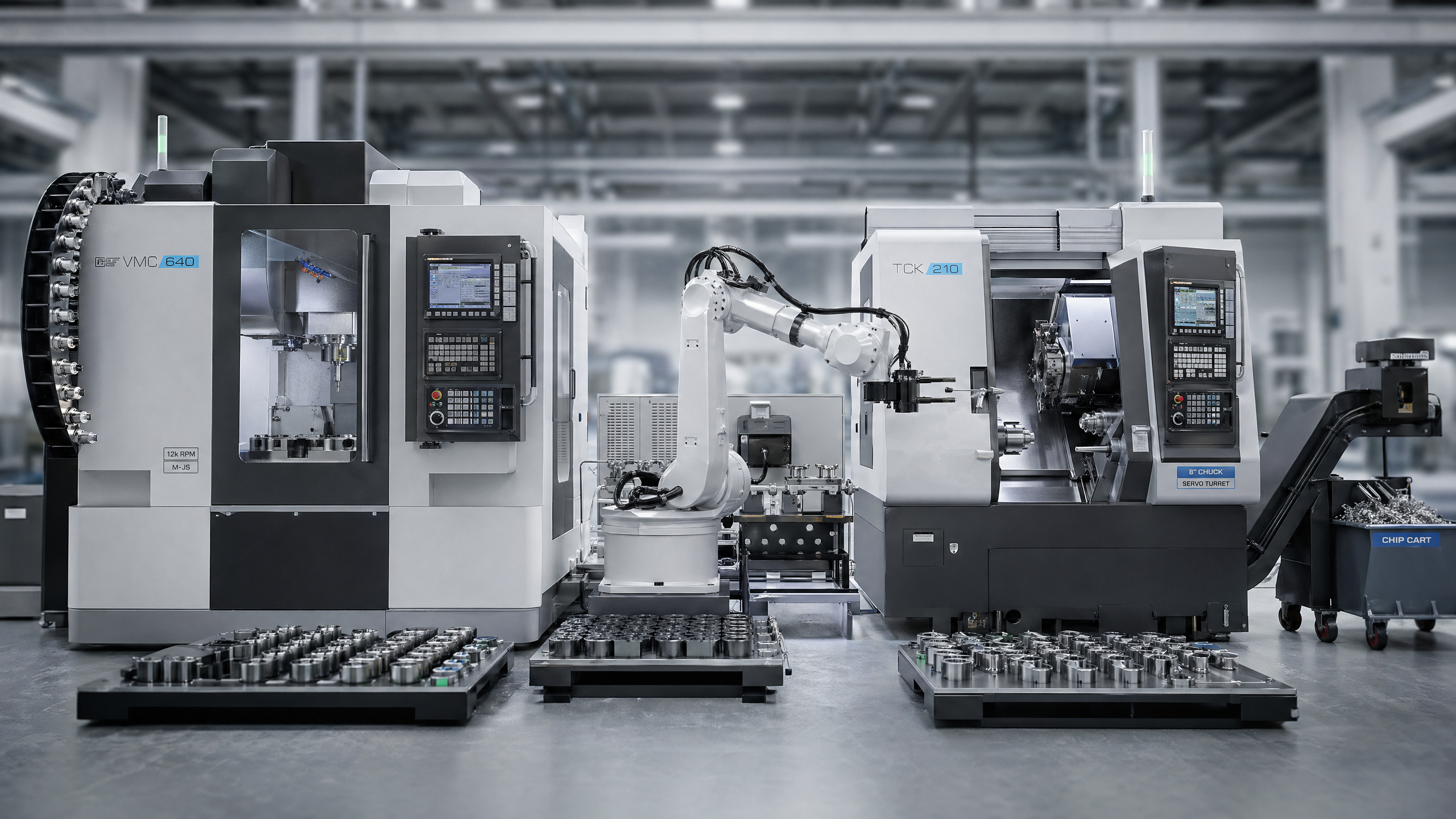
In automated CNC manufacturing, low maintenance performance also depends on integration quality. A robot cell that adds 15% more throughput on paper can still increase downtime if the gripper, pallet system, or loading sequence is sensitive to variation. For this reason, automated cells should be evaluated by cycle stability over 8 to 24 hours, not by isolated demonstration runs.
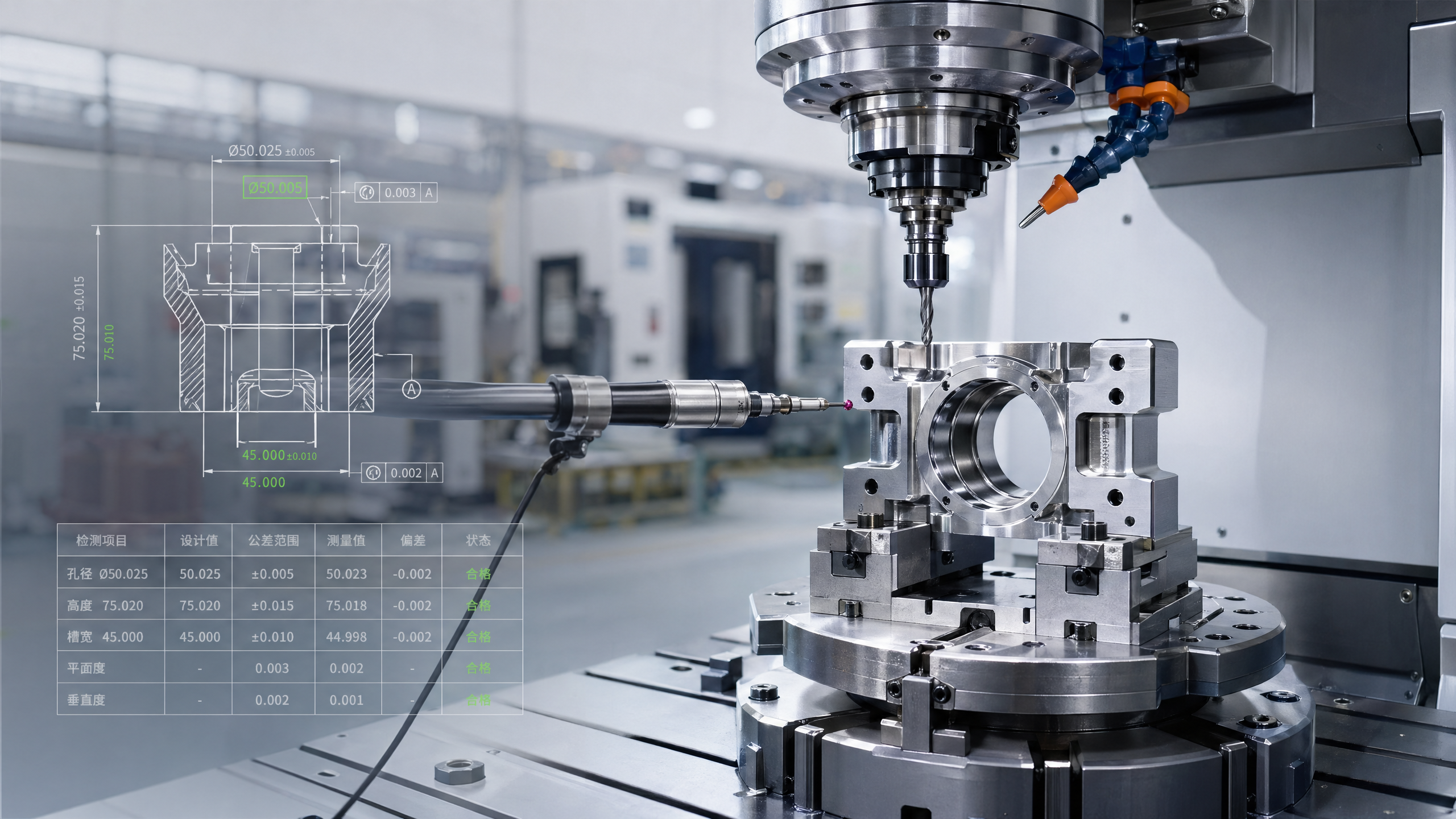
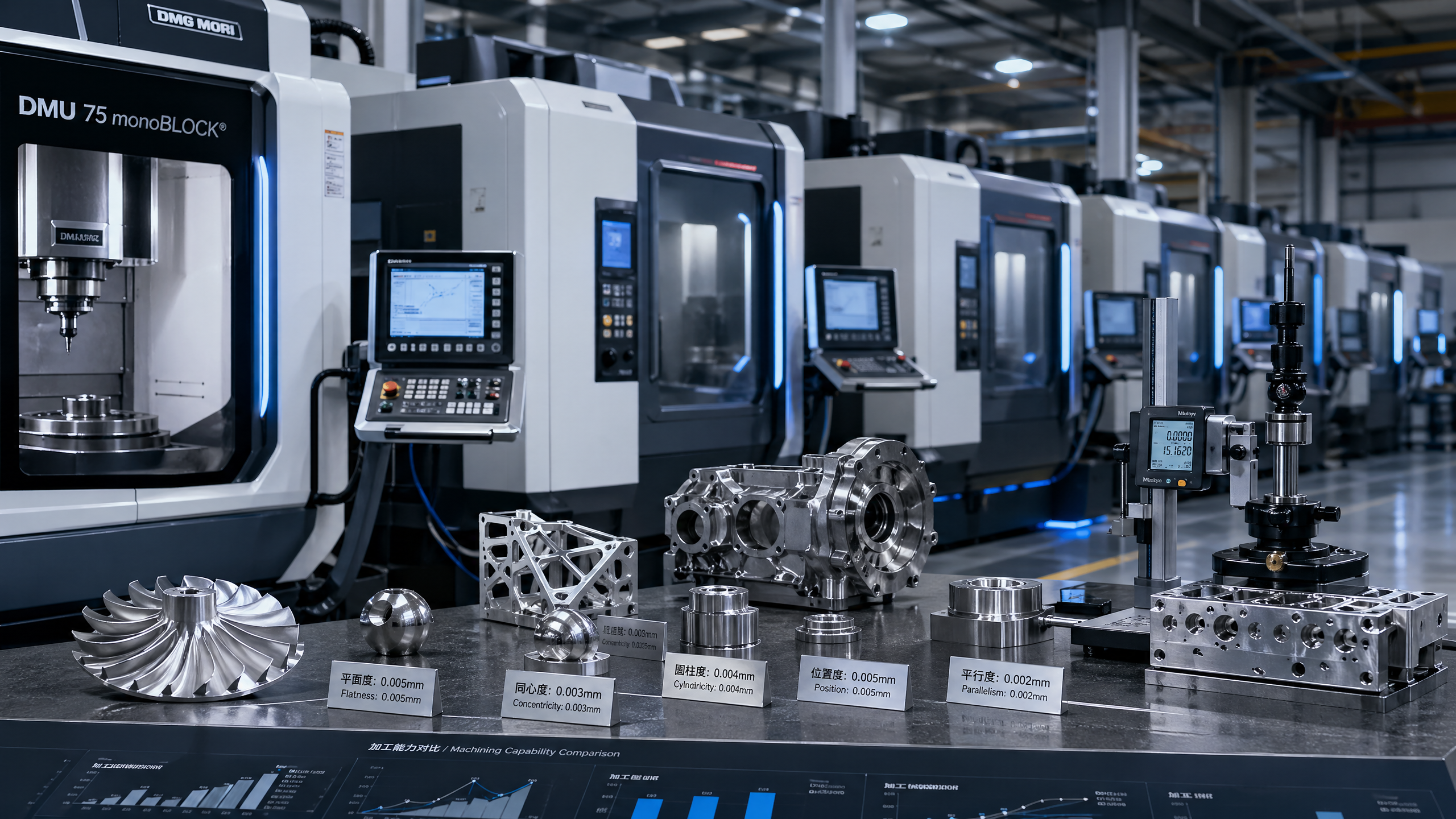
Precision CNC manufacturing adds another layer of complexity. When tolerance expectations tighten below ±0.02 mm, thermal stability, spindle condition, and fixture repeatability become maintenance-sensitive factors. A low maintenance system in this context is one that holds process consistency without requiring constant manual compensation.
Core Characteristics Buyers Should Look For
Before comparing suppliers, it helps to break low maintenance CNC manufacturing into measurable machine and process attributes:
The strongest conclusion from this comparison is that low maintenance CNC manufacturing depends on maintainability by design. Service access, diagnostic transparency, and contamination control often matter just as much as spindle speed or axis count.
A Useful Selection Principle
If a machine requires specialized intervention for routine tasks that should take under 10 minutes, it is unlikely to deliver low maintenance performance in a fast-moving production environment. Ease of daily upkeep should be considered a production asset, not a secondary convenience.
How Precision, Automation, and Compact Design Reduce Maintenance Burden
Precision CNC manufacturing reduces downtime when the machine and process remain stable enough to avoid frequent rework, probing correction, and dimensional drift. A part that stays within tolerance for 100 consecutive cycles with only routine tool offsets is more valuable than one that cuts faster but requires repeated quality intervention every 15 to 20 parts.
Automated CNC manufacturing reduces maintenance burden in a different way. By replacing inconsistent manual loading with standardized handling, it can increase spindle utilization and reduce human-related delays. However, automation must be appropriately scaled. For medium-volume production, a simple bar feeder, pallet changer, or 6-axis robot may be more practical than a complex line that introduces additional failure points.
Compact machine tool solutions are especially relevant for suppliers and contract manufacturers operating in space-constrained workshops. A smaller footprint can shorten operator walking distance, simplify coolant access, and improve line visibility. In some facilities, reducing movement around the machine by even 10 to 15 meters per setup can save meaningful time across dozens of setups each week.
The key is not choosing the most advanced configuration in abstract terms. The key is matching machine architecture to production reality: part size, batch frequency, material type, operator skill level, and maintenance staffing. A compact turning center with automated part handling may outperform a larger, more complex cell if maintenance resources are limited.
Typical Solution Fit by Production Need
Different low maintenance CNC configurations serve different operational goals. The table below helps translate machine type into practical downtime reduction value.
What this shows is that low maintenance CNC manufacturing is highly application-dependent. The right configuration is the one that minimizes intervention across the actual production window, whether that is 50 parts per week or 5,000 parts per month.
Implementation Priorities for Operators and Engineers
- Standardize tool life rules by material and operation so replacement is proactive rather than reactive.
- Set cleaning and inspection checkpoints at daily and weekly intervals instead of waiting for visible performance loss.
- Use alarms and diagnostics to record repeated causes within a 30-day review cycle.
- Validate automation repeatability over full shift conditions, not only short trial runs.
These steps are relatively simple, but they help convert machine capability into stable output and lower service burden.
Procurement and Evaluation Criteria for Buyers and Business Teams
For purchasing departments, low maintenance CNC manufacturing should be evaluated as a total operating value issue rather than a one-time equipment purchase. The initial quotation matters, but so do spare part access, service response time, operator training, software support, and the practical cost of maintaining uptime over 3 to 7 years.
A useful procurement method is to compare suppliers across four dimensions: machine stability, maintenance simplicity, integration readiness, and after-sales support. This creates a more realistic buying framework than comparing only axis travel, spindle power, or cycle-time claims. In many industrial settings, even a 3% to 5% uptime improvement can justify a higher purchase price if output is capacity-constrained.
Commercial evaluators should also ask how quickly wear items, sensors, pumps, and control components can be replaced. A technically strong machine can become a production bottleneck if replacement lead times stretch from 48 hours to 3 weeks. This is especially important for globally sourced CNC systems operating across different regions.
Another overlooked factor is training burden. If routine maintenance procedures require highly specialized technicians for basic tasks, scaling production becomes harder. A more maintainable system should allow operators and in-house maintenance teams to handle daily and weekly tasks with clear instructions and minimal disruption.
Buyer Checklist for Low Maintenance CNC Manufacturing
The following matrix can help purchasing teams score suppliers and configurations before final approval.
The biggest takeaway is that procurement success depends on asking maintenance-related questions early. Downtime reduction is usually decided before installation, at the specification and supplier selection stage.
Common Buying Mistakes
- Choosing the highest-speed machine without evaluating contamination control and service access.
- Underestimating the effect of training time on startup efficiency during the first 2 to 8 weeks.
- Ignoring local spare part availability for pumps, sensors, and wear components.
- Adding complex automation before process stability has been proven on the base machine.
Avoiding these mistakes improves both uptime and return on capital investment.
Implementation, Maintenance Routines, and FAQ for Long-Term Uptime
Even the best CNC equipment will not stay low maintenance without disciplined execution. Implementation should start with a documented baseline covering cycle time, alarm history, tool life, coolant condition, and inspection frequency. During the first 30 to 60 days after commissioning, this baseline helps teams identify whether downtime comes from the machine, tooling, program strategy, fixturing, or operator practice.
A practical maintenance schedule usually includes daily cleaning and visual checks, weekly coolant and lubrication inspection, and monthly verification of alignment-sensitive or wear-sensitive items. In unattended or semi-automated production, the inspection routine may need to be tightened, especially when machining abrasive materials or high-volume metal parts.
Service support is also part of uptime strategy. Plants should define who handles first-line troubleshooting, what symptoms trigger supplier escalation, and which spare parts must be kept on site. This is particularly important for export-oriented manufacturers that cannot afford shipment delays caused by a single failed sensor or pump assembly.
When these routines are formalized, low maintenance CNC manufacturing becomes repeatable rather than accidental. It supports better quality consistency, more predictable output planning, and lower interruption risk across precision machining, turning, milling, and automated production cells.
Recommended Routine by Time Interval
- Daily: remove chips, inspect coolant level, check visible lubrication status, confirm alarms are cleared.
- Weekly: review tool wear pattern, inspect filter condition, verify air and fluid lines, check fixture cleanliness.
- Monthly: inspect repeatability trend, examine spindle condition indicators, review recurring faults, update maintenance log.
- Quarterly: assess uptime performance, spare part consumption, operator feedback, and automation consistency.
These intervals can be adjusted by workload, but using fixed review windows helps prevent minor issues from becoming production-stopping failures.
How do you know if a CNC system is truly low maintenance?
Look at daily operator workload, alarm frequency, cleaning effort, and part consistency over at least 2 to 4 weeks. If routine care is simple, faults are diagnosable, and dimensional stability does not require constant manual correction, the system is performing as a low maintenance solution.
Which industries benefit most from low maintenance CNC manufacturing?
Aerospace, electronics, energy equipment, automotive supply, and general precision component manufacturing all benefit. The value is especially high where batches are frequent, tolerances are tight, or delivery schedules leave little room for unplanned machine stoppage.
Is automated CNC manufacturing always better for reducing downtime?
Not always. Automation works best when the machining process is already stable. If tooling, fixturing, or chip control is unreliable, automation can amplify stoppages instead of reducing them. A staged approach, beginning with stable manual or semi-automatic operation, is often more effective.
What should buyers prioritize when comparing compact machine tool solutions?
Focus on service access, chip evacuation, coolant management, layout efficiency, and integration potential. A compact footprint is useful only if it does not compromise maintenance access or thermal stability during extended production runs.
Low maintenance CNC manufacturing cuts downtime by combining stable machine design, practical automation, maintainable layouts, disciplined service routines, and smarter procurement decisions. For operators, it means fewer interruptions and easier daily control. For buyers and commercial teams, it means stronger uptime, better output predictability, and more reliable long-term manufacturing value.
If you are evaluating precision CNC manufacturing systems, automated CNC manufacturing lines, or compact machine tool solutions for your next project, now is the right time to compare maintenance burden as carefully as cutting performance. Contact us to discuss your production goals, request a tailored equipment strategy, or explore more solutions for reliable global CNC manufacturing.
PREVIOUS ARTICLE
NEXT ARTICLE
Recommended for You
 How to Choose a Space-Saving CNC Manufacturing SetupCNC Machining Technology Center
![]() What to Check Before Using a CNC Manufacturing WholesalerGlobal Machine Tool Trade Research Center
What to Check Before Using a CNC Manufacturing WholesalerGlobal Machine Tool Trade Research Center Why Precision CNC Manufacturing Fails Tolerance GoalsCNC Machining Technology Center
 Is CNC Manufacturing for Energy Equipment Worth the CostManufacturing Market Research Center
![]() How Low Maintenance CNC Manufacturing Cuts DowntimeMachine Tool Industry Editorial Team
How Low Maintenance CNC Manufacturing Cuts DowntimeMachine Tool Industry Editorial Team How to Compare One CNC Manufacturing Factory to AnotherManufacturing Market Research Center

Aris Katos
Future of Carbide Coatings
15+ years in precision manufacturing systems. Specialized in high-speed milling and aerospace grade alloy processing.
▶
How Low Maintenance CNC Manufacturing Cuts DowntimeMachine Tool Industry Editorial Team▶
How Space-Saving CNC Manufacturing Reduces Factory FootprintMachine Tool Industry Editorial Team▶
eVTOL Base Construction Drives CNC Export GrowthMachine Tool Industry Editorial Team▶
How CNC Industrial Systems Improve Shop EfficiencyMachine Tool Industry Editorial Team▶
World's First 5-Axis Middle-Grade Wire EDM Machine Enters Mass ProductionMachine Tool Industry Editorial Team
Mastering 5-Axis Workholding Strategies
Join our technical panel on Nov 15th to learn about reducing vibrations in thin-wall components.

Providing you with integrated sanding solutions
Before-sales and after-sales services
Comprehensive technical support