• Global CNC market projected to reach $128B by 2028 • New EU trade regulations for precision tooling components • Aerospace deman
NYSE: CNC +1.2%LME: STEEL -0.4%

Why Precision CNC Manufacturing Fails Tolerance Goals
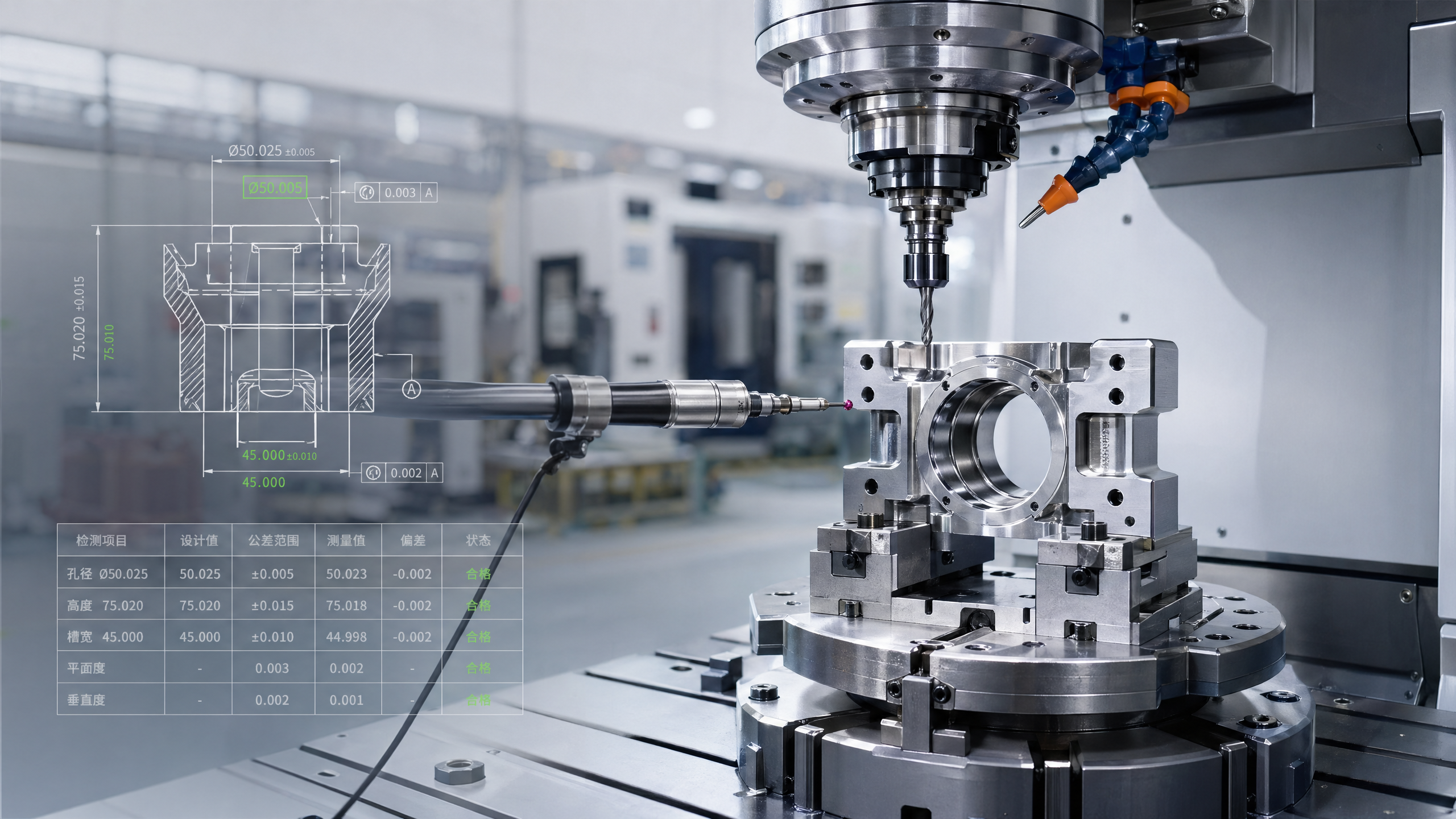
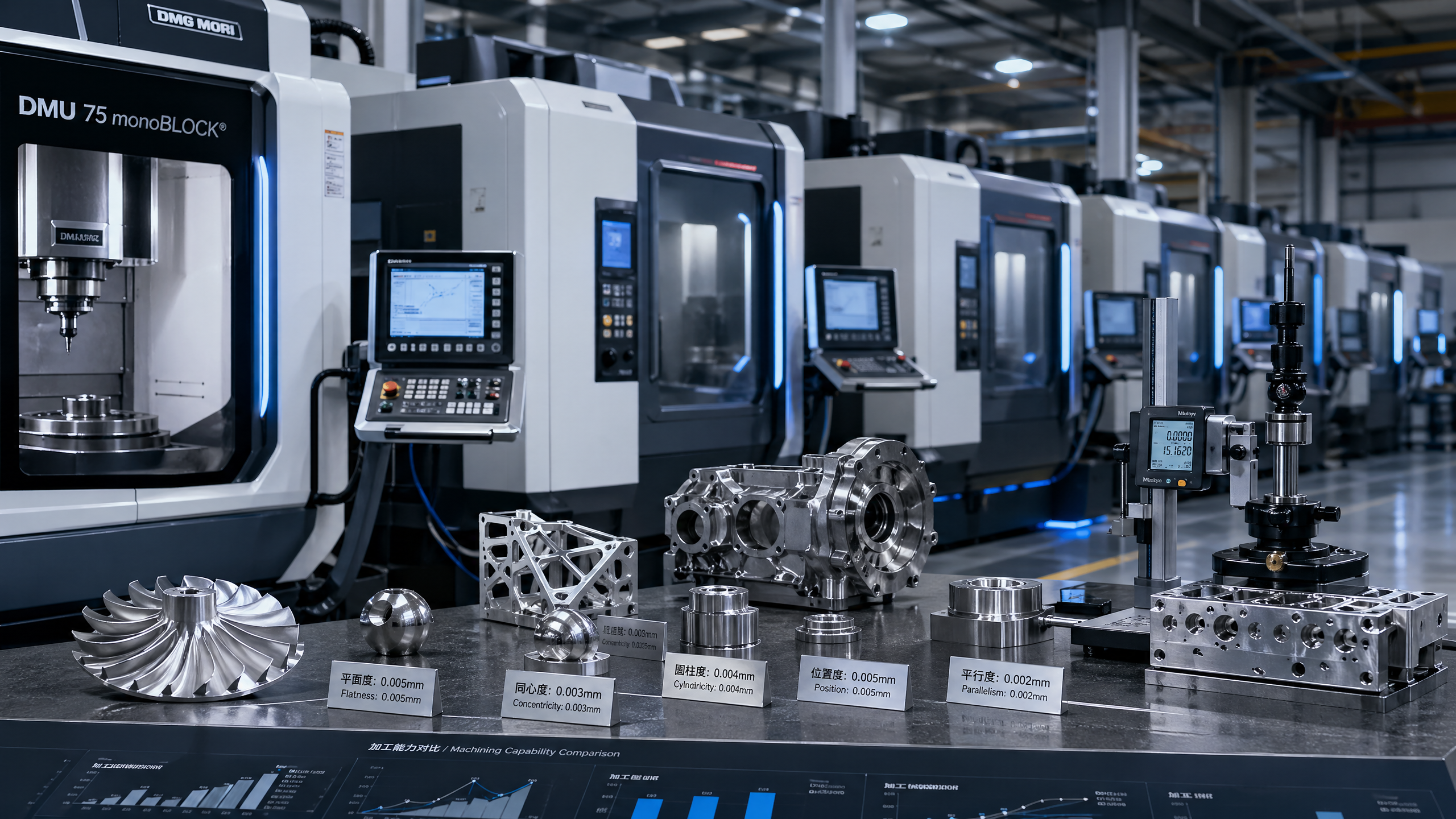
Precision CNC manufacturing fails tolerance goals more often than buyers and operators expect—and the root cause is usually not a single machine defect. In most cases, tolerance drift comes from a chain of controllable factors: machine rigidity, thermal variation, tool wear, workholding instability, programming strategy, inspection gaps, and inconsistent process control. For sourcing teams evaluating a CNC manufacturing supplier or a CNC machine tool manufacturer, the key question is not whether a shop owns advanced equipment, but whether it can repeatedly hold the required tolerance under real production conditions.
For industries such as aerospace, electronics, automotive, and energy equipment, even small dimensional errors can trigger assembly issues, scrap, delivery delays, and hidden cost escalation. Understanding why high precision CNC manufacturing fails helps readers judge supplier capability, improve shop-floor performance, and choose more reliable and cost-effective CNC manufacturing solutions.
What usually causes tolerance failure in precision CNC manufacturing?
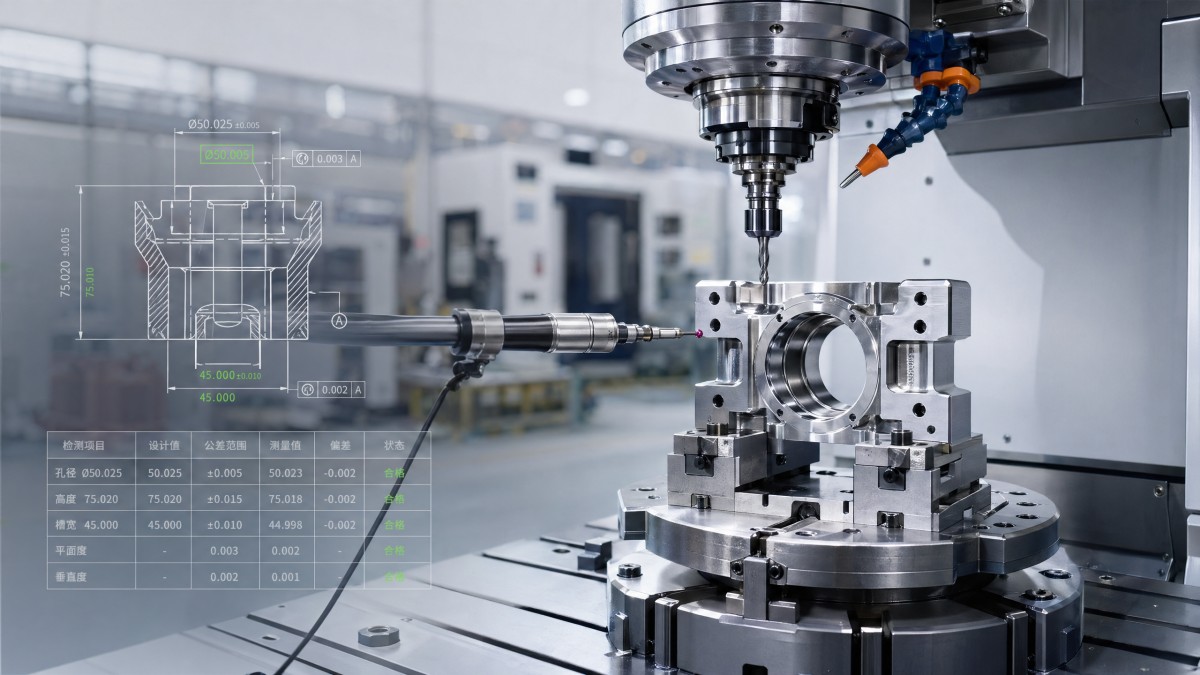
The most important takeaway is simple: tolerance failure is usually a system problem, not just a machining problem. A part may be designed correctly and still go out of tolerance because the manufacturing process cannot remain stable from first piece to final batch.
The most common causes include:
- Insufficient machine rigidity, leading to vibration, chatter, and dimensional variation
- Poor thermal control, causing spindle growth, workpiece expansion, or axis drift
- Incorrect tooling strategy, including wrong tool geometry, tool overhang, or poor tool life management
- Weak fixturing and clamping, allowing movement or deformation during machining
- Programming and toolpath errors, especially in multi-axis or thin-wall parts
- Material inconsistency, such as hardness variation, internal stress, or unstable stock condition
- Inadequate in-process inspection, which allows drift to continue unnoticed
- Operator and process inconsistency, especially when setup methods vary between shifts
For procurement and business evaluation teams, this means a supplier cannot be judged only by equipment list, tolerance claims, or sample photos. The real capability lies in repeatability, process discipline, and statistical control.
Why machine rigidity matters more than many buyers realize
When a CNC machine tool lacks rigidity, it cannot resist cutting forces consistently. This affects surface finish, hole position, flatness, roundness, and overall dimensional stability. The issue becomes more severe in high-speed machining, hard materials, deep cavities, long tools, and thin-wall components.
Machine rigidity depends on several elements:
- Machine base and structural design
- Spindle stiffness
- Linear guide and ball screw quality
- Axis backlash control
- Foundation and installation conditions
For example, a machining center may be able to hold tolerance on a small aluminum part but fail on a stainless steel structural component because the cutting load is much higher. In high precision CNC manufacturing, advertised machine accuracy does not always equal production accuracy.
Buyers evaluating a CNC manufacturing supplier should ask practical questions such as:
- What materials are regularly machined within this tolerance range?
- Is the tolerance achieved in prototype work only, or in batch production as well?
- Are there capability records for similar part geometry?
- What spindle and machine configuration are used for critical features?
How thermal variation quietly destroys dimensional accuracy
Thermal effects are one of the biggest reasons precision CNC manufacturing misses tolerance goals, especially in longer production runs. Machines generate heat through spindle rotation, axis movement, coolant circulation, and ambient temperature shifts. Workpieces and tools also expand or contract with temperature changes.
Typical thermal-related problems include:
- Dimension drift between morning and afternoon production
- Different results between first-off parts and stable-run parts
- Z-axis variation due to spindle heat growth
- Bore size changes during long machining cycles
This is particularly important in aerospace, electronics, and energy equipment applications where tight tolerances and material sensitivity are common. Aluminum, titanium, and thin precision parts can be especially affected.
Reliable suppliers usually control thermal risk through:
- Warm-up procedures before precision machining
- Temperature-controlled workshops or monitored environments
- Coolant management
- Machine compensation systems
- Stable cycle planning and reduced setup interruption
If a supplier promises tight tolerance but cannot explain thermal control methods, that is a warning sign.
Why tooling strategy and tool wear often create hidden tolerance drift
Many tolerance failures begin with the wrong cutting tool setup rather than the wrong machine. Tool diameter variation, wear progression, insufficient rigidity, and excessive overhang all reduce machining stability. In precision work, small tool changes can create large dimensional effects.
Common tooling-related issues include:
- Using a general-purpose tool for a high-precision feature
- Ignoring wear offsets until parts begin to fail inspection
- Excessive tool stick-out causing deflection
- Improper feeds and speeds for material and geometry
- Tool runout affecting hole size, concentricity, or surface quality
For operators, strong tool management means scheduled replacement, offset control, stable presetting, and clear criteria for wear limits. For sourcing teams, it means asking whether the supplier has a documented tool life strategy for critical dimensions rather than relying only on operator judgment.
High precision CNC manufacturing is rarely achieved through machine quality alone. It depends on a complete process where the cutting tool, holder, machine, and part setup all work together.
How fixturing and part clamping affect tolerance more than expected
Even a high-end CNC machine tool manufacturer cannot compensate for unstable workholding. If the fixture allows movement, introduces distortion, or applies uneven clamping force, the machine may cut a part accurately relative to the wrong condition. The part can then spring out of tolerance after unclamping.
This problem is common in:
- Thin-wall housings
- Long shaft components
- Precision discs
- Complex structural parts
- Soft materials prone to deformation
Workholding problems often show up as:
- Flatness loss after release
- Position error between features machined in different setups
- Variation between cavities or stations
- Unstable concentricity in rotating parts
Good suppliers treat fixturing as a core engineering function, not a minor setup detail. They design fixtures based on cutting force, datum control, material behavior, and repeat loading accuracy. For buyers comparing CNC manufacturing solutions, fixture capability is a strong indicator of whether a supplier can handle complex production reliably.
Why process inconsistency causes good first samples and bad production batches
One of the most frustrating situations for buyers is when a supplier delivers an excellent first article but fails to maintain the same tolerance in volume production. This usually points to weak process consistency.
Typical causes include:
- Different operators using different setup methods
- Offset changes without standard rules
- Tool replacement without compensation validation
- Material lot variation
- Incomplete work instructions
- Insufficient first-piece and in-process checks
For procurement professionals and business evaluators, repeatability matters more than isolated success. A capable CNC manufacturing supplier should be able to show:
- Standard operating procedures
- Inspection plans for critical dimensions
- Process capability or consistency records when required
- Corrective action methods when drift is detected
- Traceability by machine, operator, tool batch, or material lot
This is especially important in automotive and electronics production, where high-volume output magnifies even minor process instability.
What buyers and sourcing teams should check before selecting a CNC manufacturing supplier
If your goal is to reduce risk, avoid scrap, and improve delivered quality, supplier evaluation should focus on proven process control instead of generic marketing claims. A shop may advertise precision CNC manufacturing, but the more useful question is whether it can hold your tolerance on your material, geometry, and batch size.
Use the following checks during supplier qualification:
- Part similarity: Has the supplier machined comparable parts in material, size, and complexity?
- Tolerance realism: Are the quoted tolerances aligned with actual machine, tooling, and inspection capability?
- Inspection system: Does the supplier use CMM, in-process gauging, bore measurement, surface testing, or SPC where needed?
- Process discipline: Are setup, warm-up, tool change, and offset control standardized?
- Capacity stability: Can the supplier maintain tolerance during full production load, not only during sample runs?
- Corrective response: How are nonconformities identified, contained, and prevented from recurring?
For buyers in aerospace, energy equipment, or precision electronics, it is also wise to ask about machine calibration frequency, environmental control, and fixture engineering support.
How operators and production teams can improve tolerance performance
For shop-floor users and operators, tolerance improvement often comes from disciplined execution rather than dramatic equipment upgrades. While advanced CNC machines help, many tolerance problems can be reduced through better process control.
Practical actions include:
- Verify machine warm-up before critical jobs
- Reduce tool overhang whenever possible
- Monitor tool wear before dimensions drift out of limit
- Use stable datum and repeatable clamping methods
- Check critical dimensions during production, not only at the end
- Separate roughing and finishing strategies to reduce stress effects
- Review cutting parameters when chatter or heat buildup appears
- Document setup conditions that consistently produce conforming parts
In many cases, high precision CNC manufacturing improves when teams stop treating tolerance as a final inspection issue and start managing it as a full-process discipline.
When tight tolerance is technically possible but commercially inefficient
Not every tolerance should be pushed tighter. Sometimes parts fail tolerance goals because the specification itself is impractical for the selected process, part function, or cost target. Overly strict tolerances can increase cycle time, inspection load, tooling cost, scrap rate, and supplier risk without improving product performance.
This matters to both engineering and procurement teams. A more cost-effective CNC manufacturing solution may come from reviewing:
- Whether all dimensions truly need tight tolerance
- Whether geometric tolerance is more functional than size tolerance alone
- Whether secondary finishing or grinding is required
- Whether part redesign can improve manufacturability
- Whether a different machine platform or process route is justified
Strong CNC manufacturing suppliers do not simply accept every print requirement without discussion. They identify risk areas early and help customers balance precision, manufacturability, lead time, and total cost.
Conclusion: precision failure is usually a control problem, not a promise problem
Why does precision CNC manufacturing fail tolerance goals? In most cases, the answer is not that CNC technology lacks precision. It is that production systems fail to control the variables that precision depends on. Machine rigidity, thermal stability, tooling strategy, fixturing, inspection, and repeatable process discipline all determine whether tight tolerances can be achieved consistently.
For information researchers, operators, buyers, and commercial evaluators, the best decision framework is clear: look beyond machine labels and advertised accuracy. Judge a CNC manufacturing supplier or CNC machine tool manufacturer by its ability to control real production conditions, deliver repeatable quality, and match precision capability to your application. That is what reduces scrap, protects schedules, and leads to more reliable CNC manufacturing results.
PREVIOUS ARTICLE
NEXT ARTICLE
Recommended for You
 How to Choose a Space-Saving CNC Manufacturing SetupCNC Machining Technology Center
![]() What to Check Before Using a CNC Manufacturing WholesalerGlobal Machine Tool Trade Research Center
What to Check Before Using a CNC Manufacturing WholesalerGlobal Machine Tool Trade Research Center Why Precision CNC Manufacturing Fails Tolerance GoalsCNC Machining Technology Center
 Is CNC Manufacturing for Energy Equipment Worth the CostManufacturing Market Research Center
![]() How Low Maintenance CNC Manufacturing Cuts DowntimeMachine Tool Industry Editorial Team
How Low Maintenance CNC Manufacturing Cuts DowntimeMachine Tool Industry Editorial Team How to Compare One CNC Manufacturing Factory to AnotherManufacturing Market Research Center


Aris Katos
Future of Carbide Coatings
15+ years in precision manufacturing systems. Specialized in high-speed milling and aerospace grade alloy processing.
▶
Why Precision CNC Manufacturing Fails Tolerance GoalsCNC Machining Technology Center▶
Why Electronics Parts Need Specialized CNC ManufacturingCNC Machining Technology Center▶
Why Aerospace CNC Manufacturing Demands More Than AccuracyCNC Machining Technology Center▶
How High Precision CNC Manufacturing Supports Tight FitsCNC Machining Technology Center▶
Precision CNC Manufacturing: Tolerances You Can Expect in 2024CNC Machining Technology Center
Mastering 5-Axis Workholding Strategies
Join our technical panel on Nov 15th to learn about reducing vibrations in thin-wall components.

Providing you with integrated sanding solutions
Before-sales and after-sales services
Comprehensive technical support