• Global CNC market projected to reach $128B by 2028 • New EU trade regulations for precision tooling components • Aerospace deman
NYSE: CNC +1.2%LME: STEEL -0.4%

What is changing first in Global Manufacturing this year?
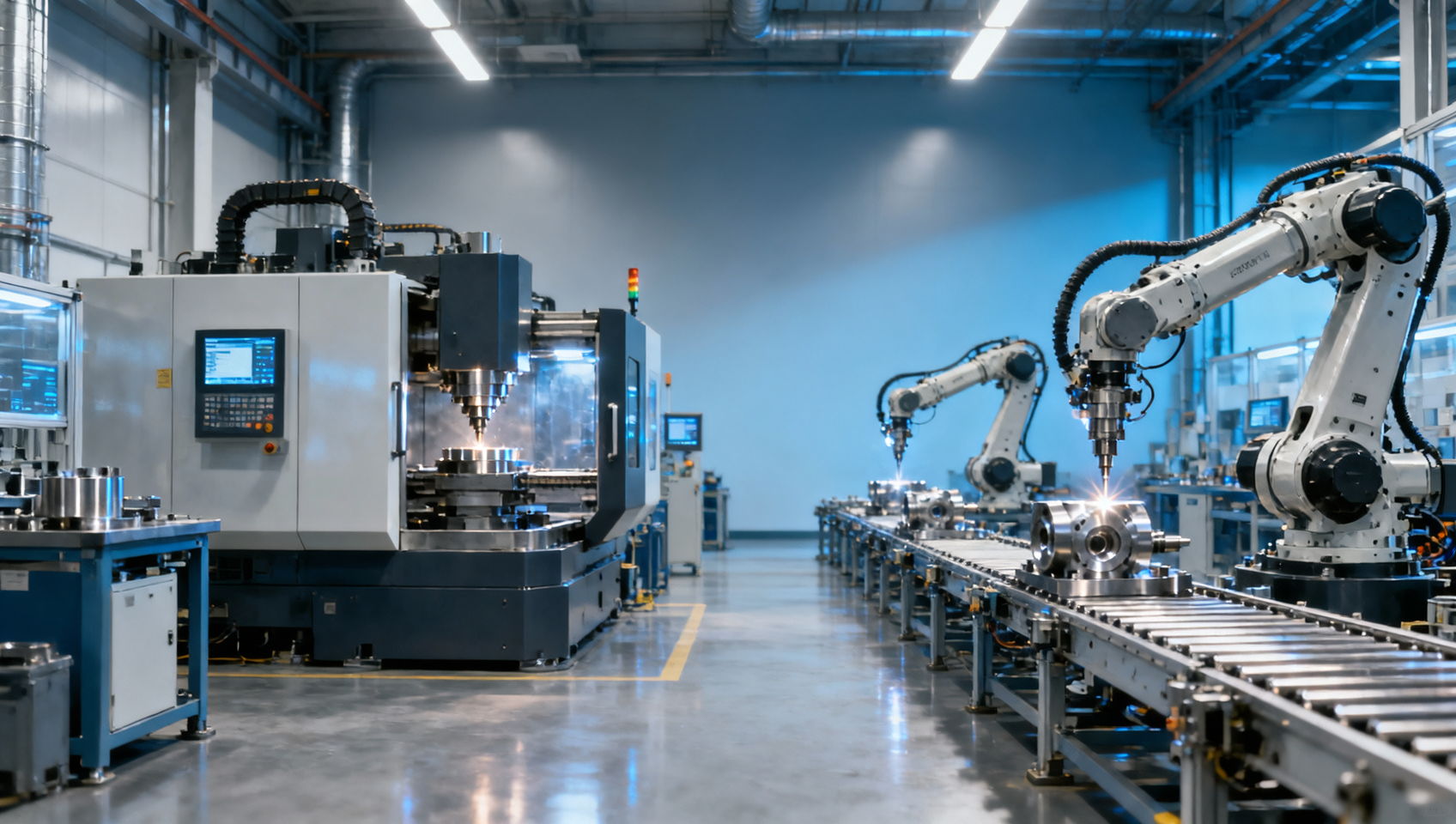
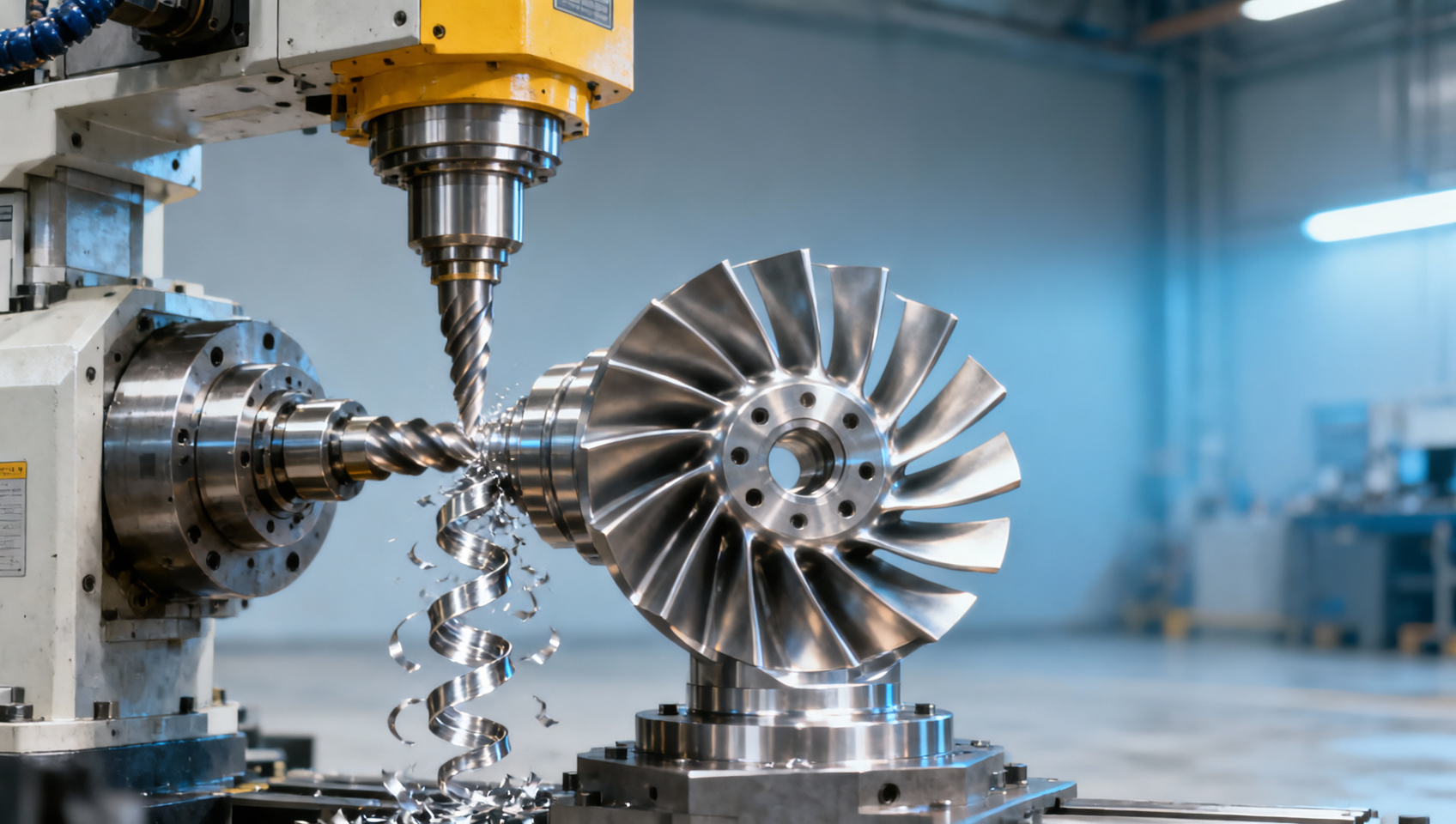
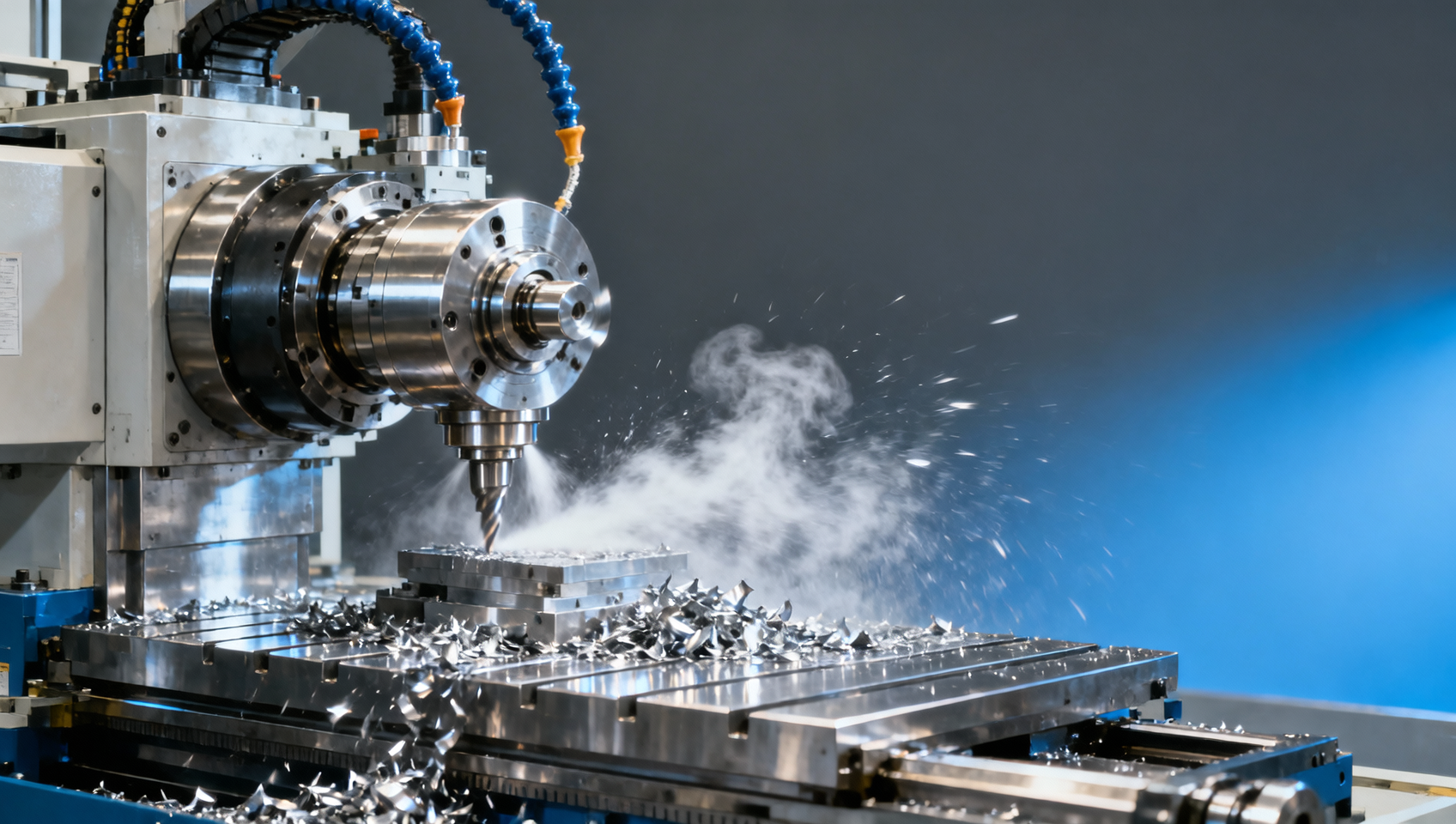
Global Manufacturing is changing first through smarter industrial CNC systems, automated production lines, and faster digital control of the production process. From metal machining and CNC milling to industrial robotics and CNC programming, the Manufacturing Industry is rapidly reshaping efficiency, precision, and supply chain decisions across the Machine Tool Market.
This shift matters because the first changes are not happening at the final assembly stage alone. They are appearing earlier in the value chain: in machine selection, process planning, toolpath optimization, plant connectivity, and purchasing decisions tied to uptime, tolerance, and delivery reliability. For operators, buyers, engineers, and executives, the question is no longer whether manufacturing will change, but which areas are changing first and how to respond without increasing cost risk.
In the CNC machine tool industry, these early changes are visible in 3 practical areas: smarter machine control, more automated production flow, and tighter digital coordination between production, maintenance, and supply chain planning. Companies that understand these priorities can improve spindle utilization, reduce setup time, and make better investment decisions across machining centers, CNC lathes, multi-axis systems, tooling, and automated lines.
The first visible shift is smarter CNC control at the machine level
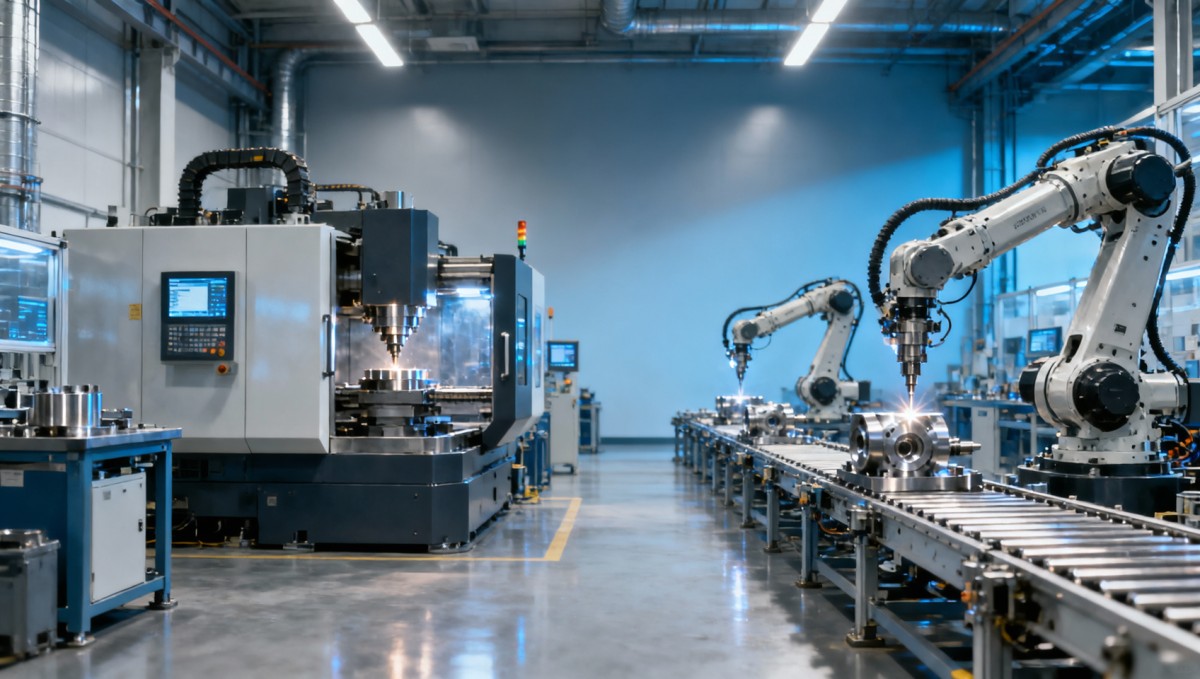
The earliest change in global manufacturing this year is taking place inside the machine itself. CNC systems are becoming more intelligent in how they manage feeds, speeds, tool compensation, alarm prediction, and cycle consistency. Instead of relying only on operator experience, more workshops now use digital interfaces, real-time monitoring, and programmable control logic to stabilize quality within tight windows such as ±0.01 mm to ±0.05 mm, depending on the part and machine configuration.
This is especially important in sectors such as automotive, aerospace, electronics, and energy equipment, where a single machining deviation can affect downstream assembly, balancing, sealing, or functional performance. In a typical batch production environment, reducing setup changes by even 10–15 minutes per shift can create measurable annual gains. For plants running 2 or 3 shifts, smarter CNC control often becomes the first upgrade because it improves output without requiring a full factory rebuild.
For operators, the immediate benefit is more stable programming and less manual correction during production. For purchasing teams, the benefit is easier comparison between machines based on repeatability, interface usability, and service support. For decision-makers, the value lies in lower scrap rates, faster changeovers, and better machine data that supports investment planning over a 3–5 year equipment cycle.
What smarter CNC control actually changes
Smarter control does not simply mean adding a screen or network port. It changes how the machine behaves in production. More advanced CNC systems can support automatic tool offset updates, spindle load monitoring, remote diagnostics, and production data capture at intervals as short as 1–5 seconds. In practical terms, this helps reduce trial cutting time, shortens program verification, and improves traceability for quality audits.
Shops processing complex shaft parts, precision discs, or multi-face structural components benefit the most when repeatability matters more than one-time speed. A 4-axis or 5-axis machine with stable control architecture can often prevent secondary clamping errors and reduce handling steps by 20%–30%, particularly in medium-volume production runs.
Key machine-level evaluation points
- Control response stability during long cycles of 30–120 minutes.
- Tool compensation and offset management for multi-tool jobs.
- Alarm logging, remote support access, and troubleshooting speed within 24–48 hours.
- Compatibility with CAM software, probes, bar feeders, robots, or MES systems.
The table below shows how basic, intermediate, and advanced CNC machine capabilities influence early-stage manufacturing performance.
The main conclusion is clear: the first manufacturing change is not only higher speed, but more controlled speed. Plants are prioritizing systems that reduce variation, support repeatability, and produce usable data from the first operation onward.
Automated production lines are changing labor, throughput, and line balancing first
The second major change is happening in production flow. Across the global machine tool market, manufacturers are moving from isolated CNC workstations to connected cells that include robotic loading, pallet systems, conveyors, part identification, and automated inspection points. This change often starts before a full smart factory rollout because line-level automation solves immediate labor and output constraints.
In many factories, the pressure is practical: fewer skilled operators are available, order mixes change faster, and customers demand shorter lead times. A stand-alone machine may still deliver precision, but a semi-automated or fully automated cell can reduce idle time between cycles from 3–8 minutes to less than 60 seconds, depending on the part family and handling method. That difference matters when running 500, 2,000, or 10,000 parts per month.
For procurement teams, automation is now evaluated as a throughput tool rather than a prestige project. Buyers want to know how many manual touches can be removed, what changeover time looks like across multiple SKUs, and whether the line can support unattended operation for 2–6 hours. For executives, line automation is often the first visible sign that manufacturing is adapting to margin pressure and delivery volatility.
Where automation creates the fastest return
The first gains usually appear in repetitive machining tasks with stable geometry and predictable takt time. CNC turning of shaft components, prismatic milling of housings, and drilling-tapping sequences are common examples. In these applications, automated loading and unloading can improve machine utilization by 15%–35%, while also lowering the risk of part damage during handling.
A common mistake is assuming every line should become fully unmanned. In reality, many successful plants use staged automation. They begin with one robot, one loading system, or one pallet pool, measure output over 4–12 weeks, and then expand. This staged model lowers capital risk and gives operators time to adapt to new maintenance and programming requirements.
Practical automation selection checklist
- Map cycle time, manual handling time, and queue delay before selecting equipment.
- Group parts by size, fixture type, and tool overlap to find viable automation cells.
- Confirm whether unattended runtime should be 2 hours, 4 hours, or overnight.
- Check maintenance access, spare parts availability, and operator retraining needs.
The comparison below helps illustrate which type of automation suits different production realities.
The key takeaway is that automation is changing manufacturing first where labor intensity and machine idle time are highest. Even partial automation can improve output quality and capacity planning before a company invests in a larger smart factory program.
Digital production visibility is reshaping purchasing and supply chain decisions
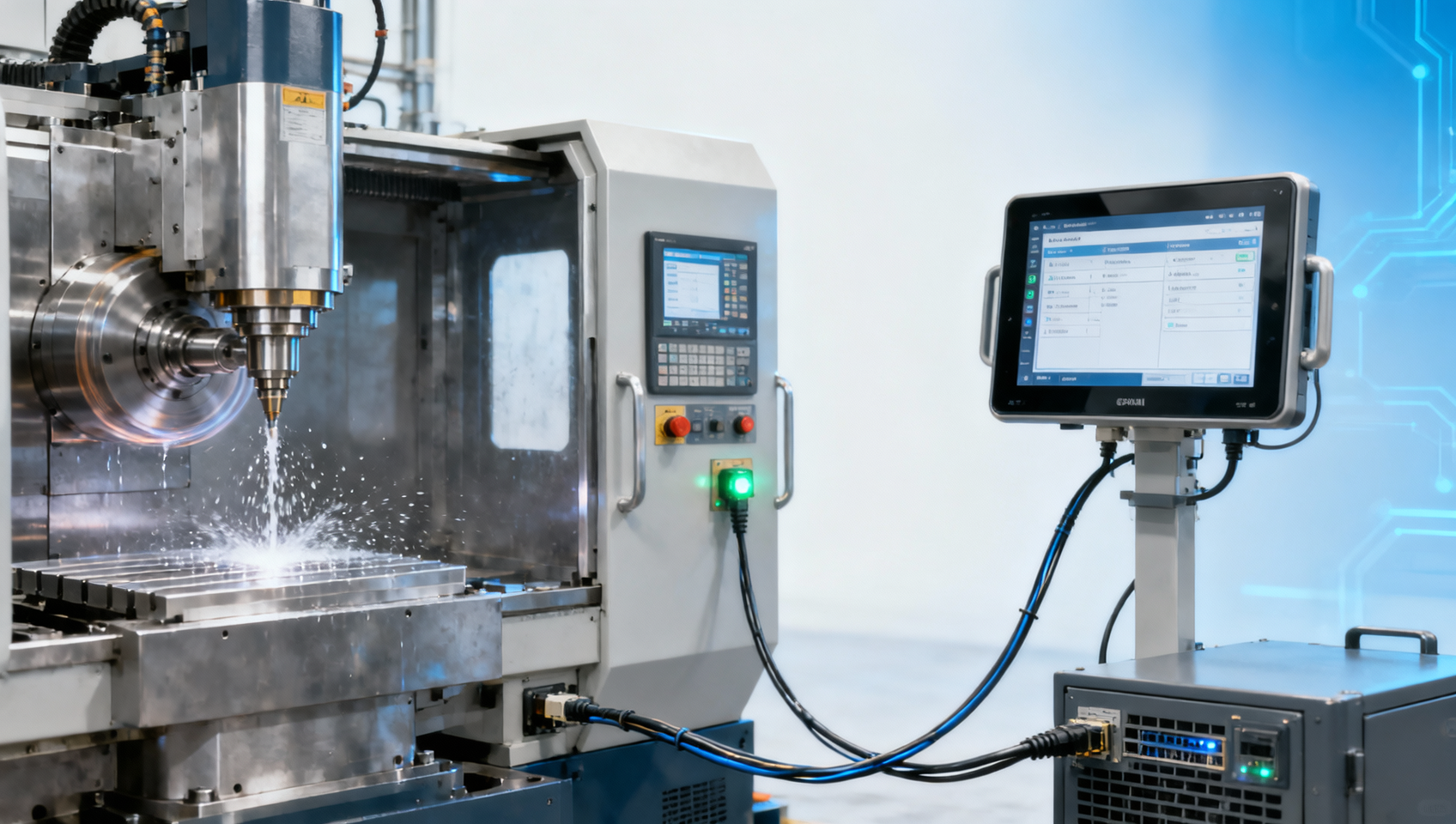
Another early shift in global manufacturing is the move toward faster digital visibility. Manufacturers no longer treat machine data as a technical add-on. They increasingly use it to make purchasing, scheduling, quality, and supplier decisions. This is especially relevant in CNC machining, where delivery performance depends on machine availability, tool condition, inspection timing, and material arrival accuracy.
When production teams can see real-time status across machines, they can react earlier to bottlenecks such as spindle overload, excessive setup queue, delayed material replenishment, or recurring alarm patterns. Even a basic dashboard that tracks utilization, downtime categories, and completed cycle count every shift can improve planning discipline. In many cases, manufacturers start with 5–8 key indicators rather than a complex system rollout.
For procurement managers, this changes supplier evaluation. They are not only asking about machine price or cutting capacity. They now ask how fast a supplier can support integration, what data protocols are available, whether spare parts can be supplied in 48–72 hours, and how service teams support installation across different countries or production sites.
What buyers and decision-makers should measure first
The first digital metrics should be practical and actionable. They should help teams answer whether a machine is productive, stable, and supportable. Typical metrics include cycle time variance, machine utilization rate, first-pass yield, tool life consistency, alarm frequency per shift, and average response time for service support. These indicators are more useful than broad software claims because they connect directly to cost and delivery risk.
A plant producing precision parts for multiple sectors may need different thresholds, but many teams begin with monthly reviews and daily shift tracking. If machine utilization falls below 65% for a stable product family, the issue may be setup loss, material flow delay, or poor line balancing rather than spindle capacity. This is why digital visibility often drives purchasing changes before major machine replacement.
Common digital evaluation dimensions
- Data capture frequency: per cycle, per minute, or per shift.
- Compatibility with ERP, MES, CAM, and inspection systems.
- Service diagnostics, backup access, and alarm trace history.
- Training time required for operators, engineers, and maintenance staff.
The real change is strategic: digital production visibility makes machine tools part of a wider supply chain decision process. It helps companies decide whether to buy another machine, add automation, shift suppliers, or redesign workflows based on evidence instead of assumptions.
What different stakeholders should do now: operators, buyers, and executives
Because manufacturing is changing first in machine intelligence, line automation, and digital coordination, different stakeholders need different response plans. Operators should focus on process stability, programming accuracy, and routine checks. Purchasing teams should focus on lifecycle cost, service coverage, and integration capability. Executives should focus on capacity strategy, investment timing, and cross-site standardization.
For operators, a practical starting point is to document recurring setup loss, alarm types, and tool wear patterns over 2–4 weeks. This creates a factual base for improvement. Many production issues blamed on machine quality actually come from fixture inconsistency, tool presetting variation, poor coolant control, or unstable workholding. Correcting these factors can improve part consistency before any major purchase decision is made.
For buyers, the first question should be whether the machine or line fits the production mix over the next 12–36 months. A lower-priced machine may become expensive if local service is weak, controller compatibility is limited, or spare parts lead time exceeds 3 weeks. Procurement decisions in the machine tool market now need to evaluate support speed, digital readiness, and automation expansion potential, not just initial capital cost.
A practical decision framework for current-year investments
Many manufacturers can reduce risk by using a staged implementation model. Instead of replacing an entire line, they start with one machining center, one CNC lathe cell, or one robotic loading module, then evaluate performance over a defined trial period. This approach is easier to manage and produces clearer return indicators.
The framework below can help structure equipment or line decisions in a more disciplined way.
The conclusion for most companies is straightforward: the best next move is not always the largest investment. It is usually the upgrade that improves control, visibility, and throughput in the area where production loses the most time today.
FAQ for current manufacturing planning
How should a company choose between buying a new CNC machine and automating an existing cell?
If current machine accuracy and spindle condition still meet process requirements, automation may produce a faster return by reducing idle time and labor dependency. If repeatability, downtime, or programming limitations are already affecting quality, a new machine with better control architecture may be the better first step. A 2–6 week production audit can usually clarify which option addresses the bigger bottleneck.
What delivery and implementation timeline is typical for CNC and automation projects?
For standard machine tools, practical lead times often range from 4–16 weeks depending on configuration, origin, and tooling scope. For integrated automation cells, commissioning may add another 2–8 weeks. The critical point is not only shipment timing, but fixture readiness, operator training, and site preparation before installation begins.
Which industries are driving these early changes fastest?
Automotive, aerospace, electronics, and energy equipment remain strong drivers because they require precision parts, repeatable throughput, and reliable delivery schedules. These sectors often adopt digital control and automated production first because quality failure or schedule delay can create large downstream costs.
What is the most common mistake in machine tool purchasing this year?
The most common mistake is comparing only purchase price and basic specifications. Buyers should also compare setup efficiency, software compatibility, local support, spare parts lead time, and whether the machine can integrate with future robotics or production monitoring systems. These factors usually determine lifecycle value more than the initial quote alone.
Global manufacturing is changing first where control, automation, and visibility create immediate operational impact. Smarter CNC systems improve repeatability and setup efficiency. Automated production lines reduce handling loss and increase utilization. Digital production visibility helps purchasing teams and leaders make better decisions on equipment, service, and supply chain planning.
For companies involved in CNC machining, precision manufacturing, machine tools, and industrial automation, the most effective next step is to identify the first bottleneck in your own process and solve it with the right level of machine intelligence, automation, or digital integration. To discuss machine tool options, compare production solutions, or get a tailored manufacturing upgrade plan, contact us today and explore more solutions for your operation.
Recommended for You
 Heavy-duty Machining Center for mold making: Why coolant filtration standards evolve faster than OEM manualsMachine Tool Industry Editorial Team
 Quick-change Fixture Design for CNC turning: Why clamping force consistency drops after 200 cyclesCNC Machining Technology Center
 5 Axis Machining for impeller manufacturing: Why toolpath smoothing affects surface fatigue lifeCNC Machining Technology Center
 Lean Production Process implementation: Where value stream mapping fails to expose hidden machine downtimeManufacturing Market Research Center
 Modular Tooling System for flexible manufacturing: Why interface repeatability degrades faster than expectedMachine Tool Industry Editorial Team
 Industrial Automation control system for CNC machines: When cybersecurity updates disrupt scheduled maintenanceMachine Tool Industry Editorial Team

Aris Katos
Future of Carbide Coatings
15+ years in precision manufacturing systems. Specialized in high-speed milling and aerospace grade alloy processing.
▶
Industrial CNC Import Trends Are Changing in Southeast AsiaGlobal Machine Tool Trade Research Center▶
What is changing first in Global Manufacturing this year?Global Machine Tool Trade Research Center▶
How regional market insights reveal unexpected demand for compact vertical lathes in GermanyGlobal Machine Tool Trade Research Center▶
Industrial lathe demand shifted sharply in Southeast Asia—not toward price, but toward service-response SLAsGlobal Machine Tool Trade Research Center▶
That ‘CNC manufacturing factory’ label doesn’t guarantee local service—here’s how response time actually breaks down by regionGlobal Machine Tool Trade Research Center
Mastering 5-Axis Workholding Strategies
Join our technical panel on Nov 15th to learn about reducing vibrations in thin-wall components.

Providing you with integrated sanding solutions
Before-sales and after-sales services
Comprehensive technical support