• Global CNC market projected to reach $128B by 2028 • New EU trade regulations for precision tooling components • Aerospace deman
NYSE: CNC +1.2%LME: STEEL -0.4%

Machine Tool Market Inventory Pressure Is Building Again
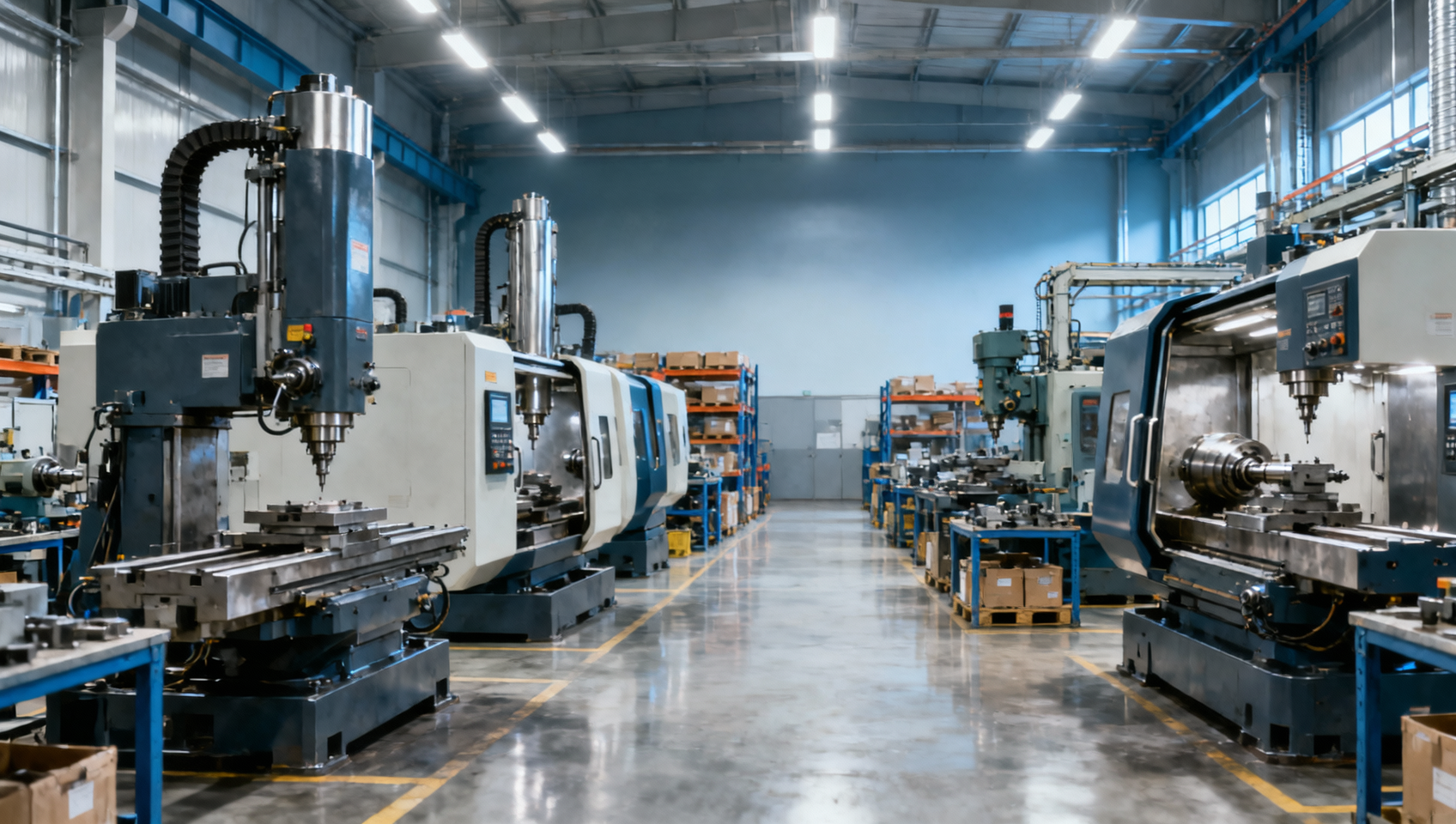
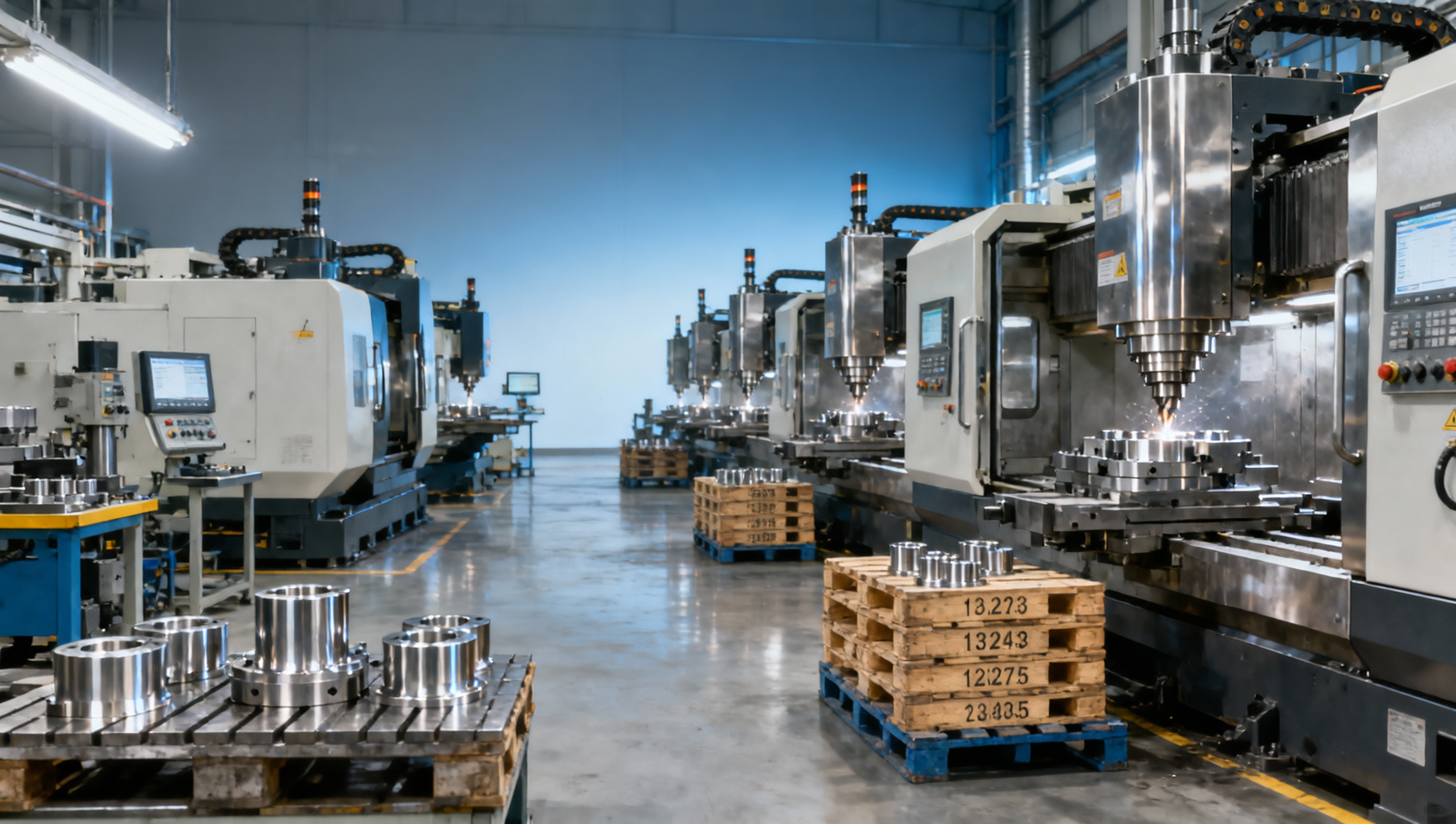
Inventory pressure is building again in the Machine Tool Market, raising fresh concerns across Global Manufacturing and the broader Manufacturing Industry. For buyers, operators, and decision-makers tracking metal machining, industrial CNC, automated production, and CNC production trends, this shift signals more than a short-term fluctuation—it may reshape pricing, procurement, and the future Production Process in an increasingly competitive market.
Why Is Inventory Pressure Returning to the Machine Tool Market?
The return of inventory pressure in the machine tool market usually reflects a mismatch between production planning and actual downstream demand. In the CNC machine tool industry, this gap often appears after a period of capacity expansion, distributor stocking, and softer order conversion from sectors such as automotive, electronics, and general industrial equipment. When order visibility falls from 3–6 months to only 4–8 weeks, inventory risk rises quickly across the supply chain.
For manufacturers, excess stock is not only a warehouse issue. It affects cash flow, pricing discipline, production scheduling, and after-sales resource allocation. For procurement teams, rising machine tool inventory can create opportunities for better negotiation, but it can also signal hidden risks such as aging control systems, outdated spindle configurations, or slower software support cycles. A discounted CNC machine is not always a lower total cost choice.
In global manufacturing, the machine tool market is tightly linked to capital expenditure cycles. When factories delay automation upgrades by 1–2 quarters, machine tool suppliers may continue delivering previously planned output, which builds channel inventory. This is especially visible in machining centers, CNC lathes, and multi-axis systems where components, castings, drives, and controllers have longer procurement lead times.
Key drivers behind the current buildup
Several industry conditions are pushing inventory pressure higher again. These conditions do not affect every product segment equally, but they strongly influence the broader machine tool market and purchasing behavior.
- Demand normalization after aggressive automation investment cycles in the previous 12–24 months.
- Longer decision cycles for enterprise buyers, especially where projects require multi-department approval and ROI review.
- Regional imbalance, with some suppliers still producing to earlier forecasts while end-user order intake has slowed.
- Pressure on contract manufacturers to reduce finished goods and work-in-process stock simultaneously.
For information researchers and enterprise decision-makers, the important point is this: inventory pressure is not merely a negative headline. It is a market signal. It can indicate changing pricing windows, wider supplier flexibility, and a new round of comparison between standard machines, automation-integrated cells, and application-specific production solutions.
What Does Inventory Pressure Mean for Buyers, Operators, and Management?
For procurement personnel, higher inventory in the machine tool market often creates short-term leverage. Suppliers with stocked CNC lathes, vertical machining centers, or standard automated production modules may offer faster delivery in 7–15 days instead of the more typical 4–10 weeks for new scheduling. That can help factories facing urgent line balancing or replacement demand.
However, operators and production managers should look beyond lead time. A machine held in inventory for months may still be fully usable, but buyers need to confirm controller version, lubrication condition, spindle runout status, packaging integrity, and site commissioning scope. In precision manufacturing, even a small setup mismatch can affect repeatability, surface finish, and tool life during continuous operation.
For enterprise leaders, rising inventory can influence budgeting decisions in two directions. Some companies accelerate purchases to lock in favorable prices. Others delay investment, expecting further discounts. The right response depends on production utilization, customer order stability, and whether the planned machine will solve a current bottleneck or simply add idle capacity.
How different stakeholders should read the same signal
The same inventory buildup can mean different things depending on your role in the manufacturing process. A structured view helps avoid reactive buying or excessive delay.
This comparison shows why a machine tool inventory issue should never be judged by price alone. The right buying decision comes from matching machine availability with process demand, installation readiness, and expected output gains across the production process.
How to Evaluate Machine Tool Purchases When the Market Softens
When inventory pressure increases, buyers often receive more offers for standard CNC equipment, ex-stock units, and configurable automation packages. This is the right time to shift from price-first thinking to structured procurement analysis. In most manufacturing projects, 5 key checks matter more than a headline discount: process fit, precision stability, service response, integration complexity, and lifecycle cost.
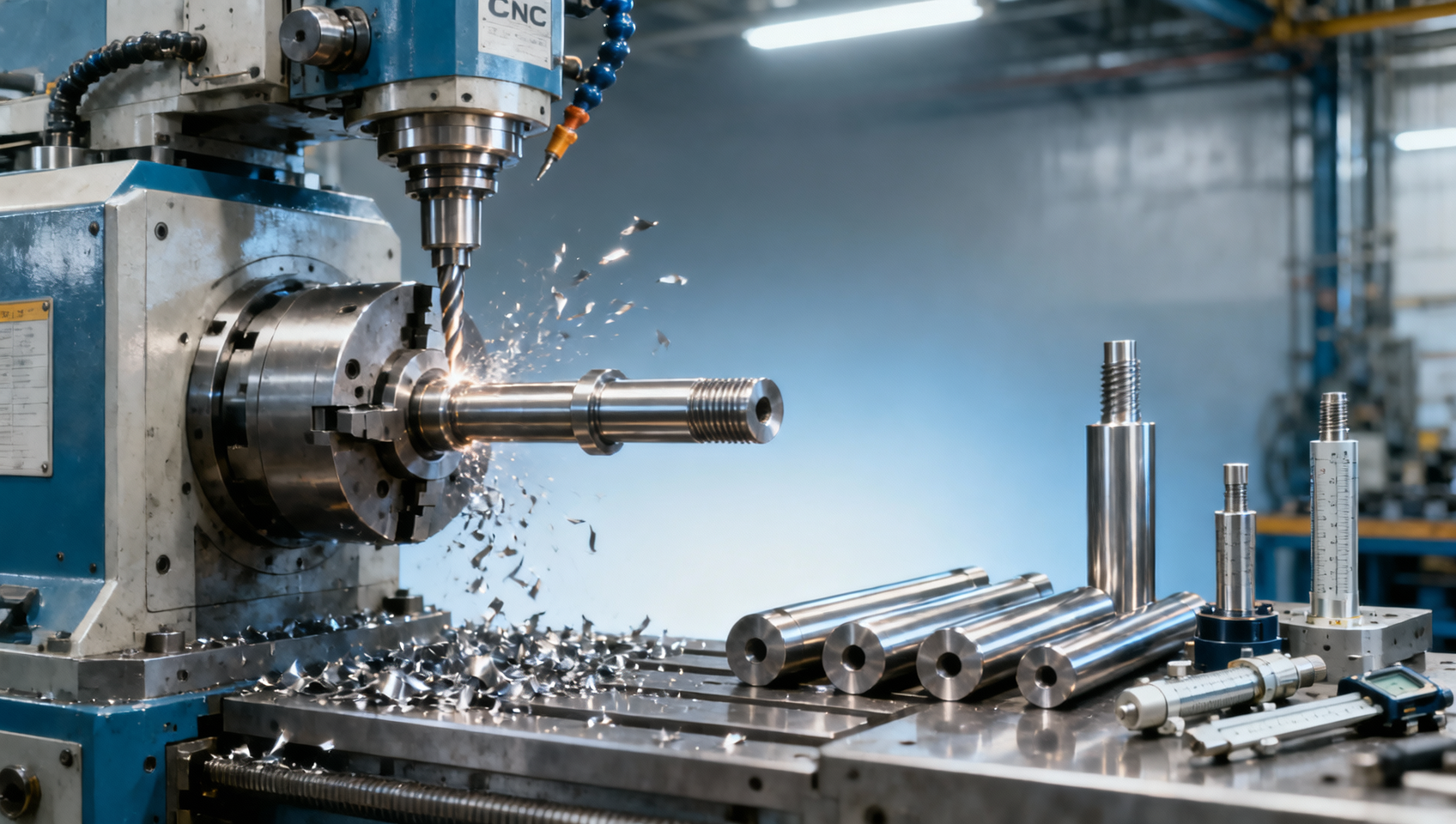
A vertical machining center suitable for medium-batch parts may not be the best choice for complex shaft components or multi-face machining. Likewise, a lower-priced CNC lathe may require added fixtures, extra setups, or more operator intervention, reducing the apparent savings. Procurement teams should ask how many process steps can be combined, not only how much the machine costs on day one.
A practical procurement checklist
Before confirming a purchase in a high-inventory machine tool market, teams should run a structured review. This is especially important for factories planning 1–3 new lines, replacement equipment, or mixed automation upgrades.
- Confirm workpiece range, including size, material, tolerance requirement, and target batch size.
- Check machine configuration against actual production needs, including spindle speed range, axis travel, tool magazine capacity, and automation interface.
- Review the delivery model: stocked unit, semi-configured unit, or full custom build with a 4–12 week difference in readiness.
- Clarify commissioning, operator training, spare parts support, and whether remote diagnostics are available.
- Estimate total operating cost over 12–36 months, including tooling, maintenance, energy use, and downtime risk.
Selection comparison for common buying situations
The table below helps buyers compare common procurement paths under current machine tool market conditions. It is especially useful when deciding between urgent purchase and longer-term capacity planning.
In a softer market, stocked and semi-configured machines often offer the best balance for companies that need controlled capital spending. But where part complexity, traceability, or automation integration is critical, a custom build may still produce a better long-term result despite the longer lead time.
Which Production Scenarios Are Most Sensitive to Inventory Pressure?
Not every segment of the manufacturing industry reacts the same way when machine tool inventory rises. Standardized, repeatable production environments are usually the first to benefit from available stock. These include general metal machining, pump and valve parts, standard flanges, housings, and medium-complexity automotive components. In these scenarios, the difference between 2 weeks and 8 weeks in machine delivery can directly affect customer fulfillment.
By contrast, sectors such as aerospace, energy equipment, and precision electronics tend to be less responsive to simple inventory availability. Their procurement decisions focus more on process validation, traceable setup, thermal stability, automation compatibility, and documentation quality. A machine being available now does not guarantee it can enter production quickly if the process qualification period is 2–6 weeks or more.
Operators should also consider production mode. Small-batch, high-mix workshops need flexibility in tool management, fixturing, and setup repeatability. Large-batch operations need uptime, cycle consistency, and maintenance planning. Inventory pressure can help both groups, but for different reasons: one values fast access, the other values negotiated package optimization.
Scenario-by-scenario implications
- Automotive and component suppliers often react quickly because standard CNC production equipment can be redeployed within 1–3 shifts after installation and setup.
- Aerospace and high-precision structural parts require deeper process verification, making machine availability only one part of the decision.
- Electronics and precision metal parts producers care strongly about dimensional stability, chip control, and compact automation integration.
- Energy equipment manufacturers often balance heavy-duty machining needs with long project schedules, so they may use market softness to negotiate service and spare packages rather than only machine price.
This is why the machine tool market should be analyzed by application scenario, not just by overall inventory level. A stocked machining center may be ideal for one factory and unusable for another if axis travel, rigidity, or automation interface does not fit the production process.
What Risks Do Companies Miss When They Buy Only on Price?
When inventory pressure builds, many buyers focus on immediate discounts. That is understandable, but in the CNC machine tool industry, low purchase price can hide expensive process compromises. If a machine requires extra setups, nonstandard fixtures, or longer programming time, the true cost may rise over the first 6–12 months of operation. Downtime and scrap often cost more than the initial price difference.
Another common mistake is assuming all in-stock machines are equivalent. Differences in spindle taper, control architecture, tool changer design, coolant capability, and chip handling can change productivity substantially. For automated production lines, even small interface limitations may delay robot integration, bar feeder connection, or MES data capture.
Common misconceptions in a high-inventory market
These misconceptions appear frequently among both new buyers and experienced factories during a softer machine tool market cycle.
- “Short delivery means low risk.” In reality, fast shipment does not replace application review, site planning, or acceptance testing.
- “Any discount improves ROI.” Not if the machine increases changeover time, operator burden, or tooling consumption.
- “A standard machine can always be upgraded later.” Retrofit feasibility depends on electrical design, controller openness, and available mounting interfaces.
- “Inventory pressure means every supplier is equally flexible.” Some suppliers will negotiate price, while others prefer to add value through training, spare parts, or staged payment terms.
A safer decision framework
A better approach is to compare machine tool offers across three levels: technical fit, operating cost, and service readiness. If a supplier can clearly answer process questions, delivery conditions, and post-installation support within a defined timeline, that often matters more than a nominal discount. In most B2B manufacturing purchases, the most reliable choice is the one that reduces uncertainty at each stage from installation to stable output.
How the Machine Tool Market May Evolve in the Next 2–4 Quarters
Over the next 2–4 quarters, the machine tool market is likely to show mixed behavior rather than a uniform recovery or decline. Standard equipment categories may continue to face inventory pressure, especially where suppliers built stock for anticipated automation demand that converted more slowly than expected. At the same time, advanced multi-axis systems, flexible production cells, and application-specific automation may remain comparatively resilient because they solve harder manufacturing problems.
The broader direction of the CNC machine tool industry still points toward higher precision, stronger automation, and deeper digital integration. Factories are not abandoning smart manufacturing. They are becoming more selective about where they invest. Instead of purchasing capacity in bulk, many buyers now want measurable gains in cycle time, labor efficiency, process consistency, and cross-shift stability.
This means suppliers that can combine machine tools, tooling recommendations, fixtures, automation support, and process communication will be better positioned than those offering only hardware. In practical terms, the market is moving from product selling to solution matching. For enterprise decision-makers, this creates a better environment for structured sourcing and staged investment.
Signals worth tracking now
- Whether standard machine delivery remains below 2–3 weeks or starts extending again, which can indicate inventory normalization.
- Whether suppliers offer broader package support such as fixturing, training, or spare kits instead of direct price reductions.
- Whether end users shift from standalone machines to robotic loading, pallet systems, or flexible production line upgrades.
- Whether procurement teams ask more often for compliance documents, digital connectivity details, and maintenance planning visibility.
For anyone following global manufacturing and the manufacturing industry, the main takeaway is clear: inventory pressure can create short-term buying opportunities, but the companies that benefit most will be those that use the moment to improve process fit, supplier selection, and long-term production resilience.
FAQ and Next Step: How to Turn Market Pressure Into a Better Buying Decision
How should I choose between an in-stock CNC machine and a custom-built one?
Start with process complexity and delivery urgency. If your parts are standardized, batch sizes are stable, and installation is needed within 7–15 days, an in-stock machine may be suitable. If your project involves multi-axis machining, robotic integration, tight tolerance control, or customer-specific validation, a custom build is usually safer even if the lead time extends to 6–16 weeks.
What should procurement teams ask suppliers during a high-inventory cycle?
Ask for configuration confirmation, controller details, available options, commissioning scope, spare parts plan, and expected support response time. Also confirm whether the quoted machine is ready to ship, requires 2–4 weeks of configuration, or depends on third-party accessories such as feeders, fixtures, or tool preset systems.
Does inventory pressure always mean prices will keep falling?
Not always. In some cases, suppliers prefer to maintain price and improve terms through installation support, operator training, staged payments, or bundled tooling. Price movement also varies by machine category. Standard models usually show faster adjustment than high-precision or specialized systems.
Why choose us for machine tool market insight and sourcing support?
We focus on the global CNC machining and precision manufacturing industry, with close attention to machine tools, automated production, tooling evolution, and international supply conditions. That allows us to support more than basic product comparison. We help buyers and decision-makers evaluate application fit, delivery windows, process requirements, and sourcing risk across different manufacturing scenarios.
If you are reviewing current machine tool market opportunities, you can contact us for practical support on parameter confirmation, product selection, lead time estimation, custom solution discussion, common compliance questions, sample part process review, and quotation communication. This is especially useful when you need to compare stocked equipment against customized CNC production solutions under tight schedules or limited budgets.
A focused discussion can save weeks in internal evaluation. Share your workpiece type, material, tolerance range, expected batch size, automation needs, and target timeline. Based on that, the next sourcing step becomes clearer, faster, and more aligned with your actual production process.
PREVIOUS ARTICLE
NEXT ARTICLE
Recommended for You
 Global Manufacturing Lead Times Improve but Not EverywhereGlobal Machine Tool Trade Research Center
 Machine Tool Market Inventory Pressure Is Building AgainGlobal Machine Tool Trade Research Center
 Metal Lathe vs CNC Milling for Low Volume Round PartsCNC Machining Technology Center
 CNC Cutting Gas Choice Affects More Than Edge FinishCNC Machining Technology Center
 CNC Metalworking Shops Face New Pressure on TraceabilityManufacturing Policy Research Center
 Automated Lathe Cycle Time Gains Can Hide Quality LossesCNC Machining Technology Center

Aris Katos
Future of Carbide Coatings
15+ years in precision manufacturing systems. Specialized in high-speed milling and aerospace grade alloy processing.
Mastering 5-Axis Workholding Strategies
Join our technical panel on Nov 15th to learn about reducing vibrations in thin-wall components.

Providing you with integrated sanding solutions
Before-sales and after-sales services
Comprehensive technical support