• Global CNC market projected to reach $128B by 2028 • New EU trade regulations for precision tooling components • Aerospace deman
NYSE: CNC +1.2%LME: STEEL -0.4%

Oufu Egg Industry 2025 Net Profit +89.79%; Packaging Machinery Demand Rises

Oufu Egg Industry disclosed its 2025 annual report on April 24, 2026, reporting an 89.79% year-on-year increase in net profit and the completion of its nationwide production capacity layout. This development signals growing demand for domestic automated food packaging machinery — particularly CNC equipment, automatic case-packing systems, and custom fixtures — and highlights implications for food processing equipment suppliers, automation integrators, and export-oriented manufacturers serving emerging markets such as Southeast Asia and the Middle East.
Event Overview
On April 24, 2026, Oufu Egg Industry released its 2025 annual report. The company reported a net profit increase of 89.79% year-on-year. It also confirmed the completion of its national production capacity layout. As a leading domestic egg products enterprise, Oufu deployed new intelligent production lines featuring substantial procurement of domestically manufactured CNC packaging machinery, automatic cartoning systems, and customized handling fixtures.
Which Subsectors Are Affected
Food Processing Equipment Manufacturers
Why: Oufu’s procurement pattern reflects broader adoption of integrated, domestically built automation solutions in mid-to-high-end food processing. Impact is seen in order volume, technical specification requirements (e.g., hygiene-compliant motion control, modular integration), and post-sales service expectations.
Automation System Integrators
Why: Deployment of intelligent lines requires coordination across mechanical, electrical, and software layers. Oufu’s use of customized fixtures and line-level synchronization implies rising demand for domain-specific integration expertise — especially in perishable-food environments.
Export-Oriented Machinery Suppliers
Why: The case has drawn attention from food processors in Southeast Asia and the Middle East. Impact includes inbound inquiry volume, technical documentation requests (e.g., CE/ISO compliance evidence), and pre-shipment validation expectations.
Domestic CNC Machine Tool Producers
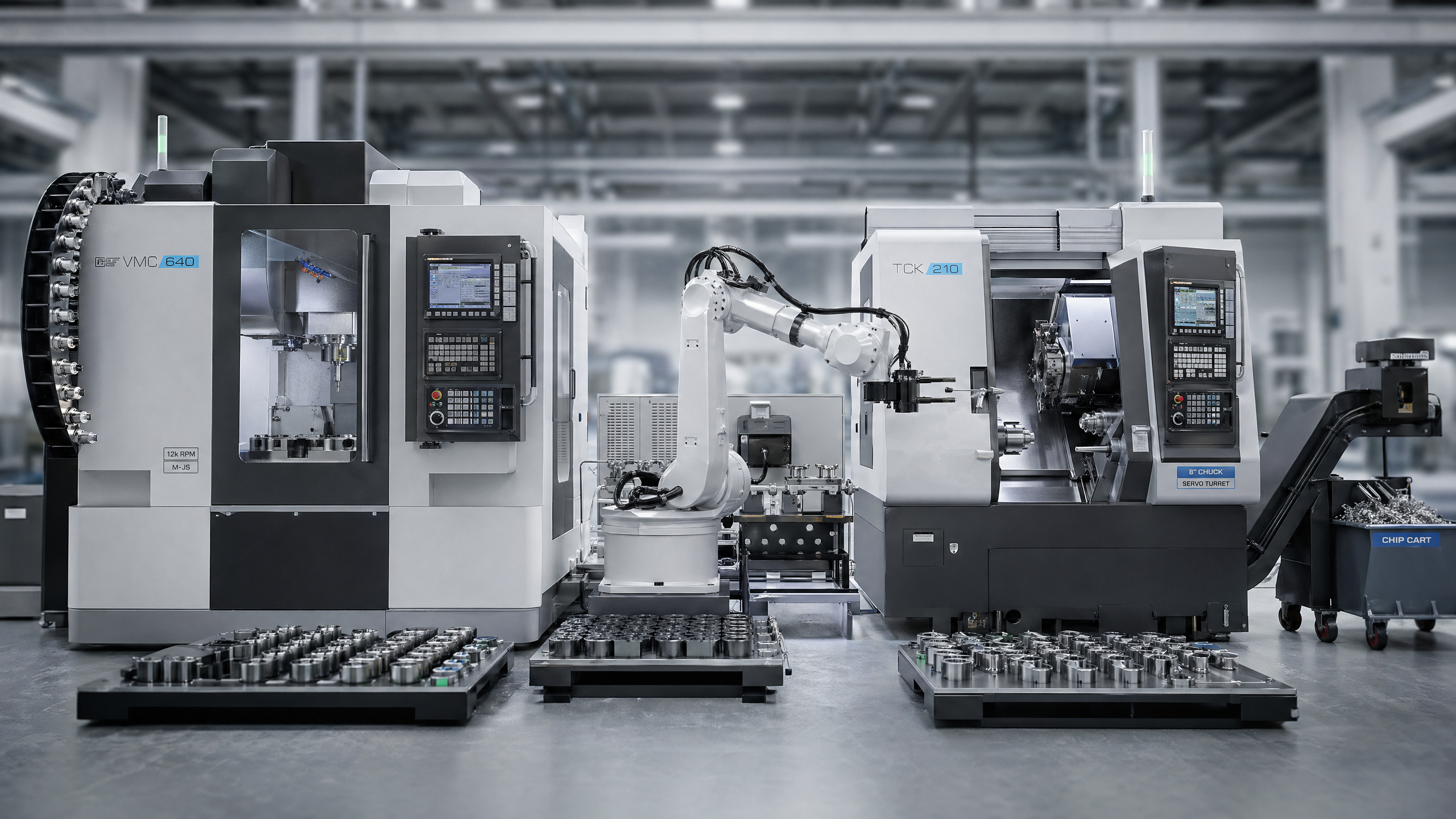
Why: Increased adoption of CNC-based packaging machinery signals a shift from general-purpose machining toward application-specific configurations (e.g., high-speed, low-vibration, food-grade surface finish). Impact appears in R&D focus and after-sales support infrastructure.
What Relevant Enterprises or Practitioners Should Focus On — And How to Respond Now
Monitor follow-up disclosures from Oufu and peer producers
Oufu’s 2025 report marks the end of its national capacity rollout — but not necessarily the end of capex cycles. Watch for Q1 2026 earnings calls, investor presentations, or tender announcements that may indicate repeat orders, regional replication, or next-phase upgrades (e.g., AI-driven quality inspection).
Track equipment specifications cited in Oufu’s procurement — not just brands or models
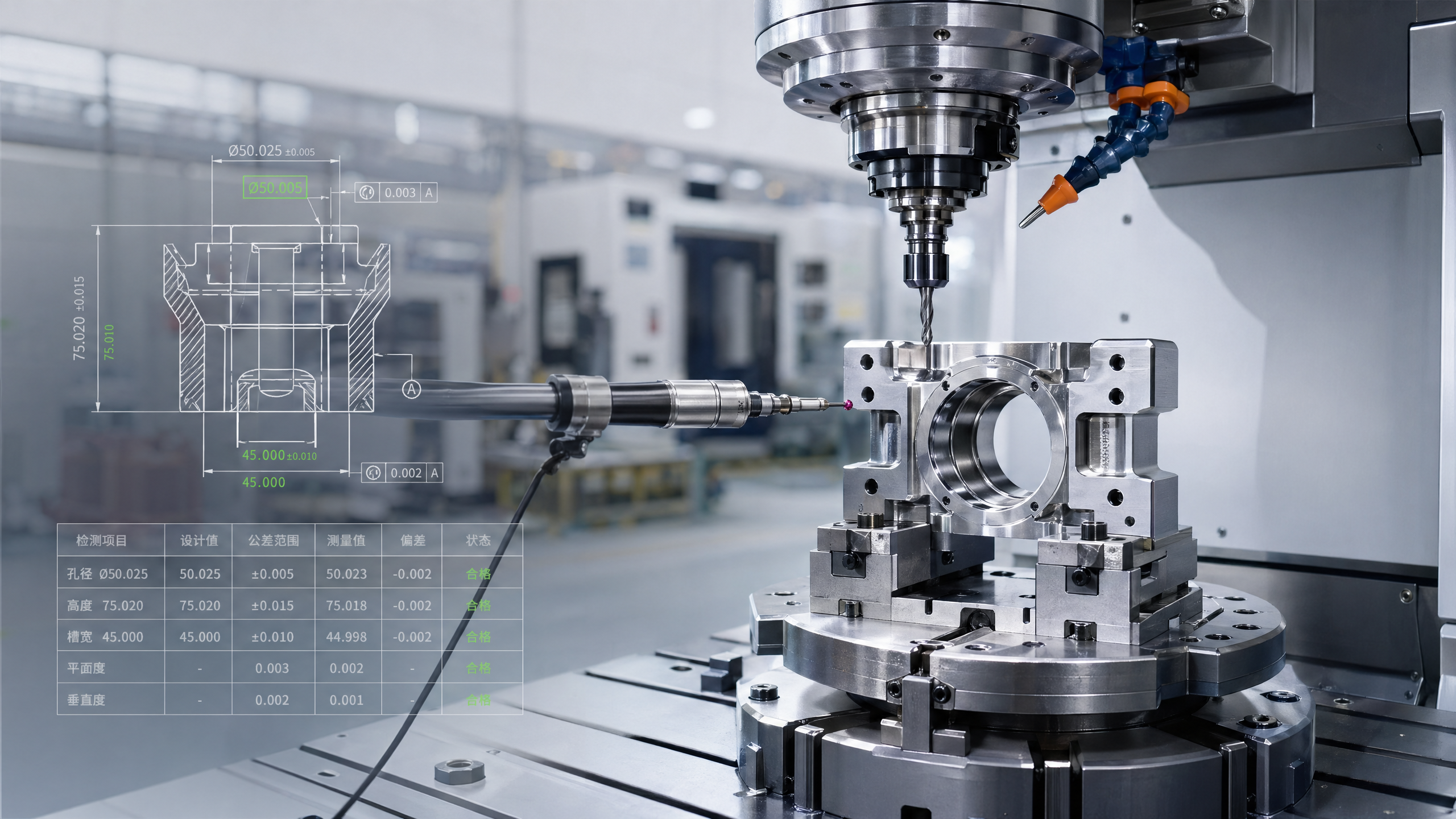
The report notes use of ‘customized fixtures’ and ‘intelligent production lines’. Current relevance lies less in generic automation claims and more in functional requirements: e.g., cycle time under 0.8 sec per unit, IP65-rated controllers, or integration with MES via OPC UA. These define near-term technical benchmarks.
Distinguish between market interest and actual procurement momentum
While Southeast Asian and Middle Eastern food processors are ‘paying attention’, no export contract linked to this case has been publicly confirmed. Treat early-stage inquiries as signal checks — not demand confirmation — until verified purchase orders or customs shipment data emerge.
Prepare modular documentation packages for international inquiries
Anticipate increased inbound requests for bilingual (English + local language) operation manuals, hygienic design certifications (e.g., EHEDG), and compatibility statements with common PLC platforms (Siemens S7-1500, Rockwell ControlLogix). Pre-assembling these reduces response latency.
Editorial Observation / Industry Perspective
From an industry perspective, Oufu’s 2025 results are better understood as a structural signal than an isolated outcome. The 89.79% profit growth reflects both operational scale-up and upstream supply chain localization — not just cost control. Its equipment procurement pattern suggests domestic automation vendors are transitioning from component suppliers to system-capable partners in regulated food segments. However, this remains a single-case validation; broader industry adoption hinges on replicability across protein categories (e.g., dairy, meat) and regulatory environments. Continued observation is warranted — particularly whether similar capex patterns appear in 2026 reports from peers such as Yurun or WH Group’s downstream units.
This is not yet evidence of systemic export acceleration — but it is a measurable inflection point where domestic food industrialization begins generating tangible ripple effects for adjacent manufacturing sectors.
Conclusion
Oufu Egg Industry’s 2025 financial performance and capacity completion reflect maturing domestic food automation infrastructure — with measurable implications for equipment makers, integrators, and exporters. The event does not confirm a new export wave, nor does it guarantee sector-wide capex expansion. Instead, it confirms that food-grade, domestically engineered automation is now operationally viable at scale in complex, high-volume settings. For stakeholders, the current takeaway is not urgency — but calibration: aligning technical readiness, documentation rigor, and market intelligence with a proven use case that is gaining regional visibility.
Source Attribution
Main source: Oufu Egg Industry Co., Ltd. 2025 Annual Report, released April 24, 2026.
Points requiring ongoing observation: Export contract confirmations linked to this case; capex disclosures from comparable food processors in 2026 reporting season.
PREVIOUS ARTICLE
NEXT ARTICLE
Recommended for You
 How to Choose a Space-Saving CNC Manufacturing SetupCNC Machining Technology Center
![]() What to Check Before Using a CNC Manufacturing WholesalerGlobal Machine Tool Trade Research Center
What to Check Before Using a CNC Manufacturing WholesalerGlobal Machine Tool Trade Research Center Why Precision CNC Manufacturing Fails Tolerance GoalsCNC Machining Technology Center
 Is CNC Manufacturing for Energy Equipment Worth the CostManufacturing Market Research Center
![]() How Low Maintenance CNC Manufacturing Cuts DowntimeMachine Tool Industry Editorial Team
How Low Maintenance CNC Manufacturing Cuts DowntimeMachine Tool Industry Editorial Team How to Compare One CNC Manufacturing Factory to AnotherManufacturing Market Research Center

Aris Katos
Future of Carbide Coatings
15+ years in precision manufacturing systems. Specialized in high-speed milling and aerospace grade alloy processing.
▶
Is CNC Manufacturing for Energy Equipment Worth the CostManufacturing Market Research Center▶
What Automotive CNC Manufacturing Must Deliver in 2026Manufacturing Market Research Center▶
What Machine Tools Work Best for Energy Equipment PartsManufacturing Market Research Center▶
Which Machine Tools Fit Automotive Production BestManufacturing Market Research Center▶
Oufu Egg Industry 2025 Net Profit +89.79%; Packaging Machinery Demand RisesManufacturing Market Research Center
Mastering 5-Axis Workholding Strategies
Join our technical panel on Nov 15th to learn about reducing vibrations in thin-wall components.

Providing you with integrated sanding solutions
Before-sales and after-sales services
Comprehensive technical support