• Global CNC market projected to reach $128B by 2028 • New EU trade regulations for precision tooling components • Aerospace deman
NYSE: CNC +1.2%LME: STEEL -0.4%

How to Choose a Machine Tool Supplier for Stable Delivery
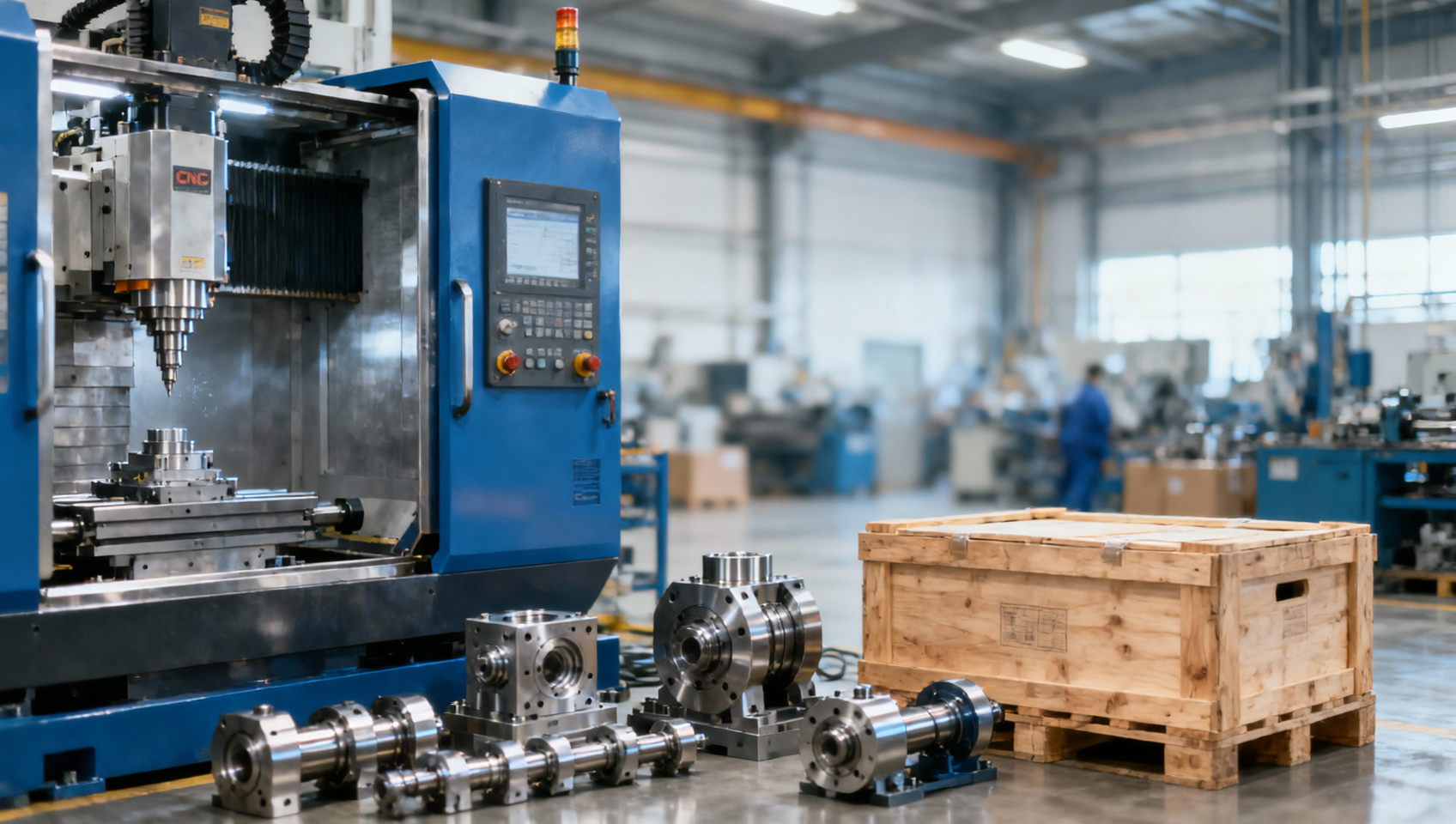
Choosing the right machine tool supplier is critical for manufacturers seeking stable delivery, consistent quality, and long-term competitiveness. Whether you need a CNC manufacturing supplier, a CNC machine tool manufacturer, or a machine tool wholesaler, the best partner should support high precision machine tool performance, cost-effective CNC manufacturing, and reliable service across industries such as aerospace, automotive, electronics, and energy equipment.
Why stable delivery matters more than a low initial price
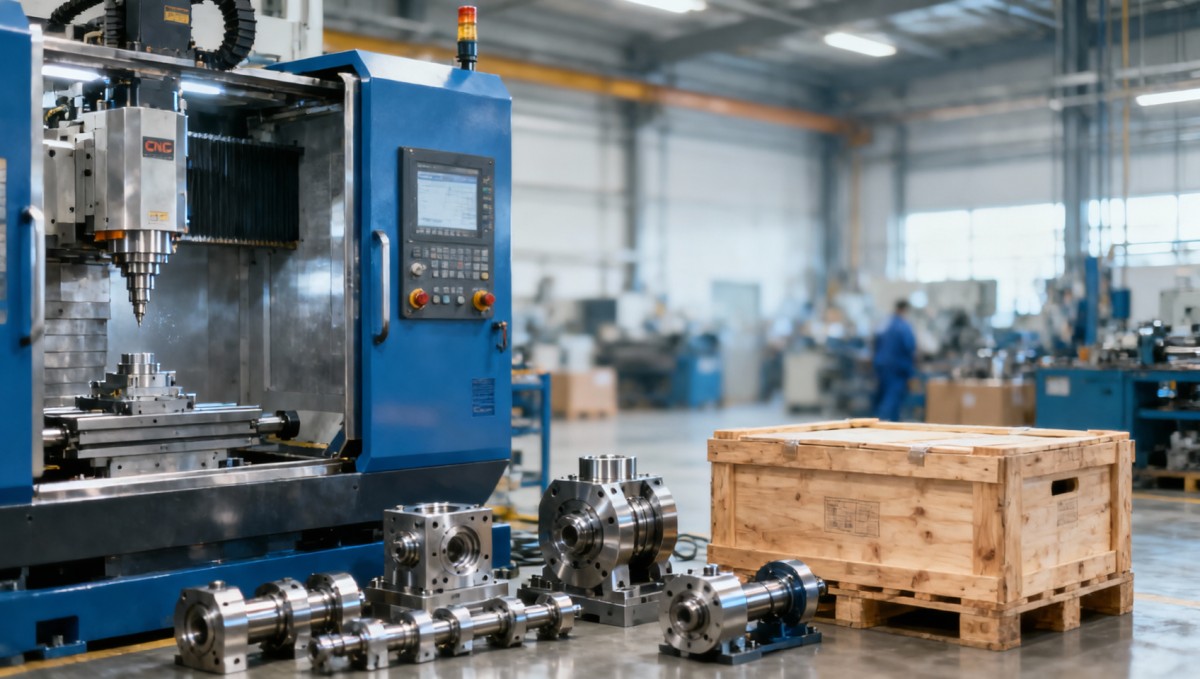
In machine tool procurement, the most visible number is often the quoted price. The most expensive number usually appears later: delayed production, idle operators, missed customer schedules, and emergency outsourcing. For buyers comparing a CNC machine tool manufacturer or machine tool wholesaler, stable delivery is not simply a logistics issue. It is a production planning issue, a cash-flow issue, and often a customer retention issue.
A supplier that promises fast shipment but lacks production control may create risk at three stages: pre-production engineering, component sourcing, and final commissioning. In the machine tool industry, common lead times can range from 4–8 weeks for standard configurations to 12–20 weeks for customized machining centers, multi-axis systems, or automated production line integration. Stable delivery means the supplier can manage all three stages with predictable milestones.
This matters across the broader manufacturing sector. Automotive plants may work with monthly volume targets, electronics producers often face short product cycles, and aerospace buyers usually require stricter documentation before acceptance. In all three cases, a machine tool supplier must deliver more than hardware. The supplier must also provide timeline visibility, technical clarification, and after-sales readiness.
For information researchers and decision-makers, the first practical question is not “Who offers the lowest quote?” but “Who can deliver the right machine, in the agreed specification, within a realistic schedule, with support that keeps the line running for the next 3–5 years?” That is the real starting point of supplier selection.
What stable delivery includes in real procurement work
- Confirmed engineering scope before production, including spindle type, axis travel, control system, tooling interface, and fixture compatibility.
- A visible production schedule with 3 key checkpoints: order confirmation, assembly completion, and pre-shipment inspection.
- Supply chain control for castings, guideways, ball screws, servo systems, electrical parts, and safety components.
- Installation and commissioning planning, which commonly takes 2–7 days for a standalone machine and longer for automated cells.
If a supplier cannot explain these points clearly, stable delivery is already uncertain, even before the purchase order is issued.
How to evaluate a machine tool supplier before you request a final quote
A reliable evaluation process should compare technical fit, delivery capability, and service depth at the same time. Many procurement teams focus on machine specifications first and discuss support later. That sequence often causes problems. A machine that meets tolerance targets on paper may still become a poor investment if spare parts, programming support, or operator training are weak.
For a CNC manufacturing supplier serving precision industries, the most useful approach is to score suppliers against a structured checklist. This helps purchasing managers, operators, and executives align on measurable criteria. Instead of debating general impressions, the team can review the same 5–7 dimensions and identify hidden risk before contract signing.
The table below shows a practical evaluation framework for stable machine tool supply. It can be used for CNC lathes, vertical machining centers, horizontal machining centers, and integrated automation solutions. It is especially useful when comparing suppliers from different manufacturing regions such as China, Germany, Japan, or South Korea.
This table also shows why a final quote should never be read in isolation. If two suppliers are close in price but one offers clearer lead-time control, better acceptance preparation, and faster technical response, the lower total risk may justify the higher purchase cost.
Five questions procurement teams should ask
Before issuing a purchase order, ask for specific answers. A dependable supplier should be able to respond without vague wording or excessive delay.
- What is the normal delivery range for standard versus customized machines, and what factors extend it by 2–6 weeks?
- Which core components are produced in-house, and which are sourced externally?
- What pre-shipment tests are included: geometry inspection, no-load running, trial machining, or tool change verification?
- How are installation, training, and post-startup troubleshooting handled during the first 7–30 days?
- What documentation is available for maintenance, spare parts, electrical drawings, and operator guidance?
These questions quickly separate a capable machine tool supplier from a trading source that only forwards catalog information.
Which technical and service factors should buyers compare side by side?
Stable delivery depends on technical suitability as much as factory scheduling. A supplier may deliver on time but still fail if the machine cannot hold required tolerances, match existing tooling, or support planned automation. This is why engineers, operators, and buyers should review machine performance and service conditions together, not in separate meetings.
In practical CNC procurement, three technical areas often drive downstream success: machining accuracy, process adaptability, and maintainability. For example, a high precision machine tool for aerospace parts may require tighter thermal stability and more detailed test data than a general-purpose unit used for routine automotive fixtures. Delivery stability improves when specification clarity is achieved early.
The comparison below helps teams review not only machine performance but also the service conditions that affect uptime, training, and long-term ownership cost. It is especially useful when comparing a direct CNC machine tool manufacturer with a machine tool wholesaler or regional distributor.
The comparison does not mean one route is always better. If your project involves 1–2 standard machines with urgent installation, a capable regional supplier may be efficient. If the project includes automation integration, part verification, and process tuning over several phases, a direct manufacturer often provides stronger control.
Technical checkpoints that reduce post-delivery surprises
Machine and process matching
Confirm the workpiece envelope, material category, surface finish target, and tolerance requirement in advance. Typical review items include axis travel, table load, spindle speed range, turret or tool magazine capacity, and control compatibility. Even a mismatch in tool interface or chip evacuation setup can delay startup by several days.
Service readiness
Check whether the supplier provides remote diagnostics, operator training, and spare part recommendations. For many factories, the most sensitive window is the first 30 days after installation. A supplier that can respond within 24–72 hours to electrical, programming, or alarm issues usually creates more operational confidence.
Acceptance discipline
Ask for a clear FAT or pre-shipment acceptance list. Common items include axis repeatability checks, spindle run test, lubrication verification, safety interlock confirmation, and sample machining review. For precision manufacturing, acceptance criteria should be written before shipment, not negotiated after the machine arrives.
How to reduce delivery risk in global CNC machine tool sourcing
Global sourcing has expanded access to machine tool manufacturing clusters, but it also adds complexity. Buyers may source from regions known for strong production capacity, specialized precision, or cost-effective CNC manufacturing. The challenge is not geography alone. The challenge is coordinating engineering details, production scheduling, logistics, and commissioning across distance and time zones.
A practical way to reduce risk is to divide supplier review into four stages. First, clarify the process requirement. Second, verify the supplier’s manufacturing and sourcing capability. Third, lock the commercial and technical scope. Fourth, monitor execution until acceptance is complete. This staged method is more effective than requesting a quick quote from multiple vendors and comparing only the bottom line.
For industries such as automotive, aerospace, electronics, and energy equipment, supplier selection should also account for installation environment, documentation needs, and maintenance intensity. A line producing complex shaft parts or high-accuracy structural parts may run under different duty cycles than a shop focused on medium-batch general machining. The supplier should understand that difference.
A four-step sourcing process for stable delivery
- Define the application in measurable terms: part size range, material, tolerance band, batch size, shift pattern, and automation level.
- Check supplier capability: factory process, key component sources, sample projects, inspection routine, and expected lead time window.
- Finalize scope: accessories, tooling, fixture interfaces, electrical standards, training, acceptance items, and spare parts package.
- Track execution: milestone updates every 1–2 weeks, pre-shipment review, logistics planning, installation schedule, and commissioning support.
This process helps decision-makers identify whether a supplier can truly deliver a production-ready solution rather than a machine shipped with unresolved details.
Common compliance and documentation points to review
- Electrical and safety conformity suitable for the target market and plant standards.
- Machine manuals, maintenance plans, lubrication guidance, and troubleshooting records in a usable language.
- Inspection and acceptance documentation, especially for precision machine tools and automated production line interfaces.
- Packaging and transport protection plans for long-distance sea or land transit, which may add several days to several weeks depending on route.
Even when no special certification is requested, disciplined documentation improves installation speed and reduces misunderstandings between engineering, purchasing, and operations teams.
FAQ: what buyers, operators, and decision-makers ask most often
Machine tool sourcing often involves different priorities inside the same company. Operators care about usability and maintenance. Procurement teams care about cost and delivery. Executives care about risk, output, and long-term competitiveness. The questions below address the overlap between those concerns.
How long is a normal machine tool delivery cycle?
For standard CNC lathes or machining centers, a common lead-time range is about 4–8 weeks, depending on stock status and configuration. For customized machines, multi-axis systems, or projects with automation integration, 12–20 weeks is common. Buyers should ask which items drive the schedule: control system availability, casting preparation, fixture engineering, or final testing.
What matters more: price, accuracy, or service?
The answer depends on your production model, but in most B2B manufacturing settings the right balance matters more than any single factor. If a lower-priced machine causes 2–3 extra downtime events in the first year, the savings may disappear quickly. For precision or automated production, service readiness and process matching are often as important as machine purchase cost.
How can operators judge whether a supplier understands real shop-floor needs?
Look at the questions the supplier asks. A serious CNC manufacturing supplier will ask about material type, chip control, tool life, workholding, coolant method, shift length, and maintenance skill level. If the discussion stays limited to catalog power and speed values, the supplier may not be preparing for real production conditions.
What are common mistakes in machine tool supplier selection?
The most common mistakes are comparing quotes without matching scope, ignoring acceptance details, underestimating spare parts planning, and assuming that all suppliers define lead time the same way. Another frequent error is buying a machine based on peak specification rather than typical workload. In many cases, a stable, well-supported configuration is better than a more complex one that stretches budget and service capability.
Why choose a partner that supports selection, delivery planning, and long-term operation
Choosing a machine tool supplier should end with a workable plan, not just a signed quotation. The strongest partners help you confirm machining requirements, compare suitable machine configurations, estimate delivery windows, and prepare installation and acceptance steps before production begins. That is especially valuable for companies balancing precision targets, budget control, and urgent launch schedules.
If you are evaluating a CNC machine tool manufacturer, a CNC manufacturing supplier, or a machine tool wholesaler, we can support your decision with practical sourcing guidance across the global CNC machining and precision manufacturing industry. This includes advice for standard machines, high precision machine tool applications, automated production line projects, and cross-border procurement planning.
You can contact us to discuss 6 key topics: machine parameter confirmation, application-based model selection, normal delivery cycle assessment, customization scope, documentation or compliance expectations, and quotation comparison. If needed, we can also help you review sample configurations for industries such as aerospace, automotive, electronics, and energy equipment.
A stable supplier relationship starts with clear technical communication and realistic delivery planning. If you want to reduce sourcing risk, compare options more efficiently, or build a cost-effective CNC manufacturing roadmap, now is the right time to begin the conversation.
PREVIOUS ARTICLE
NEXT ARTICLE
Recommended for You
 How to Choose a Heavy-Duty Machining Center for Mold MakingMachine Tool Industry Editorial Team
 How Quick-Change Fixture Design Cuts CNC Turning Setup TimeCNC Machining Technology Center
 Why 5 Axis Machining Is Ideal for Impeller ManufacturingCNC Machining Technology Center
 How to Start Lean Production Without Disrupting OutputManufacturing Market Research Center
 When a Modular Tooling System Improves Flexible ManufacturingMachine Tool Industry Editorial Team
 How CNC Machine Control Systems Improve Automation StabilityMachine Tool Industry Editorial Team


Aris Katos
Future of Carbide Coatings
15+ years in precision manufacturing systems. Specialized in high-speed milling and aerospace grade alloy processing.
▶
How to Choose a Machine Tool Supplier for Stable DeliveryManufacturing Market Research Center▶
How to Audit a Machine Tool Factory Before Long-Term SupplyManufacturing Market Research Center▶
How to Find a Reliable CNC Manufacturing ManufacturerManufacturing Market Research Center▶
Lianyirong × ABC Shanghai Dongfang Hub Branch: RMB 40M e-IOU for Auto Safety CNC SupplierManufacturing Market Research Center▶
How to Compare One CNC Manufacturing Factory to AnotherManufacturing Market Research Center
Mastering 5-Axis Workholding Strategies
Join our technical panel on Nov 15th to learn about reducing vibrations in thin-wall components.

Providing you with integrated sanding solutions
Before-sales and after-sales services
Comprehensive technical support