• Global CNC market projected to reach $128B by 2028 • New EU trade regulations for precision tooling components • Aerospace deman
NYSE: CNC +1.2%LME: STEEL -0.4%

How to Find a Reliable CNC Manufacturing Manufacturer
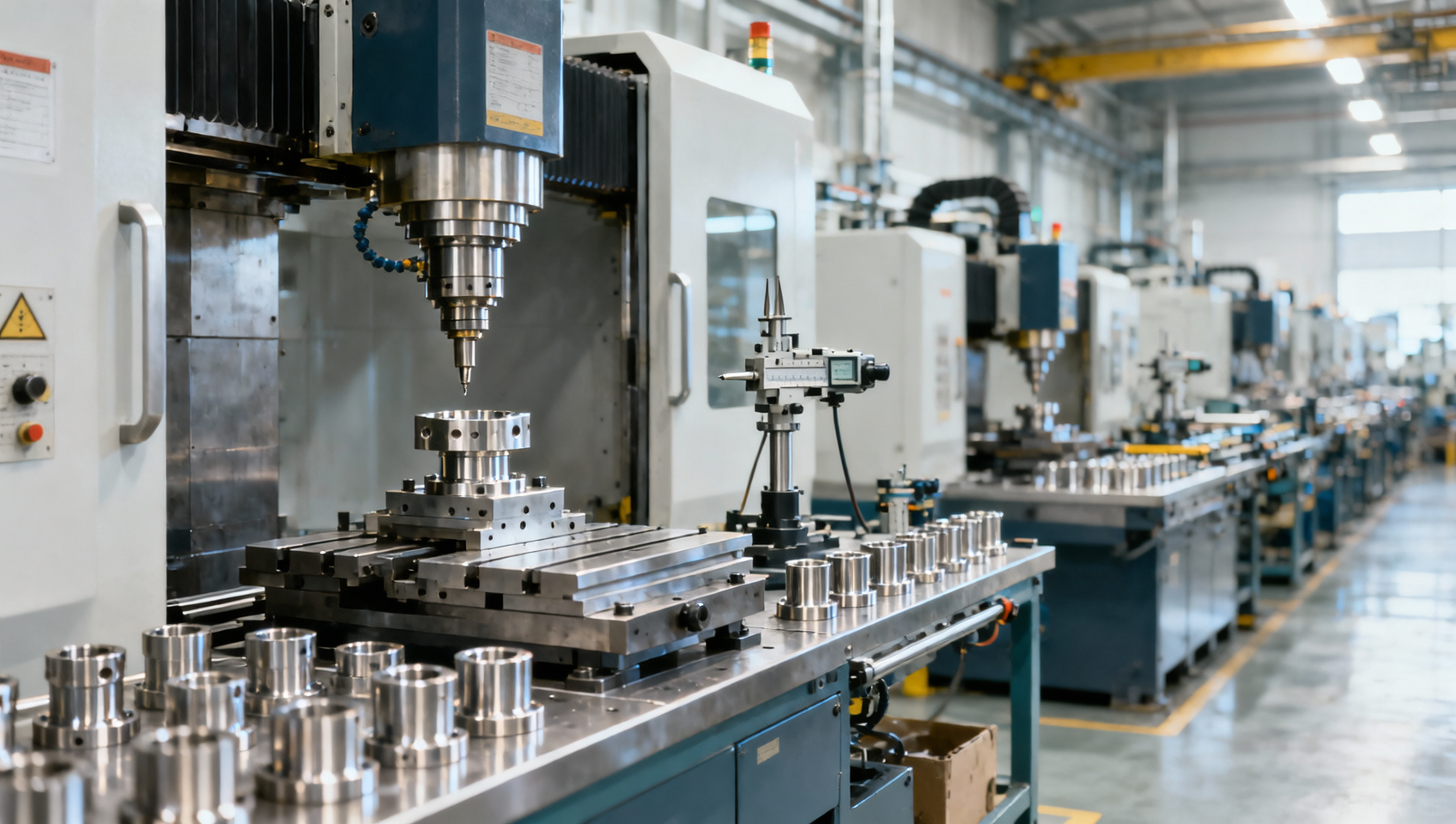
Finding a reliable CNC manufacturing manufacturer is less about choosing the lowest quote and more about verifying whether a supplier can deliver repeatable quality, stable lead times, technical support, and long-term production value. For buyers, engineers, operators, and decision-makers, the best partner is one that can consistently meet tolerance, material, volume, and delivery requirements without creating hidden costs later. Whether you need precision CNC manufacturing, multi-axis CNC manufacturing, or a scalable CNC manufacturing factory for aerospace, automotive, electronics, or energy applications, the evaluation process should focus on capability, process control, communication, and risk management.
What Actually Makes a CNC Manufacturing Manufacturer Reliable?
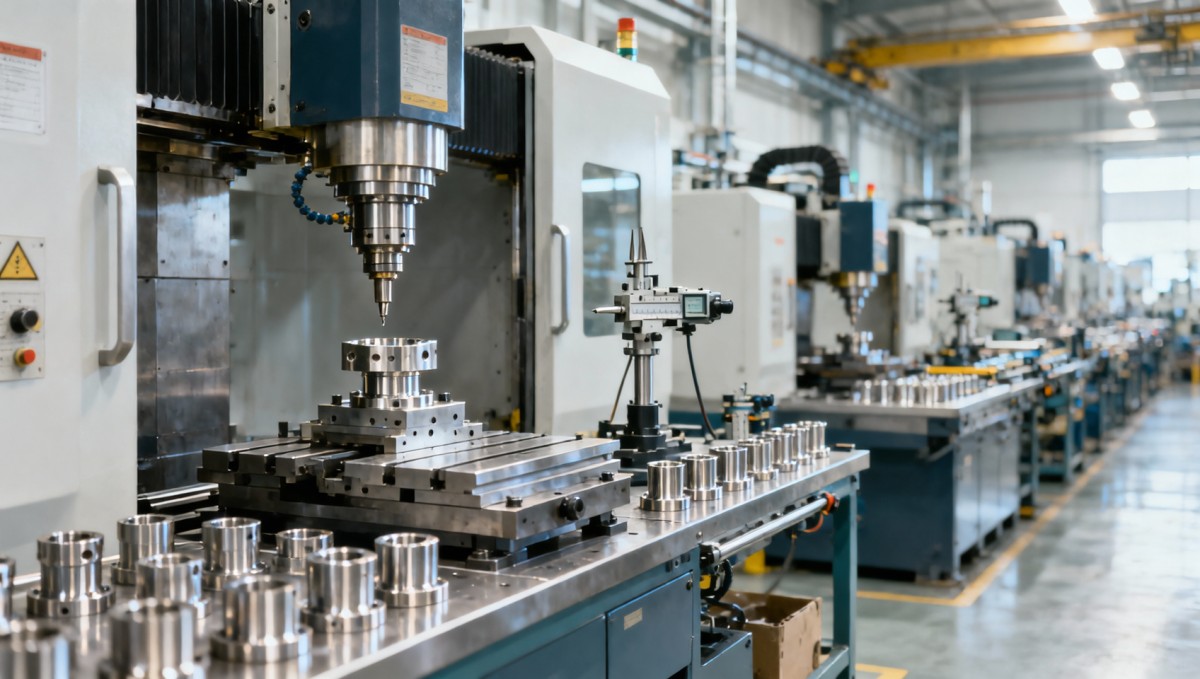
A reliable CNC manufacturing manufacturer is not simply a company with modern machines on the shop floor. Reliability means the supplier can produce parts to specification, maintain consistency from prototype to batch production, respond quickly when issues appear, and support your business as demand changes.
In practice, a dependable CNC machine tool manufacturer or machining supplier usually shows strength in five areas:
- Technical capability: suitable machines, tooling, fixtures, inspection systems, and process knowledge.
- Quality control: documented procedures, in-process inspection, final inspection, traceability, and corrective action systems.
- Delivery performance: realistic scheduling, capacity planning, and supply chain coordination.
- Communication: clear quoting, engineering feedback, production updates, and problem-solving speed.
- Commercial stability: fair pricing, transparent terms, and the ability to support long-term orders.
If a supplier looks strong in only one area, such as low cost or advanced equipment, but weak in the rest, it may not be the right manufacturing partner.
What Questions Should Buyers and Engineers Ask First?
Before comparing suppliers, define your real manufacturing need. Many sourcing problems happen because buyers request quotes before clarifying tolerances, materials, finishing, testing requirements, annual volume, and delivery expectations.
Start with these questions:
- What part accuracy and surface finish are required?
- Is the project prototype, low-volume, or mass production?
- Do you need 3-axis, 4-axis, or multi-axis CNC manufacturing?
- What materials will be machined: aluminum, steel, titanium, brass, plastics, or specialty alloys?
- Are there industry-specific requirements such as aerospace documentation, automotive consistency, or electronics cleanliness?
- Do you need secondary processes like heat treatment, coating, grinding, assembly, or packaging?
- How important are lead time, engineering support, and post-delivery service?
These answers help you identify whether a CNC manufacturing factory is truly suitable, rather than just available.
How to Check Real Manufacturing Capability
A professional supplier should be able to explain exactly how your parts will be made. This includes machine type, process route, tooling strategy, inspection method, and production planning.
Key capability areas to verify include:
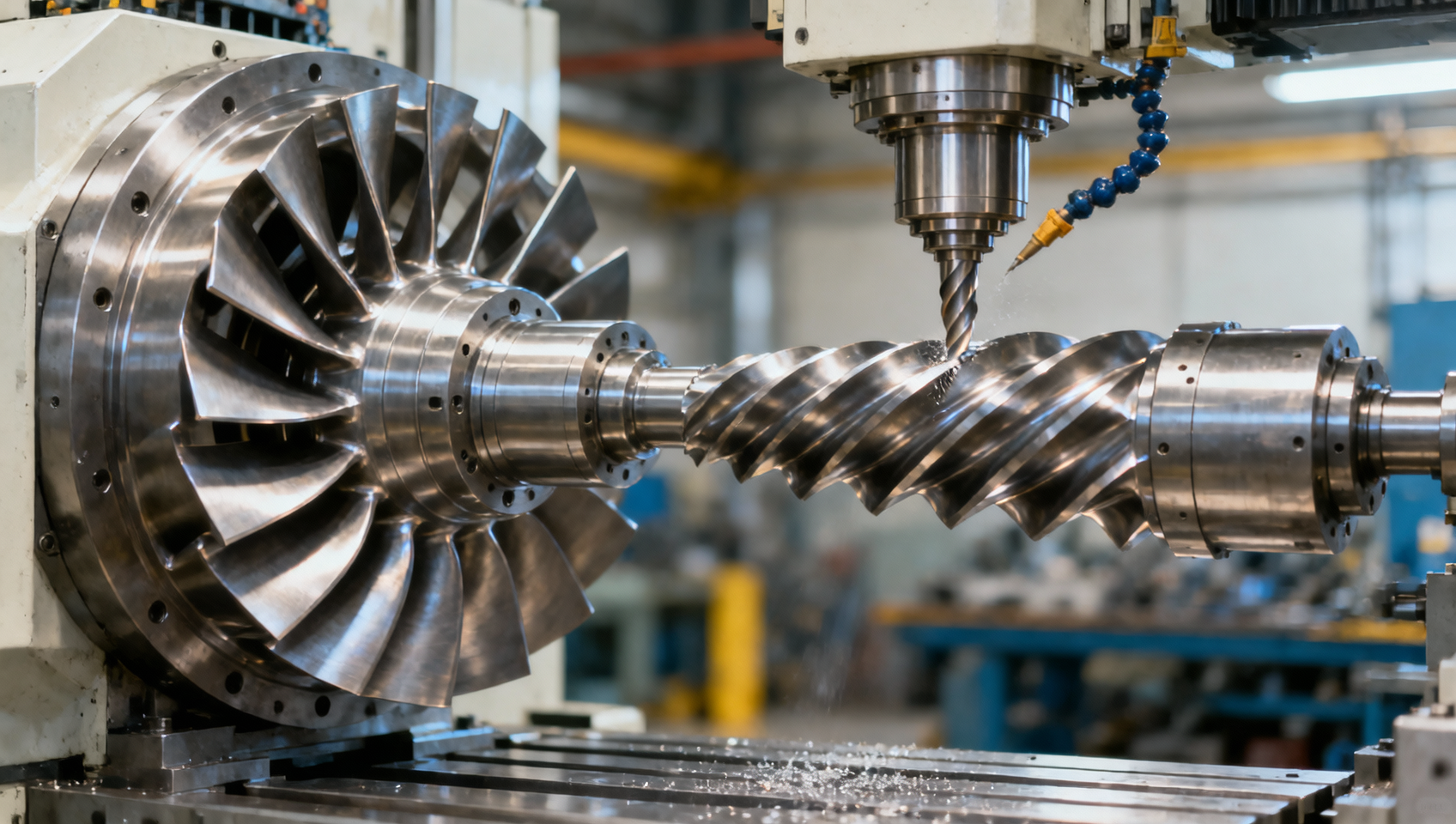
- Machine range: CNC lathes, vertical machining centers, horizontal machining centers, mill-turn systems, and 5-axis machines for complex geometry.
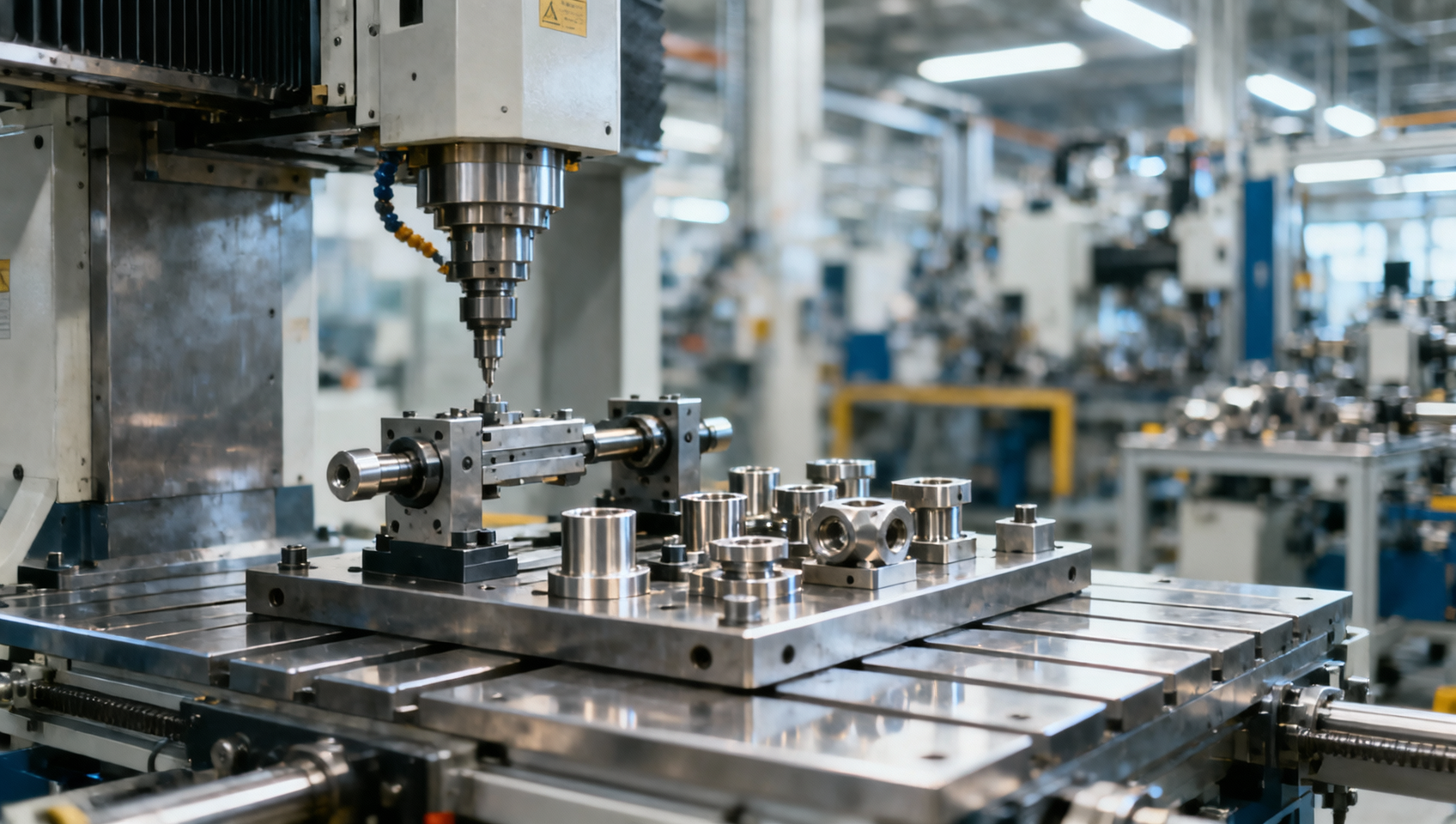
- Part size range: minimum and maximum machining dimensions, weight limits, and workholding flexibility.
- Tolerance control: proven experience with your required dimensional accuracy and geometric tolerances.
- Material experience: some manufacturers are strong in aluminum and mild steel, but less capable with hardened steel, titanium, or thin-wall parts.
- Production scalability: ability to move from sample development to stable repeat production.
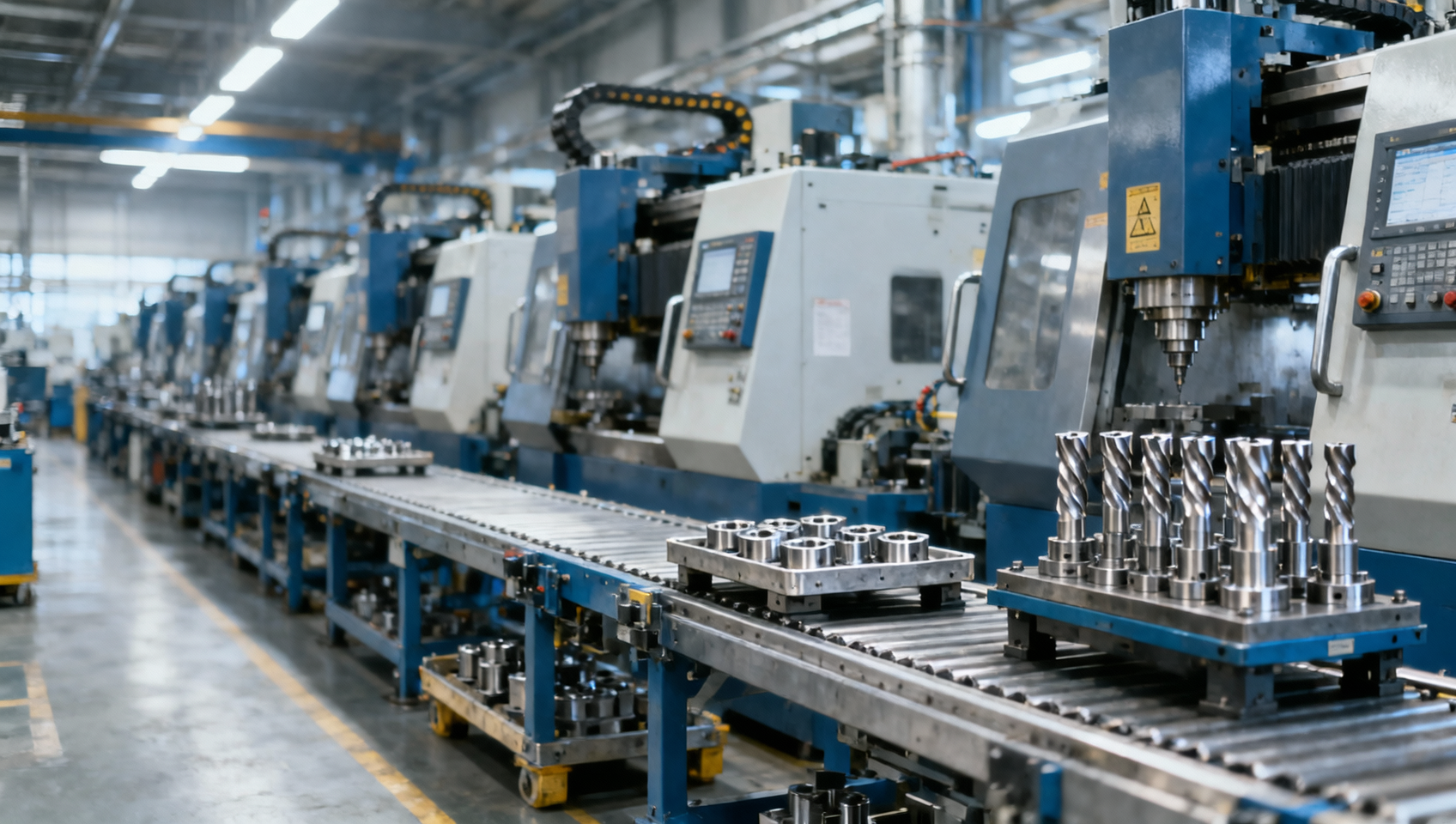
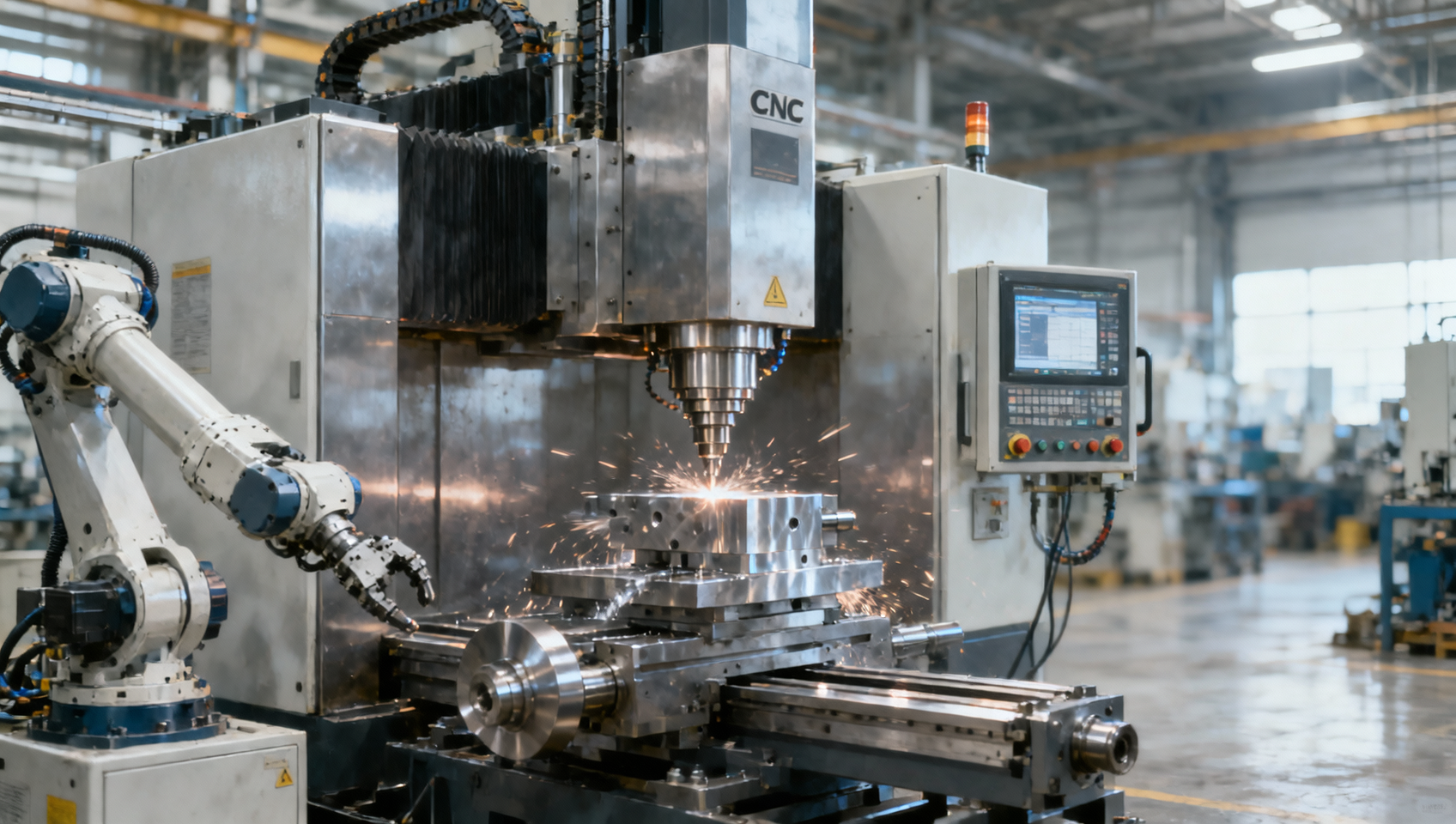
- Automation level: pallet systems, robotic loading, automated tool management, and digital monitoring can improve consistency and throughput.
If possible, ask for similar case examples. A reliable CNC manufacturing manufacturer should be able to show relevant experience without disclosing confidential customer data.
Why Quality Systems Matter More Than Sales Claims
For procurement teams and business leaders, the biggest risk is not an occasional defect but a weak quality system that allows defects to repeat. A supplier may promise precision CNC manufacturing, but the real question is how it controls variation.
Look for evidence of:
- Incoming material verification
- First article inspection
- In-process checks during machining
- Final inspection with documented results
- Calibration of measuring equipment
- Nonconformance handling and root cause analysis
- Lot traceability and production records
Relevant certifications can help, especially for regulated sectors, but certification alone is not enough. Ask how the factory handles scrap, rework, engineering changes, and customer complaints. The answer will reveal whether the manufacturer operates with discipline or improvisation.
How to Evaluate Lead Time, Capacity, and Delivery Reliability
Many suppliers can make a good first sample. Fewer can maintain delivery performance over time. This matters especially in automotive, electronics, and energy equipment, where supply interruption can affect the entire production line.
To evaluate delivery reliability, ask:
- What is the standard lead time for prototypes and repeat orders?
- How full is current machine capacity?
- How are urgent jobs handled?
- Are key tools, fixtures, and raw materials stocked or sourced only after order confirmation?
- What is the on-time delivery rate?
- Does the supplier have backup machines or contingency plans?
A factory with strong planning systems and realistic scheduling is usually more reliable than one that promises extremely short lead times without explaining how it will achieve them.
How to Compare Price Without Choosing the Wrong Supplier
Low price can be attractive, but procurement professionals know that the cheapest quote often becomes the most expensive option after delays, quality escapes, and poor communication.
When comparing CNC manufacturing suppliers, review total value instead of unit price alone:
- Quoted scope: does the price include material, machining, finishing, inspection, packaging, and shipping?
- Tolerance assumptions: some low quotes exclude tighter controls that your drawings actually require.
- Scrap risk: poor process capability increases hidden costs.
- Engineering support: manufacturability feedback can reduce long-term production cost.
- MOQ and setup costs: these affect prototype and low-volume economics.
- Change flexibility: design revisions are common, especially in early-stage programs.
A reliable machine tool supplier should offer a quote that is transparent, technically aligned with your drawings, and commercially predictable.
What Red Flags Should You Watch For?
Some warning signs appear early if you know what to look for. These issues do not always mean the supplier is unsuitable, but they should trigger deeper review.
- Very fast quotations with no technical questions
- Unclear answers about tolerance or inspection capability
- Large pricing gaps without explanation
- No discussion of fixture design, tooling, or process stability
- Inconsistent communication between sales and engineering teams
- Reluctance to share production workflow or quality documentation
- Promises of “any material, any tolerance, any lead time”
- No clear corrective action process when problems occur
Reliable manufacturers usually ask detailed questions. That is often a good sign, not a delay tactic.
Why Communication and Engineering Support Are Critical
For operators, engineers, and sourcing teams, communication quality often determines project success. Even a technically capable CNC manufacturing factory can become difficult to work with if updates are slow, documentation is incomplete, or design concerns are ignored.
Strong suppliers usually provide:
- DFM feedback before production
- Clear review of drawings and tolerances
- Material and process recommendations
- Regular order status updates
- Fast response to quality or delivery questions
- Support for design changes and improvement suggestions
This is especially important in multi-axis CNC manufacturing or precision assemblies, where small design details can significantly affect cycle time, cost, and stability.
Should You Audit the Factory or Request Samples?
Yes, whenever the project value, quality risk, or strategic importance justifies it. A factory audit or trial order can reveal more than presentations and certificates.
Useful verification methods include:
- Sample evaluation: check dimensional accuracy, finish quality, packaging, and documentation.
- Video or on-site audit: review machine condition, workflow, cleanliness, inspection setup, and operator discipline.
- Pilot production run: confirm consistency over multiple pieces, not just one sample.
- Reference review: understand industries served, export experience, and order complexity.
For enterprise buyers and decision-makers, this stage helps reduce supplier onboarding risk and supports more confident contract decisions.
How Different Industries Should Choose a CNC Manufacturing Partner
Not all CNC manufacturing manufacturers are equally suitable for every sector. Your industry affects what “reliable” really means.
- Aerospace: focus on traceability, complex geometry capability, difficult materials, and strict process control.
- Automotive: prioritize repeatability, cost efficiency, capacity, and stable batch production.
- Electronics: pay attention to fine features, cosmetic standards, lightweight materials, and shorter product cycles.
- Energy equipment: evaluate large-part machining, material strength, durability, and delivery dependability.
A supplier that is excellent for prototype electronics housings may not be ideal for heavy-duty energy components or aerospace structural parts.
A Practical Shortlist Checklist for Final Supplier Selection
When narrowing down candidates, use a simple decision framework. A strong CNC machine tool manufacturer should score well in most of these areas:
- Relevant machining capability for your part family
- Documented quality control process
- Experience with required materials and tolerances
- Reasonable and transparent pricing
- Stable lead time and production capacity
- Responsive technical communication
- Ability to support volume growth
- Good sample or pilot-run results
- Low operational and supply risk
- Willingness to build a long-term partnership
Choosing based on this broader view usually leads to better outcomes than selecting by price or machine count alone.
In the end, finding a reliable CNC manufacturing manufacturer means matching your technical requirements and business priorities with a supplier that can prove consistency, not just promise it. The best partner is one with the right equipment, quality discipline, communication habits, and production planning to support your project from first sample to long-term delivery. If you evaluate capability, quality systems, pricing transparency, and operational reliability together, you will make a stronger decision and reduce sourcing risk across the entire manufacturing cycle.
Recommended for You
 How to Choose a Heavy-Duty Machining Center for Mold MakingMachine Tool Industry Editorial Team
 How Quick-Change Fixture Design Cuts CNC Turning Setup TimeCNC Machining Technology Center
 Why 5 Axis Machining Is Ideal for Impeller ManufacturingCNC Machining Technology Center
 How to Start Lean Production Without Disrupting OutputManufacturing Market Research Center
 When a Modular Tooling System Improves Flexible ManufacturingMachine Tool Industry Editorial Team
 How CNC Machine Control Systems Improve Automation StabilityMachine Tool Industry Editorial Team

Aris Katos
Future of Carbide Coatings
15+ years in precision manufacturing systems. Specialized in high-speed milling and aerospace grade alloy processing.
▶
How to Choose a Machine Tool Supplier for Stable DeliveryManufacturing Market Research Center▶
How to Audit a Machine Tool Factory Before Long-Term SupplyManufacturing Market Research Center▶
How to Find a Reliable CNC Manufacturing ManufacturerManufacturing Market Research Center▶
Lianyirong × ABC Shanghai Dongfang Hub Branch: RMB 40M e-IOU for Auto Safety CNC SupplierManufacturing Market Research Center▶
How to Compare One CNC Manufacturing Factory to AnotherManufacturing Market Research Center
Mastering 5-Axis Workholding Strategies
Join our technical panel on Nov 15th to learn about reducing vibrations in thin-wall components.

Providing you with integrated sanding solutions
Before-sales and after-sales services
Comprehensive technical support