• Global CNC market projected to reach $128B by 2028 • New EU trade regulations for precision tooling components • Aerospace deman
NYSE: CNC +1.2%LME: STEEL -0.4%

CNC Programming errors that cause scrap without warning
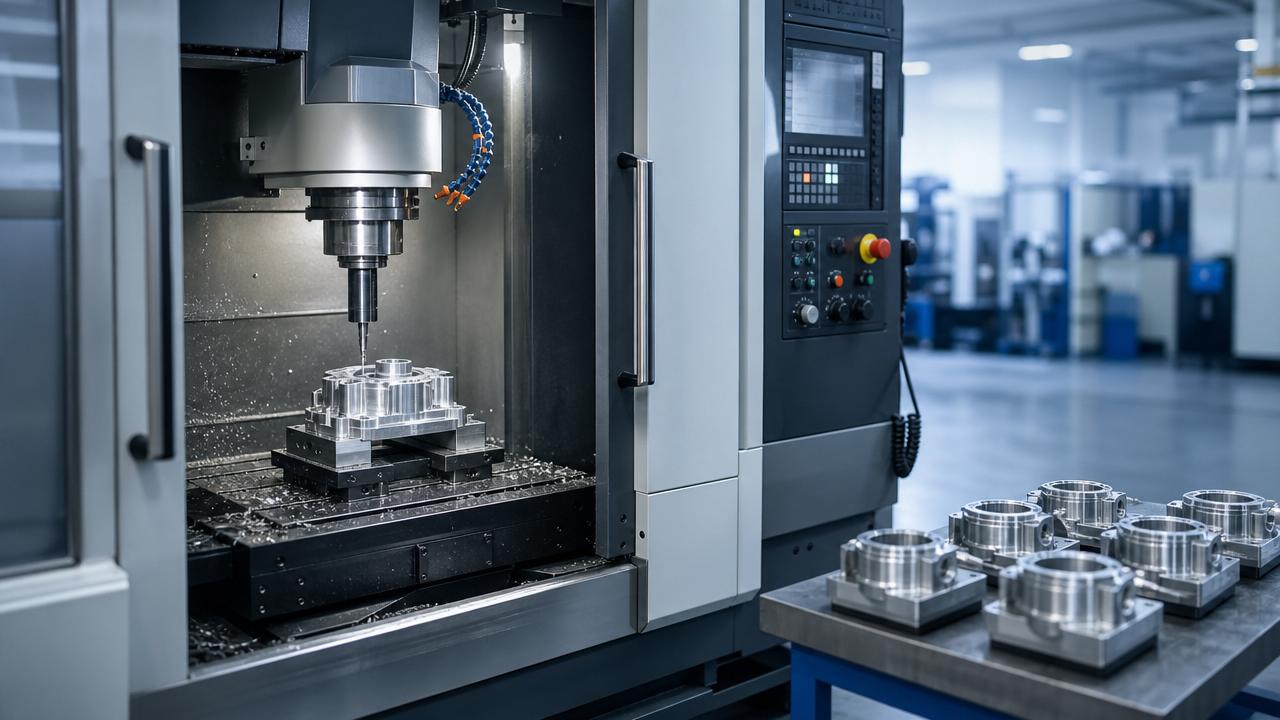
In CNC Programming, some of the most costly errors are the ones operators do not notice until scrap starts piling up. A small mistake in offsets, tool paths, feeds, or code logic can ruin precision parts without any clear warning. This article highlights the hidden programming issues that lead to unexpected scrap and helps operators spot risks early, improve machining stability, and protect production quality.
Why hidden CNC Programming errors matter differently across production scenarios
Not every programming mistake creates the same level of damage. In a prototype shop, one bad toolpath may waste a single high-value component. In a batch production line, the same mistake may repeat across hundreds of parts before anyone catches it. In aerospace, the scrap cost may come from tight tolerance failure. In automotive, the bigger risk may be cumulative downtime and mixed quality across shifts. That is why operators should not treat CNC Programming errors as generic code problems. They should evaluate them by application scenario, part type, machine setup, and inspection frequency.
For users and machine operators, this scenario-based view is practical. It helps answer key questions: where are silent scrap risks most likely to happen, which programs need stronger verification, and what warning signs should be checked before production volume increases. In the broader CNC machine tool industry, where machining centers, CNC lathes, multi-axis systems, tooling, and automation all interact, hidden programming errors often come from the gap between digital instructions and real cutting conditions.
Common operating scenarios where scrap appears without warning
Some environments are especially vulnerable to unnoticed CNC Programming mistakes. The risk is not only in the code itself, but in how fast parts move, how often setups change, and how much process variation the shop can tolerate.
- High-mix, low-volume machining: frequent program edits increase the chance of missed offset updates or tool number mismatches.
- Long unattended runs: small logic errors in loop structures, wear compensation, or spindle commands can continue for hours before detection.
- Tight-tolerance parts: even a minor feed or cutter compensation mistake can create scrap while dimensions still look visually acceptable.
- Multi-axis machining: incorrect plane selection, rotation handling, or post-processor output can damage geometry without immediate alarms.
- Shift-based production: handoff between programmers, setters, and operators increases the risk of using the wrong revision or setup sheet.
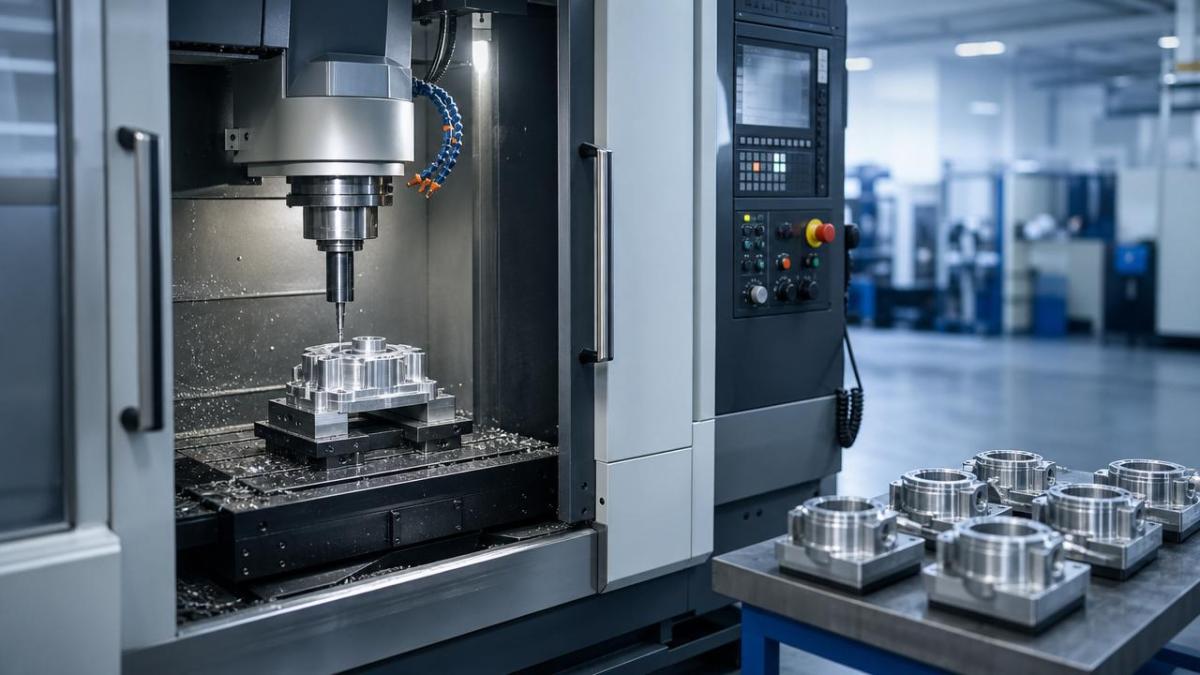
Scenario 1: Setup and offset mistakes in everyday turning and milling
For many operators, the most dangerous CNC Programming errors are not advanced algorithm failures. They are simple setup-related mismatches hidden inside normal production. A program may call the correct toolpath but reference the wrong work offset, outdated tool length, or old fixture zero. Because the machine runs normally, there may be no obvious alarm.
This is common in CNC lathes machining shafts and discs, and in vertical machining centers producing housings, brackets, and precision plates. If one job uses G54 and the next setup assumes G55, scrap can begin from the first cut. In turning, incorrect nose radius compensation or tool orientation data may generate diameter errors that initially look like normal tool wear. In milling, a wrong Z offset may not break a tool immediately, yet still leave excess stock or overshoot a depth critical to assembly.
Best fit prevention for this scenario includes first-piece dry run, single-block verification on the first cycle, offset sign checks, and setup-program cross-confirmation before release. Operators should pay special attention when jobs are repeated after long intervals, because old proven programs often fail due to changed fixtures rather than bad code logic.
Scenario 2: Toolpath and compensation errors in precision component manufacturing
In precision manufacturing, CNC Programming errors often hide inside apparently smooth machining. Tool center path may look valid in simulation, but actual cutter engagement can be wrong because of compensation direction, incorrect lead-in geometry, or mismatch between CAM output and controller behavior. This is especially important in industries such as aerospace, energy equipment, electronics, and automotive supply chains where dimensional consistency matters across mating parts.
A typical example is cutter compensation entered on the wrong side of a contour. The part may still come out with a clean finish, but dimensions shift enough to create scrap. Another common issue is residual stock left in corner transitions because step-over values were optimized for speed, not actual tool deflection. In precision bores, a helical interpolation path may produce acceptable size on one machine and reject parts on another due to servo response differences.
For this scenario, operators should not rely only on visual quality. They should verify critical features at the first-piece stage, monitor compensation changes part by part, and compare measured data against the intended programming strategy. If the shop uses different machine brands or control systems, identical CNC Programming outputs should never be assumed to behave identically without trial validation.
Scenario 3: Feed, speed, and cycle logic problems in automated batch production
Automated production lines and flexible cells bring high efficiency, but they also multiply the impact of weak CNC Programming decisions. Here, scrap often comes from machining parameters and cycle logic rather than geometry alone. A feed rate left too aggressive for a tool entering a deep cavity may cause subtle chatter marks, burr growth, or thermal distortion long before catastrophic failure occurs. Because the machine continues cutting, operators may not notice until inspection reports show a trend.
Subprogram loops, optional stop settings, and canned cycle values can also create silent quality loss. For example, a drilling cycle with an incorrect retract plane may pull chips back into the hole, damaging finish over many parts. A finishing pass accidentally skipped due to a conditional statement may still leave a part looking complete, especially in rough visual checks. In automated systems connected to robots or pallet changers, an incorrect dwell or spindle orientation command can affect consistency between stations.
In these batch scenarios, process monitoring is as important as code review. Operators should compare spindle load patterns, chip form, cycle time, and in-process gauging trends. A sudden improvement in cycle time is not always good news; it may indicate that a toolpath segment or finishing move was unintentionally removed.
Scenario 4: Multi-axis and complex geometry applications that need extra caution
Complex geometry parts are where advanced CNC Programming can create the most expensive scrap with the least visible warning. In 4-axis and 5-axis machining, the issue may come from transformed coordinates, rotary axis direction, tool vector output, or post-processor interpretation. A machine may complete the cycle without collision, but the finished surface can be out of profile, twisted relative to datums, or inconsistent from one side to another.
This risk is common when producing impellers, structural aerospace parts, molds, and high-accuracy energy components. A small angle conversion error or an unverified machine kinematic setting may not be visible until final measurement. In some cases, roughing passes look acceptable while finishing reveals shape error. In others, the part passes local measurements but fails assembly because coordinate relationships are wrong.
Operators working with multi-axis systems should insist on machine-specific prove-out, not only CAM simulation. They should review safe approach positions, verify tool length definitions carefully, and confirm that rotary zero positions match the setup plan. When a program has been transferred from another plant or supplier, extra caution is justified even if the file is described as production-ready.
How to judge which risks matter most in your own shop
The best CNC Programming controls depend on the production environment. Operators can prioritize by asking a few scenario-based questions:
- Does the part have tight tolerances, hidden surfaces, or critical fits that visual checks cannot confirm?
- Is the program reused across different machines, fixtures, or shifts?
- Will the cycle run unattended or at high batch volume?
- Are compensation, offsets, or conditional logic adjusted frequently on the floor?
- Does quality drift appear gradually rather than as immediate tool breakage or machine alarms?
If the answer is yes to several of these, the shop should treat that process as high risk for silent scrap. In such cases, first-piece approval, revision control, machine simulation, setup sign-off, and in-process inspection should be strengthened before increasing output.
Frequent misjudgments operators should avoid
A common mistake is assuming that no alarm means no problem. Many CNC Programming issues do not violate machine safety limits, so they produce wrong parts instead of error messages. Another misjudgment is trusting a previously successful program without checking whether tooling, holder length, fixture style, raw material condition, or machine control version has changed.
Operators also sometimes focus too much on dimensions and too little on process behavior. Increased spindle load, unusual chip color, slight cycle time shifts, and repeated compensation adjustments can all signal programming-related instability. In smart manufacturing environments, data from machine monitoring and automated measurement should be used to support programming verification, not just maintenance planning.
Practical actions to reduce scrap from CNC Programming errors
For most shops in the global CNC machine tool and precision manufacturing sector, the most effective improvements are operational rather than theoretical. Build a routine that matches the scenario. Use stronger prove-out on complex geometry, stronger offset control on frequent setups, and stronger in-process checks on unattended runs. Keep setup sheets synchronized with approved program revisions. Standardize naming for offsets, tools, and workholding references. Require measurement feedback before releasing higher-volume production.
CNC Programming becomes safer when users connect code review with real machining conditions. The goal is not only to make the machine run, but to make it run repeatably across shifts, operators, and production volumes. If your shop wants better quality stability, lower scrap, and fewer unexpected losses, start by identifying which application scenarios carry the highest silent-risk potential, then tighten controls around those programs first.
FAQ: operator-focused questions about silent scrap risks
Which CNC Programming error causes the most unnoticed scrap?
Offset and compensation mistakes are among the most common because the machine often keeps running normally while dimensions drift out of tolerance.
Are multi-axis machines always riskier?
Not always, but they are less forgiving. Small setup or post-processing differences can produce expensive geometry errors that are hard to see early.
What should operators check first before batch production?
Confirm work offsets, tool data, program revision, compensation direction, and first-piece measurement against the setup plan. These checks catch many CNC Programming issues before scrap multiplies.
PREVIOUS ARTICLE
Recommended for You
![]() Five Ministries Launch Joint Enforcement on EV Battery RecyclingManufacturing Policy Research Center
Five Ministries Launch Joint Enforcement on EV Battery RecyclingManufacturing Policy Research Center![]() Top 10 Future Industries Roadmap 2026 ReleasedManufacturing Market Research Center
Top 10 Future Industries Roadmap 2026 ReleasedManufacturing Market Research Center![]() Global Methanol-Electric Ecosystem Alliance LaunchedManufacturing Market Research Center
Global Methanol-Electric Ecosystem Alliance LaunchedManufacturing Market Research Center![]() ISO 23218-3:2026 Enters Force: CNC Digital Twin Interoperability Standard Goes GlobalCNC Machining Technology Center
ISO 23218-3:2026 Enters Force: CNC Digital Twin Interoperability Standard Goes GlobalCNC Machining Technology Center![]() ANVISA New Rule: Portuguese Biocompatibility Labels for Medical CNC EquipmentManufacturing Policy Research Center
ANVISA New Rule: Portuguese Biocompatibility Labels for Medical CNC EquipmentManufacturing Policy Research Center![]() KATS Updates KC Certification: CNC Cybersecurity Modules Must Comply with IEC 62443-4-2Manufacturing Policy Research Center
KATS Updates KC Certification: CNC Cybersecurity Modules Must Comply with IEC 62443-4-2Manufacturing Policy Research Center


Aris Katos
Future of Carbide Coatings
15+ years in precision manufacturing systems. Specialized in high-speed milling and aerospace grade alloy processing.
▶
ISO 23218-3:2026 Enters Force: CNC Digital Twin Interoperability Standard Goes GlobalCNC Machining Technology Center▶
CNC Programming errors that create repeat scrap patternsCNC Machining Technology Center▶
CNC milling finish problems that tool changes alone cannot fixCNC Machining Technology Center▶
CNC metalworking mistakes that lead to costly reworkCNC Machining Technology Center▶
Is space-saving CNC manufacturing losing service accessCNC Machining Technology Center
Mastering 5-Axis Workholding Strategies
Join our technical panel on Nov 15th to learn about reducing vibrations in thin-wall components.

Providing you with integrated sanding solutions
Before-sales and after-sales services
Comprehensive technical support