• Global CNC market projected to reach $128B by 2028 • New EU trade regulations for precision tooling components • Aerospace deman
NYSE: CNC +1.2%LME: STEEL -0.4%

CNC milling toolpaths that reduce heat on stainless steel
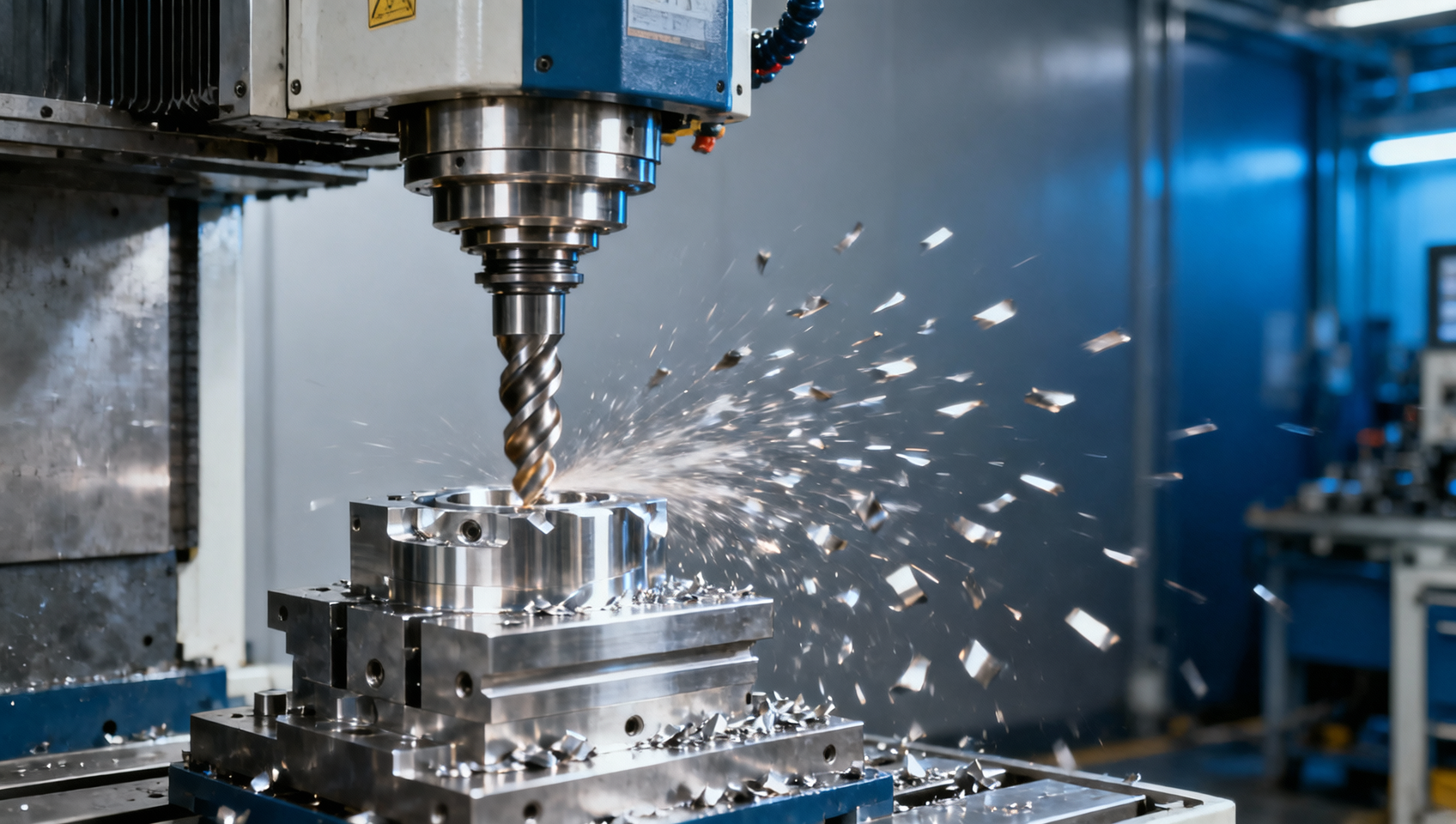
In CNC milling stainless steel, the right toolpaths can dramatically cut heat, protect tool life, and improve surface quality. For professionals in metal machining, industrial CNC, and CNC production, understanding how CNC cutting strategies influence the production process is essential to achieving stable results in today’s Manufacturing Industry and Global Manufacturing environment.
Heat is one of the main reasons stainless steel becomes difficult to machine. Its low thermal conductivity keeps more heat at the cutting edge instead of carrying it away in the chip, and that can quickly shorten tool life, raise burr formation, and reduce dimensional consistency. In production settings where cycle time, repeatability, and cost per part all matter, toolpath selection is not a programming detail alone; it is a process control decision.
This article is written for process engineers, machine operators, sourcing teams, and manufacturing decision-makers who need practical guidance on CNC milling stainless steel with lower thermal load. It focuses on toolpath logic, parameter windows, implementation risks, and procurement considerations that support stable machining across job shops, contract manufacturers, and high-mix industrial production lines.
Why Stainless Steel Generates More Heat During CNC Milling
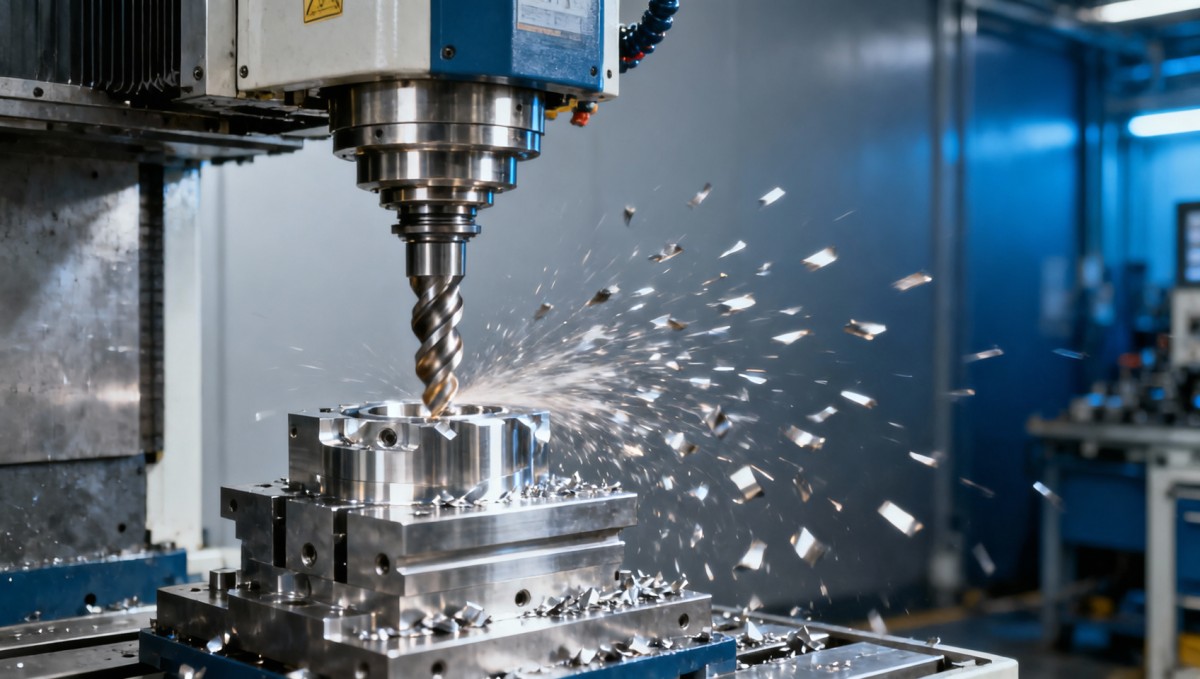
Stainless steel is widely used in aerospace, energy, medical, food equipment, and industrial hardware because of its corrosion resistance and mechanical strength. However, grades such as 304, 316, 17-4 PH, and duplex stainless can be challenging in CNC milling because they work-harden quickly and resist shearing. Once the material hardens at the cut zone, cutting forces rise, friction increases, and edge temperature can climb within seconds.
In many shops, the first response to overheating is to reduce spindle speed. That can help in some cases, but it is often incomplete. If the toolpath keeps the cutter engaged too long, traps chips in the cut, or forces repeated recutting, the thermal problem remains. A poor path can still overheat a tool even when spindle speed is reduced by 10% to 20%.
The best way to control heat is to manage three variables together: chip thickness, radial engagement, and tool entry behavior. For example, using a radial step-over of 8% to 20% of tool diameter with controlled axial depth often keeps heat lower than a conventional 40% to 60% step-over strategy. This is one reason high-efficiency milling methods have become more common in stainless steel applications.
Another overlooked factor is dwell time. Any hesitation at corners, entry points, or retracts creates local rubbing instead of clean cutting. In stainless steel, even short dwell events can trigger work hardening and surface discoloration. On thin-wall parts or precision housings, the result may be chatter, warpage, or tolerance drift beyond ±0.02 mm to ±0.05 mm depending on part geometry.
Key thermal drivers in stainless steel milling
- Low heat transfer away from the cutting zone, which keeps temperature concentrated at the tool edge.
- High tendency to work-harden, especially when feed per tooth is too low and the tool starts rubbing.
- Chip adhesion and built-up edge, more common when coolant delivery is weak or chip evacuation is poor.
- Interrupted engagement in corners and slots, where sudden load spikes can increase heat by a noticeable margin.
Common process symptoms to watch
Operators usually see heat issues before quality teams do. Typical warning signs include blue or brown chip color, edge chipping after only 10 to 20 minutes of cutting, smeared surfaces, rising spindle load, and a sudden change in sound. In stable stainless milling, consistent chip form and predictable wear are better indicators than spindle speed alone.
Toolpaths That Reduce Heat and Improve Tool Life
Not all CNC milling toolpaths create the same thermal profile. The most effective heat-reducing paths are those that maintain a steady cutter load, avoid abrupt engagement changes, and minimize recutting of hot chips. For stainless steel, this usually favors dynamic milling, trochoidal motion, constant-engagement roughing, and smooth arc-based linking moves instead of sharp directional changes.
Dynamic toolpaths are especially valuable in pocketing and roughing because they keep radial engagement low while allowing deeper axial cuts. A shop may move from a 1xD axial depth with 50% radial engagement to 2xD axial depth with 10% to 15% radial engagement, depending on tool rigidity and machine power. This can lower heat concentration at the cutting edge while increasing metal removal rate in many stainless applications.
Trochoidal milling is useful when slotting or opening difficult internal channels. Instead of forcing the tool into full-width engagement, the cutter follows a looping path that periodically reduces contact area and lets chips evacuate. This is particularly important in 304 and 316 stainless where slotting can otherwise become a fast route to built-up edge and premature tool failure.
Finishing paths should also be chosen carefully. Constant scallop, contour-parallel, or morph-style finishing often runs cooler than repeated zig-zag finishing on complex surfaces because the feed stays more stable and the tool avoids excessive directional reversal. On visible or sealing surfaces, this can help maintain Ra targets in the 0.8 to 1.6 µm range without generating unnecessary thermal marks.
Comparison of common stainless steel milling toolpaths
The following comparison helps teams choose a toolpath based on heat control, chip evacuation, and application type rather than only programming convenience.
For most stainless steel jobs, the strongest thermal improvement comes from replacing heavy radial engagement with more controlled engagement over a longer but smoother path. The exact gain depends on material grade, tool coating, coolant strategy, and spindle capability, but many shops see a clear reduction in tool wear variability once toolpath load becomes more uniform.
Toolpath rules that usually help
- Use smooth lead-in and lead-out arcs rather than abrupt plunges whenever part geometry allows.
- Keep corner engagement controlled by using path smoothing or automatic corner radius functions.
- Avoid full-width slotting for long distances; break the operation into pre-drill, trochoidal entry, or staged roughing.
- Program chip evacuation opportunities, especially in pockets deeper than 1.5x tool diameter.
Parameter Windows That Support Cooler Cutting
Toolpaths only work when feeds and speeds match the engagement model. If a CAM strategy is modern but the feed rate remains conservative, the tool may rub and generate more heat than expected. Stainless steel often needs a minimum chip load to cut cleanly. For small end mills in the 6 mm to 12 mm range, feed per tooth may commonly fall within 0.02 mm to 0.08 mm depending on grade, geometry, and rigidity.
Spindle speed should be selected according to tool substrate, coating, and coolant method. Solid carbide tools in austenitic stainless may run at moderate surface speeds, while heat-resistant grades or unstable setups require lower values. The safer approach is to build a stable process window first, then optimize productivity in 5% to 10% steps instead of making large parameter jumps that hide the real source of heat.
Axial depth and radial step-over must be balanced. In heat-focused optimization, many programmers now prefer deeper axial cutting with lighter radial engagement. That approach spreads wear more evenly along the flute length and reduces the heat spike seen in short, heavy cuts. However, this only works when tool overhang, holder rigidity, and spindle condition are well controlled.
Coolant delivery also shapes thermal behavior. Flood coolant is common, but high-pressure or precisely aimed coolant can perform better in deep pockets and slotting. In some stainless finishing operations, air blast plus mist may help chip clearance, but dry cutting is generally risky unless the tool and application are specifically designed for it.
Typical process ranges for heat-aware milling
These are practical reference ranges for process planning, not fixed values. Final settings should always be validated on the actual machine, workholding, and material batch.
The most important lesson is consistency. A stainless steel milling process that runs 8 hours with stable wear is usually more valuable than a faster process that fails unpredictably after 25 minutes. For procurement teams evaluating machines, tooling packages, or CAM systems, this is why process stability should be measured together with hourly output.
Implementation checklist for programmers and operators
- Confirm actual tool stick-out and holder runout before changing toolpath logic.
- Check that CAM smoothing tolerance matches part tolerance and machine dynamics.
- Review spindle load trend over the first 3 to 5 parts, not just the first part.
- Inspect chip shape, edge condition, and finish after every initial parameter adjustment cycle.
Machine, Tooling, and Procurement Factors That Influence Heat Reduction
Heat control in CNC milling stainless steel is not determined by toolpath alone. Machine structure, spindle power curve, CAM capability, holder quality, coolant system design, and tool coating all affect the result. A weak setup can make an excellent toolpath underperform, while a well-matched machine and tooling package can unlock stable, cooler cutting across multiple stainless grades.
For users and operations teams, the first question is often whether the machine can maintain feed in smooth, high-density code. Dynamic toolpaths produce many small moves and require reliable acceleration. If control response is poor, actual motion may hesitate in corners or links, increasing friction and heat. In practice, this means CAM output, control look-ahead, and machine dynamics should be reviewed together.
For buyers and decision-makers, tooling cost should be judged against cost per stable part rather than unit price per cutter. A premium carbide end mill with appropriate geometry and coating may cost more at purchase, but if it lasts 1.5 to 2 times longer and reduces scrap risk on high-value stainless components, the total process cost can be lower over a monthly or quarterly production cycle.
Workholding matters as well. Stainless steel parts with thin walls, long unsupported sections, or low clamping stiffness can deflect under thermal and cutting load. That creates rubbing, vibration, and uneven heat generation. In these cases, the right toolpath must be combined with fixture support, step sequencing, and balanced stock removal.
Procurement evaluation points for stainless steel milling capability
The table below is useful for factories comparing machine tools, CAM software, or process upgrade proposals intended to improve stainless steel machining stability.
When sourcing new CNC capacity for stainless steel work, it is wise to request process validation around a representative part family. A short trial on open aluminum does not prove capability in stainless. Decision-makers should ask for evidence across at least 3 areas: tool life repeatability, finish consistency, and cycle stability over several consecutive parts.
Four practical buying questions
- Can the machine-control-CAM combination maintain smooth motion on high-density constant-engagement paths?
- What tool holding and coolant options are available for deep pocket or slot milling in stainless steel?
- How is process support delivered during the first 2 to 4 weeks of implementation?
- Are wear monitoring, load tracking, or standard setup sheets provided to support repeatability across shifts?
Common Mistakes, FAQ, and Practical Next Steps
Even experienced teams can make avoidable mistakes when trying to reduce heat in stainless steel milling. One common error is lowering feed too much after seeing wear. That often causes rubbing and more heat, not less. Another is using an advanced toolpath but leaving corners, entry moves, or stock allowance unmanaged. Heat is a system outcome, so isolated changes may not solve the real issue.
A second mistake is evaluating success only by cycle time. In industrial CNC production, a path that saves 40 seconds but causes one additional tool change every 15 parts may be more expensive overall. Tool cost, operator intervention, scrap exposure, spindle load consistency, and delivery reliability should all be included in the process decision.
The most reliable improvement path usually follows 3 stages: stabilize engagement, tune feed and coolant, then refine finishing. This sequence is especially important for suppliers serving automotive, aerospace support, energy equipment, and general precision manufacturing, where repeatability over dozens or hundreds of parts matters more than a single impressive test cut.
FAQ: How do I know if my toolpath is causing too much heat?
Look for recurring signs such as dark chip color, built-up edge, finish deterioration near corners, unstable spindle load, or wear concentrated at a short section of the flute. If these appear within the first 5 to 10 parts, review engagement consistency before changing tooling grade.
FAQ: Is trochoidal milling always the best option for stainless steel?
No. It is highly effective in slotting and narrow channels, but open pocket roughing often benefits more from dynamic constant-engagement paths. The best choice depends on geometry, chip evacuation, machine dynamics, and whether the priority is thermal control, cycle time, or surface condition.
FAQ: What should purchasing teams prioritize when comparing solutions?
Focus on process capability rather than a single hardware specification. Ask about CAM strategy support, tool holding precision, coolant delivery, training, and startup support. A vendor that helps validate stable stainless milling over a 2-week to 4-week ramp-up period often delivers more value than one competing only on purchase price.
FAQ: How often should parameters be reviewed after implementation?
Review the first production run closely, then confirm again after 20 to 50 parts, depending on batch size and material consistency. Stainless steel behavior can shift with lot variation, coolant condition, and holder wear, so routine verification prevents hidden heat issues from becoming scrap problems later.
Reducing heat in CNC milling stainless steel starts with choosing toolpaths that maintain stable engagement, support chip evacuation, and avoid unnecessary rubbing. When those paths are matched with sensible parameter windows, capable machine dynamics, and disciplined setup control, manufacturers can improve tool life, protect surface quality, and build more predictable production costs.
If your team is evaluating CNC machining strategies, machine tool upgrades, CAM capability, or process planning for stainless steel parts, now is the right time to review your current milling path logic. Contact us to discuss your application, get a tailored machining approach, and learn more about practical solutions for stable stainless steel production.
Recommended for You
![]() Iranian LNG Vessels Breach U.S. Strait Blockade; Shanghai Crude Surges 4%Manufacturing Market Research Center
Iranian LNG Vessels Breach U.S. Strait Blockade; Shanghai Crude Surges 4%Manufacturing Market Research Center![]() Pakistan Launches CNC Localization Tender for CPEC II Smart Manufacturing ParkGlobal Machine Tool Trade Research Center
Pakistan Launches CNC Localization Tender for CPEC II Smart Manufacturing ParkGlobal Machine Tool Trade Research Center![]() NVIDIA Joins $1T Club; AI-Driven CNC Digital Twin Gains Global TractionCNC Machining Technology Center
NVIDIA Joins $1T Club; AI-Driven CNC Digital Twin Gains Global TractionCNC Machining Technology Center![]() World's First 5-Axis Middle-Grade Wire EDM Machine Enters Mass ProductionMachine Tool Industry Editorial Team
World's First 5-Axis Middle-Grade Wire EDM Machine Enters Mass ProductionMachine Tool Industry Editorial Team![]() China’s CNC Machine Tool Export Prices Up 11.3% in Q1 2026Global Machine Tool Trade Research Center
China’s CNC Machine Tool Export Prices Up 11.3% in Q1 2026Global Machine Tool Trade Research Center![]() Saudi Energy Security Boosts CNC Import Efficiency in Middle EastGlobal Machine Tool Trade Research Center
Saudi Energy Security Boosts CNC Import Efficiency in Middle EastGlobal Machine Tool Trade Research Center


Aris Katos
Future of Carbide Coatings
15+ years in precision manufacturing systems. Specialized in high-speed milling and aerospace grade alloy processing.
▶
NVIDIA Joins $1T Club; AI-Driven CNC Digital Twin Gains Global TractionCNC Machining Technology Center▶
Nvidia's Huang Criticizes US Chip Controls, CNC Digital Twin Solutions Expand OverseasCNC Machining Technology Center▶
Composite Material Machining Gets Harder on Multi-axis SystemsCNC Machining Technology Center▶
Where Multi-axis Machining Pays Off for Complex ComponentsCNC Machining Technology Center▶
Stainless Steel Machining Process Gaps That Raise Scrap RatesCNC Machining Technology Center
Mastering 5-Axis Workholding Strategies
Join our technical panel on Nov 15th to learn about reducing vibrations in thin-wall components.

Providing you with integrated sanding solutions
Before-sales and after-sales services
Comprehensive technical support