• Global CNC market projected to reach $128B by 2028 • New EU trade regulations for precision tooling components • Aerospace deman
NYSE: CNC +1.2%LME: STEEL -0.4%

Metal machining costs rise fast when chip control is overlooked
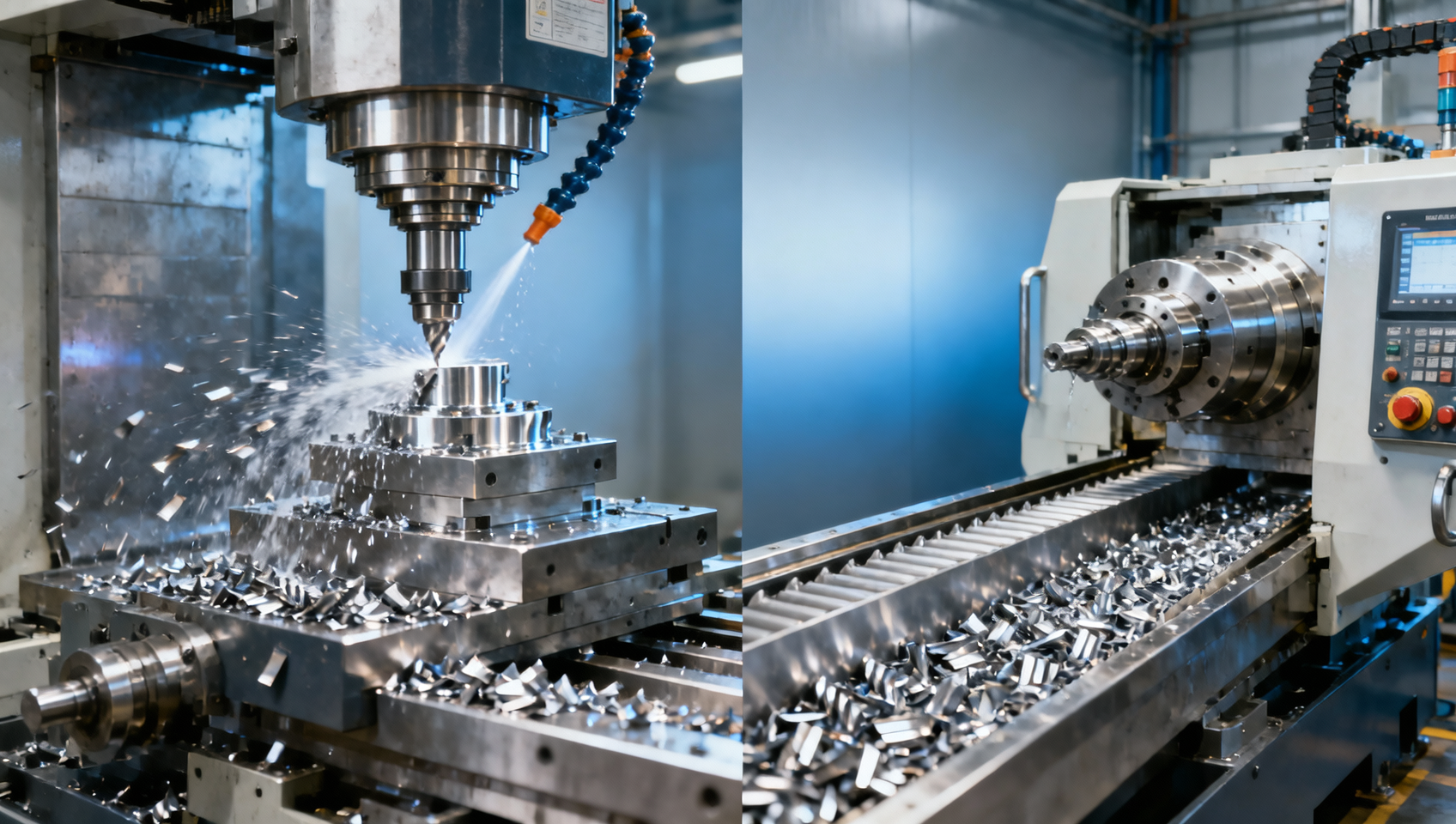
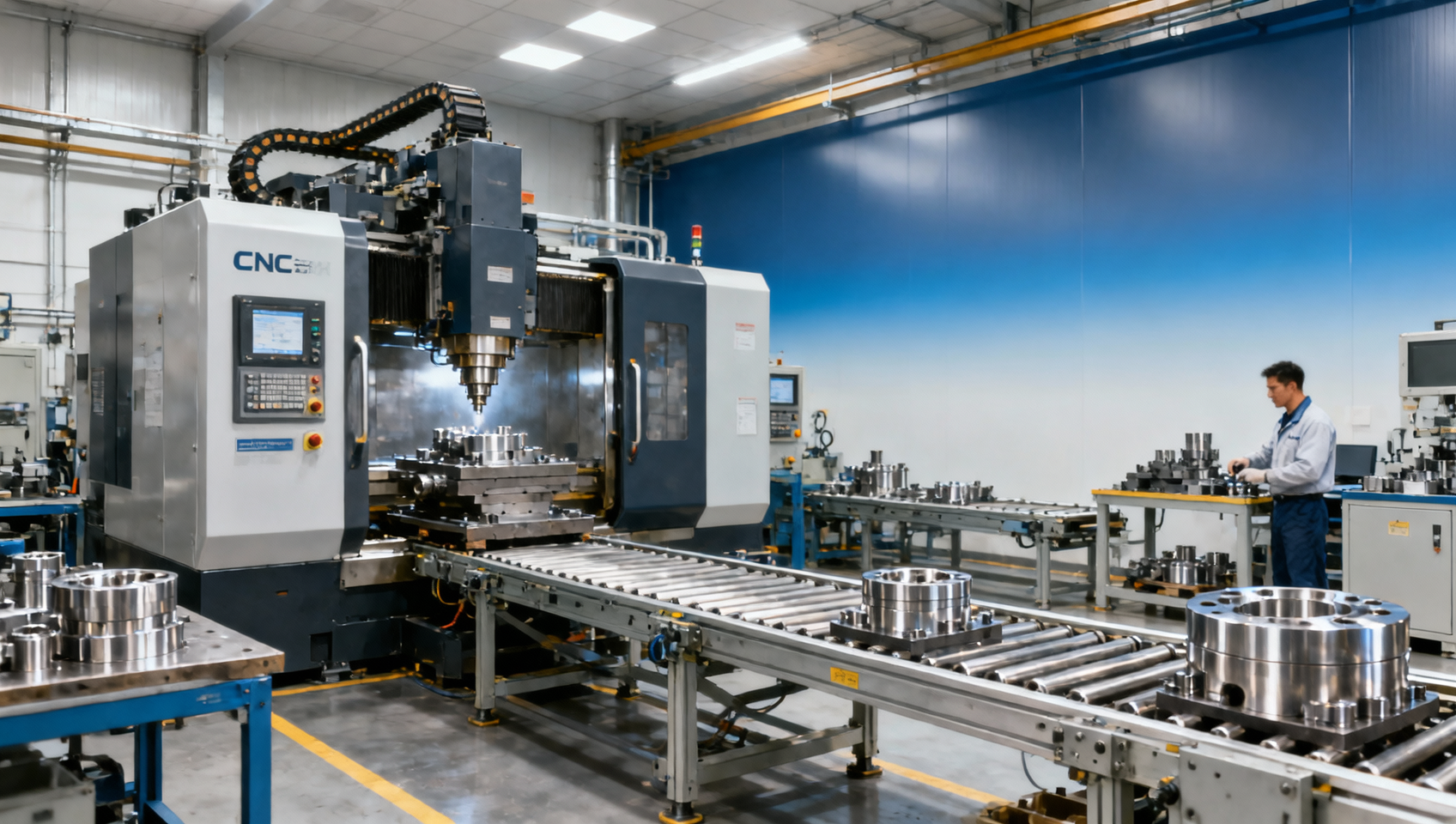
Metal machining costs can escalate quickly when chip control is ignored, affecting tool life, surface quality, and overall production efficiency. In today’s industrial CNC and CNC metalworking environment, manufacturers using automated lathe systems, CNC cutting, and CNC milling must treat chip management as a core part of the production process. For decision-makers, buyers, and operators across the Manufacturing Industry, better chip control means lower downtime, safer workflows, and more reliable automated production.
In high-output machine shops, chip control is not a minor housekeeping issue. It directly influences spindle uptime, insert consumption, coolant stability, cycle consistency, and even labor allocation per shift. Whether a factory runs 3 CNC lathes or 300 connected machines, uncontrolled chips can quickly turn a profitable process into a costly one.
For buyers, the topic affects machine configuration, tooling selection, and automation compatibility. For operators, it determines whether a line runs safely for 8 to 12 hours without intervention. For plant managers and production directors, chip management is a measurable cost lever that can reduce scrap, improve OEE, and support more stable delivery performance across automotive, aerospace, electronics, and general industrial parts manufacturing.
Why chip control has become a strategic cost factor in CNC metalworking
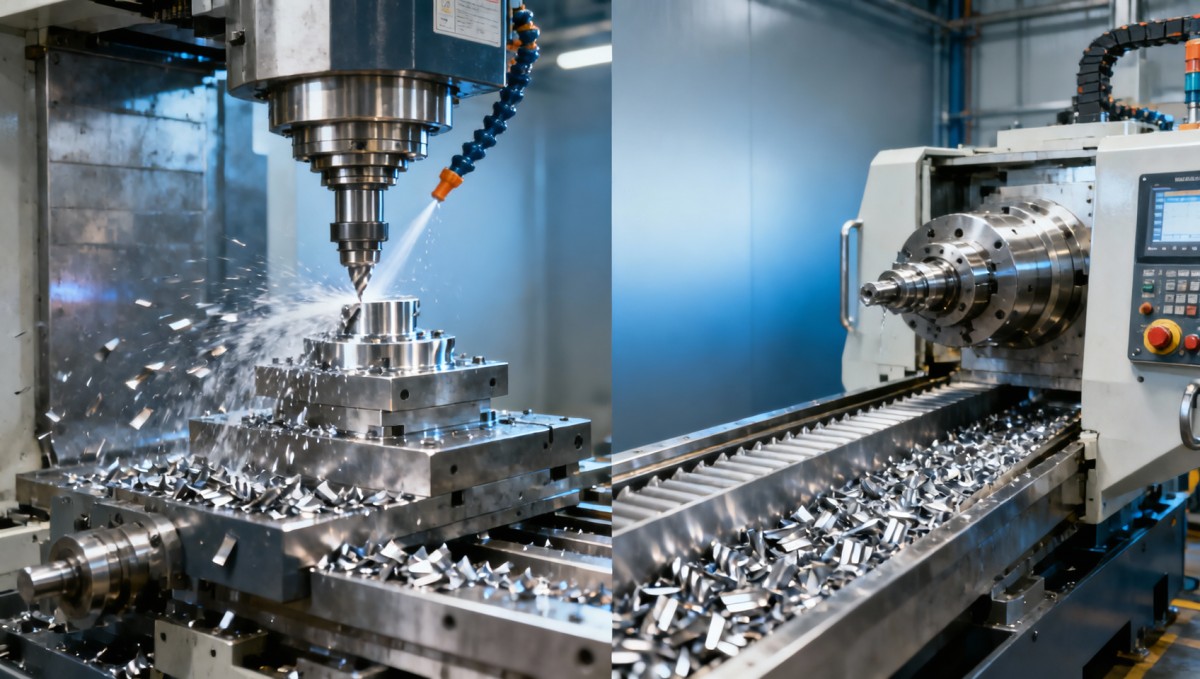
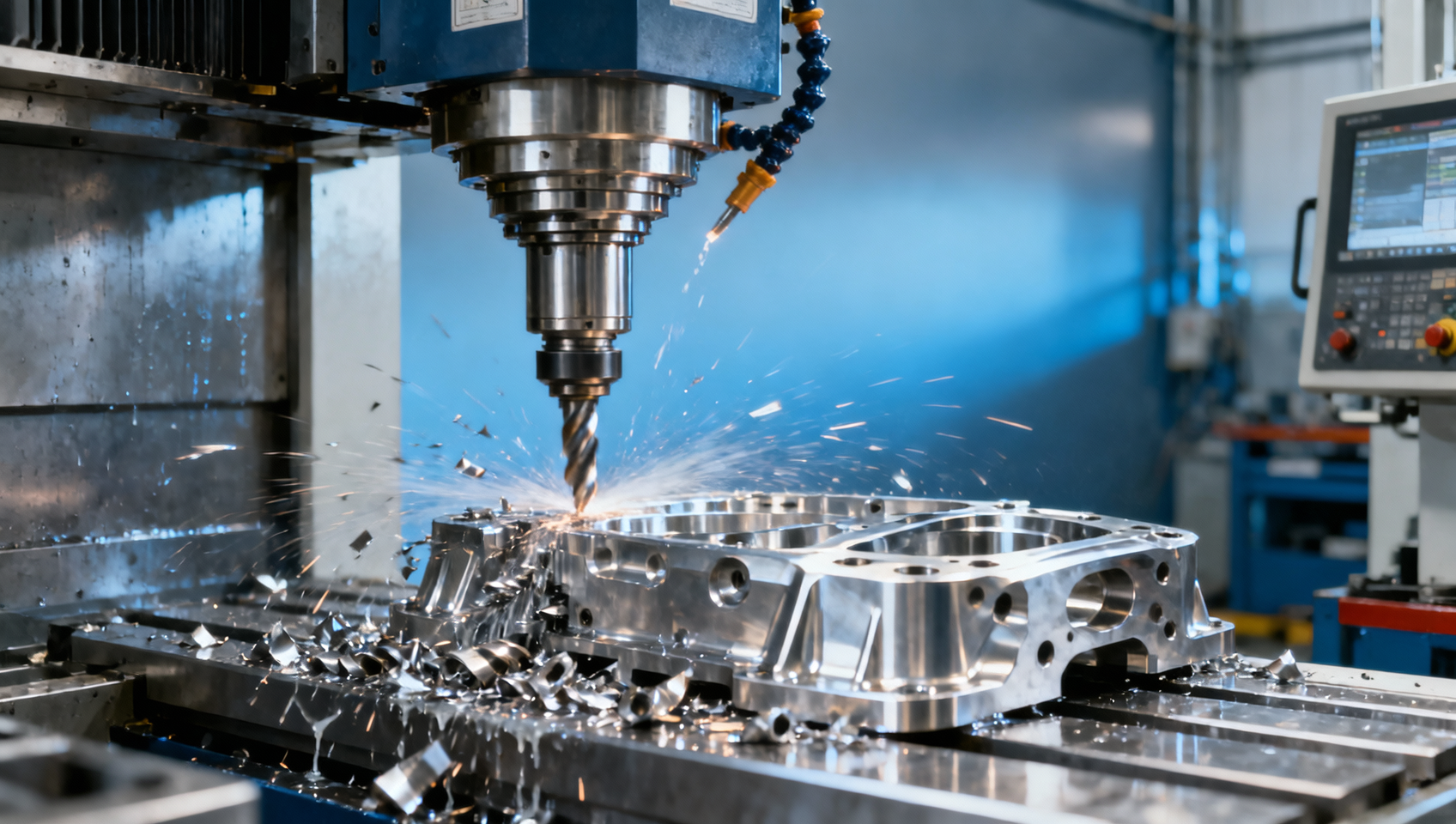
As machining speeds rise and automated production lines become more common, chips are generated faster, hotter, and in greater volume. In many turning and milling operations, a single machine can produce several kilograms of chips per hour, especially when roughing steel, stainless steel, or aluminum alloy. If those chips do not break consistently and evacuate cleanly, they wrap around tools, damage part surfaces, block conveyors, and interrupt unattended machining.
The cost impact shows up in at least 4 areas. First, tools wear faster when chips recut against the insert edge. Second, machines stop more often for manual cleaning. Third, the risk of dimensional instability rises when chips remain in the cutting zone. Fourth, operators spend valuable time solving chip-related problems instead of monitoring process quality. In a shop running 2 shifts, even 10 minutes of unplanned stoppage per machine per shift can add up to dozens of lost production hours each month.
Chip control also affects equipment selection in smart manufacturing. Automated lathe cells, robotic part handling, and palletized machining centers depend on predictable chip evacuation. When chips string, nest, or pack inside guarding, the automation system may keep running while quality falls, which is often more expensive than a full machine stop because defective parts continue to accumulate.
The hidden link between chip behavior and total production cost
Many purchasing teams compare machines by spindle power, axis travel, and controller brand, yet overlook practical chip-handling capacity. However, a 15 kW spindle with poor evacuation performance can create higher real operating costs than a 11 kW machine configured with better coolant delivery, a stronger conveyor, and tooling optimized for short-chip formation. The same logic applies to insert price. A lower-cost insert that causes long, stringy chips may raise the cost per part after only 1 or 2 production runs.
The table below shows how chip-control issues typically translate into cost pressure in general CNC machining environments.
The key takeaway is simple: chip control should be evaluated at the same level as cutting speed, tolerance capability, and automation readiness. In many medium-volume and high-volume applications, improving chip management by even 15% to 20% can have a bigger financial effect than negotiating a small discount on machine price or consumables.
What causes poor chip control in turning, milling, and automated lathe operations
Poor chip control rarely comes from one cause alone. It usually results from a mismatch between material behavior, cutting parameters, insert geometry, coolant delivery, and machine layout. For example, low-carbon steel may form long chips at moderate feed rates, while stainless steel often creates tough, heat-retaining chips unless the insert chipbreaker and coolant pressure are properly matched. In aluminum machining, chips may evacuate easily at one depth of cut but become problematic in deep-pocket milling or interrupted cuts.
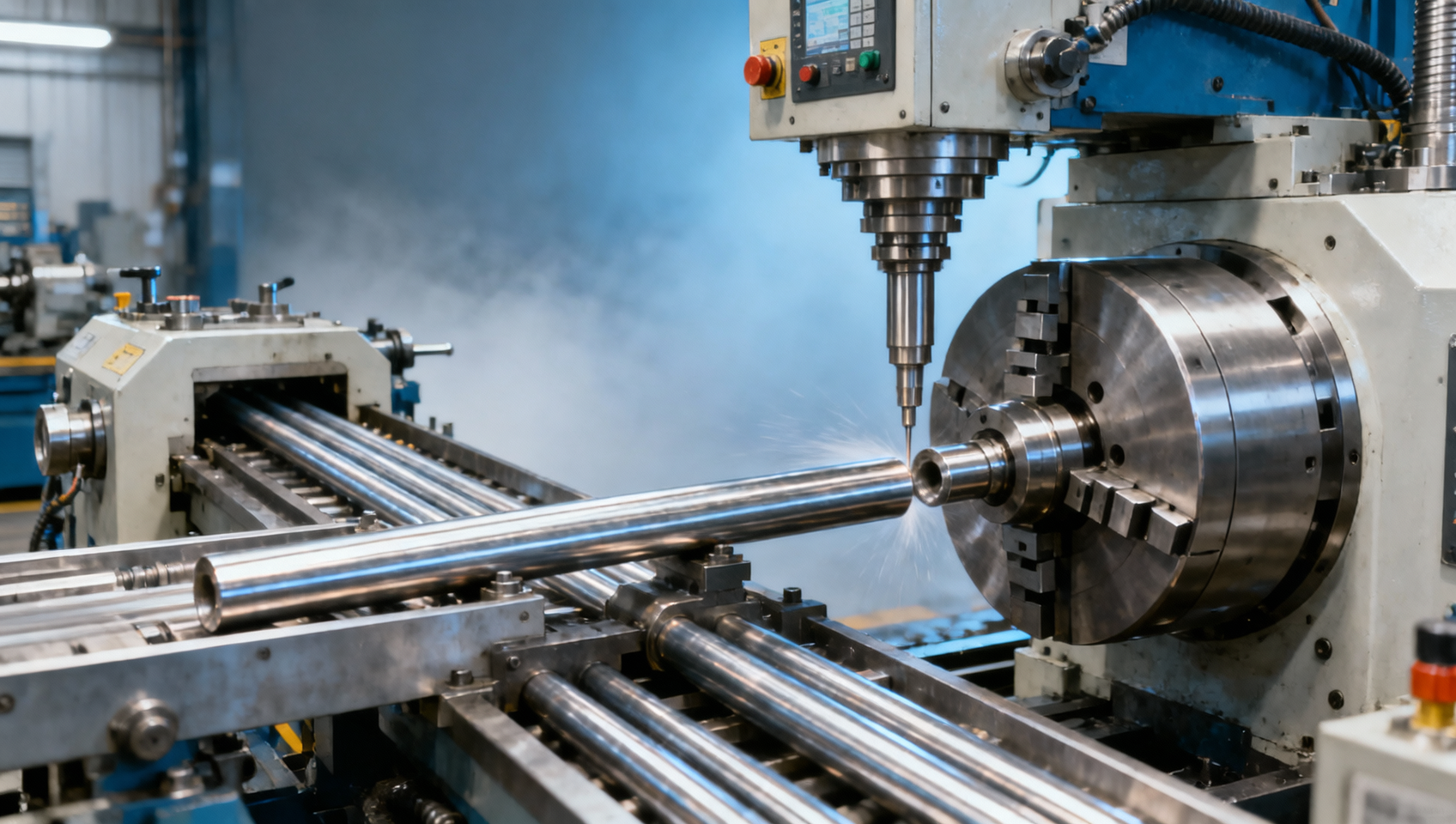
In CNC turning, the most common issue is stringing around the chuck, toolholder, or workpiece shoulder. In milling, chips may pack inside cavities, especially when using smaller-diameter tools or insufficient air blast. In automated lathe systems, even a small chip nest can interfere with bar feeding, robotic gripping, or in-process measurement. These issues become more serious during unattended operation, where a problem that starts in 30 seconds may not be noticed for 20 minutes.
Another frequent mistake is treating chip control as a tooling issue only. In reality, the machine and process environment matter just as much. Coolant nozzle angle, pressure range, enclosure slope, auger design, conveyor torque, and even fixture shape can change how chips leave the cutting zone. A well-selected insert may still fail if chips have no clear evacuation path.
Typical root causes in production environments
- Cutting parameters outside the chipbreaker’s effective range, such as feed too low or depth of cut too shallow.
- Incorrect insert geometry for the work material, especially when switching between carbon steel, alloy steel, stainless steel, and aluminum.
- Coolant pressure below practical process needs; in some applications, 20 to 70 bar can significantly improve chip breaking compared with low-pressure flood coolant.
- Machine guarding, fixture placement, or spindle orientation that traps chips instead of directing them toward evacuation channels.
- Conveyor and filtration systems sized for light-duty operation while the line is actually running heavy roughing cycles.
Why unattended machining raises the stakes
Lights-out production magnifies every chip-related weakness. A process that looks acceptable during a 20-part trial may fail during a 200-part overnight run. That is why manufacturers increasingly validate chip behavior over longer windows, often 1 to 3 full shifts, before approving a process for automation. The test should include warm-up, tool wear progression, coolant contamination effects, and chip load variation across the full batch.
For procurement teams, this means supplier discussions should include practical questions about chip evacuation under real production conditions, not just machine specifications on paper. For operators, it means process sheets should define not only speed and feed, but also acceptable chip shape, alarm thresholds, and cleaning checkpoints.
How to improve chip control through tooling, machine configuration, and process settings
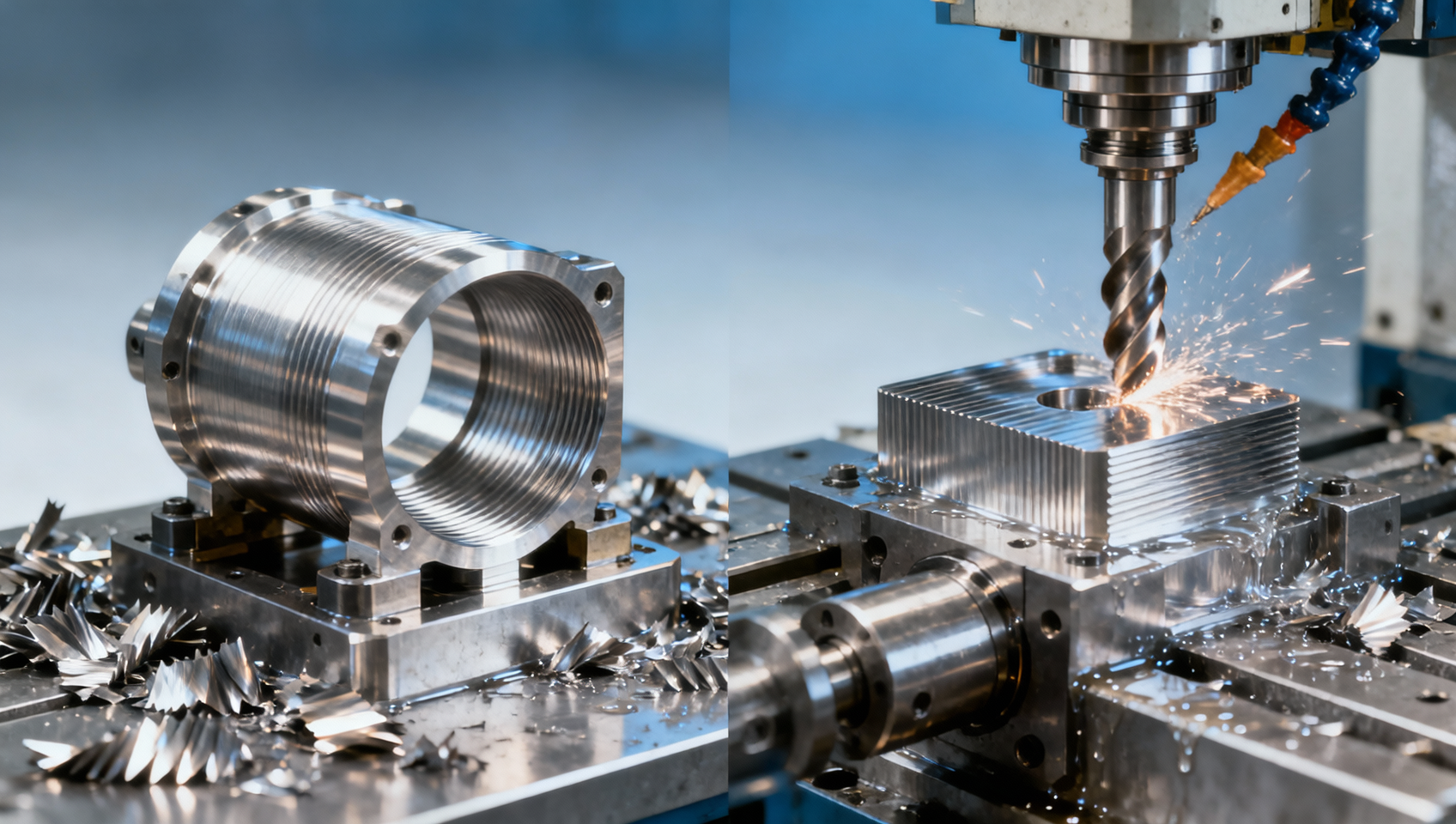
The most effective chip-control strategy starts with matching the tool and cutting window to the material and part geometry. In turning, chipbreaker geometry should be selected according to feed rate and depth of cut, not just by material family. A finishing insert that works well at 0.08 mm/rev may perform poorly when a process changes to 0.20 mm/rev. In milling, flute design, helix angle, and toolpath strategy all influence whether chips are evacuated smoothly or trapped in the cut.
Coolant delivery is another major lever. Through-tool coolant, high-pressure coolant, or directed nozzle systems can break chips more effectively and reduce heat concentration. In many steel and stainless turning applications, raising coolant pressure from standard flood conditions to a controlled 30 to 70 bar range can improve chip segmentation and insert life. However, pressure alone is not enough; nozzle placement must target the chip formation zone accurately.
Machine-side improvements also matter. Steeper chip pans, stronger augers, hinged belt conveyors, magnetic separators for ferrous materials, and staged filtration can keep the entire system stable. For high-mix environments, shops should review whether one conveyor design can handle all chip shapes. Dry cast iron chips behave differently from wet stainless steel spirals, and mixed-process plants often need segmented handling logic rather than a one-size-fits-all setup.
Recommended decision framework for process engineers and buyers
Before scaling production, teams should evaluate chip control through a structured checklist instead of relying on operator experience alone. The following matrix can support machine-tool selection, retrofit planning, and process optimization.
This comparison shows that chip control is an integrated engineering topic. It should be addressed during process planning, machine acceptance, and operator training. Shops that document chip shape targets and evacuation checks often reach more stable production sooner than those that only respond after alarms and quality issues appear.
A practical 5-step improvement sequence
- Identify the exact failure mode: stringing, nesting, packing, recutting, or conveyor blockage.
- Review cutting data against the insert’s effective chip-control range.
- Check coolant pressure, direction, and contamination level.
- Inspect machine-side evacuation hardware under peak load conditions.
- Run a controlled validation batch of 50 to 200 parts before full release.
Following these steps usually reveals whether the problem is primarily tooling-driven, parameter-driven, or machine-driven. That distinction is important because many factories waste time changing inserts when the real bottleneck is conveyor overload or weak coolant delivery.
What procurement teams and plant managers should evaluate before investing
When a company buys a CNC lathe, machining center, or automated production cell, chip management should be included in the technical review from the start. This is especially important in sectors such as automotive parts, aerospace components, hydraulic systems, and energy equipment, where long runs and strict quality requirements leave little room for chip-related instability. A lower quoted machine price may lead to a higher 3-year operating cost if retrofits become necessary after installation.
Procurement decisions should consider expected chip volume per shift, work material mix, coolant strategy, maintenance workload, and labor availability. For example, a plant running mostly forged steel shafts may need stronger chip conveyors and better torque reserve than a shop producing small aluminum housings. If the line is expected to operate 16 to 24 hours per day, automation-safe chip removal becomes even more important than manual cleanability.
Decision-makers should also ask suppliers how chip control is validated during commissioning. A meaningful acceptance process usually includes production-representative materials, at least one long-cycle test, and clear handover standards. Without that, machine performance in the showroom may not reflect behavior in a real production environment.
Key purchasing criteria for CNC machine and line evaluation
- Whether the machine supports the coolant pressure range required by the target materials and tools.
- Whether chip conveyor design matches chip form, wetness, and daily load, such as 200 kg, 500 kg, or more per shift.
- Whether the enclosure and internal layout prevent chip buildup around probes, turrets, pallets, and robot stations.
- Whether spare parts and maintenance access allow fast recovery within 24 to 48 hours if chip-handling components fail.
- Whether the supplier can assist with process tuning, not just machine delivery.
Questions worth asking during supplier comparison
Buyers should request practical answers, not general claims. Ask what chip forms were tested, which materials were used, what coolant pressure was applied, and how long the system ran continuously. Also ask whether the supplier recommends different conveyor or filtration options for cast iron, stainless steel, and aluminum. These details often reveal whether the solution is ready for production or only attractive on a specification sheet.
A strong supplier discussion should cover delivery scope, commissioning steps, operator training hours, and maintenance intervals. In many projects, 4 to 6 hours of focused chip-management training during startup can prevent months of recurring stoppages later.
Implementation, maintenance, and common mistakes that keep costs rising
Even the best machine and tooling package will not deliver stable chip control without disciplined implementation. Shops should define a startup plan covering process trials, operator training, inspection criteria, and maintenance routines. During the first 2 to 4 weeks after launch, teams should log chip form, stoppage frequency, tool wear pattern, and conveyor load. This creates a baseline for future optimization and helps distinguish normal variation from recurring failure modes.
Maintenance is equally important. Dirty coolant, worn nozzles, overloaded conveyors, and clogged filters gradually weaken chip evacuation. These issues often develop slowly, which is why they are underestimated. A line may continue producing parts while tool life drops by 10% to 25% and manual cleaning time rises week by week. Preventive checks performed every shift, every week, and every month are usually more economical than waiting for a major interruption.
A common mistake is optimizing only for cycle time. If a 6% faster cycle causes unstable chip breaking, the apparent gain may disappear through extra downtime, insert changes, and scrap. Another mistake is copying cutting data from one machine to another without reviewing coolant setup and enclosure geometry. Chip behavior is process-specific, and stable results depend on the whole system, not a single parameter sheet.
Routine control points for stable production
The table highlights a practical point: chip control is not solved once and forgotten. It requires ongoing process ownership. Plants that formalize these checks usually achieve more predictable uptime and fewer emergency interventions, particularly in multi-machine cells and higher-volume lines.
FAQ for researchers, operators, and buyers
How do I know if chip control is hurting profitability?
Look for repeated manual cleanouts, inconsistent tool life, part scratches, rising coolant contamination, and conveyor alarms. If these appear more than 2 to 3 times per week on the same process, chip control is likely reducing profitability even if production still appears acceptable.
Which operations are most sensitive to chip problems?
Long-run CNC turning, deep-cavity milling, stainless steel machining, bar-fed automated lathes, and unattended night shifts are among the most sensitive. These operations combine high chip volume with limited operator intervention, so instability escalates quickly.
Should buyers prioritize tooling or machine upgrades first?
Start with the lowest-cost diagnostic path: verify insert geometry, cutting parameters, and coolant direction. If problems persist across multiple tools or materials, review machine-side factors such as conveyor sizing, filtration, and enclosure design. In many cases, a combined adjustment delivers the best return.
How long does it take to validate a better chip-control setup?
For a stable process, initial validation may take 1 to 3 days. For automated or unattended production, a more realistic window is 1 to 2 weeks, including long-run trials, wear checks, and maintenance review.
When chip control is overlooked, metal machining costs rise not because of one dramatic failure, but because of many small losses accumulating across every shift. Tool wear, machine stoppages, quality variation, and unsafe manual intervention all add cost faster than most factories expect. In modern CNC machining and precision manufacturing, chip management should be treated as a core production variable, not a secondary maintenance concern.
For information researchers, operators, purchasing teams, and decision-makers, the best approach is to evaluate chip control as part of tooling strategy, machine configuration, automation planning, and preventive maintenance. A well-structured solution supports higher uptime, cleaner part quality, more stable unattended operation, and lower cost per part over time. If you want to assess chip-control risks, compare equipment options, or build a more reliable machining solution, contact us now to get a tailored recommendation and learn more about practical CNC manufacturing solutions.
PREVIOUS ARTICLE
NEXT ARTICLE
Recommended for You
 What causes chatter in metal machining and how to stop itCNC Machining Technology Center
 Industrial CNC lead times are shifting in 2026Manufacturing Market Research Center
 When CNC industrial upgrades cut output instead of raising itMachine Tool Industry Editorial Team
 Automated lathe errors that often start with bar feedingMachine Tool Industry Editorial Team
 Why CNC metalworking scrap rates rise on thin wall partsCNC Machining Technology Center
 CNC cutting speed or finish quality: where losses beginCNC Machining Technology Center

Aris Katos
Future of Carbide Coatings
15+ years in precision manufacturing systems. Specialized in high-speed milling and aerospace grade alloy processing.
▶
What causes chatter in metal machining and how to stop itCNC Machining Technology Center▶
CNC Programming mistakes that quietly add cycle timeCNC Machining Technology Center▶
Metal machining costs rise fast when chip control is overlookedCNC Machining Technology Center▶
CNC metalworking shops still over-relying on manual tool offsets?CNC Machining Technology Center▶
CNC cutting strategies failing on titanium alloys when feed rate exceeds 120 mm/minCNC Machining Technology Center
Mastering 5-Axis Workholding Strategies
Join our technical panel on Nov 15th to learn about reducing vibrations in thin-wall components.

Providing you with integrated sanding solutions
Before-sales and after-sales services
Comprehensive technical support