• Global CNC market projected to reach $128B by 2028 • New EU trade regulations for precision tooling components • Aerospace deman
NYSE: CNC +1.2%LME: STEEL -0.4%

When Multi-Axis CNC Manufacturing Makes Better Business Sense
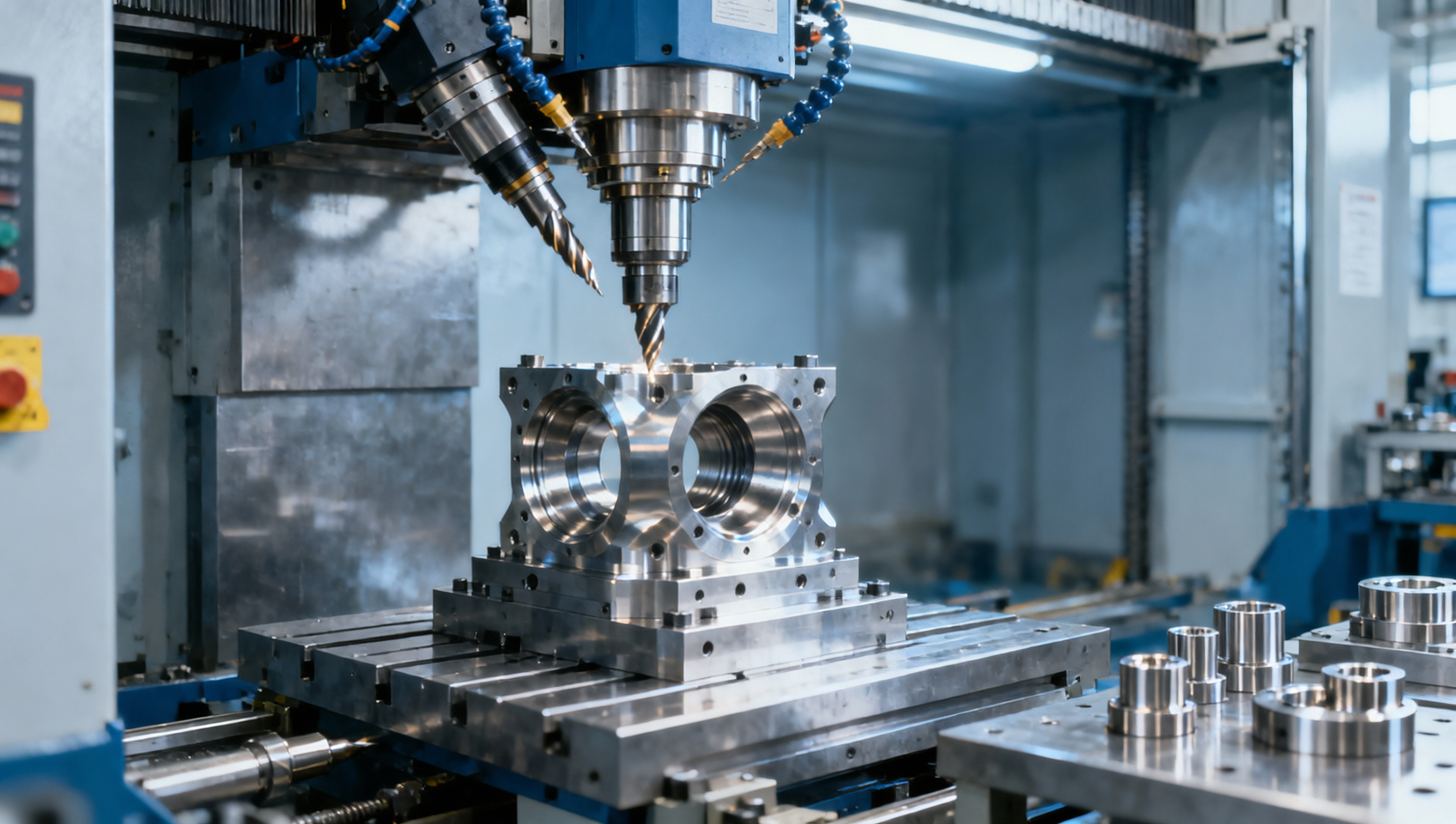
When does multi-axis CNC manufacturing become the smarter business decision instead of a premium capability you may not fully use? In most cases, the answer comes down to part complexity, tolerance requirements, setup reduction, throughput goals, and the cost of inconsistency. For companies producing complex components, tight-tolerance parts, or medium-to-high value products, multi-axis machining often creates better business results by reducing handling, shortening cycle times, improving repeatability, and lowering the hidden costs that come with multiple operations. For simpler parts, however, conventional 3-axis or turning setups may still be the more economical choice. The key is not whether multi-axis technology is advanced, but whether it improves profitability, delivery performance, and production flexibility in your specific application.
What business problem does multi-axis CNC manufacturing actually solve?
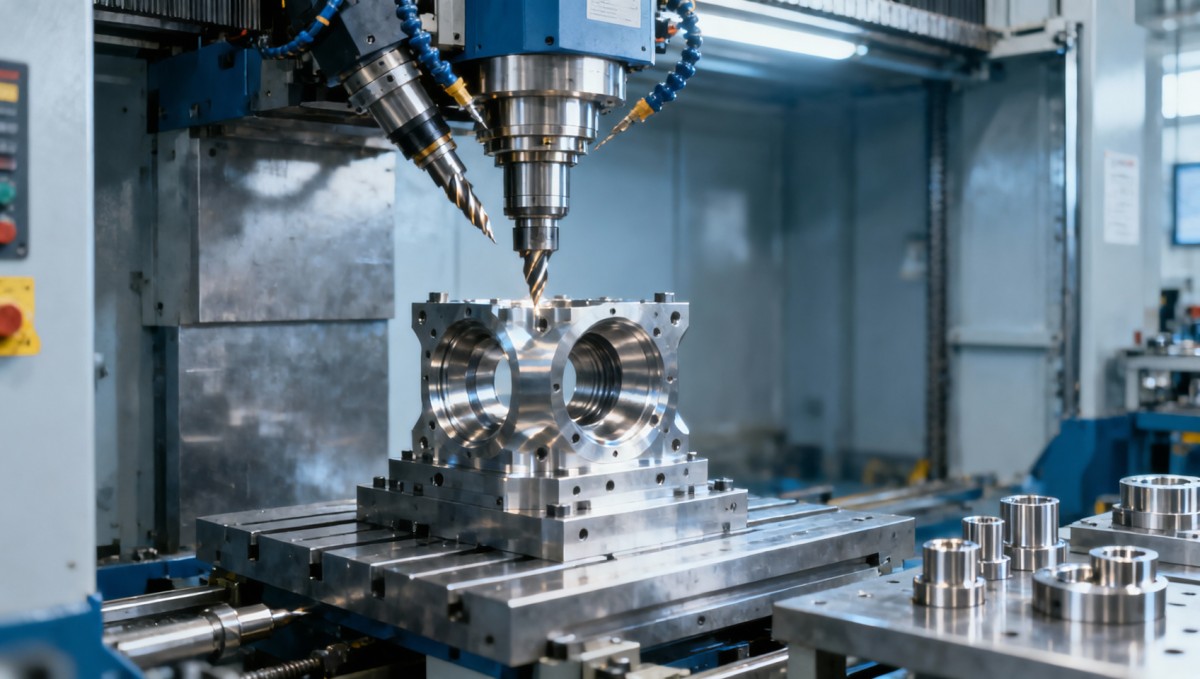
Buyers, operators, engineers, and business leaders usually search this topic because they are not looking for a textbook definition of multi-axis machining. They want to know when the investment makes financial and operational sense. The real question is whether a multi-axis machine tool can produce better outcomes than a conventional process route.
In practical terms, multi-axis CNC manufacturing solves several common production problems:
- Too many setups for one part, increasing labor time and alignment risk
- Slow throughput caused by repositioning, refixturing, and repeated inspection
- Difficulty machining complex geometries in a single operation
- Inconsistent quality across batches due to multiple handling stages
- High scrap or rework rates on precision components
- Limited competitiveness when customers demand shorter lead times and tighter tolerances
For a CNC manufacturing manufacturer, machine tool supplier, or production-focused enterprise, the value of multi-axis equipment comes from process consolidation. Instead of moving a part between machines or resetting workholding several times, a multi-axis machine can access more surfaces in one cycle. That reduces non-cutting time and often improves dimensional accuracy because the part remains referenced in the same setup.
When does multi-axis CNC manufacturing make better business sense?
Multi-axis machining is not automatically the best choice for every workshop. It makes the most business sense when one or more of the following conditions apply.
1. The part geometry is complex
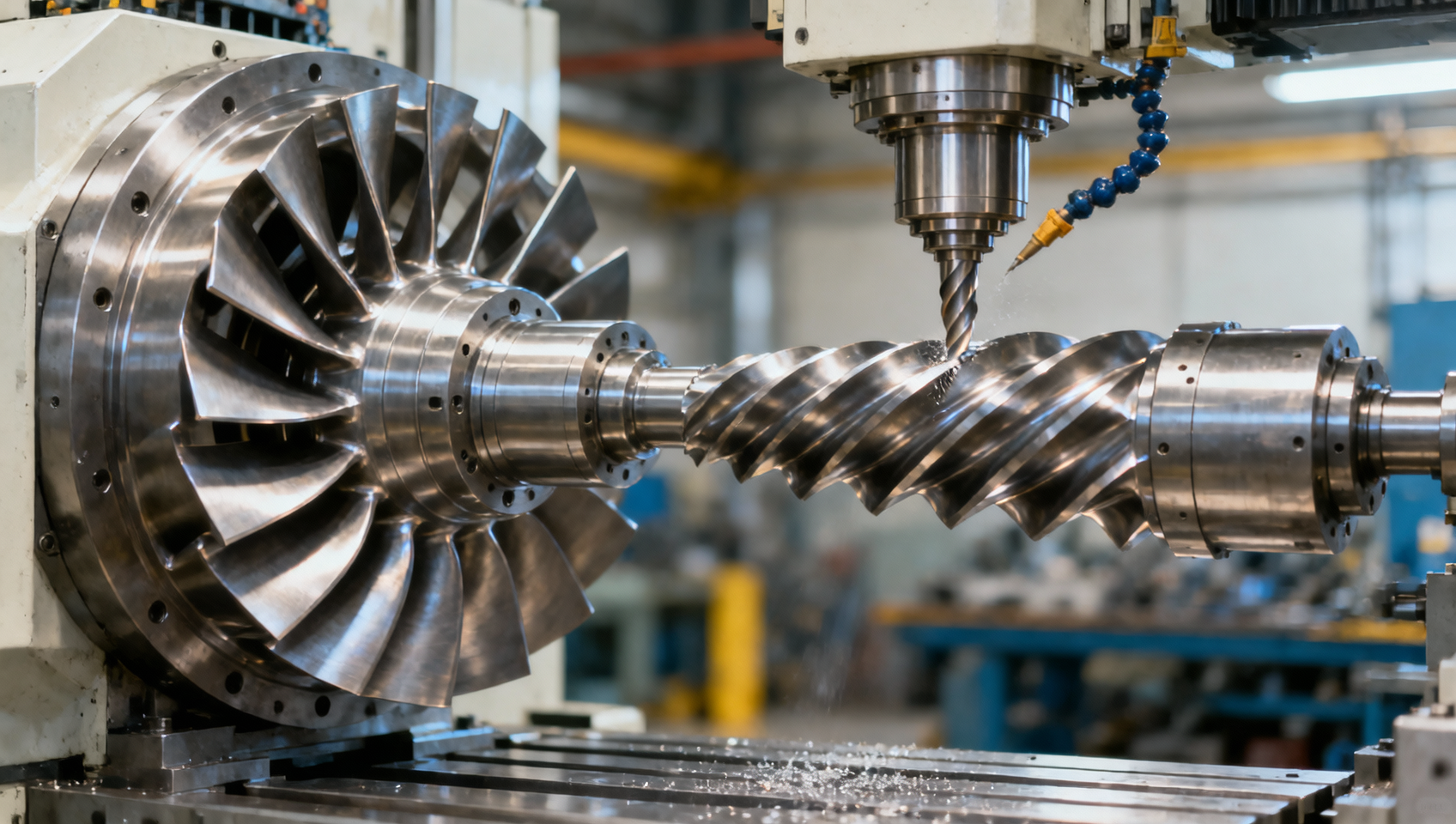
If a component has angled features, compound curves, deep cavities, undercuts, or multiple faces requiring machining, multi-axis capability can dramatically simplify production. Aerospace structural parts, impellers, orthopedic components, energy equipment parts, and high-end electronics housings are common examples.
When complexity increases, conventional setups often require manual repositioning, custom fixtures, and longer programming chains. Multi-axis CNC manufacturing can reduce that burden and make difficult parts more stable to produce.
2. Precision requirements are high
High precision CNC manufacturing benefits from fewer setups because each repositioning step introduces the potential for cumulative error. Industries such as aerospace, medical devices, optics-related equipment, and advanced automation often depend on tight tolerances and superior surface finish. In these cases, maintaining part orientation within one machining environment can protect accuracy and consistency.
3. Setup time is becoming a larger cost than cutting time
On many complex parts, the true production bottleneck is not spindle performance but labor-intensive setup work. If operators spend excessive time indicating parts, changing fixtures, and rechecking datums, a multi-axis machine tool may produce a better return than another standard machine. This is especially relevant in high-mix, low-to-medium volume environments where flexibility matters.
4. Lead time pressure is affecting sales or customer satisfaction
Automated CNC manufacturing with multi-axis capability often helps companies shorten total production time. That matters when delivery speed influences customer retention, RFQ competitiveness, or contract awards. A faster and more reliable process can be a business advantage, not just a technical improvement.
5. The cost of poor quality is too high
For expensive materials or critical parts, even small defects can be costly. Titanium aerospace components, medical-grade stainless parts, and precision aluminum housings all carry significant quality risk. If scrap, rework, or inspection failures are impacting margins, reducing process variation through multi-axis machining may be more valuable than focusing only on machine hourly rates.
How multi-axis machining changes the cost structure
One reason companies hesitate is that multi-axis equipment typically costs more upfront. But the smarter evaluation is to compare total manufacturing cost, not just capital expense.
Multi-axis CNC manufacturing can reduce cost in these areas:
- Fewer setups: less labor, less fixture handling, fewer opportunities for error
- Shorter cycle times: more efficient tool approach angles and less repositioning
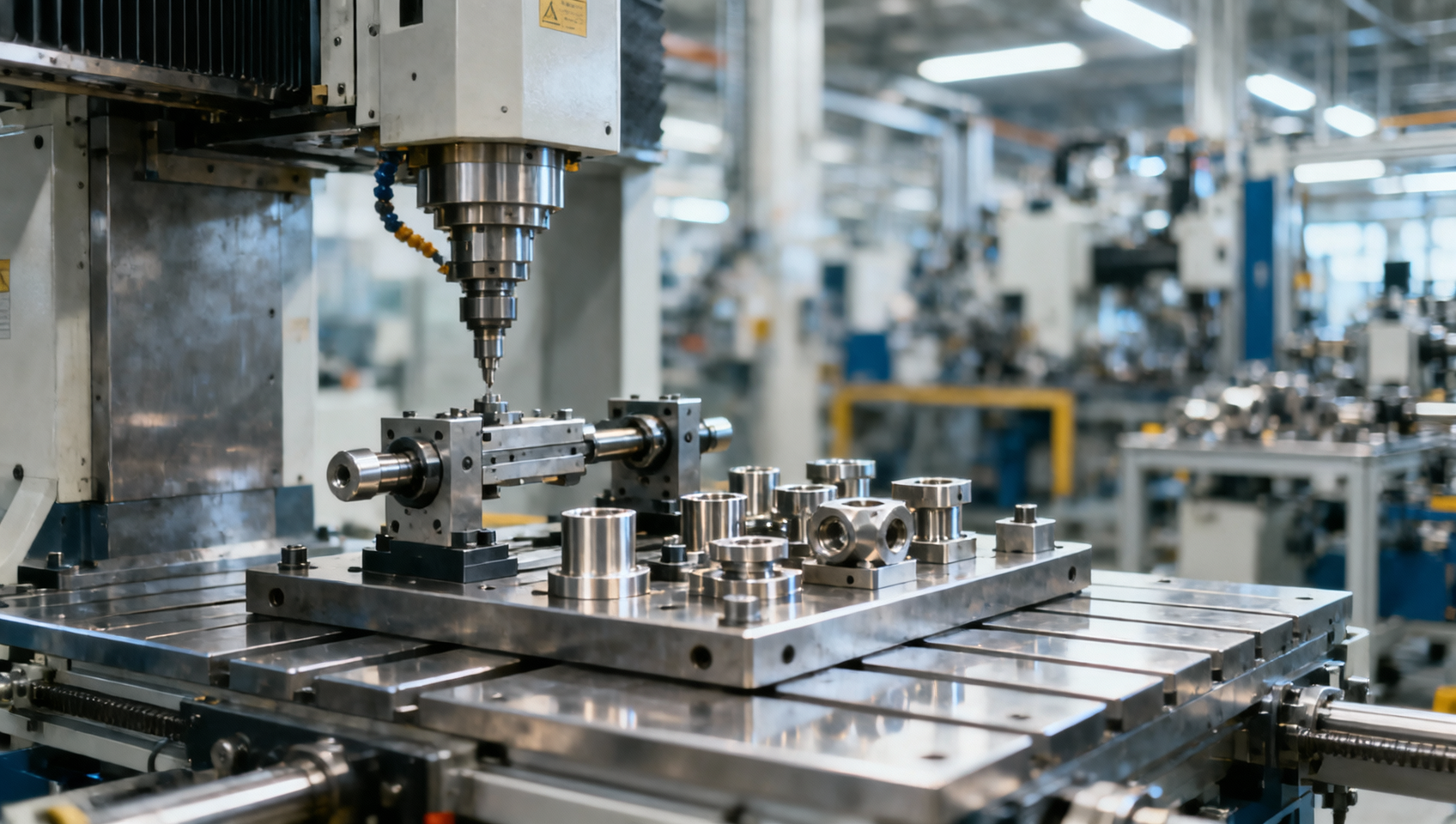
- Lower fixture cost: simpler workholding in some applications because the machine provides positional access
- Better part quality: reduced rework, scrap, and inspection intervention
- Less work-in-process: faster completion with fewer transfers between operations
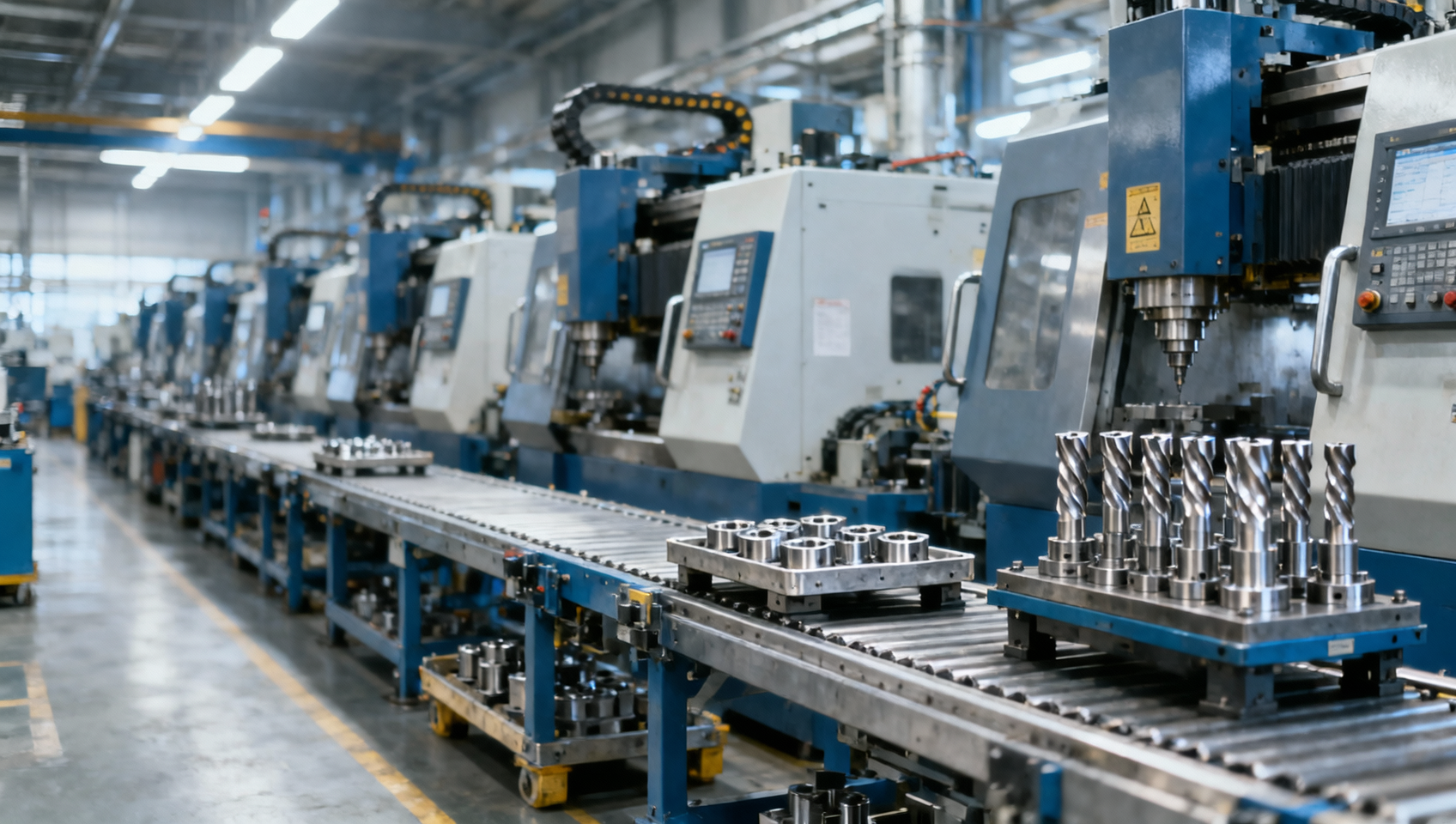
- Higher machine utilization: especially when paired with automated CNC manufacturing systems
However, the economics are strongest when the machine is used on suitable work. If a business mainly produces simple prismatic parts or straightforward turning jobs, the extra capability may be underutilized. In that case, a standard machining center or CNC lathe may still deliver the best cost-performance ratio.
Which industries benefit most from multi-axis CNC manufacturing?
While many sectors can benefit, the strongest business case usually appears in industries where complexity, precision, and repeatability are non-negotiable.
Aerospace
Aerospace parts often involve lightweight materials, complex shapes, and demanding tolerance requirements. Multi-axis machining helps manufacturers reach difficult surfaces while minimizing setups. That supports both quality compliance and production efficiency.
Medical devices
Medical manufacturing frequently requires intricate geometries, high surface quality, and strict repeatability. Multi-axis systems are well suited to surgical instruments, implants, and precision device components where consistency is critical.
Automotive
In automotive applications, cost-effective CNC manufacturing matters just as much as precision. Multi-axis equipment can be valuable for prototyping, performance components, tooling, mold parts, and specialized production parts where speed and repeatability drive savings.
Electronics and precision equipment
Smaller, more complex product designs often require compact, high-accuracy components. Multi-axis machining supports detailed geometry and fine finish quality, making it useful for housings, connectors, heat management parts, and other precision structures.
Energy and industrial equipment
Valves, turbine-related parts, pump components, and custom structural elements often benefit from process consolidation. In these segments, productivity gains can be significant when part geometry is complex or material value is high.
What should buyers and decision-makers evaluate before investing?
For procurement teams and executives, the right question is not “Is multi-axis better?” but “Will it create measurable business value in our production mix?” A disciplined evaluation should include the following factors.
Part portfolio analysis
Review the percentage of current and future parts that truly require multi-axis capability. Look at setup counts, tolerance issues, cycle-time bottlenecks, and quoting losses on complex work. If only a small share of jobs need advanced motion, outsourcing may be more practical than buying equipment.
Volume and mix
Multi-axis investment can work in both low-volume, high-complexity production and recurring medium-volume manufacturing. The expected benefit depends on whether flexibility or repeat throughput is the bigger priority.
Programming and operator capability
Advanced machine tools need capable CAM programming, post-processing, collision management, and trained operators. If internal skill gaps are large, implementation may take longer than expected. A machine tool supplier that offers training, application support, and after-sales service can significantly reduce this risk.
Workholding, tooling, and process integration
The machine alone does not guarantee performance. Tool strategy, fixture design, probing, tool life management, and process verification all influence ROI. Businesses should assess the full manufacturing system, not just spindle specifications.
Automation potential
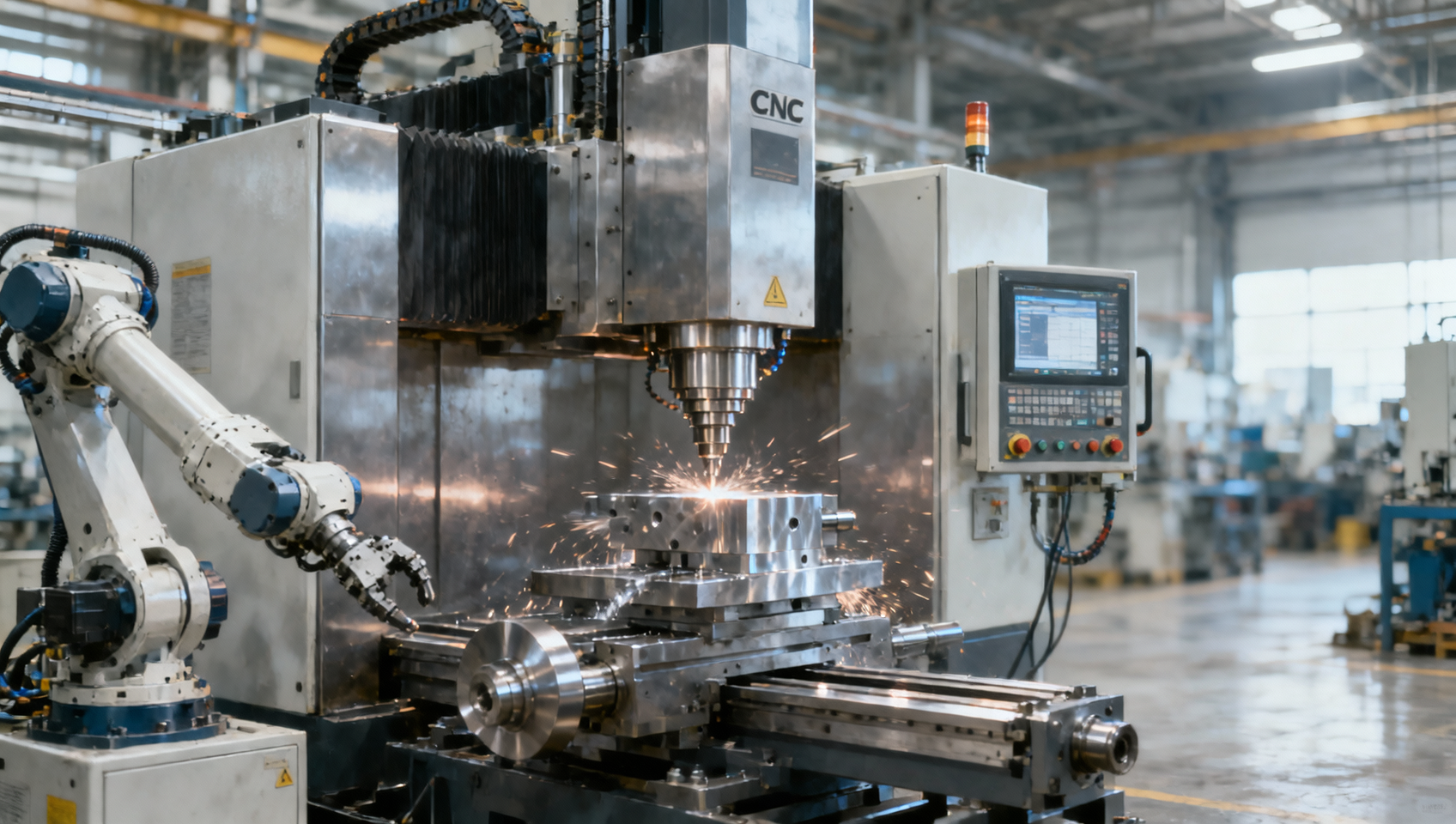
If labor availability is a concern or lights-out operation is a strategic goal, combining a multi-axis machine tool with automated CNC manufacturing features such as pallet changers, robotic loading, or integrated measurement can improve the business case further.
Total cost of ownership
Consider maintenance, training, software, tooling packages, uptime support, and expected utilization. The lowest purchase price is not always the lowest operating cost over time.
What concerns usually hold companies back?
Even when the value is clear, companies often hesitate for understandable reasons.
- High initial investment: the machine, software, and setup ecosystem can require substantial capital
- Longer learning curve: programming and process planning are more demanding than basic 3-axis work
- Fear of underutilization: managers worry the machine may be oversized for actual production needs
- Process risk: without strong simulation and training, collision risk and setup errors can be costly
- Internal change resistance: operators and planners may need time to adapt to new workflows
These concerns are valid, but they are manageable with proper implementation. Many successful adopters start by targeting a defined group of high-value parts, building internal expertise, and measuring results against baseline setup time, throughput, scrap rate, and on-time delivery.
How to tell whether now is the right time to upgrade
A business should seriously consider multi-axis CNC manufacturing if several of these signals are already present:
- Complex parts are tying up multiple machines and operators
- Quotes are being lost because lead times are too long
- Quality issues are linked to repeated setups or repositioning
- Customers are requesting tighter tolerances and more complex designs
- Margins are under pressure from labor-intensive workflows
- The company wants to expand into aerospace, medical, or other high-value sectors
- Automation and smart manufacturing are part of the long-term strategy
On the other hand, if production consists mainly of simple geometries with stable margins and no major setup burden, conventional CNC manufacturing may remain the more practical choice for now.
Conclusion: the best investment is the one that fits your production reality
When multi-axis CNC manufacturing makes better business sense, it usually does so for clear operational reasons: fewer setups, better precision, faster delivery, stronger consistency, and improved ability to win complex work. For information researchers, the main takeaway is that multi-axis technology creates the most value where manufacturing complexity creates cost. For operators, it offers process consolidation and quality advantages. For procurement teams, it should be evaluated through total cost and production fit. For business decision-makers, the real measure is whether it increases competitiveness and long-term return.
In short, multi-axis is not simply a higher-end machine category. It is a strategic manufacturing choice. If your parts are becoming more complex, your quality expectations are rising, and your production model demands more efficiency, a well-planned investment in a multi-axis machine tool and automated CNC manufacturing capability can be the move that strengthens both performance and profitability.
Recommended for You
 How to Choose a Heavy-Duty Machining Center for Mold MakingMachine Tool Industry Editorial Team
 How Quick-Change Fixture Design Cuts CNC Turning Setup TimeCNC Machining Technology Center
 Why 5 Axis Machining Is Ideal for Impeller ManufacturingCNC Machining Technology Center
 How to Start Lean Production Without Disrupting OutputManufacturing Market Research Center
 When a Modular Tooling System Improves Flexible ManufacturingMachine Tool Industry Editorial Team
 How CNC Machine Control Systems Improve Automation StabilityMachine Tool Industry Editorial Team

Aris Katos
Future of Carbide Coatings
15+ years in precision manufacturing systems. Specialized in high-speed milling and aerospace grade alloy processing.
▶
Why 5 Axis Machining Is Ideal for Impeller ManufacturingCNC Machining Technology Center▶
When Multi-Axis CNC Manufacturing Makes Better Business SenseCNC Machining Technology Center▶
Low-Altitude Economy Chapter Effective July 2026: eVTOL Production Drives Demand for Precision Components and 5-Axis MachiningCNC Machining Technology Center▶
How to Choose a Space-Saving CNC Manufacturing SetupCNC Machining Technology Center▶
When High-Speed CNC Manufacturing Improves OutputCNC Machining Technology Center
Mastering 5-Axis Workholding Strategies
Join our technical panel on Nov 15th to learn about reducing vibrations in thin-wall components.

Providing you with integrated sanding solutions
Before-sales and after-sales services
Comprehensive technical support