• Global CNC market projected to reach $128B by 2028 • New EU trade regulations for precision tooling components • Aerospace deman
NYSE: CNC +1.2%LME: STEEL -0.4%

When High-Speed CNC Manufacturing Improves Output
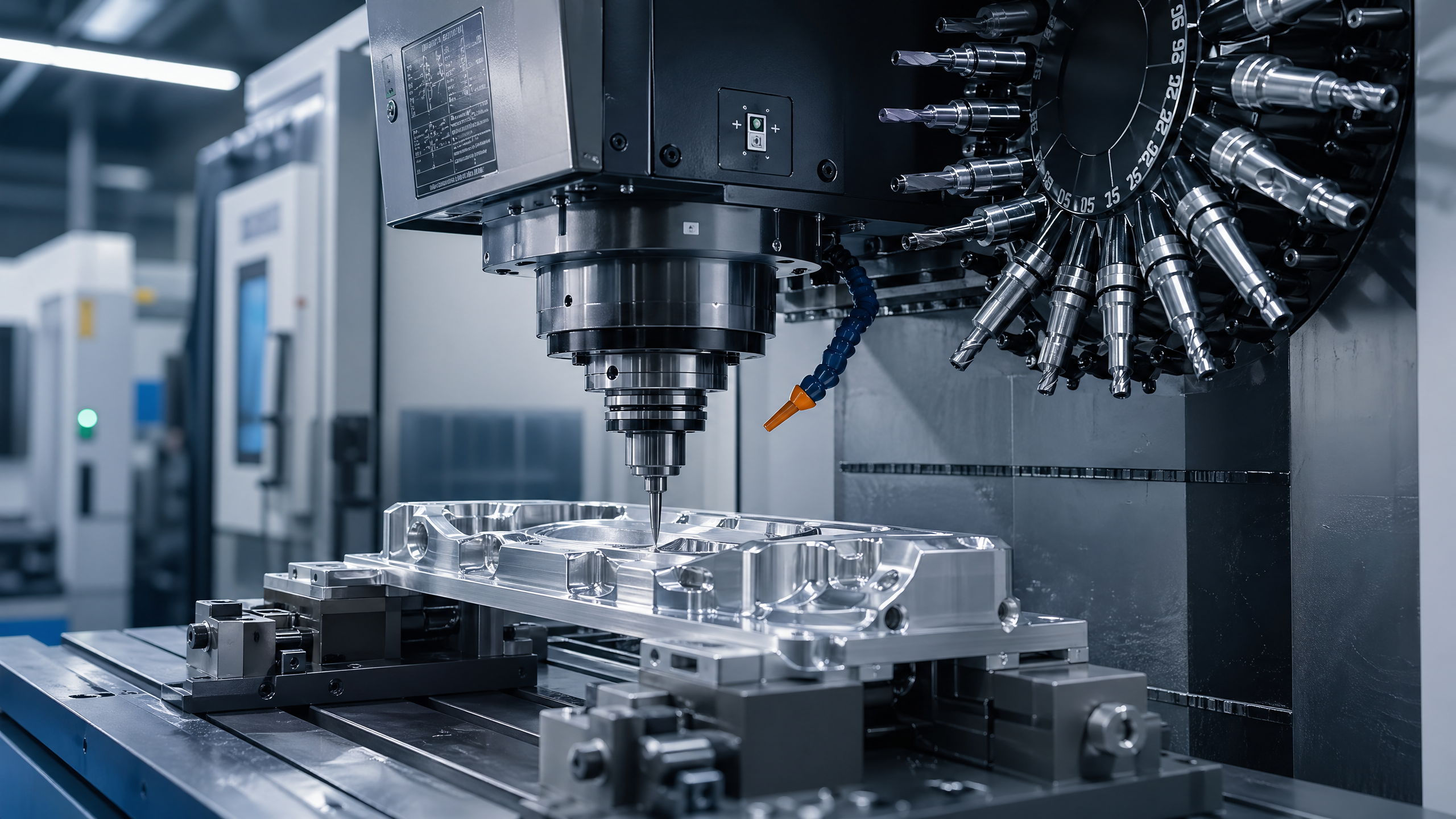
When high-speed CNC manufacturing improves output, manufacturers gain more than faster cycle times—they unlock higher precision, lower waste, and stronger flexibility across complex production tasks. From precision CNC manufacturing for aerospace and electronics to automated CNC manufacturing for energy equipment, the right CNC machine tool manufacturer and machine tool supplier can help businesses scale efficiently in today’s competitive industrial landscape.
Why does high-speed CNC manufacturing matter in modern production planning?
High-speed CNC manufacturing is no longer a niche capability reserved for premium workshops. It has become a practical production strategy for companies that need shorter lead times, tighter tolerances, and better consistency across repeated batches. In sectors such as automotive parts, electronics housings, aerospace components, and energy equipment, output is measured not only by part quantity, but also by stability over 8-hour, 16-hour, or even 24-hour operating schedules.
For information researchers and business evaluators, the main question is simple: does higher spindle speed actually improve total output? In many cases, the answer is yes, but only when speed is matched with machine rigidity, thermal stability, tool selection, workholding quality, and process programming. A fast machine that produces rework or unstable dimensions does not improve output in any meaningful commercial sense.
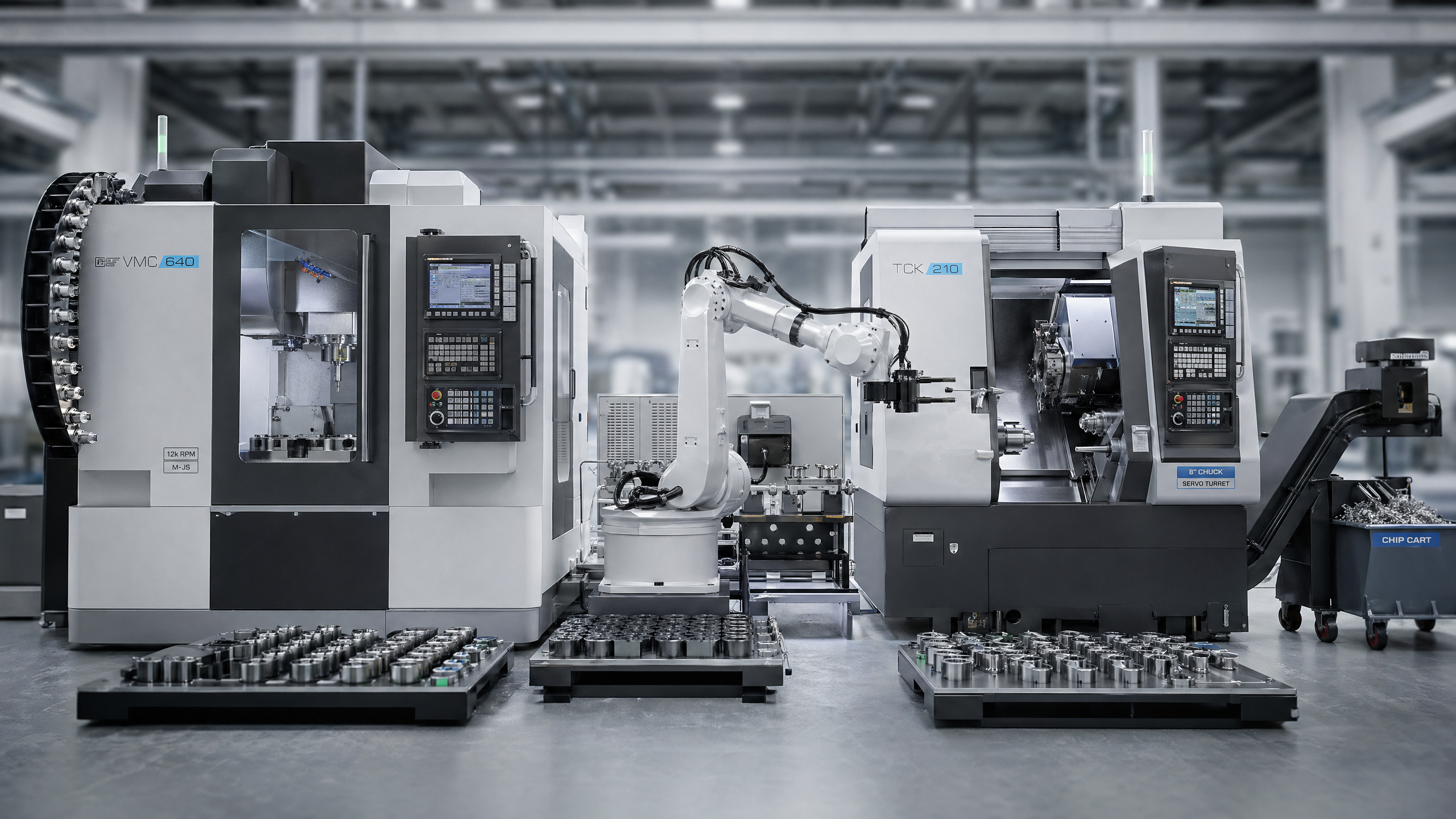
For operators and users, high-speed CNC manufacturing can reduce idle time between operations, improve surface finish on suitable materials, and support smoother chip evacuation. For procurement teams, it can lower cost per part over medium-volume and high-volume production, especially when the machine is integrated with automatic tool changers, pallet systems, or robotic loading solutions.
The market direction is also clear. Machine tool buyers increasingly compare not just cutting speed, but digital integration, unattended machining capacity, and maintenance planning over 3–5 years. That is why a capable CNC machine tool manufacturer must provide more than hardware. It must also support process validation, spare parts planning, and realistic production matching.
What output improvement really means
In practical manufacturing, output improvement usually combines 4 dimensions: shorter cycle time, lower scrap rate, better machine utilization, and more predictable delivery. A line that reduces machining time by 15% but increases tool breakage every week may not create net value. By contrast, a balanced high-speed CNC setup can improve throughput while keeping dimensional variation within the required tolerance window.
- Cycle-time efficiency: reducing cutting and non-cutting time through optimized feed, speed, and automatic tool changes.
- Process stability: maintaining repeatable accuracy across small-batch, medium-batch, and large-batch production.
- Material efficiency: limiting burrs, deformation, and unnecessary stock removal.
- Scheduling reliability: helping suppliers meet 2–4 week production windows with fewer interruptions.
Which production scenarios benefit most from high-speed CNC manufacturing?
Not every part should be machined at maximum speed, and not every factory gains the same value from a high-speed platform. The biggest benefits usually appear where geometry is complex, tolerance is controlled, batch demand is recurring, or manual intervention must be reduced. This is why application analysis matters before any machine selection or outsourcing decision is made.
Aerospace suppliers often use high-speed CNC manufacturing for lightweight structural parts, aluminum components, and complex pockets where long machining cycles create bottlenecks. Electronics manufacturers may focus on fine-feature parts, heat sinks, and precision housings where surface quality and repeatability are important. In energy equipment, robust turning and milling processes are needed for shafts, flanges, and structural interfaces that require durable, documented machining processes.
Automated CNC manufacturing is especially useful when the product mix includes repeated families of parts. In these cases, standardized fixtures, preset tooling, and digital work instructions can reduce setup changeover from several hours to a shorter controlled window. That helps operators run more parts per shift without increasing labor in the same proportion.
The table below shows how different production scenarios typically match with high-speed CNC manufacturing priorities. These are general planning ranges rather than fixed performance promises, but they help procurement and technical teams evaluate fit more efficiently.
The key takeaway is that high-speed CNC manufacturing performs best when part complexity, batch rhythm, and automation level are aligned. If a plant mainly handles oversized heavy parts, frequent engineering changes, or low-repeat one-off jobs, investment priorities may shift toward flexibility, fixturing adaptability, or spindle torque rather than pure speed.
A simple way to screen application fit
Before approving a machine purchase or selecting a machine tool supplier, ask 3 basic questions. First, is the current bottleneck in cutting time, setup time, or inspection time? Second, does the part family repeat often enough to justify process optimization? Third, can the upstream and downstream process support faster machining, including tooling, clamping, coolant management, and part unloading?
Quick evaluation checklist
- Review batch pattern over the last 6–12 months rather than one urgent order.
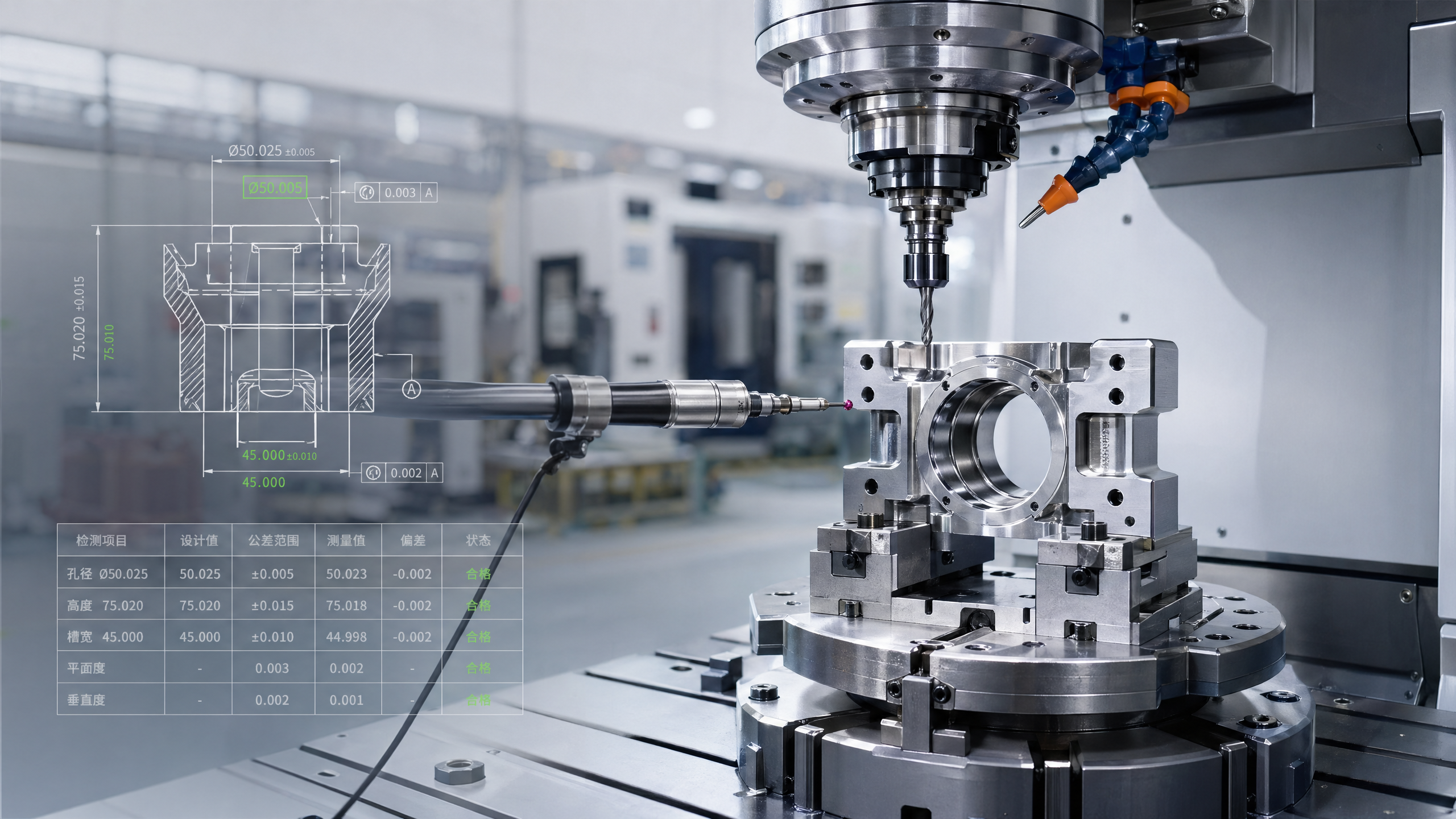
- Check whether target tolerances require thermal control, in-process measurement, or post-process verification.
- Estimate whether setup reduction or automation can recover more time than spindle speed alone.
What technical factors actually raise output instead of just raising spindle speed?
A common misconception is that high-speed CNC manufacturing depends only on RPM. In reality, output gains come from a system of matched technical factors. These include spindle power range, feed capability, acceleration, machine rigidity, thermal compensation, controller response, tool path strategy, and fixture repeatability. If even one of these elements is weak, the promised speed advantage can disappear under vibration, premature tool wear, or dimensional drift.
For users and operators, tool life management is often the first operational difference. Higher cutting speeds may reduce cycle time, but they can also increase heat generation. This makes coolant delivery, tool coating, chip evacuation, and replacement planning more important. In many production environments, stable output depends on setting a tool change threshold by part count or machining time, such as every 40–120 parts for a critical finishing tool depending on material and geometry.
For procurement staff, the machine specification sheet should be read together with the process requirement. A machine with a high spindle-speed ceiling may still be unsuitable if torque at the working range is too low, the tool magazine is too small, or axis travel does not fit the part family. That is why technical comparison must focus on usable productivity, not headline numbers alone.
The table below summarizes core technical factors that influence whether precision CNC manufacturing can translate speed into dependable output. It is especially useful for teams comparing multiple machine tool suppliers.
In practice, buyers should request sample process discussions, not only brochures. Ask how the CNC machine tool manufacturer approaches part clamping, tool path optimization, roughing versus finishing strategy, and machine recovery after interruptions. Those answers reveal whether the supplier understands high-speed CNC manufacturing as a production system rather than a marketing phrase.
Three technical warning signs
Some machine proposals look competitive on paper but create hidden risk in use. These warning signs deserve attention during technical and commercial review.
- High speed without process support: the machine specification is impressive, but there is no clear plan for tooling, coolant, or fixture control.
- Output claims without part context: cycle-time promises are given without material grade, tolerance band, or batch assumptions.
- Automation without service planning: loaders or robots are offered, but preventive maintenance and spare part availability are not explained.
How should buyers compare suppliers, cost, and implementation risk?
For procurement personnel and business evaluators, the most costly mistake is selecting by purchase price alone. High-speed CNC manufacturing affects installation, training, tooling compatibility, maintenance planning, and delivery assurance. A lower initial quotation may create higher long-term cost if setup is unstable, local support is weak, or the machine requires frequent stoppages.
A better approach is to compare total operating fit over the first 12–36 months. That includes machine configuration, spare parts lead time, commissioning support, operator training, controller familiarity, and expected utilization level. For many factories, the right machine tool supplier is the one that can reduce implementation risk and support a predictable production ramp-up within the first 2–8 weeks after installation.
Standards and compliance should also enter the discussion early. Depending on region and application, buyers may need documentation related to machine safety, electrical conformity, traceability procedures, or export requirements. While exact certifications vary by market and equipment scope, a qualified supplier should be able to explain the applicable documentation path clearly and without vague claims.
The following procurement guide helps cross-functional teams compare high-speed CNC manufacturing options in a practical way, covering technical fit, commercial fit, and service readiness in one view.
This comparison method is especially useful when reviewing suppliers from major manufacturing regions such as China, Germany, Japan, or South Korea. Each source market may offer different strengths in price structure, customization responsiveness, automation integration, or long-term service coverage. The right decision depends on your part mix, location, budget rhythm, and production expectations.
A practical 4-step buying process
A structured buying path makes high-speed CNC manufacturing easier to evaluate and defend internally, especially when engineering, production, purchasing, and finance all need alignment.
- Define 3–5 representative parts, including material, tolerance, annual volume, and current bottleneck.
- Ask shortlisted suppliers for process matching logic, not just machine lists and prices.
- Review implementation details such as tooling, fixturing, training, and maintenance intervals.
- Compare total business impact, including throughput, downtime risk, and delivery reliability.
Common questions, hidden risks, and why many projects underperform
Many companies invest in high-speed CNC manufacturing with the correct intention but incomplete preparation. The result is underused machine capacity, unstable tolerances, or lower-than-expected return. Most of these issues come from process mismatch rather than from the idea of high-speed machining itself. Clear expectations and realistic implementation planning are the best safeguards.
One common risk is assuming that all materials react similarly to higher cutting speeds. Aluminum, steel, stainless steel, and difficult-to-machine alloys require different tooling strategies, coolant conditions, and finishing expectations. Another risk is ignoring fixture rigidity. Even a strong machining center cannot maintain precision CNC manufacturing if the workpiece shifts under dynamic cutting load.
There is also a management-side risk. Some buyers approve the machine but delay investment in tool presetting, inspection planning, or operator training. In practice, these supporting actions often determine whether the machine reaches useful output in the first 30–90 days. Speed without process discipline usually leads to avoidable scrap or downtime.
Below are frequent search questions raised by researchers, operators, and buyers when evaluating automated CNC manufacturing and supplier options.
How do I know whether high-speed CNC manufacturing fits my part mix?
Start with part family analysis. If at least 20%–30% of your recurring work shares similar material, dimensions, or fixture logic, process optimization can often deliver measurable output gains. If your orders are mostly one-off repair parts or highly irregular heavy components, you may benefit more from flexible setup capacity than from high-speed capability alone.
What should operators monitor during high-speed production?
Operators should monitor tool wear trend, chip evacuation, coolant condition, spindle load pattern, and dimensional drift across the shift. A useful routine is to check critical features at defined intervals, such as first-off approval, mid-batch verification, and end-batch confirmation. The exact interval depends on risk level, but a planned inspection rhythm is essential.
How long is the usual implementation cycle?
Implementation timing varies by machine configuration and automation scope. A straightforward installation may move from delivery to basic production in 2–4 weeks, while a more integrated cell with robotics, fixtures, and process validation can take longer. Buyers should ask suppliers to separate shipping time, installation time, training time, and process proving time rather than giving one combined estimate.
What are the most overlooked cost items?
The most overlooked items are often tooling consumption, fixture development, preventive maintenance, and downtime during program adjustment. These costs are manageable when identified early. They become expensive only when the purchase decision is made without a realistic production support plan.
- Do not judge output by spindle speed alone; review total process balance.
- Do not compare suppliers without representative parts and target batch data.
- Do not postpone training, inspection planning, and spare parts preparation until after installation.
Why choose us when evaluating CNC machine tools and precision manufacturing partners?
We focus on the global CNC machining and precision manufacturing industry with a practical view of how machine tools, automation, and production planning interact. That means our value is not limited to product information. We help researchers, operators, procurement teams, and business evaluators connect market developments with real sourcing and implementation decisions across automotive, aerospace, electronics, and energy equipment applications.
If you are comparing a CNC machine tool manufacturer, reviewing a machine tool supplier, or assessing whether high-speed CNC manufacturing is suitable for your plant, we can help you narrow the decision through structured discussion. This includes parameter confirmation, machine configuration matching, application scenario analysis, expected delivery windows, automation integration considerations, and documentation-related questions for international trade or internal approval.
We can also support early-stage evaluation when your team is not yet ready to finalize a model. For example, you may want to compare 3-axis versus multi-axis strategies, review options for CNC lathes versus machining centers, or estimate whether automated CNC manufacturing is justified for small-batch, medium-batch, or large-batch production. These conversations save time before formal quotation rounds begin.
Contact us if you need help with part-process matching, product selection, delivery cycle discussion, sample support, customization direction, or quotation communication. A focused technical and commercial review at the start often prevents weeks of re-evaluation later, especially when output improvement, cost control, and supplier reliability all matter at the same time.
What you can discuss with us
- Parameter confirmation for spindle range, axis travel, tooling capacity, and automation scope.
- Product selection advice based on part size, material, tolerance, and batch rhythm.
- Delivery and ramp-up discussion, including standard lead time and installation planning.
- Customization and compliance communication for export, internal review, or application-specific requirements.
PREVIOUS ARTICLE
NEXT ARTICLE
Recommended for You
 How to Choose a Space-Saving CNC Manufacturing SetupCNC Machining Technology Center
![]() What to Check Before Using a CNC Manufacturing WholesalerGlobal Machine Tool Trade Research Center
What to Check Before Using a CNC Manufacturing WholesalerGlobal Machine Tool Trade Research Center Why Precision CNC Manufacturing Fails Tolerance GoalsCNC Machining Technology Center
 Is CNC Manufacturing for Energy Equipment Worth the CostManufacturing Market Research Center
![]() How Low Maintenance CNC Manufacturing Cuts DowntimeMachine Tool Industry Editorial Team
How Low Maintenance CNC Manufacturing Cuts DowntimeMachine Tool Industry Editorial Team How to Compare One CNC Manufacturing Factory to AnotherManufacturing Market Research Center


Aris Katos
Future of Carbide Coatings
15+ years in precision manufacturing systems. Specialized in high-speed milling and aerospace grade alloy processing.
▶
How to Choose a Space-Saving CNC Manufacturing SetupCNC Machining Technology Center▶
When High-Speed CNC Manufacturing Improves OutputCNC Machining Technology Center▶
How Quick Setup CNC Manufacturing Saves Shift TimeCNC Machining Technology Center▶
When Multi-Axis CNC Manufacturing Is the Better ChoiceCNC Machining Technology Center▶
Robotics ToB Scaling Hits Data Bottleneck in CNC AI InspectionCNC Machining Technology Center
Mastering 5-Axis Workholding Strategies
Join our technical panel on Nov 15th to learn about reducing vibrations in thin-wall components.

Providing you with integrated sanding solutions
Before-sales and after-sales services
Comprehensive technical support