• Global CNC market projected to reach $128B by 2028 • New EU trade regulations for precision tooling components • Aerospace deman
NYSE: CNC +1.2%LME: STEEL -0.4%

CNC cutting quality drops fast when tool wear goes unnoticed
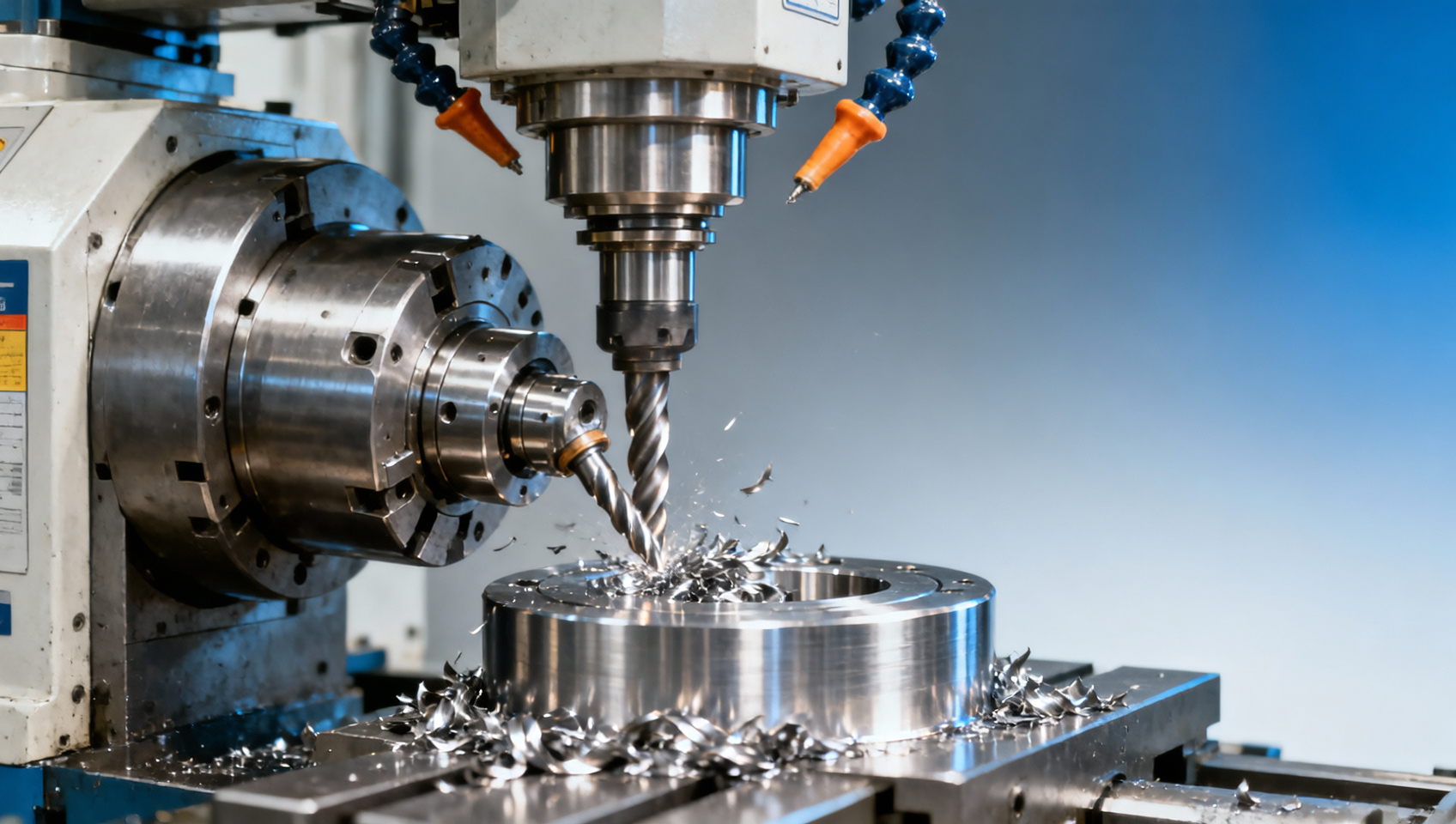
In metal machining, CNC cutting quality can decline rapidly when tool wear is overlooked, affecting surface finish, dimensional accuracy, and overall production process stability. For professionals in industrial CNC and CNC metalworking, early detection is critical to maintaining automated production efficiency, reducing scrap, and protecting machine tool performance in today’s fast-moving Manufacturing Industry.
Across automotive, aerospace, energy equipment, and electronics production, even a small increase in flank wear can turn a stable process into an expensive quality problem within a single shift. Operators worry about chatter marks and burrs, purchasing teams look for tool life consistency, and decision-makers need lower scrap rates without slowing throughput. That is why tool wear monitoring is no longer just a maintenance issue; it is a production control issue with direct cost impact.
This article explains how unnoticed tool wear affects CNC cutting quality, what warning signs matter most, how to build a practical inspection routine, and what buyers should evaluate when selecting tools, holders, and monitoring methods. The focus is on real machining environments where uptime, dimensional stability, and predictable output matter every day.
Why unnoticed tool wear causes rapid quality loss in CNC machining
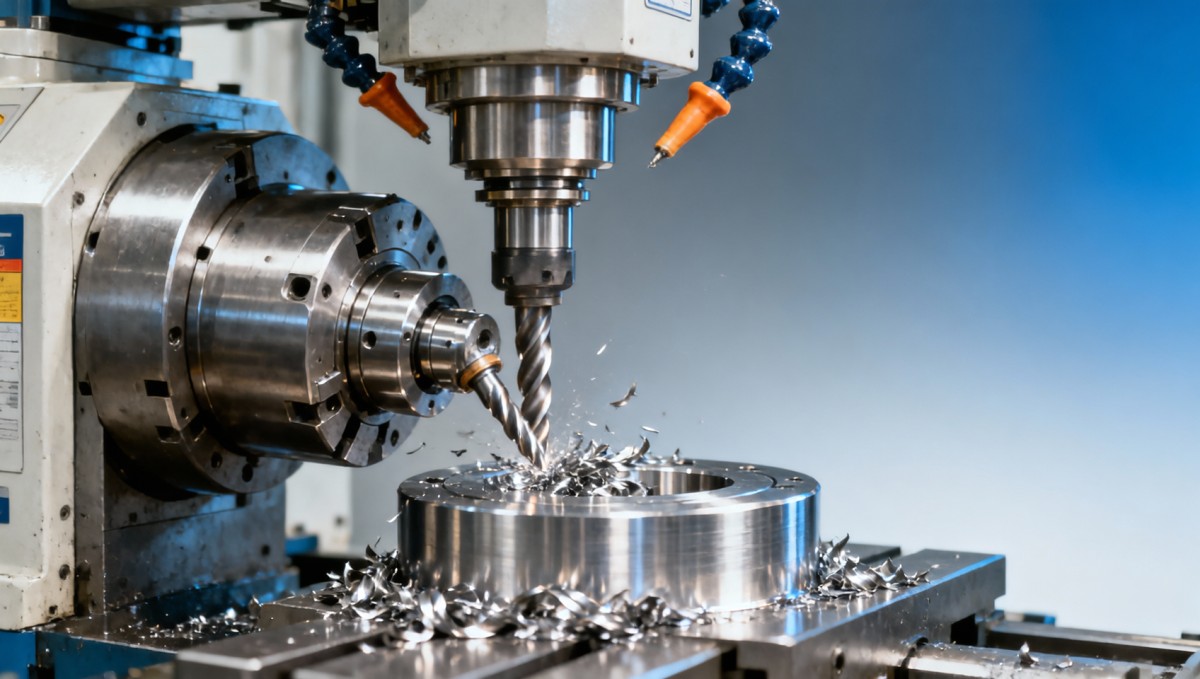
Tool wear develops gradually, but the impact on CNC cutting quality is often non-linear. A cutting edge may perform acceptably through the first 70% to 80% of its service life, then deteriorate quickly over the remaining 20%. In that late stage, surface roughness rises, cutting forces increase, temperature builds at the edge, and dimensional drift becomes harder to control.
In turning, milling, and drilling, different wear modes produce different quality failures. Flank wear commonly affects dimensional accuracy and finish. Crater wear can weaken the cutting edge and alter chip flow. Built-up edge may create inconsistent surfaces on low-carbon steel or stainless steel. Edge chipping often appears suddenly in interrupted cuts, creating visible marks and unstable tool behavior.
For CNC lathes and machining centers running batch production, the problem is amplified by automation. One worn tool can produce 20, 50, or even 200 nonconforming parts before anyone notices, especially on unattended evening shifts. That risk is particularly serious when tolerances are within ±0.01 mm to ±0.05 mm and finish requirements are below Ra 1.6 or Ra 0.8.
The issue is not limited to part appearance. Uncontrolled wear raises spindle load, stresses tool holders, increases vibration, and may shorten machine component life. A process that once ran at 120 m/min may need to drop to 90 m/min to remain stable, reducing productivity while still producing inconsistent results.
Common wear patterns that directly affect finished parts
Different materials and cutting conditions produce different wear signatures. Understanding these patterns helps operators react before quality drops below customer requirements.
- Flank wear: usually appears as steady edge abrasion and often causes oversize or undersize conditions after 30 to 90 minutes of cutting time depending on material and speed.
- Crater wear: more common at higher cutting temperatures and can destabilize chip formation in alloy steel or high-strength materials.
- Built-up edge: often leads to irregular surface finish and dimensional inconsistency at lower speeds or poor lubrication conditions.
- Edge chipping: can trigger sudden scrap spikes in interrupted cuts, castings, forgings, or unstable setups.
How quality deterioration usually appears on the shop floor
The first signals are often subtle. Operators may hear a sharper cutting sound, notice longer chips, or see small burrs at the exit edge. Then, within a short production window, the process may show clear signs such as taper changes, poor concentricity, or unstable hole size.
The table below links typical wear conditions to visible process effects, helping teams identify whether the problem is tool wear, setup rigidity, or parameter mismatch.
The key takeaway is that wear should be managed as a process variable, not only as a consumable cost. Once wear passes a practical threshold, quality degradation accelerates and the cost of delayed response grows faster than the price of a replacement insert or end mill.
Early warning signs operators and engineers should track
The most effective wear control systems combine human observation with measurable process signals. In many factories, operators still detect problems first by sound, chip shape, and finish. However, relying only on experience becomes risky in multi-shift production, especially when one technician may oversee 3 to 6 machines at the same time.
A practical approach is to track 4 categories of signals: part quality, machine load, tool condition, and process stability. For example, if spindle load rises by 8% to 15% while the same material and program are running, that may indicate growing wear or poor chip evacuation. If cycle time remains constant but offset corrections are needed every 10 to 20 parts, the cutting edge may already be beyond its stable window.
Chip appearance is another valuable indicator. Tight blue chips, powdery chips, or long stringy chips can each point to a different issue. In stainless steel turning, long continuous chips may suggest edge rounding or coolant problems. In cast iron milling, increased dust-like chips and noise may indicate micro-chipping on the insert corner.
Visual inspection intervals should match process risk. A low-mix, high-value aerospace part may justify checking the tool every 5 to 10 pieces. A stable automotive batch process may inspect every 30 to 100 pieces, but only if previous wear data supports that interval. Fixed inspection without process history is often either too slow to protect quality or too frequent to remain efficient.
A simple 5-point wear monitoring checklist
- Measure key dimensions at a defined frequency, such as every 20 parts or every 30 minutes.
- Record spindle load trends and compare them against the baseline from a fresh tool.
- Check chip color, chip shape, and coolant coverage at the cutting zone.
- Inspect edge wear under magnification during planned stops, especially for finishing tools.
- Set a replacement rule before failure, not after visible scrap appears.
Typical warning thresholds used in production planning
Factories use different rules depending on tolerance and material, but several common thresholds are practical starting points. Surface finish deviation above 20% from baseline, size correction more than twice per shift, or spindle load increase above 10% can each trigger closer inspection. For precision finishing, even a 0.005 mm trend shift may justify preventive tool change.
These thresholds are not universal standards, but they help convert experience into repeatable shop-floor control. The goal is to make wear visible before it becomes scrap, machine stress, or customer complaint.
How to build a stable tool management routine for quality control
A stable tool management routine should connect cutting data, inspection frequency, replacement rules, and inventory planning. Many quality problems come from treating tools as isolated consumables rather than part of the machining system. Tool life depends on insert grade, coating, holder rigidity, machine condition, coolant delivery, workpiece hardness, and program strategy.
The most reliable routine starts with baseline trials. Run 20 to 50 parts under controlled parameters, measure dimensional drift, record spindle load, and inspect wear at several intervals. This creates a usable wear curve for the actual machine and material combination. Without this baseline, scheduled replacement is often based on guesswork.
Tool life management also needs separate rules for roughing and finishing. Roughing tools may tolerate more edge wear if stock allowance remains stable. Finishing tools require tighter control because a small edge change can shift final size or finish quickly. On precision discs, shafts, and structural parts, the finishing pass often determines acceptability.
The table below shows a practical comparison between reactive replacement and preventive replacement planning in CNC metalworking environments.
For many plants, preventive replacement is the fastest upgrade because it needs limited new equipment. Condition-based monitoring becomes more valuable when production includes multiple materials, variable part families, or unattended night shifts. In both cases, clear replacement criteria are more important than relying on memory or personal judgment alone.
Implementation steps for a practical wear control program
- Define 3 to 5 critical dimensions and finish requirements for each part family.
- Set inspection intervals by risk level, machine type, and batch size.
- Store baseline data for each tool-material combination.
- Standardize insert indexing and tool replacement records across shifts.
- Review scrap, load trend, and tool life data weekly or monthly.
What purchasing teams and decision-makers should evaluate
For buyers and factory managers, the cheapest tool is rarely the lowest-cost option in production. Procurement should evaluate tooling based on cost per qualified part, process stability, availability, and support for the target material group. A tool that lasts 25% longer but reduces scrap by 2% to 5% may create significantly better overall economics than a lower-priced alternative.
Consistency between batches matters as much as nominal tool life. If one insert lot lasts 60 minutes and the next lasts 38 minutes under the same setup, planning becomes difficult. This inconsistency can disrupt automated lines, increase tool buffer stock, and create hidden labor costs in machine supervision and quality containment.
Support capability should also be part of the sourcing decision. Reliable suppliers can usually help define starting parameters, recommend chipbreaker geometry, and advise on holder selection. In international CNC machining supply chains, short response times and stable delivery are essential, especially for plants running 2-shift or 3-shift schedules.
The table below provides a practical sourcing framework for evaluating cutting tools and related process support in B2B manufacturing environments.
This framework helps align purchasing with production and quality objectives. The best sourcing decisions usually come from cross-functional review involving operators, process engineers, quality teams, and procurement rather than price comparison alone.
Four questions buyers should ask suppliers
- What is the recommended speed, feed, and depth-of-cut range for our material and machine type?
- What wear mode is expected first, and what replacement threshold is practical?
- How stable is supply for the next 6 to 12 months?
- Can the supplier support trial optimization across turning, milling, or drilling applications?
FAQ and practical recommendations for reducing wear-related scrap
Wear control does not always require a large digital transformation project. In many CNC workshops, better inspection discipline, improved tool selection, and stronger process documentation can cut quality losses within 2 to 6 weeks. The most important step is turning wear from an occasional observation into a managed production variable.
Below are several frequently asked questions from information researchers, machine users, purchasing staff, and factory decision-makers who need a practical path to better CNC cutting quality.
How often should CNC tools be inspected?
Inspection frequency depends on tolerance, material, and batch risk. For precision finishing, checks every 5 to 20 parts are common. For stable roughing processes, inspection every 30 to 100 parts may be enough if historical wear data is available. New jobs should always be checked more frequently during the first production run.
Is tool breakage the main sign of poor wear control?
No. Breakage is the most visible failure, but not the most common cost driver. More factories lose money through finish deterioration, dimensional drift, burrs, and rework than through dramatic tool failure. In many cases, the worn tool still cuts, but it no longer cuts within required quality limits.
Can higher cutting speed improve tool life?
Sometimes, but only within the right window. In certain materials, increasing speed slightly can improve chip formation and reduce built-up edge. However, excessive speed may accelerate crater wear and heat damage. Parameter changes should be tested in controlled steps, such as 5% to 10% increments, while tracking finish, load, and size stability.
What is the fastest low-cost improvement for most workshops?
Start with three actions: define replacement rules before failure, inspect at fixed intervals based on part risk, and record actual tool life by machine and material. These steps require limited investment but often reveal hidden variation that causes scrap, overtime inspection, and unstable output.
Recommended near-term action plan
- Week 1: identify the top 3 parts with the highest scrap or rework exposure.
- Week 2: create baseline wear and dimension records for current tools.
- Week 3: set preventive replacement points and operator checks.
- Week 4: review cost per qualified part and adjust tool strategy if needed.
When tool wear goes unnoticed, CNC cutting quality rarely declines slowly for long. It usually reaches a tipping point where finish, size, and process stability fall together. Manufacturers that manage wear proactively gain better output consistency, lower scrap exposure, and stronger machine utilization across manual, semi-automated, and fully automated production lines.
If your team is evaluating cutting tools, holder configurations, inspection intervals, or wear monitoring methods for CNC machining and precision manufacturing, now is the right time to review the process in detail. Contact us to discuss your application, get a tailored tooling strategy, or learn more solutions for improving CNC cutting quality before wear becomes a production risk.
PREVIOUS ARTICLE
NEXT ARTICLE
Recommended for You
 Metal machining costs keep rising. Where is the waste?CNC Machining Technology Center
 What slows metal machining even when machines look busy?CNC Machining Technology Center
 Industrial CNC uptime drops for simple reasons too oftenMachine Tool Industry Editorial Team
 When does industrial CNC need an upgrade, not a repair?Machine Tool Industry Editorial Team
 CNC industrial demand is shifting toward smaller batch runsManufacturing Market Research Center
 Why CNC industrial projects miss deadlines after quotingCNC Machining Technology Center

Aris Katos
Future of Carbide Coatings
15+ years in precision manufacturing systems. Specialized in high-speed milling and aerospace grade alloy processing.
▶
CNC cutting quality drops fast when tool wear goes unnoticedCNC Machining Technology Center▶
CNC cutting speed or finish quality: where losses beginCNC Machining Technology Center▶
CNC cutting tool wear looks normal until edge failure startsCNC Machining Technology Center▶
Does CNC cutting performance drop more with worn inserts or misaligned fixtures?CNC Machining Technology Center▶
How much does cutting speed drop when using coated inserts for CNC cutting of hardened steels?CNC Machining Technology Center
Mastering 5-Axis Workholding Strategies
Join our technical panel on Nov 15th to learn about reducing vibrations in thin-wall components.

Providing you with integrated sanding solutions
Before-sales and after-sales services
Comprehensive technical support