• Global CNC market projected to reach $128B by 2028 • New EU trade regulations for precision tooling components • Aerospace deman
NYSE: CNC +1.2%LME: STEEL -0.4%

When does industrial CNC need an upgrade, not a repair?
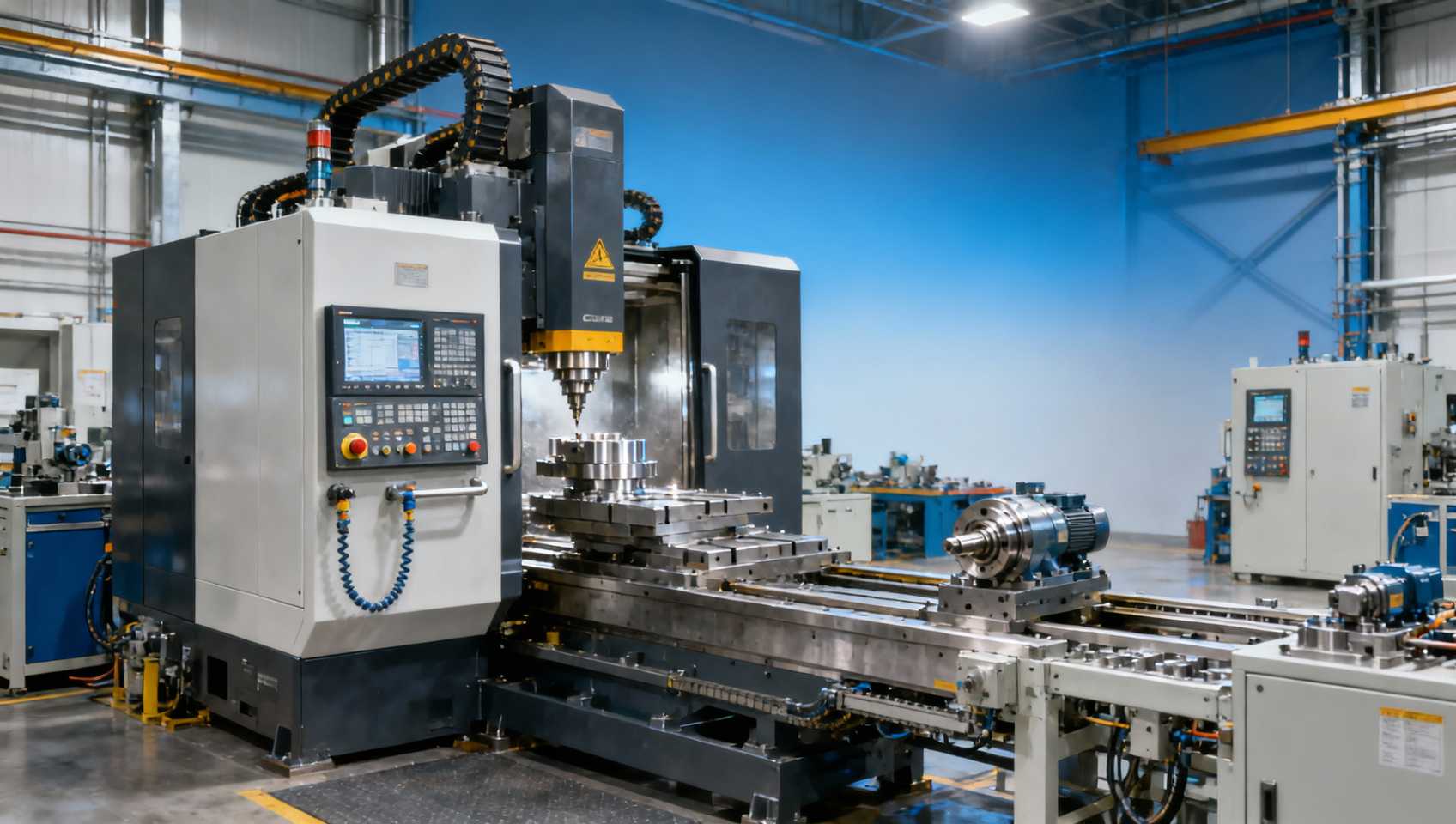
When repeated downtime, outdated CNC programming, and limited compatibility begin to slow your automated production line, repair may no longer be enough. In today’s Global Manufacturing and Machine Tool Market, industrial CNC upgrades can improve metal machining accuracy, CNC cutting efficiency, and overall production process reliability—helping manufacturers decide when to modernize for stronger competitiveness.
For plant managers, operators, procurement teams, and business leaders, the key question is not whether a machine can still run, but whether it can still support current throughput, quality targets, and digital manufacturing requirements. In many workshops, a CNC machine that is 8–15 years old may still be mechanically serviceable, yet its control system, servo response, communication protocol, and software environment can already limit output.
An industrial CNC upgrade is different from routine repair. Repair restores a failed component to working condition. Upgrade improves the machine’s control capability, usability, connectivity, safety, and process stability. That distinction matters when production losses from recurring alarms, slow cycle times, or unavailable spare parts start to exceed the cost of modernization.
Why CNC repair stops being enough
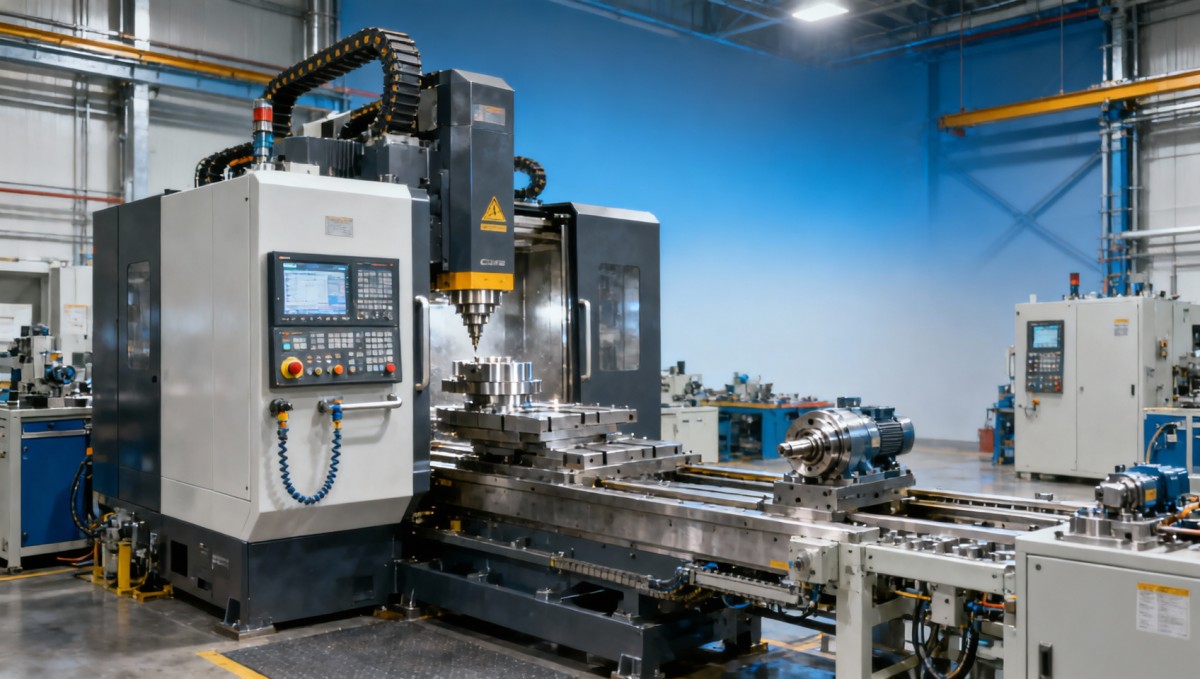
A repair makes sense when the issue is isolated: a failed drive, damaged encoder, worn cable, coolant-related electrical fault, or a single spindle problem. If the machine returns to normal performance after service and can maintain tolerance, uptime, and operator safety for another 12–24 months, repair is usually the practical option.
The situation changes when failures become repetitive. If the same CNC machine causes unplanned downtime 2–3 times per month, or if maintenance teams spend more than 10% of scheduled production time troubleshooting controls, the problem is no longer a one-off fault. It is often a system-level limitation tied to aging CNC architecture, obsolete I/O boards, unstable power modules, or unsupported software.
Another warning sign is poor supportability. Many older CNC platforms face spare-part lead times of 4–12 weeks, and some boards are only available through refurbishment channels. That creates a procurement risk for manufacturers running automotive, aerospace, electronics, or energy equipment programs with strict delivery windows. A machine that can be repaired only after long delays may still be technically repairable, but it is no longer operationally reliable.
Performance gaps also matter. If an older control cannot support modern conversational programming, tool life management, probing integration, or Ethernet-based data exchange, production teams may lose efficiency every shift. A machine can still cut metal, yet fail to meet current smart factory expectations for traceability, scheduling, and process optimization.
Typical thresholds that indicate upgrade potential
The table below helps distinguish between a machine that should be repaired and one that should move into upgrade evaluation. These are practical industry ranges rather than fixed rules, but they are useful for planning.
The key takeaway is simple: when risk shifts from component failure to production-system weakness, repair becomes a short-term patch. That is the point where CNC retrofit or control upgrade enters the conversation.
Common but costly misjudgment
A common mistake is comparing repair cost only against upgrade cost. The better comparison includes hidden losses: scrap rates, delayed delivery, operator overtime, emergency parts shipping, and lost spindle hours. If those indirect costs accumulate across 6–12 months, an upgrade may offer a faster payback than many teams expect.
Operational signs that your CNC system has outgrown repair
In daily manufacturing, the need for an industrial CNC upgrade usually appears first in operations, not in accounting. Operators may notice sluggish axis response, inconsistent tool offsets, limited memory for larger programs, or repeated manual workarounds. These issues reduce output long before a machine fully fails.
For machining centers and CNC lathes serving mixed-batch production, limited compatibility is another major signal. If the controller cannot exchange data with newer CAM software, bar feeders, probing systems, robotic loading cells, or MES platforms, the machine becomes a bottleneck inside an otherwise automated line. In a factory pursuing flexible production, one outdated CNC can slow the entire cell.
Quality drift is equally important. When the machine still starts every morning but process capability weakens, repair may not solve the root cause. Servo mismatch, old feedback systems, and aging control loops can affect contouring, interpolation, and surface finish. For sectors such as aerospace structures, automotive shafts, or electronics fixtures, even small repeatability deviations can increase inspection load and rework.
From a management perspective, the strongest signal is when maintenance becomes reactive instead of planned. If teams keep emergency boards, backup drives, or retired donor machines just to keep one CNC platform alive, that is usually a strategic warning. It means the machine is consuming organizational effort that should be invested in output and process improvement.
Checklist for operators, maintenance teams, and managers
Before deciding on retrofit, use a structured review rather than relying on one failure event. A practical assessment often covers the following 6 points:
- Whether unplanned downtime exceeds 8–12 hours per month on the same machine.
- Whether program transfer, editing, or storage limits slow setup on medium to large jobs.
- Whether key electrical parts are discontinued or only available as refurbished stock.
- Whether the machine cannot connect to current production data systems through standard industrial protocols.
- Whether axis, spindle, or positioning performance no longer supports target tolerances or cycle times.
- Whether operator training takes too long because the control interface is outdated and inconsistent with newer equipment.
If 3 or more of these conditions apply, an upgrade study is usually justified. If 4–6 apply, the machine should be treated as a modernization candidate rather than a simple repair case.
Where upgrades create practical gains
Typical improvements from CNC upgrades include faster boot and recovery time, better HMI usability, smoother axis control, higher memory capacity, easier diagnostics, and more reliable networking. In many retrofit projects, cycle-time gains of 5%–15% are realistic when old controls were slowing interpolation, setup, or program handling.
The benefit is not only speed. Digitalized alarm history, remote diagnostics, and standard communication interfaces can shorten fault response from several hours to under 30–60 minutes, especially in plants with centralized maintenance teams. That kind of improvement matters more than a low single repair invoice.
Repair, retrofit, or full replacement: how to choose the right path
Manufacturers usually face 3 options when an older CNC machine starts affecting production: keep repairing it, upgrade the control and key electrical systems, or replace the entire machine tool. The right answer depends on the mechanical base condition, production schedule, available capital, and expected service life after modernization.
If the machine bed, guideways, ballscrews, spindle structure, and core casting remain sound, retrofit can be highly effective. A rigid machine with strong mechanical geometry may gain another 5–10 years of useful production through new controls, servo drives, wiring, operator interface, and safety upgrades. This is especially relevant in large or specialized machines where new replacement cost is high.
Full replacement becomes more attractive when both the mechanical and control systems are outdated, or when required productivity has moved far beyond the original design. If the machine cannot support current spindle power, axis speed, automation loading, or part envelope requirements, a new machine may be the better long-term investment despite longer lead times.
For procurement teams, the decision should weigh total lifecycle value. A cheaper repair strategy may look efficient over 30 days, but become expensive over 24 months if it causes missed deliveries, unstable quality, or high maintenance labor. A structured comparison prevents short-term thinking.
Decision comparison for industrial buyers
The following matrix helps procurement and plant leadership compare the 3 most common options in a practical B2B framework.
In practice, retrofit often works best where machine rigidity and process knowledge already exist on site. Replacement is often favored when the business is also redesigning workflow, capacity mix, or automation architecture at the same time.
A practical 4-step selection method
- Audit machine health: inspect geometry, backlash, spindle condition, and electrical reliability.
- Define production targets: compare current cycle time, tolerance, and uptime against the next 24–36 months of demand.
- Estimate hidden downtime cost: include labor, delayed orders, rework, and emergency part sourcing.
- Compare downtime window for each option: repair may take 1–5 days, retrofit 1–3 weeks, replacement often 2–6 months depending on machine type.
This approach keeps the discussion centered on business continuity rather than only on the purchase price of a control or new machine.
Key upgrade areas that improve productivity and compatibility
Not every industrial CNC upgrade means rebuilding the entire machine. The most valuable projects usually focus on the control layer and the interfaces that affect production reliability. A targeted retrofit can modernize how the machine is programmed, diagnosed, connected, and operated without changing every mechanical component.
The control system is often the center of the upgrade. Newer CNC platforms provide faster processing, larger memory, smoother interpolation, better alarm tracing, and easier integration with CAD/CAM workflows. For shops making complex contours, precision shafts, or multi-face parts, better control performance can reduce cycle interruptions and improve finish stability.
Servo and feedback systems are another high-impact area. Replacing aging drives, motors, or encoders can improve positioning consistency and dynamic response, especially on machines with frequent acceleration and deceleration. In practical terms, this supports better repeatability, less overshoot, and more predictable machining behavior across long shifts.
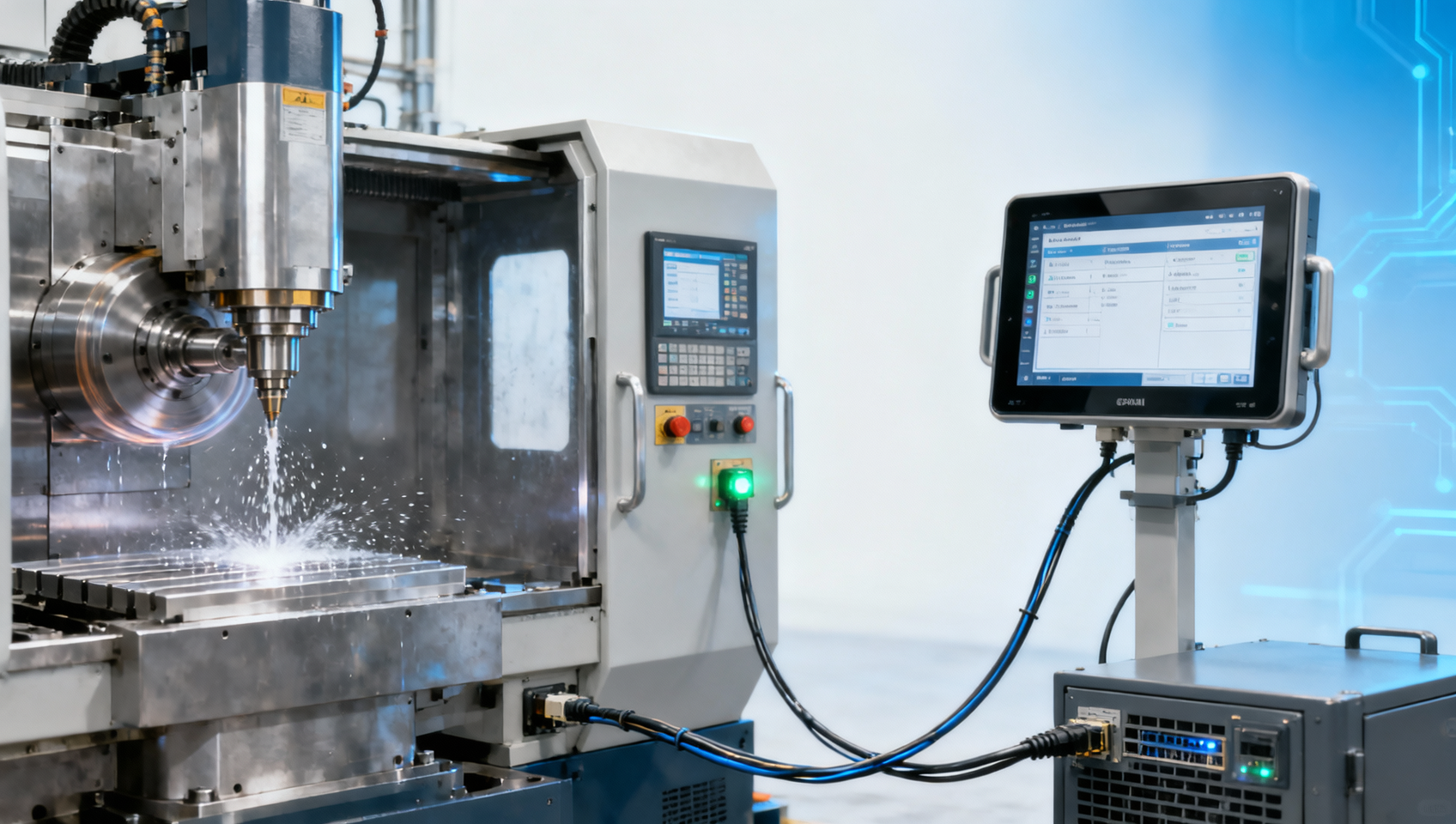
Connectivity should not be overlooked. A modernized CNC that supports standard industrial communication and easier data export can fit much better into smart factory environments. That allows operators and managers to track alarms, spindle utilization, part counts, and maintenance status more efficiently.
Typical upgrade modules and their production value
The exact scope depends on machine age and application, but the following modules are frequently reviewed during retrofit planning.
These modules do not always need to be upgraded together. However, combining controller, drives, and electrical cleanup in one project often gives better long-term stability than replacing only the most obvious failed component.
Implementation timing and production planning
Many manufacturers schedule retrofit during planned shutdowns, seasonal capacity gaps, or line balancing periods. A moderate CNC upgrade project may require 5–15 working days depending on machine complexity, available documentation, and commissioning scope. Planning the downtime window early is critical for avoiding disruption to customer orders.
Procurement, risk control, and implementation best practices
For procurement professionals and decision-makers, a CNC upgrade should be evaluated like an industrial investment project, not just a maintenance event. The supplier should be assessed on engineering capability, retrofit experience, commissioning support, documentation quality, and post-installation service responsiveness. Lowest initial price rarely delivers the lowest operational risk.
Documentation is particularly important in older machine tools. Before approving an upgrade, verify electrical drawings, PLC logic availability, axis configuration records, and machine interface details. If the machine has gone through multiple undocumented repairs over 10 or more years, the project scope should include additional inspection time. This reduces commissioning surprises.
Risk control should also include acceptance criteria. Define target metrics before work starts: axis positioning stability, spindle performance, alarm recovery, program transfer success, dry-run verification, and part qualification results. A 3-stage acceptance approach—electrical completion, motion commissioning, and cutting validation—usually works well for retrofit projects.
Training is often underestimated. Even a well-executed upgrade can underperform if operators and maintenance staff are not trained on the new interface, parameter backup process, alarm interpretation, and daily checks. In many plants, 4–8 hours of focused operator training plus maintenance handover can significantly improve ramp-up speed.
Key purchasing questions before approving a CNC upgrade
- What is included in scope: controller only, or also drives, motors, cabling, HMI, safety, and commissioning?
- What downtime window is realistic: 1 week, 2 weeks, or longer for multi-axis and customized machines?
- What site support is provided during startup, trial cutting, and parameter optimization?
- What spare parts and backup files will be handed over after the retrofit is completed?
- How will the upgraded machine connect with existing automation, probing, or factory data systems?
FAQ for buyers and plant teams
How old does a CNC machine need to be before upgrade makes sense?
Age alone is not the deciding factor. Many machines at 8–12 years old remain highly productive, while some older than 15 years become difficult to support due to parts obsolescence and software limits. The real trigger is the combination of downtime frequency, supportability, and production mismatch.
Can upgrade improve accuracy if the machine is mechanically worn?
Only partly. A new control and drive system can improve motion consistency, but severe guideway wear, spindle damage, or backlash beyond acceptable limits still requires mechanical correction. Retrofit works best when the machine’s structural foundation is still sound.
What is a realistic upgrade payback period?
This varies by machine utilization and downtime cost. In busy production environments, payback can be attractive when recurring failures are causing weekly disruption. Plants often evaluate savings across 12–24 months by combining reduced downtime, better cycle stability, and lower emergency maintenance cost.
When should a company skip retrofit and buy new equipment?
If the machine no longer matches required part size, spindle power, automation layout, or tolerance capability—and if mechanical wear is already significant—replacement is typically the safer route. This is especially true when the business is expanding capacity or moving to a new manufacturing model.
Industrial CNC upgrade decisions are most effective when they are based on production impact, not just repair invoices. Repeated downtime, unsupported controls, poor compatibility, and unstable process performance are strong signs that repair is only delaying a larger problem. A well-planned upgrade can extend machine life, improve machining reliability, and support smarter factory integration without the full burden of replacement.
If your CNC lathes, machining centers, or multi-axis systems are creating recurring maintenance pressure or limiting digital manufacturing goals, now is the right time to evaluate the next step. Contact us to discuss your machine condition, upgrade priorities, and implementation window, or request a tailored modernization solution for your production environment.
PREVIOUS ARTICLE
Recommended for You
 Heavy-duty Machining Center for mold making: Why coolant filtration standards evolve faster than OEM manualsMachine Tool Industry Editorial Team
 Quick-change Fixture Design for CNC turning: Why clamping force consistency drops after 200 cyclesCNC Machining Technology Center
 5 Axis Machining for impeller manufacturing: Why toolpath smoothing affects surface fatigue lifeCNC Machining Technology Center
 Lean Production Process implementation: Where value stream mapping fails to expose hidden machine downtimeManufacturing Market Research Center
 Modular Tooling System for flexible manufacturing: Why interface repeatability degrades faster than expectedMachine Tool Industry Editorial Team
 Industrial Automation control system for CNC machines: When cybersecurity updates disrupt scheduled maintenanceMachine Tool Industry Editorial Team

Aris Katos
Future of Carbide Coatings
15+ years in precision manufacturing systems. Specialized in high-speed milling and aerospace grade alloy processing.
▶
Heavy-duty Machining Center for mold making: Why coolant filtration standards evolve faster than OEM manualsMachine Tool Industry Editorial Team▶
High precision machine tool: Why air-bearing spindles demand more than just clean airMachine Tool Industry Editorial Team▶
Machine tool for automotive industry: Why dynamic rigidity matters more than static specsMachine Tool Industry Editorial Team▶
Machine tool for aerospace: Why thermal expansion compensation requires real-time sensor fusionMachine Tool Industry Editorial Team▶
Machine tool for electronics manufacturing: Why EMI shielding affects more than just signal integrityMachine Tool Industry Editorial Team
Mastering 5-Axis Workholding Strategies
Join our technical panel on Nov 15th to learn about reducing vibrations in thin-wall components.

Providing you with integrated sanding solutions
Before-sales and after-sales services
Comprehensive technical support