• Global CNC market projected to reach $128B by 2028 • New EU trade regulations for precision tooling components • Aerospace deman
NYSE: CNC +1.2%LME: STEEL -0.4%

CNC metalworking jobs fail tolerance checks for hidden reasons
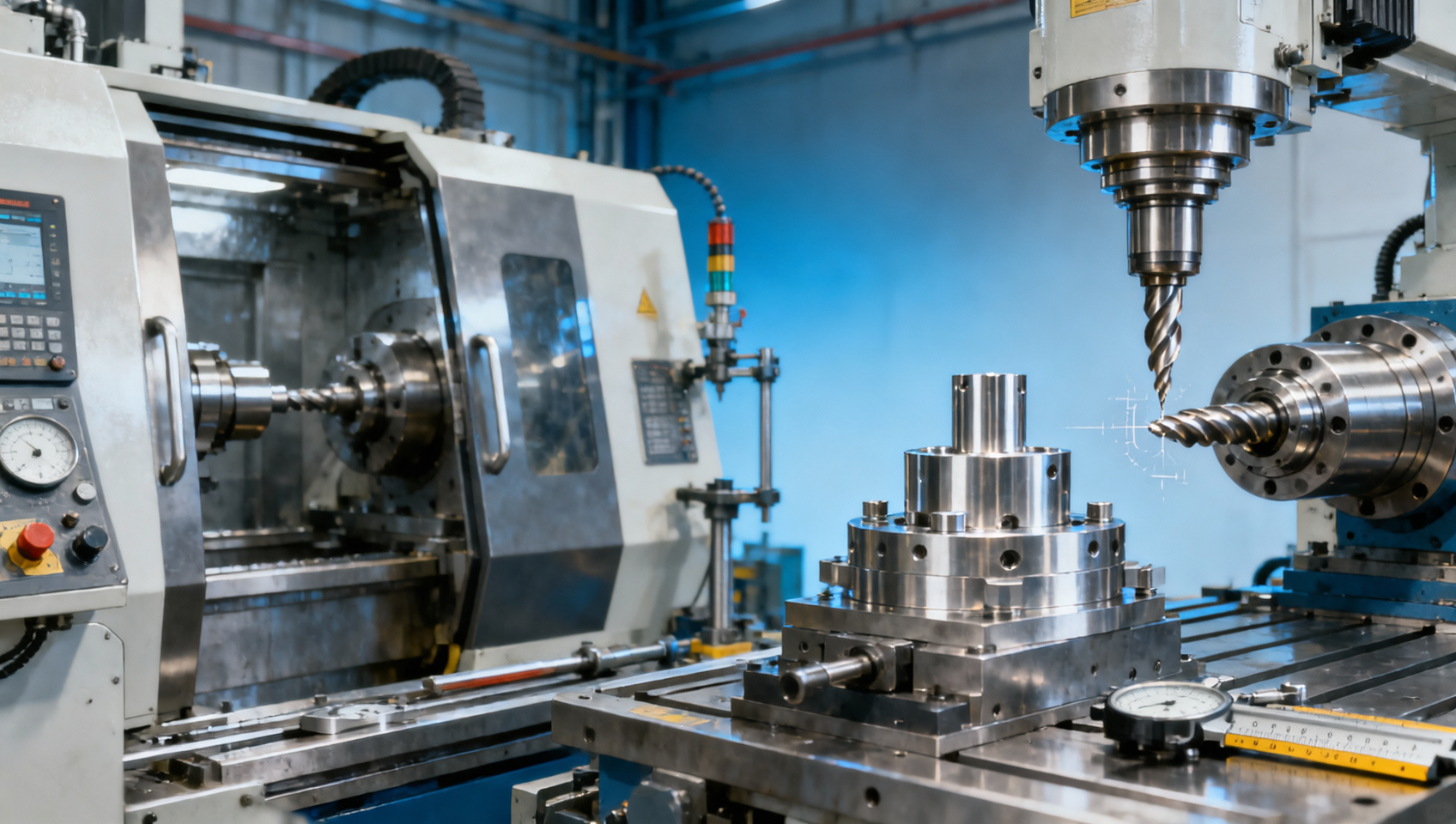
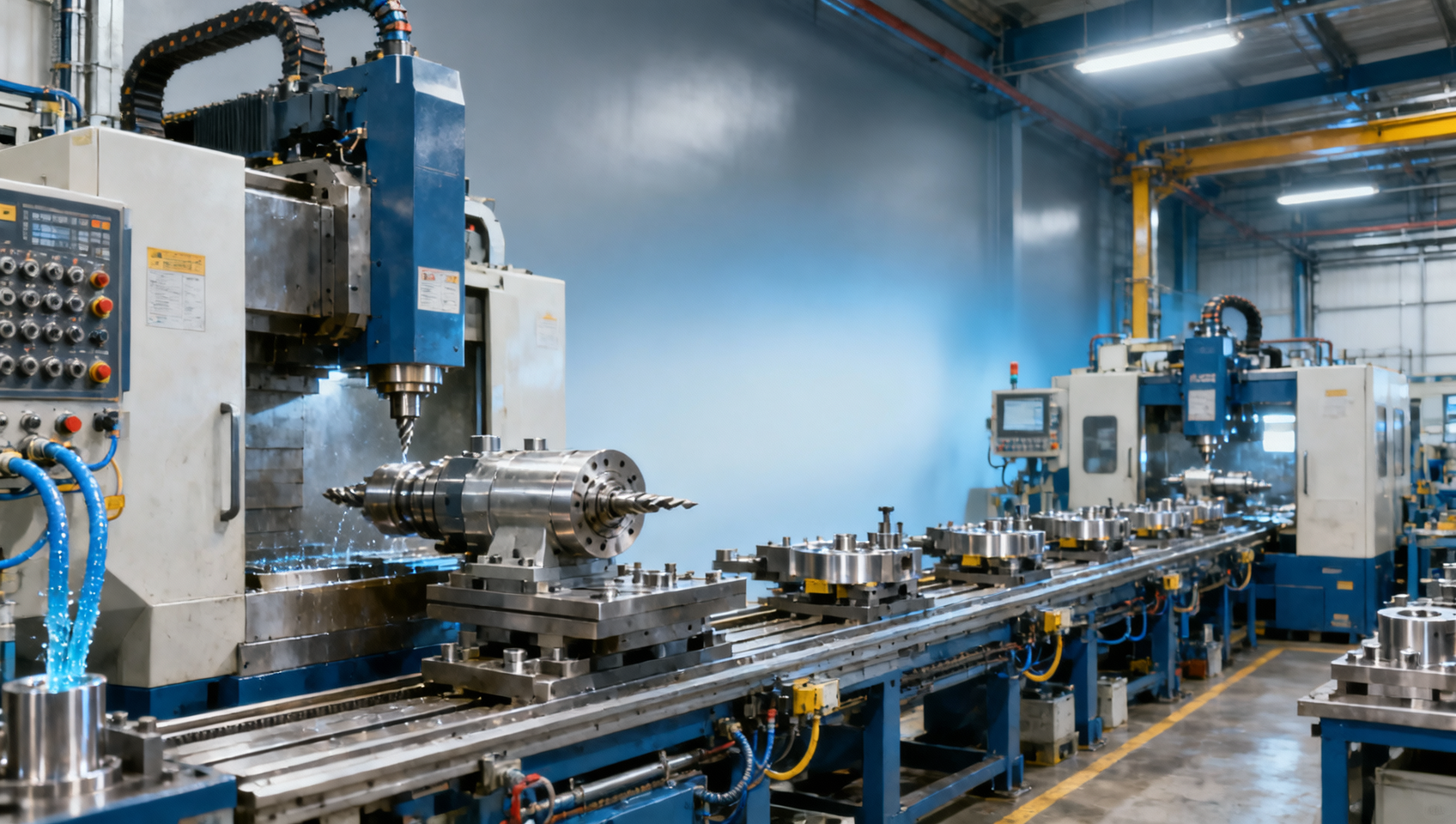
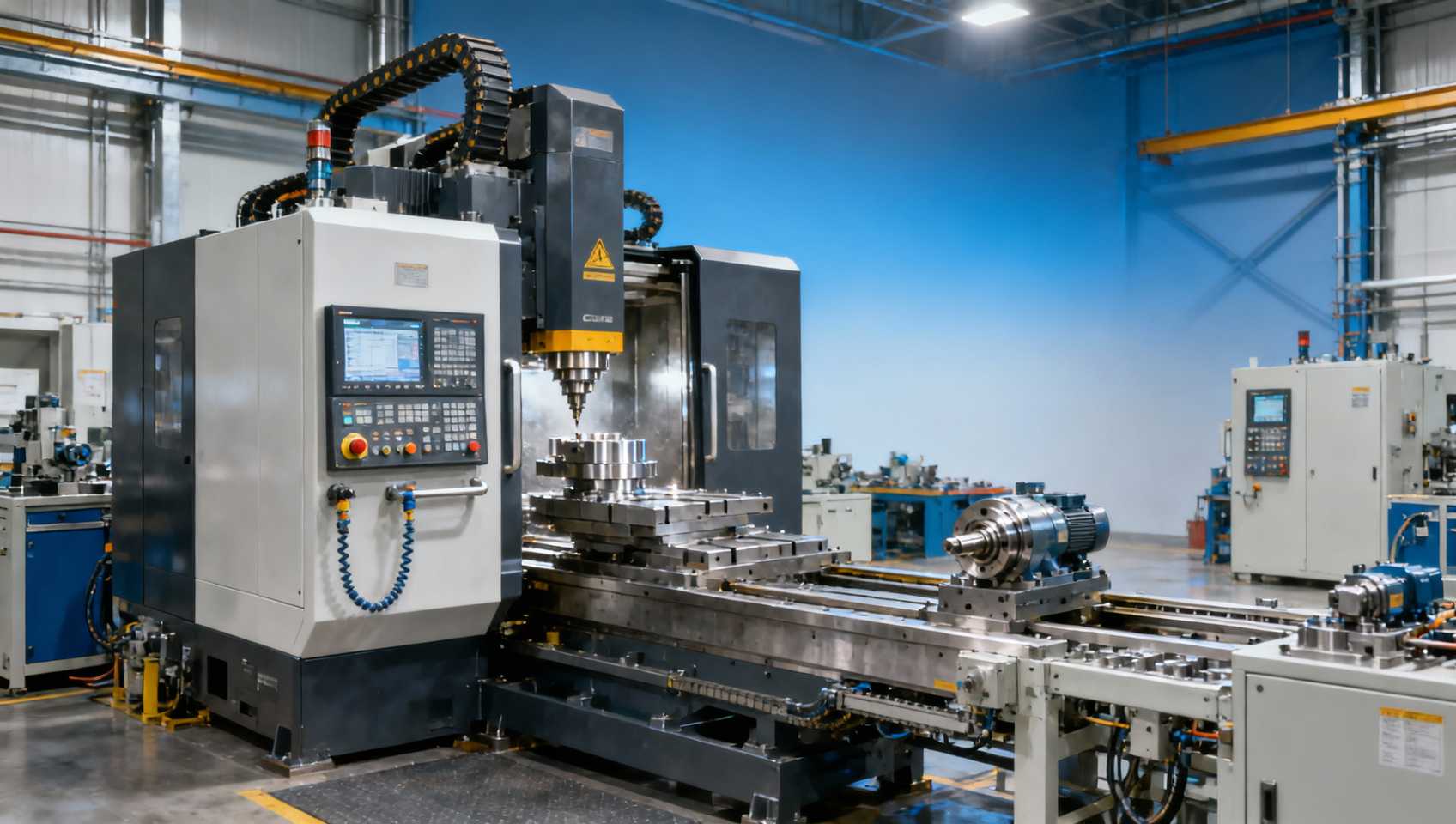
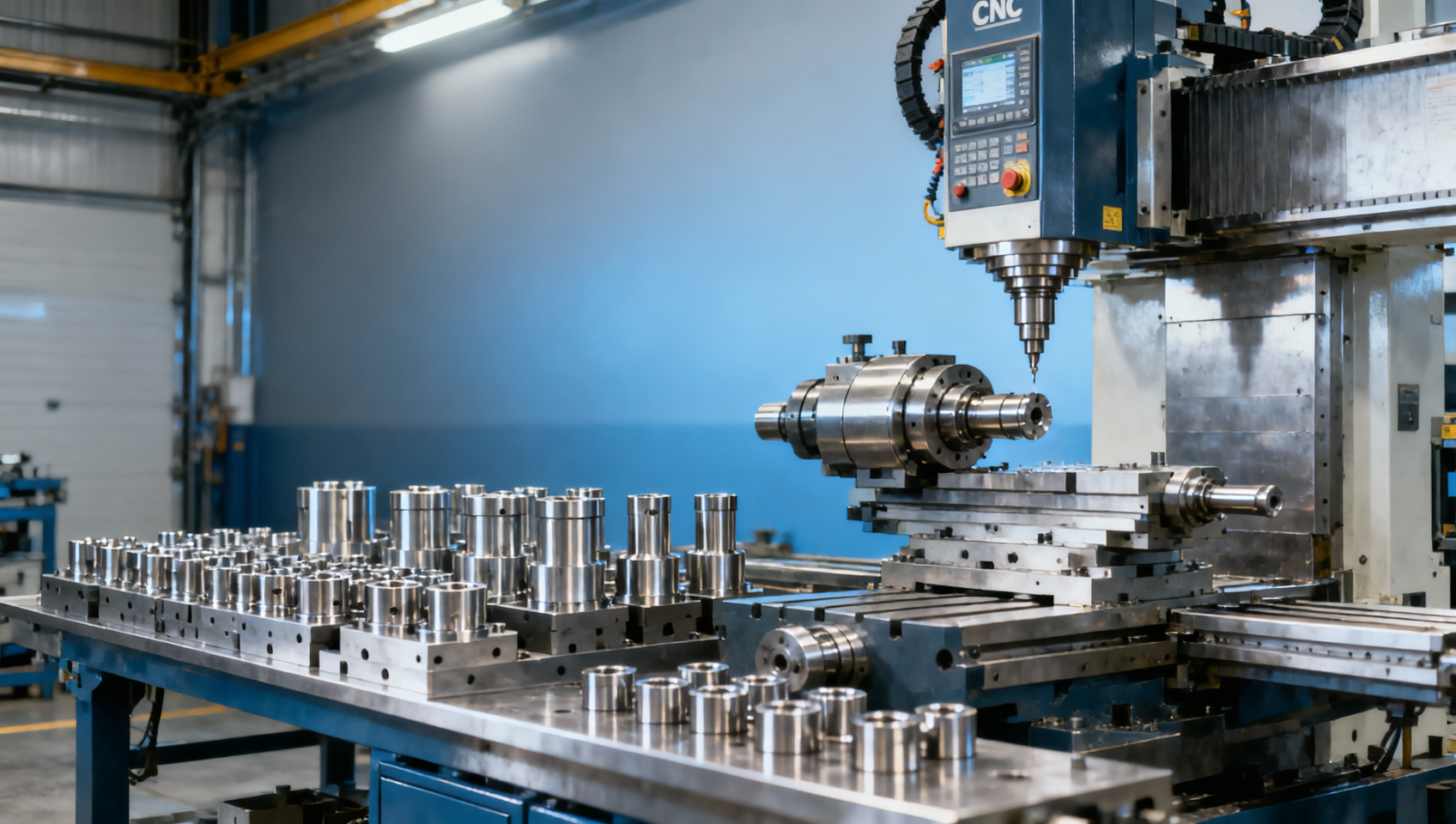
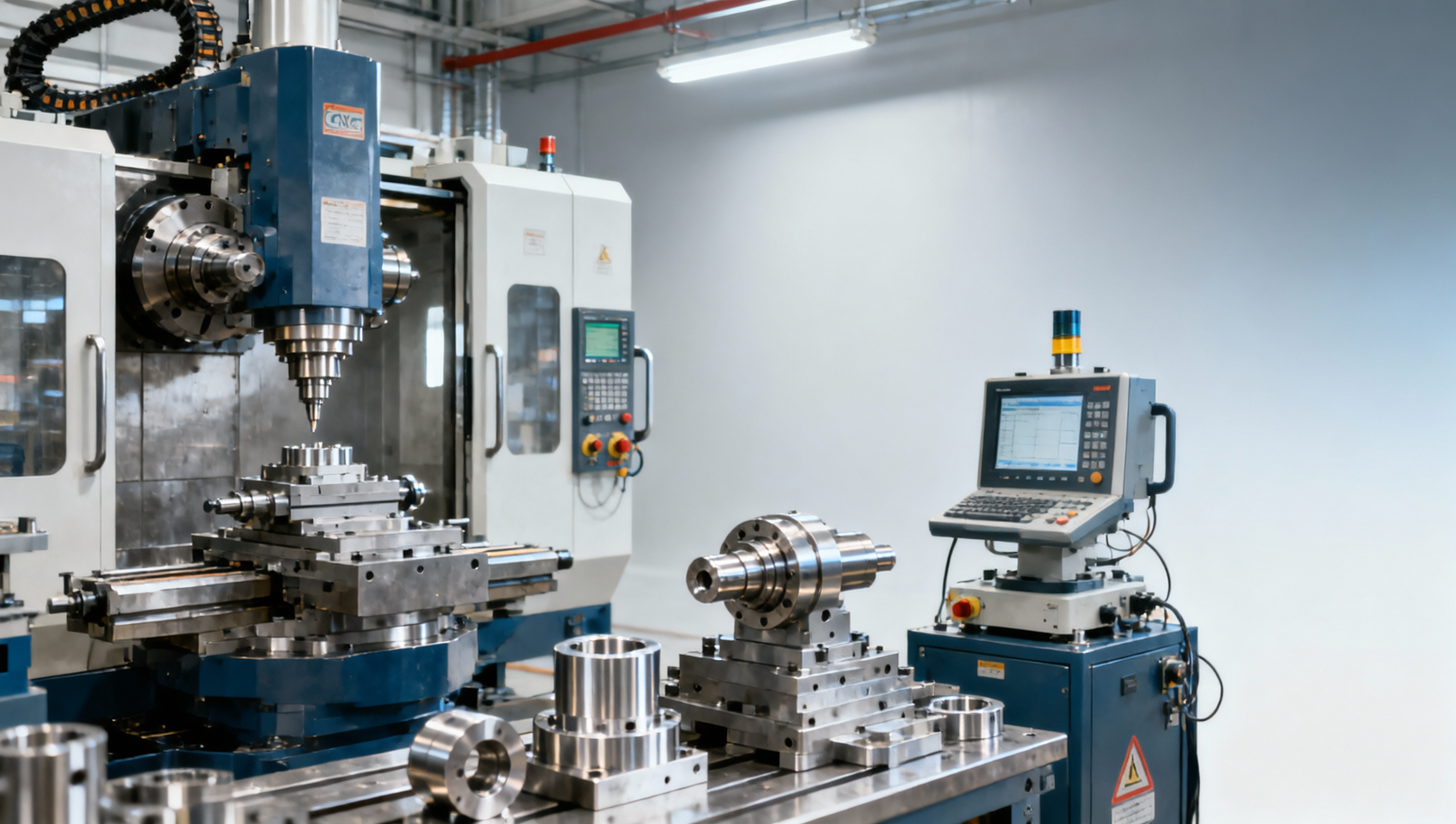
Why do CNC metalworking jobs pass setup yet still fail tolerance checks? In today’s metal machining and industrial CNC environments, hidden issues in CNC cutting, CNC milling, automated lathe operation, and the wider production process can quietly undermine quality. This article explores the overlooked causes affecting CNC production, automated production lines, and Global Manufacturing performance.
For operators, the problem often appears on the inspection sheet as a sudden drift from ±0.01 mm to ±0.04 mm. For buyers and plant managers, it appears as rework, delayed delivery, and lower machine utilization. For decision-makers in automotive, aerospace, electronics, and energy equipment, repeated tolerance failure can damage supplier confidence and increase total production cost by far more than the visible scrap rate.
Tolerance failure is rarely caused by a single obvious setup mistake. In many CNC metalworking jobs, hidden variables build up across tooling, materials, thermal conditions, workholding, program strategy, inspection methods, and operator routines. Understanding those variables is essential for improving process capability, stabilizing automated production lines, and making better procurement and process control decisions.
Process Stability Problems That Start Before the First Part Is Measured
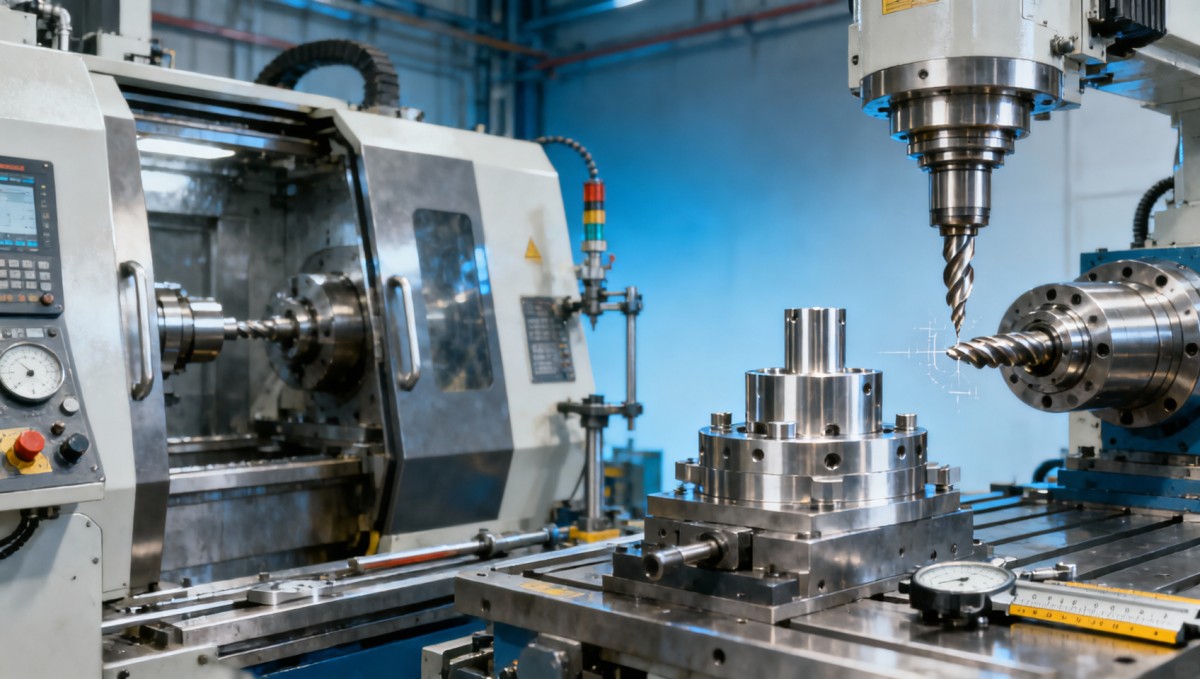
Many tolerance issues begin long before final inspection. A CNC job may pass setup because the first 3 to 5 pieces look acceptable, yet the process is not truly stable. This is common in CNC milling, turning, and multi-axis machining where spindle temperature, tool engagement, and fixture stress change during the first 20 to 60 minutes of production.
Thermal growth is one of the most underestimated causes. A spindle, toolholder, and machine structure can expand gradually as cutting continues. Even a few microns of thermal shift may push a tight bore, face, or shaft diameter outside tolerance. Shops running tolerances tighter than ±0.02 mm are especially exposed if warm-up cycles are inconsistent or skipped.
Another hidden factor is machine load variation. A part program may be proven on one material batch, one tool lot, and one coolant condition, but real production introduces changing chip evacuation, interrupted cuts, and variation in material hardness. For automated lathe operation and high-volume CNC production, these shifts may only become visible after 30, 80, or 200 parts.
Early-stage warning signs often missed on the shop floor
Operators and engineers should watch for pattern-based warning signs rather than isolated defects. A tolerance issue that appears every 12 parts, after every insert change, or only during the night shift usually points to a repeatable process variable rather than random measurement error.
- Dimensional drift after spindle start-up or after a 15–30 minute idle period
- Out-of-round or taper values increasing as tool life approaches 70%–90% of expected use
- First-piece approval followed by gradual offset changes every 20–50 parts
- Stable X-axis dimensions but unstable Z-axis length, often linked to workholding or thermal expansion
The table below summarizes hidden pre-inspection causes that frequently affect CNC metalworking jobs even when setup records look correct.
The key takeaway is simple: passing setup is not the same as proving process capability. In global manufacturing environments where output volume may exceed 500 or 5,000 parts per order, a process that only looks stable at startup can become a serious quality risk within one shift.
Tooling, Workholding, and Material Factors That Quietly Shift Dimensions
In CNC metalworking, hidden tolerance failures are often physical rather than digital. Tool wear does not always create an immediate reject. More often, it changes edge geometry, cutting force, and heat generation slowly enough that the trend goes unnoticed until dimensions exceed the control limit. On small-diameter bores, thin-wall parts, and long shafts, this can happen within a wear window of just 0.02–0.08 mm at the cutting edge.
Workholding is another frequent root cause. A part may measure correctly while clamped but move after release because of residual stress, jaw pressure, or uneven support. This is particularly common in aluminum housings, stainless thin rings, and precision discs. In automated production lines, fixture repeatability can decline over several shifts if contact surfaces collect chips or if pneumatic pressure varies.
Material condition matters as much as the machine. Different suppliers, heat-treatment batches, and bar stock straightness levels can all affect dimensional consistency. Procurement teams focused only on unit price may unintentionally introduce variation that increases tool consumption, setup time, and inspection frequency. A lower-cost material lot that adds 8% scrap or 15% more tool changes is rarely a real savings.
How hidden physical variables show up in production
When engineers diagnose recurring tolerance failure, it helps to connect the defect pattern to likely process sources. The following comparison supports buyers, operators, and quality teams when reviewing production line behavior.
This type of mapping shortens troubleshooting time. Instead of reacting only to failed dimensions, manufacturers can identify whether the root problem sits in the tool, the fixture, the material, or the process condition. That distinction is critical for reducing unplanned downtime and preventing repeated quality escapes.
Procurement implications for stable tolerance control
- Specify material consistency requirements, not only nominal grade and size.
- Ask suppliers for expected tool life ranges under comparable cutting conditions.
- Review fixture maintenance intervals such as every 1,000, 3,000, or 5,000 cycles.
- Include repeatability and measurement criteria in RFQ and technical review documents.
For purchasing teams, tolerance performance should be evaluated as a system capability. Machine price, tooling cost, fixture design, material repeatability, and inspection method must be considered together rather than in isolation.
Programming and Compensation Errors Hidden Inside a Proven CNC Cycle
A CNC cycle can be technically correct and still be weak in production. CAM paths, cutter compensation logic, tool nose radius data, canned cycles, and macro-driven offsets all affect tolerance results. Many jobs run well during trial because the sample size is small, the programmer is present, and one operator closely monitors the process. On an automated line running 2 or 3 shifts, small logic gaps become visible.
One common issue is excessive reliance on manual offset correction. If a program requires frequent size compensation every 10 or 15 parts, the process is not truly robust. Another issue is using the same feed strategy for different engagement conditions. Sharp corners, deep pockets, interrupted turning, and thin-wall finishing all need different control of chip load and tool pressure.
Post-processing settings and machine-specific behavior also matter. A 5-axis machining center, CNC lathe, and mill-turn system may interpret acceleration, smoothing, or look-ahead functions differently. When a proven program is moved between machines without validation, tolerance capability can fall even if nominal coordinates remain unchanged.
Typical programming weak points
- Tool compensation values entered correctly once, but not standardized across shifts or machines.
- Feed and speed settings copied from similar jobs without accounting for wall thickness, stick-out, or material condition.
- Finishing paths designed with inconsistent stock allowance, causing variable tool load in the final pass.
- Probe cycles used for setup only, not for in-process drift correction on longer production runs.
In practical terms, a process targeting ±0.01 mm should not be managed like one targeting ±0.10 mm. High-precision jobs need stronger offset governance, clearer revision control, and more disciplined trial-to-production transfer procedures.
A more reliable validation approach
Before releasing a CNC metalworking job to full production, many manufacturers benefit from a 4-step validation routine:
- Run an initial warm-up and cut 5 sample parts under standard coolant and tooling conditions.
- Continue production to at least 30 parts or 1 full hour to capture thermal and wear trends.
- Measure critical dimensions at defined intervals such as part 1, 5, 10, 20, and 30.
- Document offset changes, tool condition, and machine alarms before approving unattended or multi-shift operation.
This approach helps separate a machine that can make one good part from a process that can repeatedly make hundreds of good parts. That difference matters in high-mix, low-volume production as well as in large-scale automated manufacturing.
Inspection, Measurement Discipline, and Data Loops That Decide Pass or Fail
Not every tolerance failure is created by the cutting process alone. Measurement inconsistency can either hide a real process problem or create a false reject. In CNC machining environments, variation enters through gage selection, calibration status, measurement temperature, operator technique, and timing. A precision shaft measured immediately after cutting may not match the same shaft measured 20 minutes later at room equilibrium.
This is especially important for tolerances below ±0.02 mm, geometric tolerances, and thin parts sensitive to handling force. If one operator uses a micrometer with consistent force and another uses a caliper for a borderline feature, the plant may chase the wrong corrective action. The result is wasted adjustment, extra inspection, and reduced confidence between production and quality teams.
Strong measurement discipline requires more than calibrated instruments. It requires a closed feedback loop between machining, inspection, tooling, and engineering. In many plants, the real issue is not lack of data but delayed data. If quality information reaches the machine only every 2 hours, dozens of nonconforming parts may already be produced.
Measurement control points for CNC production
The table below outlines practical control points that improve tolerance reliability across metalworking operations, including CNC turning, milling, and automated cell production.
The message for plant leaders is clear: quality control must be integrated into production rhythm. In smart manufacturing environments, in-process probing, SPC review, and digital traceability can reduce the gap between detection and correction, especially on high-value parts and export-focused production programs.
FAQ: Why do “good” CNC jobs still fail final checks?
Is the machine always the main problem?
No. The machine may be only one factor among tooling, fixture repeatability, material variation, measurement timing, and program strategy. In many cases, two or three small issues combine to create a visible tolerance failure.
How often should critical dimensions be checked?
It depends on risk level, tolerance band, and batch size. A common production rule is first-piece approval plus checks every 10 to 30 parts for critical features, with more frequent review during startup, tool changes, or unstable material lots.
Can automation reduce tolerance failure?
Yes, but only when automation includes controlled workholding, tool-life management, probing, and reliable feedback. Automation without process discipline can multiply defects faster than manual production.
How Buyers and Decision-Makers Can Reduce Hidden Tolerance Risk
For procurement teams and business leaders, the best response is not simply demanding tighter inspection. The more effective approach is to evaluate supplier capability, machine strategy, and process control before problems appear. In CNC machining and precision manufacturing, tolerance reliability is a commercial issue as much as a technical one. It affects lead time, claim rate, rework cost, and long-term sourcing stability.
When assessing a CNC supplier or internal production line, ask how dimensional stability is maintained across shifts, batches, and machine platforms. A capable partner should explain warm-up practice, tool-life control, fixture validation, material traceability, and response time to dimensional drift. If answers stay vague, tolerance risk is usually higher than the quotation suggests.
The most resilient global manufacturing operations treat quality control as a front-end planning issue. They define critical-to-quality features, acceptable drift limits, sampling intervals, and escalation rules before launching mass production. This reduces last-minute firefighting and improves delivery confidence for international trade and contract manufacturing.
A practical supplier and line evaluation checklist
- Verify whether the process has been validated beyond first-piece setup, ideally over at least 30 consecutive parts.
- Check if tool-life limits are managed by count, time, wear observation, or automated monitoring.
- Confirm how critical dimensions are measured, how often, and by which instruments.
- Review fixture maintenance, coolant management, and material batch control procedures.
- Ask what happens when drift exceeds a pre-set threshold such as 50%–70% of tolerance band.
These questions help buyers compare suppliers on process maturity rather than quotation alone. They are equally useful for internal audits of machining centers, CNC lathes, and flexible automated production lines.
Decision-focused conclusion
CNC metalworking jobs usually fail tolerance checks for hidden reasons, not dramatic ones. Thermal drift, tool wear trends, fixture distortion, material inconsistency, weak compensation logic, and slow measurement feedback all contribute to unstable results. The more precise the part and the larger the production volume, the more costly these hidden variables become.
For researchers, operators, purchasers, and executives, the path forward is to evaluate the entire CNC production system: machine behavior, tooling, workholding, materials, programming, and inspection discipline. A stable process is built through control loops, not assumptions.
If you are reviewing CNC production quality, planning a new machining project, or comparing suppliers for precision parts and automated manufacturing capacity, now is the right time to examine these hidden tolerance risks in detail. Contact us to discuss your application, request a tailored process review, or explore more solutions for CNC machining and precision manufacturing performance.
PREVIOUS ARTICLE
Recommended for You
 Metal machining costs keep rising. Where is the waste?CNC Machining Technology Center
 What slows metal machining even when machines look busy?CNC Machining Technology Center
 Industrial CNC uptime drops for simple reasons too oftenMachine Tool Industry Editorial Team
 When does industrial CNC need an upgrade, not a repair?Machine Tool Industry Editorial Team
 CNC industrial demand is shifting toward smaller batch runsManufacturing Market Research Center
 Why CNC industrial projects miss deadlines after quotingCNC Machining Technology Center

Aris Katos
Future of Carbide Coatings
15+ years in precision manufacturing systems. Specialized in high-speed milling and aerospace grade alloy processing.
▶
What slows metal machining even when machines look busy?CNC Machining Technology Center▶
CNC metalworking jobs fail tolerance checks for hidden reasonsCNC Machining Technology Center▶
Why CNC milling cycle time stays high after process changesCNC Machining Technology Center▶
Why CNC metalworking scrap rates rise on thin wall partsCNC Machining Technology Center▶
CNC milling burrs at pocket edges usually point to this mismatchCNC Machining Technology Center
Mastering 5-Axis Workholding Strategies
Join our technical panel on Nov 15th to learn about reducing vibrations in thin-wall components.

Providing you with integrated sanding solutions
Before-sales and after-sales services
Comprehensive technical support