• Global CNC market projected to reach $128B by 2028 • New EU trade regulations for precision tooling components • Aerospace deman
NYSE: CNC +1.2%LME: STEEL -0.4%

Why CNC milling cycle time stays high after process changes
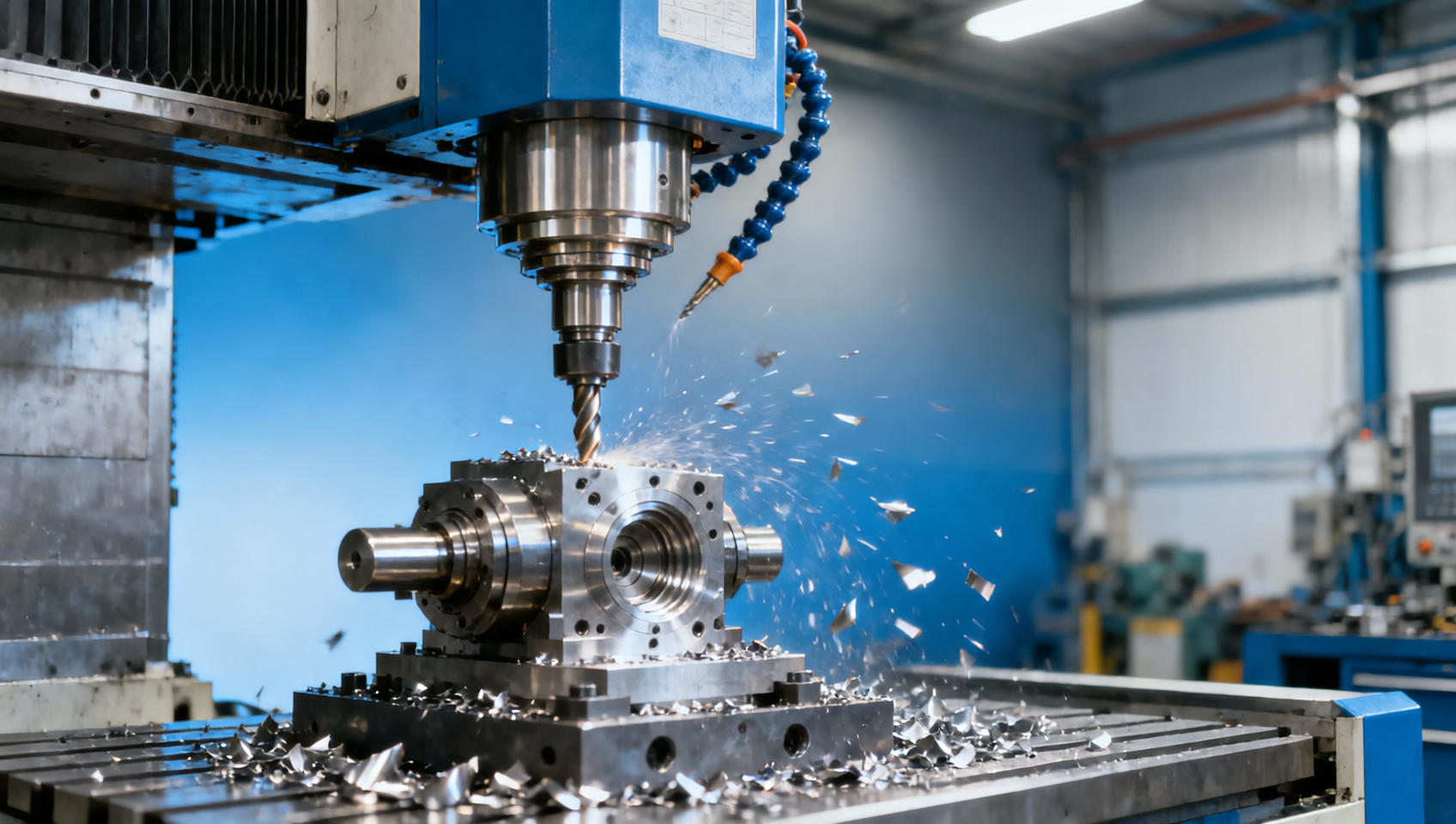
After changing tooling, feeds, fixtures, or CNC Programming, many shops still find CNC milling cycle time stubbornly high. In today’s Manufacturing Industry, faster CNC production depends on more than one adjustment—it requires a full view of the Production Process, machine dynamics, and Industrial Automation. This article explains why metal machining efficiency often stalls after process changes and where real gains can be found.
For operators, the issue shows up as missed takt time, unstable chip control, or frequent manual intervention. For process engineers and sourcing teams, it appears as weak machine utilization, poor ROI on tooling changes, and delivery schedules that do not improve even after investment. For plant managers and executives, high CNC milling cycle time often signals a deeper mismatch between machine capability, workholding, CAM strategy, and production planning.
In precision manufacturing, a 10% to 20% cycle time gap can determine whether a line absorbs rush orders or creates a backlog. The challenge is that most process changes optimize one variable at a time, while real throughput depends on how spindle power, axis acceleration, setup repeatability, toolpath logic, inspection checkpoints, and operator behavior interact across the full machining cycle.
Why isolated process changes rarely reduce milling cycle time
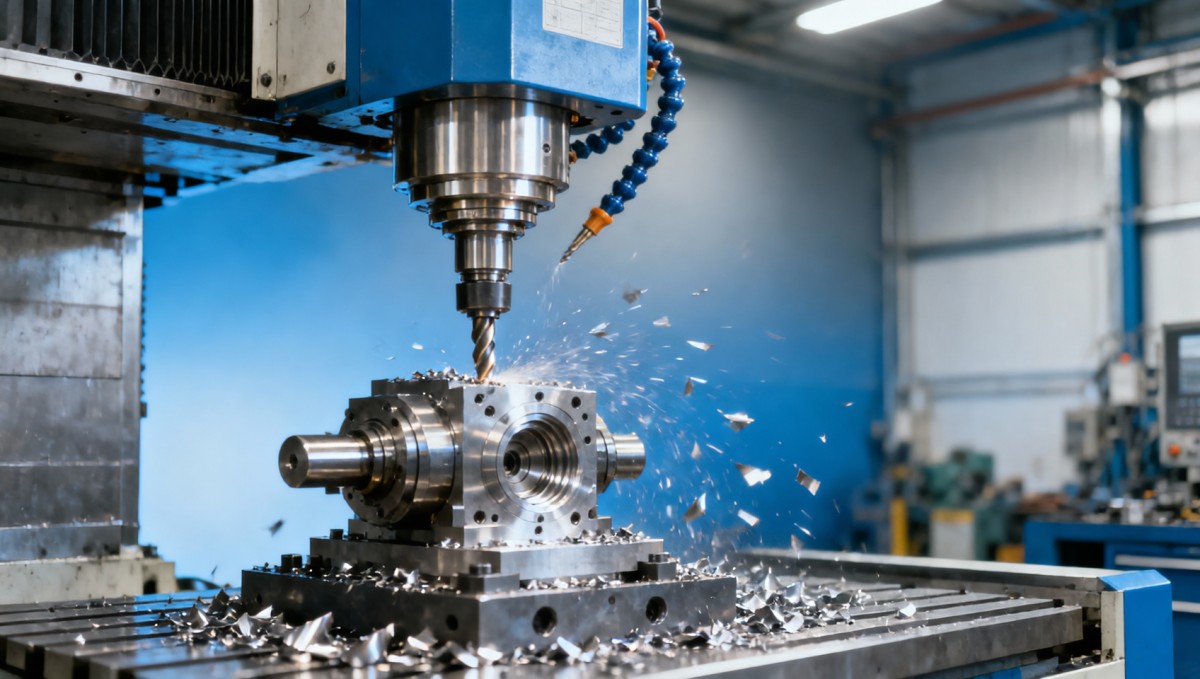
Many teams assume that raising feed rate by 8% to 15%, switching inserts, or updating a fixture should immediately lower cycle time. In practice, the total cycle includes more than cutting time. Tool approach, retract motion, probing, spindle orientation, tool changes, coolant stabilization, chip evacuation, part loading, and in-process verification can account for 20% to 50% of the real cycle on complex parts.
A common mistake is focusing only on programmed feed without measuring actual machine behavior. If a machine spends significant time accelerating and decelerating through short toolpath segments, the commanded feed may never be reached. On pockets, corners, and 3D surfacing, the effective feed can drop well below target, especially on older machining centers with limited look-ahead, slower servo response, or conservative jerk settings.
Another reason cycle time stays high is hidden process protection. Programmers often add safe clearance planes, longer lead-ins, optional stops, or redundant tool changes to prevent crashes and quality issues. These choices are understandable in mixed-part environments, but on a production batch of 200 to 2,000 parts, even 6 to 12 extra seconds per cycle become a major capacity loss.
Fixture changes can also create an illusion of improvement. A stronger fixture may support higher chip load, yet if clamp access is slower or datum pickup takes longer, setup savings disappear. Likewise, a new tool can cut faster but require more frequent offset adjustment, adding micro-stoppages that are not visible in CAM estimates.
The difference between estimated and actual cycle time
CAM software often reports ideal cutting time under stable conditions. Shop-floor cycle time includes machine response, tool change mechanics, operator confirmation, pallet exchange delays, and inspection pauses. On parts with 12 to 30 tool calls, the difference between estimated and actual cycle time can easily reach 12% to 35% if these non-cutting elements are not modeled.
The table below shows where the gap usually appears when process changes are made without full-cycle analysis.
The key takeaway is simple: cycle time remains high when a shop improves cutting conditions but leaves non-cutting time, machine dynamics, and setup behavior untouched. Sustainable improvement starts with measuring the complete cycle, not just the metal removal portion.
Machine dynamics, control settings, and path strategy often set the real limit
Even with a capable cutter and a stable fixture, the machine tool itself can cap performance. CNC milling cycle time is heavily influenced by spindle power, torque at working RPM, rapid traverse, axis acceleration, look-ahead depth, and servo tuning. A machine rated for high rapids may still underperform on real parts if contouring acceleration is modest or if the control smooths motion too aggressively to protect finish quality.
This is especially important in aerospace brackets, electronics housings, and automotive mold components, where toolpaths may contain thousands of short segments. If the controller processes 40 to 200 blocks ahead, performance will differ sharply from a control with deeper look-ahead and better spline handling. In these cases, changing feed from 4,000 mm/min to 5,500 mm/min may produce less than 5% actual cycle improvement.
Path strategy also matters more than many shops expect. A zigzag roughing pattern with repeated full-width engagement can create spikes in spindle load and force feed reduction. By contrast, adaptive clearing or constant-engagement roughing may reduce peak load by 15% to 30%, allowing higher average feed while protecting tool life. However, if step-over, stock allowance, and exit motion are not tuned for the machine, the improvement may be inconsistent.
In addition, some parts are constrained by quality rather than power. Thin walls, long-reach tools, and tight flatness or profile tolerances force more conservative finishing passes. Shops that try to cut faster without adjusting sequence, support strategy, or semi-finishing allowance often create rework, which can add far more time than the original cycle ever saved.
Signs the bottleneck is machine behavior, not just tooling
- Actual spindle load varies sharply between identical features, indicating unstable engagement or poor path smoothing.
- Feed override above 110% causes visible vibration, finish degradation, or corner marks within 1 to 3 parts.
- Cycle time estimates from CAM are consistently 15% or more below machine-recorded run time.
- Older machines perform much slower than newer machines using the same program, tool, and fixture.
What to check before buying new equipment
Procurement teams often compare spindle speed and table size first, but for cycle time reduction they should also review axis acceleration, control response in short-segment cutting, automatic tool changer time, chip management, and probing integration. On high-mix production, saving 1.5 seconds per tool change across 18 tools can remove 27 seconds from each part, which may be more valuable than a modest spindle speed increase alone.
The table below helps compare machine-side factors that influence real milling throughput.
These factors show why some cycle-time problems cannot be solved by tooling alone. The decision to reprogram, retrofit, or replace equipment should be based on measured bottlenecks across at least 20 to 50 production cycles, not on nominal machine specifications only.
Setup, fixturing, and shop-floor discipline can erase programming gains
A faster toolpath has limited value if every part still requires slow loading, inconsistent clamping, or repeated offset touch-ups. In many workshops, setup-related time accounts for 15% to 40% of the total part cycle when batches are small or medium. This is particularly true in precision components for energy equipment, medical subcontracting, and general engineering parts with multiple datums and mixed operations.
Fixturing affects more than part holding. It determines approach clearance, tool reach, chip evacuation, and whether multiple faces can be machined in one clamping. A fixture that reduces vibration but blocks side access may increase tool count or force extra setups. As a result, a process change that looks technically better can still leave total CNC milling cycle time unchanged.
Operator routines also matter. If offset verification, air cutting for first-piece safety, and manual chip clearing are not standardized, two shifts can run the same job with a 7% to 18% time difference. This is not a programming failure alone; it is a production control issue. Consistent work instructions, clear setup sheets, and first-off approval rules reduce hidden delay across the entire lot.
For decision-makers evaluating process improvement projects, this means the KPI should not be limited to spindle-on time. A better metric is total elapsed time per accepted part, including loading, in-process checks, tool adjustment, and restart recovery after alarms. That broader view reveals whether fixturing and shop-floor discipline are supporting or blocking process gains.
Practical checks for setup-related cycle loss
- Measure clamp-to-clamp time across 10 consecutive parts, not just the best run.
- Track how often operators intervene for chip removal, offset edits, or visual checks during a 1-shift sample.
- Review whether datum pickup, probing, and fixture cleaning can be reduced by 5 to 20 seconds without sacrificing repeatability.
- Compare single-part loading with palletized or twin-station alternatives where volumes exceed 100 parts per month.
When fixturing upgrades make the most sense
A fixture investment usually pays back fastest when one of three conditions exists: repeated family parts with similar datums, unstable thin-wall machining, or high operator handling time. In such cases, a modular or zero-point system may reduce setup changeover from 20–40 minutes to 5–15 minutes. For recurring jobs, that gain can exceed the benefit of a modest feed optimization.
Shops serving mixed industries should also review how fixturing supports automation. A gripper-friendly, repeatable fixture base can be more valuable than a highly custom manual clamp if future plans include robot loading, pallet pools, or lights-out machining.
How to diagnose the real bottleneck in a structured way
The most effective way to cut milling cycle time is to separate assumptions from measured loss. Instead of changing several variables at once, use a structured diagnosis across cutting time, non-cutting time, variation, and machine stoppages. In many plants, 3 to 5 days of disciplined observation produce more useful insight than several weeks of uncoordinated parameter changes.
Start by collecting actual cycle data from at least 30 parts if the job is repetitive, or from 10 to 15 representative parts if the lot is small. Record spindle-on time, tool changes, probing, alarms, manual interventions, and loading time separately. Then compare machine log data with programmed estimates. The gap shows where losses sit: path execution, setup method, or operator handling.
Next, rank losses by annual impact rather than by technical interest. Saving 4 seconds on a part produced 50,000 times per year is more valuable than saving 40 seconds on a low-volume prototype. This is especially relevant for procurement and management teams deciding whether to invest in software upgrades, new fixtures, automation modules, or additional machine capacity.
Finally, validate improvements under stable production conditions. A process that runs well for 3 trial parts may fail after 80 parts if heat growth, tool wear, chip packing, or coolant concentration are not controlled. True cycle-time reduction must hold through a normal shift, not just during engineering tests.
A practical diagnosis framework for CNC milling cycle time
The table below outlines a simple review model that can be used by operators, engineers, and managers together.
This framework prevents a common mistake: optimizing what is easiest to change rather than what costs the most time. When cycle-time analysis is tied to annual output and accepted-part yield, improvement projects become easier to justify and easier to scale.
Where real gains usually come from: integrated optimization and automation
Shops that achieve lasting reductions in CNC milling cycle time usually improve several linked areas at once. They refine toolpath strategy, shorten tool changes, improve fixture repeatability, and remove low-value manual steps. In many cases, the biggest gains are not extreme. A 6-second setup reduction, a 9-second path improvement, and a 5-second tool management gain together create a 20-second reduction that is robust across production.
Automation becomes especially valuable when volumes are stable or when unattended windows matter. Automatic pallet changers, robot loading, tool life monitoring, and in-machine probing can reduce variability while extending productive hours. For plants targeting lights-out or second-shift unmanned operation, reducing intervention frequency from once every 12 parts to once every 40 parts may matter more than a small increase in cutting speed.
Digital integration also supports faster improvement cycles. Machine monitoring platforms, MTConnect-style data capture, and MES-linked job tracking help identify whether bottlenecks come from program execution, idle waiting, tooling availability, or operator response. Even basic dashboards that separate cutting, idle, alarm, and setup time can reveal patterns within 1 to 2 weeks of production.
For buyers and plant leaders, the lesson is strategic: cycle-time performance should be evaluated as a system capability. Machine tool selection, tooling policy, fixture standardization, CAM quality, and automation readiness all shape the final result. Purchasing one stronger machine without aligning the surrounding process often leaves throughput below expectations.
FAQ: common questions from shops and buyers
How much cycle-time reduction is realistic after a process change?
For mature production, a verified 5% to 15% reduction is already meaningful. Gains above 20% are possible when the original process contains clear inefficiencies such as redundant tool changes, poor roughing strategy, or long manual handling steps. The key is whether the improvement holds for a full batch and does not increase scrap or tool cost excessively.
Is faster feed rate the best first step?
Not always. If non-cutting time exceeds 25% of total cycle, improving feeds first may deliver limited benefit. Shops should first identify whether the largest loss comes from path segmentation, setup, tool changes, probing, or operator intervention. The best first step is the one with the largest repeatable annual time saving.
When should a shop consider automation instead of more programming changes?
Automation should be considered when manual loading, part exchange, or attendance requirements limit spindle utilization. If a machine cuts for only 25 to 35 minutes per hour because of handling and supervision needs, automation may offer a stronger return than further CAM refinement alone, especially on predictable part families.
What should procurement teams ask suppliers when cycle time is a priority?
Ask for real production examples by part type, not only specification sheets. Review tool-to-tool time, probing integration, control look-ahead behavior, chip evacuation design, fixture compatibility, and data connectivity. Also ask how the machine supports future palletization, robotics, and remote monitoring, because these directly affect long-term throughput.
High CNC milling cycle time after process changes is rarely caused by one weak parameter. It usually reflects a broader interaction among toolpath design, machine dynamics, fixturing, setup discipline, and production control. Shops that measure the full cycle, rank losses by annual impact, and align programming with automation and machine capability gain the most reliable results.
If your team is evaluating machine tools, process upgrades, fixturing strategies, or automation options for precision manufacturing, now is the right time to review the entire production chain. Contact us to discuss your application, get a tailored solution, and explore more ways to improve cycle time, stability, and manufacturing efficiency.
PREVIOUS ARTICLE
Recommended for You
 Heavy-duty Machining Center for mold making: Why coolant filtration standards evolve faster than OEM manualsMachine Tool Industry Editorial Team
 Quick-change Fixture Design for CNC turning: Why clamping force consistency drops after 200 cyclesCNC Machining Technology Center
 5 Axis Machining for impeller manufacturing: Why toolpath smoothing affects surface fatigue lifeCNC Machining Technology Center
 Lean Production Process implementation: Where value stream mapping fails to expose hidden machine downtimeManufacturing Market Research Center
 Modular Tooling System for flexible manufacturing: Why interface repeatability degrades faster than expectedMachine Tool Industry Editorial Team
 Industrial Automation control system for CNC machines: When cybersecurity updates disrupt scheduled maintenanceMachine Tool Industry Editorial Team

Aris Katos
Future of Carbide Coatings
15+ years in precision manufacturing systems. Specialized in high-speed milling and aerospace grade alloy processing.
▶
High-tolerance Disc Parts for aerospace applications: Why runout control begins at blank handlingCNC Machining Technology Center▶
What slows metal machining even when machines look busy?CNC Machining Technology Center▶
CNC metalworking jobs fail tolerance checks for hidden reasonsCNC Machining Technology Center▶
Why CNC milling cycle time stays high after process changesCNC Machining Technology Center▶
Why CNC metalworking scrap rates rise on thin wall partsCNC Machining Technology Center
Mastering 5-Axis Workholding Strategies
Join our technical panel on Nov 15th to learn about reducing vibrations in thin-wall components.

Providing you with integrated sanding solutions
Before-sales and after-sales services
Comprehensive technical support