• Global CNC market projected to reach $128B by 2028 • New EU trade regulations for precision tooling components • Aerospace deman
NYSE: CNC +1.2%LME: STEEL -0.4%

CNC metalworking is under new pressure from environmental standards
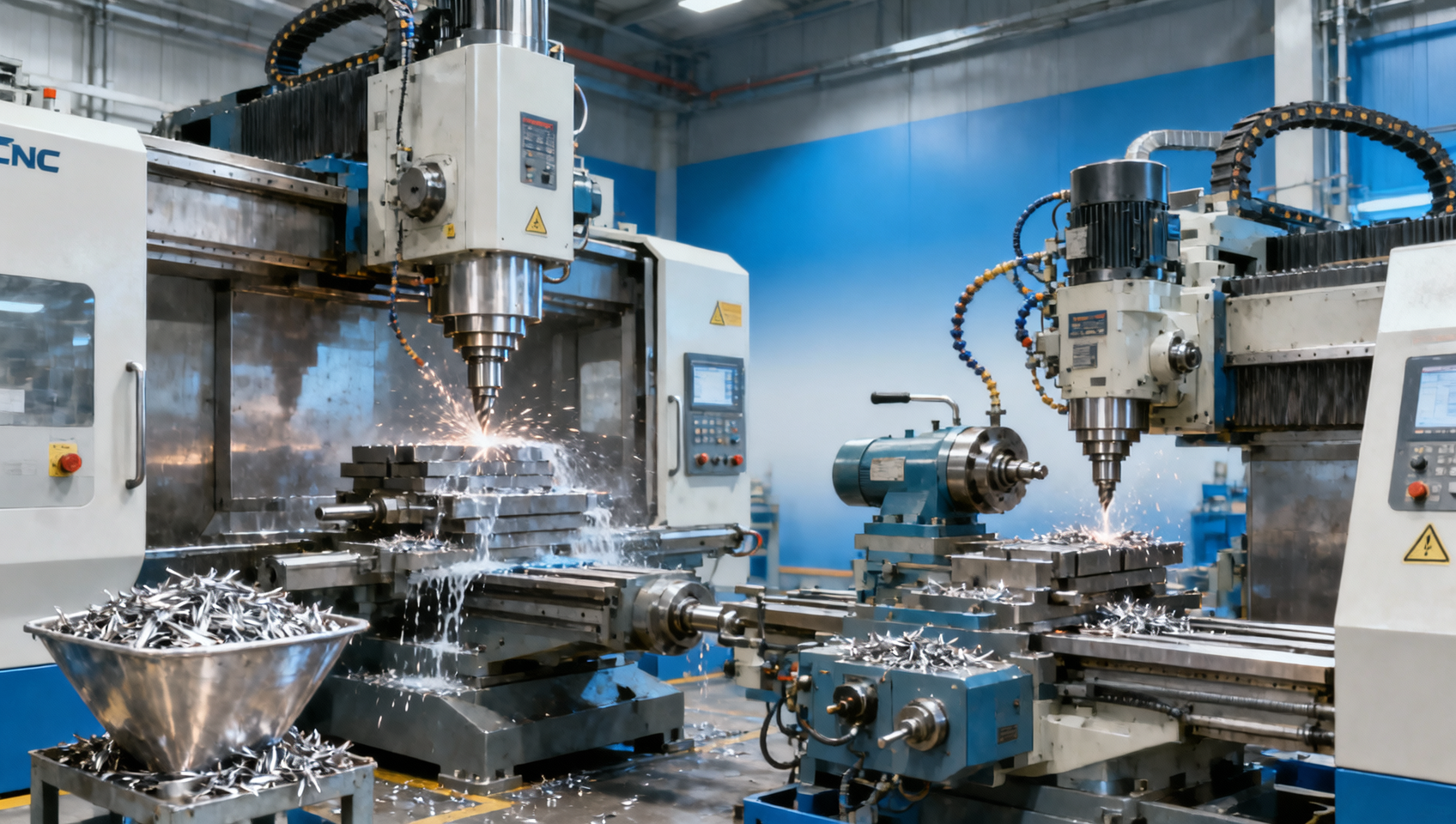
CNC metalworking is facing rising pressure as environmental standards reshape the Manufacturing Industry and the Machine Tool Market worldwide. From metal machining and CNC cutting to automated production lines, manufacturers using industrial CNC, CNC milling, and automated lathe systems must now balance precision, productivity, and compliance. This shift is redefining Global Manufacturing, investment priorities, and the future of smarter, cleaner CNC production.
For researchers, operators, buyers, and business leaders, the challenge is no longer limited to cycle time, tolerance, and output. Environmental compliance now affects coolant use, chip handling, power consumption, air emissions, wastewater treatment, and even supplier selection. A shop that once focused on spindle speed and tool life alone may now be asked to document energy use per part, recycling rates, and chemical management procedures within 30 to 90 days of a customer audit.
In practical terms, this means CNC machine tool investment is becoming a broader operational decision. A machining center with higher cutting efficiency but poor coolant control can create hidden compliance costs. An automated lathe cell with lower idle energy consumption may deliver a stronger total cost position over 3 to 5 years. Environmental standards are not replacing productivity targets; they are changing how productivity is measured and purchased.
Why environmental standards are reshaping CNC metalworking
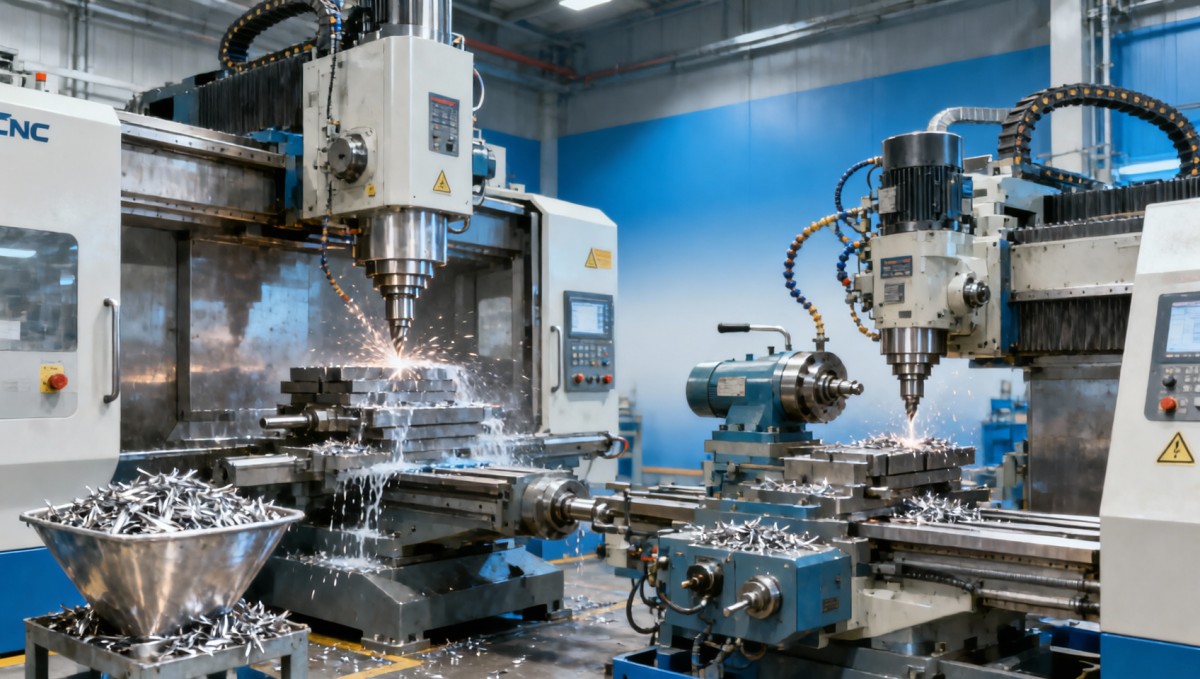
Environmental pressure in CNC metalworking comes from several directions at once. Manufacturers face stricter wastewater discharge limits, tighter rules on volatile substances, greater attention to energy intensity, and rising customer expectations for traceable sustainability data. In many factories, these requirements now influence equipment layout, fluid management, maintenance schedules, and procurement policy as much as traditional machining KPIs.
A modern CNC workshop may run 8 to 24 hours per day, with multiple machining centers, CNC lathes, cutting systems, coolant loops, and chip conveyors operating simultaneously. Even small inefficiencies add up. A 5% to 10% reduction in compressed air leakage, idle spindle runtime, or coolant waste can affect both compliance risk and operating margin. This is especially relevant in automotive, aerospace, electronics, and energy equipment production, where process stability and documentation are tightly controlled.
Another reason the pressure is rising is supply chain filtering. Large OEMs and tiered suppliers increasingly ask machine shops to report basic environmental indicators before approving a vendor. Buyers may review four to six factors, including waste separation practices, fluid treatment, energy monitoring, hazardous material control, and emergency response procedures. This turns environmental readiness into a commercial qualification issue, not just a regulatory one.
For machine tool users and plant managers, the shift also changes equipment evaluation. It is no longer enough to compare only axis travel, spindle power, and repeatability. Shops are now examining enclosure sealing quality, coolant recovery performance, filtration efficiency, and digital monitoring capability. In some cases, a machine with a 10% higher purchase price can lower total environmental handling cost over a 24 to 48 month period.
Main sources of environmental pressure in machining operations
- Metalworking fluids and emulsions that require controlled storage, filtration, and disposal.
- Fine chips, sludge, and grinding residues that need classified collection and recycling routes.
- Mist, smoke, and airborne particles generated during high-speed CNC cutting and milling.
- Electricity demand from spindles, pumps, chillers, robots, and peripheral automation.
- Noise, heat, and compressed air losses that reduce shop efficiency over long production cycles.
The operational impact is significant because these issues are interconnected. For example, higher spindle speeds can improve throughput, but they may also increase heat load, coolant degradation, and mist generation. If filtration and enclosure systems are undersized, the result can be more maintenance, more unplanned cleaning, and higher compliance exposure. That is why cleaner CNC production is increasingly treated as a system design question rather than a single machine specification issue.
Where CNC shops feel the strongest compliance pressure
Not every CNC operation faces the same environmental burden. High-volume turning lines, multi-axis milling cells, and precision grinding environments each generate different waste streams and reporting needs. Shops producing aluminum housings, stainless components, hardened steel shafts, or aerospace structural parts often deal with very different coolant chemistry, chip recovery value, and surface finishing requirements.
The table below outlines typical pressure points by machining scenario. It is useful for information researchers comparing process types, and for buyers evaluating whether a machine tool supplier understands the environmental realities of the target application.
A key takeaway is that compliance pressure is process-specific. A machine tool that performs well in one environment may create avoidable environmental cost in another. This is why purchasing teams should review not just machine parameters, but the entire machining ecosystem, including coolant delivery, extraction, chip transport, and waste segregation.
Who is most affected inside the factory
Operators are often the first to see the real effects. They deal with coolant smell, tank contamination, chip buildup, leaking hoses, and filter saturation during daily work. Maintenance teams then manage pump failures, separator cleaning, and mist collector service intervals. Procurement teams must compare lifecycle cost, while decision-makers are responsible for audit readiness and long-term plant competitiveness.
Common shop-floor warning signs
- Coolant replacement happening more often than every 6 to 8 weeks without clear cause.
- Visible airborne mist near machine doors or around automated transfer stations.
- Chip bins filling faster than expected because of poor compaction or fluid carryover.
- Power bills increasing despite stable monthly output and similar production mix.
- Repeated housekeeping time of more than 30 to 45 minutes per machine per shift.
When these signs appear, environmental pressure is already affecting cost, uptime, or operator conditions. Addressing them early is usually less expensive than reacting after a customer review or local inspection. In competitive machine tool markets, this is becoming a basic requirement for reliable global manufacturing participation.
How buyers should evaluate CNC equipment under stricter standards
Procurement decisions in CNC metalworking now need a wider checklist. The machine must still meet tolerance, repeatability, rigidity, and throughput targets, but buyers should also score environmental control features with equal discipline. A practical evaluation model often includes 5 categories: process performance, energy behavior, fluid management, waste handling, and digital monitoring.
For example, a machining center with a 15 kW spindle may look comparable to another on paper, yet differ significantly in standby power, coolant pump efficiency, enclosure integrity, and mist extraction integration. Over 2 shifts per day, these differences can influence utility cost, maintenance hours, and environmental reporting effort. Buyers should therefore compare measurable shop outcomes, not brochure language.
The next table offers a procurement-focused framework for comparing machine tool options. It is especially relevant for companies expanding automated production lines, replacing legacy CNC equipment, or standardizing suppliers across multiple plants.
This comparison shows why equipment selection should move beyond a simple capital cost view. In many cases, lifecycle factors such as coolant longevity, filter replacement frequency, and chip recovery quality have more influence on long-term profitability than a modest difference in purchase price.
A practical 4-step buying checklist
- Define the target process clearly: material type, annual part volume, tolerance band, and shift pattern.
- Request environmental-relevant details: mist control interfaces, coolant tank access, energy data, and waste flow design.
- Estimate operating impact over 24 to 36 months, including service intervals, consumables, and utility use.
- Check supplier support capacity for installation, operator training, and process optimization after startup.
For business leaders, the goal is not only compliance but resilience. A well-chosen CNC platform should support cleaner production without reducing output or extending lead times. In international trade environments, that balance can directly influence whether a supplier remains competitive in high-value manufacturing programs.
Implementation priorities for cleaner and smarter CNC production
Improving environmental performance in CNC metalworking does not always require a full equipment replacement. Many factories can reduce pressure through phased upgrades across 3 layers: process settings, support systems, and digital management. The fastest gains often come from correcting avoidable losses such as overuse of coolant, poor chip-fluid separation, and excessive idle runtime in automated cells.
A realistic first phase over 30 to 60 days may include coolant concentration checks, leak elimination, enclosure seal inspection, mist collector maintenance, and shutdown parameter review. The second phase over 2 to 4 months may add metering for power and compressed air, chip handling improvements, and maintenance standardization. The third phase can integrate machine data with plant reporting systems for broader visibility.
This staged approach is useful because environmental compliance in machine tool operations is both technical and organizational. Operators need clear routines, maintenance teams need defined service intervals, and management needs measurable indicators. Without a shared framework, improvement projects often stall after one or two visible fixes.
Recommended implementation priorities
- Measure before changing: record coolant replacement frequency, idle hours, chip moisture level, and extraction maintenance intervals.
- Standardize daily and weekly checks: nozzle position, tank level, separator cleanliness, and air leak inspection.
- Optimize machine settings: reduce unnecessary warm-up time, shorten non-cutting cycles, and review pump operation logic.
- Upgrade peripherals where justified: add better filtration, chip compaction, or sensor-based monitoring rather than changing the whole line at once.
- Train operators and supervisors together so process discipline matches equipment capability.
Digital integration is especially important in advanced CNC production. Even a basic dashboard tracking 5 to 8 indicators per machine can help plants identify unusual fluid consumption, repeated alarms, or rising idle power. This creates a more reliable basis for corrective action than relying only on end-of-month utility bills or manual observations.
Common implementation mistakes
One common mistake is treating environmental performance as a side project owned only by safety or facilities teams. In reality, cutting parameters, fixture design, chip evacuation, and preventive maintenance all influence the result. Another mistake is focusing only on one issue, such as wastewater, while ignoring the combined impact of energy, mist, and material recovery. The strongest results usually come when process engineering, operations, and procurement work from the same decision framework.
For automated production lines, it is also important to review robots, conveyors, and loading systems. These supporting assets can account for meaningful standby power and housekeeping requirements, especially in 16 to 24 hour production windows. Cleaner CNC production is therefore not just about the machine tool itself, but about the full production cell.
FAQ for operators, buyers, and decision-makers
How can a CNC shop improve environmental performance without reducing output?
Start with losses that do not add value to machining: leaks, overfilled tanks, poor filtration, unnecessary idling, and weak chip separation. In many cases, shops can improve performance within 4 to 8 weeks by tightening maintenance routines, adjusting machine settings, and adding basic monitoring. These actions usually support output because they reduce unplanned stoppages and operator cleanup time.
Which metrics should procurement teams request from CNC machine suppliers?
At minimum, ask about standby and operating power behavior, coolant system design, chip removal method, filtration stages, extraction compatibility, alarm visibility, and service interval recommendations. If the supplier cannot explain how the machine manages fluid loss, mist, and waste flow, the buyer may face hidden costs later. A 6-point evaluation sheet is often enough to separate basic compliance from robust lifecycle performance.
Are environmental upgrades more relevant for large factories than small shops?
No. Small and mid-sized shops often feel the pressure sooner because they have fewer staff to manage waste, maintenance, and customer documentation. A facility with 5 to 15 machines can still benefit from standardized coolant checks, better extraction, and clearer waste segregation. In fact, smaller shops often see faster payback because operational improvements are easier to implement across the whole workshop.
How long does it typically take to see results from cleaner CNC production measures?
Basic improvements such as leak repair, filtration cleanup, and idle logic correction may show results within 2 to 6 weeks. More structural projects, including chip compaction systems, digital monitoring, or coolant centralization, may take 2 to 6 months depending on line complexity. The right timeline depends on whether the plant is addressing one machine, one cell, or a multi-line production environment.
Environmental standards are placing CNC metalworking under new pressure, but they are also creating a clearer path toward smarter machine tool investment and more resilient manufacturing operations. Companies that connect compliance with process design, equipment selection, and daily shop management are better positioned to control cost, support audits, and compete in global manufacturing markets.
Whether you are researching CNC industry trends, operating machining equipment, sourcing new machine tools, or planning plant upgrades, the most effective approach is practical and measurable: compare lifecycle factors, review support systems, and prioritize improvements that reduce waste without sacrificing precision or throughput. To explore suitable CNC production solutions, get customized recommendations, or discuss procurement details for your application, contact us today.
Recommended for You
![]() Iranian LNG Vessels Breach U.S. Strait Blockade; Shanghai Crude Surges 4%Manufacturing Market Research Center
Iranian LNG Vessels Breach U.S. Strait Blockade; Shanghai Crude Surges 4%Manufacturing Market Research Center![]() Pakistan Launches CNC Localization Tender for CPEC II Smart Manufacturing ParkGlobal Machine Tool Trade Research Center
Pakistan Launches CNC Localization Tender for CPEC II Smart Manufacturing ParkGlobal Machine Tool Trade Research Center![]() NVIDIA Joins $1T Club; AI-Driven CNC Digital Twin Gains Global TractionCNC Machining Technology Center
NVIDIA Joins $1T Club; AI-Driven CNC Digital Twin Gains Global TractionCNC Machining Technology Center![]() World's First 5-Axis Middle-Grade Wire EDM Machine Enters Mass ProductionMachine Tool Industry Editorial Team
World's First 5-Axis Middle-Grade Wire EDM Machine Enters Mass ProductionMachine Tool Industry Editorial Team![]() China’s CNC Machine Tool Export Prices Up 11.3% in Q1 2026Global Machine Tool Trade Research Center
China’s CNC Machine Tool Export Prices Up 11.3% in Q1 2026Global Machine Tool Trade Research Center![]() Saudi Energy Security Boosts CNC Import Efficiency in Middle EastGlobal Machine Tool Trade Research Center
Saudi Energy Security Boosts CNC Import Efficiency in Middle EastGlobal Machine Tool Trade Research Center


Aris Katos
Future of Carbide Coatings
15+ years in precision manufacturing systems. Specialized in high-speed milling and aerospace grade alloy processing.
▶
Hannover Messe 2026: Green CNC & Carbon Labeling Take Center StageManufacturing Policy Research Center▶
Eco-friendly Production Process Choices That Cut Waste FastManufacturing Policy Research Center▶
Energy-saving machine tool: Are IE4 motors enough — or is system-level optimization needed?Manufacturing Policy Research Center▶
Energy-saving CNC manufacturing: Do efficiency claims hold up under real production loads?Manufacturing Policy Research Center▶
Manufacturing Industry Energy Rules Are Changing Cost ModelsManufacturing Policy Research Center
Mastering 5-Axis Workholding Strategies
Join our technical panel on Nov 15th to learn about reducing vibrations in thin-wall components.

Providing you with integrated sanding solutions
Before-sales and after-sales services
Comprehensive technical support