• Global CNC market projected to reach $128B by 2028 • New EU trade regulations for precision tooling components • Aerospace deman
NYSE: CNC +1.2%LME: STEEL -0.4%

Manufacturing Industry Energy Rules Are Changing Cost Models
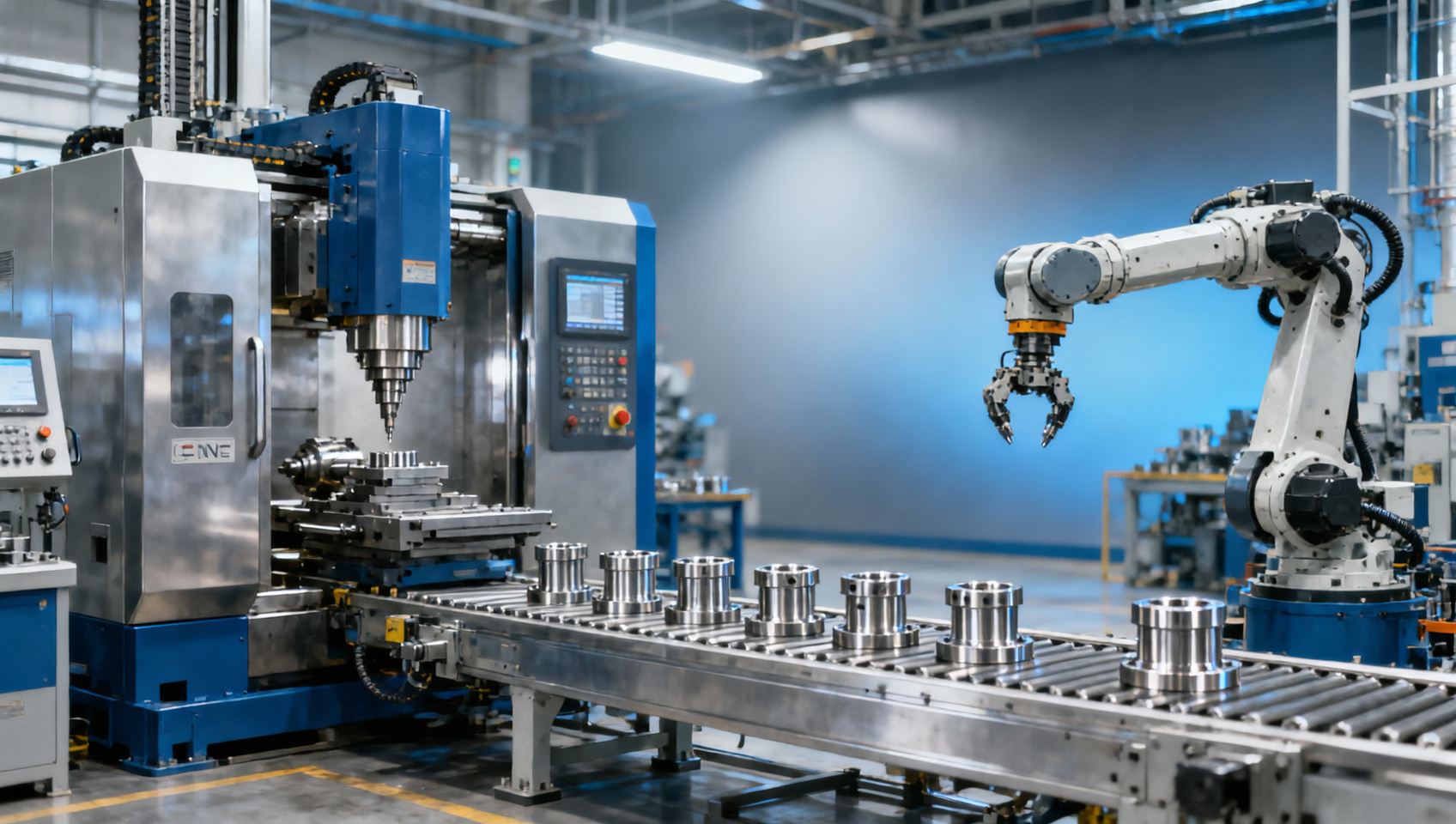
As energy regulations reshape the Manufacturing Industry, cost models across Global Manufacturing are being recalculated from the shop floor up. For companies relying on metal machining, industrial CNC, CNC milling, and automated production lines, rising power costs and compliance demands are no longer operational details—they are strategic factors influencing equipment choices, production process efficiency, and long-term competitiveness.
Why energy rules now change manufacturing cost models at the source
In the past, many factories treated electricity as a background utility expense. That approach is becoming risky. Across CNC machining, precision manufacturing, and automated production, energy rules increasingly affect machine selection, shift planning, facility upgrades, and supplier evaluation. For procurement teams and plant managers, the cost model now starts with power consumption, operating profile, and compliance exposure, not only with machine purchase price.
This matters most in sectors where spindle loads, coolant systems, compressed air, and thermal control run for 8–24 hours per day. A machining center with stable cutting accuracy but poor energy behavior can turn into a long-term burden when tariffs change, peak-demand charges rise, or reporting obligations tighten. In high-mix and mid-volume production, even small differences in machine utilization across 2–3 shifts can materially affect part cost.
For information researchers, the key issue is no longer whether regulation exists, but how it translates into real operating cost. For machine operators, the practical concern is how setup, standby time, and idle running influence energy waste. For buyers, the question becomes which specification lines really matter. For decision-makers, the challenge is balancing compliance, throughput, and capital allocation over a 3–5 year horizon.
In global manufacturing clusters such as China, Germany, Japan, and South Korea, companies are responding by comparing not only machine precision and cycle time, but also motor efficiency, automation integration, and digital monitoring readiness. This is especially relevant for CNC lathes, multi-axis machining systems, and flexible production lines where energy-intensive processes can multiply across dozens of stations.
What is driving the shift
- More structured energy reporting in industrial operations, especially for larger plants and export-oriented suppliers.
- Stricter expectations around equipment efficiency, compressed air leakage control, and production line optimization.
- Higher sensitivity to peak-load charges, especially in facilities with multiple machining cells or robotic lines.
- Customer-side pressure in automotive, aerospace, electronics, and energy equipment supply chains to show better process control.
Which operations feel the pressure first in CNC machining and automated production?
Not every manufacturing process reacts to energy rules in the same way. The most exposed operations are usually those with long machine hours, variable spindle loads, high thermal management demand, or significant peripheral consumption. That includes CNC milling, turning, multi-axis machining, grinding support operations, and automated assembly cells that combine machine tools, conveyors, and robotics.
A common mistake is to focus only on the rated power of the main machine. In many workshops, the total load comes from the full process chain: coolant circulation, chip handling, mist extraction, compressed air, workholding systems, and inspection stations. When energy rules become stricter, buyers need to look at the process boundary, not just the machine nameplate.
Factories producing shaft parts, precision discs, and structural components often see the largest differences in cost performance when cycle times are short and machine uptime is high. In these cases, reducing non-cutting time by 5%–10% can matter as much as choosing a motor with better efficiency. That is why production engineers and operators need to work with procurement teams instead of evaluating equipment in isolation.
The table below shows where energy-related cost pressure usually appears first across common manufacturing setups. These are not fixed rules for every factory, but they reflect typical exposure points in industrial CNC and automated production environments.
The key takeaway is that energy cost pressure often begins where utilization is highest and process support systems are least visible. A buyer comparing two machining solutions should review the whole operating envelope over 1 shift, 2 shifts, and 3 shifts, because the ranking can change significantly once runtime increases.
Practical signs a workshop is already affected
Production indicators to watch
- Frequent machine idle time with systems fully powered during setup, waiting, or inspection delays.
- Compressed air and coolant equipment running continuously even when spindles are inactive for 20–40 minutes.
- Unexpected increases in part cost despite stable labor hours and similar material prices.
- Supplier or customer requests for process transparency, energy records, or operational traceability.
How should buyers compare CNC equipment when energy compliance becomes a purchasing factor?
When buyers evaluate CNC machine tools under changing energy rules, the first priority is to move beyond a single-price comparison. An industrial CNC that appears less expensive at purchase can become more expensive over 24–36 months if it consumes more power in standby mode, requires longer warm-up periods, or causes higher line imbalance in automated production. Total cost visibility is now part of procurement discipline.
A practical evaluation framework should include at least 5 core dimensions: process fit, energy behavior, control integration, maintenance demand, and compliance readiness. For example, a machine designed for heavy cutting may not be the right choice for light but continuous precision work. Likewise, a fast spindle alone does not guarantee lower part cost if the peripheral systems remain inefficient or difficult to coordinate.
This is especially important for procurement personnel serving automotive, aerospace, electronics, and energy equipment manufacturers. In these sectors, delivery windows can range from 2–6 weeks for standard equipment and much longer for integrated lines. A poor specification decision can delay installation, increase retrofitting cost, and weaken compliance reporting after commissioning.
The comparison table below can help buyers structure equipment selection discussions with engineering, operations, and finance teams before issuing RFQs or approving final purchase decisions.
Buyers should also ask for evaluation under realistic production conditions. A machine should be reviewed across sample parts, target tolerances, expected batch sizes, and planned working hours. Testing only at ideal no-load or short-duration conditions often hides the true energy and throughput picture.
A 4-step procurement check before final approval
- Define the actual duty cycle: light, mixed, or heavy cutting, plus expected runtime of 8, 16, or 24 hours.
- Map peripheral energy loads including coolant, air, extraction, and inspection equipment.
- Verify data interface and monitoring capability for future line management and reporting.
- Compare 3-year ownership cost, not only purchase and installation cost.
What cost levers can manufacturers adjust without sacrificing machining quality?
Manufacturers do not need to reduce precision in order to respond to tougher energy rules. In many cases, the biggest gains come from process design and operating discipline rather than from cutting output. For CNC machining shops, the most effective levers usually involve reducing idle runtime, improving toolpath strategy, matching machine size to part family, and integrating equipment more intelligently into automated production lines.
For operators, one of the most important changes is better control over startup, warm-up, and standby routines. If machines remain fully energized between short jobs or during fixture changes, energy waste grows quickly across a week or a month. On lines processing small to medium batches, schedule coordination can have a visible effect within 30–90 days without changing the machine itself.
For managers, another lever is equipment-right sizing. Some plants still run oversized machines for moderate precision parts simply because capacity is available. That can be acceptable under low energy pressure, but it becomes expensive when tariffs, reporting, and internal sustainability targets tighten. Matching machine capability to part geometry and material class can improve both cost predictability and scheduling flexibility.
The table below highlights common cost levers in precision manufacturing and what each one can realistically influence. These are practical decision points for workshops dealing with CNC milling, turning, and mixed automated production.
These levers are most effective when treated as a coordinated program rather than isolated fixes. A shop that combines better cycle planning, equipment monitoring, and operator discipline is usually in a stronger position than a shop that invests in one new machine but leaves the surrounding process unchanged.
Common implementation priorities
Where to start in the first 90 days
- Review machine utilization by hour and identify repeated idle periods longer than 15–30 minutes.
- Group parts by process similarity so machines avoid unnecessary resets and thermal swings.
- Check compressed air, coolant, and extraction systems during low-production periods.
- Train operators to distinguish productive runtime from energized but non-productive runtime.
How do compliance, standards, and reporting affect machine tool decisions?
Energy-related decisions in manufacturing increasingly overlap with compliance and documentation. Even when a machine is technically capable, it may create problems if it cannot support the plant’s reporting structure, safety framework, or customer audit expectations. This is especially relevant for export-oriented suppliers and companies serving regulated industries such as automotive, aerospace, and energy equipment.
Manufacturers do not always need highly specialized certification to move forward, but they do need consistent records, traceable operating procedures, and equipment that fits established management systems. Standards commonly referenced in industry discussions include general quality management, environmental management, and energy management frameworks. The practical question is whether the machine and process can support those systems without excessive manual work.
For example, if a plant uses an energy management approach based on periodic review every month or every quarter, the absence of usable operating data can slow internal analysis. If customer audits require production traceability over multiple stages, disconnected machine controls can also become a hidden cost. Compliance therefore affects not only legal risk, but also engineering workload and management visibility.
The most practical approach is to align machine selection, shop-floor data capture, and process documentation before installation. That reduces rework later, especially in projects with 3 stages: specification, commissioning, and stable production handover.
Compliance checkpoints buyers should verify
- Whether the machine can provide operational data relevant to runtime, alarms, and production status.
- Whether installation requirements align with plant electrical, ventilation, and safety conditions.
- Whether documentation supports internal maintenance planning and operator training over 6–12 month cycles.
- Whether the supplier can clarify configuration boundaries for standard and custom options.
A realistic warning for decision-makers
A frequent oversight is assuming that compliance is only a paperwork issue. In practice, compliance affects machine placement, line architecture, maintenance routines, and even staffing. A plant that buys equipment without checking these points may face additional integration work, delayed acceptance, or lower-than-expected production efficiency after commissioning.
FAQ: what do research teams, operators, and buyers ask most often?
How should I compare CNC machines if electricity prices and energy rules keep changing?
Start with the real production pattern rather than the catalog headline. Compare machines under expected batch sizes, materials, tolerances, and shift lengths. Review idle behavior, warm-up needs, and support systems, not just spindle power. For many workshops, a 3-year operating view gives a more useful answer than a simple purchase-price comparison.
Which manufacturing scenarios are most sensitive to energy-related cost change?
The most sensitive scenarios are usually multi-shift machining, robotic cells with line-balancing issues, precision environments requiring temperature control, and high-repeat turning or milling where equipment runs 16–24 hours per day. In these settings, small inefficiencies scale quickly across the month.
Do operators really influence energy cost in precision manufacturing?
Yes. Operator decisions around setup sequence, standby management, fixture preparation, and restart timing can significantly affect non-productive powered-on time. In high-mix production, disciplined operation can improve both delivery reliability and cost control without changing part quality.
What should procurement ask before requesting a quotation?
Ask for the intended process range, operating profile, peripheral requirements, integration options, and delivery timeline. Also request clarification on standard versus optional configuration, data output capability, installation conditions, and expected maintenance intervals. These details help avoid inaccurate quotations and later change orders.
How long does implementation usually take for a new machine or production cell?
For standard equipment, planning and delivery may fall within a few weeks, while integrated automation projects often require several stages over 2–4 months or longer, depending on customization, tooling, facility preparation, and acceptance requirements. The more clearly the process scope is defined upfront, the smoother the implementation usually becomes.
Why work with a manufacturing industry platform that understands both machine tools and cost pressure?
When energy rules are changing cost models, buyers and decision-makers need more than general market commentary. They need practical guidance that connects CNC machine tools, precision manufacturing, industrial automation, and international supply trends. That is where a specialized manufacturing industry platform adds value: it helps translate technical specifications into purchasing logic, implementation priorities, and long-term operating implications.
Our focus on the global CNC machining and precision manufacturing industry supports professionals across automotive, aerospace, electronics, and energy equipment supply chains. We look at machine selection through the combined lens of process capability, production efficiency, automation fit, and market movement. This helps information researchers identify relevant solutions faster and helps procurement teams reduce uncertainty before supplier engagement.
If you are reviewing CNC lathes, machining centers, multi-axis systems, cutting tools, fixtures, or automated production lines, you can contact us for more targeted support. We can help you sort through parameter confirmation, equipment matching for specific part types, standard configuration versus custom options, expected delivery cycles, and the practical questions that affect ownership cost.
You can also reach out for discussion around sample part feasibility, line integration planning, compliance-related documentation expectations, and quotation comparison across different solution paths. If your team is balancing budget limits, delivery pressure, and higher energy sensitivity, a clearer technical and sourcing framework can reduce risk before you commit to the next purchase or upgrade.
NEXT ARTICLE
Recommended for You
 Global Manufacturing Lead Times Improve but Not EverywhereGlobal Machine Tool Trade Research Center
 Machine Tool Market Inventory Pressure Is Building AgainGlobal Machine Tool Trade Research Center
 Metal Lathe vs CNC Milling for Low Volume Round PartsCNC Machining Technology Center
 CNC Cutting Gas Choice Affects More Than Edge FinishCNC Machining Technology Center
 CNC Metalworking Shops Face New Pressure on TraceabilityManufacturing Policy Research Center
 Automated Lathe Cycle Time Gains Can Hide Quality LossesCNC Machining Technology Center

Aris Katos
Future of Carbide Coatings
15+ years in precision manufacturing systems. Specialized in high-speed milling and aerospace grade alloy processing.
▶
Manufacturing Industry Energy Rules Are Changing Cost ModelsManufacturing Policy Research Center▶
2026 Hangzhou Refrigeration Expo Focuses on 'Green Innovation & Smart Cold Chain'Manufacturing Policy Research Center▶
CNC industrial facilities facing tighter environmental standards for mist collection efficiencyManufacturing Policy Research Center▶
Energy-saving machine tool claims: Which efficiency metrics actually impact OEE?Manufacturing Policy Research Center▶
Energy-saving CNC manufacturing: Real kWh reduction vs. marketing claims in 2026Manufacturing Policy Research Center
Mastering 5-Axis Workholding Strategies
Join our technical panel on Nov 15th to learn about reducing vibrations in thin-wall components.

Providing you with integrated sanding solutions
Before-sales and after-sales services
Comprehensive technical support