• Global CNC market projected to reach $128B by 2028 • New EU trade regulations for precision tooling components • Aerospace deman
NYSE: CNC +1.2%LME: STEEL -0.4%

What is changing in CNC cutting under new environmental rules?
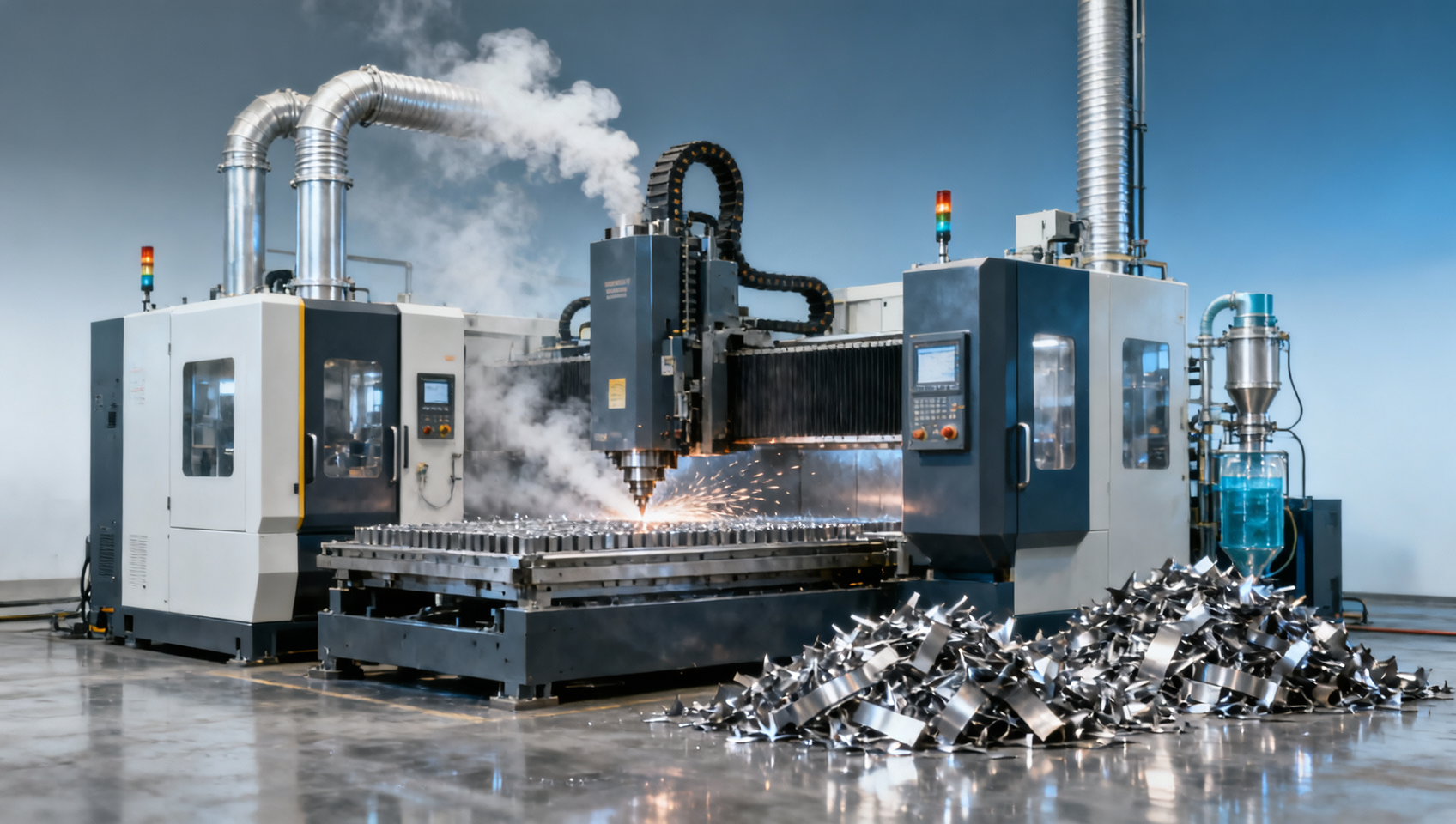
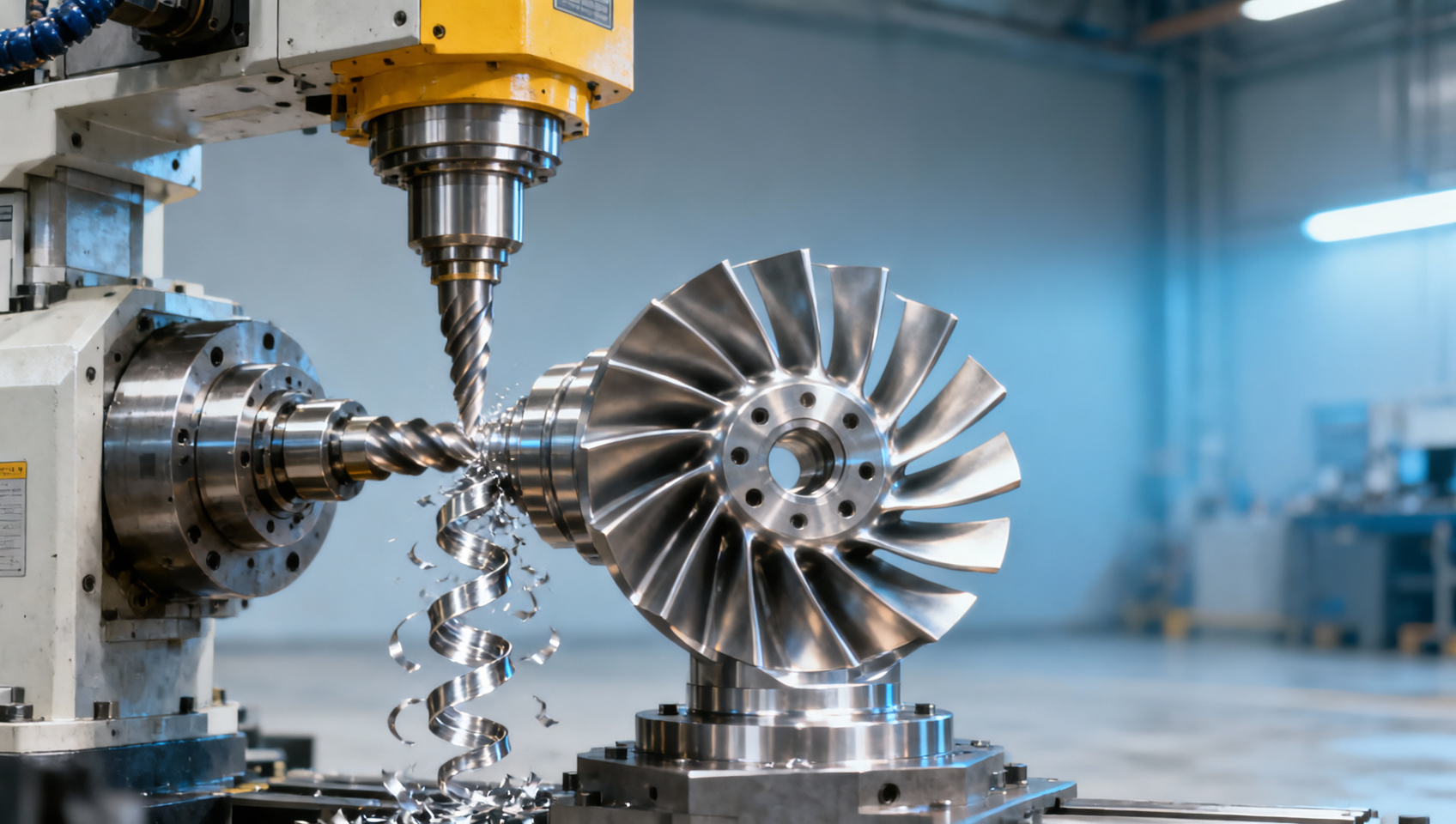
New environmental rules are reshaping CNC cutting across the Manufacturing Industry, pushing metal machining and industrial CNC operations toward cleaner coolants, lower emissions, and smarter energy use. For buyers, operators, and decision-makers, understanding how CNC metalworking, CNC milling, automated production, and Industrial Automation are adapting is now essential to maintaining efficiency, compliance, and competitiveness in Global Manufacturing.
For the CNC machine tool sector, environmental compliance is no longer a side issue handled by the EHS department after installation. It is now affecting machine selection, coolant strategy, chip handling, dust control, power consumption, documentation, and even supplier qualification. In practical terms, the change reaches from the spindle and cutting zone to the factory utility room and the procurement checklist.
This matters to four key groups. Operators need safer, cleaner workstations and stable process windows. Purchasing teams need equipment that can meet current rules without creating excessive operating costs. Technical researchers need to compare process options under stricter environmental constraints. Business leaders need to protect production continuity while preparing for 3- to 5-year regulatory tightening.
Across automotive, aerospace, electronics, and energy equipment manufacturing, the core question is no longer only “Can this CNC cutting process hold tolerance?” It is increasingly “Can it hold tolerance, reduce waste, lower emissions, and remain economically scalable?” That shift is changing how CNC cutting lines are designed, operated, and upgraded worldwide.
How environmental rules are changing CNC cutting priorities
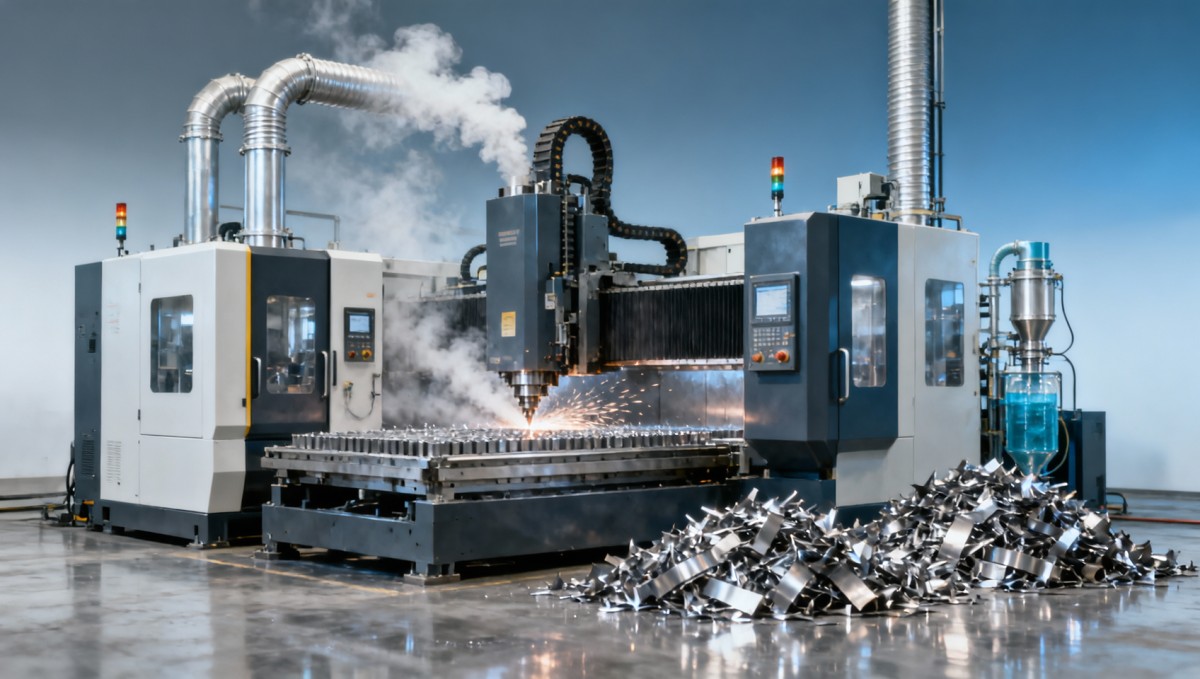
The first visible change is that environmental performance is moving into the same decision layer as accuracy, cycle time, and tool life. In the past, a buyer might compare a machining center mainly by spindle speed, axis travel, and repeatability. Today, they are also asking about coolant consumption per shift, mist extraction efficiency, standby power draw, and the recoverability of chips and fluids.
Regulatory pressure differs by region, but the trend is consistent: lower volatile emissions, tighter wastewater handling, more responsible chemical management, and stronger energy reporting. Even where exact thresholds differ, many factories now aim for measurable reductions such as 10%–20% less coolant waste, 8%–15% lower electricity use per part, or 20%–30% better chip recycling efficiency over a 12- to 24-month improvement cycle.
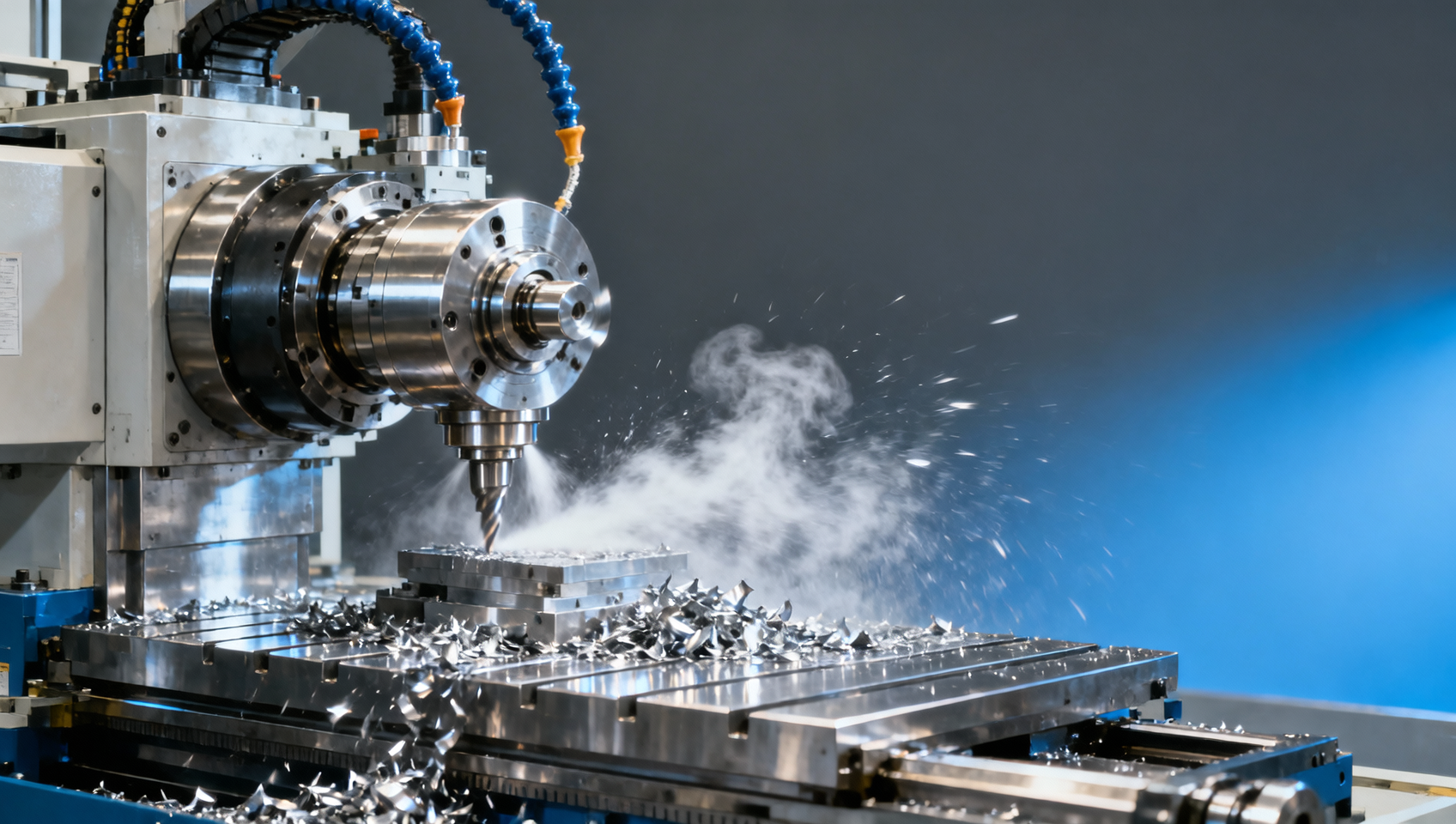
This is especially important in CNC metalworking processes with high fluid use or significant particulate generation. Wet machining, grinding-adjacent cutting, aluminum machining, and high-speed milling often face closer review because they may generate oil mist, fine chips, contaminated coolant, or airborne dust. As a result, machine builders and end users are redesigning enclosures, extraction systems, filtration loops, and fluid management routines.
Another shift is the widening difference between compliant and non-compliant legacy assets. A 10-year-old machine may still produce acceptable parts, but if it lacks efficient mist capture, variable-frequency drive optimization, or closed-loop coolant management, its real cost can rise quickly through fluid loss, higher disposal charges, and unplanned retrofits. For many plants, environmental rules are accelerating the replacement or upgrade cycle from 8–12 years toward 5–8 years in heavily regulated applications.
Key pressure points inside the cutting process
Most compliance-driven changes in CNC cutting cluster around five operating points:
- Coolant chemistry and disposal, especially where tramp oil, fines, and bacterial growth affect waste handling.
- Air emissions from mist, smoke, or dry-cut dust, particularly in high-speed machining and difficult materials.
- Machine energy use, including idle load, peak spindle demand, and compressed air consumption.
- Chip separation and recycling quality, which can affect downstream recovery value and housekeeping risk.
- Traceability and documentation, including maintenance records, fluid logs, and process change history.
For procurement and management teams, these pressure points create a more complex total-cost picture. A machine with a 5% higher purchase price may become the better investment if it reduces coolant loss by 15 liters per week, lowers maintenance interventions from 4 times per month to 2, and cuts idle power by 1.5–3.0 kW during non-cutting periods.
Process-level changes: coolant, lubrication, chips, and emissions
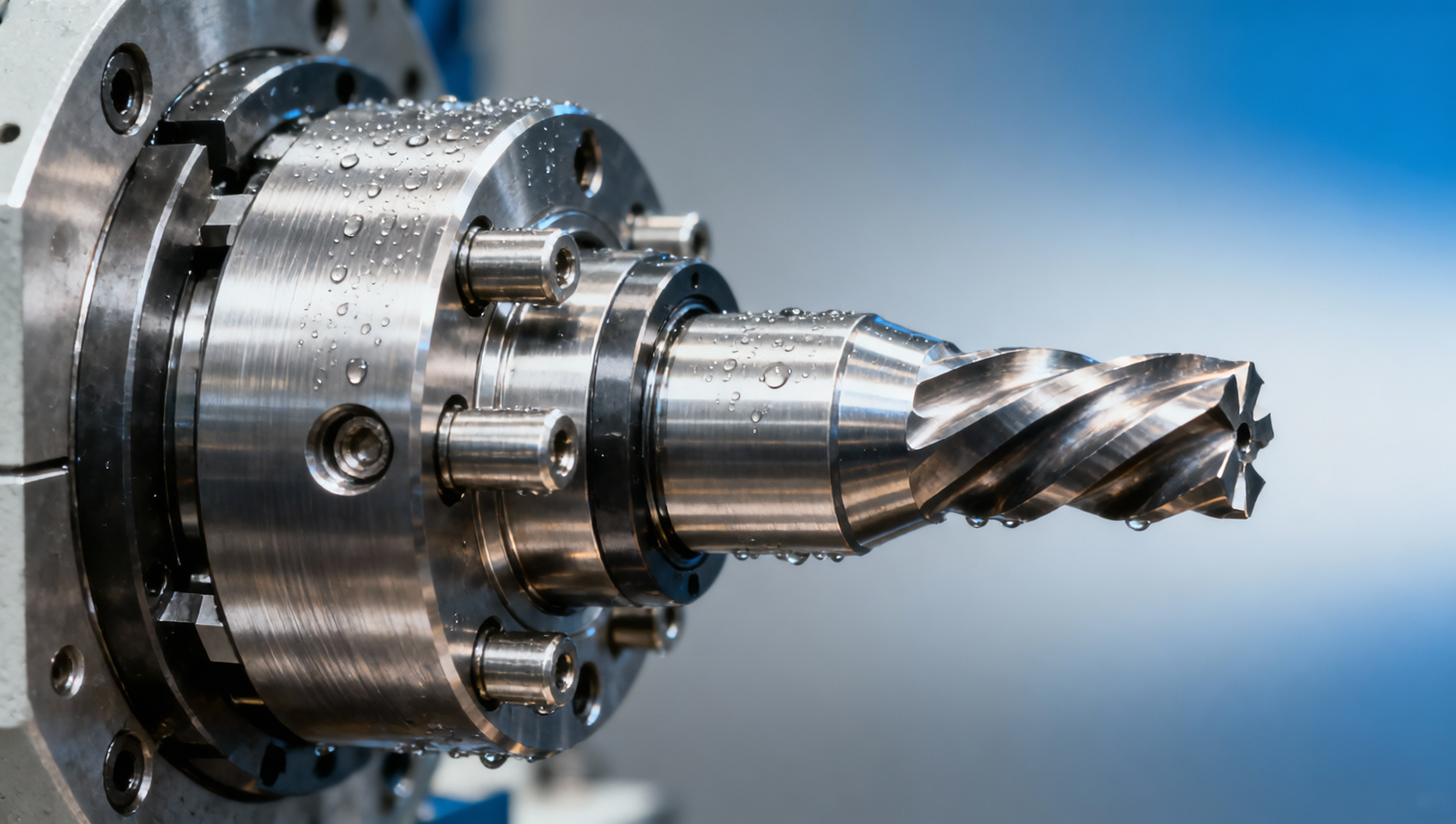
The biggest technical adjustments are happening at process level. Flood coolant systems are being reviewed more critically, especially where fluid carry-off, mist formation, and disposal cost are high. In many cases, manufacturers are not abandoning wet cutting completely, but they are moving toward better-matched coolant delivery, longer fluid life, and tighter contamination control rather than simply pumping more volume into the cut zone.
Minimum quantity lubrication, semi-dry machining, and hybrid cooling strategies are gaining attention in selected operations. These approaches can reduce fluid use dramatically, but they are not universal solutions. For steels with aggressive heat generation or for finishing operations requiring high thermal stability, a full wet system may still be the safer route. The important change is that plants are validating the process by material, toolpath, and surface requirement instead of using one fluid strategy for all jobs.
Chip and dust management is also becoming more sophisticated. Fine aluminum chips, cast iron dust, and composite-related particulates create different handling requirements. Environmental rules are pushing factories toward enclosed transport, better chip wringing or briquetting options, and more disciplined segregation. Cleaner chip streams can improve recycling value while reducing floor contamination and fire risk.
Air quality in the machine area is another major concern. Mist collectors, spark-resistant ducting in certain applications, and better machine sealing are increasingly treated as standard infrastructure rather than optional accessories. In many workshops, the target is no longer simply visible cleanliness. It is sustained control over airborne contaminants across 8- to 12-hour shifts while maintaining service access and uptime.
Comparing cutting environment strategies
The table below shows how common CNC cutting environment strategies differ in practical factory use. The best option depends on material, throughput, tolerance, and the plant’s environmental controls.
In practice, many successful plants use a mixed strategy. For example, roughing on aluminum may shift toward near-dry or MQL-assisted cutting, while precision finishing on tight-tolerance parts remains under controlled wet conditions. The environmental gain often comes from selective optimization, not from forcing one method across all part families.
Common implementation mistakes
- Switching coolant type without checking seal compatibility, tool coating behavior, and sump cleaning requirements.
- Reducing fluid volume too aggressively before validating heat removal and chip evacuation at production feed rates.
- Installing extraction equipment without matching airflow to enclosure leakage points and actual cutting conditions.
- Ignoring chip geometry, which can increase handling problems even if the cutting fluid profile improves.
Machine design and automation are being reconfigured for compliance
New environmental rules are not changing process chemistry alone; they are changing machine architecture. CNC equipment builders are paying more attention to sealed enclosures, controlled fluid return paths, modular filtration units, and power management in non-cutting states. A machine that runs 16–20 hours per day can waste substantial energy in idle spindle systems, coolant pumps, hydraulics, or compressed air circuits if those systems are not managed intelligently.
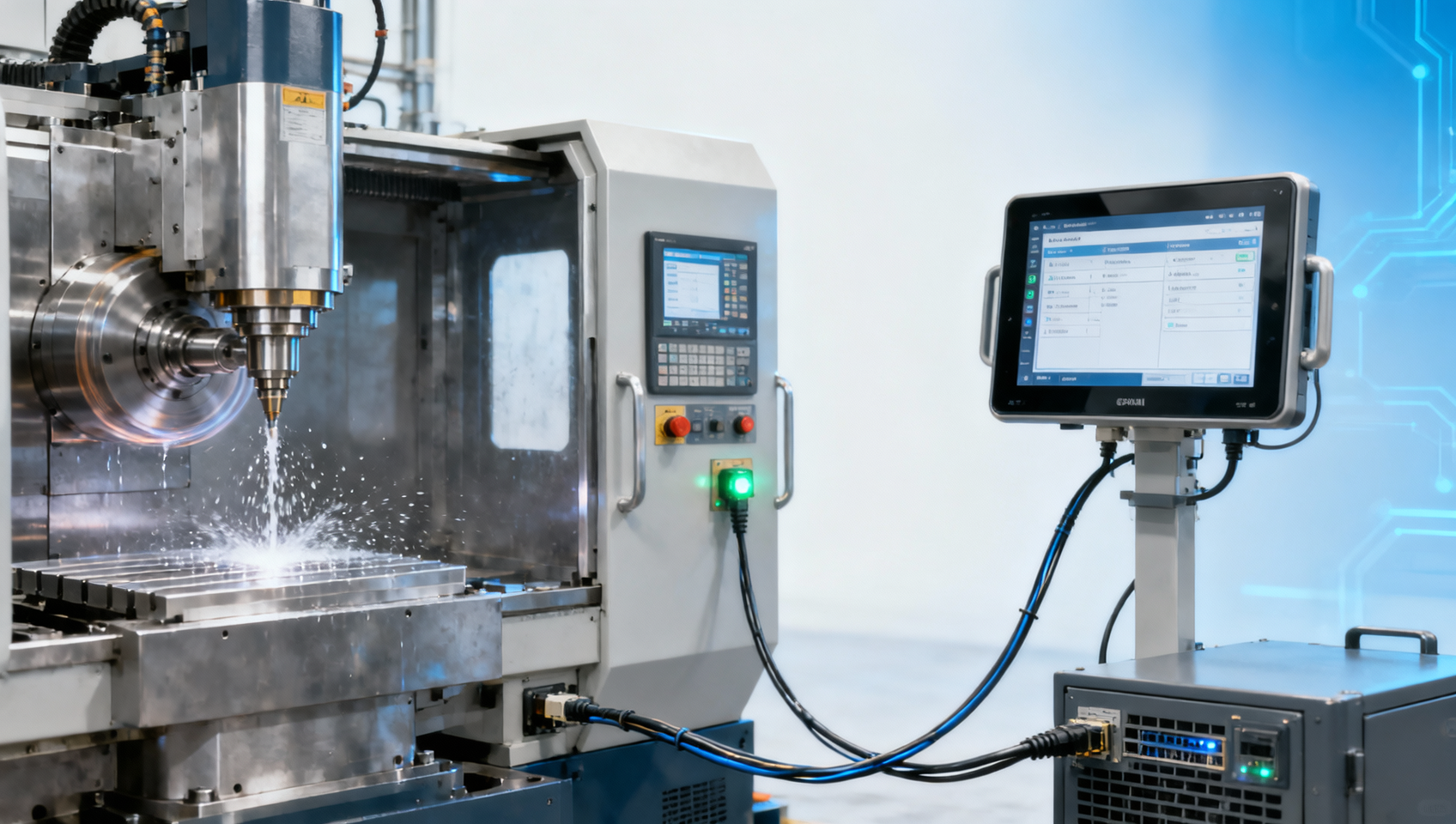
This is one reason digital integration is becoming more valuable. Modern CNC controls and factory systems can monitor spindle load, pump demand, coolant condition, and extraction status in near real time. That data helps plants detect drift earlier. If coolant concentration falls outside a target band, if chip conveyors draw abnormal current, or if a mist collector runs below design performance, operators can intervene before the issue becomes a compliance or quality problem.
Automation also plays a larger role. Robotic loading, pallet systems, and flexible production lines reduce unnecessary machine-open time, improve enclosure discipline, and stabilize process consistency. In some production environments, reducing door-open exposure by even 20%–30% can support cleaner air conditions around the machine while preserving throughput. That is particularly useful in high-volume machining cells where repeated operator interaction can increase mist escape and chip scatter.
For smart factory projects, environmental compliance is increasingly one of the design criteria alongside OEE and labor efficiency. A modern line is expected not only to automate part transfer, but also to support fluid recovery, segmented waste streams, predictive maintenance, and utility visibility across several machines or a full machining cell.
What buyers should evaluate in machine specifications
When comparing CNC cutting equipment under new environmental expectations, procurement teams should move beyond headline cutting performance. The following table outlines practical checks that can improve both compliance and long-term operating cost control.
A useful rule is to assess at least 4 dimensions before purchase: process capability, environmental control, automation fit, and serviceability. Machines that score well in only one or two areas may look attractive on day 1 but become expensive over 24–36 months of production.
Practical upgrade path for existing CNC lines
- Audit the current line over 2–4 weeks for coolant loss, energy use, extraction performance, and waste streams.
- Identify the top 3 cost or compliance gaps rather than replacing all equipment at once.
- Retrofit controllable items first, such as filtration, enclosure sealing, or pump logic.
- Validate part quality, cycle time, and operator usability before rolling changes across multiple machines.
- Use the collected data to support capital planning for the next 12–24 months.
What operators, purchasers, and executives should do next
The correct response to environmental change depends on role. Operators should focus on repeatable daily control: fluid checks, enclosure discipline, chip handling, and reporting of unusual smoke, odor, or mist behavior. Purchasing teams should update RFQs so that environmental features are specified clearly rather than left as optional items. Executives should connect compliance goals to output, cost per part, and asset strategy instead of treating them as separate initiatives.
One effective approach is to create a 90-day review cycle around CNC cutting operations. During that period, teams can track 6 practical indicators: coolant top-up rate, waste fluid disposal frequency, machine idle energy, filter replacement interval, extraction downtime, and chip recovery quality. Those figures often reveal which machines or processes are creating the largest compliance burden.
Supplier cooperation is equally important. Machine tool suppliers, tooling partners, coolant providers, and automation integrators should be evaluated as a system, not as separate vendors. A technically strong machine can still underperform if coolant delivery is poorly matched, if chip removal is unstable, or if service support does not include environmental maintenance routines. For international buyers, this is especially relevant when equipment is sourced across different industrial clusters such as China, Germany, Japan, or South Korea.
For global manufacturing companies, the strongest position is to treat environmental adaptation as a competitive upgrade. Plants that reduce waste, improve machine uptime, and document process control more effectively are often better prepared for customer audits, export requirements, and future digital manufacturing programs. In other words, compliance is becoming part of operational excellence, not a separate cost center.
Frequently asked questions
How long does a CNC environmental upgrade usually take?
Minor upgrades such as filtration improvement, mist collector installation, or coolant monitoring can often be completed in 1–4 weeks per machine or cell. Broader line-level redesign involving automation, ducting, and utility changes may require 6–12 weeks, especially if shutdown windows are limited.
Is dry machining always the most environmentally friendly option?
Not always. Dry machining reduces liquid waste, but it can increase thermal stress, tool wear, and airborne particle control requirements. For some alloys and tolerance-sensitive parts, an optimized wet or semi-dry process delivers a better balance of quality, energy use, and total waste.
Which metrics should procurement teams request from suppliers?
At minimum, ask for idle and operating power data, coolant system details, extraction integration options, maintenance interval guidance, and waste-handling recommendations. It is also useful to request the standard service schedule for the first 12 months and the expected consumables list.
What is the biggest mistake companies make?
The most common mistake is treating environmental rules as a paperwork issue rather than a process design issue. When plants wait too long, they often face rushed retrofits, unstable production, and higher cost per part than companies that planned gradually over 2 or 3 investment cycles.
Environmental rules are changing CNC cutting in practical, measurable ways: cleaner coolant strategies, stronger emissions control, more efficient machine design, and greater use of automation and data visibility. For research teams, operators, purchasers, and business leaders, the key is to evaluate CNC cutting not only by productivity and precision, but also by fluid use, air quality, energy behavior, and long-term serviceability.
Companies that act early can improve compliance without sacrificing throughput, and in many cases can reduce waste-related cost while strengthening process stability. If you are reviewing CNC machines, machining centers, automation upgrades, or precision manufacturing solutions for a cleaner production future, now is the right time to compare options in detail. Contact us today to discuss your application, request a tailored solution, or learn more about practical CNC cutting strategies for modern manufacturing.
Recommended for You
 Heavy-duty Machining Center for mold making: Why coolant filtration standards evolve faster than OEM manualsMachine Tool Industry Editorial Team
 Quick-change Fixture Design for CNC turning: Why clamping force consistency drops after 200 cyclesCNC Machining Technology Center
 5 Axis Machining for impeller manufacturing: Why toolpath smoothing affects surface fatigue lifeCNC Machining Technology Center
 Lean Production Process implementation: Where value stream mapping fails to expose hidden machine downtimeManufacturing Market Research Center
 Modular Tooling System for flexible manufacturing: Why interface repeatability degrades faster than expectedMachine Tool Industry Editorial Team
 Industrial Automation control system for CNC machines: When cybersecurity updates disrupt scheduled maintenanceMachine Tool Industry Editorial Team

Aris Katos
Future of Carbide Coatings
15+ years in precision manufacturing systems. Specialized in high-speed milling and aerospace grade alloy processing.
▶
Energy-saving machine tool: Are IE4 motors enough — or is system-level optimization needed?Manufacturing Policy Research Center▶
Manufacturing Industry Energy Rules Are Changing Cost ModelsManufacturing Policy Research Center▶
Can metal machining stay competitive with rising energy costs?Manufacturing Policy Research Center▶
What is changing in CNC cutting under new environmental rules?Manufacturing Policy Research Center▶
2026 Hangzhou Refrigeration Expo Focuses on 'Green Innovation & Smart Cold Chain'Manufacturing Policy Research Center
Mastering 5-Axis Workholding Strategies
Join our technical panel on Nov 15th to learn about reducing vibrations in thin-wall components.

Providing you with integrated sanding solutions
Before-sales and after-sales services
Comprehensive technical support