• Global CNC market projected to reach $128B by 2028 • New EU trade regulations for precision tooling components • Aerospace deman
NYSE: CNC +1.2%LME: STEEL -0.4%

Can Energy-Saving CNC Manufacturing Lower Total Operating Cost
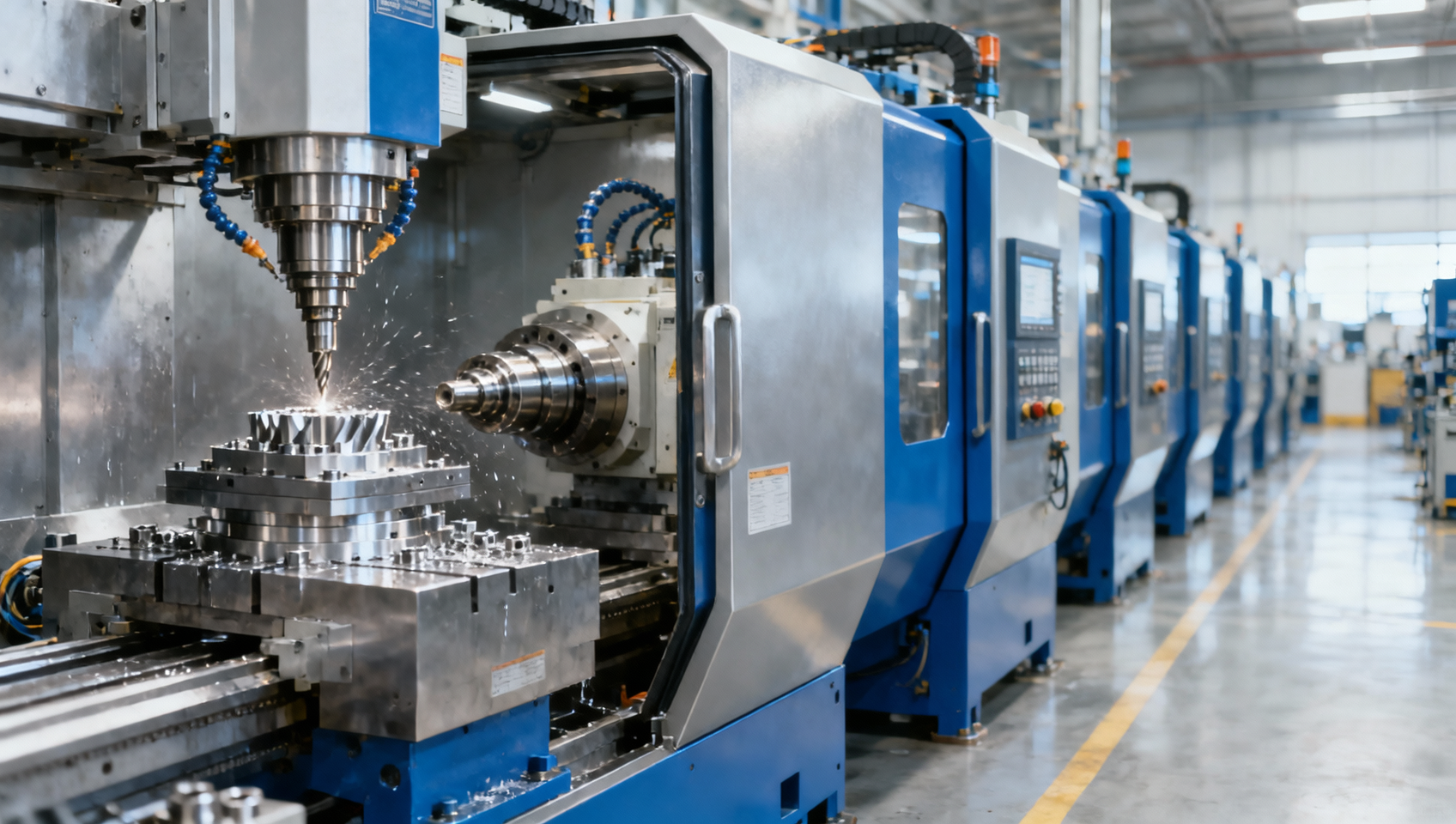
Can energy-saving CNC manufacturing truly reduce total operating cost without sacrificing output or precision? For buyers, operators, and decision-makers, today’s precision CNC manufacturing and automated CNC manufacturing solutions combine high precision machine tool performance, quick setup CNC manufacturing, and low maintenance CNC manufacturing to improve efficiency across aerospace, electronics, automotive, and energy equipment production.
In practical terms, the answer is often yes, but only when energy saving is evaluated as part of the full production system rather than as a single machine feature. Power consumption, idle time, compressed air demand, coolant management, spindle efficiency, tool life, maintenance intervals, and programming strategy all influence total operating cost.
For research-driven readers, the key question is where cost reduction actually comes from. For operators, the priority is whether lower energy use affects cycle stability or setup speed. For procurement teams and business leaders, the real issue is payback: can an energy-saving CNC manufacturing upgrade reduce cost per part within 12–36 months while supporting output targets and quality requirements?
This article looks at the cost structure behind energy-efficient CNC production, where savings are most realistic, how to compare machine options, and what implementation steps help manufacturers lower operating expense without creating hidden risks in throughput, precision, or maintenance.
Where Energy-Saving CNC Manufacturing Reduces Cost
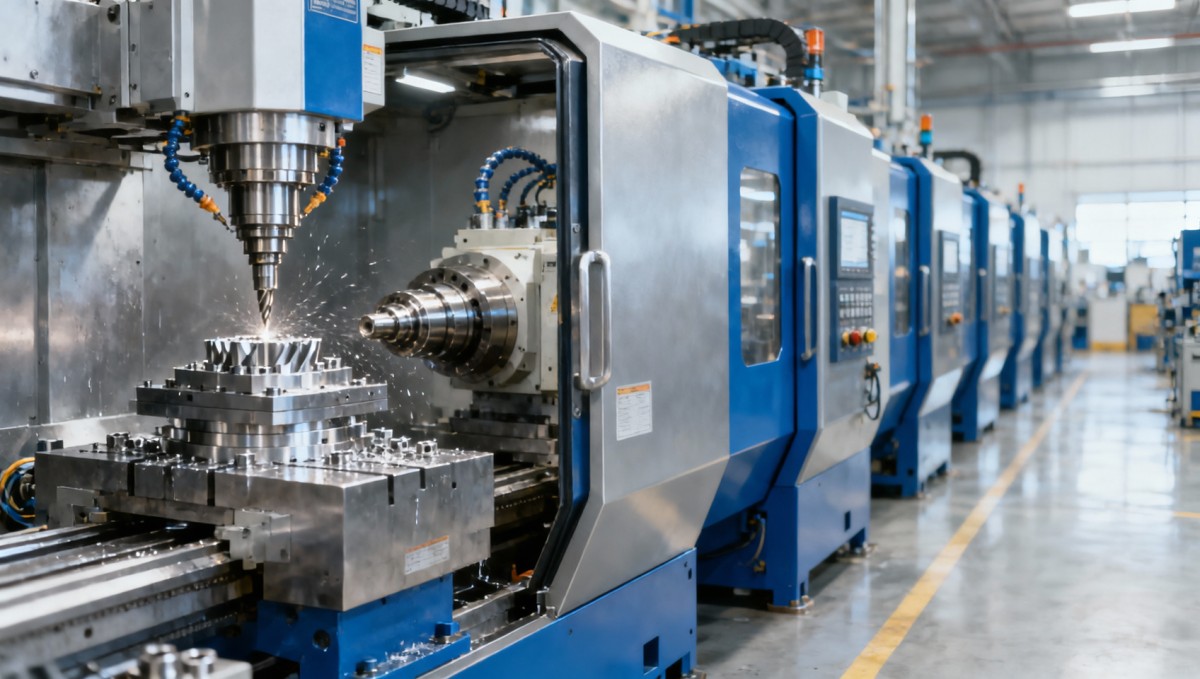
In CNC manufacturing, electricity is only one part of total operating cost, yet it often acts as a multiplier for other expenses. A machine that draws 15% less power during cutting but also shortens warm-up time by 20 minutes per shift can reduce both utility cost and non-productive labor. In a plant running 2 shifts per day, 26 days per month, those minutes become a measurable production gain.
Energy-saving CNC manufacturing usually lowers cost through five channels: reduced spindle and axis power demand, lower standby consumption, more efficient coolant and chip handling, less heat generation in the machining zone, and reduced wear on mechanical and electrical components. In high-mix, medium-volume operations, even a 5%–8% improvement in utilization may matter as much as a 10% reduction in power consumption.
This matters especially in precision CNC manufacturing environments where tolerance bands may be within ±0.01 mm to ±0.02 mm. Excess heat can create thermal drift, longer stabilization periods, and more frequent offset corrections. An energy-efficient machine design that manages heat better may reduce scrap, lower rework, and shorten first-part approval time.
Automated CNC manufacturing also benefits because auxiliary systems often run continuously. Servo optimization, variable-frequency pumps, smart lubrication, and controlled air usage can cut unnecessary load during idle periods. In facilities with 10–30 machines, these incremental improvements can accumulate into a large annual cost difference.
Main Cost Buckets to Measure
Before evaluating any machine tool or production line, manufacturers should break operating cost into measurable categories. Looking only at machine purchase price often hides the real economic picture over a 5–8 year service period.
- Direct energy use: spindle load, axis motors, coolant pumps, hydraulic units, air compressors, and standby consumption.
- Labor-related cost: setup time, intervention frequency, offset adjustment, manual cleaning, and restart procedures after stoppages.
- Quality cost: scrap rate, rework time, dimensional drift, and instability during long production runs.
- Maintenance cost: lubrication, filters, coolant treatment, wear parts, emergency service, and unplanned downtime.
- Capacity cost: cycle time, changeover time, machine availability, and OEE impact across daily or weekly production schedules.
When these elements are tracked together, the economic value of low maintenance CNC manufacturing becomes clearer. A machine that costs 8% more upfront but reduces downtime by 2–4 hours per month may create faster payback than a lower-priced alternative with higher service demand.
How to Evaluate Total Operating Cost Beyond Power Bills
For procurement teams, total operating cost should be modeled at the cell level, not only at the machine level. A machining center may appear energy efficient on a specification sheet, but if it requires longer setup, more frequent calibration, or higher coolant disposal cost, the plant may not gain much in real operating efficiency.
A practical comparison window is 12 months for short-term budgeting and 36 months for return-on-investment planning. This captures seasonal production changes, maintenance cycles, and actual part mix variation. In many CNC applications, 3 cost indicators deserve special attention: kilowatt-hours per productive hour, machine availability percentage, and cost per accepted part.
The table below shows how energy-saving CNC manufacturing should be assessed across multiple operating dimensions rather than with a single electricity number.
The key takeaway is that operating cost must be calculated as a system outcome. If a CNC lathe or machining center delivers 6% lower energy consumption, 10% shorter setup time, and 1% lower scrap, the combined annual savings may be much larger than the power reduction alone.
Questions Buyers Should Ask Suppliers
- What is the machine’s power consumption during idle, warm-up, and full-load cutting, not just rated motor power?
- What preventive maintenance tasks are required every 250, 500, and 1,000 operating hours?
- How does the machine manage heat around the spindle, ball screws, and electrical cabinet?
- What tooling, clamping, or control options support quick setup CNC manufacturing for short runs?
- Can the supplier provide application guidance for reducing compressed air, coolant use, or non-cutting time?
These questions help separate true energy-efficient production solutions from simple marketing claims. For decision-makers, the goal is not the lowest quoted power figure, but the best cost-per-part performance under real factory conditions.
Machine Features and Process Choices That Support Lower Cost
Not every “energy-saving” feature produces the same financial result. Some features mainly reduce utility cost, while others improve process stability, which may have a bigger impact on total operating cost. In precision manufacturing, selecting the right combination of machine architecture, control strategy, and tooling support is critical.
High precision machine tool platforms with efficient servo drives, low-loss spindles, and intelligent standby management can reduce unnecessary load. At the same time, quick setup CNC manufacturing depends on tool magazine design, probe integration, fixture repeatability, and operator interface. A machine that saves 2–5 minutes per setup in a high-mix plant may outperform a slightly more efficient machine that is slower to change over.
For automated CNC manufacturing cells, pallet changers, robotic loading, and in-process measurement can also influence energy performance. Automation that reduces waiting, repeated starts, and manual intervention often delivers a more stable production rhythm, especially across 8-hour to 24-hour schedules.
Feature Comparison for Buyers and Engineers
The following comparison shows how common machine and process choices affect cost, maintenance, and production suitability.
The strongest economic case usually comes from combining these features instead of relying on one isolated efficiency upgrade. For example, a machining center with thermal stability, reduced standby power, and easier maintenance access supports both cost reduction and more predictable output.
Common Mistakes in Selection
- Choosing by spindle power alone without checking part mix, duty cycle, and idle energy profile.
- Ignoring setup and probing functions in operations with more than 10 part-number changes per week.
- Underestimating coolant, air, and chip management costs in automated production lines.
- Focusing on purchase price while neglecting 3-year maintenance and downtime exposure.
These errors can turn an apparently economical investment into a higher-cost asset. In most factories, the best machine is the one that supports stable throughput, acceptable precision, and lower intervention over thousands of production hours.
Implementation Steps for Operators and Plant Managers
Energy-saving CNC manufacturing is not achieved by equipment selection alone. Actual savings depend on implementation discipline. Operators, process engineers, and maintenance teams should work from a structured plan covering baseline measurement, process tuning, training, and periodic review.
A useful starting point is a 4-step deployment model over 6–12 weeks. This is practical for single machines, machining cells, or larger automated production lines where output continuity matters.
4-Step Rollout Model
- Establish a baseline: record cycle time, setup time, scrap rate, idle duration, and estimated energy use over at least 2 production weeks.
- Optimize machine and process settings: review spindle speed strategy, feed rates, standby logic, coolant flow, air blow timing, and warm-up procedures.
- Train operators and technicians: standardize startup, setup, probing, shutdown, and daily inspection routines to reduce variation between shifts.
- Monitor results monthly: compare cost per part, machine availability, and maintenance events over 30, 60, and 90 days.
In many facilities, the fastest gains come from reducing hidden non-cutting time. If setup is shortened by 8 minutes per job and a machine handles 4 setups per shift, that is 32 minutes recovered daily. Across 22 working days, the machine gains more than 11 productive hours per month without running faster or harder.
Maintenance planning is equally important. Filters, lubrication points, spindle cooling, and chip evacuation should be checked at defined intervals such as daily, weekly, and every 250 operating hours. Low maintenance CNC manufacturing does not mean zero service; it means fewer disruptions and more predictable upkeep.
Operator-Level Practical Checks
- Confirm whether machines remain powered in high-consumption standby mode during breaks longer than 15–30 minutes.
- Review tool wear patterns weekly to prevent excess load and unstable surface finish.
- Check compressed air leaks and unnecessary air blast use, especially in cells operating across 2 or 3 shifts.
- Track repeat offset corrections, as frequent manual intervention often signals thermal or clamping inefficiency.
When implementation is handled systematically, cost reduction becomes more durable. Instead of a short-lived utility saving, the plant builds a more efficient production routine that supports output, quality, and maintenance control at the same time.
FAQ: Selection, Payback, and Risk Control
For many manufacturers, the decision to invest in energy-saving CNC manufacturing depends on part complexity, machine utilization, labor structure, and production stability. The questions below reflect common purchasing and operational concerns.
How fast can energy-saving CNC manufacturing pay back?
A reasonable planning window is 12–36 months, depending on machine hours, local power cost, labor rates, and part value. Shops running one shift with low utilization may see slower payback, while plants operating 16–24 hours per day often recover value faster because savings repeat across more production hours.
Is it suitable only for large factories?
No. Small and medium manufacturers can also benefit, especially if they handle precision parts, frequent setup changes, or expensive materials. Even with 3–8 machines, gains from lower scrap, reduced setup time, and fewer maintenance interruptions can be significant relative to annual operating budget.
What metrics should procurement teams prioritize?
At minimum, track 4 categories: energy use in real operating states, setup efficiency, maintenance interval and serviceability, and dimensional stability during extended runs. For buyers comparing similar CNC lathes or machining centers, cost per accepted part is often a better decision metric than purchase price alone.
What are the main risks during implementation?
The most common risks are poor baseline measurement, overreliance on rated power data, inadequate operator training, and failure to align fixtures, tooling, and programs with the new machine’s efficiency features. Without process alignment, expected savings may remain theoretical.
Energy-saving CNC manufacturing can lower total operating cost, but the strongest results come when machine efficiency, quick setup capability, thermal stability, and maintenance planning are treated as one connected operating strategy. For aerospace, electronics, automotive, and energy equipment production, the goal is not simply lower power use; it is lower cost per good part, with stable precision and less downtime.
If you are evaluating precision CNC manufacturing, automated CNC manufacturing, or a low maintenance CNC manufacturing upgrade, now is the right time to compare lifecycle cost, process fit, and implementation readiness. Contact us to discuss your production goals, request a tailored solution, or learn more about CNC machine options that support efficient and cost-controlled manufacturing.
PREVIOUS ARTICLE
NEXT ARTICLE
Recommended for You
 How to Choose a Heavy-Duty Machining Center for Mold MakingMachine Tool Industry Editorial Team
 How Quick-Change Fixture Design Cuts CNC Turning Setup TimeCNC Machining Technology Center
 Why 5 Axis Machining Is Ideal for Impeller ManufacturingCNC Machining Technology Center
 How to Start Lean Production Without Disrupting OutputManufacturing Market Research Center
 When a Modular Tooling System Improves Flexible ManufacturingMachine Tool Industry Editorial Team
 How CNC Machine Control Systems Improve Automation StabilityMachine Tool Industry Editorial Team

Aris Katos
Future of Carbide Coatings
15+ years in precision manufacturing systems. Specialized in high-speed milling and aerospace grade alloy processing.
▶
Is an Energy-Saving Machine Tool Worth It in 2026Manufacturing Policy Research Center▶
Can Energy-Saving CNC Manufacturing Lower Total Operating CostManufacturing Policy Research Center▶
Can Energy-Saving CNC Manufacturing Lower Unit CostManufacturing Policy Research Center▶
Do Energy-Saving Machine Tools Pay Back FastManufacturing Policy Research Center▶
China’s CNC Smart Factories Gain Zero-Carbon Certification Mutual RecognitionManufacturing Policy Research Center
Mastering 5-Axis Workholding Strategies
Join our technical panel on Nov 15th to learn about reducing vibrations in thin-wall components.

Providing you with integrated sanding solutions
Before-sales and after-sales services
Comprehensive technical support