• Global CNC market projected to reach $128B by 2028 • New EU trade regulations for precision tooling components • Aerospace deman
NYSE: CNC +1.2%LME: STEEL -0.4%

Can Energy-Saving CNC Manufacturing Lower Unit Cost
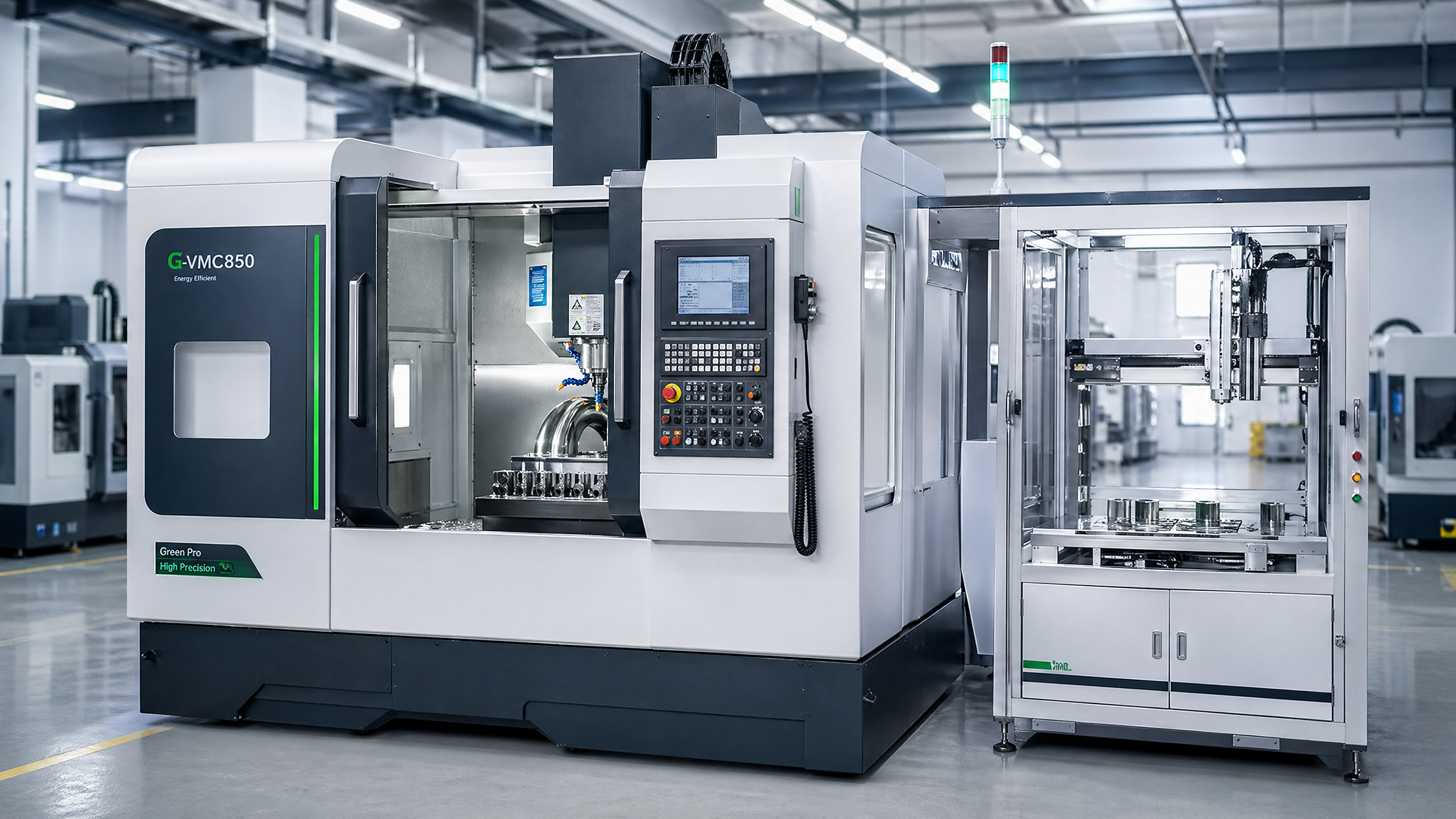
Can energy-saving CNC manufacturing really lower unit cost without sacrificing output or precision? As demand grows for precision CNC manufacturing, automated CNC manufacturing, and CNC manufacturing for energy equipment, buyers are rethinking equipment efficiency, setup time, and maintenance. This article explores how energy-saving machine tool solutions, compact machine tool design, and high precision machine tool performance can improve productivity and long-term manufacturing value.
Why does energy-saving CNC manufacturing affect unit cost so directly?
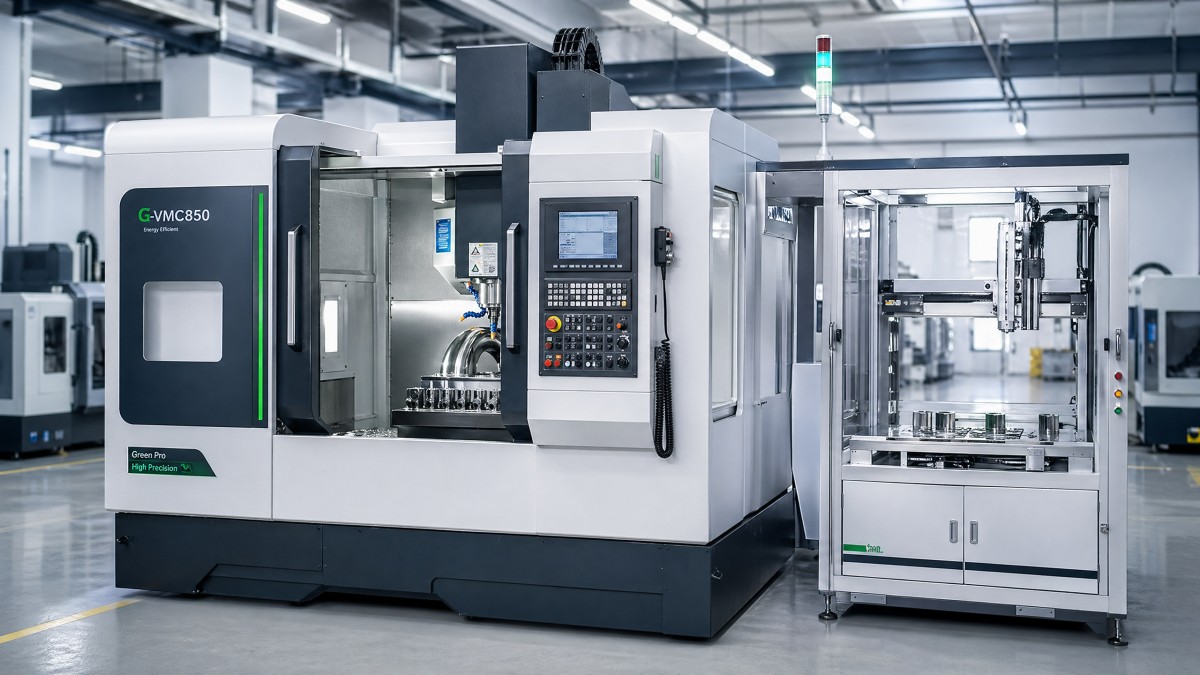
In CNC manufacturing, unit cost is not determined by machine price alone. It is shaped by power consumption, cycle time, tool life, maintenance intervals, floor space, labor coordination, and the stability of part quality over repeated runs. For procurement teams and business evaluators, the real question is not whether an energy-saving CNC machine uses less electricity in isolation, but whether it reduces the cost per qualified part across 1 shift, 2 shifts, or continuous production.
Energy-saving CNC manufacturing becomes especially relevant in sectors such as automotive parts, aerospace components, electronics housings, and CNC manufacturing for energy equipment, where machines may run 8–24 hours per day and process mixed batches. In such environments, even a moderate reduction in spindle idle time, air consumption, coolant load, or standby power can influence monthly operating cost. The effect is stronger when plants manage 5, 10, or 20 machines as a coordinated cell.
Operators often notice the issue first. Machines that start faster, require fewer warm-up corrections, and maintain stable thermal behavior tend to reduce rework and interrupted cycles. Purchasing teams then see the downstream impact: lower scrap risk, better machine utilization, and more predictable scheduling. That is why energy-saving machine tool solutions should be evaluated as a production-system decision rather than a single-specification purchase.
Another important point is that unit cost reduction does not always come from one large improvement. In many precision CNC manufacturing settings, savings are cumulative. A 5% shorter cycle, a longer tool change interval, and less unplanned downtime every quarter can together create a meaningful cost advantage without compromising dimensional consistency or surface finish.
The main cost drivers buyers should map first
Before comparing suppliers, decision-makers should separate direct and indirect costs. This helps prevent a common mistake: choosing a lower-priced machine that later increases energy use, floor-space pressure, or service disruption. A practical review usually starts with 4 cost blocks that can be measured during pre-purchase discussions, trial cutting, or pilot production.
- Power-related costs: spindle load, servo efficiency, coolant system demand, compressed air use, and standby consumption during non-cutting periods.
- Process-related costs: cycle time, setup duration, fixture change time, warm-up time, and program repeatability across small, medium, and large batches.
- Quality-related costs: scrap rate, first-piece approval time, tolerance drift, thermal deformation management, and rework frequency.
- Support-related costs: preventive maintenance frequency, spare parts lead time, operator training needs, and service response windows such as 24–72 hours.
When these 4 blocks are reviewed together, energy-saving CNC manufacturing becomes easier to assess in business terms. Instead of asking only “How many kilowatts does the machine consume?”, buyers can ask “How does this machine change cost per accepted part over 3 months, 6 months, and 12 months?” That is a far better basis for supplier comparison.
Which machine and process factors actually reduce cost per part?
Not every low-energy feature leads to lower unit cost. In real production, the best results usually come from the combination of compact machine tool design, thermal stability, efficient drive systems, and process optimization. A compact footprint may reduce facility overhead, but if chip evacuation or maintenance access is poor, the benefit can disappear. Likewise, a high-speed spindle helps only if the material, tool path, and fixture rigidity match the job mix.
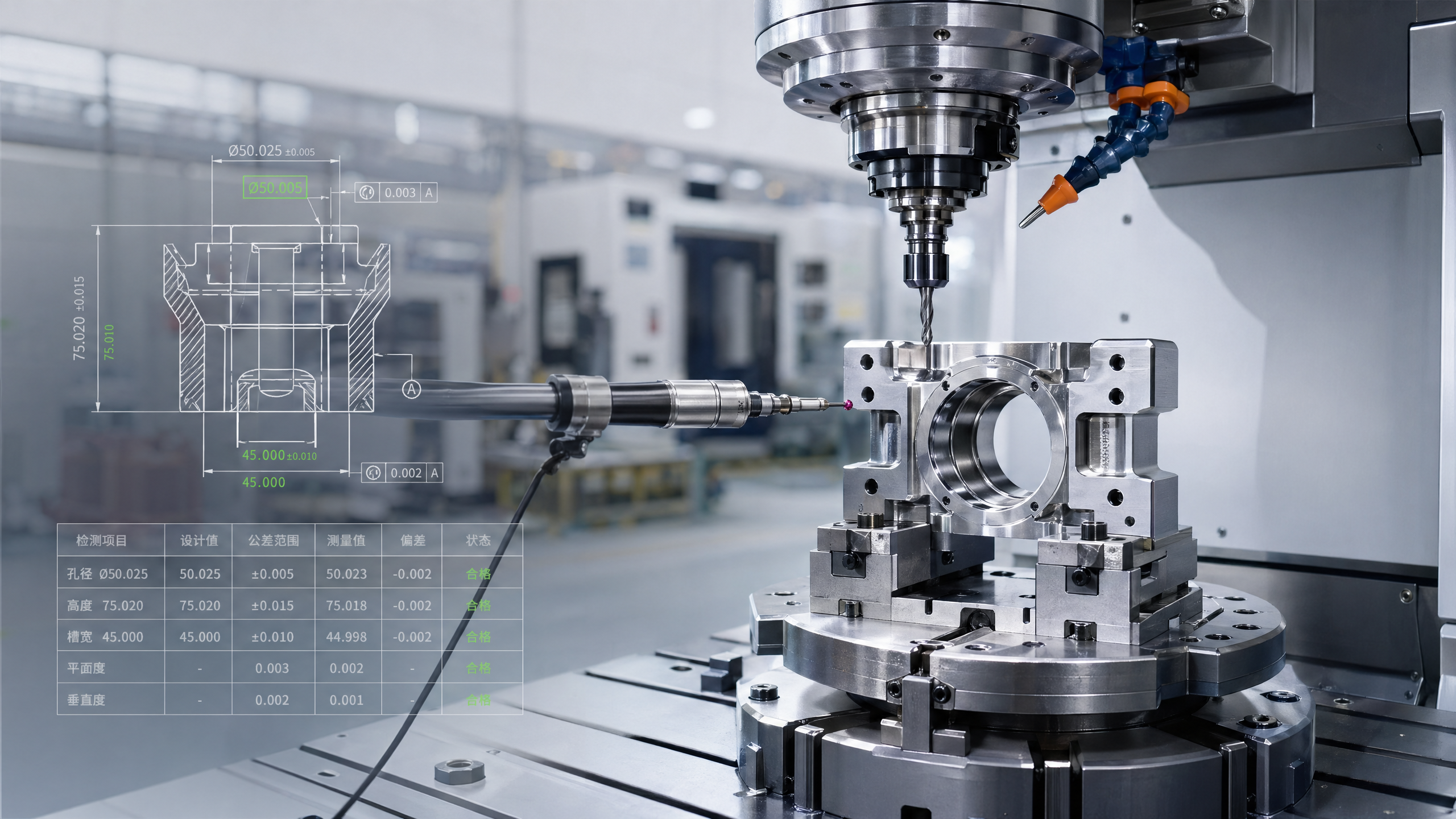
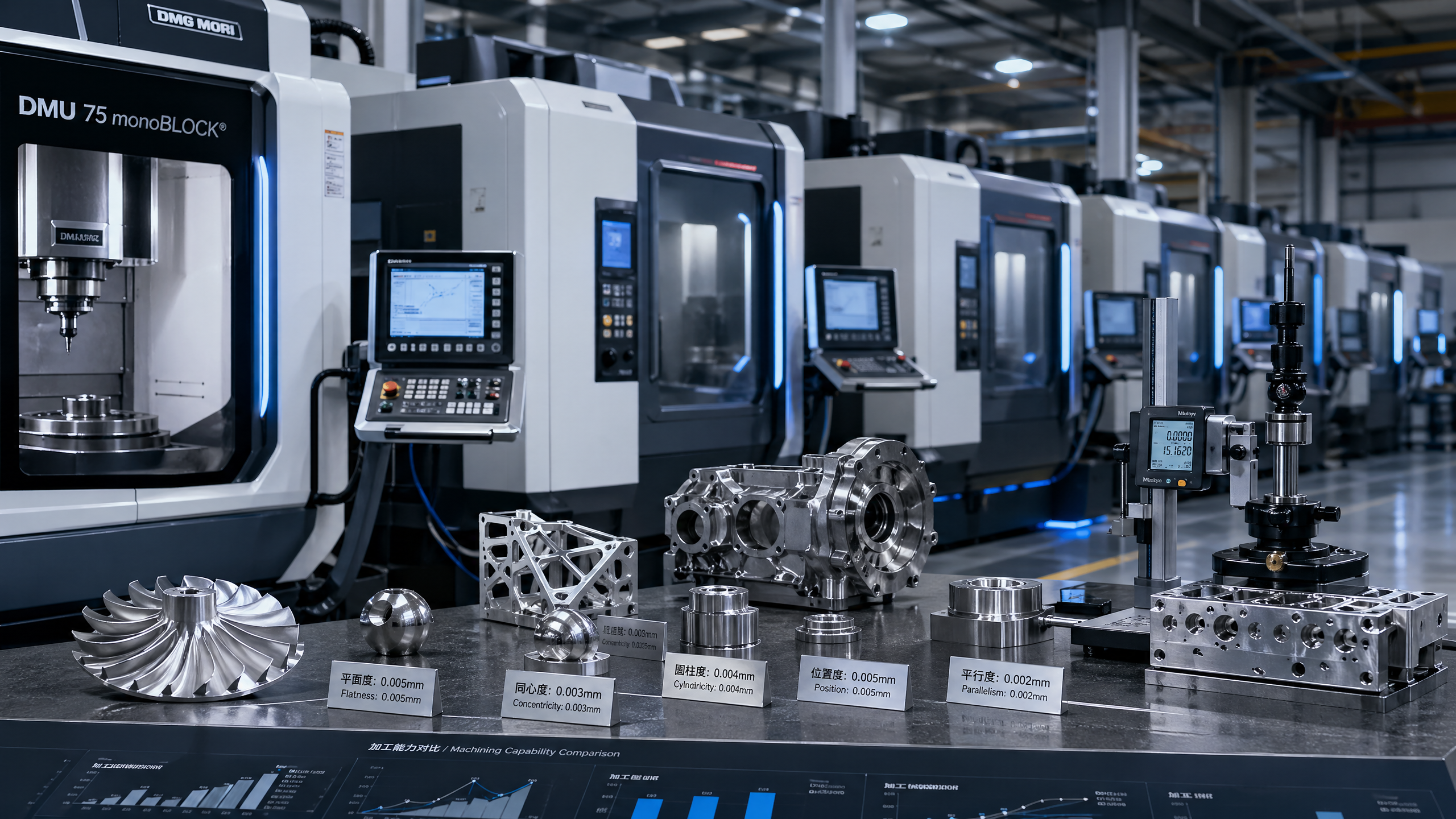
For high precision machine tool applications, thermal control matters as much as nominal power. A machine that reaches stable geometry within 20–40 minutes and holds predictable accuracy during long runs may save more than a machine with lower rated consumption but larger thermal drift. This is particularly important in precision discs, shaft components, and structural parts where repeated offsets create hidden cost through inspection and correction time.
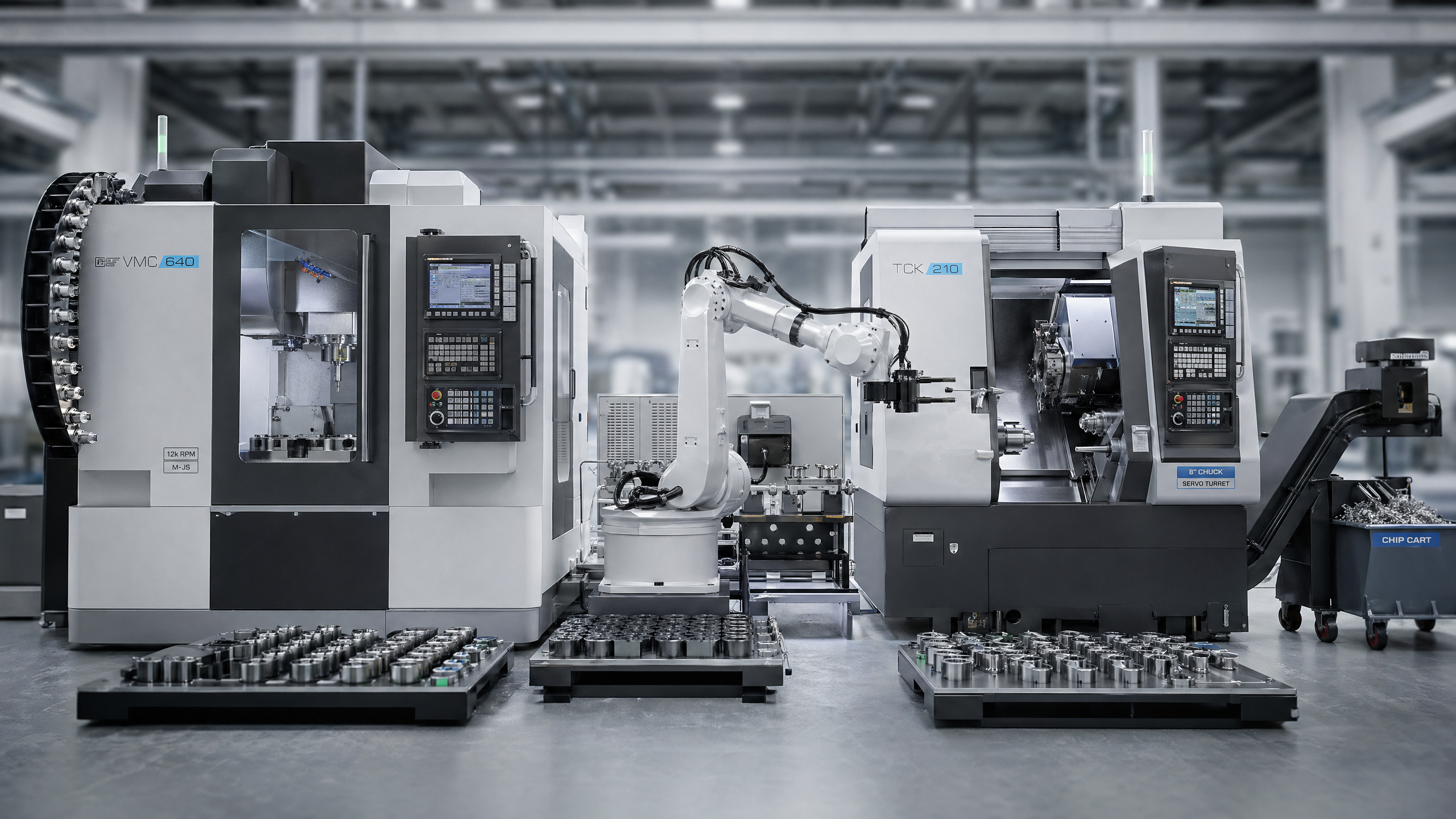
Automated CNC manufacturing adds another layer. If robots, pallet changers, or flexible production lines reduce waiting time between operations, machine uptime improves and labor cost per part falls. In many plants, the non-cutting portion of a cycle consumes more budget than expected. Reducing loading delay by even 15–30 seconds across hundreds of cycles can materially change monthly output economics.
The table below summarizes common machine and process elements that influence energy-saving CNC manufacturing and unit cost. It is useful for information researchers building a shortlist and for buyers comparing proposals from different machine tool suppliers.
The key takeaway is that energy-saving CNC manufacturing works best when energy efficiency is linked to process stability. A machine that uses less power but causes longer setups or more scrap may not lower unit cost. Buyers should therefore evaluate machine efficiency, process capability, and production rhythm as one connected package.
What operators and engineers should verify on the shop floor
A paper specification is not enough. Before finalizing procurement, operators and process engineers should check whether the proposed CNC system performs consistently under the actual materials, tolerances, and shift patterns used in the plant. A short verification plan often reveals whether “energy saving” is operationally meaningful or mostly a sales claim.
Practical verification checklist
- Run sample parts with actual tooling and compare cycle time over at least 20–50 pieces, not just one demonstration part.
- Track warm-up behavior and dimensional drift during the first 30–60 minutes and again after several hours of production.
- Review alarm history, chip removal stability, and accessibility of maintenance points such as filters, lubrication, and coolant service areas.
- Confirm compatibility with automation, fixture systems, and digital monitoring tools already used in the factory.
This kind of verification is valuable in automotive, electronics, and energy equipment production alike. It turns abstract machine claims into measurable manufacturing indicators that matter to production managers and procurement teams.
How should buyers compare energy-saving CNC options during procurement?
Procurement becomes difficult when multiple suppliers offer similar precision levels and broad efficiency claims. In that situation, buyers need a selection framework that compares CNC manufacturing options by total manufacturing value rather than acquisition price alone. This is especially important in global sourcing, where machine builders from China, Germany, Japan, South Korea, and other manufacturing regions may differ in delivery lead time, integration support, and service structure.
A useful approach is to divide procurement evaluation into 3 layers: machine capability, operating economics, and implementation risk. Capability includes accuracy range, spindle class, axis configuration, and process suitability. Operating economics includes electricity demand, consumables, tool life, and expected uptime. Implementation risk includes installation schedule, training, spare parts availability, and software integration with existing production systems.
For many business evaluators, the most overlooked issue is timing. A machine with a 6–10 week lead time but slower commissioning may be less attractive than a machine delivered in 10–14 weeks if startup is smoother and process validation is faster. Unit cost should therefore be reviewed together with time-to-stable-production, because delayed ramp-up can quietly offset theoretical energy savings.
The comparison matrix below can support RFQ review, supplier meetings, and internal approval discussions. It is designed for CNC manufacturing buyers who need a structured way to compare energy-saving machine tool proposals.
This comparison method helps procurement teams avoid narrow decisions. A lower machine quote can become a higher production cost if service gaps, utility demand, or process mismatch are ignored. For energy-saving CNC manufacturing, a strong buying decision is usually evidence-based, multi-factor, and tied to actual production planning.
A 5-point procurement checklist for B2B buyers
- Define the target part family first, including material type, tolerance class, and batch volume from prototype to stable production.
- Request a breakdown of operating assumptions, including utility use, preventive maintenance intervals, and expected consumables.
- Compare commissioning scope, such as installation, training, trial cutting, and process handover within the first 1–2 weeks.
- Evaluate layout efficiency if multiple machines will be placed in a line, cell, or flexible production area.
- Check whether the supplier can support future upgrades, including automation modules, software connectivity, and fixture adaptation.
Used consistently, these 5 checks make selection more transparent for technical teams, finance reviewers, and cross-border sourcing managers.
Where do savings appear in actual manufacturing scenarios?
The economic value of energy-saving CNC manufacturing depends heavily on the production scenario. A shop making small prototype runs will not measure savings the same way as a factory producing medium-batch shaft parts or large-batch structural components. That is why application context matters. The right machine strategy for one part family can be inefficient for another.
In low-volume, high-mix environments, savings often come from faster setup, reduced adjustment work, and better repeatability after program changes. In medium-volume work, the focus shifts toward stable cycle time, manageable tool wear, and operator efficiency across multiple machines. In high-volume or semi-automated lines, utility consumption, uptime, and service predictability become the dominant cost drivers.
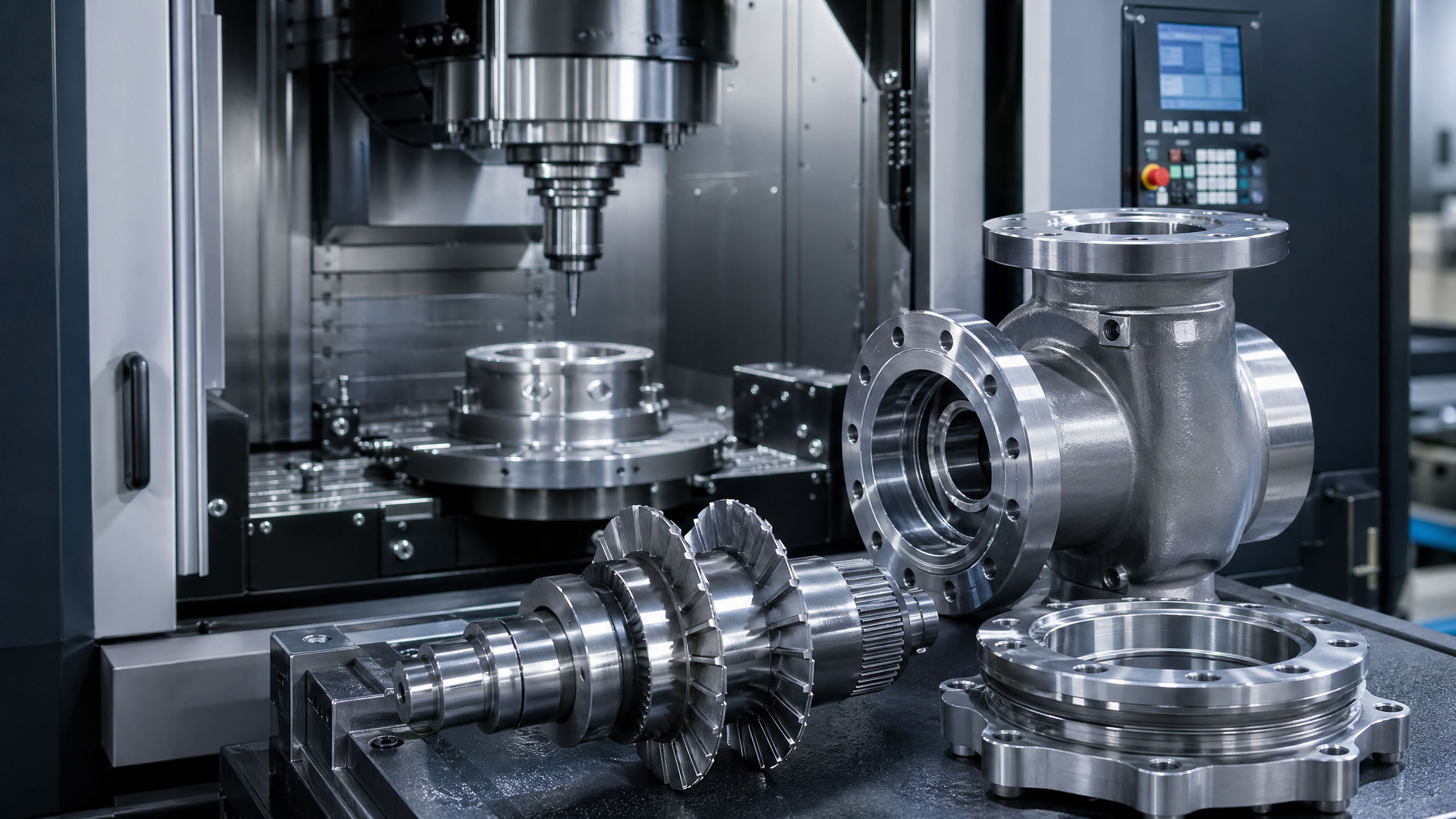
CNC manufacturing for energy equipment deserves separate attention because parts are often larger, more material-intensive, and subject to tighter process control. Components for pumps, valves, shafts, flanges, and structural assemblies can require long cutting cycles and reliable thermal management. In this case, a high precision machine tool that keeps stable performance over extended runs may lower total production cost even if initial purchase price is higher.
The table below outlines how savings tend to appear in different production settings. It can help both users and commercial evaluators connect machine features to operational outcomes.
These scenarios show why there is no single formula for lower unit cost. Energy-saving CNC manufacturing succeeds when machine design, automation level, and production mix are aligned. Buyers should therefore ask not only “Is this machine efficient?” but also “Efficient for which part family, shift model, and output goal?”
Common mistakes that prevent savings
Several mistakes appear repeatedly in machine tool sourcing and process planning. They do not always cause immediate failure, but they often erode the expected savings over the first 6–12 months of operation.
- Selecting by rated power only and ignoring process stability, thermal behavior, and idle-time losses.
- Using a compact machine tool design in a layout where chip handling, fixture access, or maintenance clearance becomes difficult.
- Assuming automation always lowers cost, even when part variation is too high or upstream scheduling is unstable.
- Underestimating operator training needs during the first 3–7 days after installation and process handover.
Avoiding these mistakes requires coordination between production, maintenance, quality, and procurement. That coordination is often more valuable than a narrow focus on machine list price.
What should buyers ask about compliance, implementation, and long-term support?
For many B2B projects, energy-saving CNC manufacturing is approved only after the technical and commercial teams are confident about implementation risk. That means buyers should discuss not only machine performance, but also documentation, operator safety, electrical compatibility, and service readiness. While exact requirements vary by market and industry, a structured compliance and support review reduces surprises after purchase.
In cross-border procurement, common review items include electrical standards, machine documentation language, installation requirements, training scope, and spare part planning. For regulated manufacturing environments, teams may also ask whether the supplier can provide the general technical files and operating materials needed for internal review. Even when no special certification is requested, these details influence startup speed and audit readiness.
Implementation is usually easiest when broken into stages. A common sequence is 4 stages: technical confirmation, production planning, installation and trial cutting, then performance stabilization. Depending on machine complexity and automation scope, the practical timeline can range from several days for a simple standalone unit to 2–4 weeks for a more integrated cell.
For long-term value, support quality matters as much as initial delivery. If the machine is expected to support precision CNC manufacturing over multiple product cycles, buyers should ask how software updates, spare parts, preventive maintenance, and remote troubleshooting will be handled after commissioning.
A practical implementation sequence
- Technical confirmation: review part drawings, material range, tolerance expectations, tool strategy, and utility conditions before order release.
- Layout and readiness planning: confirm floor space, power supply, coolant handling, compressed air, and automation interface points.
- Installation and trial cutting: verify machine function, run sample parts, and adjust process parameters over the first few production cycles.
- Stabilization and support: train operators, define preventive maintenance intervals, and monitor output consistency during the first month.
This sequence helps align the needs of operators, engineers, and commercial stakeholders. It also creates a more reliable path from machine delivery to measurable unit cost improvement.
FAQ for buyers evaluating energy-saving CNC manufacturing
Can an energy-saving CNC machine lower cost if my production volume is not high?
Yes, but the savings usually come from different areas. In lower-volume work, benefits often appear through faster setup, fewer corrections, more stable first-piece approval, and reduced operator intervention rather than electricity reduction alone. This is common in mixed-batch machining and prototype-to-small-series production.
What is more important: lower power use or shorter cycle time?
In most production environments, the better answer is balance. If cycle time falls but scrap rises, unit cost may worsen. If power use drops but throughput suffers, the benefit may be limited. For many parts, the most valuable combination is stable cycle time, acceptable utility demand, and low interruption frequency over 8–12 hour production windows.
How long does evaluation usually take before purchase?
A practical pre-purchase review often takes 1–3 weeks, depending on whether sample machining, layout planning, or automation matching is required. More complex projects involving flexible production lines or energy equipment parts may require additional technical meetings and process verification.
What should I request in a supplier quotation?
Ask for machine configuration, utility requirements, expected delivery range, installation scope, training content, service response conditions, and any assumptions used for process performance claims. For automated CNC manufacturing, also request interface details for loaders, robots, or pallet systems.
Why choose us for CNC manufacturing insight and sourcing support?
If you are comparing energy-saving CNC manufacturing options, you need more than general product claims. You need support that connects machine tool technology with real production decisions: part type, tolerance level, automation plan, utility conditions, and commercial timing. Our platform focuses on the global CNC machining and precision manufacturing industry, helping professionals review technology trends, supplier options, market developments, and procurement considerations in one place.
We can help you narrow decisions faster by focusing on the questions that matter most in B2B manufacturing. These include whether a compact machine tool design fits your layout, whether a high precision machine tool matches your tolerance and batch profile, and whether an automated CNC manufacturing setup will improve throughput without creating unnecessary integration cost. This is especially useful for teams sourcing equipment for automotive, aerospace, electronics, and CNC manufacturing for energy equipment.
You can contact us to discuss practical topics such as parameter confirmation, machine selection logic, expected delivery windows, customization possibilities, sample part review, and quotation comparison. If your project involves multi-axis machining, production line planning, or international sourcing, we can also help structure the evaluation points so internal stakeholders can make a clearer decision within 1 or 2 review cycles.
If you are currently assessing precision CNC manufacturing or energy-saving machine tool solutions, send your part requirements, target output, material range, and expected timeline. That allows a more targeted discussion around configuration suitability, implementation steps, and long-term unit cost control rather than a generic product pitch.
PREVIOUS ARTICLE
NEXT ARTICLE
Recommended for You
 How to Choose a Space-Saving CNC Manufacturing SetupCNC Machining Technology Center
![]() What to Check Before Using a CNC Manufacturing WholesalerGlobal Machine Tool Trade Research Center
What to Check Before Using a CNC Manufacturing WholesalerGlobal Machine Tool Trade Research Center Why Precision CNC Manufacturing Fails Tolerance GoalsCNC Machining Technology Center
 Is CNC Manufacturing for Energy Equipment Worth the CostManufacturing Market Research Center
![]() How Low Maintenance CNC Manufacturing Cuts DowntimeMachine Tool Industry Editorial Team
How Low Maintenance CNC Manufacturing Cuts DowntimeMachine Tool Industry Editorial Team How to Compare One CNC Manufacturing Factory to AnotherManufacturing Market Research Center


Aris Katos
Future of Carbide Coatings
15+ years in precision manufacturing systems. Specialized in high-speed milling and aerospace grade alloy processing.
▶
Can Energy-Saving CNC Manufacturing Lower Unit CostManufacturing Policy Research Center▶
Do Energy-Saving Machine Tools Pay Back FastManufacturing Policy Research Center▶
China’s CNC Smart Factories Gain Zero-Carbon Certification Mutual RecognitionManufacturing Policy Research Center▶
China Releases First Eastern Seabed Elemental Map for CNC Material TraceabilityManufacturing Policy Research Center▶
Green Design Guidelines 2026 Impose 11 Mandatory Requirements on CNC ExportsManufacturing Policy Research Center
Mastering 5-Axis Workholding Strategies
Join our technical panel on Nov 15th to learn about reducing vibrations in thin-wall components.

Providing you with integrated sanding solutions
Before-sales and after-sales services
Comprehensive technical support