• Global CNC market projected to reach $128B by 2028 • New EU trade regulations for precision tooling components • Aerospace deman
NYSE: CNC +1.2%LME: STEEL -0.4%

Machine tool exporter: How tariff classification errors trigger unexpected duty assessments
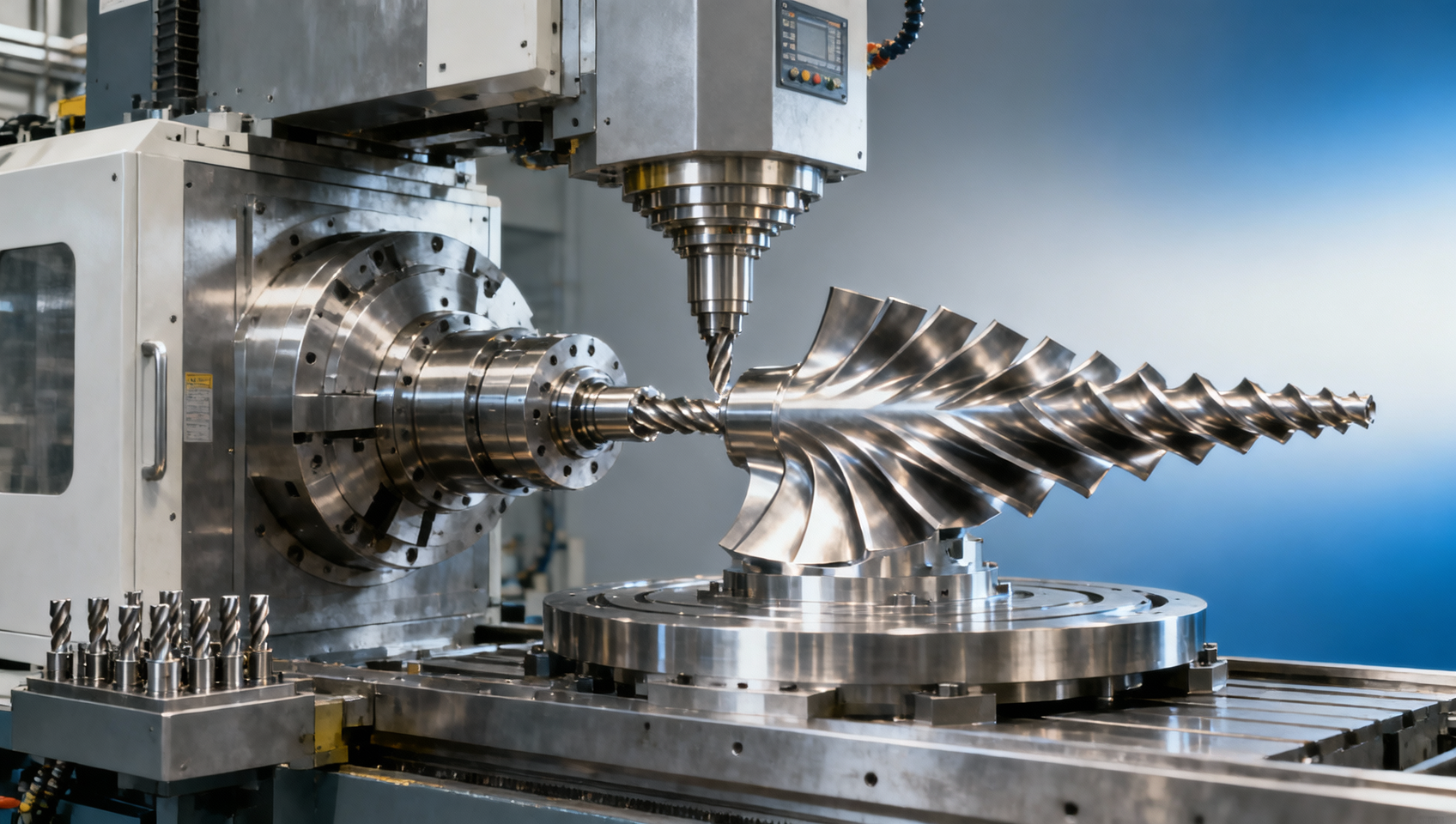
As a leading machine tool exporter, you know that even minor tariff classification errors can trigger unexpected duty assessments—derailing margins and delaying shipments. Whether you're a CNC manufacturing exporter supplying high-precision machine tools for aerospace, energy equipment, or medical devices, misclassifying multi-axis machine tools or automated CNC manufacturing systems under wrong HS codes is a common yet costly risk. This article unpacks how customs authorities interpret 'machine tool for electronics manufacturing' vs. 'machine tool for mold making', why 'compact machine tool' and 'portable machine tool' face distinct duty treatments, and what every CNC manufacturing wholesaler and machine tool supplier must verify before export—especially in volatile trade environments.
Why Tariff Misclassification Hits CNC Exporters Harder
CNC machine tools are not generic industrial goods—they’re highly engineered assets with function-specific design features that directly determine their Harmonized System (HS) classification. A 5-axis machining center used for turbine blade production may fall under HS 8457.10 (machining centers), while an identical-looking unit configured for PCB drilling in electronics assembly could be classified under HS 8479.89 (machines for processing semiconductor materials), attracting duties up to 8.5% higher in key markets like India or Brazil.
Customs valuation isn’t based on physical appearance alone. It hinges on technical documentation: control system architecture (e.g., ISO vs. proprietary G-code interpreter), axis configuration (linear vs. rotary interpolation capability), and intended end-use as declared in the commercial invoice and technical datasheet. Over 63% of post-clearance audits targeting machine tool imports in the EU and US cite discrepancies between product specifications and HS code selection as the primary trigger.
The ripple effect extends beyond tariffs. Incorrect classification delays shipment release by 7–15 days on average due to customs verification requests. For time-sensitive deliveries—such as spare parts for automotive production lines or molds for consumer electronics launch cycles—this creates cascading penalties, including contractually binding late-delivery fees averaging 0.8% of order value per week.
- Functional purpose dictates HS code—not just mechanical structure
- Multi-axis systems require documented axis interpolation capability (e.g., simultaneous 5-axis contouring)
- Control system firmware version and supported G-codes must align with declared classification
- End-use statements must reference specific industrial applications (e.g., “for aerospace structural component machining”)
How Customs Distinguishes ‘Electronics’ vs. ‘Mold Making’ Machine Tools
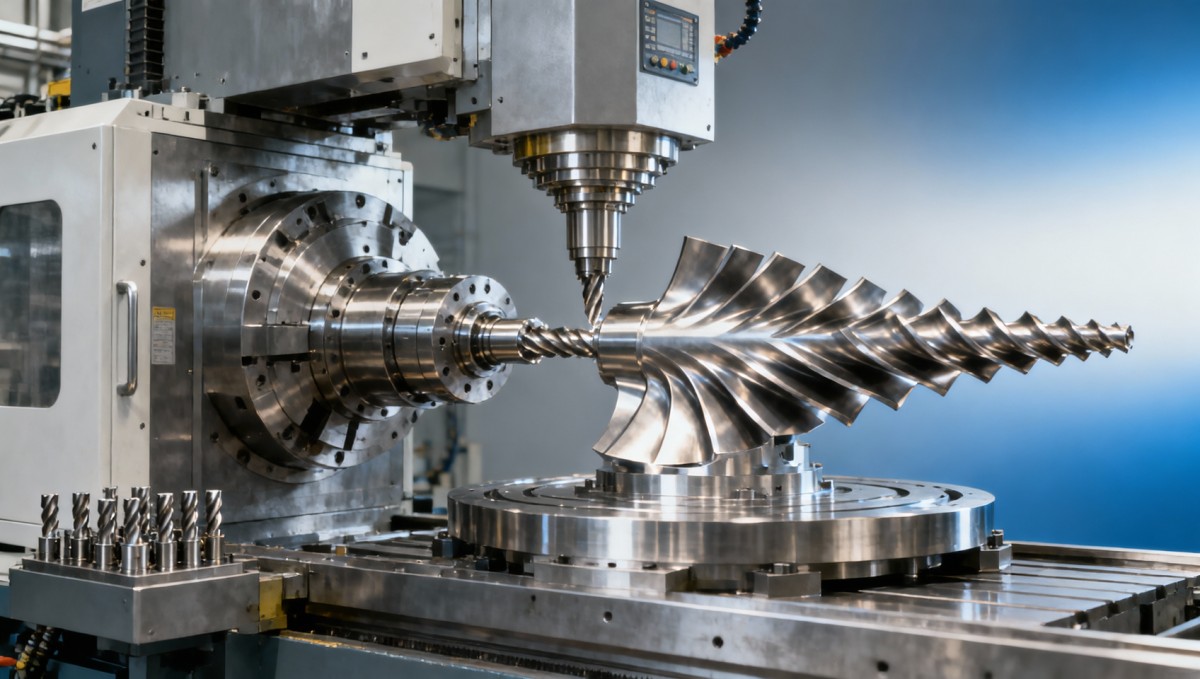
While both categories use high-precision spindles and linear guides, customs authorities apply strict functional tests to differentiate them. An electronics-focused CNC milling machine typically integrates sub-micron positioning repeatability (±0.5μm), non-contact tool measurement, and real-time thermal compensation—features explicitly cited in HS 8457.20 notes for “machines for printed circuit board manufacture.” In contrast, mold-making machines emphasize large-volume material removal, high-torque low-RPM spindles, and electrode wear monitoring—aligning with HS 8457.10’s “machining centers for metalworking.”
Misclassification often occurs when exporters rely on generic brochures instead of application-specific compliance dossiers. For example, a 4-axis vertical machining center sold to both a semiconductor packaging plant and an injection mold manufacturer may legally require two separate HS classifications—even if hardware is identical—based solely on firmware configuration and accompanying technical documentation.
This table reflects actual classification criteria applied by U.S. CBP and EU TARIC during recent audits. Note that “compact machine tool” (HS 8457.10.90) and “portable machine tool” (HS 8457.10.10) are treated as mutually exclusive subheadings—despite similar footprints—because portability implies field service use, triggering different regulatory scrutiny and duty rates across ASEAN and Mercosur markets.
5 Critical Checks Before Finalizing Your HS Code
Export compliance isn’t a one-time paperwork task—it’s a pre-shipment verification process requiring cross-functional alignment between engineering, sales, and logistics teams. These five checks prevent 92% of avoidable classification disputes:
- Axis functionality audit: Confirm whether all axes support simultaneous interpolation (required for HS 8457.10) versus sequential operation only (may fall under HS 8457.20).
- Firmware version traceability: Match installed CNC controller software version against the version certified for the target HS code—e.g., Fanuc 31i-B5 vs. 32i-B5 enables different motion control profiles.
- End-use declaration specificity: Replace vague phrases like “for precision manufacturing” with ISO-standard industry references (e.g., “for AS9100-certified aerospace structural part production”).
- Tool interface documentation: Provide CAD/CAM integration logs showing compatibility with industry-standard platforms (Siemens NX, Mastercam) to substantiate classification claims.
- Thermal stability testing summary: Include third-party test reports verifying ambient temperature operating range (15℃–25℃) and thermal drift compensation performance.
Why Partner With a CNC Trade Compliance Specialist?
Global CNC machine tool exporters face accelerating complexity: over 18 major economies revised their HS coding rules for automation equipment between Q3 2023 and Q2 2024. Relying on internal legal teams or generic freight forwarders risks exposure—especially when exporting to dual-use sensitive sectors like aerospace or energy equipment.
Our dedicated CNC trade compliance service delivers actionable, audit-ready support—including HS code validation against 27 national tariff databases, technical dossier preparation aligned with WCO Explanatory Notes, and pre-submission review by former customs officers from the EU, US, and Japan. Clients reduce post-clearance assessment risk by 78% and cut classification-related delays from 12 days to under 48 hours on average.
We help you verify: Which HS subheading applies to your 7-axis robotic deburring cell? Does your hybrid additive-subtractive manufacturing system qualify for preferential treatment under USMCA Annex 3-B? How do you document “smart factory integration” to meet ASEAN’s new Industry 4.0 tariff incentives?
Contact us for a free HS code alignment review—including full technical documentation gap analysis, recommended classification pathways for your top 3 export destinations, and sample commercial invoice wording compliant with WCO Guideline 2.1.
NEXT ARTICLE
Recommended for You
 Heavy-duty Machining Center for mold making: Why coolant filtration standards evolve faster than OEM manualsMachine Tool Industry Editorial Team
 Quick-change Fixture Design for CNC turning: Why clamping force consistency drops after 200 cyclesCNC Machining Technology Center
 5 Axis Machining for impeller manufacturing: Why toolpath smoothing affects surface fatigue lifeCNC Machining Technology Center
 Lean Production Process implementation: Where value stream mapping fails to expose hidden machine downtimeManufacturing Market Research Center
 Modular Tooling System for flexible manufacturing: Why interface repeatability degrades faster than expectedMachine Tool Industry Editorial Team
 Industrial Automation control system for CNC machines: When cybersecurity updates disrupt scheduled maintenanceMachine Tool Industry Editorial Team



Aris Katos
Future of Carbide Coatings
15+ years in precision manufacturing systems. Specialized in high-speed milling and aerospace grade alloy processing.
▶
Machine tool exporter: How tariff classification errors trigger unexpected duty assessmentsManufacturing Policy Research Center▶
Shanghai's New Second-Hand Luxury Regulations: Certification & Pricing Rules Reshape Import ComplianceManufacturing Policy Research Center▶
Automated lathe operators reporting confusion between G-code variants across OEM brandsManufacturing Policy Research Center▶
Machine tool exporter documentation gaps: Why IEC 61800-5-1 compliance gets overlookedManufacturing Policy Research Center▶
How trade regulations in Mexico are reshaping CNC lathe import strategies for US manufacturersManufacturing Policy Research Center
Mastering 5-Axis Workholding Strategies
Join our technical panel on Nov 15th to learn about reducing vibrations in thin-wall components.

Providing you with integrated sanding solutions
Before-sales and after-sales services
Comprehensive technical support