• Global CNC market projected to reach $128B by 2028 • New EU trade regulations for precision tooling components • Aerospace deman
NYSE: CNC +1.2%LME: STEEL -0.4%

CNC Manufacturing Exporter Checklist: Certifications, Capacity, and Shipping Risks to Review
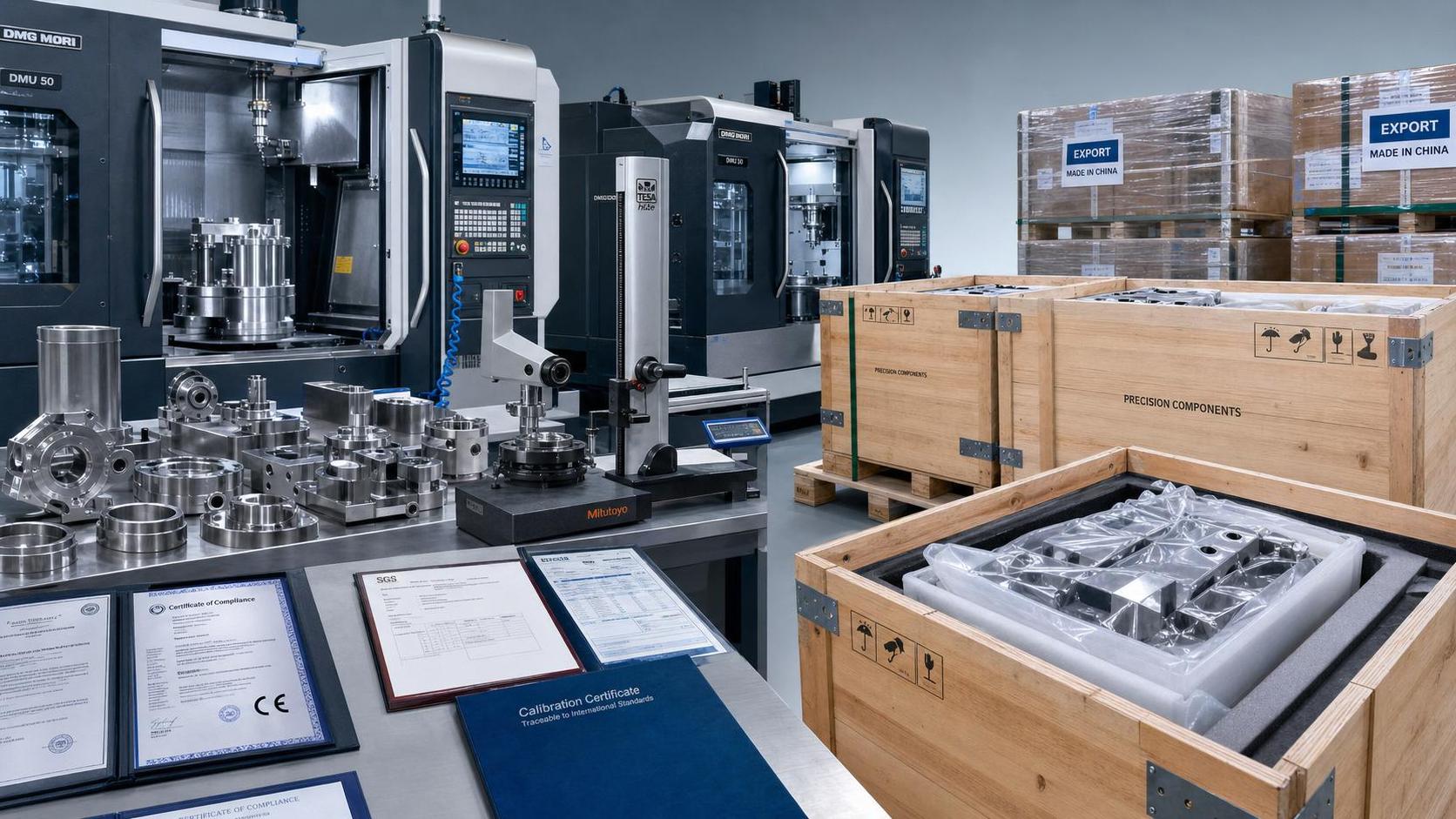
Why does a CNC manufacturing exporter need more than a low quote?
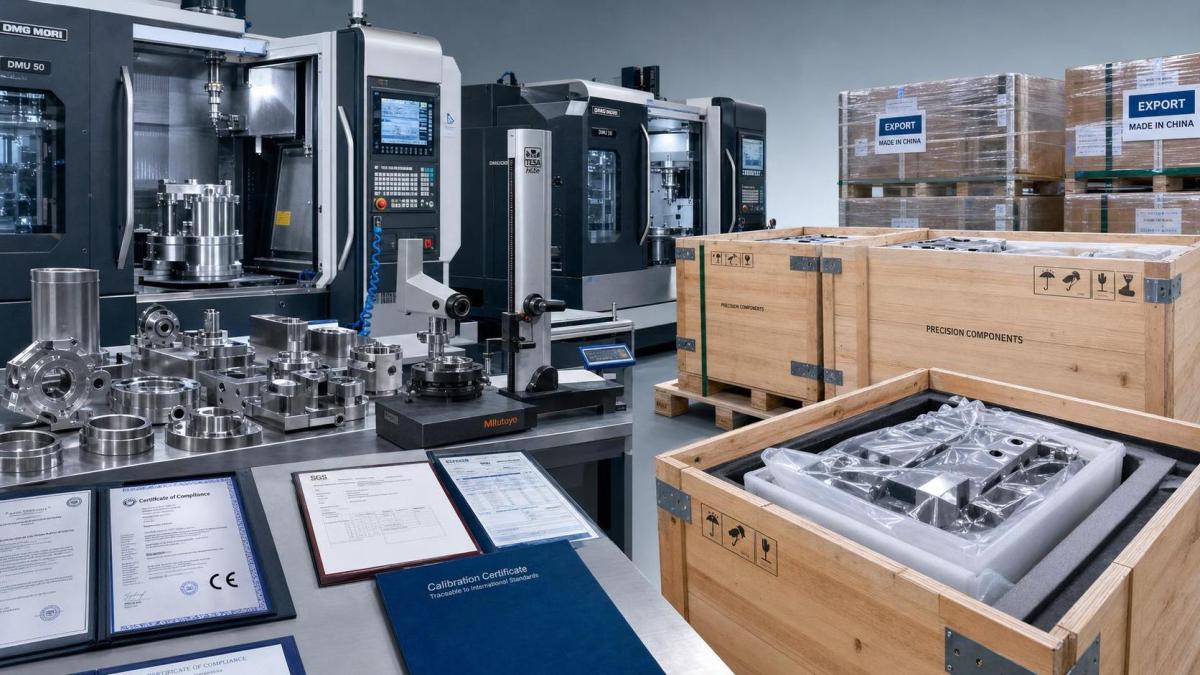
A low unit price rarely shows the full risk picture. In CNC trade, hidden gaps often appear in tolerances, traceability, lead time stability, and export handling.
That matters because CNC equipment and precision parts support industries where failure costs are high. Automotive, aerospace, electronics, and energy projects depend on repeatable machining quality.
A reliable CNC manufacturing exporter should be reviewed as a long-term production partner, not only as a seller. The real question is whether output stays stable across batches and shipments.
In practical terms, evaluation usually starts with three checks. Are certifications valid, is capacity realistic, and are shipping risks actively controlled rather than explained away later?
This is especially relevant now. Global machine tool supply chains are becoming more digital, more automated, and more specialized across China, Germany, Japan, South Korea, and other industrial hubs.
So when comparing a CNC manufacturing exporter, it helps to read beyond the brochure. The details inside quality systems and export execution usually tell the real story.
Which certifications actually matter, and which ones are just decoration?
Not every certificate carries the same weight. Some confirm a management system. Others relate to product compliance, safety, material traceability, or market access requirements.
For a CNC manufacturing exporter, ISO 9001 is often the starting point, not the finish line. It suggests process control exists, but it does not prove machining capability by itself.
If the exporter serves aerospace, medical, or automotive programs, sector-specific standards may matter more than a general certificate. The right benchmark depends on the part and destination market.
Need to review documentation carefully? Check whether the certificate scope covers machining, assembly, inspection, and export-related operations. A narrow scope can create false confidence.
It is also worth asking who issued the certificate and when the last audit happened. An expired file or an unknown issuing body should trigger deeper verification.
The same applies to RoHS, REACH, CE-related declarations, or country-specific compliance files. These documents should match the actual product category and shipment destination.
A quick certification review table
A simple comparison table often makes early screening faster and more objective.
A strong CNC manufacturing exporter will usually provide these records quickly, with clear version control and matching part references. Delay or ambiguity often points to weak internal discipline.
How can you tell if production capacity is real, not just sales language?
Capacity is not only about machine count. Ten machining centers mean little if fixtures are limited, operators are stretched, or inspection becomes the bottleneck.
A capable CNC manufacturing exporter should explain current utilization, shift structure, subcontracting boundaries, and the mix of parts already running through the shop.
Ask for examples that resemble your own requirements. Multi-axis aluminum prototypes, hardened steel shafts, precision discs, and assembled subcomponents demand very different scheduling logic.
In actual sourcing work, the better signal is consistency under load. Can the supplier hold tolerances when orders scale from samples to repeat production?
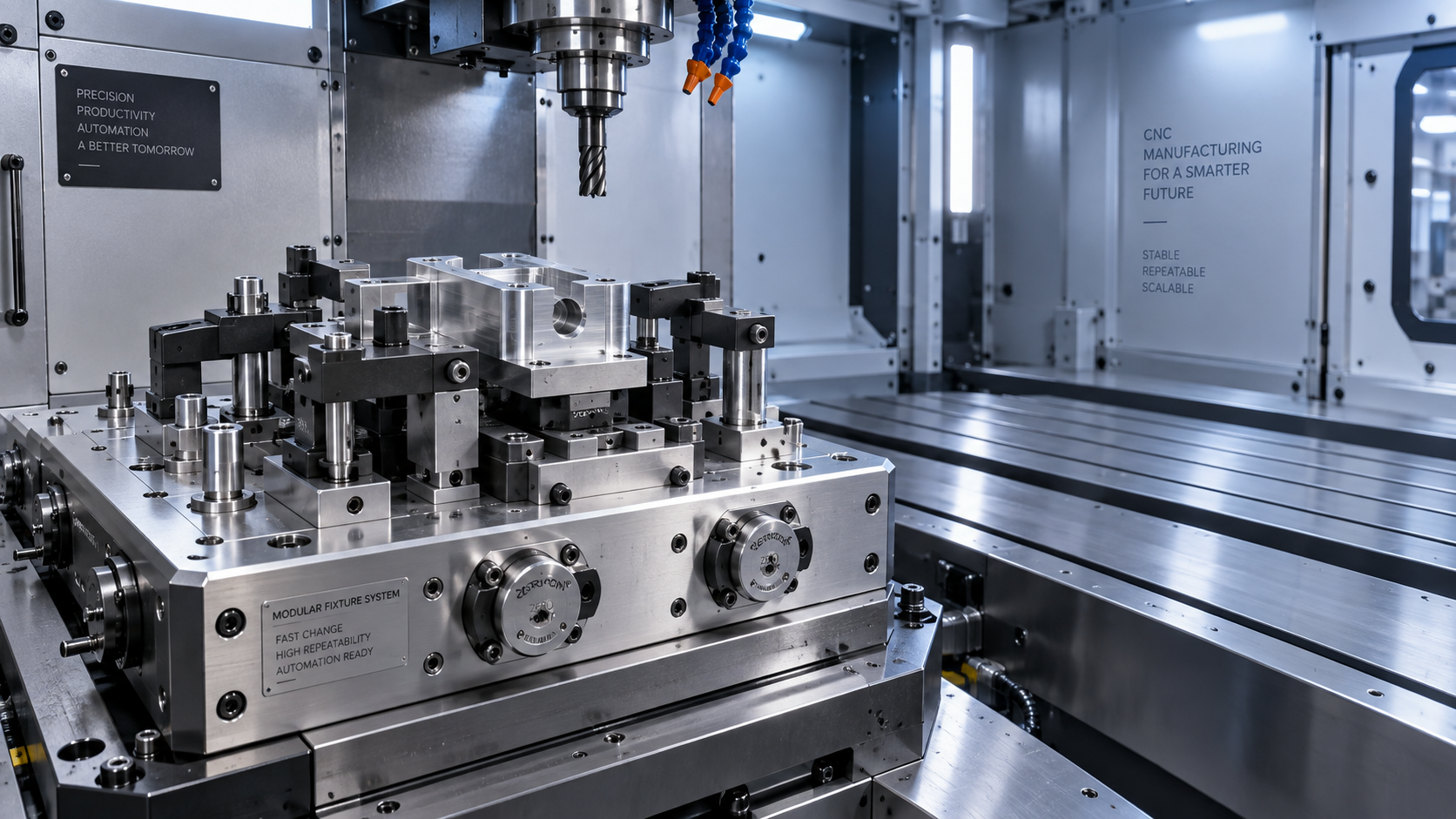
This is where process planning matters. Tooling strategy, fixture repeatability, in-process measurement, and preventive maintenance usually separate stable exporters from opportunistic traders.
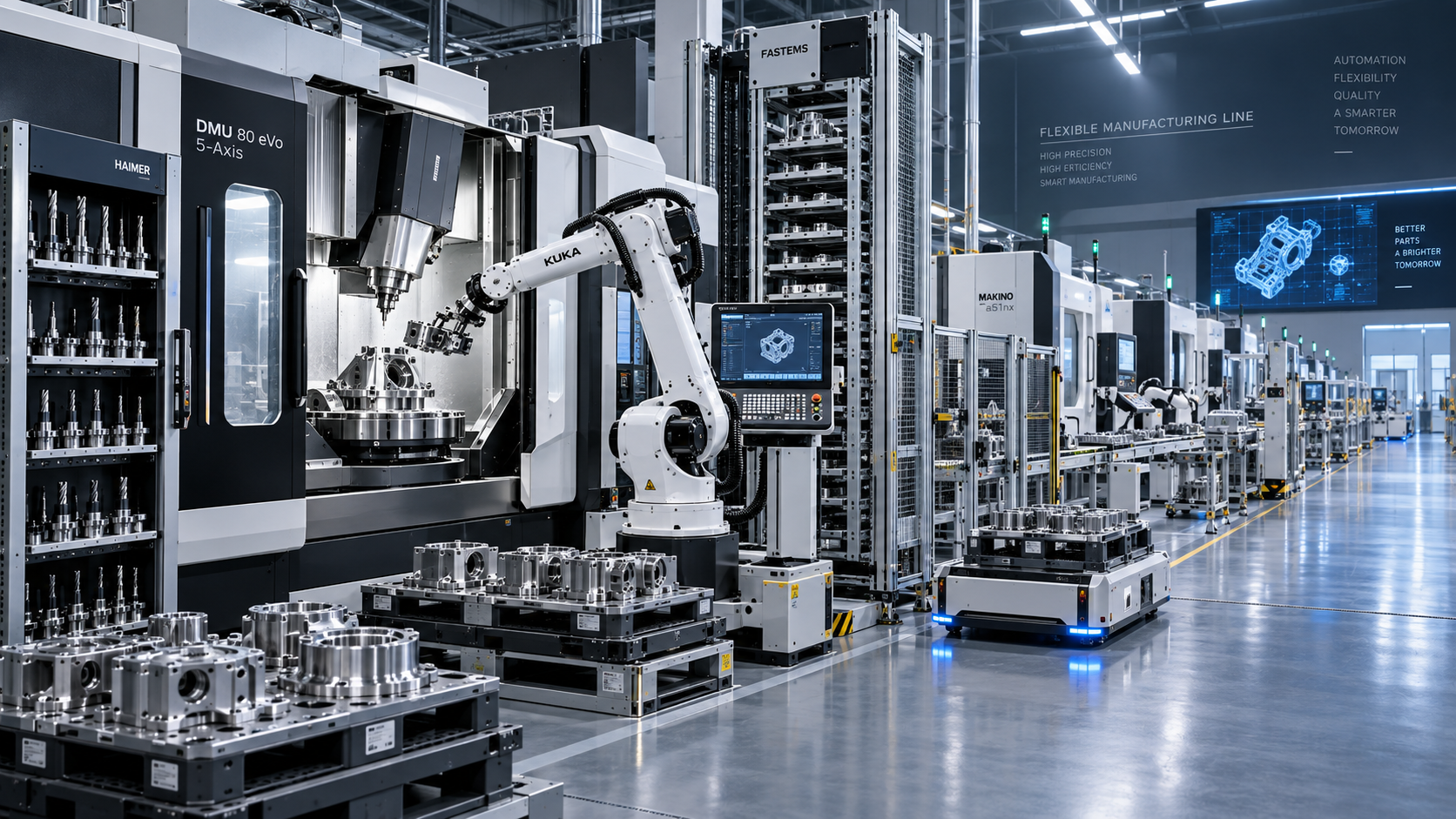
Digital integration is another clue. Shops using ERP, MES, barcode traceability, and machine data collection often have a clearer view of delivery risk than those relying on manual updates.
Questions that reveal real capacity
- What is the current average machine loading by product family?
- Which operations are completed in-house, and which are outsourced?
- How many CMMs, skilled programmers, and quality staff support the line?
- What was the on-time delivery rate over the last six months?
- How are urgent export orders handled without disrupting regular production?
A credible answer should include numbers, limits, and tradeoffs. Vague promises such as “no problem” or “very fast” are not useful for evaluating a CNC manufacturing exporter.
What usually causes quality drift after the sample stage?
Many export programs fail after approval of the first sample, not before it. Sample parts often receive extra attention that routine production cannot maintain.
The common reasons are tool wear, undocumented setup changes, unstable raw material sources, and inconsistent inspection frequency. None of these problems look obvious in a quotation.
For this reason, a CNC manufacturing exporter should show more than one first article report. Batch records, control plans, SPC data, and nonconformance handling reveal stronger evidence.
It also helps to check whether engineering changes are controlled formally. A revised drawing, new insert grade, or outsourced heat treatment can affect dimensions and surface finish.
Where tight tolerance parts are involved, inspection capability matters almost as much as machining capability. Poor measurement practice can hide drift until the shipment reaches the destination.
A sensible review includes gauge R&R, calibration discipline, sampling logic, and packaging protection for finished parts. Precision can be lost after machining if handling is weak.
Shipping risk sounds secondary, so why does it change the final cost so much?
Shipping risk affects landed cost, schedule confidence, and claim recovery. For precision components, poor export execution can erase the value created by accurate machining.
The first issue is packaging design. A CNC manufacturing exporter should know when parts need anti-rust protection, vacuum sealing, foam isolation, desiccants, or shock-resistant crates.
The second issue is documentation accuracy. Wrong HS codes, incomplete commercial invoices, or inconsistent packing lists often cause customs delays and extra port charges.
Transit planning matters too. Ocean freight may lower cost, but it can increase humidity exposure, transfer handling, and recovery time if a shipment misses connection windows.
In more advanced programs, exporters build shipping controls into the quality plan. That includes carton labeling, pallet mapping, lot separation, and photo records before dispatch.
This is where a CNC manufacturing exporter with repeat international experience stands out. Export readiness is not a side task. It is part of supply reliability.
Practical shipping checks before approval
- Confirm Incoterms, insurance responsibility, and claim process in writing.
- Review packaging photos from previous international shipments.
- Ask how rust prevention is validated for long transit routes.
- Check whether documents are prepared in-house or by a forwarding partner.
- Verify response procedures for customs hold, damage, or missing cartons.
When comparing exporters, what should go into the final checklist?
A useful checklist balances technical evidence and commercial discipline. It should help separate a polished presentation from a dependable operating model.
More often, the best choice is not the cheapest CNC manufacturing exporter. It is the one with clear controls, realistic commitments, and fewer unknowns across the full order cycle.
A compact final review can include the following points.
- Certification scope matches the actual part, process, and market.
- Capacity data shows machine availability, staffing, and inspection support.
- Quality evidence covers batch consistency, not only sample approval.
- Subcontracting is disclosed and controlled with traceable records.
- Export packaging and shipping documents are proven in similar routes.
- Communication is timely, specific, and technically coherent.
If several candidates look similar, compare how each one handles exceptions. Delays, rework, drawing changes, and freight disruptions reveal the maturity of a CNC manufacturing exporter faster than a sales deck.
The next step is straightforward. Define the part family, tolerance level, annual volume, destination market, and shipping route, then score each exporter against the same checklist.
That approach creates a more reliable decision basis, especially in a CNC industry shaped by automation, precision, and increasingly global production networks.
PREVIOUS ARTICLE
NEXT ARTICLE
Recommended for You
 Machine Tool Market Outlook: Demand Drivers, Capacity Shifts, and Investment RisksManufacturing Market Research Center
 Zero-Point Clamping or Modular Fixtures? Choosing a Faster CNC Changeover SystemCNC Machining Technology Center
 How to Cut CNC Fixture Changeover Time Without Sacrificing Part AccuracyCNC Machining Technology Center
 When Does CNC Turning Pay Off? A Break-Even Guide by Annual Part VolumeMachine Tool Industry Editorial Team
 Machine Tool Standards by Country: What Importers Must Verify Before PurchaseManufacturing Policy Research Center
 CNC Lathe Quick Installation Guide: Alignment Checks Before First Production RunCNC Machining Technology Center

Aris Katos
Future of Carbide Coatings
15+ years in precision manufacturing systems. Specialized in high-speed milling and aerospace grade alloy processing.
▶
日本高端机床出口管制生效,五轴CNC审批趋严Global Machine Tool Trade Research Center▶
Japan Tightens Controls on High-End Machine Tool ExportsGlobal Machine Tool Trade Research Center▶
US Proposes 25% Tariff on China CNC Servo DrivesGlobal Machine Tool Trade Research Center▶
US Adds 37 Chinese Machine Tool Firms to Export ListGlobal Machine Tool Trade Research Center▶
US Tightens CNC Export Curbs, Adds 52 China EntitiesGlobal Machine Tool Trade Research Center
Mastering 5-Axis Workholding Strategies
Join our technical panel on Nov 15th to learn about reducing vibrations in thin-wall components.

Providing you with integrated sanding solutions
Before-sales and after-sales services
Comprehensive technical support