• Global CNC market projected to reach $128B by 2028 • New EU trade regulations for precision tooling components • Aerospace deman
NYSE: CNC +1.2%LME: STEEL -0.4%

Vietnam Drafts New Origin Rule for CNC Machine Imports

On June 27, 2026, Vietnam’s Ministry of Industry and Trade opened a public consultation on a draft revision tied to Decree No. 23/2023/ND-CP, proposing a new origin-tracing requirement for certain imported CNC machine tools. The draft matters to Chinese exporters, Vietnamese importers, equipment distributors, and supply chain service providers because it would add a document requirement for covered shipments and could affect both paperwork preparation and delivery timing for higher-value machine tool transactions.
What the draft revision would require
According to the information provided, the draft amendment to the rules on origin traceability for imported machinery and equipment would take effect on October 1, 2026, if implemented as proposed. It would require importers to submit a “non-sensitive technology origin declaration” (Form V-CNC) for imported CNC machine tools, machining centers, and related fixtures when the import value exceeds USD 50,000.
The same information states that the declaration would need to be issued by China Customs or the China Council for the Promotion of International Trade. The stated policy purpose is to strengthen scrutiny of the technology source of high-precision numerical control equipment.
Where the immediate pressure points may emerge
Documentation pressure on cross-border equipment trade
From an industry perspective, direct trading companies may be affected first because the draft centers on a mandatory filing document. The practical impact would likely appear in export document preparation, transaction scheduling, and coordination between seller and buyer over what must be submitted before customs clearance or delivery can move forward.
Delivery planning for machinery manufacturers and exporters
For processing and manufacturing enterprises exporting CNC machine tools or machining centers from China to Vietnam, the main issue is not only the product itself but also whether the required origin declaration can be obtained in time. Analysis shows that any additional certification step may become part of the delivery timeline, especially for orders above the stated value threshold.
Operational adjustments for importers and distributors in Vietnam
Vietnamese importers and channel distributors may need to pay closer attention to contract terms, filing responsibilities, and shipment readiness. Observably, the draft is focused on imports of specific equipment categories and linked accessories, so the impact would be concentrated in transactions involving covered machine tool products rather than in all industrial equipment imports.
Coordination demands on logistics and compliance service providers
Supply chain service providers, customs-related intermediaries, and compliance support teams may also see more work around document verification and handoff timing. What deserves closer attention is whether Form V-CNC becomes a routine pre-shipment requirement in practice, because that would directly shape lead-time management and communication across the transaction chain.
What companies should watch before the proposed start date
Track the final wording of the rule
The current information refers to a draft released for public comment on June 27, 2026. Companies should therefore distinguish between a proposed requirement and a finalized one, with particular attention to whether the covered product scope, value threshold, or document wording changes before the proposed October 1, 2026 implementation date.
Review whether products fall within the stated scope
Businesses involved in CNC machine tools, machining centers, and related fixtures should review ongoing and planned transactions to identify which shipments could fall within the over-USD-50,000 threshold described in the draft. This is the key starting point for assessing documentation exposure and delivery risk.
Prepare document workflows with upstream and downstream parties
Analysis shows that the core operational issue is likely to be document readiness rather than a change in product specifications. Exporters, importers, and service providers should closely map who will request, issue, receive, and verify the proposed Form V-CNC so that contract execution and shipment scheduling are not built on unclear assumptions.
Manage customer communication around lead times
Because the provided summary indicates a direct effect on paperwork preparation and delivery cycles for Chinese exporters, companies should pay attention to how they communicate possible timing changes to buyers and project teams. The distinction between policy announcement, final implementation, and actual customs handling practice may become important in commercial discussions.
Why this looks like a policy signal worth tracking
Observably, this development should not yet be treated as a completed regulatory outcome, because the information provided describes a draft under public consultation rather than a finalized and fully applied rule. At the same time, it is more appropriate to understand this as a concrete policy signal: Vietnam is proposing closer origin-tracing scrutiny for higher-value, high-precision CNC equipment, and that direction alone is relevant for companies already active in the China-Vietnam machinery trade corridor.
Analysis shows that the significance of the draft lies less in broad market claims and more in its operational implications. If adopted in the proposed form, the requirement would shift part of the compliance burden into the pre-delivery stage and make origin-related documentation a more visible part of machine tool transactions.
How the market may best read the development for now
For now, this news is best understood as a developing regulatory change with direct practical relevance but with final details still requiring confirmation. It signals a possible tightening of documentation requirements for specified CNC equipment imports into Vietnam, while the full business impact will depend on the final rule text and how the requirement is implemented in actual trade operations.
A neutral reading is therefore appropriate: this is neither a routine administrative update nor a confirmed end-state. It is a draft measure that already deserves attention from exporters, importers, and compliance teams because documentation lead time and transaction coordination could become more sensitive if the proposal moves ahead as planned.
Basis of this article and what still needs verification
This article is based on the user-provided news title, event date, and event summary regarding Vietnam’s proposed revision related to Decree No. 23/2023/ND-CP and the proposed Form V-CNC requirement for certain imported CNC equipment.
For this type of industry update, relevant source categories typically include official government notices, regulatory consultation drafts, company disclosures, industry association updates, authoritative media reporting, and standards or trade documentation issued by recognized bodies. A specific official source link was not provided in the input, so the exact official publication path still needs ongoing verification.
What deserves continued attention is the final text of the revision, the confirmed implementation date, and any clarifications on covered product scope, document issuance, and filing practice after the consultation stage.
Recommended for You
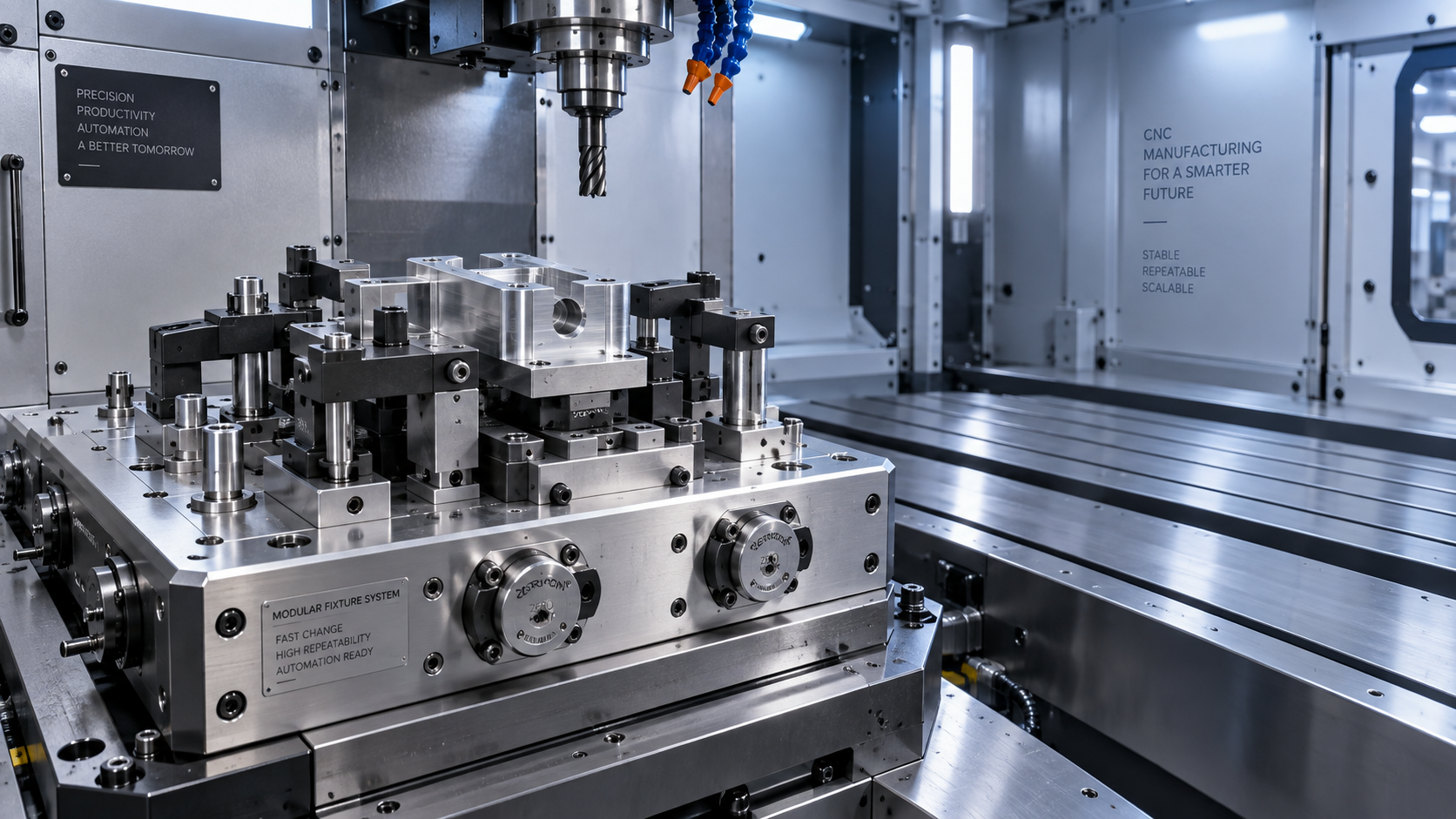
 Zero-Point Clamping or Modular Fixtures? Choosing a Faster CNC Changeover SystemCNC Machining Technology Center
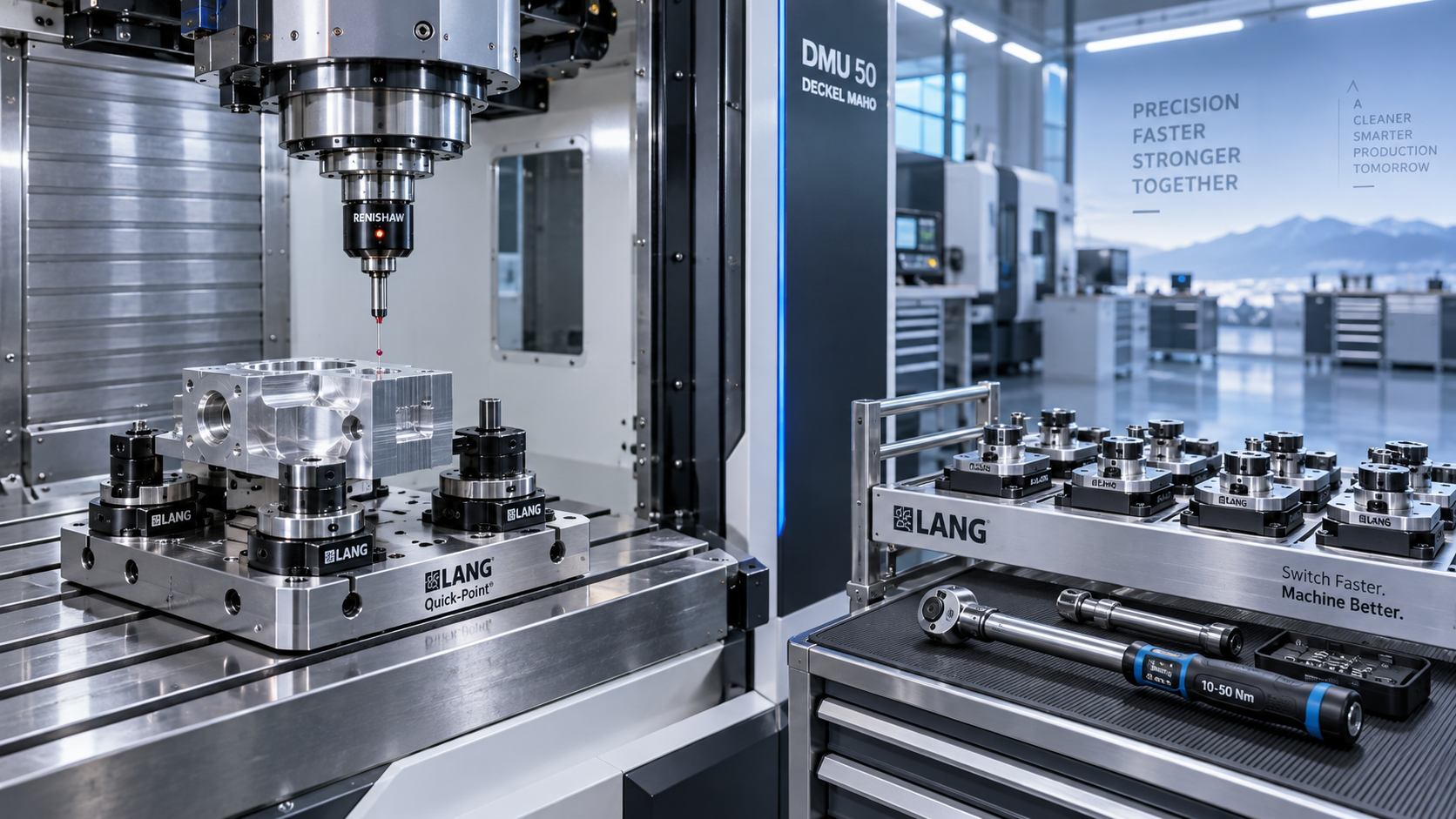
 How to Cut CNC Fixture Changeover Time Without Sacrificing Part AccuracyCNC Machining Technology Center
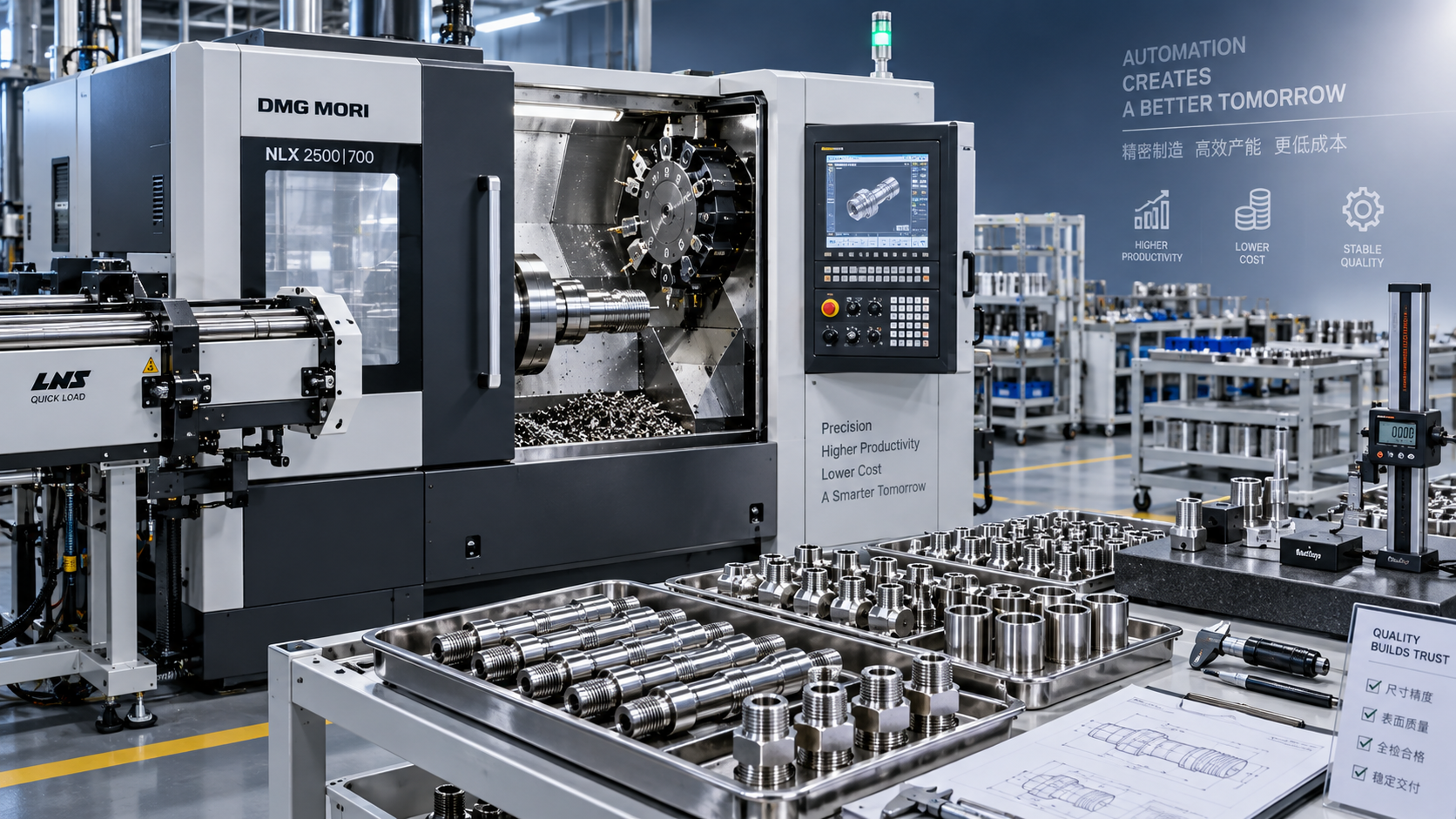
 When Does CNC Turning Pay Off? A Break-Even Guide by Annual Part VolumeMachine Tool Industry Editorial Team
 Machine Tool Standards by Country: What Importers Must Verify Before PurchaseManufacturing Policy Research Center
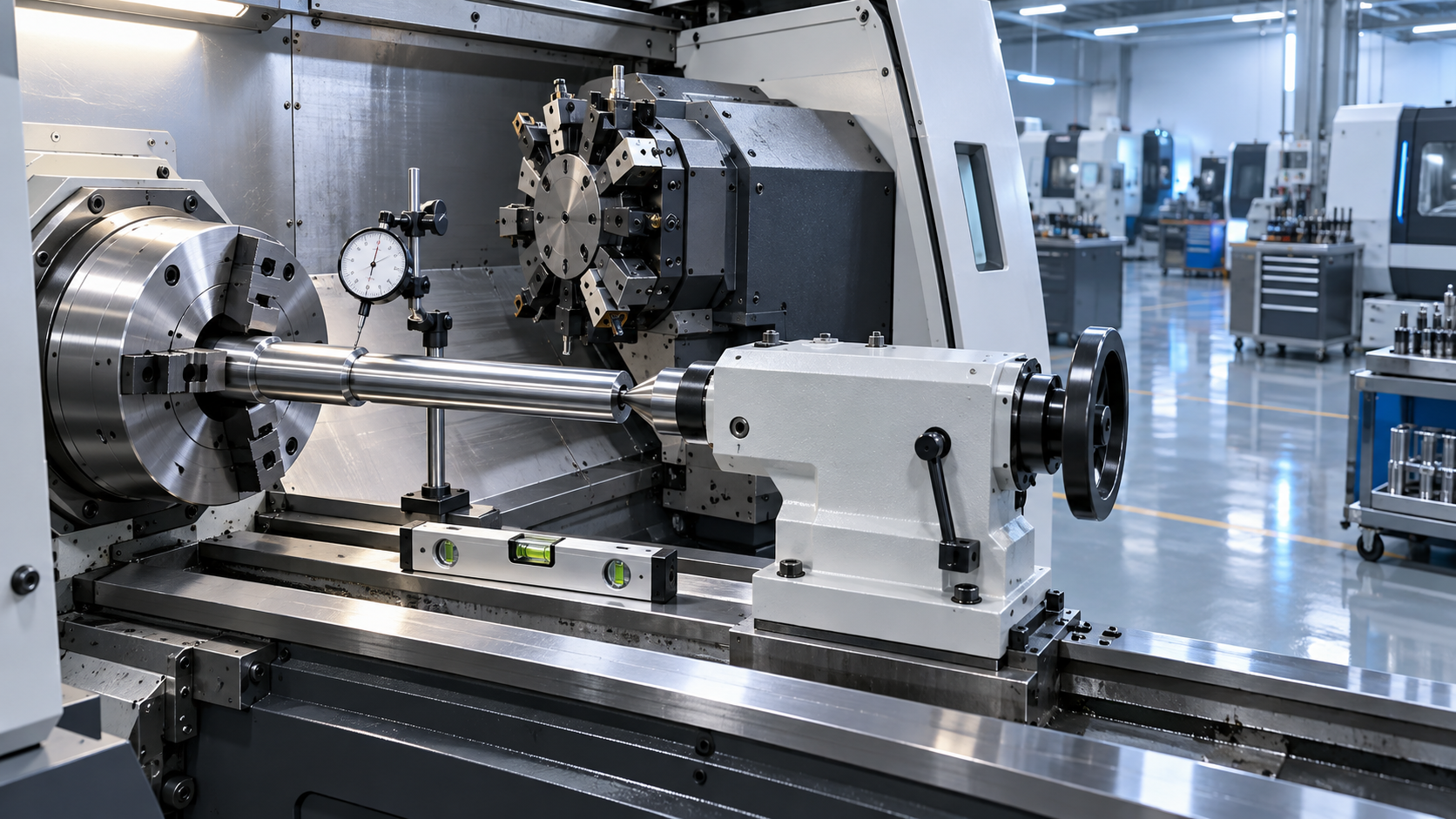
 CNC Lathe Quick Installation Guide: Alignment Checks Before First Production RunCNC Machining Technology Center
 How to Select a CNC Lathe for Small Parts Without Sacrificing Accuracy or Cycle TimeCNC Machining Technology Center


Aris Katos
Future of Carbide Coatings
15+ years in precision manufacturing systems. Specialized in high-speed milling and aerospace grade alloy processing.
▶
日本高端机床出口管制生效,五轴CNC审批趋严Global Machine Tool Trade Research Center▶
Japan Tightens Controls on High-End Machine Tool ExportsGlobal Machine Tool Trade Research Center▶
US Proposes 25% Tariff on China CNC Servo DrivesGlobal Machine Tool Trade Research Center▶
US Adds 37 Chinese Machine Tool Firms to Export ListGlobal Machine Tool Trade Research Center▶
US Tightens CNC Export Curbs, Adds 52 China EntitiesGlobal Machine Tool Trade Research Center
Mastering 5-Axis Workholding Strategies
Join our technical panel on Nov 15th to learn about reducing vibrations in thin-wall components.

Providing you with integrated sanding solutions
Before-sales and after-sales services
Comprehensive technical support