• Global CNC market projected to reach $128B by 2028 • New EU trade regulations for precision tooling components • Aerospace deman
NYSE: CNC +1.2%LME: STEEL -0.4%

RCEP Raises CNC Parts Origin Threshold to 45%

On July 1, 2026, a revised RCEP origin rule for CNC machine tools and key components takes effect, lifting the minimum regional value content (RVC) requirement from 35% to 45%. The change, communicated on June 26 by the ASEAN Secretariat together with the RCEP Joint Committee, deserves close attention from exporters, OEM manufacturers, sourcing teams, and supply chain operators involved in CNC machine tools, spindles, servo drives, and tool changers, because tariff eligibility under RCEP may now depend on a materially higher regional value threshold.
What Has Officially Changed Under RCEP
According to the information provided, the updated cumulative rule of origin applies under RCEP to complete CNC machine tools as well as key parts including spindles, servo drives, and tool changers. The minimum RVC requirement has been raised from 35% to 45%, and the adjustment takes effect from July 1, 2026. The notice was issued on June 26, 2026 by the ASEAN Secretariat and the RCEP Joint Committee.
The provided information also states that the change will affect coordinated export models across supply chains involving China, Japan, South Korea, Vietnam, and Thailand. It specifically points to compliance and cost pressure for OEM manufacturers that rely on a model combining assembly in China with labeling or branding in Southeast Asia.
Where the Pressure Is Most Likely to Appear
Export structures built around cross-border accumulation
From an industry perspective, companies using multi-country sourcing and assembly within the RCEP region may face the most immediate review burden. The higher RVC threshold can affect whether an export shipment still qualifies for tariff preferences, which brings origin calculation, supplier inputs, and transaction structuring into sharper focus.
OEM operations using China assembly and Southeast Asia branding
Analysis shows that OEM manufacturers working with a China assembly plus Southeast Asia private-label or branding model are directly exposed to the rule change described in the input. The main pressure points are likely to be cost allocation, origin qualification, and supporting compliance documentation, especially where tariff treatment depends on cumulative regional content meeting the new threshold.
Component sourcing and manufacturing coordination
Manufacturers and procurement teams handling key CNC parts such as spindles, servo drives, and tool changers may need to pay closer attention to how component sourcing affects final RVC calculations. The impact is not only on production, but also on the coordination between purchasing, manufacturing, and export compliance functions.
Trade and supply chain service providers
Service providers involved in customs handling, origin documentation, and cross-border delivery may also see more demand for rule interpretation and document checks. What deserves closer attention is whether existing workflows and paperwork remain sufficient once the 45% threshold becomes the operative standard for affected products.
What Companies Should Watch Now
Review product lines that rely on RCEP tariff preferences
Companies should first identify whether their CNC machine tools or covered key components are exported under RCEP preference claims. Where the commercial model depends on tariff reduction, the move from 35% to 45% makes product-level origin review more urgent than a broad policy reading.
Check whether current value structures still support qualification
Analysis shows that the practical issue is not the announcement alone, but whether existing regional content structures still satisfy the new threshold after July 1, 2026. Firms should pay close attention to bills of materials, supplier declarations, and value attribution methods used in origin assessment.
Separate policy wording from shipment-level execution
It is more appropriate to understand this as both a policy change and an execution challenge. Even when a company understands the new RVC requirement, actual shipment eligibility may still depend on how supporting documents, sourcing records, and origin calculations are prepared and presented in routine trade operations.
Prepare customer and supplier communication early
For businesses working across China and Southeast Asia, procurement and sales teams may need to align early with suppliers and customers on possible compliance implications. Observably, the operational risk is not limited to tariff cost; it can also affect delivery planning, document readiness, and contract communication if qualification assumptions change.
Why This Looks Like More Than a Routine Adjustment
Analysis shows that this development should not be read as a minor technical revision for the CNC machine tool trade. A higher RVC threshold changes the economics of regional accumulation for businesses that built export models around a lower qualifying base. That does not automatically determine the outcome for every exporter, but it does signal that origin compliance is becoming a more central commercial issue in this product segment.
It is more appropriate to understand this as both an immediate operational change and a longer-term signal worth tracking. The rule is already taking effect on a defined date, so this is not only a watchlist item. At the same time, the full business impact will still depend on how companies reassess sourcing, assembly, and documentation in practice.
How the Market May Read This Update
For the CNC machine tool supply chain, the significance of this update lies in the tighter link between tariff eligibility and regional value structure. The confirmed fact is limited to the rule change itself and the affected product scope described in the input. The broader consequence, based on observation, is that cross-border production models within RCEP may need more disciplined origin planning than before.
At this stage, the most balanced reading is that the change is already actionable in the short term, while its wider structural effect still requires continued observation. Companies with exposure to RCEP-based exports should treat it as a compliance and supply chain issue first, and as a broader strategic signal second.
Basis of This Article and What Still Needs Verification
This article is based on the user-provided news title, event date, and event summary. The summary states that the ASEAN Secretariat and the RCEP Joint Committee communicated the rule adjustment on June 26, 2026, with effect from July 1, 2026, and that the change raises the RVC threshold for affected CNC machine tools and key components from 35% to 45%.
For this type of industry update, relevant source categories would typically include official notices, enterprise statements, industry association releases, authoritative media coverage, and standards or trade rule documents. No specific official source link was provided in the input, so the exact official documentation still needs ongoing verification. What deserves closer attention going forward is whether there are further clarifications on scope, application practice, or supporting compliance requirements for affected shipments.
PREVIOUS ARTICLE
Recommended for You
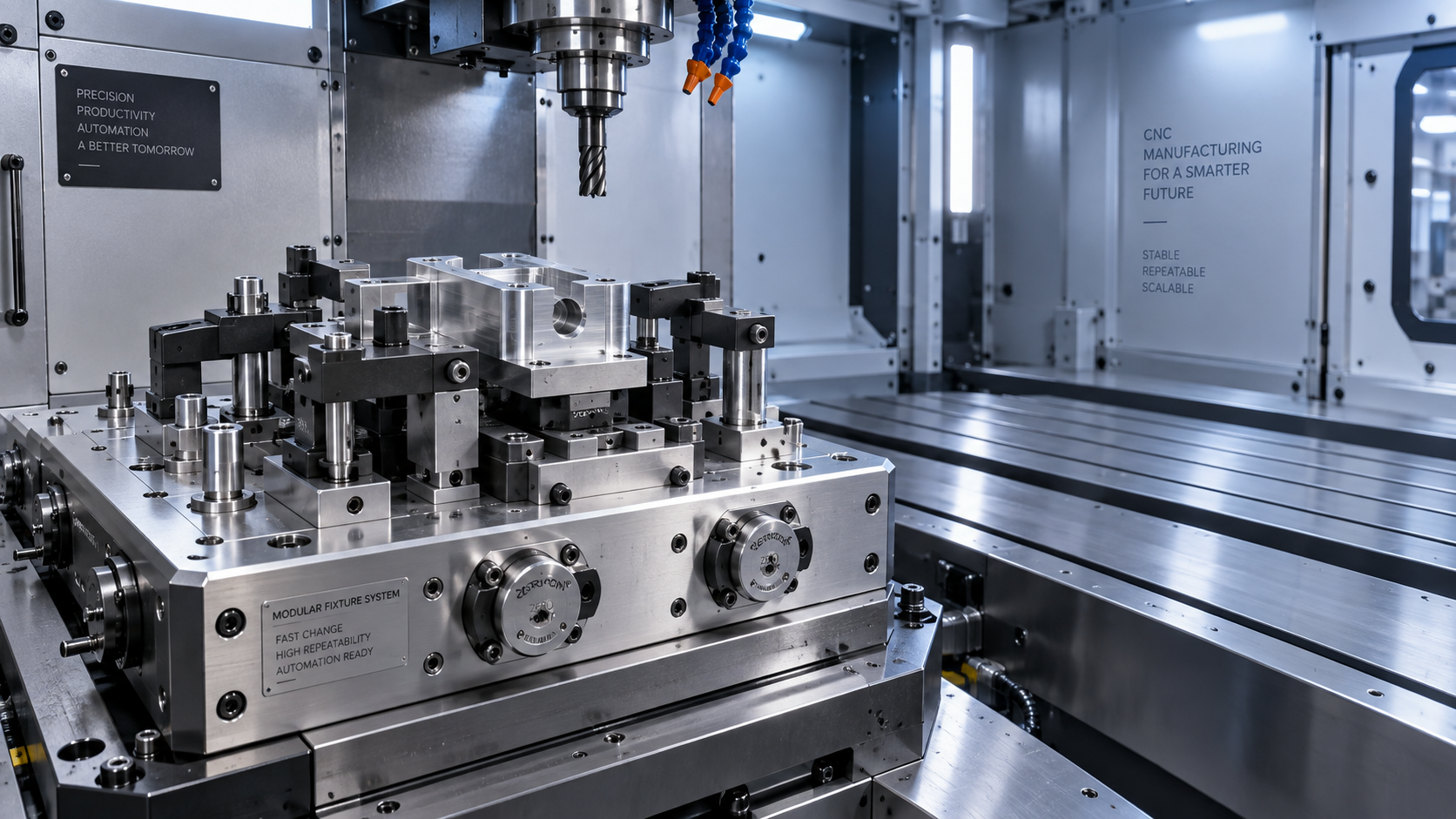
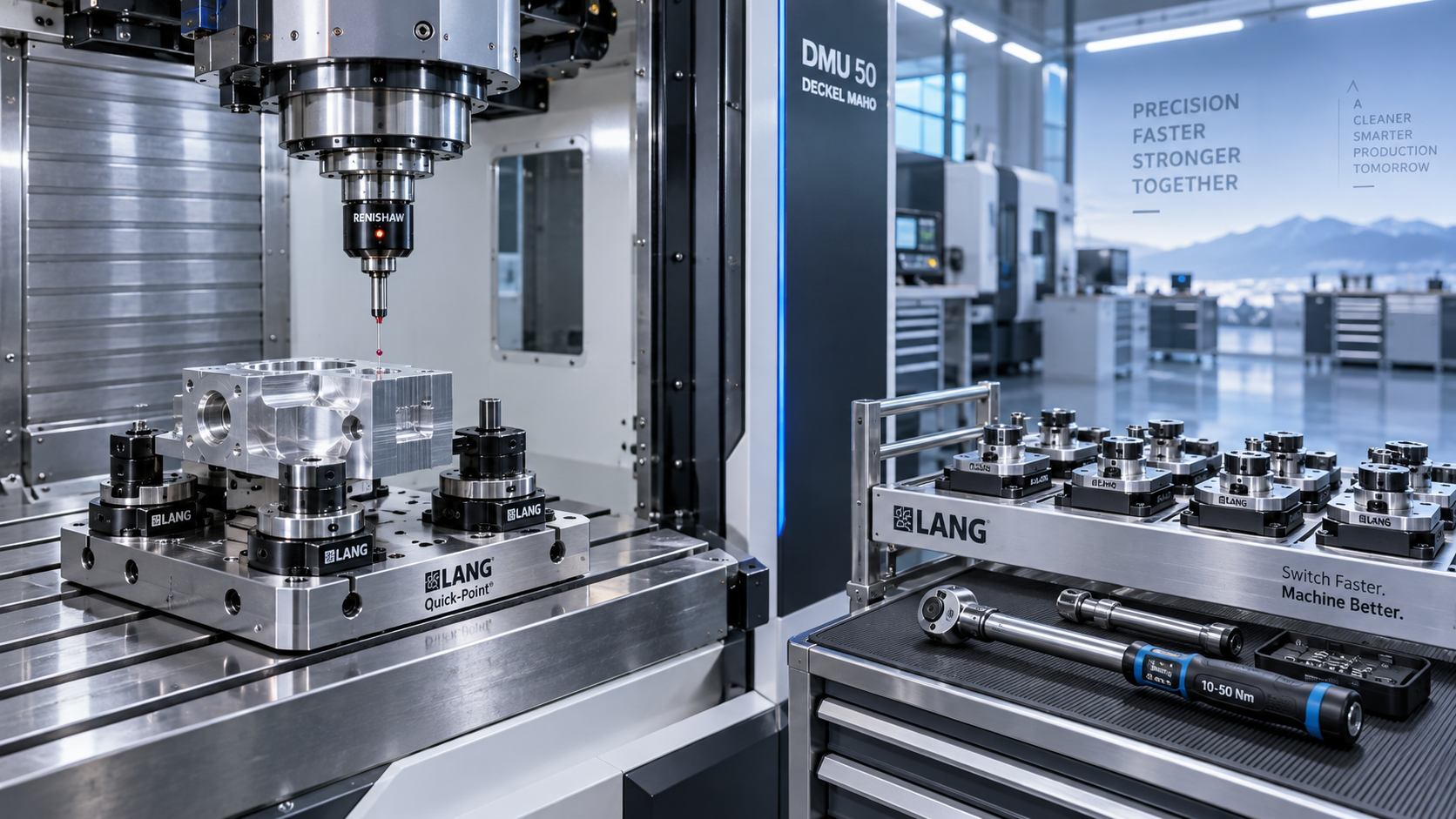
 Zero-Point Clamping or Modular Fixtures? Choosing a Faster CNC Changeover SystemCNC Machining Technology Center
 How to Cut CNC Fixture Changeover Time Without Sacrificing Part AccuracyCNC Machining Technology Center
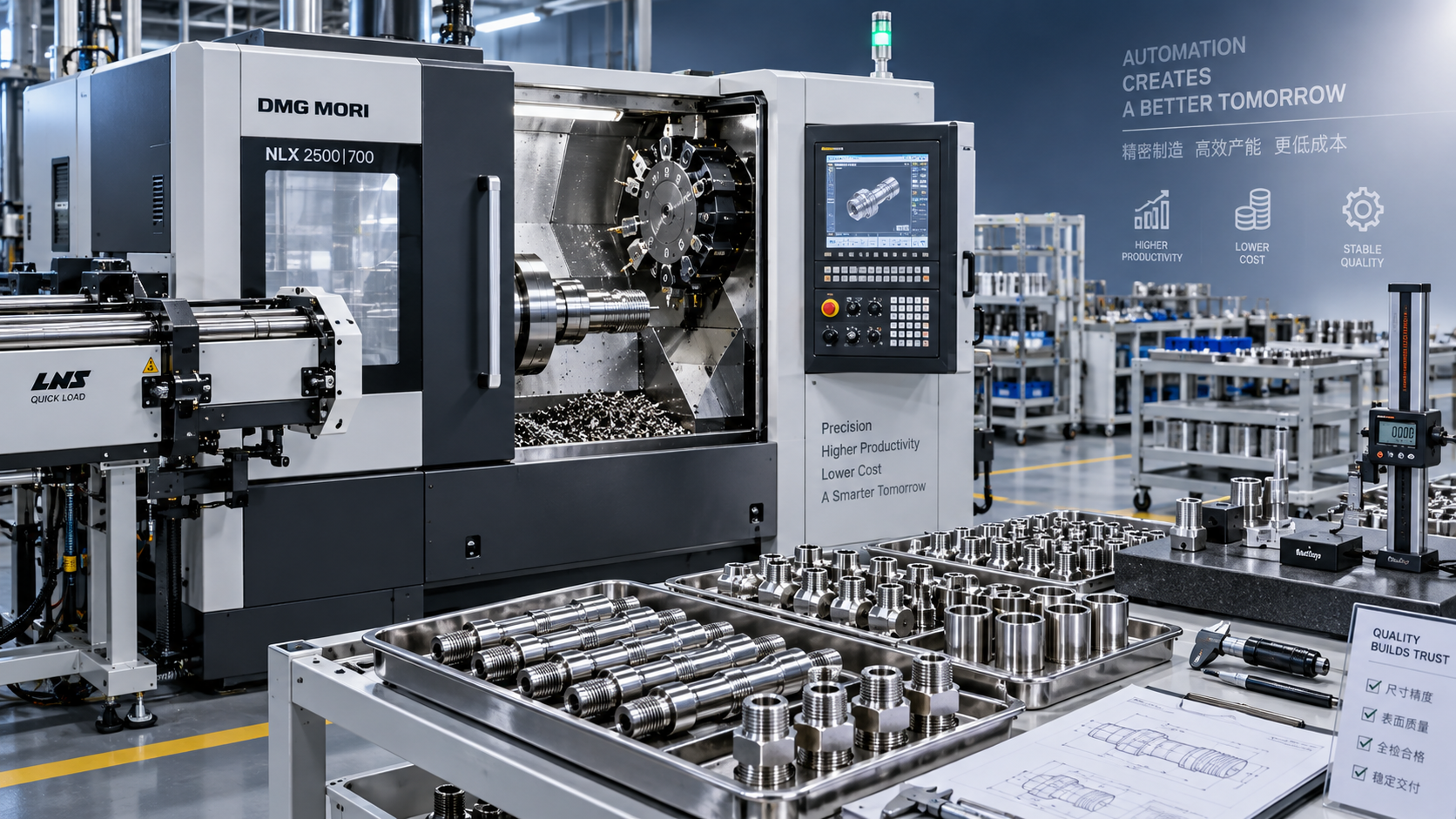
 When Does CNC Turning Pay Off? A Break-Even Guide by Annual Part VolumeMachine Tool Industry Editorial Team
 Machine Tool Standards by Country: What Importers Must Verify Before PurchaseManufacturing Policy Research Center
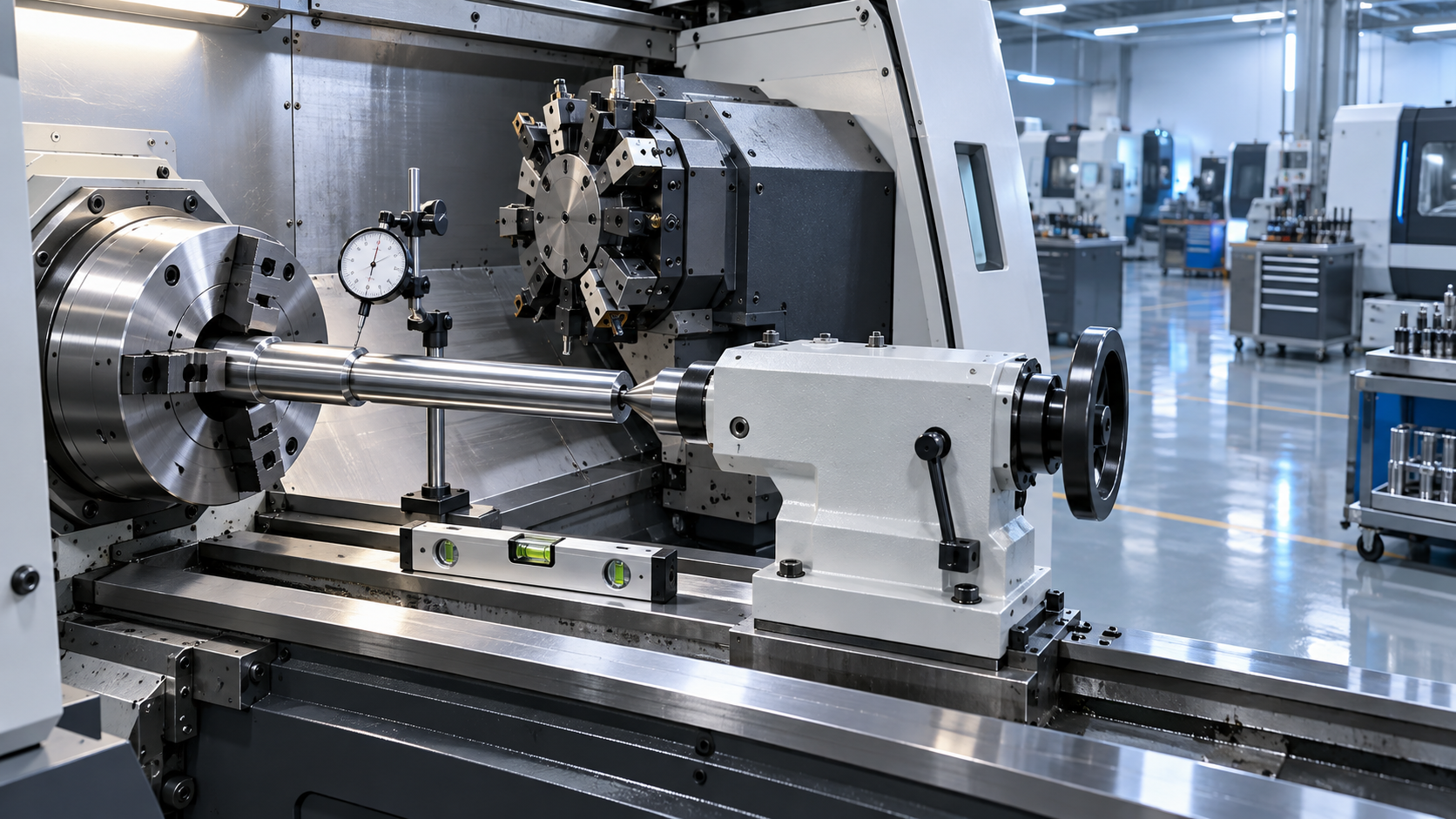
 CNC Lathe Quick Installation Guide: Alignment Checks Before First Production RunCNC Machining Technology Center
 How to Select a CNC Lathe for Small Parts Without Sacrificing Accuracy or Cycle TimeCNC Machining Technology Center


Aris Katos
Future of Carbide Coatings
15+ years in precision manufacturing systems. Specialized in high-speed milling and aerospace grade alloy processing.
▶
日本高端机床出口管制生效,五轴CNC审批趋严Global Machine Tool Trade Research Center▶
Japan Tightens Controls on High-End Machine Tool ExportsGlobal Machine Tool Trade Research Center▶
US Proposes 25% Tariff on China CNC Servo DrivesGlobal Machine Tool Trade Research Center▶
US Adds 37 Chinese Machine Tool Firms to Export ListGlobal Machine Tool Trade Research Center▶
US Tightens CNC Export Curbs, Adds 52 China EntitiesGlobal Machine Tool Trade Research Center
Mastering 5-Axis Workholding Strategies
Join our technical panel on Nov 15th to learn about reducing vibrations in thin-wall components.

Providing you with integrated sanding solutions
Before-sales and after-sales services
Comprehensive technical support