• Global CNC market projected to reach $128B by 2028 • New EU trade regulations for precision tooling components • Aerospace deman
NYSE: CNC +1.2%LME: STEEL -0.4%

Machine Tool Factory vs Wholesaler: Which Supply Model Offers Better Lead Time and Control?
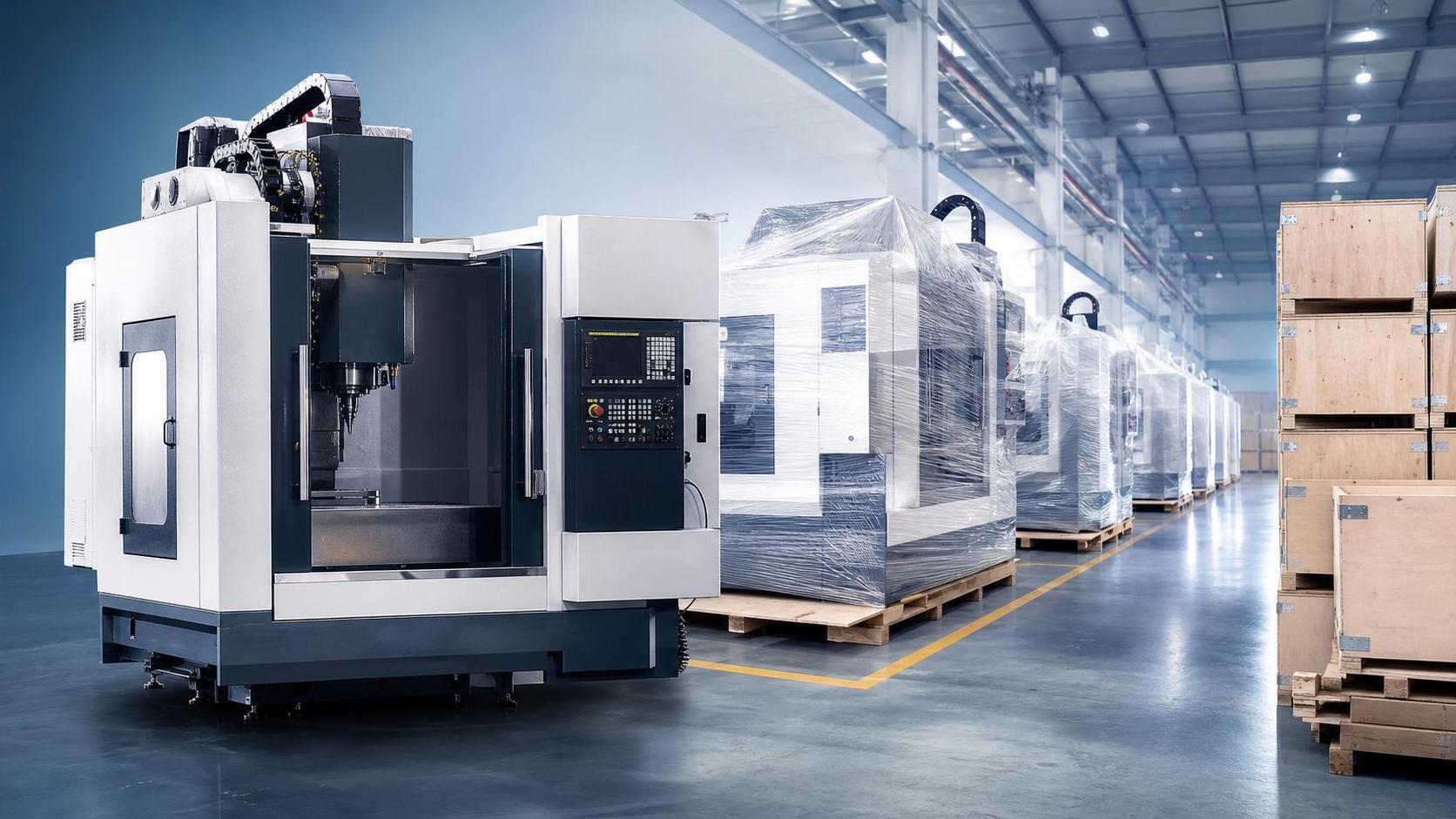
Machine Tool Factory vs Wholesaler: Which Supply Model Offers Better Lead Time and Control?
When procurement teams compare a machine tool factory with a wholesaler, the real question is not only price. Lead time, customization, and control over delivery often shape the final sourcing decision.
For CNC buyers, especially in precision manufacturing, a delay of even one week can affect line scheduling, customer commitments, and cash flow. That is why the supply model matters as much as the machine itself.
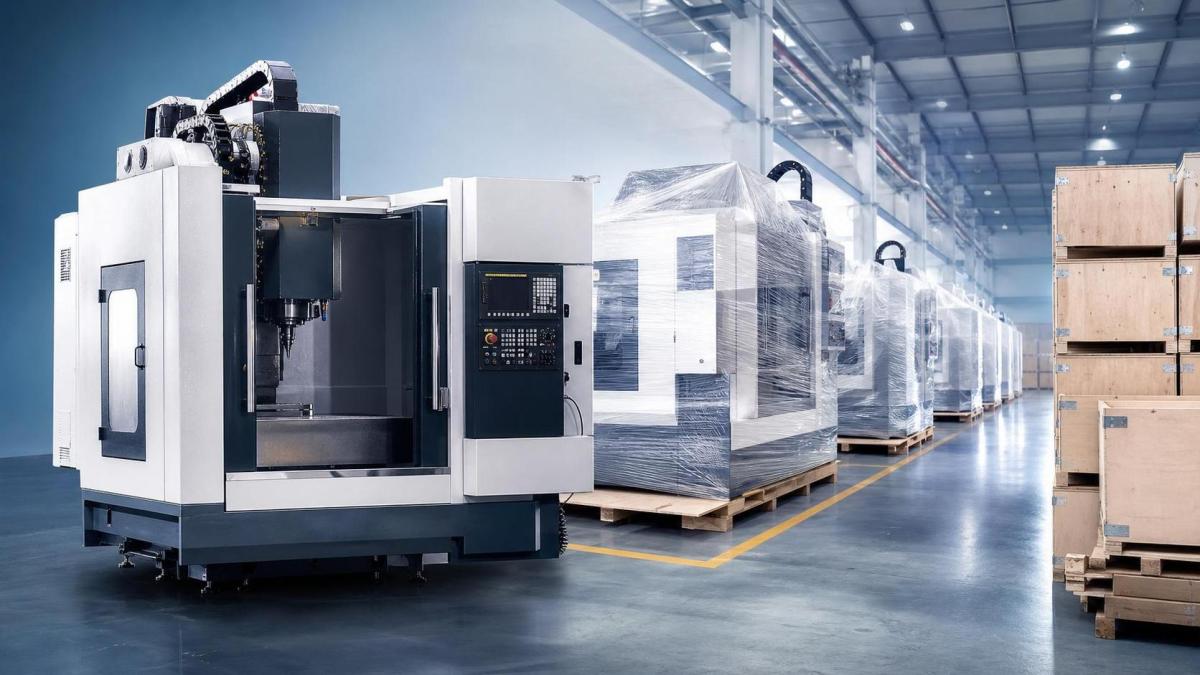
Why the Supply Model Changes Lead Time
A machine tool factory usually builds closer to the source. That can shorten the path from order confirmation to production start, especially when the buyer needs a standard CNC lathe, machining center, or multi-axis system.
A wholesaler may already hold stock, which sounds faster at first. But the actual lead time depends on inventory availability, product mix, and whether the model matches the buyer’s exact specification.
In practice, factories often win when the order is customized or volume-based. Wholesalers can win when the machine is common, in stock, and needed immediately.
What buyers should check first
- Whether the machine tool factory has ready stock or built-to-order capacity.
- Whether the wholesaler can confirm physical inventory, not just a catalog listing.
- Whether tooling, fixtures, and control systems are included in the same shipment.
Control Is More Than Just Price
Control in procurement means visibility. It includes knowing who makes the machine, how the specification is locked, and how changes are handled before shipment.
A machine tool factory usually gives buyers a clearer line of communication. If a spindle option, automation interface, or fixture package needs adjustment, the request goes directly to the source.
That direct route reduces misunderstanding. It also helps when the buyer must document technical requirements for internal approval, quality review, or import compliance.
A wholesaler may still provide useful control, but only if it has strong technical staff and reliable access to the factory. Without that bridge, small changes can become slow, unclear, or costly.
Where factories usually have an advantage
- Specification lock-in for CNC machines and production lines.
- Faster clarification on options, tolerances, and accessories.
- Better traceability for serial numbers, parts, and upgrades.
When a Wholesaler Can Still Make Sense
A wholesaler is not automatically the weaker option. In some sourcing situations, it is the better practical choice, especially when the buyer needs speed more than deep customization.
For example, a maintenance team replacing a common CNC lathe may prefer an available unit that can ship now. The same applies when a project needs a backup machine to avoid downtime.
Wholesalers can also simplify purchasing for smaller organizations. They often bundle logistics, documentation, and after-sales coordination into one contact point.
Best-fit cases for wholesaler sourcing
- Urgent replacement orders with standard configurations.
- Lower-volume purchases with limited internal sourcing staff.
- Projects where local stock and fast dispatch matter more than deep customization.
How to Evaluate Real Lead Time
Quoted lead time is not the same as delivered lead time. Buyers should separate production time, inspection time, export packing, inland transport, and customs handling.
A machine tool factory may quote a longer production window, but it can still deliver faster overall if the order avoids handoffs. A wholesaler may promise a short dispatch time, but freight delays or stock mismatches can erase that advantage.
The safest method is to ask for a timeline with dated milestones. That makes it easier to compare factory and wholesaler offers on equal terms.
Risk Signals That Should Change Your Decision
Some red flags are easy to miss during early negotiations. If the supplier cannot explain configuration details, confirm factory origin, or share shipping milestones, the buyer should slow down.
The same caution applies when after-sales support is vague. For machine tools, installation guidance, spare parts, and response time can affect uptime more than the original purchase price.
This is especially important in automotive, aerospace, energy equipment, and electronics production, where precision and continuity are tightly linked.
A Practical Buying Rule
If the project needs customized CNC equipment, tight specification control, and direct technical communication, a machine tool factory is usually the stronger option.
If the need is urgent, the model is standard, and the buyer values simple ordering, a wholesaler can be the faster route.
The best decision comes from matching the supply model to the business goal. Fast delivery is useful, but predictable control often protects more value over time.
For most precision manufacturing buyers, the safest approach is to request a dated lead-time breakdown, verify inventory or production status, and compare support terms before signing.
That way, the sourcing choice is not based on assumptions. It is based on how the machine tool factory or wholesaler will actually perform in your production schedule.
Recommended for You
 Zero-Point Clamping or Modular Fixtures? Choosing a Faster CNC Changeover SystemCNC Machining Technology Center
 How to Cut CNC Fixture Changeover Time Without Sacrificing Part AccuracyCNC Machining Technology Center
 When Does CNC Turning Pay Off? A Break-Even Guide by Annual Part VolumeMachine Tool Industry Editorial Team
 Machine Tool Standards by Country: What Importers Must Verify Before PurchaseManufacturing Policy Research Center
 CNC Lathe Quick Installation Guide: Alignment Checks Before First Production RunCNC Machining Technology Center
 How to Select a CNC Lathe for Small Parts Without Sacrificing Accuracy or Cycle TimeCNC Machining Technology Center

Aris Katos
Future of Carbide Coatings
15+ years in precision manufacturing systems. Specialized in high-speed milling and aerospace grade alloy processing.
▶
How to Evaluate a Machine Tool Factory Before Sourcing CNC EquipmentGlobal Machine Tool Trade Research Center▶
How to Evaluate a CNC Machine Tool Manufacturer for Precision and Service SupportGlobal Machine Tool Trade Research Center▶
What Affects Cost-Effective CNC Manufacturing? Key Drivers Behind Part Price and Lead TimeGlobal Machine Tool Trade Research Center▶
How to Evaluate a CNC Tooling System Supplier in Germany for Quality, Lead Time, and CostGlobal Machine Tool Trade Research Center▶
How to Evaluate a CNC Tooling System Supplier in Germany for Quality, Lead Time, and SupportGlobal Machine Tool Trade Research Center
Mastering 5-Axis Workholding Strategies
Join our technical panel on Nov 15th to learn about reducing vibrations in thin-wall components.

Providing you with integrated sanding solutions
Before-sales and after-sales services
Comprehensive technical support