• Global CNC market projected to reach $128B by 2028 • New EU trade regulations for precision tooling components • Aerospace deman
NYSE: CNC +1.2%LME: STEEL -0.4%

CNC Manufacturing Manufacturer Selection: 7 Checks Before Requesting a Quote
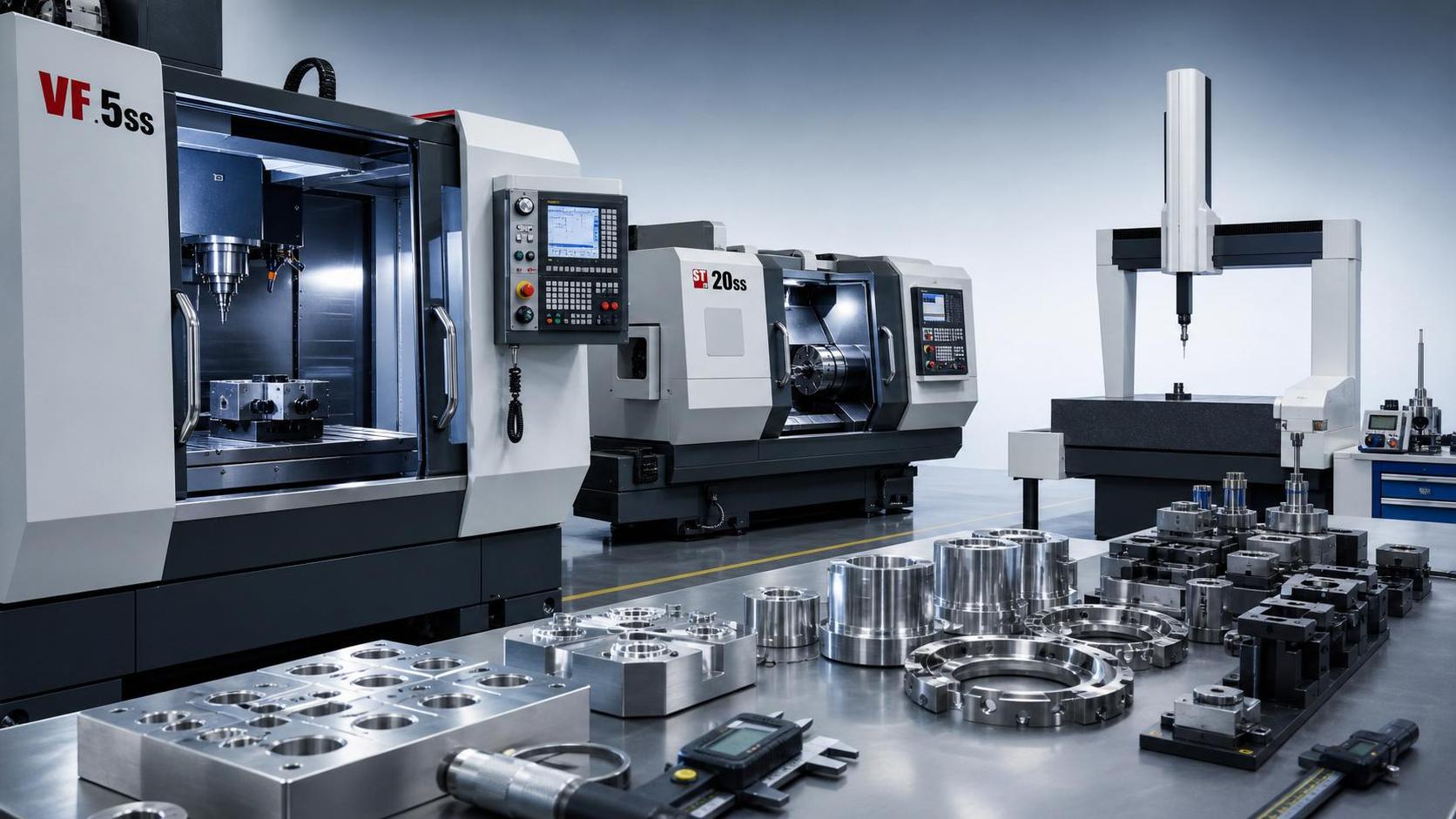
A quote can look competitive on paper and still create expensive problems later. In CNC sourcing, the real decision starts before pricing, because the right CNC manufacturing manufacturer shapes part quality, delivery stability, engineering support, and risk across the full supply cycle.
That matters even more now. Precision machining supports automotive, aerospace, electronics, energy equipment, and other sectors where tolerances are tight, production schedules are compressed, and traceability is no longer optional.
As smart factories, multi-axis machining, automation, and digital quality systems expand globally, supplier evaluation has become less about finding a low unit price and more about confirming reliable manufacturing capability.
Why supplier selection deserves deeper review
A CNC manufacturing manufacturer is not simply a shop with machines. It is a production system that combines equipment, process control, tooling strategy, programming skill, inspection discipline, and communication habits.
In global trade, this distinction is important. Strong machine tool clusters in China, Germany, Japan, and South Korea offer broad sourcing options, but capability varies widely between suppliers with similar websites and similar equipment lists.
For that reason, the quote request should come after a structured screening process. Once the right suppliers are shortlisted, pricing becomes more meaningful and comparisons become more accurate.
Check 1: Confirm process fit, not just machine availability
The first question is whether the supplier actually matches the part family. A CNC manufacturing manufacturer may own machining centers, CNC lathes, and multi-axis systems, yet still be a poor fit for a specific geometry or material.
Review the following points early:
- Typical materials processed, such as aluminum, stainless steel, titanium, brass, or engineering plastics.
- Part size range and weight limits.
- Tolerance level achieved in normal production, not only in samples.
- Experience with shafts, housings, precision discs, fixtures, or structural parts.
- Capability for turning, milling, drilling, tapping, grinding, or secondary finishing.
This step avoids a common sourcing mistake: sending drawings to a general supplier that must improvise the process after winning the order.
Check 2: Review engineering readiness before production starts
A capable CNC manufacturing manufacturer should be able to discuss manufacturability, not just respond with a price. Early engineering feedback often reveals where cost, lead time, or quality risk will appear.
Useful signals include questions about datum strategy, wall thickness, burr control, tool access, surface finish, and inspection points. If the supplier asks none of these, the review may be too shallow.
In practice, good engineering support helps in two ways. It improves quotation accuracy, and it reduces the chance of repeated revisions once production planning begins.
Check 3: Look closely at quality control discipline
Quality should be tested as a system, not assumed from a certificate alone. A reliable CNC manufacturing manufacturer usually has defined control points from incoming material to final inspection.
The most useful review areas are often straightforward:
- Material traceability and supplier control.
- Calibration records for CMMs, gauges, and measuring tools.
- First article inspection and in-process checks.
- Nonconformance handling and corrective action records.
- Packaging standards for precision parts.
For industries with stricter compliance expectations, ask whether the quality system supports PPAP, FAIR, RoHS, REACH, or customer-specific documentation where relevant.
Check 4: Test production capacity and scheduling realism
Lead time promises are easy to make and harder to keep. The real question is whether the supplier has enough capacity, scheduling discipline, and backup planning to protect delivery when orders overlap.
A strong CNC manufacturing manufacturer should explain how prototype work, small batches, and repeat production are separated or coordinated. Flexible production lines and automation can help, but only if planning is mature.
This is especially relevant in a market moving toward digital integration. Shops using ERP, MES, tool life monitoring, and connected inspection data usually offer clearer visibility than those relying on manual follow-up.
A practical comparison view
Check 5: Understand the supply chain behind the machine shop
Even a technically strong CNC manufacturing manufacturer can struggle if its upstream chain is unstable. Material shortages, outside finishing delays, and weak fixture suppliers often become hidden schedule risks.
Ask which processes are internal and which are outsourced. Heat treatment, plating, anodizing, painting, welding, grinding, and assembly may involve external partners. That is not a problem by itself, but control methods should be clear.
For multi-step parts, one missed subcontracted operation can offset the value of an otherwise good machining process.
Check 6: Evaluate communication quality during the quote stage
The quoting phase is often the best preview of future cooperation. Response speed matters, but response quality matters more. A dependable CNC manufacturing manufacturer usually communicates with structure, detail, and clear assumptions.
Look for concise risk notes, realistic lead times, missing-information flags, and a willingness to explain cost drivers. Vague answers at this stage often become change disputes later.
This is also where language clarity becomes important in cross-border sourcing. Drawings, revision control, tolerances, packaging rules, and shipping terms should be aligned before commercial discussion moves too far.
Check 7: Compare total business risk, not only piece price
A low quote may still be expensive if rework, scrap, delays, or quality escapes appear after launch. The better comparison method is total cost of supply.
That broader view should include tooling investment, setup efficiency, logistics, payment terms, yield stability, and change-management ability. In some cases, a slightly higher quote from a stronger CNC manufacturing manufacturer reduces overall exposure.
This is particularly true for precision parts tied to assembly lines, compliance needs, or export programs where replacement time is costly.
Common warning signs before RFQ
- Equipment lists without part examples or process detail.
- Certificates shown, but no explanation of actual inspection flow.
- Very fast pricing with no technical questions.
- Unclear ownership of outsourced finishing or testing.
- Lead times that do not match current workload conditions.
How these checks apply across industries
The same seven checks matter across different manufacturing sectors, but the emphasis changes. Automotive programs may focus on repeatability and volume ramp. Aerospace projects may prioritize documentation depth and process traceability.
Electronics and energy equipment often care more about precision interfaces, thermal materials, and reliable subcontract finishing. That is why a CNC manufacturing manufacturer should be judged within the context of the actual part application.
In other words, supplier selection is not only about who can machine a component. It is about who can support the business conditions around that component.
Turning evaluation into a stronger quote request
Once these checks are complete, the RFQ itself becomes more effective. The supplier list is narrower, technical assumptions are clearer, and pricing can be reviewed against capability rather than appearance.
A useful next step is to build a simple comparison sheet covering process fit, quality control, capacity, subcontract management, communication quality, and total risk. That framework makes each CNC manufacturing manufacturer easier to compare on the issues that affect delivery and cost later.
Better quotes come from better preparation. When the evaluation starts before the RFQ, supplier selection becomes more disciplined, and the final sourcing decision becomes easier to defend.
Recommended for You
 When Does CNC Turning Pay Off? A Break-Even Guide by Annual Part VolumeMachine Tool Industry Editorial Team
 Machine Tool Standards by Country: What Importers Must Verify Before PurchaseManufacturing Policy Research Center
 CNC Lathe Quick Installation Guide: Alignment Checks Before First Production RunCNC Machining Technology Center
 How to Select a CNC Lathe for Small Parts Without Sacrificing Accuracy or Cycle TimeCNC Machining Technology Center
 How to Select a Slant Bed Lathe for High-Precision Shaft and Chuck WorkCNC Machining Technology Center
 Smart Manufacturing for Small Businesses: Where Automation Delivers the Fastest ROIMachine Tool Industry Editorial Team
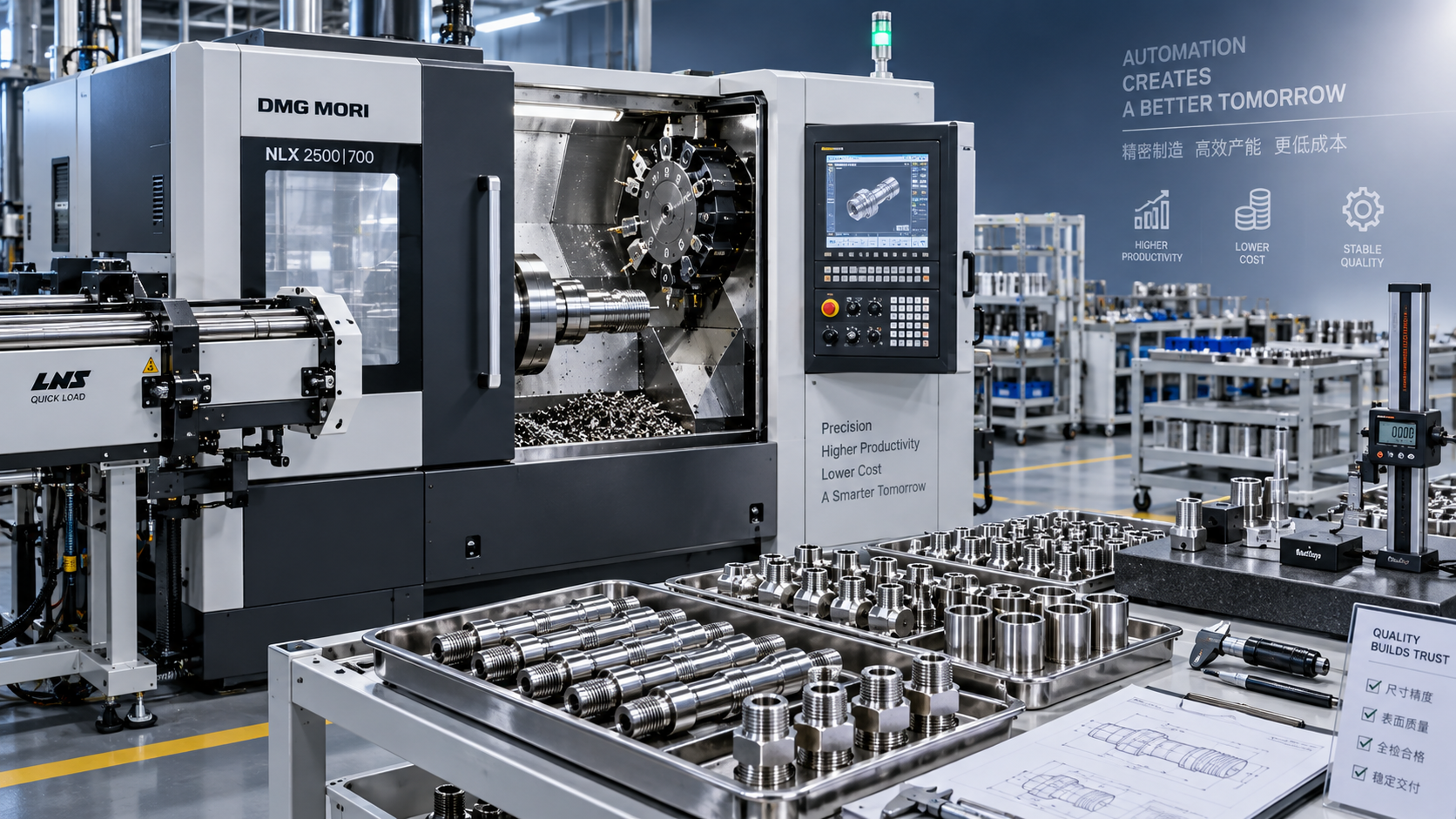
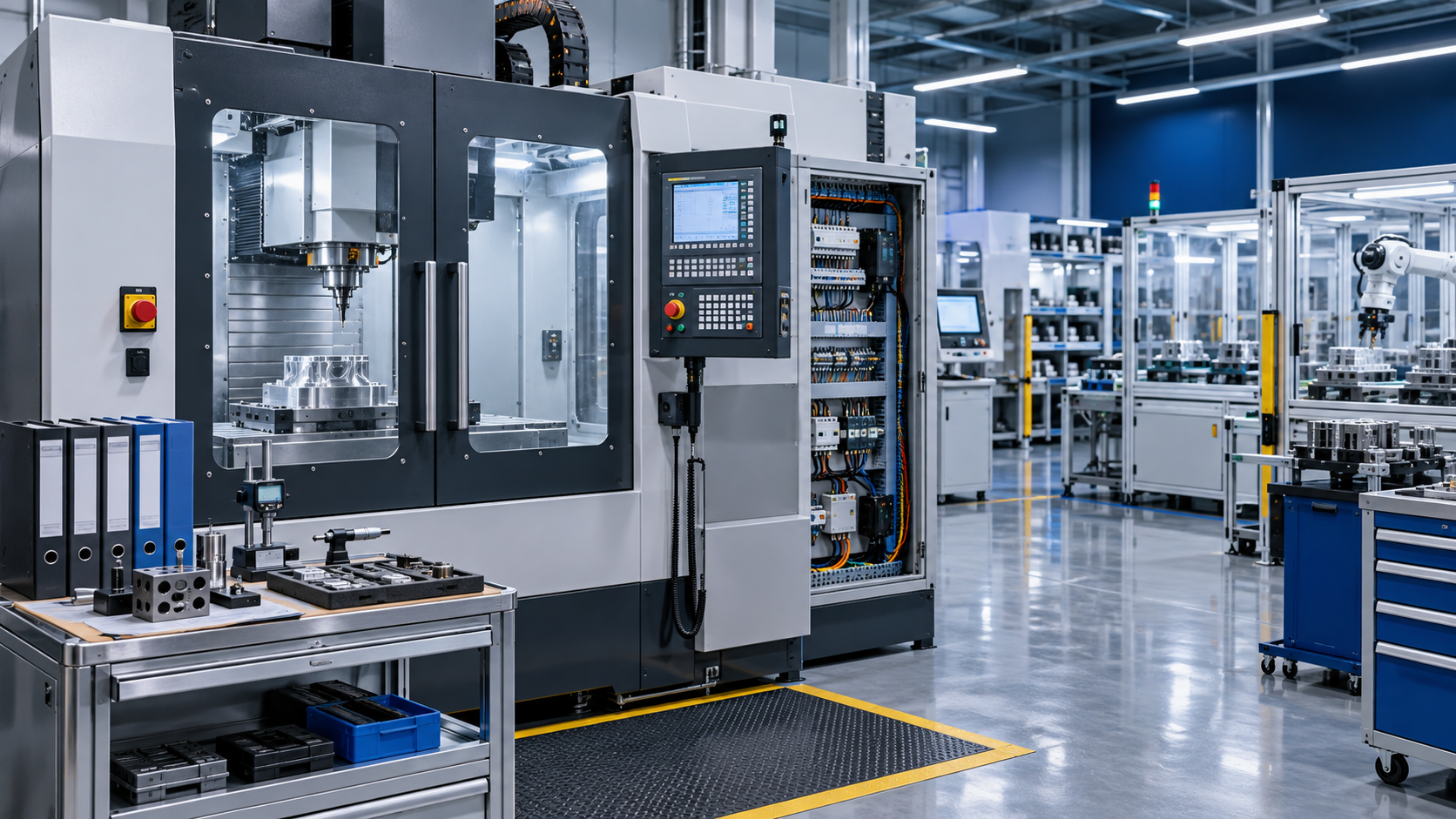

Aris Katos
Future of Carbide Coatings
15+ years in precision manufacturing systems. Specialized in high-speed milling and aerospace grade alloy processing.
▶
How to Evaluate a Machine Tool Factory Before Sourcing CNC EquipmentGlobal Machine Tool Trade Research Center▶
How to Evaluate a CNC Machine Tool Manufacturer for Precision and Service SupportGlobal Machine Tool Trade Research Center▶
What Affects Cost-Effective CNC Manufacturing? Key Drivers Behind Part Price and Lead TimeGlobal Machine Tool Trade Research Center▶
How to Evaluate a CNC Tooling System Supplier in Germany for Quality, Lead Time, and CostGlobal Machine Tool Trade Research Center▶
How to Evaluate a CNC Tooling System Supplier in Germany for Quality, Lead Time, and SupportGlobal Machine Tool Trade Research Center
Mastering 5-Axis Workholding Strategies
Join our technical panel on Nov 15th to learn about reducing vibrations in thin-wall components.

Providing you with integrated sanding solutions
Before-sales and after-sales services
Comprehensive technical support