• Global CNC market projected to reach $128B by 2028 • New EU trade regulations for precision tooling components • Aerospace deman
NYSE: CNC +1.2%LME: STEEL -0.4%

Overseas Buyers Bring Drawings and Samples to Yangtze River Delta Factories

Overseas buyers have visited manufacturing factories in the Yangtze River Delta with drawings and samples in hand, according to a report by CCTV News. The exact timing of the visits was not specified. The report describes a practical approach to evaluating production capabilities and finding supply chain partners, but it does not identify a new policy, regulation, certification requirement or trade rule. For manufacturers, purchasing teams and trade intermediaries, the development is best read as a market signal that warrants attention to how technical specifications, quality evidence and delivery commitments are agreed.
Factory Visits Put Production and Inspection Under Review
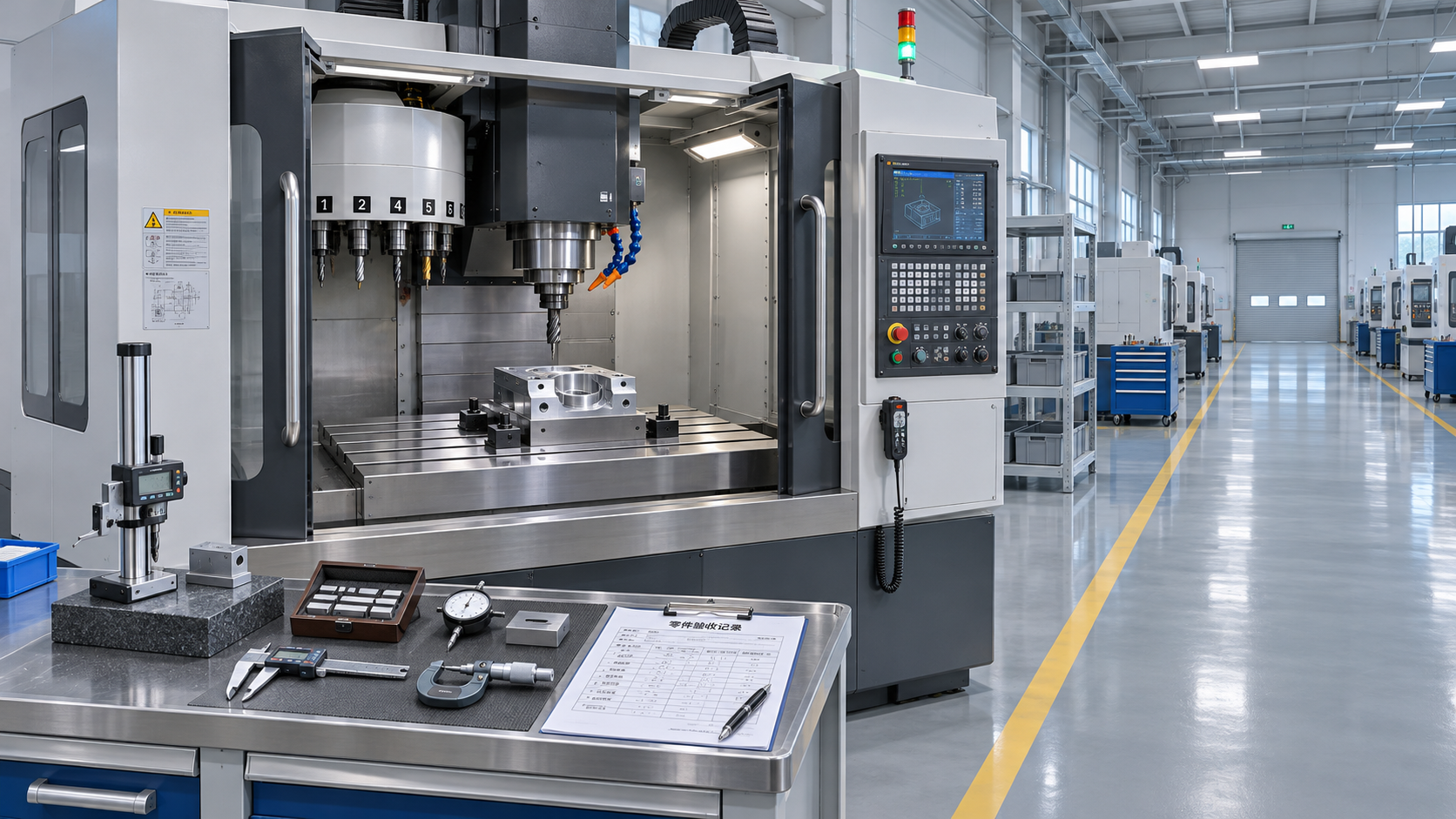
CCTV News reported that buyers from 30 countries, including Croatia, Mexico and Italy, recently visited multiple manufacturing factories in the Yangtze River Delta. They brought drawings and samples to the factories and examined manufacturing processes, equipment and quality inspection procedures at close range.
According to the supplied account, the visitors sought to match their capacity needs with potential supply chain partners. Some placed orders at supply and demand matching events. The account describes an interest among overseas buyers in engaging more deeply with Chinese manufacturing supply chains, but it does not specify the products involved, the value of the orders or the dates of the visits.
What Closer Factory Assessment Could Mean for Purchasing
Manufacturers May Face More Detailed Technical Discussions
From an industry perspective, a drawing or physical sample gives a potential supplier a concrete basis for discussing whether a product can be made to the buyer's expectations. It can also expose questions that a general description would leave open: which dimensions are essential, which features require inspection, and whether the sample represents the final specification. A factory visit may allow those questions to be discussed alongside the equipment and processes proposed for production.
For manufacturers, the possible effect is greater scrutiny before a commercial agreement. A buyer may ask how a factory would check a feature shown on a drawing or handle an inconsistency between the drawing and the sample. These are potential purchasing discussions, not requirements established by the reported visits. Their practical importance would depend on the product, the buyer's instructions and the terms ultimately agreed by both parties.
Buyers Could Test Capacity Claims Against Delivery Plans
Analysis suggests that direct observation can help a buyer assess whether a supplier's production capability appears suited to a proposed order. Seeing equipment and inspection procedures may inform questions about production sequencing, available capacity and quality control. It does not, by itself, establish that capacity will be available for a particular order or that a delivery date can be met.
Purchasing teams may therefore need to connect their visit findings with a separate review of order volume, production schedules and delivery arrangements. A supplier that appears technically suitable could still need time to confirm materials, tooling or inspection arrangements. Conversely, a concern raised during a visit might be resolved through a documented technical discussion. Neither outcome is confirmed by the report.
Trade Intermediaries May Need Clearer Records
Where a trade company or supply chain service provider participates in a transaction, analysis suggests that it could play a useful role in carrying technical and commercial information between the buyer and manufacturer. Drawings, sample descriptions and inspection expectations can lose meaning if each party works from a different version or uses different terms for the same feature.
Intermediaries may therefore wish to check that the parties understand which documents support a quotation and which points remain open. The reported factory visits do not establish that any particular intermediary was involved or that a new documentation rule applies. The concern follows from the practical need to preserve agreement as a request moves from initial review toward a possible order.
Turning a Drawing or Sample Into an Executable Order
Confirm Which Technical Reference Takes Priority
A practical first step for buyers and factories is to identify the drawing version, sample and written specifications being assessed. If a sample differs from a drawing, the parties could clarify which reference should govern the proposed product and record any agreed exceptions. They could also identify features that cannot be evaluated from appearance alone and discuss how those features would be checked.
These steps are recommendations, not obligations created by the reported event. Their value is that they make the scope of a quotation more precise and provide a basis for resolving questions before production begins. Any later design change could then be reviewed against the version on which the original quotation or order was based.
Match Inspection Evidence to the Intended Market
The report says buyers examined quality inspection procedures, but it does not identify product standards, certifications or destination-specific requirements. Before treating a factory's existing inspection records as sufficient, the parties may need to establish what evidence the buyer expects for the product and intended market. Depending on the transaction, this could involve reviewing test reports, inspection methods or a supplier's documented procedures.
Where a product or destination is subject to applicable rules, the parties should verify the relevant requirements through reliable current sources and determine who will provide the necessary evidence. No particular certification or standard can be inferred from the supplied information. A factory visit may support that review, but it should not be assumed to replace whatever documentation or assessment a specific transaction requires.
Translate Capacity Discussions Into Delivery Terms
Because the visitors were assessing capacity, a useful follow-up would be to distinguish a general statement of capability from a commitment for a particular order. Buyers and suppliers could discuss the quantity, production start, inspection points and proposed delivery schedule, then identify any assumptions that still need confirmation. If a material or component is unavailable, any proposed substitute could be assessed against the drawing, sample and buyer's acceptance criteria before it is adopted.
For orders reportedly placed at matching events, the supplied account gives no details of the terms or subsequent fulfillment. More generally, an initial order or expression of interest may require further technical and commercial clarification before the parties can assess execution. The appropriate sequence will depend on their agreement; the report does not establish a common process.
Agree on Records for Quality Questions
Analysis suggests that manufacturers and buyers may benefit from deciding which records will be retained and shared if a quality question arises after delivery. Relevant records could include the agreed drawing version, sample approval, inspection results and any authorized changes. The parties could also clarify a contact point and a process for reviewing a discrepancy.
Such arrangements can help connect a delivered product to the specifications used during production, but the report does not say that the visiting buyers requested a particular traceability system or after-sales arrangement. The scope of documentation and follow-up should be assessed against the actual product, contract and applicable requirements.
A Procurement Signal, With No New Rule Identified
The reported activity is more appropriately understood as a signal of buyer engagement than as evidence that a formal rule has changed. Bringing drawings and samples into a factory gives the parties an opportunity to test a potential match between a requirement and a production process. The reported orders show that some discussions led to immediate purchasing decisions, although the information provided does not establish their scale or outcome.
From an editorial perspective, the distinction matters. A buyer's preferred inspection method or documentation request may become a condition of a particular commercial agreement, but that would not automatically make it a general regulatory requirement. Equally, the absence of a new rule in this account does not establish that a transaction has no applicable legal or certification requirements. Those questions depend on the product, destination and agreement and must be checked separately.
What deserves closer attention is whether subsequent buyer feedback or transaction documents provide more detail about how suppliers are assessed and how specifications are accepted. Changes in official requirements, certification practice or trade execution could also affect a future order, but none are identified in the supplied report. Until such information is available, it would be premature to describe the visits as a new industry-wide compliance standard.
Keep the Focus on Agreed Specifications and Verifiable Capacity
The factory visits highlight a reported demand for direct engagement with manufacturing capabilities, from production equipment to quality inspection. For companies considering similar discussions, the practical response is to clarify what the buyer wants made, how conformity will be assessed and what delivery the supplier can support. Those are areas for transaction-specific review, not evidence of a newly imposed rule.
The longer-term significance remains open to observation. Further information about buyer requirements, order execution and relevant official rules could change how individual companies assess opportunities and risks. On the information available, the event is best treated as a purchasing and supply chain signal that calls for careful verification rather than a confirmed policy or regulatory change.
Basis for This Report and Further Verification
This article is based on the user-provided news title, event-time information and summary, which attribute the reported visits to CCTV News. The event time was not specified, and no specific official source link was provided in the input; the underlying report and any later information therefore require continued verification.
For a particular transaction, useful sources to consult may include official announcements, information from trade or customs authorities, relevant standards documents, industry association publications and authoritative media reports. Companies may also monitor any applicable policy details, certification practices, purchasing documents, trade execution and industry feedback as further information becomes available.
NEXT ARTICLE
Recommended for You
![]() Overseas Buyers Bring Drawings and Samples to Yangtze River Delta FactoriesGlobal Machine Tool Trade Research Center
![]() Chinese Five-Axis Machine Tool Prices Reach Around 40,000 YuanMachine Tool Industry Editorial Team
 Choosing a Machine Tool Exporter: Delivery, Warranty and Support ChecksGlobal Machine Tool Trade Research Center
![]() US Lawmakers Warn China Has Overtaken US in Four Manufacturing SectorsManufacturing Policy Research Center
 What Is CNC Cutting? How It Works and Which Materials It Can CutCNC Machining Technology Center
![]() Philadelphia Fed Manufacturing Index Falls to 6.3, a Six-Month LowManufacturing Market Research Center

Aris Katos
Future of Carbide Coatings
15+ years in precision manufacturing systems. Specialized in high-speed milling and aerospace grade alloy processing.
▶
Overseas Buyers Bring Drawings and Samples to Yangtze River Delta FactoriesGlobal Machine Tool Trade Research Center▶
Choosing a Machine Tool Exporter: Delivery, Warranty and Support ChecksGlobal Machine Tool Trade Research Center▶
Choosing a Shaft Parts Manufacturer in Japan: Quality, Capacity and Lead TimesGlobal Machine Tool Trade Research Center▶
Machine Tool Prices: What to Budget Beyond the Purchase PriceGlobal Machine Tool Trade Research Center▶
What proves a precision tool factory in China can hold tolerances?Global Machine Tool Trade Research Center
▶
Mastering 5-Axis Workholding Strategies
Join our technical panel on Nov 15th to learn about reducing vibrations in thin-wall components.

Providing you with integrated sanding solutions
Before-sales and after-sales services
Comprehensive technical support