• Global CNC market projected to reach $128B by 2028 • New EU trade regulations for precision tooling components • Aerospace deman
NYSE: CNC +1.2%LME: STEEL -0.4%

What Is CNC Cutting? How It Works and Which Materials It Can Cut
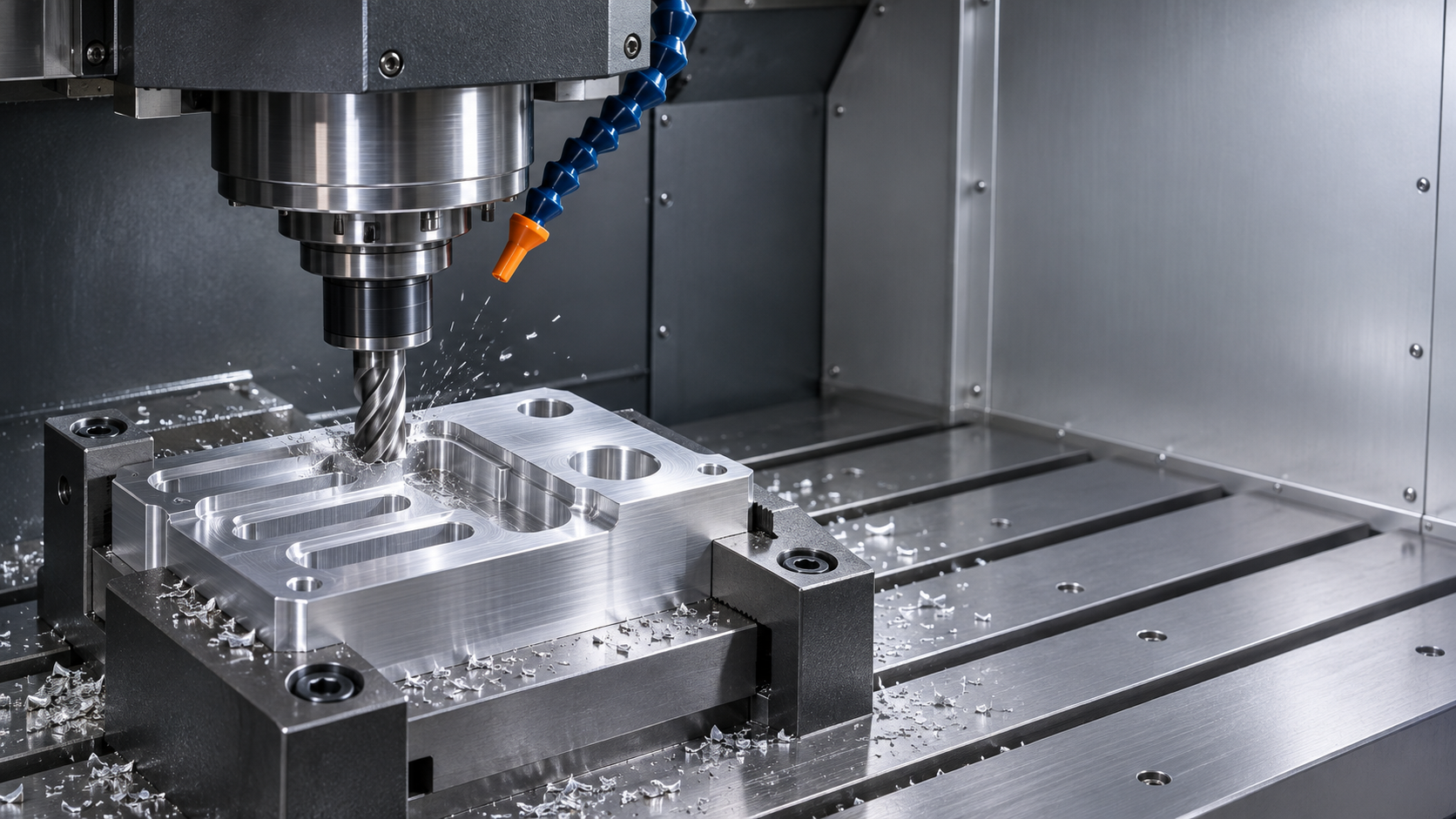
CNC cutting is a computer-controlled manufacturing process used to shape materials into parts and components. From metal brackets and aerospace components to plastic housings and wooden panels, it supports a wide range of applications across modern industry. But how does a CNC machine turn a digital design into a finished part, and which materials are suitable for cutting? The answer depends not just on the material, but also on the cutting method, machine setup, and demands of the finished part.
What Does CNC Cutting Mean?
CNC stands for computer numerical control. A CNC machine follows programmed instructions to control the movement of a cutting tool, workpiece, or cutting head. Those instructions tell the machine where to move and, depending on the process, how fast to travel, how deep to cut, or when to turn the cutting source on and off.
The term covers more than one process. A milling machine removes material with a rotating tool; a lathe usually rotates the workpiece against a cutting tool. A CNC laser, plasma cutter, or waterjet follows a programmed path too, but separates material in a different way.
That distinction matters. A flat steel bracket might be cut from sheet on a laser or plasma table, while a precision shaft is more likely to be turned on a lathe. Both are CNC-cut parts, but they require different machines, setups, and quality checks.
How a Digital Design Becomes a Finished Part
Most jobs begin with a drawing or a computer-aided design (CAD) model. The design defines the intended shape, but a model alone does not tell the machine how to make it. Someone must decide where to hold the material, which surfaces to cut, what tooling to use, and which features need closer inspection.
Computer-aided manufacturing (CAM) software is commonly used to create toolpaths from the model. A post-processor then converts those paths into a program suited to the machine and its controller, often using G-code. Simpler operations may also be programmed directly at the machine.
Before cutting starts, the operator secures the stock, installs the tools, establishes the workpiece position, and checks the program. Depending on the job, that may include simulation, a dry run, or a cautious first cut. The machine then follows the programmed movements, with the operator checking important dimensions and adjusting the process where necessary.
A finished part may still need deburring, cleaning, surface treatment, or inspection. A laser-cut edge, for example, can have dross that needs removal; a milled component may have sharp edges even when its dimensions are correct. CNC control automates movement, not every step around it.
Common CNC Cutting Methods and When They Make Sense
Milling, routing, and turning
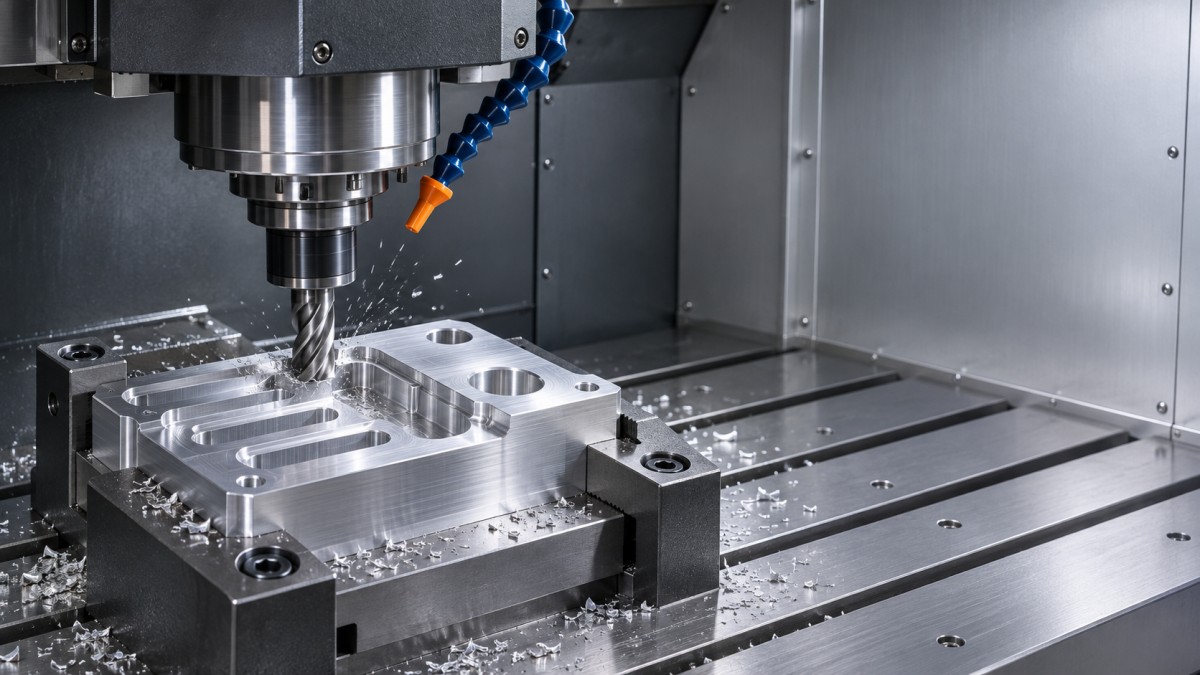
CNC milling uses a rotating cutting tool to make features such as pockets, slots, holes, and contoured surfaces. Machining centers can change tools during a program, allowing several operations to be completed in one setup. Multi-axis machines can reach features from additional directions, though complex work still depends on suitable tooling and access.
CNC routers use rotating cutters as well, often on sheet materials such as wood, plastics, and composites. Some can also cut nonferrous metals, provided the machine, tooling, and setup are suitable. A router is not automatically interchangeable with a heavy machining center: rigidity and workholding make a difference.
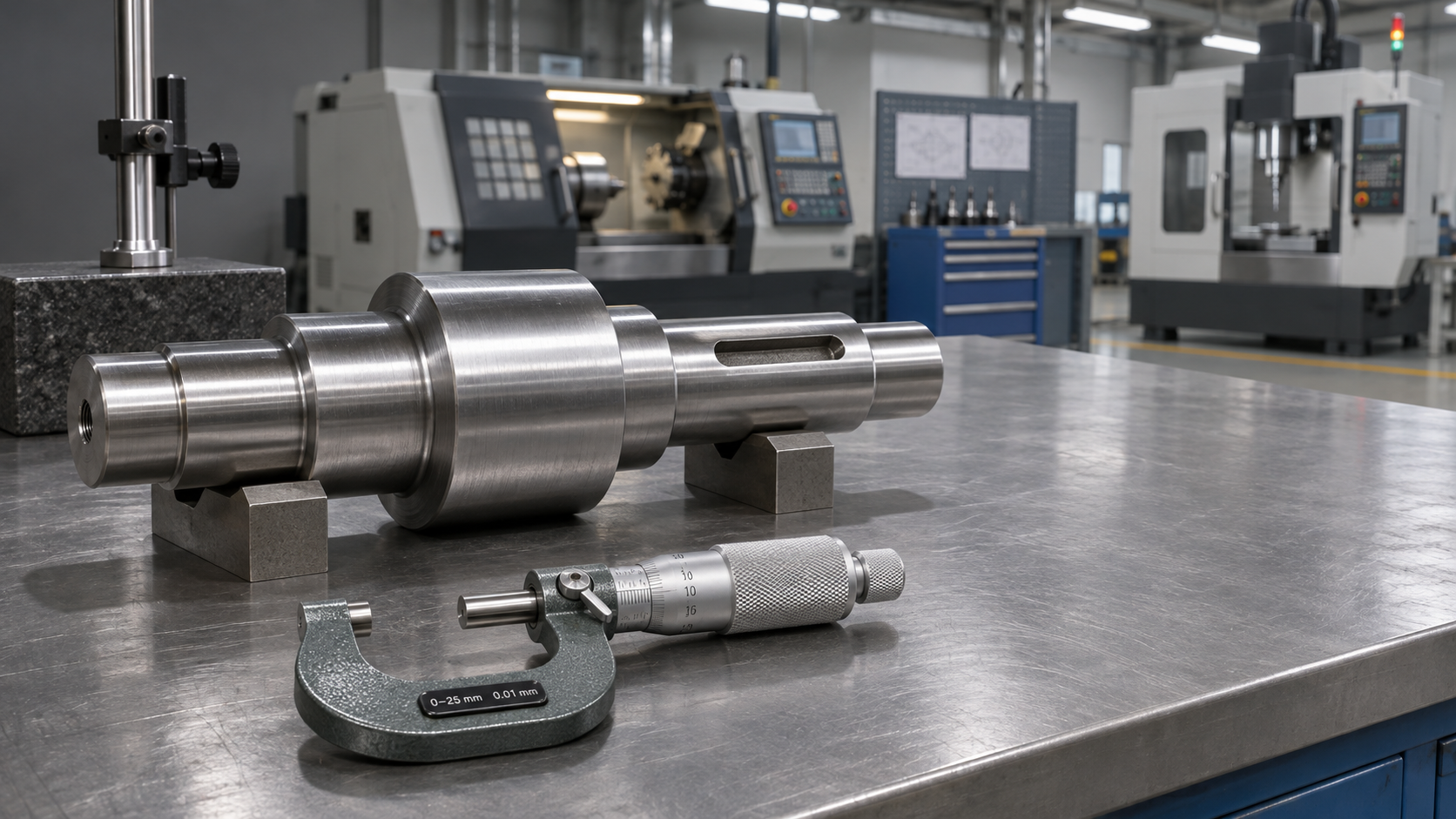
Turning is well suited to cylindrical parts such as shafts, bushings, and discs. The workpiece rotates while the tool removes material. Some CNC lathes also have driven tools for drilling or milling features, reducing the need to move a part between machines. That can help maintain the relationship between features, although it does not eliminate the need for careful setup and inspection.
Laser, plasma, and waterjet cutting
Laser cutting uses a focused beam to cut profiles, commonly in sheet metal. It can produce detailed shapes without a cutting tool physically pressing on the sheet. Material type, thickness, laser source, and machine capability all affect the result. Heat can also alter the edge, so a part with strict edge-condition requirements may need further processing or a different method.
Plasma cutting uses an electrically conductive gas to cut conductive materials, especially metals. It is a practical option for many plate-cutting jobs, but the cut edge and heat-affected zone need consideration when the part will be welded, machined, or inspected afterward.
Waterjet cutting uses a high-pressure stream, often mixed with abrasive for hard materials. Because it does not rely on melting the workpiece, it is worth considering when thermal effects are a concern. It is not a universal solution, however: cut speed, edge taper, material structure, and cleanup requirements should be assessed for the specific job.
Which Materials Can Be CNC Cut?
CNC equipment can process metals, plastics, wood, composites, and some brittle materials. The useful question is not simply whether a material can be cut, but whether a particular process can produce the required shape and edge quality without damaging it.
Metals
Aluminum is widely milled, turned, routed, and cut from sheet. It is relatively workable in many forms, but thin sections can flex under clamping or cutting forces. Chip evacuation matters too: material buildup on a tool can spoil a surface or damage an edge.
Carbon steel and stainless steel can be machined and cut with suitable equipment. They do not behave identically. Some stainless grades can work-harden during machining, making tool choice and cutting conditions particularly important. For sheet and plate, laser, plasma, or waterjet may be appropriate depending on thickness, edge requirements, and the machine available.
Brass and copper can also be machined, though their behavior varies by alloy. Titanium and heat-resistant alloys are used for demanding components, but they generally call for closer attention to heat, tool wear, and machine rigidity. A material name alone is not enough to plan the job; grade and condition matter.
Plastics and wood
Common machinable plastics include acrylic, nylon, acetal, and polycarbonate. They are used for items ranging from covers and display components to wear parts. Unlike metals, some plastics soften or melt when too much heat accumulates. Flexible sheets may also lift or move if they are poorly supported.
Wood, plywood, and engineered boards are routinely cut on CNC routers for panels, furniture components, patterns, and fixtures. Grain direction, surface coatings, and the quality of the board affect the finished edge. Dust extraction is part of a workable setup, not an optional afterthought.
Laser cutting plastics requires extra caution. Some materials release hazardous fumes or can damage equipment when heated. The exact material and machine manufacturer’s guidance should be checked before cutting; a sheet that looks like acrylic should not be assumed to be safe for a laser.
Composites, stone, glass, and ceramics
Fiber-reinforced composites can be routed or machined, but the fibers and resin may respond differently to the tool. Frayed edges, delamination, abrasive wear, and dust control are common concerns. Tool geometry and effective extraction deserve attention from the start.
Stone, glass, and ceramics can be processed with suitable CNC equipment, tooling, or waterjet systems. These materials can chip or crack, and not every machine is designed to manage the slurry or debris involved. For brittle materials, support and the way the cut enters and exits the workpiece can be as important as the programmed shape.
How Accurate Is CNC Cutting?
CNC machines can make repeatable, precise cuts, but there is no single accuracy figure that applies to every machine or material. The result depends on machine condition, calibration, tool wear, temperature, workholding, cutting forces, and measurement method. Material can also move after cutting, particularly when internal stresses are released or thin sections are left unsupported.
A common misunderstanding is that the number of decimal places in a CAD model defines the achievable tolerance. It does not. A drawing should identify which dimensions matter to fit or function and give those features appropriate tolerances. Applying tight tolerances to every surface can add inspection and machining work without improving the part.
Surface finish is a separate consideration. A dimensionally acceptable cut may still be too rough for a sealing face or bearing contact. Conversely, a decorative panel may need a clean visible edge without requiring the same dimensional control as a locating feature.
Choosing a Process for a Real Part
Start with the shape and the surfaces that matter. For a flat bracket cut from sheet, the main questions may be edge quality, hole size, and whether bending comes next. If a hole must locate a pin accurately, cutting the profile first and machining or finishing that hole afterward may be more practical than expecting the sheet-cutting process to do everything.
For a shaft or a precision disc, turning may establish the main diameters, while milling or drilling adds features that are not rotationally symmetric. A structural housing with deep pockets may need several tools and careful fixturing. In each case, the sequence matters: a part has to remain accessible and securely held as material is removed.
Quantity changes the calculation as well. A dedicated fixture and automated loading system may be worthwhile for repeated production, but excessive preparation can make a small batch unnecessarily expensive. Conversely, relying on a loose or improvised setup to save time can create scrap and inconsistent results.
Modern manufacturing increasingly connects CNC machines with tool monitoring, robots, and production software. Those systems can reduce manual handling and support repeatable workflows, but they do not replace sound process planning. Tool access, chip removal, part support, and inspection remain practical constraints whether the machine runs alone or inside an automated line.
If you are evaluating a part for CNC cutting, gather the material grade and thickness, a drawing or model, the required quantities, and any critical tolerances or finish requirements. Also identify surfaces that will be welded, sealed, or visible. That information gives a machinist or cutting specialist a far better basis for recommending a process than the material name alone.
PREVIOUS ARTICLE
NEXT ARTICLE
Recommended for You
![]() Chinese Five-Axis Machine Tool Prices Reach Around 40,000 YuanMachine Tool Industry Editorial Team
 Choosing a Machine Tool Exporter: Delivery, Warranty and Support ChecksGlobal Machine Tool Trade Research Center
![]() US Lawmakers Warn China Has Overtaken US in Four Manufacturing SectorsManufacturing Policy Research Center
 What Is CNC Cutting? How It Works and Which Materials It Can CutCNC Machining Technology Center
![]() Philadelphia Fed Manufacturing Index Falls to 6.3, a Six-Month LowManufacturing Market Research Center
 Choosing a Shaft Parts Manufacturer in Japan: Quality, Capacity and Lead TimesGlobal Machine Tool Trade Research Center


Aris Katos
Future of Carbide Coatings
15+ years in precision manufacturing systems. Specialized in high-speed milling and aerospace grade alloy processing.
▶
What Is CNC Cutting? How It Works and Which Materials It Can CutCNC Machining Technology Center▶
Which Metals Are Hardest to Machine With Standard Tools, and Why?CNC Machining Technology Center▶
Space-Saving CNC Manufacturing: Shop Layout Strategies for Small FacilitiesCNC Machining Technology Center▶
CNC Milling Spindle Speed for Titanium: How to Calculate RPMCNC Machining Technology Center▶
CNC Machine Tool Accuracy Standards Compared: ISO 230 vs. ASME B5.54CNC Machining Technology Center
▶
Mastering 5-Axis Workholding Strategies
Join our technical panel on Nov 15th to learn about reducing vibrations in thin-wall components.

Providing you with integrated sanding solutions
Before-sales and after-sales services
Comprehensive technical support