• Global CNC market projected to reach $128B by 2028 • New EU trade regulations for precision tooling components • Aerospace deman
NYSE: CNC +1.2%LME: STEEL -0.4%

Smart Manufacturing for Energy Sector: Key Use Cases in Turbine and Valve Production
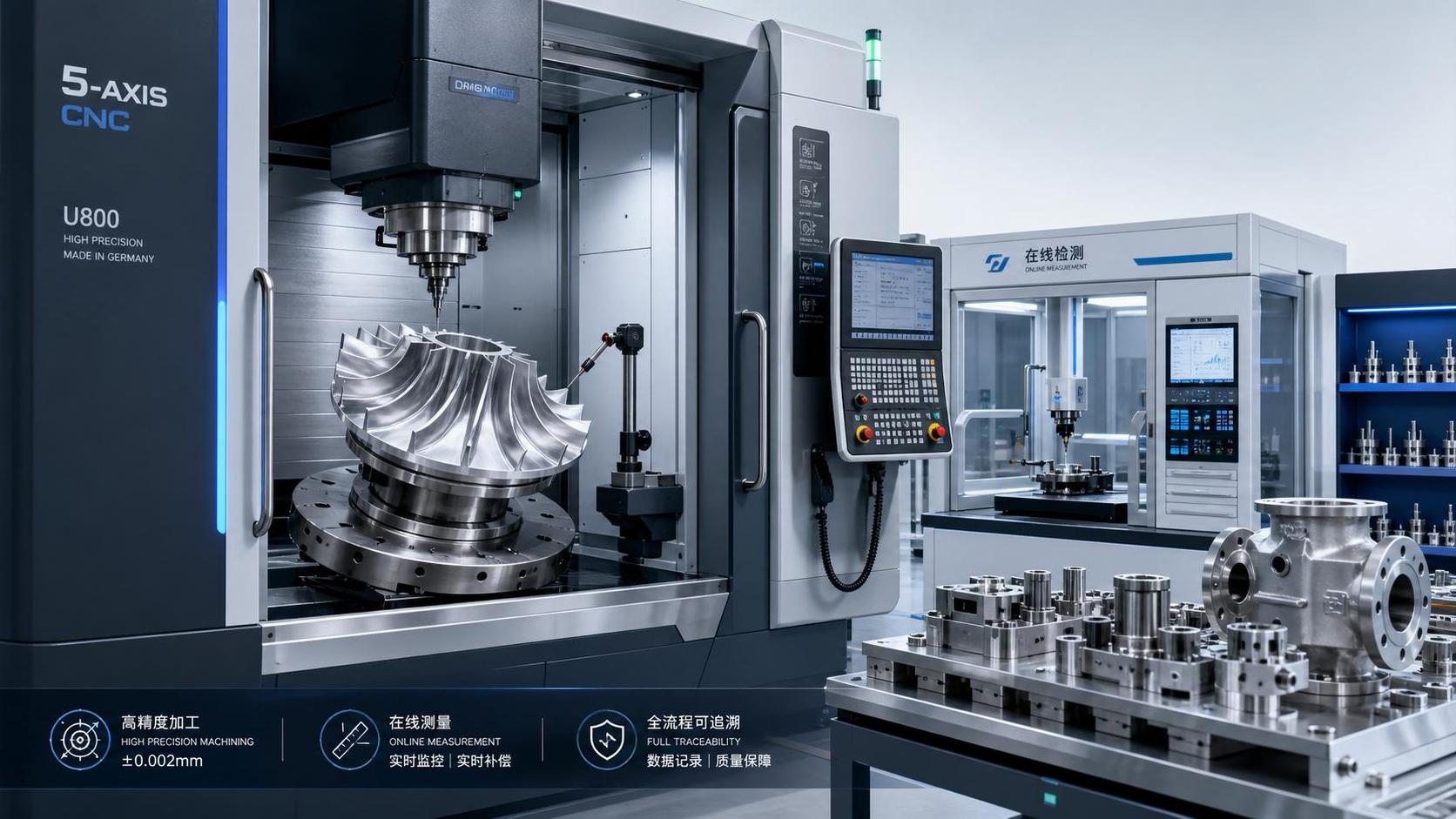
Smart Manufacturing for Energy Sector: Why Turbine and Valve Production Is Changing Fast
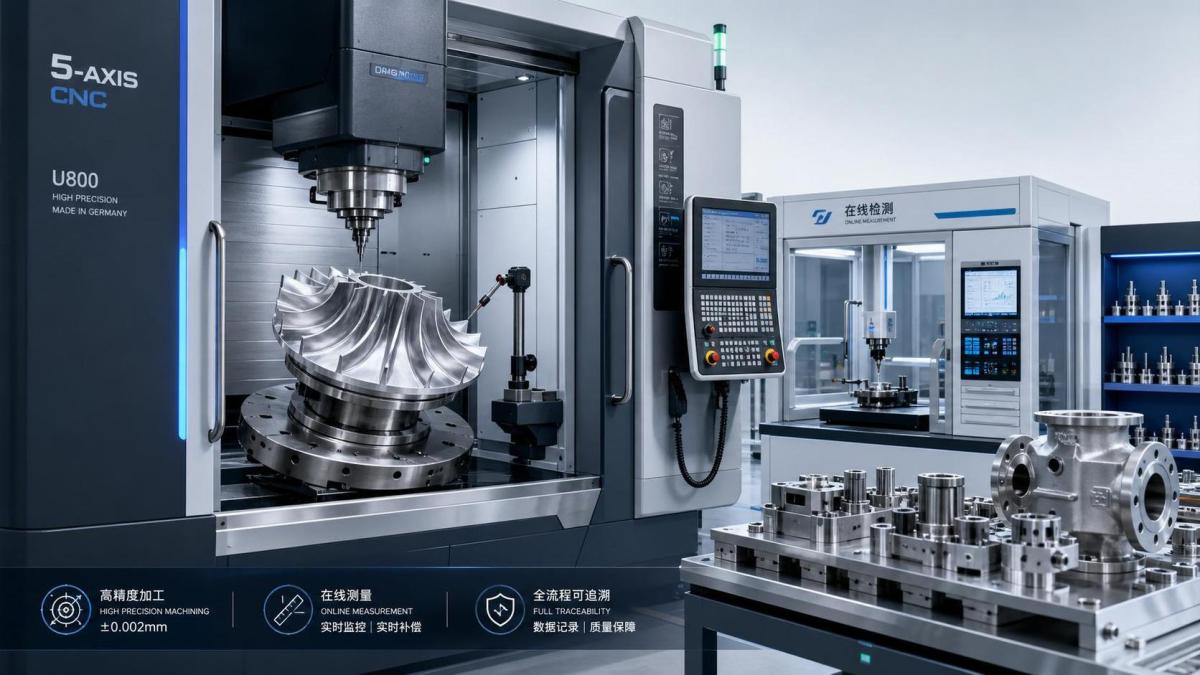
Smart Manufacturing for Energy Sector is moving from a future idea to a practical production model.
In turbine and valve production, that shift is especially visible.
These components operate under heat, pressure, vibration, and strict reliability requirements.
A small machining error can lead to leakage, imbalance, rework, or delayed project delivery.
That is why manufacturers are investing in CNC automation, digital inspection, and connected shop-floor control.
The goal is not technology for its own sake.
The real goal is stable output, predictable schedules, and fewer surprises during critical equipment manufacturing.
From a project delivery perspective, Smart Manufacturing for Energy Sector supports better planning and faster decision-making.
It also improves traceability across machining, assembly, testing, and final documentation.
This matters when production teams handle low-volume, high-value parts with demanding quality targets.
Why Turbines and Valves Need a Smarter Production Model
Turbines and valves are not standard mass-market products.
They involve complex geometries, special alloys, and tight dimensional tolerances.
Production often includes rough machining, finish machining, balancing, coating, inspection, and pressure-related testing.
Each step can affect the next one.
In actual operations, the biggest pressure usually comes from three areas.
- Shorter delivery windows for large energy projects.
- Higher quality expectations for critical rotating and flow-control parts.
- Stronger traceability requirements from customers and regulators.
Traditional workflows struggle when orders vary in size, material, and specification.
Paper-based tracking and isolated machines make bottlenecks harder to see.
Smart Manufacturing for Energy Sector solves this by linking equipment, data, and process control.
More importantly, it gives teams earlier warning when quality drift or schedule risk starts to build.
Key Use Cases in Turbine Production
1. Multi-axis CNC machining for blades, shafts, and casings
Turbine parts demand high repeatability across complex surfaces and critical mating features.
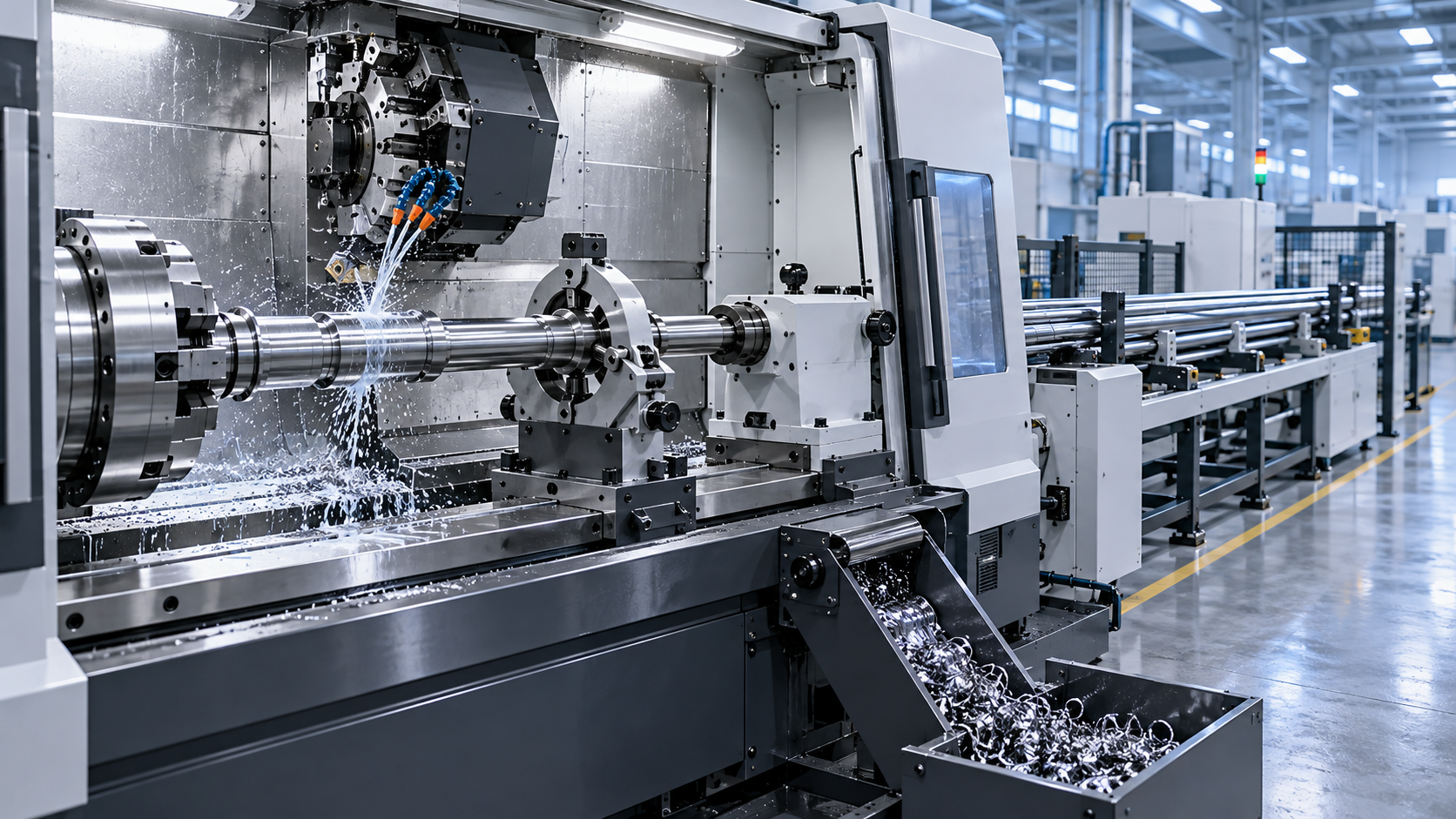
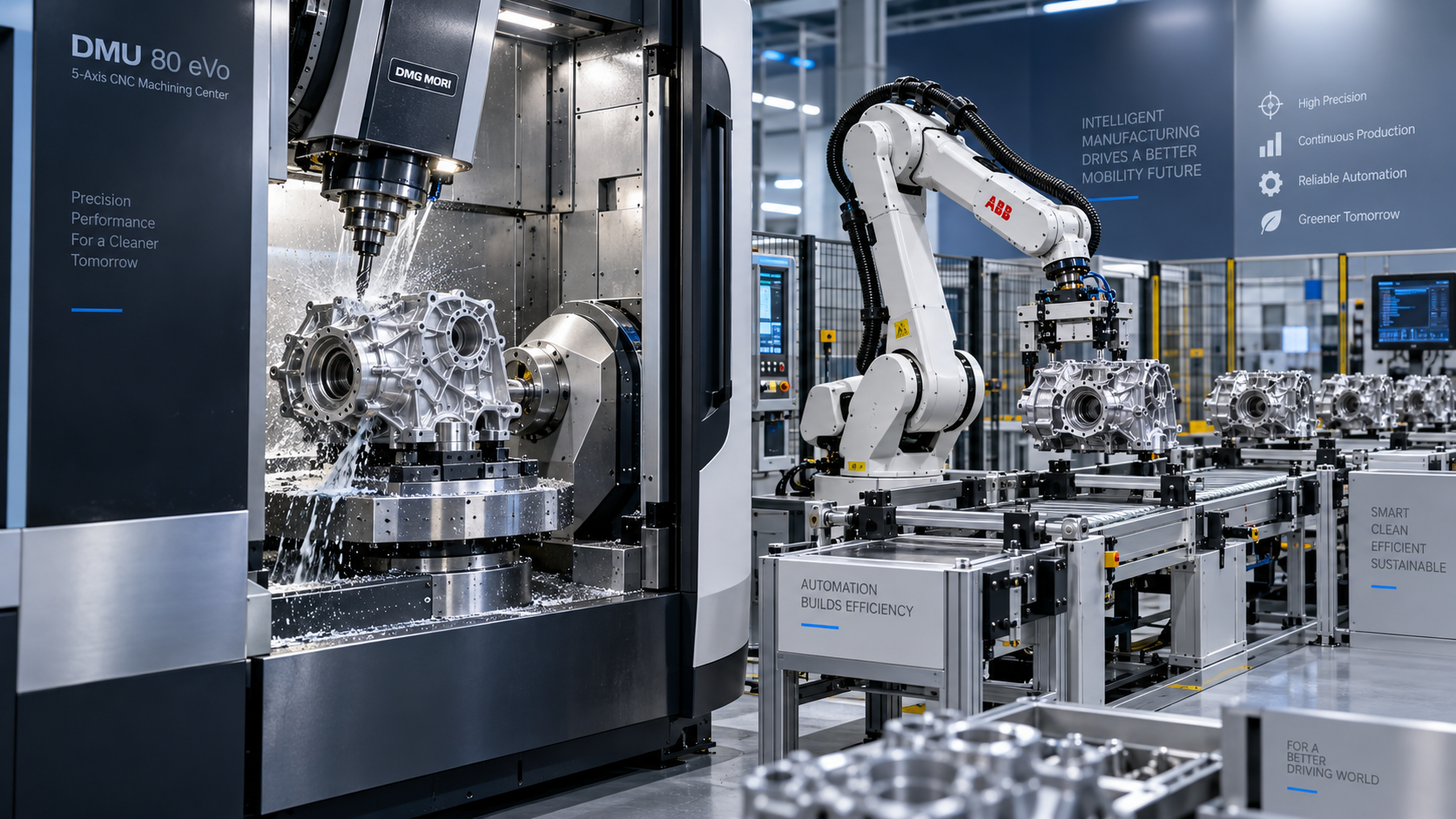
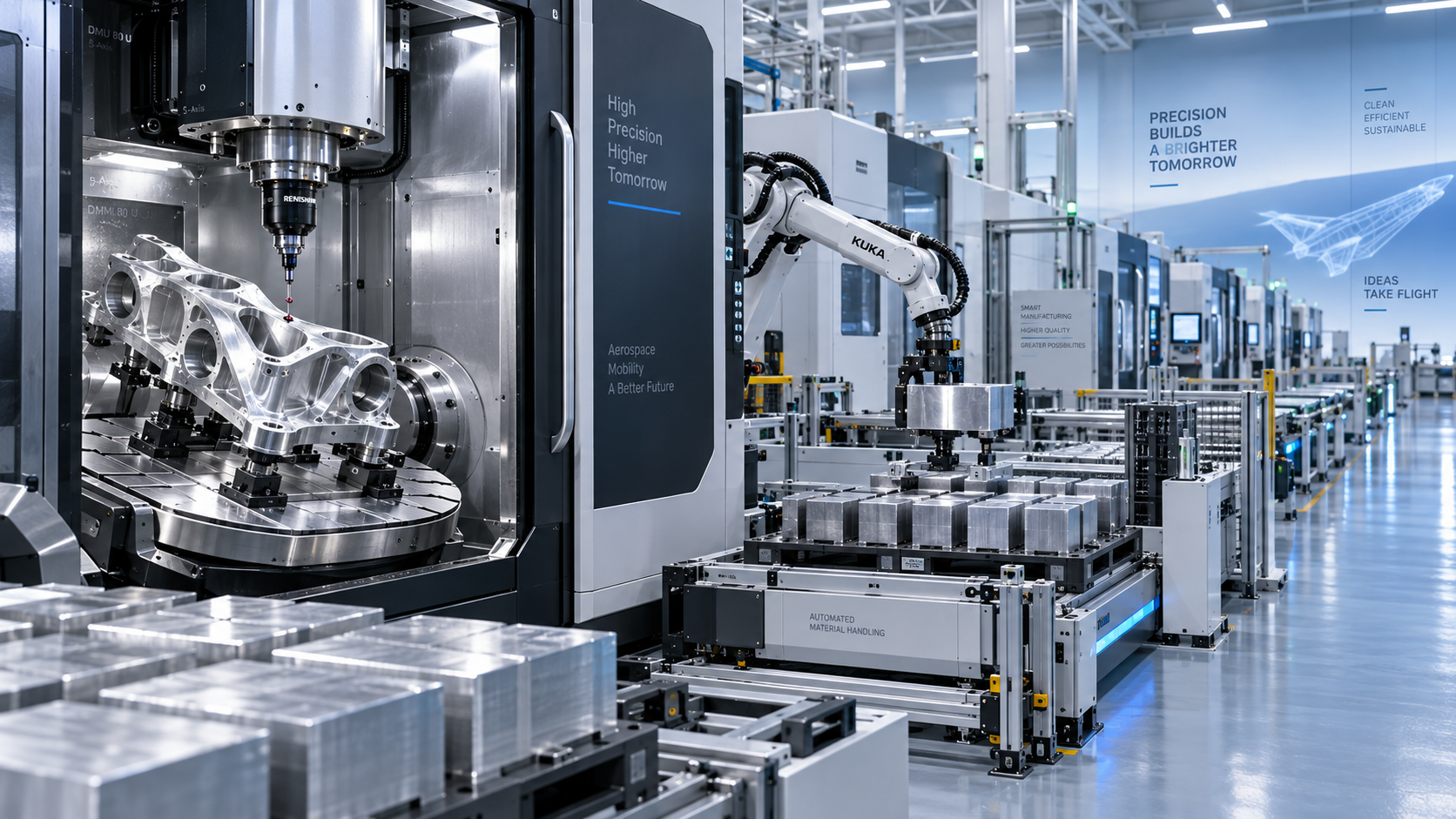
Smart Manufacturing for Energy Sector often starts with advanced CNC machining centers and integrated programming systems.
Five-axis machining reduces setup changes and improves consistency on difficult contours.
Digital tool management also helps control wear when cutting heat-resistant alloys.
2. In-process measurement to reduce scrap
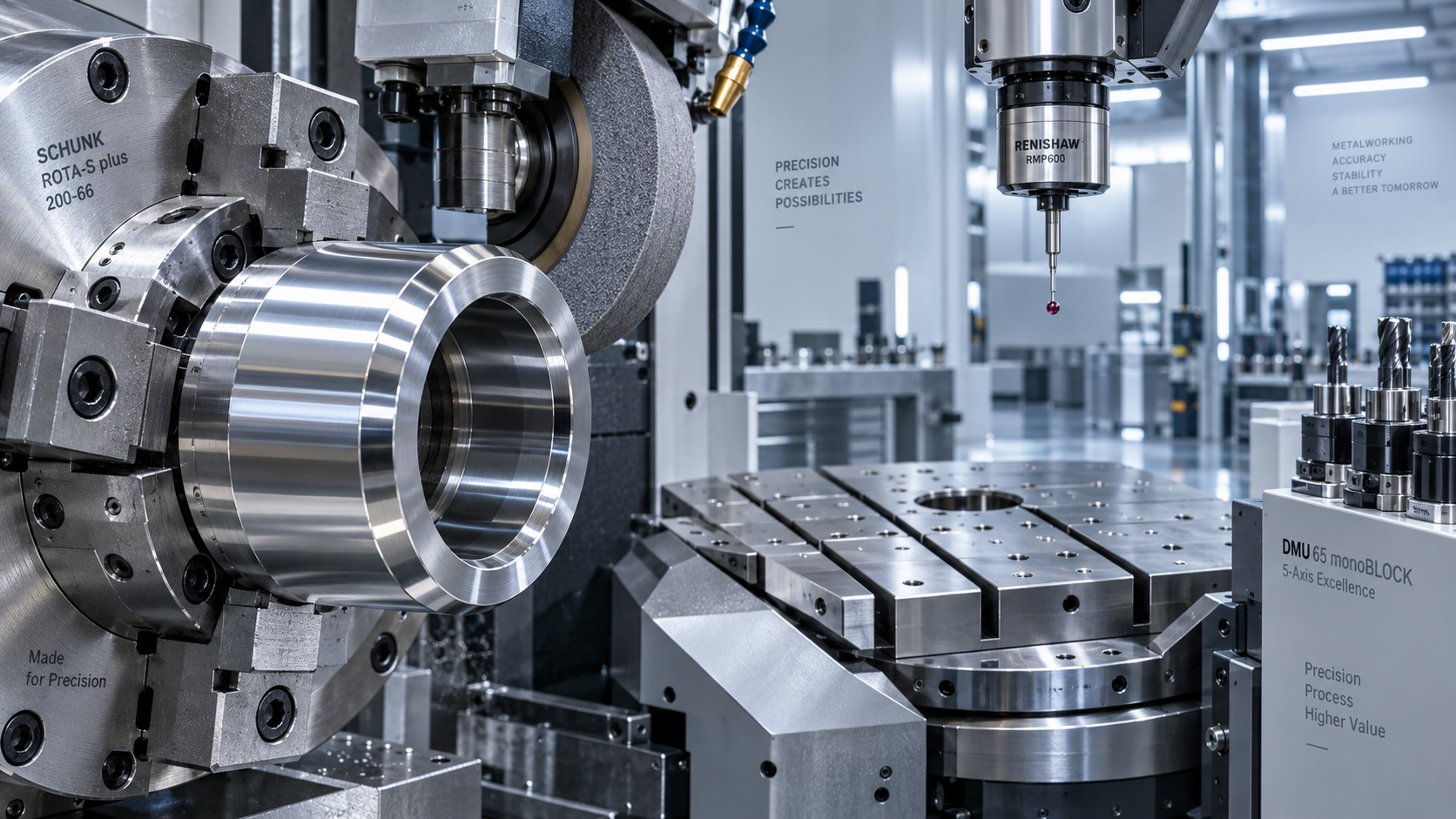
On-machine probing detects dimensional deviation before the part leaves the machine.
That means corrections can happen earlier, with less wasted time and material.
For turbine shafts and discs, this is useful when runout and concentricity are tightly controlled.
3. Production monitoring for balancing workflow
Turbine production does not end with machining.
Balancing, finishing, and final verification depend on stable upstream quality.
Connected production dashboards help teams track cycle times, queue status, and nonconformance events in real time.
This makes it easier to protect final delivery dates on complex turbine programs.
Key Use Cases in Valve Production
1. Precision machining for sealing surfaces
Valve bodies, seats, stems, and trim components depend on precise sealing geometry.
Even minor deviation can reduce pressure integrity or service life.
Smart Manufacturing for Energy Sector improves this with automated CNC turning, milling, and finishing routines.
Repeatable tool paths reduce variation across batches and custom orders.
2. Automated inspection and test data capture
Valve manufacturing often includes dimensional checks, leak testing, and material verification.
When these records are captured digitally, quality files become easier to manage and review.
This is especially valuable for export orders and regulated energy applications.
3. Flexible production for mixed valve models
Valve plants rarely run one identical part for long periods.
They switch between pressure classes, body sizes, materials, and end-connection types.
Smart Manufacturing for Energy Sector supports this with flexible fixtures, faster changeovers, and digital work instructions.
That reduces downtime without weakening process discipline.
Core Technologies Behind Smart Manufacturing for Energy Sector
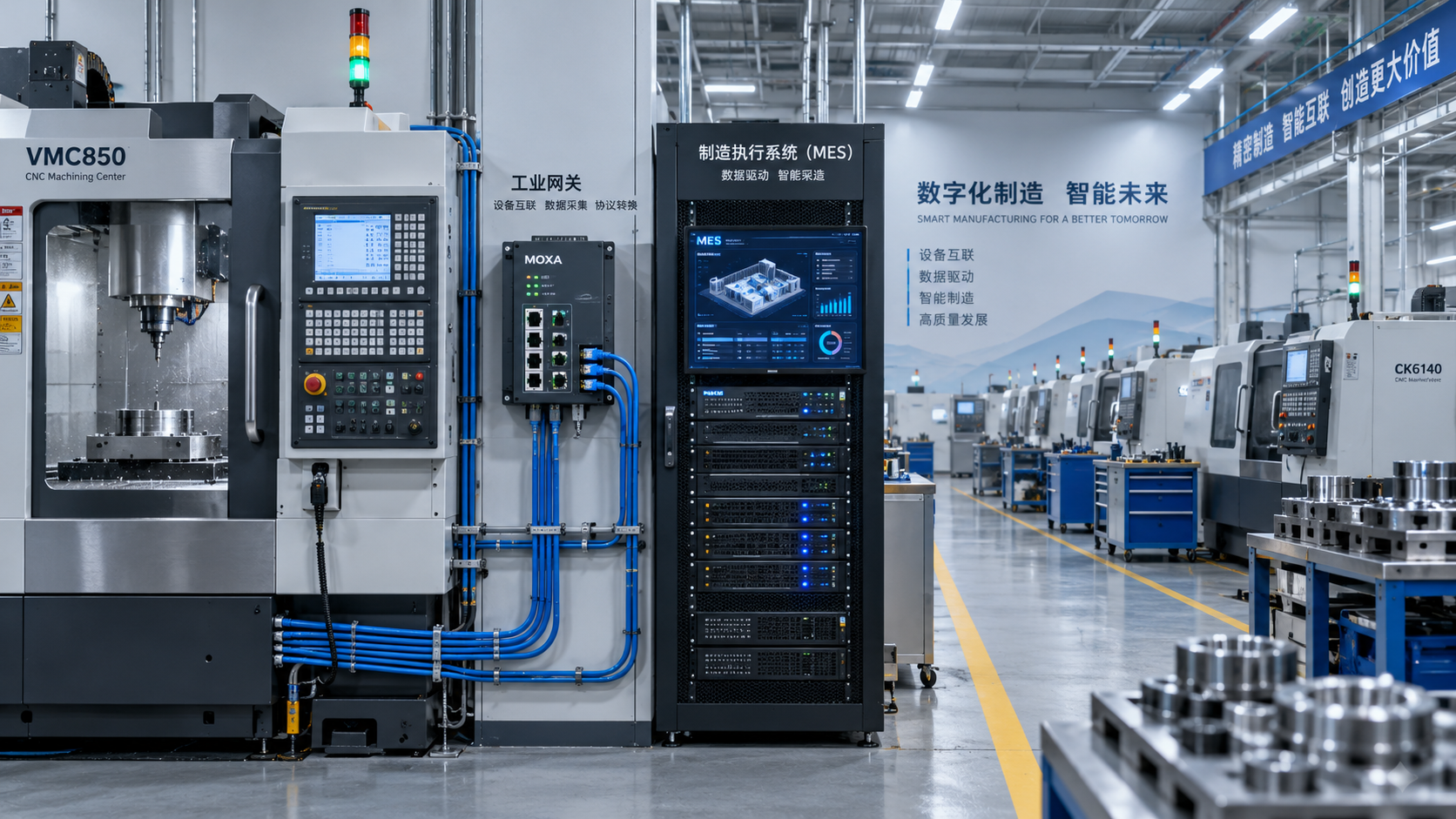
The value of Smart Manufacturing for Energy Sector comes from how technologies work together.
Single-point upgrades help, but connected systems create larger operational gains.
From a business view, the strongest signal is integration.
The shop floor, quality team, and planning office need shared, reliable production data.
Operational Benefits That Matter Most
Smart Manufacturing for Energy Sector is often evaluated through equipment investment.
But in practice, the payoff shows up in delivery control and risk reduction.
- More predictable cycle times for turbine and valve orders.
- Fewer quality escapes caused by late detection.
- Better capacity planning across machining and inspection resources.
- Stronger traceability for customer reports and compliance files.
- Reduced dependence on manual tracking and tribal knowledge.
For energy equipment programs, these gains translate into fewer schedule shocks.
They also support more confident coordination with suppliers, inspectors, and end users.
Common Risks and How to Avoid Them
Not every smart factory project delivers strong results.
The weak point is usually execution, not the idea itself.
- Starting with too many systems at once. Phase the rollout around one production bottleneck first.
- Ignoring data quality. Bad setup data weakens every dashboard and report.
- Automating unstable processes. Standardize work before adding automation layers.
- Underestimating operator adoption. Training and process ownership must be built into the plan.
This also means success depends on process clarity as much as machine capability.
In turbine and valve production, disciplined implementation usually beats aggressive expansion.
A Practical Starting Point for Implementation
A workable Smart Manufacturing for Energy Sector roadmap should begin with measurable production pain points.
For many plants, the right first target is a critical turbine or valve family.
Then build the rollout around a short sequence.
- Map the full production route, including machining, inspection, and test hold points.
- Identify where delays, rework, or missing data appear most often.
- Add the smallest useful digital layer, such as probing, tracking, or automated reporting.
- Measure improvements in lead time, first-pass yield, and documentation speed.
- Expand only after the first workflow shows stable results.
That approach keeps investment tied to clear production outcomes.
It also makes Smart Manufacturing for Energy Sector easier to defend as a business decision.
For turbine and valve production, the smartest move is usually the most practical one.
Start where precision, traceability, and delivery pressure already intersect, then scale from proven results.
Recommended for You
 Digital Manufacturing for Smart Factories: Connecting Legacy Machines to MESMachine Tool Industry Editorial Team
 How to Select a CNC Metal Lathe for Tight-Tolerance Shaft and Sleeve PartsCNC Machining Technology Center
 How to Select an Industrial Lathe for High-Volume Shaft ProductionMachine Tool Industry Editorial Team
 Selecting Machine Tools for Automotive Parts: Accuracy, Throughput, and AutomationMachine Tool Industry Editorial Team
 Industrial Machining: Selecting Processes for Tight-Tolerance Metal PartsCNC Machining Technology Center
 Manufacturing Technology Trends That Improve Throughput and Quality ControlManufacturing Market Research Center

Aris Katos
Future of Carbide Coatings
15+ years in precision manufacturing systems. Specialized in high-speed milling and aerospace grade alloy processing.
▶
Digital Manufacturing for Smart Factories: Connecting Legacy Machines to MESMachine Tool Industry Editorial Team▶
Selecting Machine Tools for Automotive Parts: Accuracy, Throughput, and AutomationMachine Tool Industry Editorial Team▶
Smart Manufacturing for Small Businesses: Where Automation Delivers the Fastest ROIMachine Tool Industry Editorial Team▶
How Smart Manufacturing Technology Improves OEE Across Industry 4.0 Production LinesMachine Tool Industry Editorial Team▶
How to Evaluate an Automation Line for Electronics Production Before InvestmentMachine Tool Industry Editorial Team
Mastering 5-Axis Workholding Strategies
Join our technical panel on Nov 15th to learn about reducing vibrations in thin-wall components.

Providing you with integrated sanding solutions
Before-sales and after-sales services
Comprehensive technical support