• Global CNC market projected to reach $128B by 2028 • New EU trade regulations for precision tooling components • Aerospace deman
NYSE: CNC +1.2%LME: STEEL -0.4%

Japan Enforces JIS B 6336-2:2026 for AI-Based CNC Lathe Dynamic Accuracy Testing

On July 5, 2026, the market focus is on Japan’s immediate enforcement of the revised JIS B 6336-2 standard for CNC lathe dynamic performance testing, after JISC announced the change on July 4. The update matters not only to machine tool manufacturers, but also to importers, testing providers, procurement teams, and buyers serving the Japanese market, because it shifts dynamic accuracy assessment in ISO 230-2 testing from manual interpretation to JIS-certified AI-based real-time deviation modeling and anomaly clustering, while adding a third-party AI verification report requirement for newly imported machines.
What the New JIS Requirement Confirms
According to the information provided, JISC announced on July 4, 2026 that the revised JIS B 6336-2, titled Test conditions for numerically controlled lathes - Part 2: Dynamic performance, took effect immediately. The new rule requires CNC lathes undergoing ISO 230-2 testing to use a JIS-certified AI algorithm for millisecond-level modeling of deviation in continuous cutting trajectories and for anomaly clustering analysis. This replaces traditional manual interpretation in the testing process. The same information also states that new machines imported into the Japanese market must provide a third-party AI verification report.
Where the Impact Is Likely to Be Felt First
Market-entry pressure for machine suppliers
From an industry perspective, CNC lathe manufacturers and exporters targeting Japan may be affected first because compliance is now tied to how dynamic accuracy is tested and documented. The immediate business impact is likely to appear in market-entry preparation, technical file readiness, and customer acceptance discussions for new machines entering Japan.
Higher documentation demands for import and distribution channels
Importers and channel partners may need to pay closer attention to whether shipped equipment is supported by the required third-party AI verification report. The likely pressure point is not only customs or sales documentation in a general sense, but also the timing of delivery, handover, and proof of conformity when dealing with Japanese customers.
Testing and verification service roles become more critical
Analysis shows that service providers involved in testing, validation, and conformity support may see their role become more central, because the standard now explicitly refers to JIS-certified AI algorithms and third-party verification. What deserves closer attention is whether existing testing workflows, reporting formats, and interpretation practices align with this revised requirement.
Procurement teams face a more technical screening task
For buyers and procurement teams sourcing CNC lathes for the Japanese market, the change may affect supplier evaluation and acceptance criteria. The practical issue is no longer limited to machine specifications alone; documentation around AI-based testing and verification may become part of supplier comparison and purchase approval.
What Companies Should Watch in Practical Terms
Whether product scope and shipment plans are exposed
Companies should first identify which new CNC lathe models intended for Japan are tied to ISO 230-2 dynamic testing under this updated framework. In practical terms, this is a product-screening exercise: the key question is which pending deliveries, launches, or quotations may now require additional verification support.
Readiness of AI-related compliance materials
What deserves closer attention is whether the required testing process can be demonstrated with a JIS-certified AI algorithm and whether the supporting records are complete enough for customer review or third-party confirmation. The policy signal and actual transaction requirement may converge quickly because the rule is already in force.
Third-party verification timing and handover risk
For firms shipping into Japan, the third-party AI verification report is a practical checkpoint rather than a theoretical standard change. Companies should watch for possible effects on lead times, delivery commitments, and contract communication, especially where machine acceptance depends on formal documentation being available at the right stage.
Customer communication and supplier coordination
Manufacturers, importers, and distributors should align early on who is responsible for testing arrangements, report preparation, and document submission. This matters because confusion over responsibility can turn a standards issue into a delivery or acceptance issue in live business transactions.
Why This Looks Like More Than a Routine Standards Update
Observably, this development signals a narrower but meaningful shift in how dynamic accuracy is judged in the CNC lathe segment covered by the standard. The confirmed fact is the enforcement of a revised test requirement; the broader interpretation is that Japan is formalizing AI-assisted judgment within a standards-based testing workflow, rather than leaving that step to manual reading alone.
Analysis shows that this is best understood as both an immediate compliance change and a longer-term signal for testing methodology. It is already operational for companies placing new machines into the Japanese market, yet its wider impact on workflows, supplier qualification, and customer expectations still needs continued observation because the provided information does not establish how fast related practices will standardize across the market.
How to Read This Development Right Now
At this stage, it is more appropriate to understand the JIS B 6336-2:2026 enforcement as a concrete rule change with direct implications for testing and import documentation, rather than as a broad conclusion about the entire machine tool market. The most immediate issue is procedural readiness for Japan-bound CNC lathes. The larger industry meaning lies in the fact that AI-based deviation assessment has moved into a formal compliance setting, which makes this a development worth tracking beyond the initial announcement.
Basis of This Article and What Still Needs Verification
This article is based on the user-provided news title, event date, and event summary concerning the enforcement of JIS B 6336-2:2026 in Japan. For developments of this type, relevant source categories typically include official announcements, standard-setting body documents, company disclosures, industry association updates, and reporting from authoritative trade media. A specific official source link was not provided in the input, so continued verification remains necessary. What should be monitored next is whether additional official wording, implementation guidance, or related market communication further clarifies the practical use of JIS-certified AI algorithms and third-party verification in actual transactions.
Recommended for You
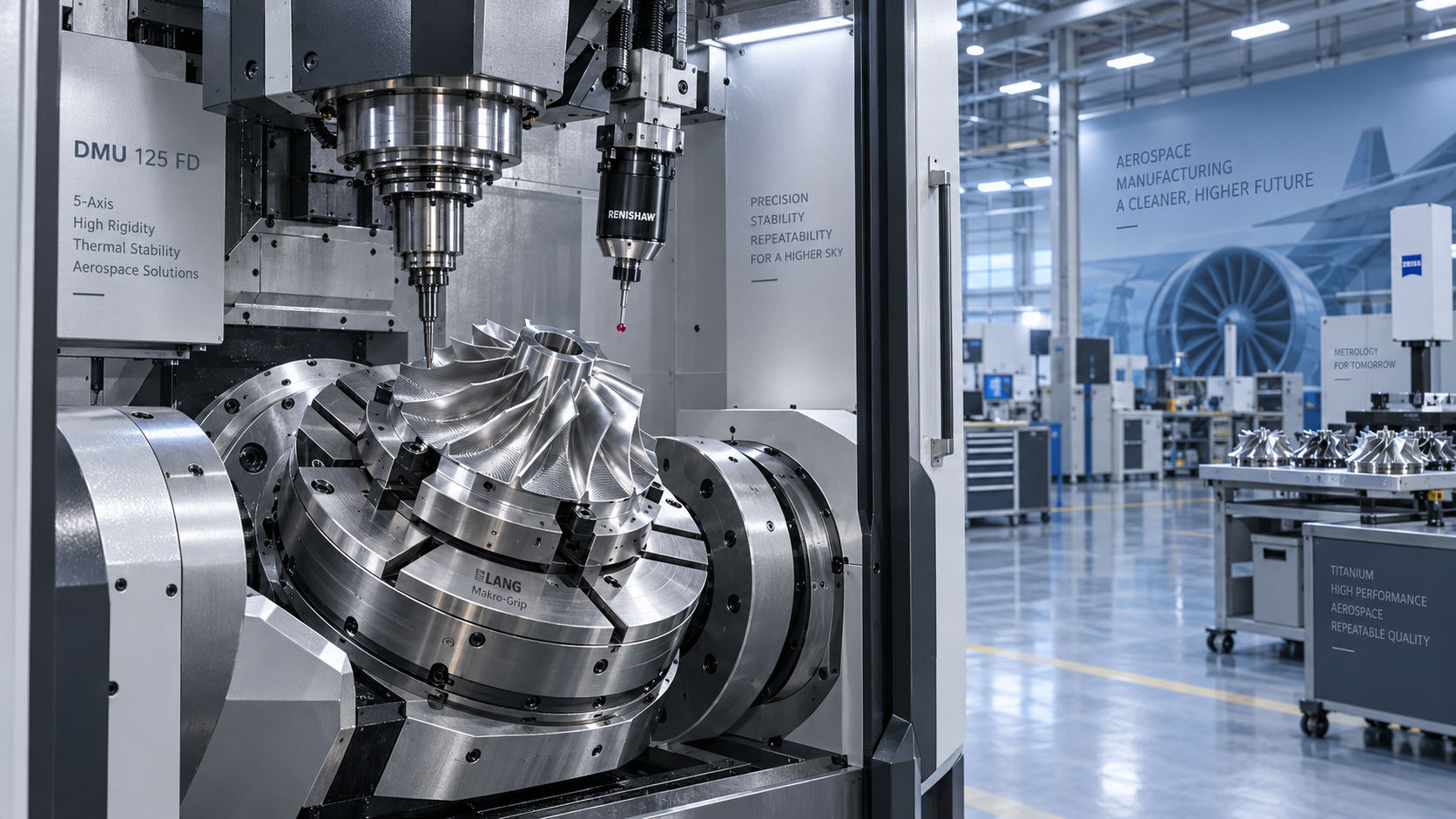
 How to Select a Machine Tool for Aerospace Parts with Tight Tolerances?Machine Tool Industry Editorial Team
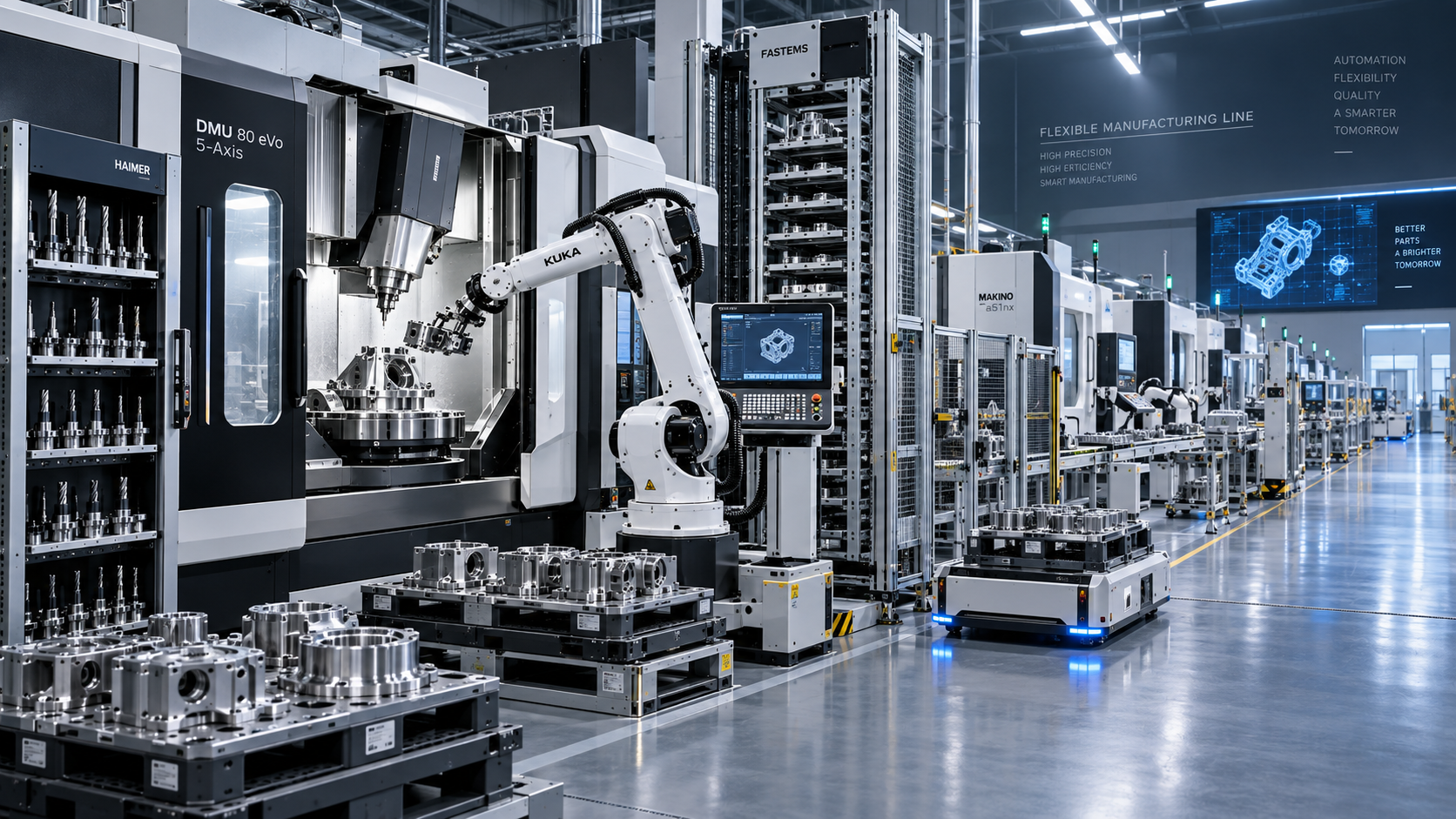
 How to Select CNC Equipment for High-Mix, Low-Volume ProductionCNC Machining Technology Center
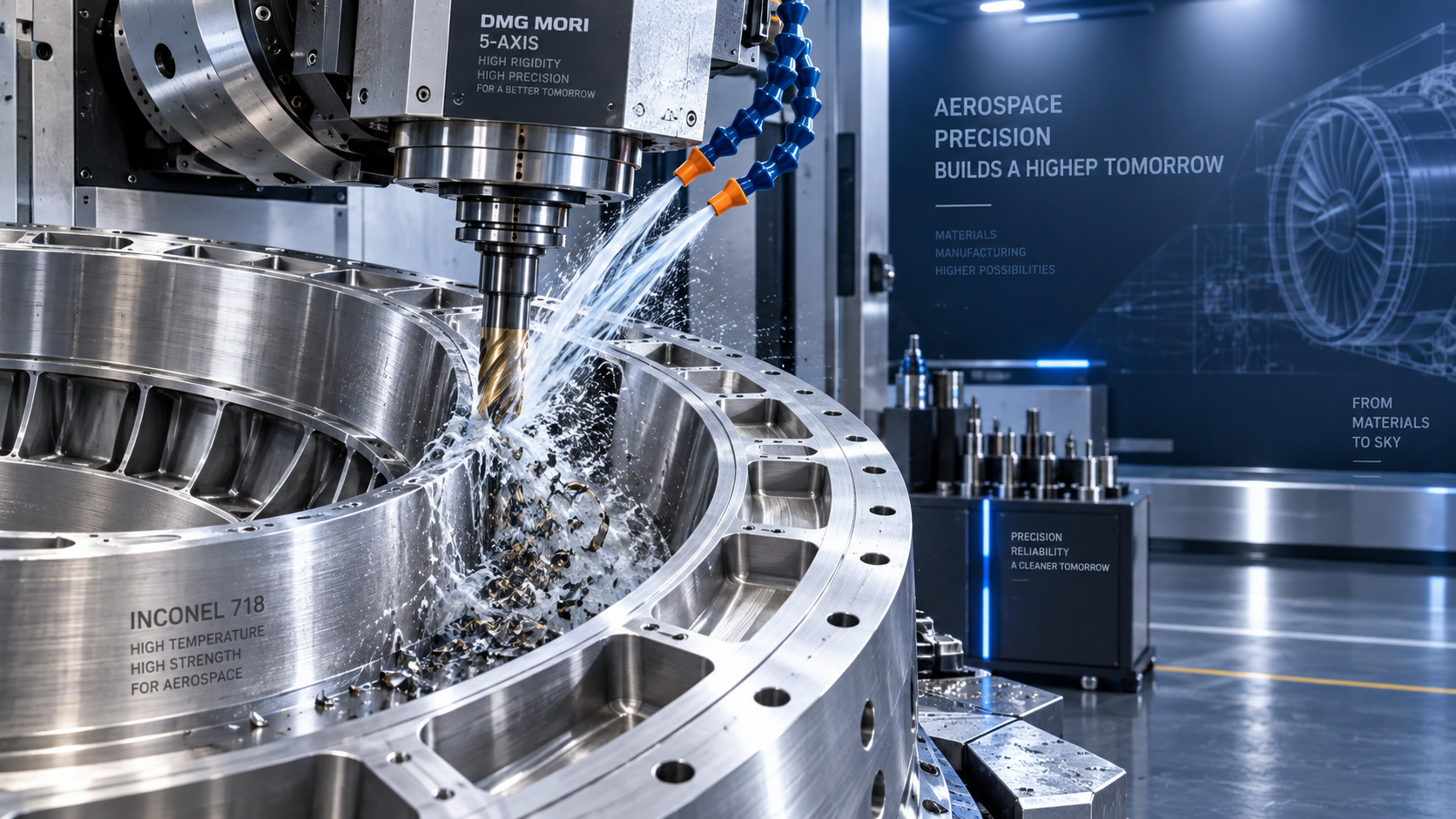
 Can CNC Machining Inconel Control Tool Wear in High-Temperature Aerospace Parts?CNC Machining Technology Center
 Machine Tool Market Outlook: Demand Drivers, Capacity Shifts, and Investment RisksManufacturing Market Research Center
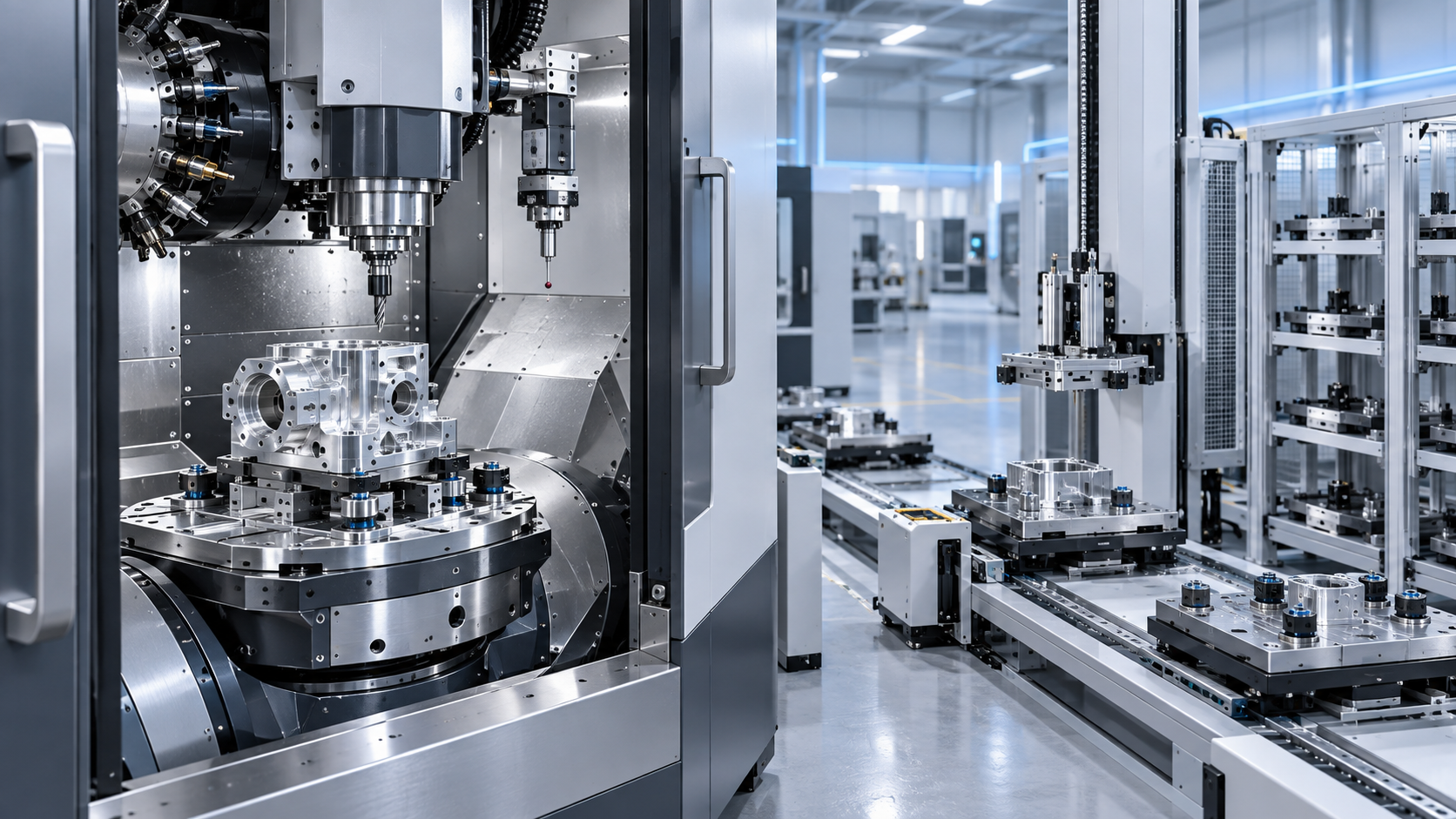
 Zero-Point Clamping or Modular Fixtures? Choosing a Faster CNC Changeover SystemCNC Machining Technology Center
 How to Cut CNC Fixture Changeover Time Without Sacrificing Part AccuracyCNC Machining Technology Center

Aris Katos
Future of Carbide Coatings
15+ years in precision manufacturing systems. Specialized in high-speed milling and aerospace grade alloy processing.
▶
When Does CNC Turning Pay Off? A Break-Even Guide by Annual Part VolumeMachine Tool Industry Editorial Team▶
How to Compare CNC Metal Lathe Brands ObjectivelyMachine Tool Industry Editorial Team▶
CNC Lathe Quick Installation Guide: How to Avoid Alignment and Wiring MistakesMachine Tool Industry Editorial Team▶
CNC Lathe Quick Installation Guide: Common Setup Mistakes and How to Avoid ThemMachine Tool Industry Editorial Team▶
CNC Lathe Lead Times Reach 22 WeeksMachine Tool Industry Editorial Team
Mastering 5-Axis Workholding Strategies
Join our technical panel on Nov 15th to learn about reducing vibrations in thin-wall components.

Providing you with integrated sanding solutions
Before-sales and after-sales services
Comprehensive technical support