• Global CNC market projected to reach $128B by 2028 • New EU trade regulations for precision tooling components • Aerospace deman
NYSE: CNC +1.2%LME: STEEL -0.4%

Vietnam Ends Import Licenses for Sub-$50k CNC Lathes

On July 5, 2026, Vietnam signaled a targeted change in equipment import rules: under Circular No. 12/2026/TT-BCT issued by the Ministry of Industry and Trade (MOIT), CNC lathes priced below USD 50,000 per unit will no longer require an import license from August 1, 2026. For SMEs, contract manufacturers, equipment suppliers, procurement teams, and related compliance service providers, the development is worth attention because it changes an approval step in the import process while leaving safety and energy efficiency certification requirements under TCVN 6222-1:2025 in place.
A narrower approval path, not a full removal of compliance
The confirmed change is limited but clear. MOIT issued Circular No. 12/2026/TT-BCT on July 5, 2026. The circular removes the mandatory import license requirement for CNC lathes with a unit value under USD 50,000, and the change takes effect on August 1, 2026.
The policy direction described in the event summary is aimed at SMEs and contract manufacturers that need faster equipment deployment. At the same time, the summary also makes clear that safety and energy efficiency certifications remain in force, specifically TCVN 6222-1:2025.
Where the practical effects may appear first
Procurement teams may see a shorter pre-import step
From an industry perspective, buyers sourcing qualifying CNC lathes may be affected first because the removal of the import license changes a front-end trade and purchasing requirement. The most immediate operational impact may appear in equipment planning, ordering schedules, and internal approval workflows tied to import readiness. What deserves closer attention is that the relaxation applies to the import license requirement, not to product-related certification obligations that still need to be met.
Suppliers and exporters still need to support technical compliance
For machine suppliers and exporters serving the Vietnam market, the rule change may reduce one administrative barrier for eligible transactions, but it does not remove the need to prepare documentation connected to safety and energy efficiency requirements. In practice, technical files, product specifications, and certification-related materials may become more important in buyer reviews, especially where customers want faster deployment without creating compliance gaps at customs clearance, delivery, or installation stages.
Contract manufacturers and SMEs may focus on deployment timing
The event summary specifically points to SMEs and contract manufacturers as intended beneficiaries. Analysis shows that these users are likely to focus on whether equipment can move from purchase decision to operational use with fewer pre-import delays. Even so, they still need to pay attention to whether the imported model falls within the stated value threshold and whether the retained certification requirements under TCVN 6222-1:2025 are fully addressed in procurement and acceptance documentation.
Compliance and testing-related service providers may see a shift in emphasis
Observably, the change may alter the balance of compliance work rather than eliminate it. If licensing is no longer mandatory for eligible units, service attention may move more heavily toward certification review, technical documentation, and proof of conformity on safety and energy efficiency points. For companies involved in inspection, testing support, or compliance documentation, the key issue is not a lighter overall compliance environment, but a different compliance focus.
What companies should review before the effective date
Check whether the transaction fits the stated scope
Companies should first review whether the equipment in question is a CNC lathe covered by the announced change and whether the unit value is below USD 50,000. The summary defines the threshold at a per-unit level, so procurement, sales, and trade teams should pay close attention to how product pricing and transaction documents are presented.
Do not treat certification as optional
The rule change should not be read as a waiver of technical compliance. The retained requirement identified in the summary is safety and energy efficiency certification under TCVN 6222-1:2025. Companies preparing imports, tenders, or deliveries should therefore continue to examine certification status, technical declarations, and supporting files with the same care as before.
Review documents used in ordering, import, and delivery
Analysis shows that businesses should pay particular attention to the consistency of commercial and technical documents. Purchase records, product specifications, certification-related materials, and delivery files may all matter if companies are trying to benefit from a faster import path without creating uncertainty later in clearance, installation, acceptance, or after-sales support.
Watch for execution language and market adoption after August 1
Because the input does not provide implementation detail beyond the circular, companies should continue monitoring how the rule is reflected in actual operating practice after the effective date. What deserves closer attention is whether procurement documents, supplier qualification checks, and customer compliance expectations adjust quickly, or whether market participants continue to request licensing-related materials out of caution during the transition.
Why this looks like an execution signal worth tracking
Observably, this development is best understood as a concrete rule adjustment rather than a general policy statement, because it names a circular, a product category, a value threshold, and an effective date. At the same time, analysis shows that it is not a broad deregulation story. The continued application of TCVN 6222-1:2025 means the compliance burden is being reshaped, not removed.
From an industry perspective, the most relevant question now is how quickly companies align their purchasing, supplier documentation, and internal compliance checks with the new rule. That makes this both an implemented change and a live execution issue that still requires observation.
How the market may best read the change now
The event appears to reduce one administrative requirement for qualifying CNC lathe imports into Vietnam, especially for SMEs and contract manufacturers seeking faster equipment deployment. A neutral reading is that the change may improve transaction efficiency for eligible imports, but only within a framework where safety and energy efficiency certification remains necessary.
It is more appropriate to understand this as a targeted regulatory adjustment with immediate practical relevance from August 1, 2026, while the full market effect still depends on execution, documentation practice, and how compliance expectations are applied in real transactions.
Basis of this report and what still needs verification
This article is based on the user-provided news title, event date, and event summary concerning Vietnam's removal of the import license requirement for certain CNC lathes. For developments of this type, commonly relevant source categories include official notices, releases from regulatory or trade authorities, customs or trade administration information, industry association updates, standards documents, and reporting by authoritative trade media.
No specific official source link was provided in the input, so the exact official publication path remains to be verified on an ongoing basis. Further observation is still needed on implementation details, certification enforcement language, changes in tender or procurement documents, industry feedback, and how companies apply the rule in actual import and delivery workflows.
Recommended for You
 Is Learning CNC Programming Worth It for Shop Owners Seeking Higher Margins?CNC Machining Technology Center
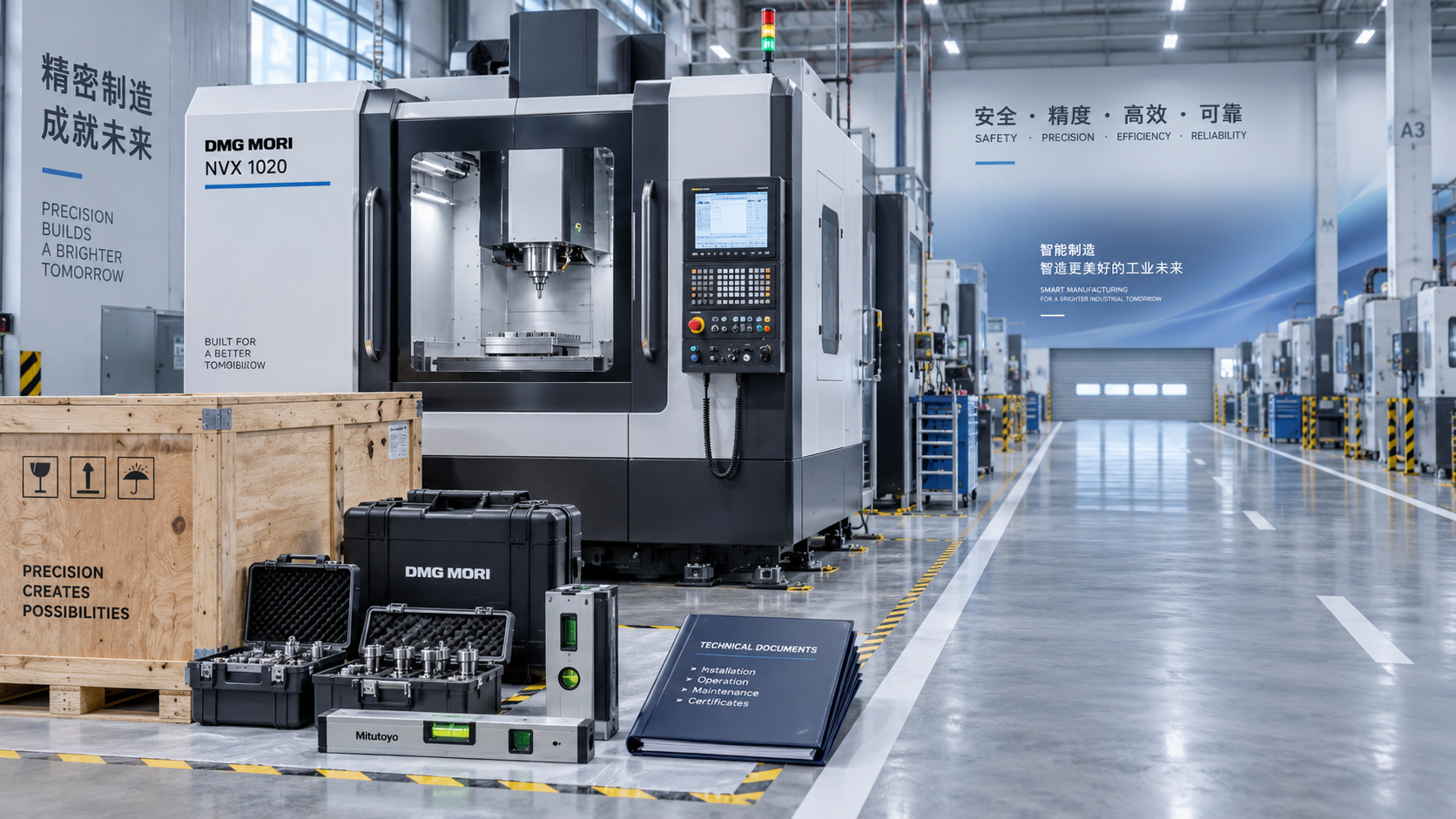
 CNC Machine Arrival Inspection: Check Shipping Damage, Accuracy, Safety, and DocumentsCNC Machining Technology Center
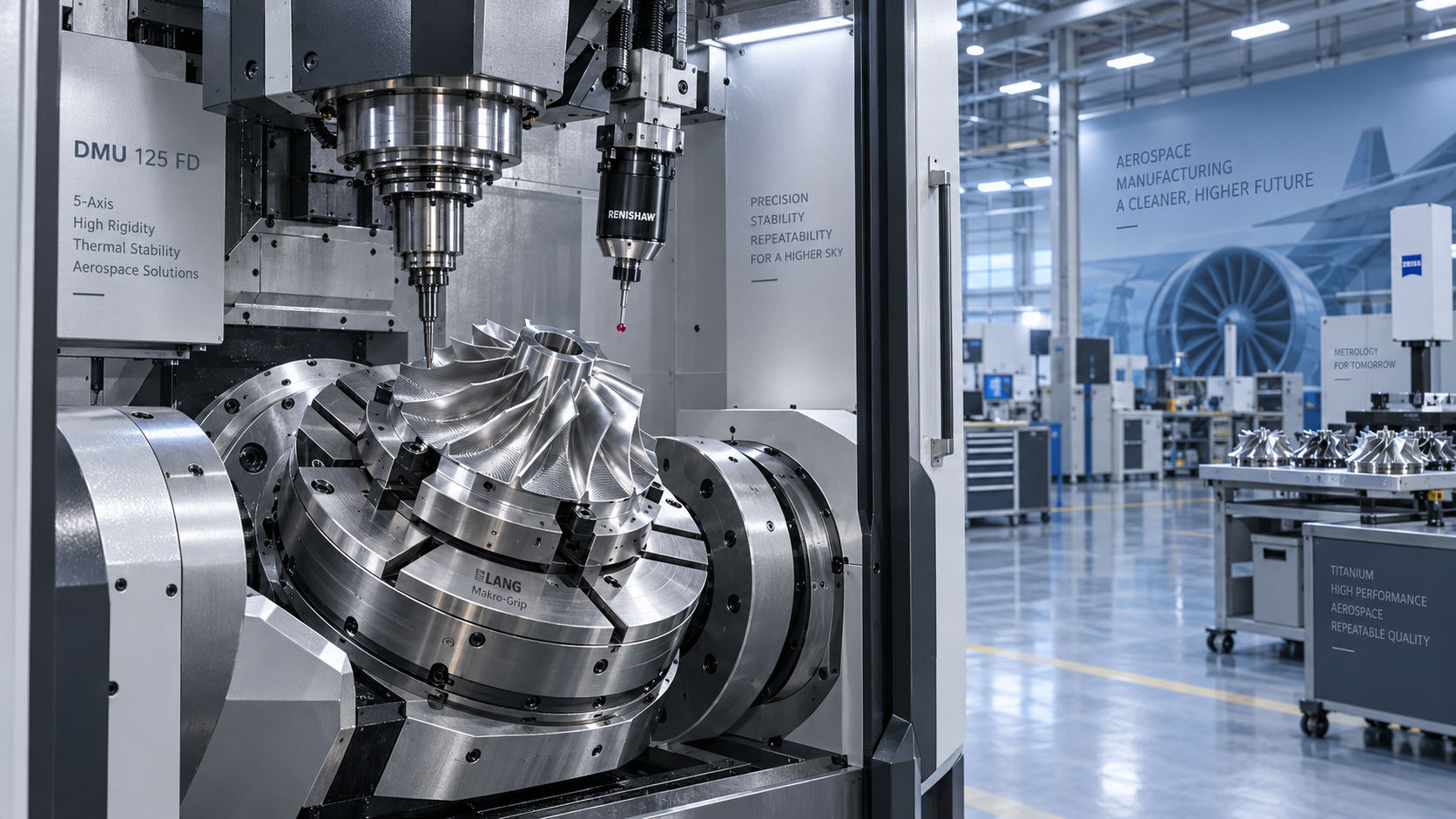
 How to Select a Machine Tool for Aerospace Parts with Tight Tolerances?Machine Tool Industry Editorial Team
 How to Select CNC Equipment for High-Mix, Low-Volume ProductionCNC Machining Technology Center
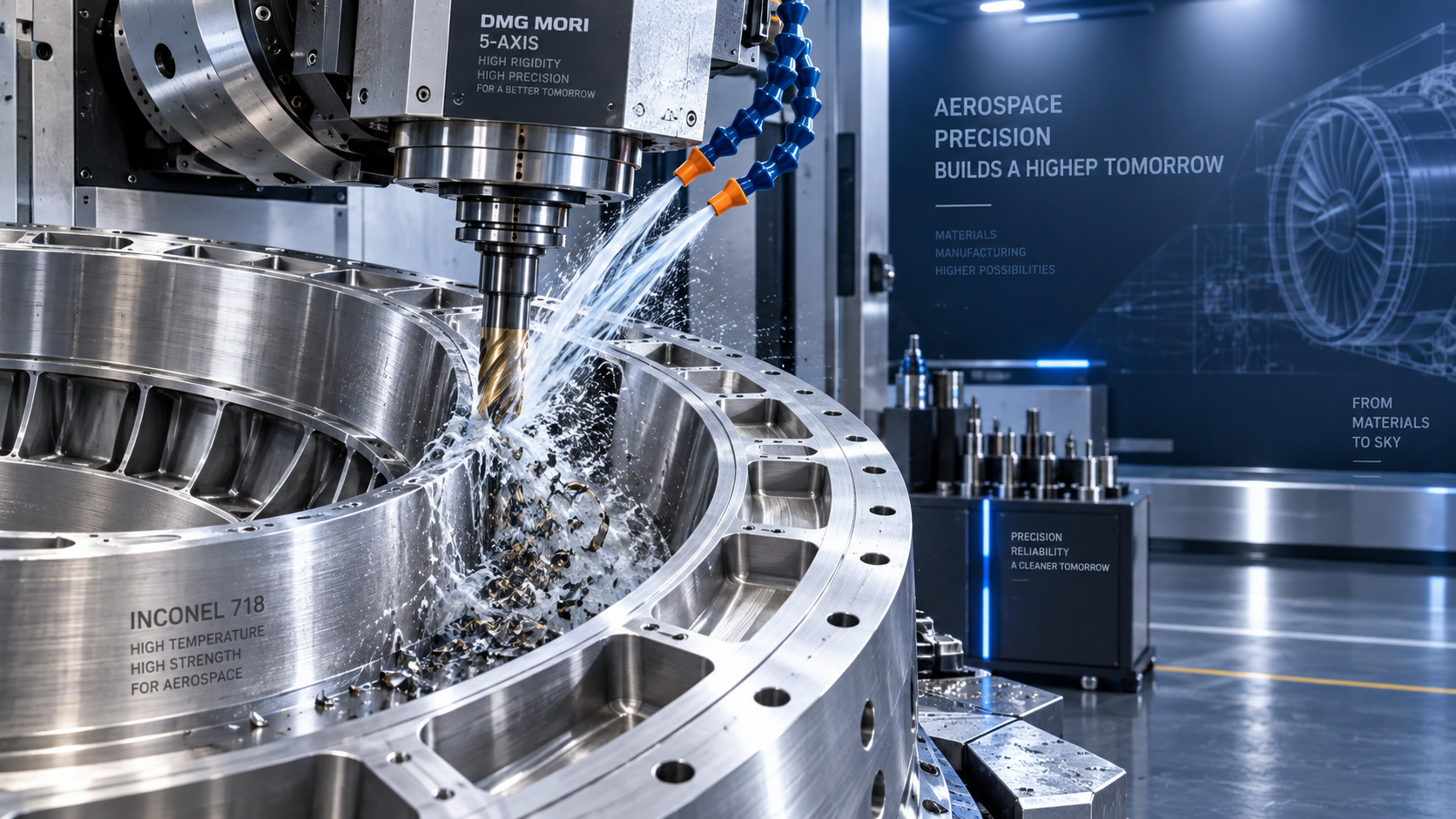
 Can CNC Machining Inconel Control Tool Wear in High-Temperature Aerospace Parts?CNC Machining Technology Center
 Machine Tool Market Outlook: Demand Drivers, Capacity Shifts, and Investment RisksManufacturing Market Research Center




Aris Katos
Future of Carbide Coatings
15+ years in precision manufacturing systems. Specialized in high-speed milling and aerospace grade alloy processing.
▶
When Does CNC Turning Pay Off? A Break-Even Guide by Annual Part VolumeMachine Tool Industry Editorial Team▶
How to Compare CNC Metal Lathe Brands ObjectivelyMachine Tool Industry Editorial Team▶
CNC Lathe Quick Installation Guide: How to Avoid Alignment and Wiring MistakesMachine Tool Industry Editorial Team▶
CNC Lathe Quick Installation Guide: Common Setup Mistakes and How to Avoid ThemMachine Tool Industry Editorial Team▶
CNC Lathe Lead Times Reach 22 WeeksMachine Tool Industry Editorial Team
Mastering 5-Axis Workholding Strategies
Join our technical panel on Nov 15th to learn about reducing vibrations in thin-wall components.

Providing you with integrated sanding solutions
Before-sales and after-sales services
Comprehensive technical support