• Global CNC market projected to reach $128B by 2028 • New EU trade regulations for precision tooling components • Aerospace deman
NYSE: CNC +1.2%LME: STEEL -0.4%

How to Choose a CNC Tooling System Supplier in Germany for Precision Parts Production
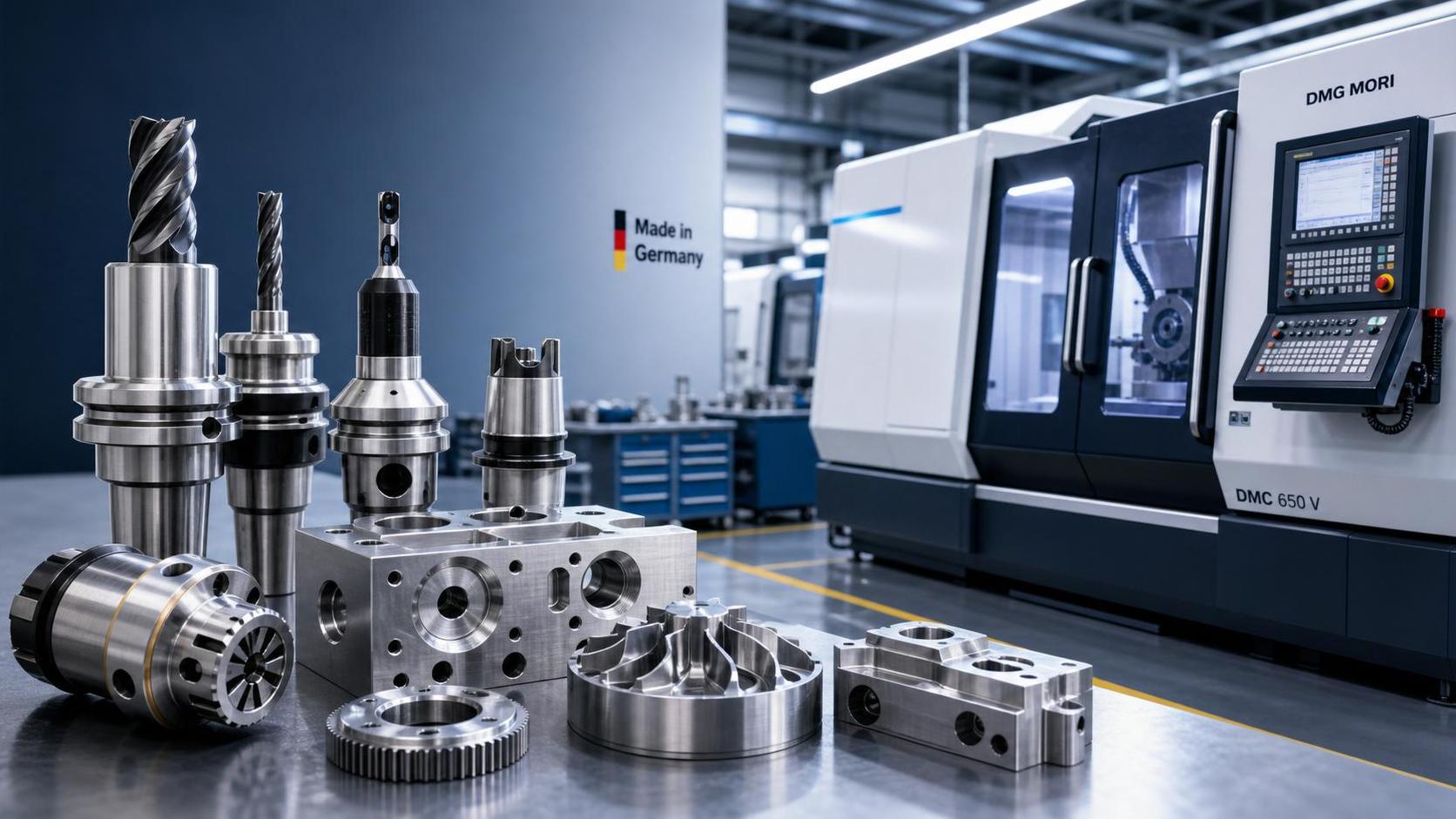
How to Choose a CNC Tooling System Supplier in Germany for Precision Parts Production
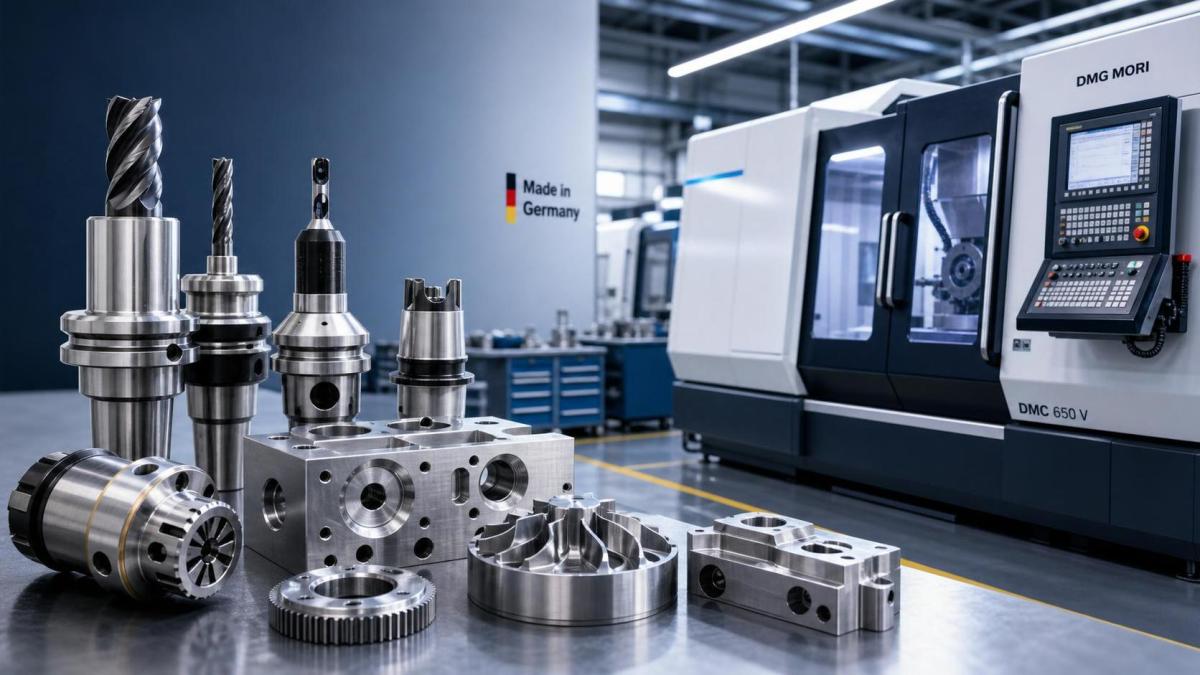
Choosing the right CNC Tooling System supplier in Germany can shape part quality, cycle time, and total sourcing cost.
That matters even more in precision parts production, where small tooling issues quickly become expensive production problems.
Germany remains a strong market for advanced tooling, precision engineering, and stable manufacturing standards.
But a long supplier list does not make selection easier.
In practice, the best CNC Tooling System supplier in Germany is not always the biggest brand or the lowest quote.
The right choice depends on tolerances, materials, machine platforms, delivery expectations, and support quality.
This guide breaks down the key checks that help reduce sourcing risk and improve long-term production results.
Why Supplier Choice Matters in Precision Parts Production
A tooling system affects more than cutting.
It influences repeatability, spindle load, surface finish, tool life, setup time, and machine utilization.
For automotive, aerospace, electronics, and energy parts, these factors directly affect delivery performance.
A capable CNC Tooling System supplier in Germany should understand this wider production context.
That includes holders, cutting tools, clamping systems, balancing, presetting compatibility, and process advice.
From recent market changes, one clear trend stands out.
Manufacturers increasingly want fewer suppliers that can support complete tooling packages across multiple machines.
That also means supplier selection now involves operational fit, not just catalog range.
Start with Application Fit, Not Product Brochures
Before comparing suppliers, define your real machining conditions.
This step sounds obvious, but it is often skipped.
Without it, every supplier will look qualified on paper.
A CNC Tooling System supplier in Germany should be evaluated against the exact parts being produced.
Focus on details such as:
- Part geometry and tolerance requirements
- Workpiece material and hardness range
- Machine type, spindle interface, and axis configuration
- Batch size and annual volume
- Required surface finish and process stability
- Current pain points such as chatter, runout, or short tool life
Suppliers that ask these questions early usually bring stronger technical value.
Those that jump straight to standard catalogs may struggle with demanding applications.
Check Technical Depth and Process Engineering Support
A strong CNC Tooling System supplier in Germany should do more than ship components.
It should help improve machining performance across the whole process.
This becomes especially important when tolerances tighten or materials become harder to machine.
Useful technical support may include cutting parameter recommendations, fixture suggestions, tool path guidance, and troubleshooting.
Ask whether the supplier can support:
- Tooling selection for multi-axis machining
- Runout and balance optimization at high spindle speeds
- Tool life analysis and wear pattern diagnosis
- Chip control improvement for unstable materials
- Process validation before volume ramp-up
This is where the difference between a trader and a solution partner becomes obvious.
In actual sourcing work, engineering response speed often matters as much as the original unit price.
Questions That Reveal Real Capability
Ask for case examples with similar parts, materials, and machine setups.
Request measurable outcomes, not general claims.
Good examples include lower cycle time, better concentricity, fewer insert changes, or reduced scrap rates.
Review Quality Systems and Manufacturing Standards
Precision tooling depends on consistent manufacturing quality.
Even a well-designed system loses value if dimensional consistency is weak.
When evaluating a CNC Tooling System supplier in Germany, review quality controls in detail.
Key checkpoints include certification, traceability, inspection methods, and process control discipline.
Look for evidence such as:
- ISO 9001 or relevant sector certifications
- Inspection records for critical dimensions
- Material and batch traceability
- Runout, hardness, or balance data where applicable
- Clear nonconformance and corrective action procedures
If the application involves aerospace or safety-critical parts, documentation requirements are usually stricter.
This also means your CNC Tooling System supplier in Germany should be comfortable with structured audits and formal quality reviews.
Compare Delivery Reliability and Supply Chain Resilience
A good tooling decision can still fail because of poor delivery performance.
That risk has become more visible across global manufacturing in recent years.
The more obvious signal is that buyers now pay closer attention to lead times, stock strategy, and substitution plans.
When screening a CNC Tooling System supplier in Germany, ask practical questions about supply continuity.
Useful checks include:
This is especially relevant for automated lines where tool shortages can stop production quickly.
Look Beyond Price to Total Cost of Ownership
Price comparisons are necessary, but they are only one part of the decision.
The real question is how the tooling system performs over time.
A lower purchase price can still create higher production cost.
A reliable CNC Tooling System supplier in Germany should be willing to discuss total cost of ownership openly.
Consider cost drivers such as machine downtime, setup frequency, reject rates, tool replacement intervals, and operator effort.
In many cases, longer tool life and more stable cutting conditions outweigh a modest price difference.
This also applies when selecting holders, shrink-fit systems, collets, and modular tooling platforms.
A Practical Cost Review Checklist
- Cost per finished part
- Average tool life under real production load
- Setup and changeover time
- Scrap and rework reduction potential
- Maintenance and calibration needs
- Training needs for operators and technicians
Assess Communication, Responsiveness, and Long-Term Fit
Technical capability matters, but communication quality is often the deciding factor.
A CNC Tooling System supplier in Germany should provide clear answers, realistic timelines, and transparent problem handling.
This becomes critical during pilot runs, engineering changes, or urgent quality issues.
Watch how the supplier behaves during the evaluation phase.
Do they answer with data, or only with sales language?
Do they understand your drawing revisions and process constraints?
Can they coordinate across engineering, production, quality, and logistics teams?
These signals usually predict future cooperation better than presentations do.
Make the Final Decision with a Weighted Evaluation
A structured comparison helps avoid subjective decisions.
For most sourcing projects, a weighted scorecard works well.
Score each CNC Tooling System supplier in Germany across the same criteria.
Typical categories include technical fit, quality assurance, delivery reliability, engineering support, commercial terms, and long-term scalability.
Where possible, validate the final candidates through sample orders, trial machining, or pilot projects.
That approach gives real performance evidence before larger commitments are made.
In precision parts production, that extra step is usually worth the time.
Choosing a CNC Tooling System supplier in Germany is ultimately a production decision, not only a purchasing decision.
When application fit, quality control, engineering support, supply reliability, and total cost are reviewed together, the selection becomes much clearer.
Use that framework to narrow the field, test the strongest options, and build a supplier base that supports stable precision manufacturing over the long term.
PREVIOUS ARTICLE
Recommended for You
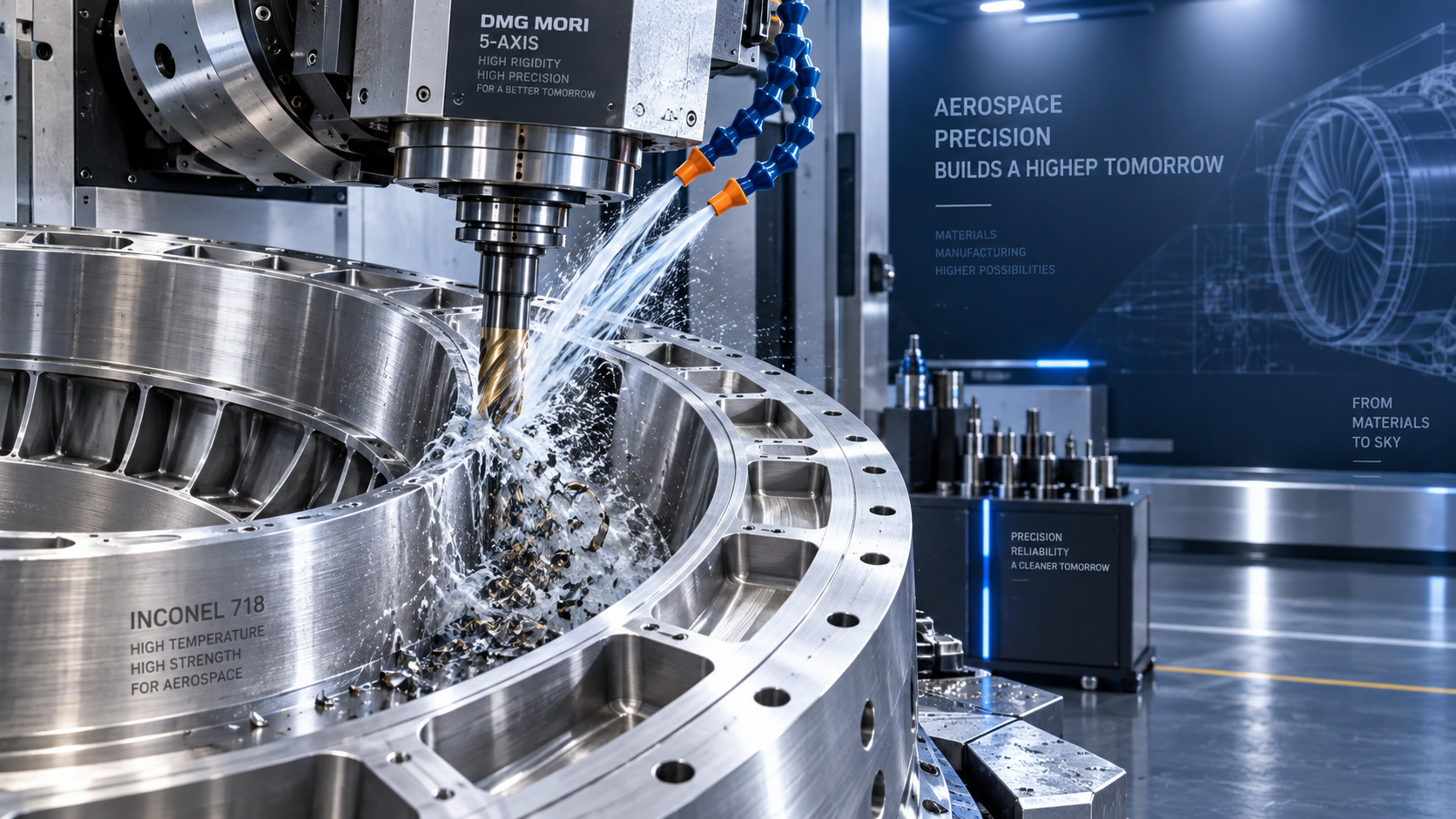
 Can CNC Machining Inconel Control Tool Wear in High-Temperature Aerospace Parts?CNC Machining Technology Center
 Machine Tool Market Outlook: Demand Drivers, Capacity Shifts, and Investment RisksManufacturing Market Research Center
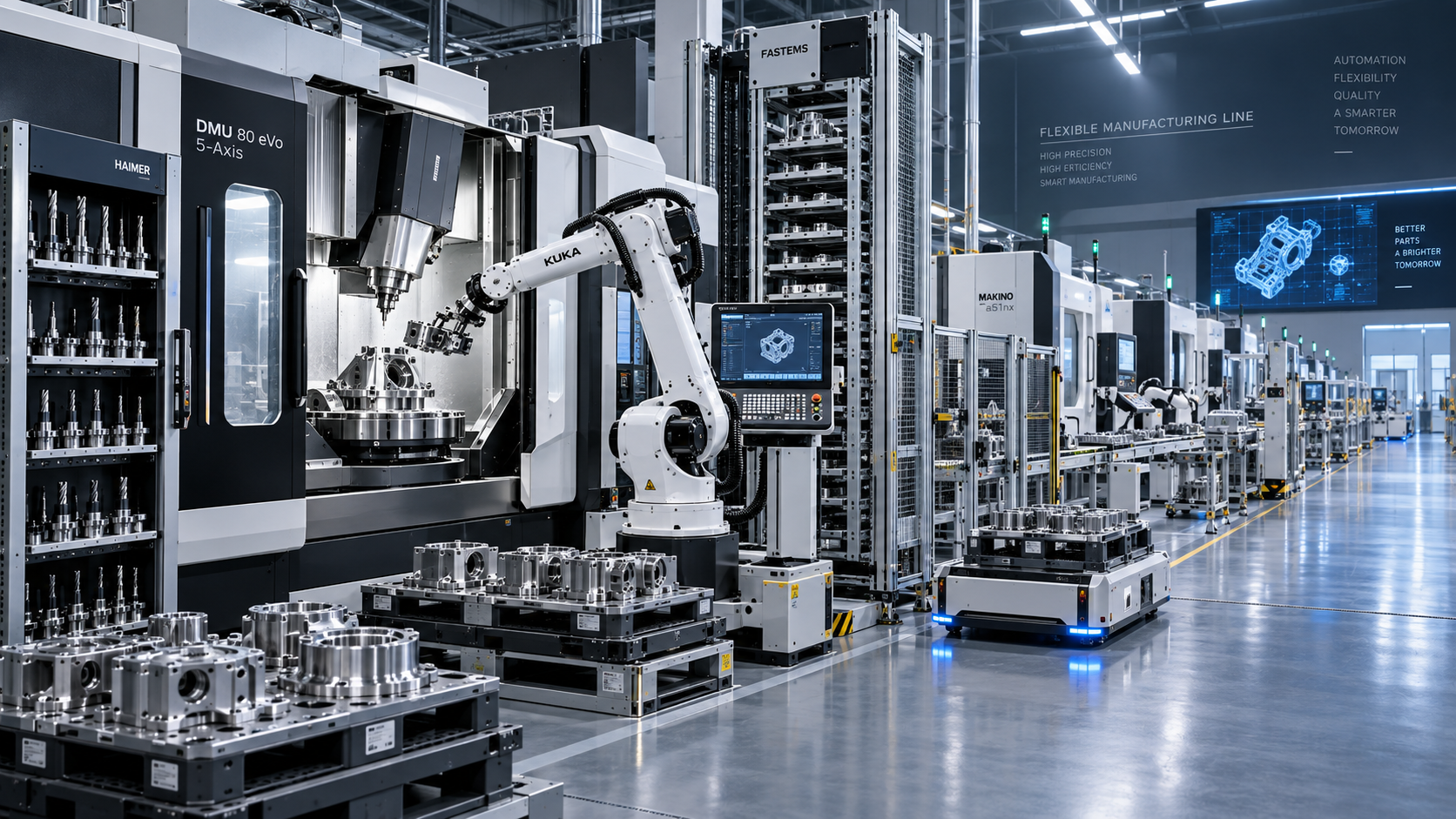
 Zero-Point Clamping or Modular Fixtures? Choosing a Faster CNC Changeover SystemCNC Machining Technology Center
 How to Cut CNC Fixture Changeover Time Without Sacrificing Part AccuracyCNC Machining Technology Center
 When Does CNC Turning Pay Off? A Break-Even Guide by Annual Part VolumeMachine Tool Industry Editorial Team
 Machine Tool Standards by Country: What Importers Must Verify Before PurchaseManufacturing Policy Research Center

Aris Katos
Future of Carbide Coatings
15+ years in precision manufacturing systems. Specialized in high-speed milling and aerospace grade alloy processing.
▶
KATS Expands CE Recognition for CNC Clamping SystemsMachine Tool Industry Editorial Team▶
How to Evaluate a Tooling System for Precision Machining: 7 Key Specs That MatterMachine Tool Industry Editorial Team▶
ITC Opens 337 Probe Into Chinese CNC Tool CoatingsMachine Tool Industry Editorial Team▶
Vietnam Ends 5% Tariff on Chinese CNC Tool ImportsMachine Tool Industry Editorial Team▶
Japan Ends Import License Rule for Chinese Cutting ToolsMachine Tool Industry Editorial Team
Mastering 5-Axis Workholding Strategies
Join our technical panel on Nov 15th to learn about reducing vibrations in thin-wall components.

Providing you with integrated sanding solutions
Before-sales and after-sales services
Comprehensive technical support