• Global CNC market projected to reach $128B by 2028 • New EU trade regulations for precision tooling components • Aerospace deman
NYSE: CNC +1.2%LME: STEEL -0.4%

How to Compare Machine Tools for Small-Batch vs Mass Production Jobs
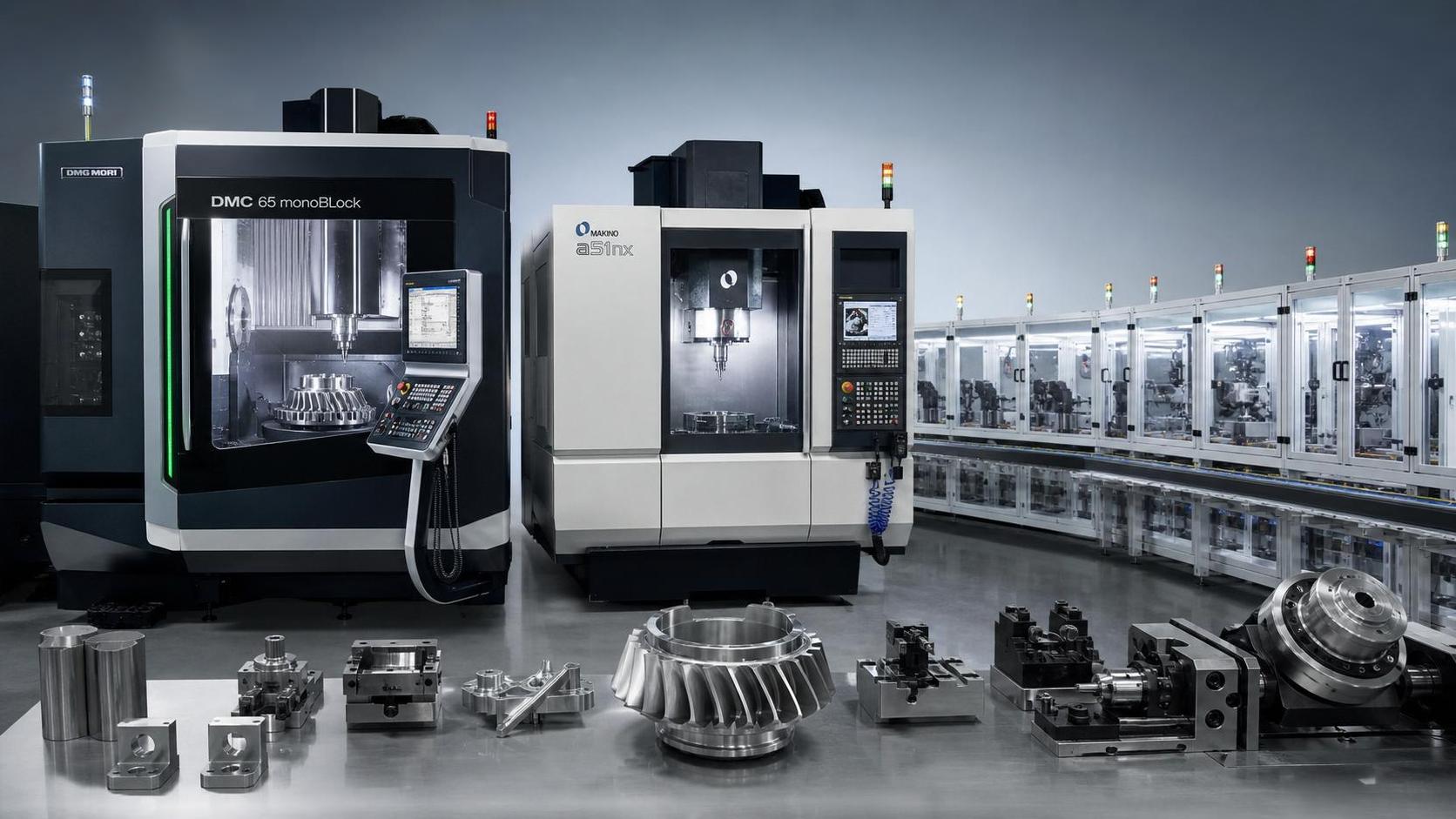
How to Compare Machine Tools for Small-Batch vs Mass Production Jobs
Choosing the right machine tools for small-batch or mass production can directly affect cost, speed, precision, and long-term flexibility.
For manufacturers, buyers, and industry researchers, the comparison is rarely about one specification alone.
It is about matching machine capability with order volume, part complexity, labor conditions, and future production plans.
That also means a machine that looks efficient on paper may become expensive in the wrong production setting.
Start With the Real Production Scenario
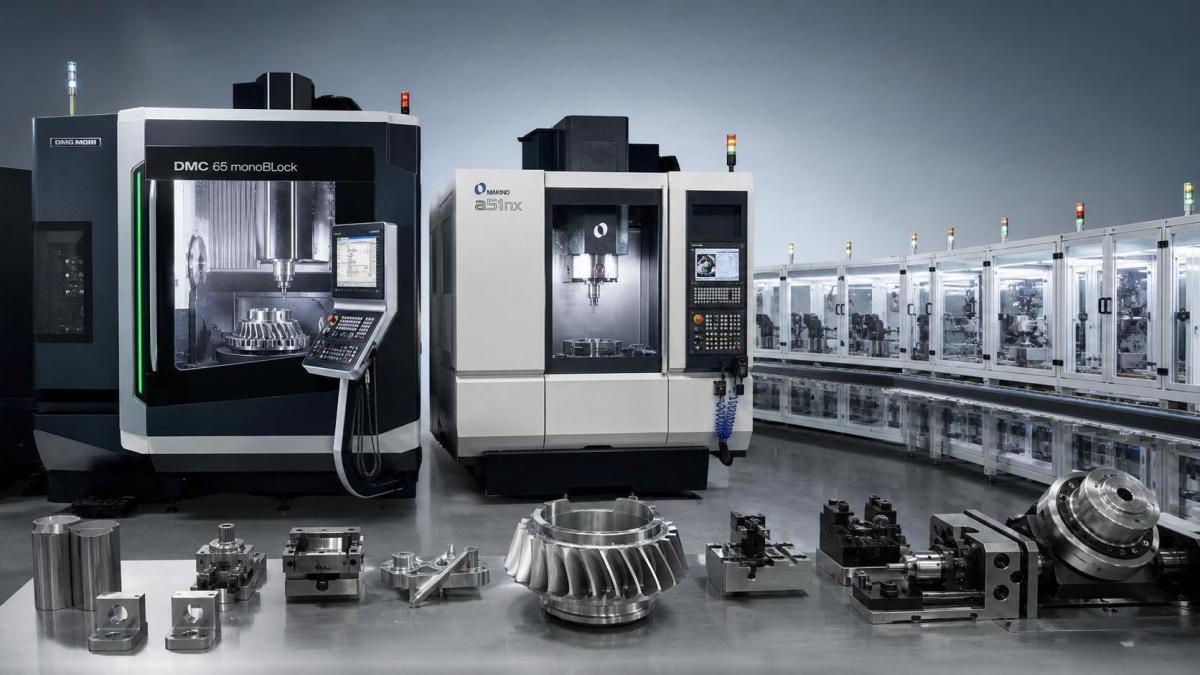
The first step in comparing machine tools is defining the job mix, not the machine list.
Small-batch production usually involves frequent changeovers, varied part designs, and shorter delivery windows.
Mass production usually rewards stable setups, repeatable cycles, and lower cost per part over long runs.
This is why the same machine tools can perform very differently across two factories making similar components.
Before comparing CNC lathes, machining centers, or multi-axis systems, ask a few practical questions.
- How many part numbers run each month?
- How often do setups change?
- What tolerance level is actually required?
- How sensitive is the business to downtime?
- Will future demand become more standardized or more customized?
These answers shape the machine tools shortlist far better than catalog comparisons alone.
What Matters Most in Small-Batch Production
For small-batch work, flexibility usually matters more than peak output.
Machine tools for this environment should reduce setup time and support a wide range of parts.
A machining center with quick tool change, strong programming support, and stable accuracy often performs better than a faster but rigid system.
In practical operations, flexibility shows up in several ways.
- Shorter setup and fixturing time
- Faster program switching
- Better support for complex geometry
- Easier operator training and adjustment
- Lower risk when processing varied materials
Multi-axis machine tools can be attractive here because they reduce repositioning and improve part completion in one cycle.
Still, more capability does not automatically mean better value.
If programming is difficult or utilization stays low, the investment may be harder to justify.
For short runs, machine tools that simplify changeovers often outperform equipment optimized only for speed.
What Matters Most in Mass Production
Mass production changes the comparison logic.
Here, machine tools are judged more heavily on throughput, repeatability, automation compatibility, and total cost per unit.
A production line making the same shaft or housing every day needs process stability above almost everything else.
In this setting, even a small cycle-time improvement can create major annual savings.
That is why machine tools for high-volume work are often evaluated around these factors.
- Cycle time consistency across long runs
- Tool life and predictable maintenance intervals
- Integration with robots, conveyors, or pallet systems
- Low scrap rate during continuous production
- Reliable after-sales support and spare parts supply
For mass production, dedicated or semi-dedicated machine tools can sometimes beat more flexible equipment.
The reason is simple.
Once demand is stable, specialization often lowers labor dependence and improves output predictability.
Compare Machine Tools Beyond Purchase Price
One common mistake is choosing machine tools mainly by upfront cost.
The purchase price matters, but it rarely reflects the full business impact.
A lower-cost machine can become expensive through downtime, rejected parts, slow setups, or limited automation options.
A better comparison uses total production economics.
This kind of comparison keeps machine tools tied to actual operational value.
Key Technical Signals to Review
From recent industry changes, a more visible signal is the move toward digital integration and smarter production control.
That affects how machine tools should be evaluated today.
Precision still matters, but data capability, connectivity, and automation readiness now carry more weight.
When reviewing suppliers or models, focus on technical signals that influence daily performance.
- Positioning accuracy and repeatability under real production loads
- Spindle stability during long cycles
- Tool magazine capacity and change speed
- Control system usability and program compatibility
- Remote diagnostics and digital monitoring support
- Fixture adaptability and clamping consistency
This also means buyers should request trial data, not just brochure values.
A machine tool that performs well during a demo part may still struggle in repeated production conditions.
Supplier Evaluation Is Part of Machine Tool Selection
Comparing machine tools without comparing suppliers leaves a major gap.
In automotive, aerospace, electronics, and energy equipment, support quality can shape production performance as much as machine specifications.
Global machine tool manufacturing clusters in China, Germany, Japan, and South Korea offer strong technical options, but service models can vary widely.
Review supplier capability with the same discipline used for the equipment itself.
- Check response time for maintenance and spare parts.
- Review installation, training, and commissioning scope.
- Ask for references in similar production environments.
- Confirm software update and control support policies.
- Assess local service coverage for critical production lines.
In real purchasing decisions, weak support often cancels out a strong machine price.
A Practical Way to Make the Final Decision
The best way to compare machine tools is to score them against your actual production model.
Do not mix small-batch and mass production priorities into one vague checklist.
Build a weighted matrix based on what creates value in your operation.
For small-batch work, place more weight on flexibility, setup efficiency, and part adaptability.
For mass production, give more weight to cycle stability, automation fit, uptime, and cost per part.
A sensible decision flow looks like this.
- Define current and expected order structure.
- Identify the part families that drive revenue.
- Compare machine tools using production-weighted criteria.
- Validate performance with sample runs or reference visits.
- Include service, tooling, fixtures, and integration costs.
Machine tools are long-term assets.
The strongest choice is usually the one that fits the production strategy, not the one with the most impressive standalone specification.
When the comparison stays grounded in output goals, process needs, and supplier reliability, machine tool selection becomes far more defensible and effective.
Recommended for You
![]() FANUC Links FIELD System Data with Copilot to Advance Shop-Floor Data UseCNC Machining Technology Center
FANUC Links FIELD System Data with Copilot to Advance Shop-Floor Data UseCNC Machining Technology Center Smart Manufacturing for Aerospace: Building Traceability Across CNC OperationsCNC Machining Technology Center
![]() Mitsubishi Electric Announces Physical AI System Linking Humanoid Robots and CNC MachinesMachine Tool Industry Editorial Team
Mitsubishi Electric Announces Physical AI System Linking Humanoid Robots and CNC MachinesMachine Tool Industry Editorial Team Precision Machining for Defense: Supplier Quality and Traceability ChecksManufacturing Market Research Center
![]() Nidec Machine Tool Launches MVR-5X Five-Axis Gantry MachineMachine Tool Industry Editorial Team
Nidec Machine Tool Launches MVR-5X Five-Axis Gantry MachineMachine Tool Industry Editorial Team Choosing a Precision Disc Parts Manufacturer in China: Tolerances and Quality ChecksManufacturing Market Research Center


Aris Katos
Future of Carbide Coatings
15+ years in precision manufacturing systems. Specialized in high-speed milling and aerospace grade alloy processing.
▶
Nidec Machine Tool Launches MVR-5X Five-Axis Gantry MachineMachine Tool Industry Editorial Team▶
How to Select a Machine Tool for Aerospace Parts with Tight Tolerances?Machine Tool Industry Editorial Team▶
How to Compare Machine Tools for Small-Batch vs Mass Production JobsMachine Tool Industry Editorial Team▶
Multi-Axis Machine Tool Selection Guide: Travel, Spindle, Accuracy, and Control SystemMachine Tool Industry Editorial Team▶
How to Evaluate Precision Equipment for Tight-Tolerance Parts and Stable OutputMachine Tool Industry Editorial Team
▶
Mastering 5-Axis Workholding Strategies
Join our technical panel on Nov 15th to learn about reducing vibrations in thin-wall components.

Providing you with integrated sanding solutions
Before-sales and after-sales services
Comprehensive technical support