• Global CNC market projected to reach $128B by 2028 • New EU trade regulations for precision tooling components • Aerospace deman
NYSE: CNC +1.2%LME: STEEL -0.4%

Multi-Axis Machine Tool Selection Guide: Travel, Spindle, Accuracy, and Control System
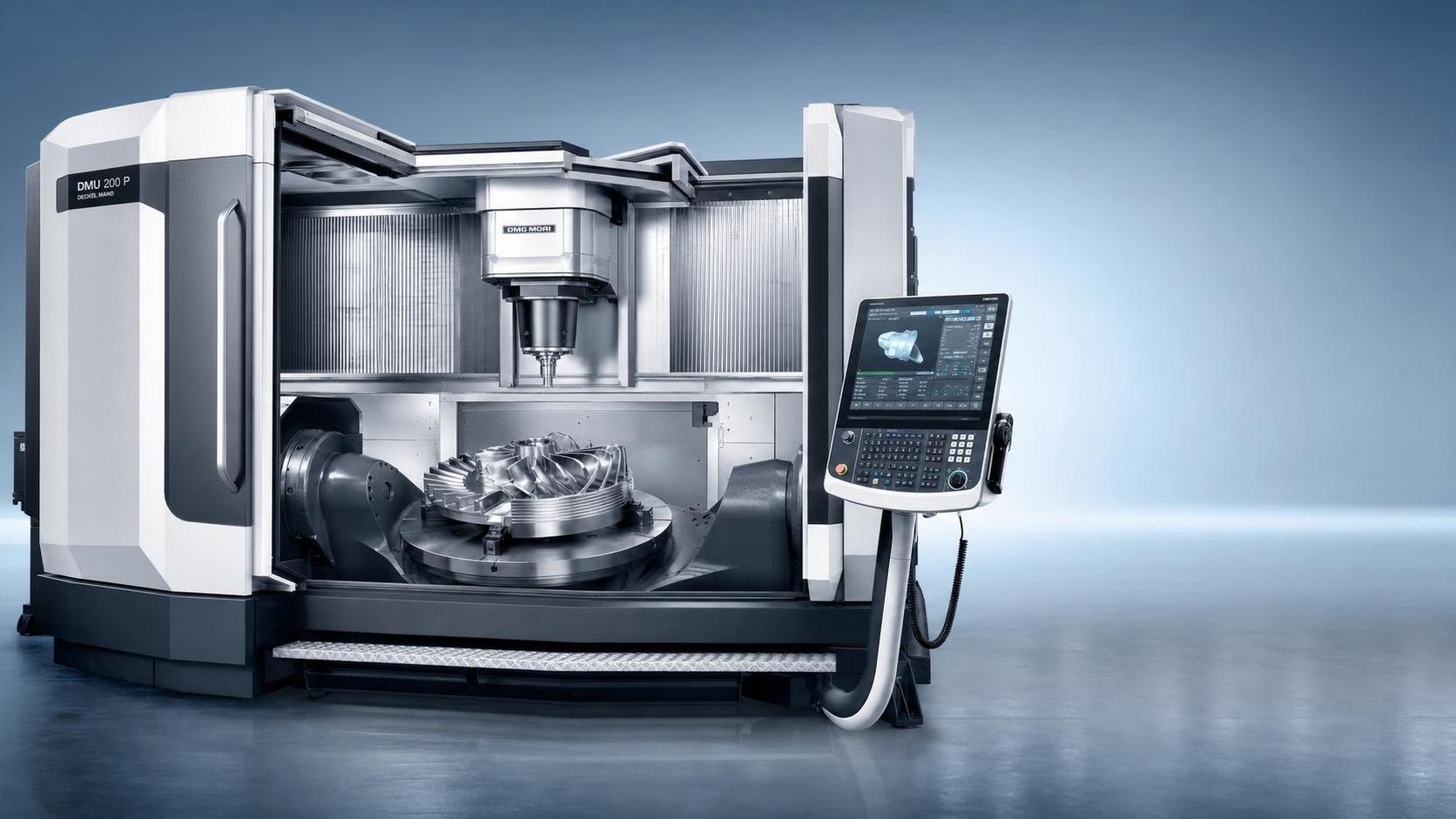
Multi-Axis Machine Tool Selection Guide: Travel, Spindle, Accuracy, and Control System
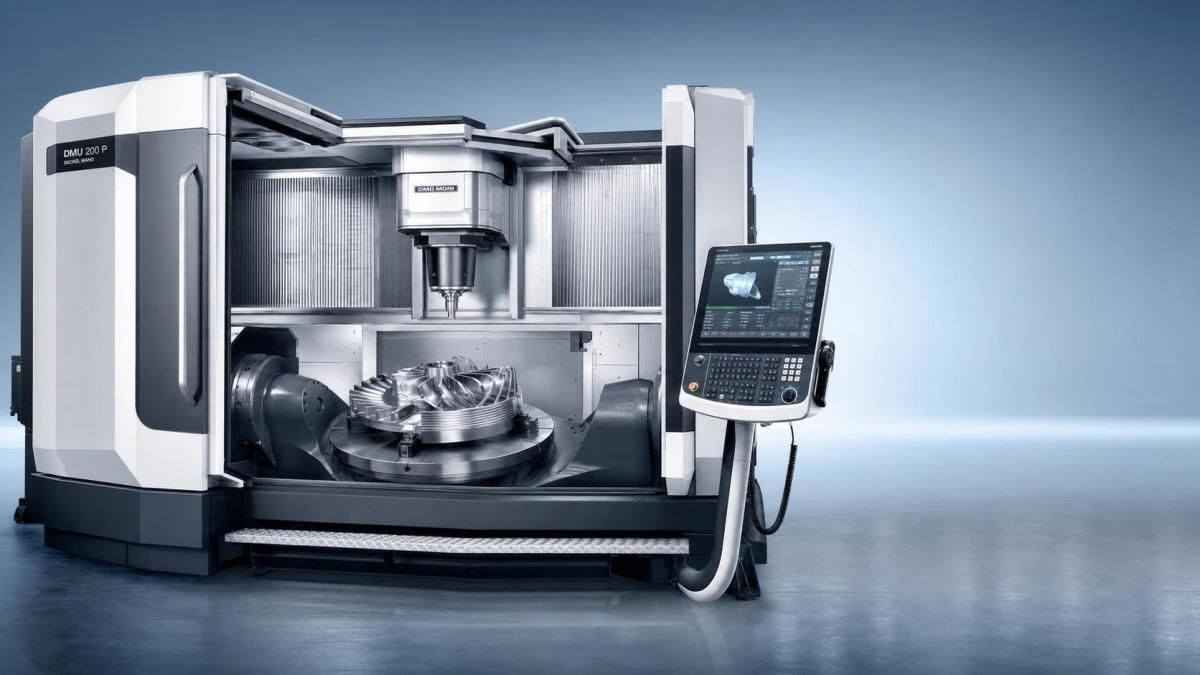
Selecting the right multi-axis machine tool directly affects production efficiency, part quality, and long-term operating costs.
A poor match usually looks acceptable during quoting, then becomes expensive during production.
That is why a multi-axis machine tool should be reviewed against actual parts, real tolerances, and expected batch size.
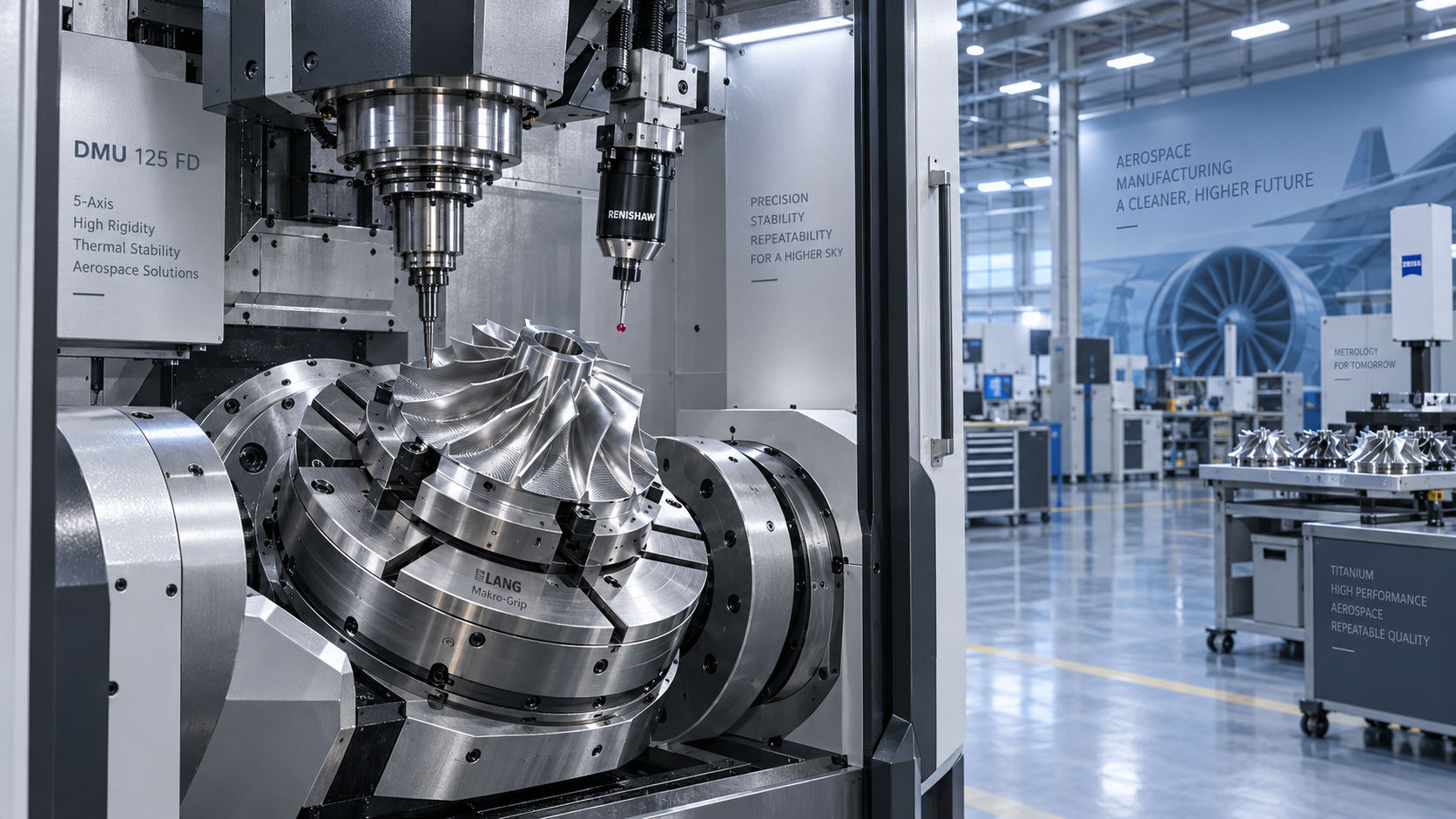
In practice, four factors decide most outcomes: travel range, spindle capability, machining accuracy, and control system fit.
This guide breaks those factors into practical checkpoints, so equipment comparison becomes faster and more reliable.
Start With the Part, Not the Catalog
Every multi-axis machine tool promise sounds strong in brochures.
The better approach is to define the real job first.
List the largest workpiece, smallest feature, material type, target cycle time, and tolerance band.
Also confirm whether the machine will run prototypes, mixed batches, or stable high-volume programs.
This changes what matters most.
- Prototype work often needs flexibility, fast setup, and strong programming support.
- Batch production usually rewards stability, automation readiness, and predictable uptime.
- Aerospace and medical parts typically push accuracy, surface finish, and traceability.
- Energy and heavy equipment often need torque, rigidity, and larger travel capacity.
Once that production profile is clear, multi-axis machine tool selection becomes much less subjective.
Evaluate Travel Range for Real Work Envelopes
Travel is more than X, Y, and Z numbers on a specification sheet.
A multi-axis machine tool also needs enough usable space after fixtures, tool holders, and rotary motion are included.
This is where many buying mistakes begin.
If the machine barely fits the part, setup options become limited and collision risk rises.
A safer review includes these checkpoints:
- Measure the largest part with clamping allowance, not just raw dimensions.
- Check rotary table swing, tilt clearance, and spindle nose interference.
- Review tool length limits for deep cavities or angled access.
- Reserve extra travel for future part variants.
A slightly larger travel envelope often improves fixture design and reduces setup time.
That extra room can create better long-term value than chasing the lowest machine price.
Match Spindle Performance to Material and Throughput
Spindle selection is often oversimplified into maximum RPM.
For a multi-axis machine tool, real spindle value comes from the balance of speed, torque, power, and thermal stability.
Different materials need different spindle behavior.
- Aluminum and light alloys usually benefit from higher RPM and fast acceleration.
- Titanium, stainless steel, and superalloys need steady torque and heat control.
- Hard milling applications require rigidity and stable cutting under load.
Recent buying decisions show a clearer shift toward application-based spindle selection.
That means asking for torque curves, not only top speed claims.
It also means checking spindle taper, bearing design, cooling method, and planned tool interface.
If cycle time matters, tool change speed and spindle acceleration should be reviewed with equal attention.
A multi-axis machine tool with the wrong spindle may still cut parts, but it will rarely cut them efficiently.
Look Beyond Stated Accuracy
Accuracy figures in brochures need careful reading.
A multi-axis machine tool may show strong positioning numbers, yet struggle with repeatability under real production conditions.
The better question is simple: can the machine hold tolerance after hours of cutting, not just during acceptance testing?
Focus on these areas:
- Positioning accuracy and repeatability across all axes.
- Thermal compensation and machine warm-up behavior.
- Rotary axis backlash, clamping rigidity, and indexing stability.
- Machine base design, guideway quality, and vibration control.
- Inspection data from similar part applications.
For precision work, a cutting test is often more useful than a polished specification sheet.
Ask for sample results that match your material, geometry, and tolerance range.
That is usually where the true capability of a multi-axis machine tool becomes visible.
Choose a Control System That Fits the Shop Floor
The control system shapes daily usability more than many buyers expect.
Even a strong multi-axis machine tool can underperform if programming, setup, and troubleshooting are slow.
A practical control review should include:
- Compatibility with existing CAM post-processors.
- Ease of multi-axis programming and simulation.
- Operator familiarity and training needs.
- Alarm clarity, diagnostics, and remote service tools.
- Data connectivity for MES, ERP, or smart factory systems.
This matters even more as digital integration becomes standard across global manufacturing.
A control system should support traceability, maintenance planning, and production data collection without heavy customization.
In real operations, ease of use often saves more money than a small difference in purchase price.
Compare Total Cost, Not Just Machine Price
A multi-axis machine tool should be judged by lifecycle value.
The quote price is only the starting point.
Real cost usually comes from installation, tooling, fixtures, training, maintenance, downtime, and spare part availability.
A lower-cost machine can become expensive if service response is slow or critical parts are hard to source.
Use a simple comparison table during evaluation:
This structure makes multi-axis machine tool comparison more transparent across departments.
Questions Worth Asking Suppliers
Good supplier conversations reveal gaps quickly.
Before final selection, ask direct questions tied to your production reality.
- Can this multi-axis machine tool run our part family without fixture compromises?
- What cutting data supports the proposed spindle configuration?
- How does the machine maintain accuracy during long shifts?
- Which control functions reduce setup and programming time?
- What is the local response time for service and spare parts?
- Can the machine integrate with planned automation or digital systems later?
Clear answers backed by data usually indicate a more dependable supplier relationship.
Make the Final Decision With a Weighted Score
A weighted score helps avoid decisions based only on headline price or brand reputation.
Score each multi-axis machine tool against the factors that matter most to the production plan.
Typical weighting might look like this:
- Travel and work envelope: 20%
- Spindle performance: 20%
- Accuracy and repeatability: 25%
- Control system and usability: 15%
- Service and lifecycle cost: 20%
The exact weights can change by industry and part mix.
Still, a structured model keeps the final choice aligned with measurable business outcomes.
In the end, the best multi-axis machine tool is not the one with the longest feature list.
It is the one that fits current production, supports future growth, and delivers stable performance with manageable risk.
Use that lens, and the selection process becomes clearer, faster, and much more defensible.
Recommended for You
 Manufacturing Technology Trends That Improve Throughput and Quality ControlManufacturing Market Research Center
 How to Design Cost-Effective Fixtures That Maintain Cycle Time in Mass ProductionCNC Machining Technology Center
 Is Learning CNC Programming Worth It for Shop Owners Seeking Higher Margins?CNC Machining Technology Center
 CNC Machine Arrival Inspection: Check Shipping Damage, Accuracy, Safety, and DocumentsCNC Machining Technology Center
 How to Select a Machine Tool for Aerospace Parts with Tight Tolerances?Machine Tool Industry Editorial Team
 How to Select CNC Equipment for High-Mix, Low-Volume ProductionCNC Machining Technology Center




Aris Katos
Future of Carbide Coatings
15+ years in precision manufacturing systems. Specialized in high-speed milling and aerospace grade alloy processing.
▶
How to Select a Machine Tool for Aerospace Parts with Tight Tolerances?Machine Tool Industry Editorial Team▶
How to Compare Machine Tools for Small-Batch vs Mass Production JobsMachine Tool Industry Editorial Team▶
Multi-Axis Machine Tool Selection Guide: Travel, Spindle, Accuracy, and Control SystemMachine Tool Industry Editorial Team▶
How to Evaluate Precision Equipment for Tight-Tolerance Parts and Stable OutputMachine Tool Industry Editorial Team▶
KATS Tightens CNC Grinder Import Test RulesMachine Tool Industry Editorial Team
Mastering 5-Axis Workholding Strategies
Join our technical panel on Nov 15th to learn about reducing vibrations in thin-wall components.

Providing you with integrated sanding solutions
Before-sales and after-sales services
Comprehensive technical support