• Global CNC market projected to reach $128B by 2028 • New EU trade regulations for precision tooling components • Aerospace deman
NYSE: CNC +1.2%LME: STEEL -0.4%

KATS Tightens CNC Grinder Import Test Rules

On July 1, 2026, the Korea Agency for Technology and Standards (KATS) made KS B 0436:2026 mandatory for imported CNC precision grinding machines, shifting compliance from a static accuracy check to a 72-hour stability test tied to AI-based thermal deformation compensation and raw data submission. For exporters, importers, testing partners, and procurement teams handling cylindrical, surface, or tool grinding machines, this is worth close attention because the rule change affects not only technical verification but also documentation readiness, certification workflow, and delivery execution.
The compliance change now in force
The confirmed facts are limited but clear. KATS began mandatory enforcement of KS B 0436:2026 on July 1, 2026. The requirement applies to all imported CNC precision grinding machines, including cylindrical grinders, surface grinders, and tool grinders. Under the standard, the machines must complete a continuous 72-hour stability test for AI algorithm-driven thermal deformation compensation at a KOLAS-accredited laboratory, and the original data package must be submitted. This testing requirement replaces the previous static accuracy inspection. In the first month of implementation, three Chinese manufacturers were returned because their data format did not comply.
Where the pressure is likely to appear first
Export transactions now depend on test-ready documentation
From an industry perspective, exporters and direct trading companies are likely to feel the impact first because market access is no longer tied only to machine performance claims or conventional inspection results. The requirement to complete testing in a KOLAS-accredited laboratory and submit original data means that shipment preparation may now depend on whether technical files, data structure, and supporting records are aligned with the new rule before dispatch.
Importers and buyers face a higher pre-delivery review burden
Analysis shows that importers and procurement teams may need to review compliance earlier in the purchasing cycle. The practical issue is not only whether a machine can pass a 72-hour test, but whether the test output and raw data package are acceptable under the new enforcement approach. This can affect supplier screening, contract review, and acceptance planning for imported grinding equipment.
Testing and certification support functions become more central
Observably, certification-related service providers and testing support organizations may take on a more critical role because the standard specifically points to KOLAS-accredited laboratory testing. That makes laboratory coordination, data submission format control, and pre-test preparation more relevant to trade execution than under the earlier static inspection model.
Delivery and after-sales planning may also be affected
For supply chain coordinators and after-sales teams, the rule change may influence delivery timing and handover expectations. If compliance depends on a 72-hour test and acceptable raw data submission, delays may arise not only from machine readiness but also from the completeness and formatting of technical records. Where delivery schedules are tight, this becomes a contract and logistics issue as much as a technical one.
What companies should check now
Review whether technical files match the new submission logic
Analysis shows that companies involved in exporting or sourcing these machines should first examine whether their current test records and technical documentation are structured for a regime that requires original data packages, rather than a simpler static accuracy result. The first-month returns cited in the event summary suggest that document format itself deserves attention, even where the machine category is otherwise in scope.
Recheck supplier and laboratory coordination before shipment
What deserves closer attention is whether suppliers, importers, and testing counterparts have a clear sequence for KOLAS-accredited laboratory testing. The confirmed information does not provide detailed operating procedures, so this should not be treated as a settled execution template. Still, companies would be prudent to verify in advance how testing, data capture, and file handover are being organized for each shipment.
Watch contract terms, acceptance conditions, and bid documents
From an industry perspective, companies should also examine whether procurement specifications, delivery conditions, and technical bid documents still reflect the old static accuracy framework. Because the standard now replaces that earlier method with a continuous AI-driven stability test, any mismatch between commercial documents and the current rule could create disputes or delays at the acceptance stage.
Track whether implementation language becomes more specific
Observably, the current information confirms mandatory enforcement and early returns, but it does not provide a fuller public execution framework in the input provided here. Companies should therefore continue monitoring any further clarification on data formatting, review expectations, and enforcement practice before treating any one transaction pattern as the standard model for all cases.
Why this looks more like an execution signal than a headline change
Analysis shows that this development is more appropriately understood as a rule already moving into real enforcement rather than as a policy discussion still waiting for practical effect. Two details matter here: the standard is already mandatory, and returns have already occurred in the first month over data format noncompliance. At the same time, it is still too early to draw broad conclusions about long-term market impact, because the input does not establish how uniformly the rule will be applied across all transactions or how quickly market participants will adapt their documentation and testing processes.
How the market should read this development
For now, this event is best read as a concrete compliance shift in the import pathway for CNC precision grinding machines entering Korea. The main significance is not only the introduction of AI-driven thermal compensation stability testing, but also the fact that raw data submission and formatting have become part of the practical access threshold. A measured reading is warranted: this is a real enforcement change with immediate operational consequences, while the fuller execution pattern still needs continued observation through actual testing practice, procurement updates, and market feedback.
Basis of this article and what still needs verification
This article is based on the user-provided news title, event date, and event summary. For developments of this type, commonly relevant source categories may include official notices, regulator releases, customs or trade authority information, industry association updates, standards organization documents, and reporting by authoritative trade media. No specific official source link was provided in the input, so the official publication path and any supporting implementation documents still need to be verified on an ongoing basis. Further attention should remain on detailed enforcement language, certification practice, bidding document changes, industry feedback, and how companies are managing compliance in actual transactions.
Recommended for You
 How to Select CNC Equipment for High-Mix, Low-Volume ProductionCNC Machining Technology Center
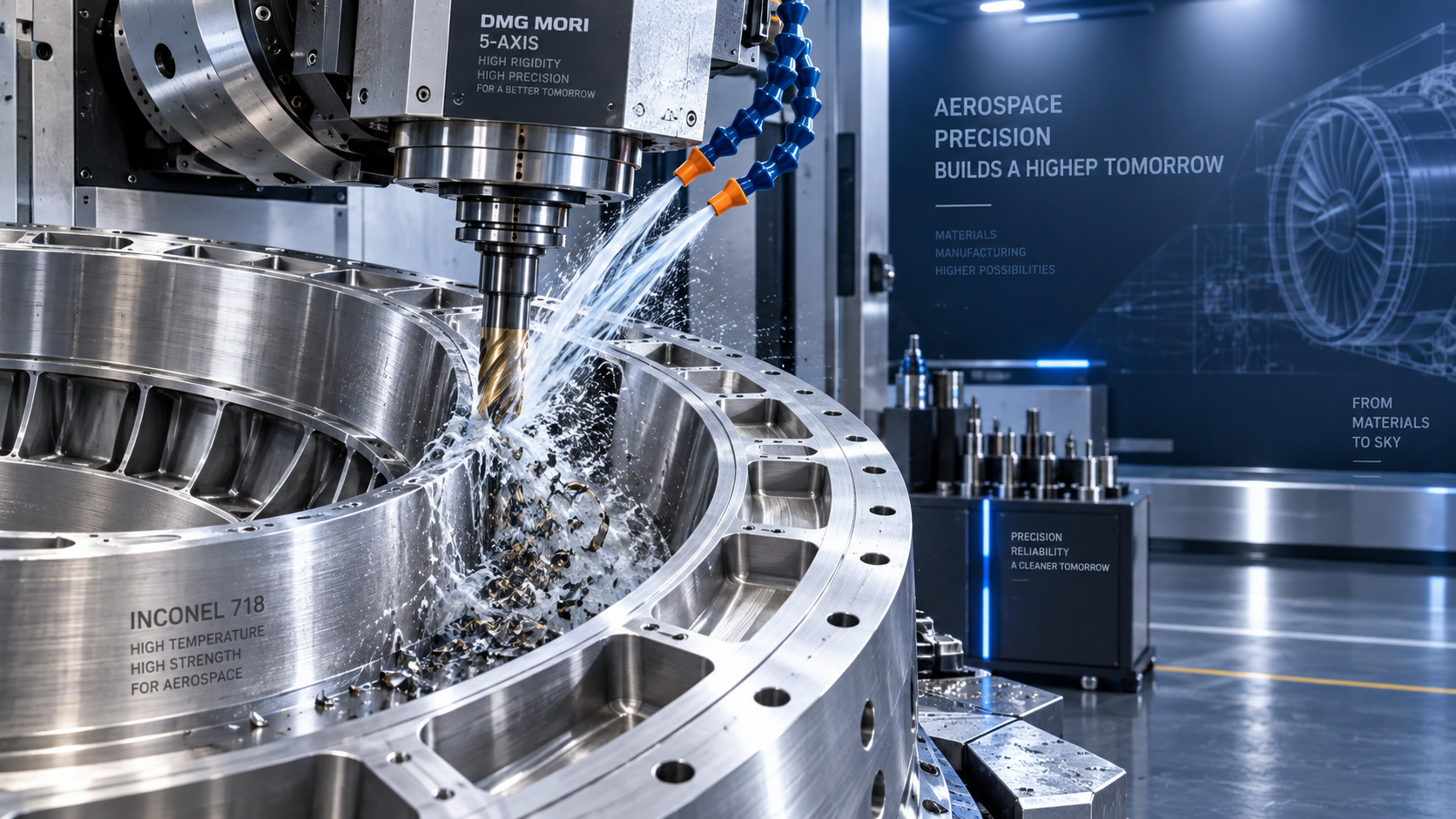
 Can CNC Machining Inconel Control Tool Wear in High-Temperature Aerospace Parts?CNC Machining Technology Center
 Machine Tool Market Outlook: Demand Drivers, Capacity Shifts, and Investment RisksManufacturing Market Research Center
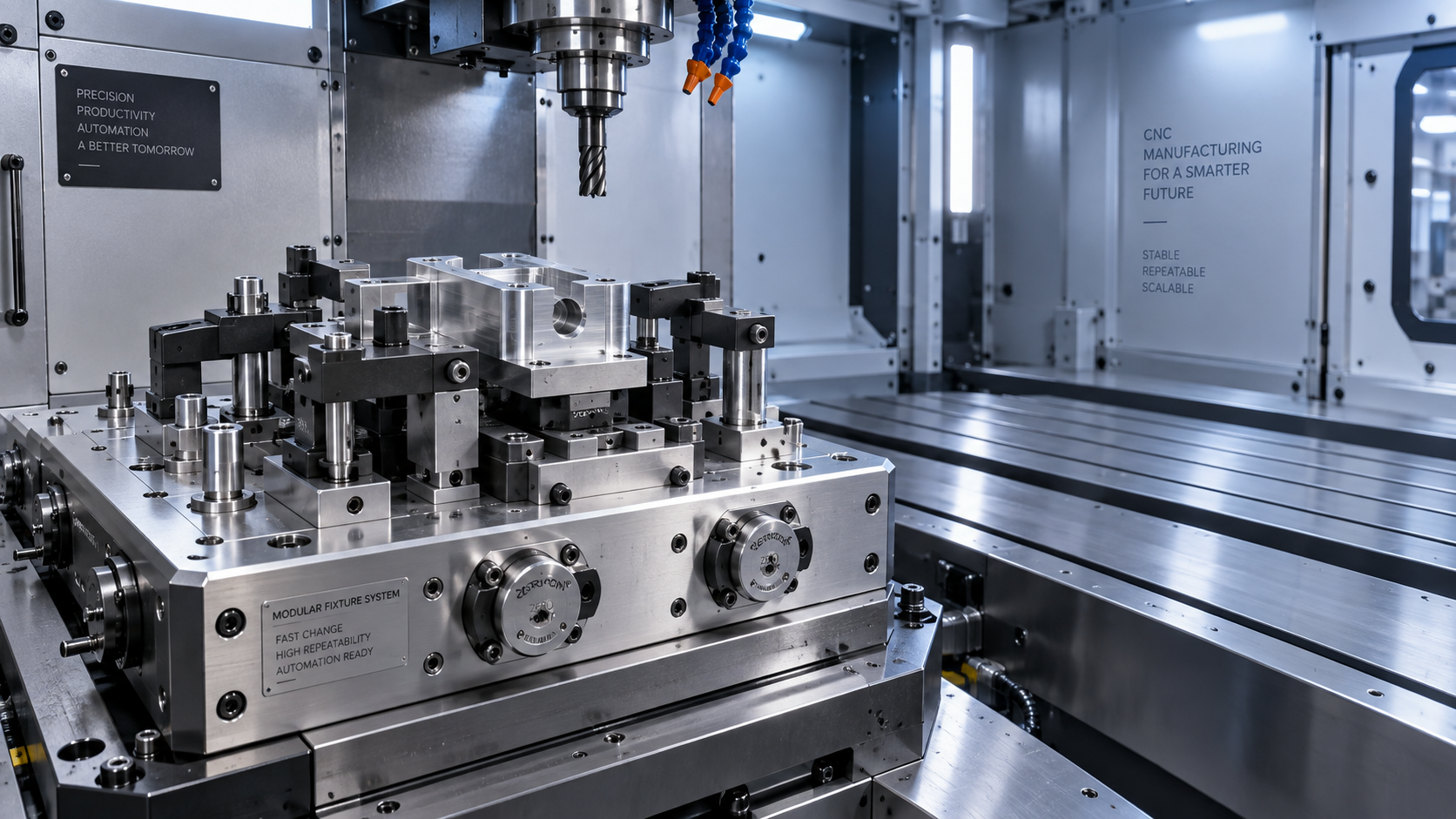
 Zero-Point Clamping or Modular Fixtures? Choosing a Faster CNC Changeover SystemCNC Machining Technology Center
 How to Cut CNC Fixture Changeover Time Without Sacrificing Part AccuracyCNC Machining Technology Center
 When Does CNC Turning Pay Off? A Break-Even Guide by Annual Part VolumeMachine Tool Industry Editorial Team




Aris Katos
Future of Carbide Coatings
15+ years in precision manufacturing systems. Specialized in high-speed milling and aerospace grade alloy processing.
▶
How to Compare Machine Tools for Small-Batch vs Mass Production JobsMachine Tool Industry Editorial Team▶
Multi-Axis Machine Tool Selection Guide: Travel, Spindle, Accuracy, and Control SystemMachine Tool Industry Editorial Team▶
How to Evaluate Precision Equipment for Tight-Tolerance Parts and Stable OutputMachine Tool Industry Editorial Team▶
KATS Tightens CNC Grinder Import Test RulesMachine Tool Industry Editorial Team▶
Precision Lathe Types Compared: Swiss-Type, Slant Bed, and Flat Bed DifferencesMachine Tool Industry Editorial Team
Mastering 5-Axis Workholding Strategies
Join our technical panel on Nov 15th to learn about reducing vibrations in thin-wall components.

Providing you with integrated sanding solutions
Before-sales and after-sales services
Comprehensive technical support