• Global CNC market projected to reach $128B by 2028 • New EU trade regulations for precision tooling components • Aerospace deman
NYSE: CNC +1.2%LME: STEEL -0.4%

CCMT2026 Closes as China Leads in Machine Tool Export Share

CCMT2026 concluded on April 25 after running from April 21 to April 25, bringing renewed attention to China’s position in the global machine tool trade. The most notable signals were not only that China reached the top spot in global export share in 2025, but also that average export prices for metal-cutting machine tools rose sharply and five-axis machines emerged as a key category. For exporters, buyers, manufacturers, and service providers, this matters because it points to a shift in how Chinese machine tools are being priced, specified, and discussed in international procurement.
What the exhibition data clearly showed
According to the information released around the close of CCMT2026, China’s machine tool exports reached USD 6.25 billion in 2025, accounting for 21.6% of the global share and moving ahead of Germany for the first time. Within that performance, the average export price of metal-cutting machine tools increased by 40.19% year on year, while five-axis machine tools became a main product category.
During the exhibition, suppliers from Germany and Japan generally acknowledged that the technology gap was narrowing quickly. At the same time, buyers from multiple countries were engaged in batch negotiations around bundled offers combining equipment with process support.
Why different market participants are paying attention
Exporters are facing a change in how value is judged
From an industry perspective, export-oriented machine tool companies may be affected first at the quotation and customer positioning stage. A higher average export price suggests that overseas customers are not only comparing basic hardware, but are also evaluating capability, configuration, and application fit more closely. What deserves closer attention is whether future orders increasingly depend on solution depth rather than on equipment alone.
Manufacturing users may see procurement criteria shift
For processing and manufacturing buyers, especially those evaluating metal-cutting capacity, the prominence of five-axis machines indicates that procurement conversations may move further toward capability-intensive equipment. The practical impact is likely to appear in supplier screening, technical communication, and project planning, particularly where buyers expect process support to be included with the machine purchase.
Channel and service partners may need broader delivery scope
Distributors, integrators, and after-sales service providers may be influenced by the growing use of bundled equipment-and-process proposals. Analysis shows that this affects not just sales, but also installation planning, application support, and customer training expectations. The commercial discussion may therefore extend beyond shipment and into service readiness.
Overseas buyers are signaling more integrated demand
The batch negotiations reported at the show indicate that some international buyers are looking at combined delivery models rather than single-unit purchases. Observably, the issue to watch is not only price acceptance, but whether suppliers can communicate process capability, delivery coordination, and support boundaries clearly enough to convert interest into executable orders.
What companies should watch next
Track whether pricing gains are tied to product mix
Companies should pay close attention to whether the increase in average export prices continues to be associated with higher-spec products such as five-axis machines. This matters for sales planning, margin assessment, and target-market selection, especially where customer expectations are shifting toward more advanced equipment categories.
Prepare for solution-based discussions, not just equipment quotes
The negotiations seen at CCMT2026 suggest that buyers in multiple markets are discussing equipment together with process support. In practice, suppliers and service teams may need clearer documentation, more structured technical communication, and better internal coordination between sales and application functions.
Review delivery and support commitments carefully
Where orders involve bundled offers, execution risk can extend beyond machine delivery. What deserves closer attention is how companies define the scope of process support, acceptance criteria, and delivery timing in customer communication, particularly in cross-border transactions.
Watch how competitors frame the narrowing gap
The acknowledgement from German and Japanese suppliers that the technology gap is narrowing quickly is important as a market signal, but it should not be treated as a complete conclusion on competitiveness. Companies should focus on how this perception influences bid positioning, negotiation tone, and customer expectations in the near term.
How this development is best understood
Analysis shows that this news carries both a current result and a longer-term signal. The confirmed result is that China reached the top global export share in 2025 and recorded a marked rise in average export prices for metal-cutting machine tools. The longer-term signal is that five-axis machines and bundled equipment-plus-process offers are receiving more visible attention in international discussions.
At the same time, it is more appropriate to understand this as an industry development that still requires observation rather than as a fully settled competitive outcome. Export share leadership, price improvement, and shifting buyer demand are meaningful indicators, but the durability of these changes will depend on how future orders, delivery performance, and customer acceptance evolve.
What this means for the sector now
For the machine tool industry, the close of CCMT2026 highlights a more specific message than simple export growth. The combination of higher average export prices, stronger visibility for five-axis machines, and buyer interest in bundled support suggests that competition is increasingly moving toward application capability and delivery content. For now, this is best understood as a strong industry signal with confirmed trade data behind it, while the depth and sustainability of the shift still merit continued attention.
Basis of this article and points for follow-up
This article is based on the user-provided news title, event period, and event summary related to the close of CCMT2026. No additional data, company names, institutional sources, or market figures beyond the provided information have been introduced.
For this type of industry update, relevant source categories typically include official exhibition statements, company disclosures, industry association releases, authoritative media coverage, and standard-setting or trade-related documents. A specific official source link was not provided in the input, so further verification remains necessary. Follow-up attention should remain on whether subsequent official statements, trade disclosures, or market communications provide more detail on product mix, order execution, and the expansion of equipment-plus-process support models.
PREVIOUS ARTICLE
NEXT ARTICLE
Recommended for You
 Machine Tool Standards by Country: What Importers Must Verify Before PurchaseManufacturing Policy Research Center
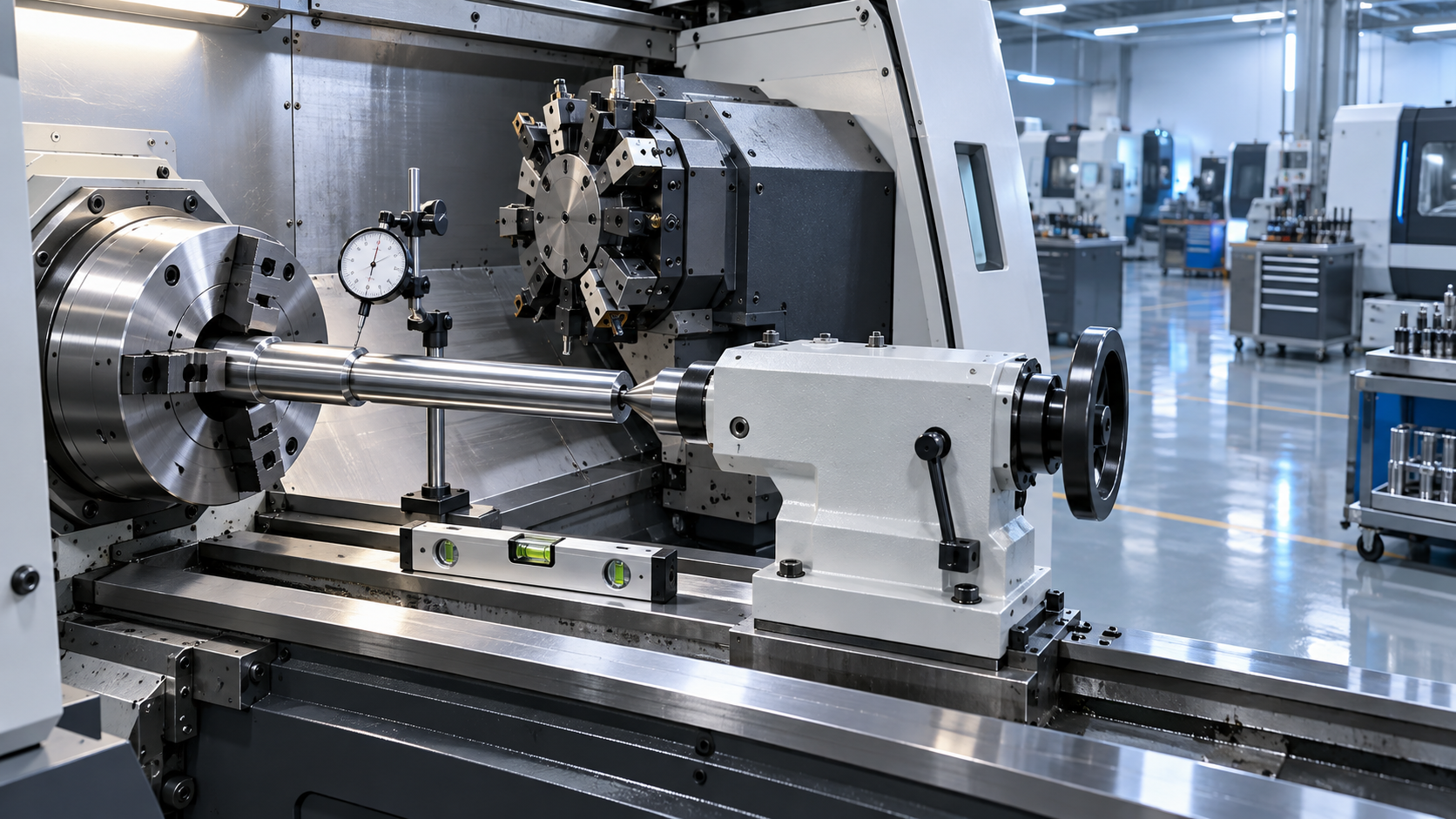
 CNC Lathe Quick Installation Guide: Alignment Checks Before First Production RunCNC Machining Technology Center
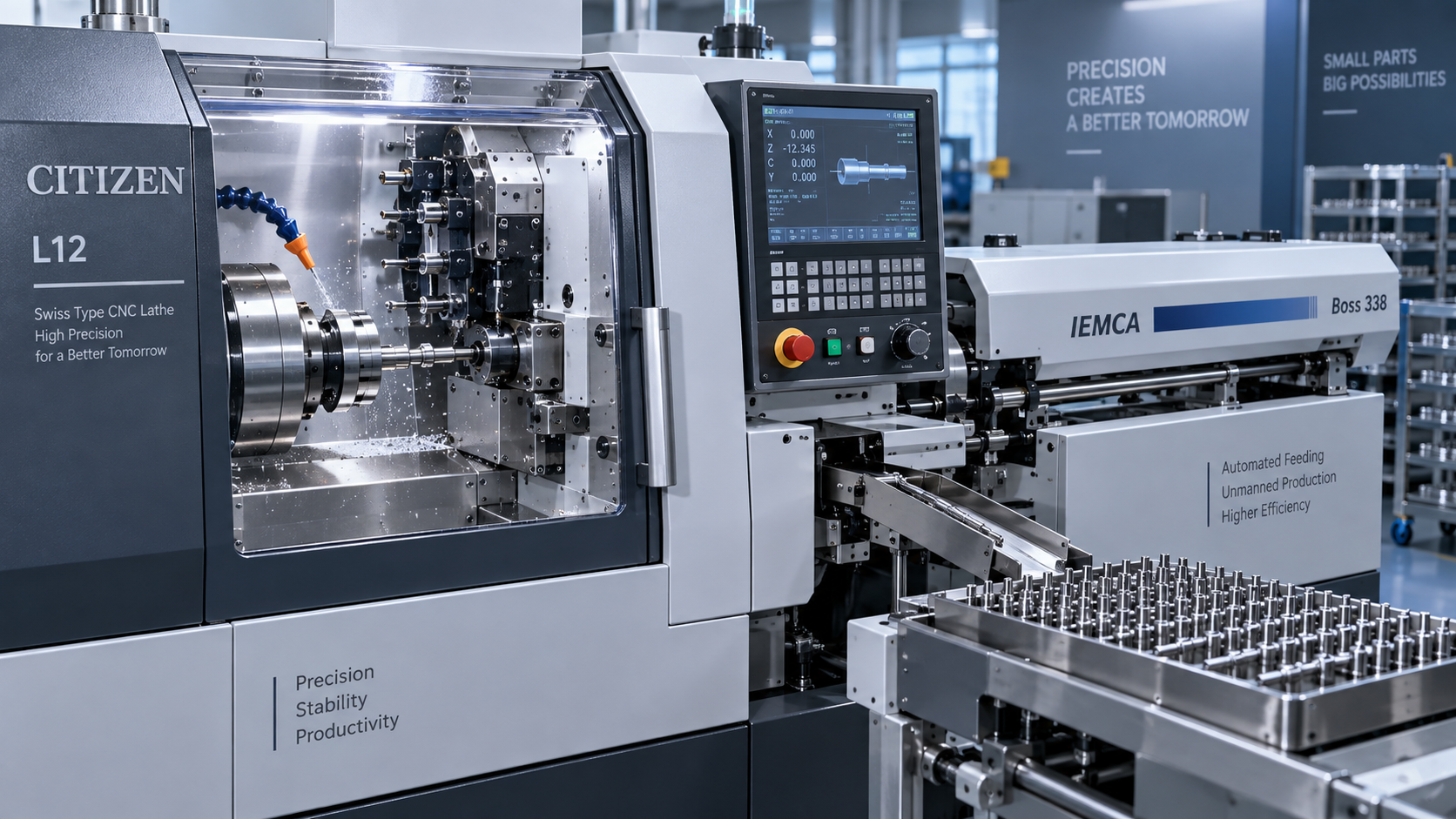
 How to Select a CNC Lathe for Small Parts Without Sacrificing Accuracy or Cycle TimeCNC Machining Technology Center
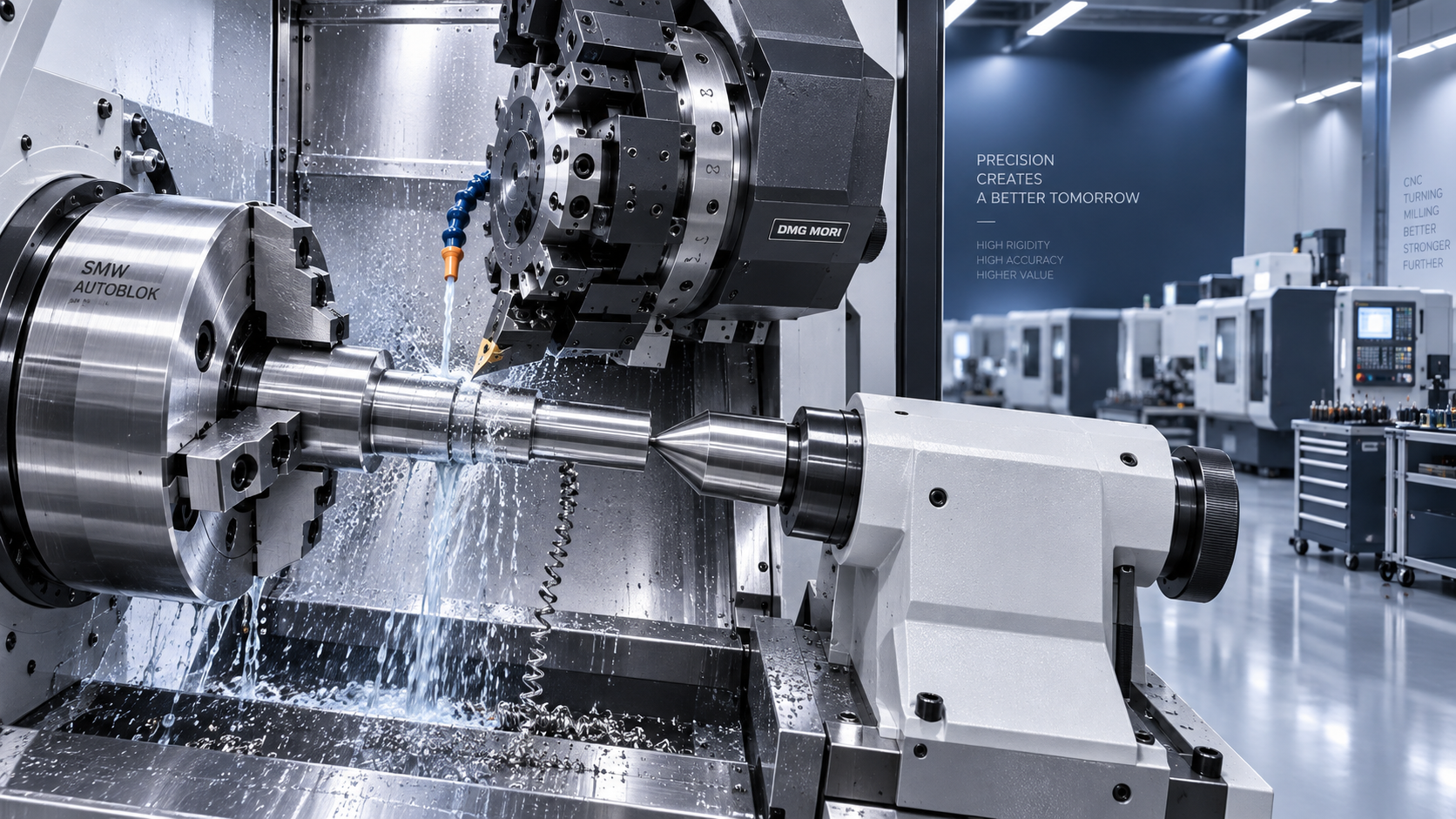
 How to Select a Slant Bed Lathe for High-Precision Shaft and Chuck WorkCNC Machining Technology Center
 Smart Manufacturing for Small Businesses: Where Automation Delivers the Fastest ROIMachine Tool Industry Editorial Team
 How to Specify a CNC Lathe for High-Volume Automotive Shaft ProductionCNC Machining Technology Center

Aris Katos
Future of Carbide Coatings
15+ years in precision manufacturing systems. Specialized in high-speed milling and aerospace grade alloy processing.
▶
Global Machine Tool Backlog Falls 12% as Automation Shifts DemandManufacturing Market Research Center▶
What Drives Machine Tool Price: 7 Cost Factors Buyers Should Compare Before OrderingManufacturing Market Research Center▶
Manufacturing Industry Cost Drivers in 2025: Labor, Energy, Freight, and Sourcing RisksManufacturing Market Research Center▶
CCMT2026 Ends With 40.2% Rise in Five-Axis Export PricesManufacturing Market Research Center▶
China CNC Localization Tops 50%, Pressuring FANUCManufacturing Market Research Center
Mastering 5-Axis Workholding Strategies
Join our technical panel on Nov 15th to learn about reducing vibrations in thin-wall components.

Providing you with integrated sanding solutions
Before-sales and after-sales services
Comprehensive technical support