• Global CNC market projected to reach $128B by 2028 • New EU trade regulations for precision tooling components • Aerospace deman
NYSE: CNC +1.2%LME: STEEL -0.4%

Manufacturing Technology Trends That Improve Throughput and Quality Control
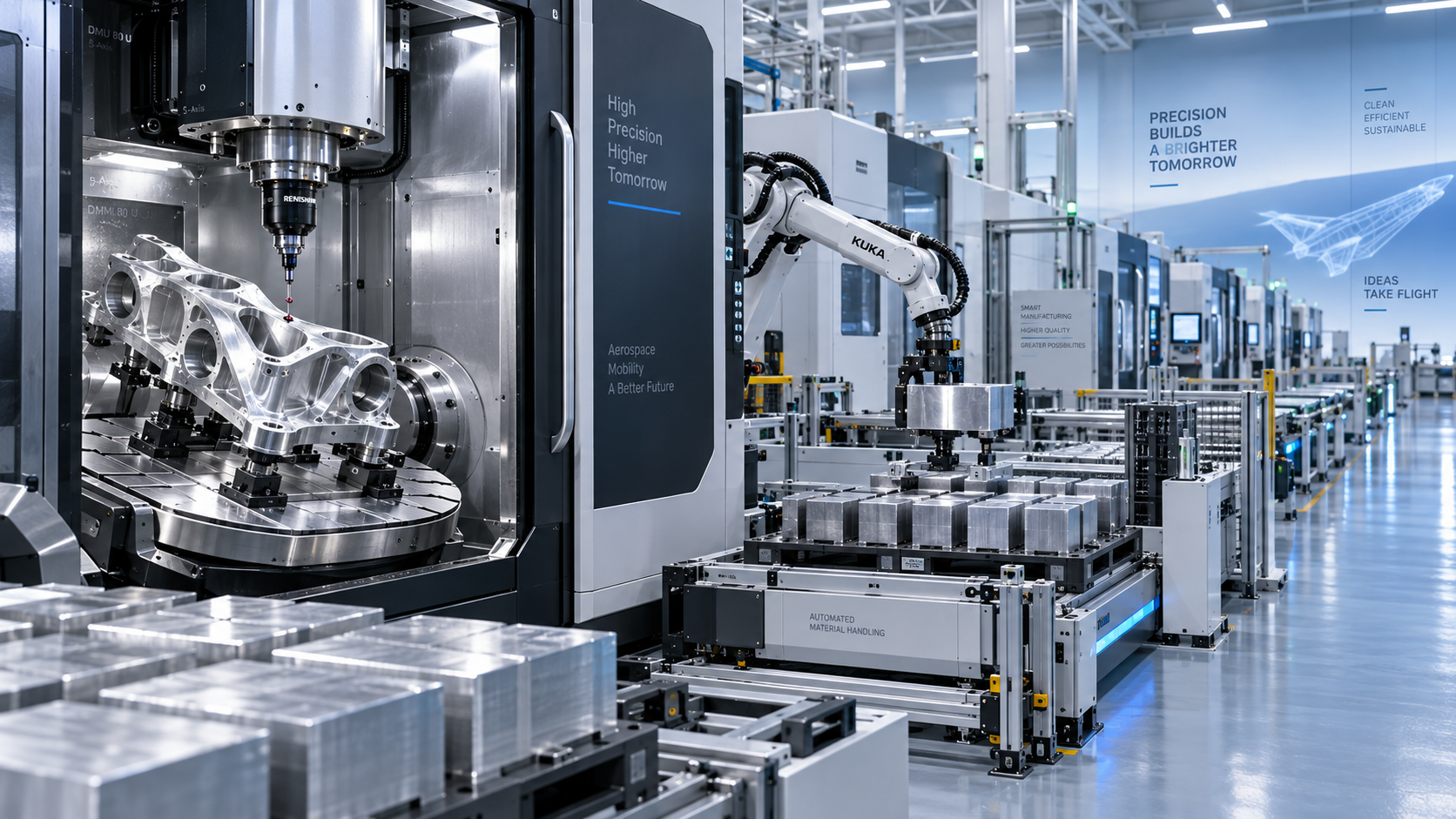
Manufacturing Technology is reshaping how industrial leaders improve throughput, precision, and quality control across complex production environments. From CNC machining and multi-axis systems to robotics, real-time monitoring, and connected factory platforms, the right technologies can reduce bottlenecks, limit variation, and make output more predictable. The most meaningful shift is not simply that machines are becoming faster. It is that production decisions can increasingly be based on what is happening on the shop floor now, rather than on end-of-shift reports or a quality issue discovered after a batch is complete.
For companies producing automotive components, aerospace structures, energy equipment, electronics parts, or high-volume precision assemblies, this matters because throughput and quality are no longer separate conversations. A line that produces parts quickly but generates rework, unstable dimensions, or inconsistent surface quality is not truly productive. Likewise, a process that delivers excellent quality but requires excessive setup time, inspection labor, or manual intervention may not support commercial demand. The strongest technology investments are increasingly those that improve both sides of the equation.
The New Throughput Question: Where Does Production Actually Slow Down?
In many factories, the rated speed of a CNC machine is not the real constraint. Lost time often appears between machining cycles: waiting for material, checking a first-off part, changing fixtures, correcting a tool offset, finding a program revision, or moving parts to inspection. This is why current manufacturing technology trends focus less on isolated machine capability and more on the flow around the machine.
A modern machining center with a fast spindle can still spend too much of the day idle if workholding is difficult to repeat, tooling is not prepared in advance, or operators are forced to make decisions with incomplete information. The same principle applies to CNC lathes producing shaft components, multi-axis systems machining complex structural parts, and automated assembly cells handling repetitive operations. Throughput rises when the entire operating sequence is stable, not merely when cutting parameters are pushed harder.
That distinction affects investment priorities. A new machine may be justified, but it is not always the first answer. In some facilities, better tool management, pallet handling, automated loading, or in-process measurement removes more lost capacity than another stand-alone machine tool. Before approving capital expenditure, it is worth mapping where parts wait, where people intervene, and where quality decisions interrupt flow. Those delays are often more revealing than overall equipment utilization figures alone.
Multi-Axis CNC Machining Is Becoming a Process-Consolidation Tool
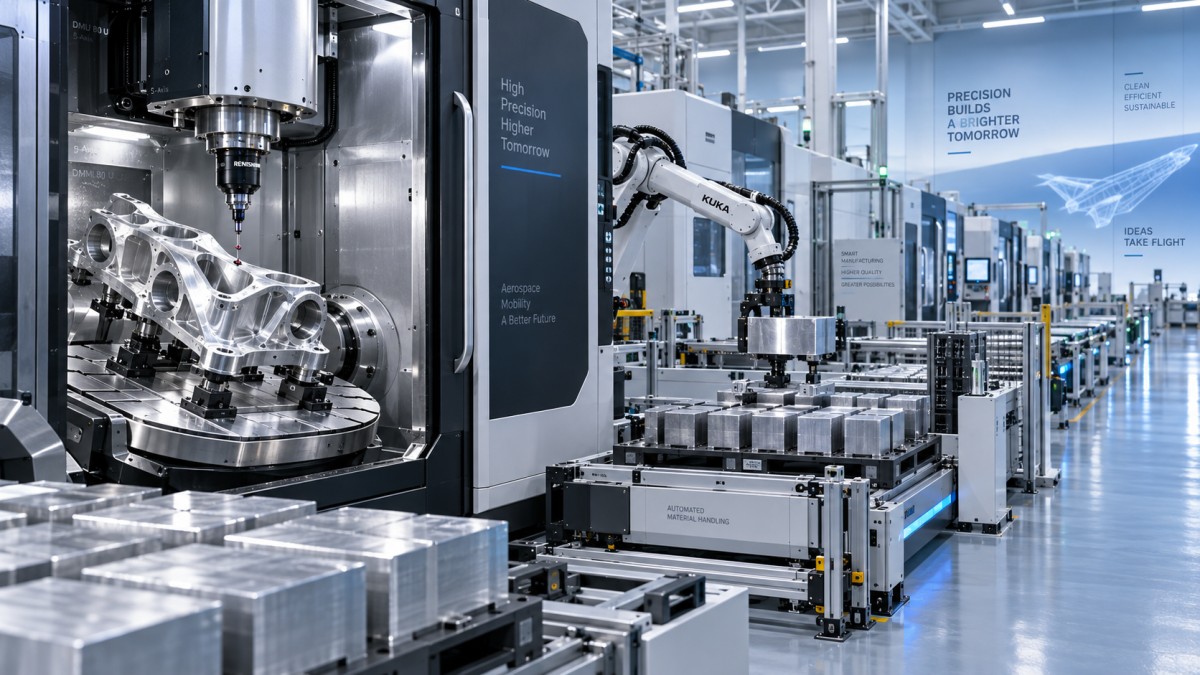
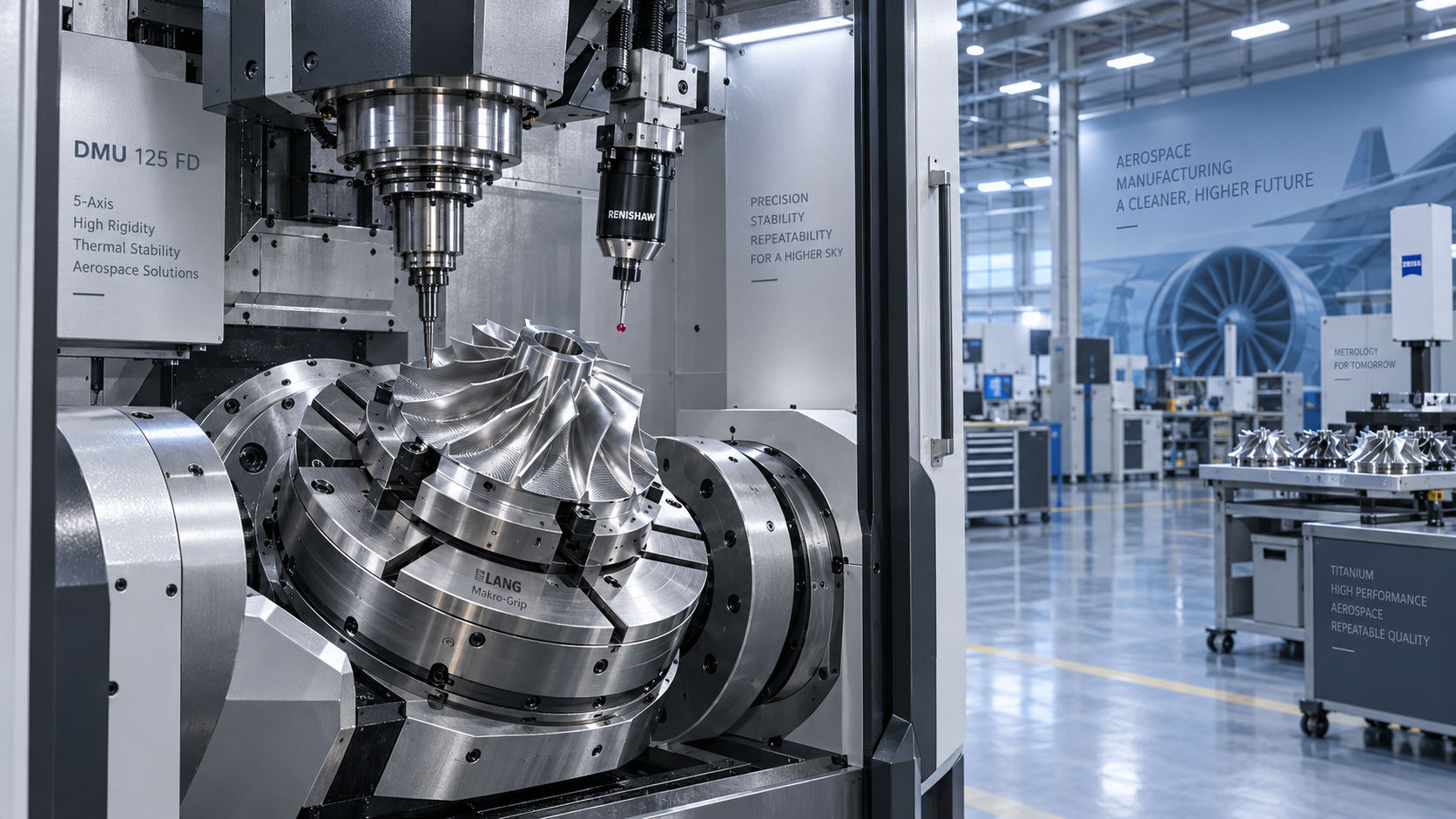
The shift toward multi-axis machining is closely tied to the need for fewer setups and more consistent part relationships. When a component must be removed, refixtured, and realigned across several operations, every handling step introduces time and the possibility of positional variation. This is especially relevant for precision discs, impellers, housings, aerospace brackets, and parts with features located on multiple faces.
Five-axis and multi-axis systems can reduce those transitions by machining more features in a single clamping where the geometry and production volume justify the investment. The benefit is not only cycle-time reduction. Maintaining a common datum through more of the process can simplify tolerance control and reduce the inspection burden for certain part families.
Still, process consolidation should not be treated as an automatic win. A more capable machine introduces programming complexity, collision-management requirements, more demanding fixture design, and higher expectations for operator and programmer skill. Shops sometimes underestimate how much CAM strategy, tool accessibility, chip evacuation, and probing routines affect the real-world performance of a multi-axis cell. The best candidates are usually parts where setup reduction, geometric consistency, and labor availability matter more than the headline capability of the machine.
Quality Control Is Moving Closer to the Cut
Traditional quality control often relies on inspection after machining is complete. That remains necessary, particularly for critical characteristics and final-release requirements, but it can be an expensive way to discover drift. If a tool wears gradually, a fixture shifts, thermal conditions change, or material behavior varies, an end-of-batch inspection may identify a problem only after multiple parts have already been affected.
The more practical trend is to bring measurement closer to production through touch probes, tool setters, in-process gauging, vision systems, and connected coordinate measuring equipment. These tools do not eliminate the need for experienced quality personnel. They make it easier to detect changes while there is still time to correct the process.
A probe cycle, for example, may verify workpiece position after clamping, establish a datum, or check a key feature before the part leaves the machine. Tool measurement can identify broken or incorrectly loaded tools before they damage a part. In automated lines, vision inspection can help confirm orientation, presence, or obvious assembly defects. The value comes from using each inspection point for a clear decision: continue, compensate, hold the part, or call for review.
There is a common mistake here. Adding measurement devices without defining response rules can create more data but not better control. Teams need to determine which characteristics are suitable for automated monitoring, what level of variation requires intervention, who owns the response, and how measurement results connect to part traceability. Accuracy claims also need to be assessed in the real production environment, considering temperature, vibration, coolant, contamination, and the measurement method itself.
Connected Machines Are Changing Maintenance From a Calendar Task to a Production Decision
Machine connectivity has matured beyond basic status screens. CNC controls, sensors, robots, and peripheral equipment can now provide a more complete view of operating conditions: cycle status, alarms, spindle load, tool life, energy use, stoppage reasons, and sometimes process signals that point to emerging instability. The objective is not to collect every available signal. It is to identify which information helps people prevent unplanned interruption or avoid a quality event.
For a machine tool operation, this may mean watching patterns in spindle load during a recurring cutting cycle, reviewing alarm history before a maintenance window, or comparing actual cycle times against the proven process. A gradual deviation does not automatically indicate equipment failure; material lot variation, tool condition, programming changes, or operator practices can all be involved. But trend visibility gives maintenance and production teams a reason to investigate before an issue becomes an emergency.
Predictive maintenance is often discussed as though it can be deployed as a single software project. In practice, it depends on reliable machine data, a sensible baseline, and people capable of interpreting the result. A facility with inconsistent preventive maintenance records or unclear alarm coding will usually benefit from improving those fundamentals before adopting more advanced analytics. Technology works best when it makes an existing maintenance discipline more timely and specific.
Automation Is Expanding Beyond High-Volume Parts
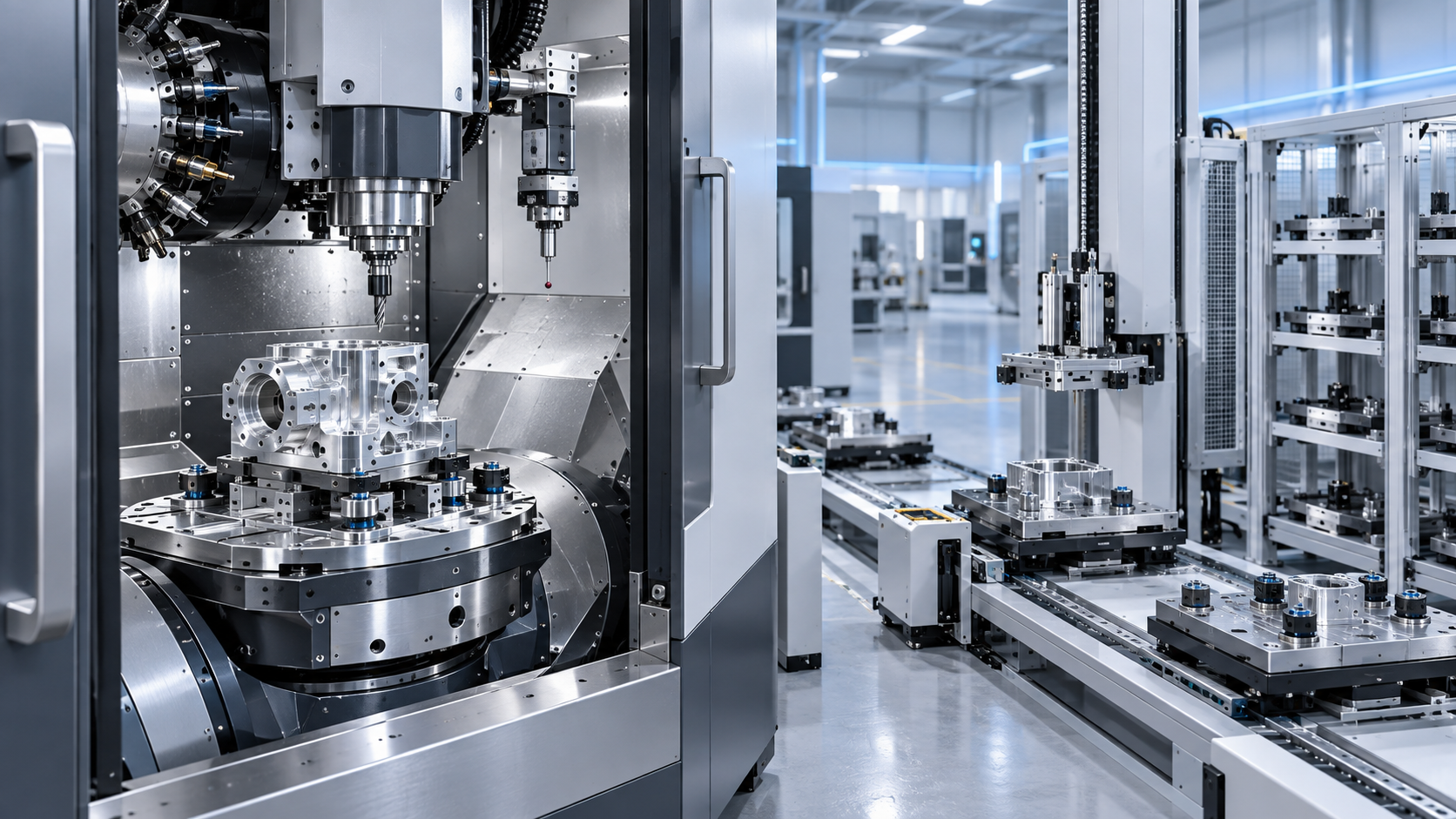
Industrial robots and automated handling systems are no longer limited to very large production runs. Flexible automation is increasingly used where labor is scarce, machine tending is repetitive, or production must continue outside standard staffing hours. A robot loading raw castings into a machining center, a gantry transferring parts between operations, or an automated pallet system managing queued jobs can all reduce waiting time around expensive equipment.
The economic case depends on more than labor replacement. Automation can improve consistency in loading, protect people from repetitive handling or hazardous environments, and stabilize machine utilization. Yet it can also expose weak process design. If incoming blanks vary significantly, chips are difficult to manage, fixtures are unreliable, or part programs need frequent manual adjustment, an automated cell may stop more often than expected.
That is why successful flexible production lines are designed around exception handling, not only normal cycle operation. What happens when a gripper does not confirm part presence? How is a damaged part separated? Can an operator safely access the cell without causing a long restart? Is there enough buffer capacity between a machining operation and washing, deburring, or inspection? These practical questions determine whether automation improves throughput or simply moves the bottleneck downstream.
Digital Work Instructions and Traceability Are Becoming Operational Infrastructure
As product variants increase and skilled labor becomes harder to replace, digital work instructions are becoming more valuable on the shop floor. Instead of relying on printed folders, local notes, or tribal knowledge, operators can access controlled information such as setup sequences, tooling requirements, inspection points, revision history, and visual guidance at the point of use.
For precision manufacturing, this is particularly useful when a process involves frequent engineering changes or multiple similar-looking components with different requirements. The risk is not just using the wrong program. It may be selecting an outdated fixture, applying the incorrect torque sequence, or measuring a feature against the wrong revision. Connected documentation makes those errors easier to prevent, provided the company has clear ownership of document control.
Traceability is also widening from a quality record into a practical production tool. Linking material information, machine programs, tooling history, inspection data, and process timestamps can help teams investigate a nonconformance without searching across disconnected systems. The appropriate level of traceability varies by sector and customer requirement. Aerospace, medical, energy, and automotive supply chains may require more structured records than a general industrial job shop. The important point is to capture information that supports real decisions, rather than creating a reporting burden with no operational use.
Regional Machine Tool Strengths Are Shaping Technology Choices
The global machine tool market continues to be shaped by strong manufacturing clusters in China, Germany, Japan, and South Korea, alongside suppliers and component makers serving international customers from many other regions. These ecosystems matter because manufacturing technology is rarely purchased as a machine alone. Availability of service engineers, control-system support, tooling partners, automation integrators, spare parts, and training resources can influence the lifetime value of an investment.
For example, a technically suitable CNC platform may still create risk if local support is limited or if critical components have long replacement lead times. Conversely, a machine with modestly lower specifications may be the better operational choice when it fits existing programming skills, uses familiar controls, and has reliable service coverage. This is not an argument against advanced equipment; it is a reminder that capability on paper and production resilience are different measures.
Where Manufacturing Technology Investment Usually Pays Off First
The strongest projects tend to start with a narrow production problem: excessive setup variation, recurring tool-related defects, too much manual inspection, unstable machine tending, or poor visibility into downtime. Once that problem is understood, the technology choice becomes more disciplined. It may lead to a pallet system, probing package, robot cell, connected monitoring platform, fixture redesign, or a higher-capability machining center. It does not always lead to the same answer.
A useful evaluation should examine the full process, including programming, tooling, workholding, material flow, inspection, maintenance, and workforce readiness. Decision-makers should also ask whether the proposed technology can be supported after commissioning. Who will own the data? Who will maintain the automation? How will program changes be validated? What happens when a sensor gives an implausible reading or the production mix changes?
The direction of travel is clear: CNC machining, robotics, real-time monitoring, and digital quality systems are becoming more connected. But the factories that gain the most will not necessarily be those with the most software screens or the largest number of robots. They will be the ones that use Manufacturing Technology to remove specific sources of variation, protect critical process knowledge, and make each production hour more predictable.
NEXT ARTICLE
Recommended for You
 Manufacturing Technology Trends That Improve Throughput and Quality ControlManufacturing Market Research Center
 How to Design Cost-Effective Fixtures That Maintain Cycle Time in Mass ProductionCNC Machining Technology Center
 Is Learning CNC Programming Worth It for Shop Owners Seeking Higher Margins?CNC Machining Technology Center
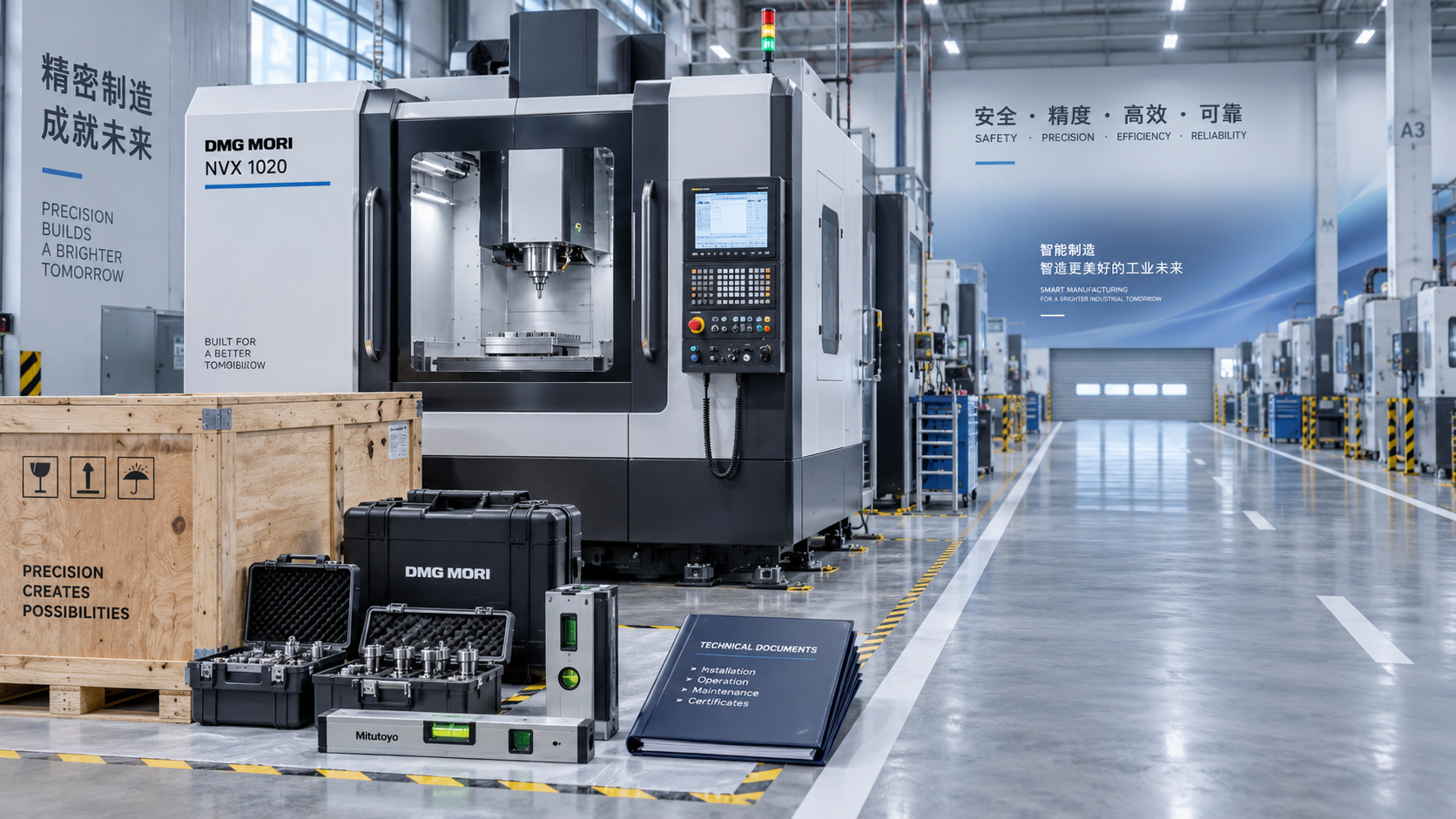
 CNC Machine Arrival Inspection: Check Shipping Damage, Accuracy, Safety, and DocumentsCNC Machining Technology Center
 How to Select a Machine Tool for Aerospace Parts with Tight Tolerances?Machine Tool Industry Editorial Team
 How to Select CNC Equipment for High-Mix, Low-Volume ProductionCNC Machining Technology Center

Aris Katos
Future of Carbide Coatings
15+ years in precision manufacturing systems. Specialized in high-speed milling and aerospace grade alloy processing.
▶
Manufacturing Technology Trends That Improve Throughput and Quality ControlManufacturing Market Research Center▶
Global Manufacturing Trends: How Supply Chains and Regional Shifts Affect SourcingManufacturing Market Research Center▶
Small-Batch Production and Smart Manufacturing for Small Businesses: Where to Start FirstManufacturing Market Research Center▶
What Smart Manufacturing Technology for Industry 4.0 Means for Mid-Sized FactoriesManufacturing Market Research Center▶
How Smart Manufacturing Benefits Reduce Downtime and Scrap in Metal Parts ProductionManufacturing Market Research Center
Mastering 5-Axis Workholding Strategies
Join our technical panel on Nov 15th to learn about reducing vibrations in thin-wall components.

Providing you with integrated sanding solutions
Before-sales and after-sales services
Comprehensive technical support