• Global CNC market projected to reach $128B by 2028 • New EU trade regulations for precision tooling components • Aerospace deman
NYSE: CNC +1.2%LME: STEEL -0.4%

What Smart Manufacturing Technology for Industry 4.0 Means for Mid-Sized Factories
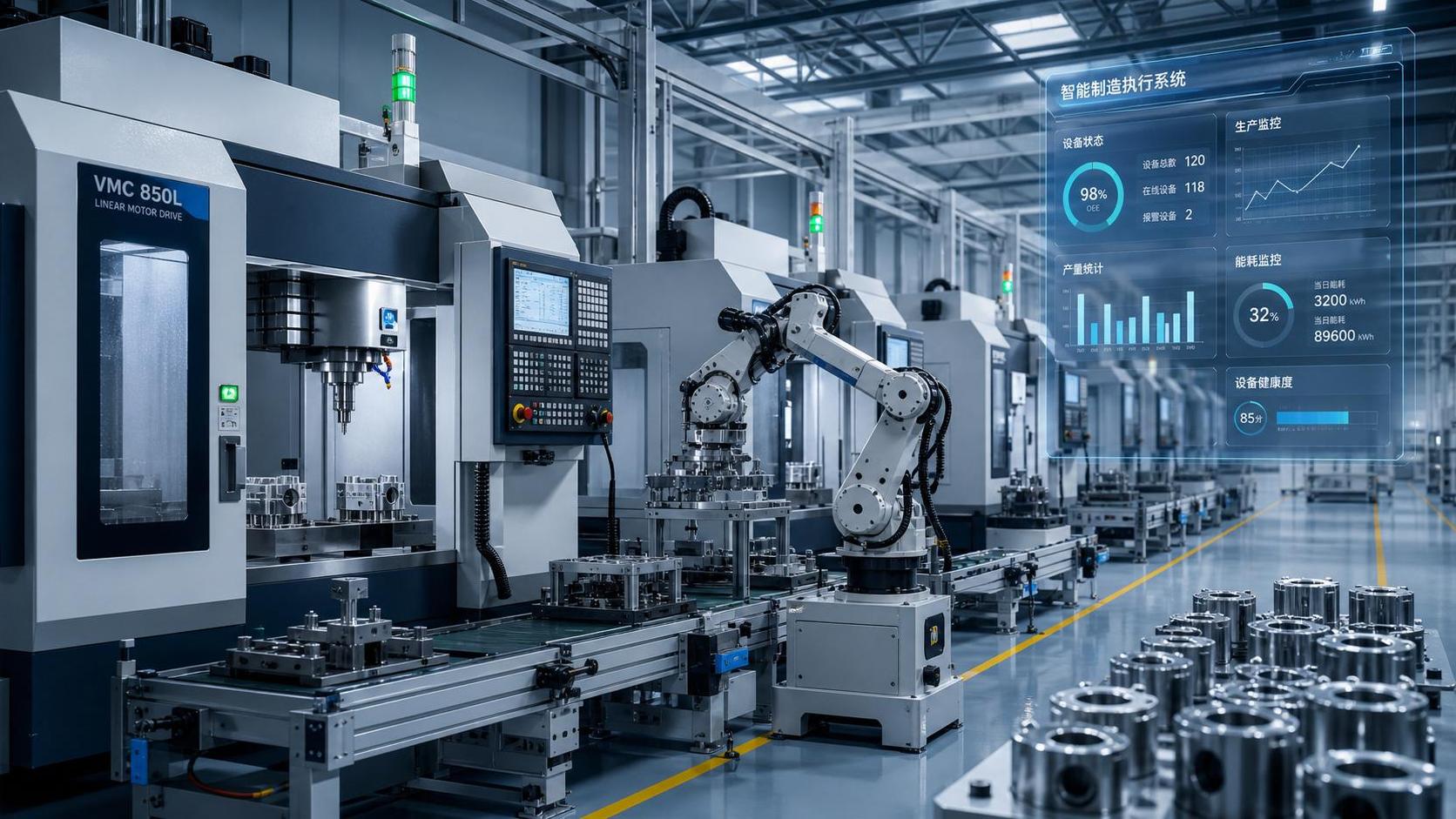
Smart Manufacturing Technology for Industry 4.0 has become a practical business issue for mid-sized factories, especially where margins are tight and delivery expectations keep rising.
In CNC machining, precision manufacturing, and automated production, the question is no longer whether digital transformation matters. The real question is how fast it can create measurable value.
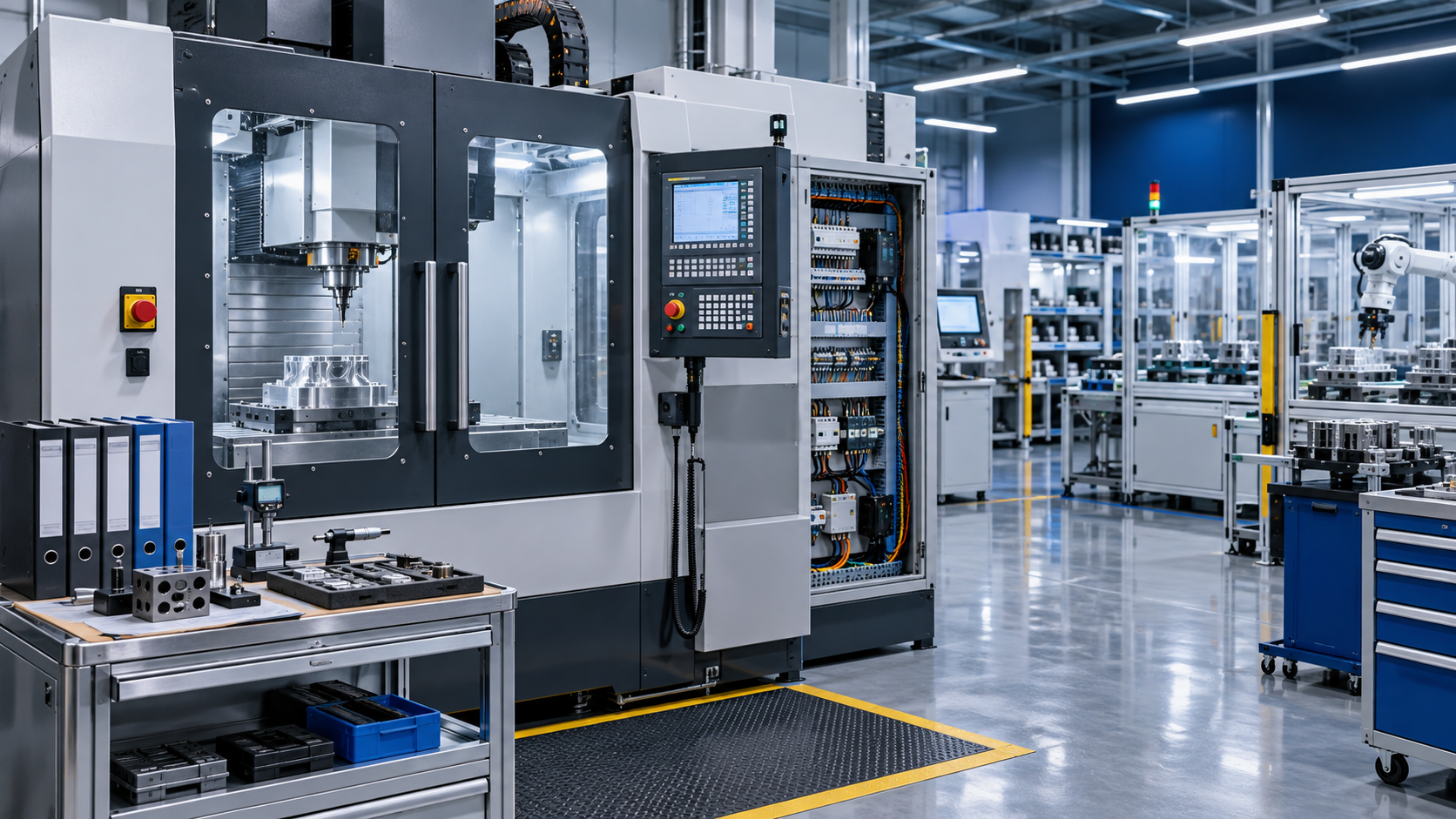
For factories running CNC lathes, machining centers, or flexible cells, smart manufacturing connects machines, people, and production data. That connection improves visibility, response speed, and investment discipline.
Why the topic matters now
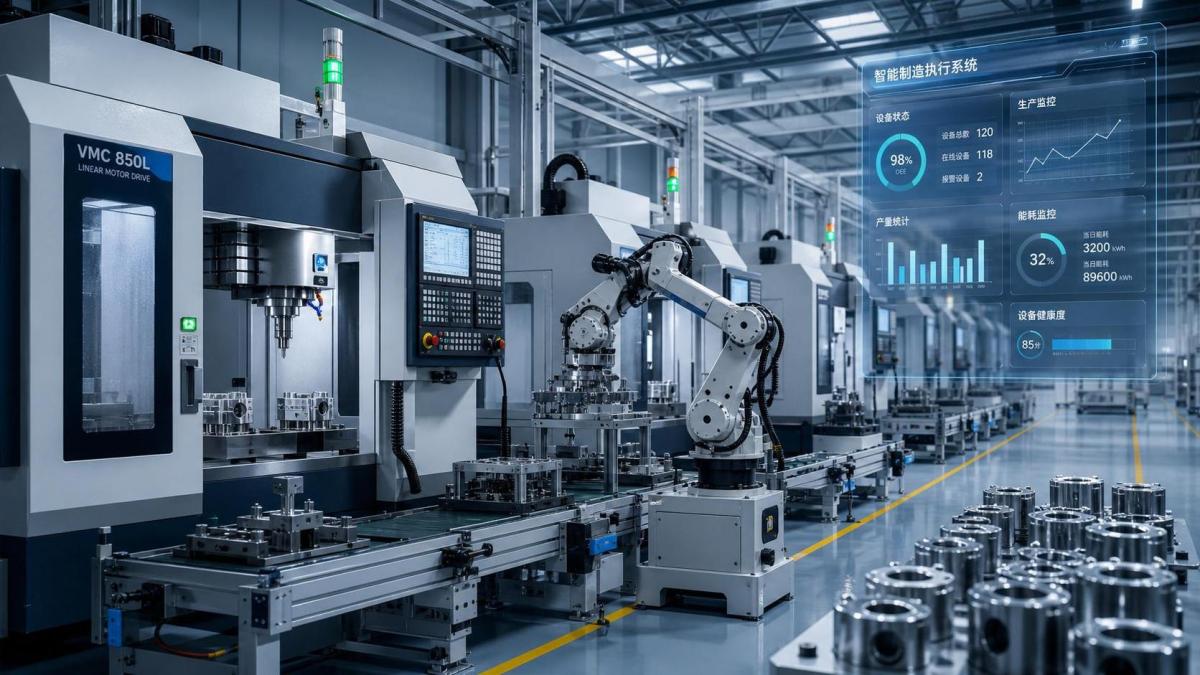
Global manufacturing is shifting toward higher precision, stronger automation, and tighter digital integration. This shift is visible across automotive, aerospace, energy equipment, and electronics production.
Mid-sized factories sit in a difficult position. They face the same quality standards as large groups, but often with less spare capital, fewer specialists, and more pressure to justify each upgrade.
That is why Smart Manufacturing Technology for Industry 4.0 attracts attention. It offers a way to reduce hidden losses without requiring a complete rebuild of the factory.
In practical terms, that may mean connecting legacy CNC machines, improving tool monitoring, adding robot loading, or using dashboards to track actual cycle time against planned output.
What Smart Manufacturing Technology for Industry 4.0 really includes
The term is often used too broadly. In a factory environment, it usually refers to a set of connected capabilities rather than one single product.
At the machine level, it includes CNC connectivity, sensor data, machine status tracking, and process feedback. At the line level, it involves automation, scheduling, traceability, and quality integration.
At the management level, it means using production data to support planning, maintenance, costing, and capacity decisions. The purpose is not more data alone. The purpose is better control.
This matters in the machine tool industry because high-precision work depends on consistency. A disconnected process can produce good parts, but it struggles to repeat good results at scale.
Core building blocks
- Connected CNC equipment that reports runtime, alarms, load, and utilization
- MES, ERP, or shopfloor systems that align production orders with machine activity
- Robotics or automated handling for loading, transfer, and repetitive operations
- Digital quality systems for inspection records, traceability, and corrective action
- Predictive or condition-based maintenance tools linked to real operating behavior
Where value appears in mid-sized factories
The business case for Smart Manufacturing Technology for Industry 4.0 is strongest where waste is frequent but poorly measured.
Many factories know they have downtime, scrap, rework, setup delays, or tool life variation. What they often lack is a reliable method to locate causes and rank them by cost.
Connected production changes that. It turns assumptions into evidence. Once data is visible, improvement priorities become easier to defend internally.
Typical value areas
How it applies across CNC and precision manufacturing
The meaning of Smart Manufacturing Technology for Industry 4.0 changes by process type. A batch machining workshop has different priorities from a mixed-model assembly line.
In CNC turning and milling, the focus is often machine uptime, tool condition, setup control, and part traceability. In high-mix production, scheduling discipline becomes equally important.
For multi-axis machining systems, data visibility helps protect expensive assets. It also supports stable output when parts are complex and tolerances are tight.
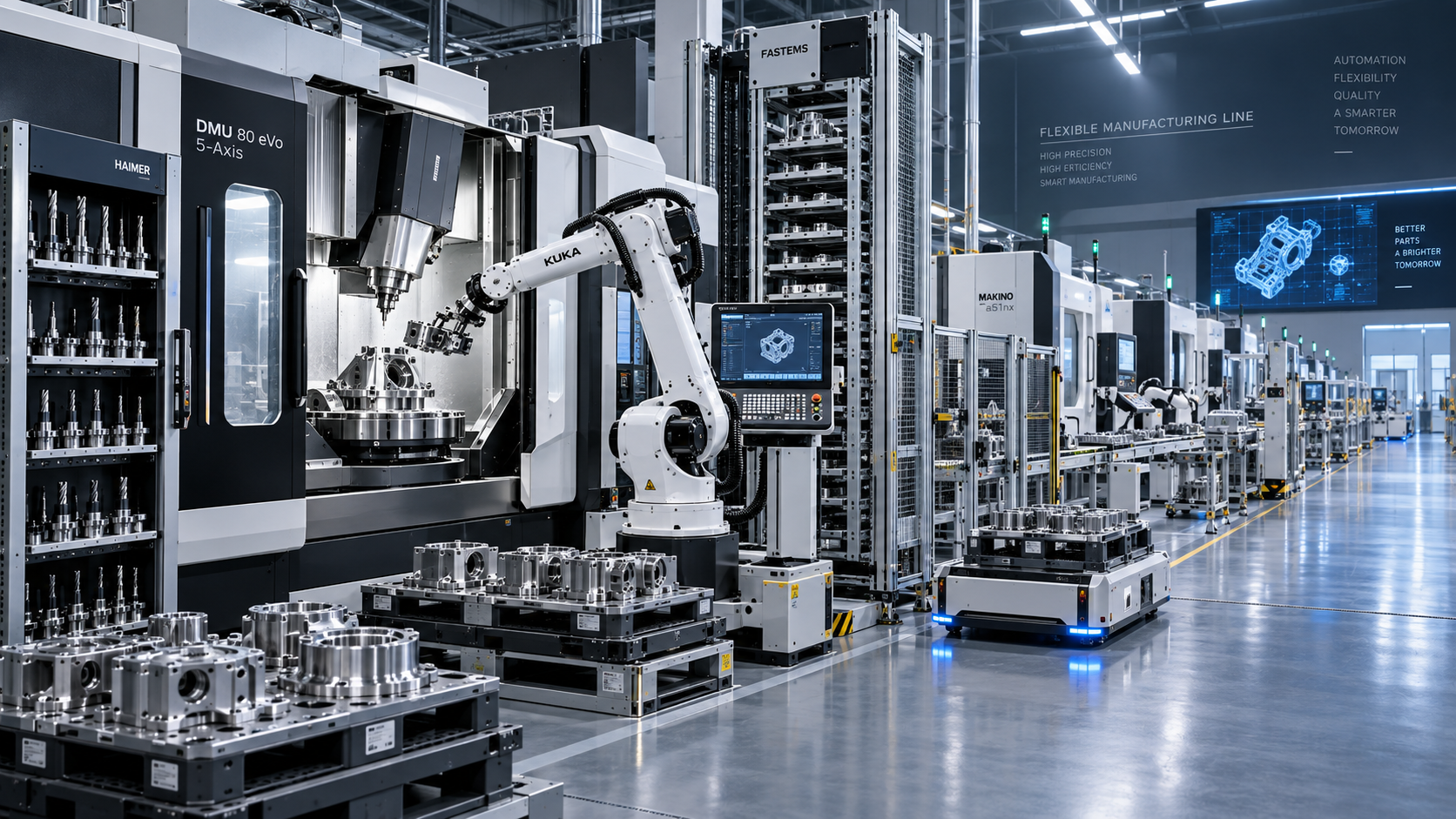
Flexible production lines benefit from coordinated material movement, inspection feedback, and automated handoff between cells. Without that coordination, automation can simply move bottlenecks faster.
Common scenarios
- A machining center cluster adds monitoring to compare shift performance by actual spindle time
- A turning line introduces robot loading to stabilize night production
- An electronics component plant links inspection data with machine parameters to reduce repeat defects
- An energy equipment supplier uses traceability records to improve compliance and service support
What should be evaluated before investment
The strongest projects usually start with a narrow problem statement. Broad digital plans often sound strategic but fail to produce operational gains.
A better approach is to define one measurable business issue. That might be unstable OEE, high scrap in a critical family, late orders, or excessive setup time.
From there, Smart Manufacturing Technology for Industry 4.0 can be evaluated by fit, not by trend value alone.
Key decision points
- Compatibility with existing CNC controls, sensors, and software environments
- Ease of integration across machine tools, inspection equipment, and planning systems
- Clarity of ROI model, including labor, scrap, uptime, and throughput effects
- Cybersecurity, data ownership, and vendor support capability
- Scalability from one pilot cell to multiple workshops or sites
It is also useful to separate visible automation from hidden process discipline. A robot arm is easy to notice. Reliable data structure, naming rules, and workflow control are often more important.
Common mistakes that weaken returns
Not every digital project improves competitiveness. Some create new dashboards without changing decisions on the shopfloor.
One frequent mistake is buying isolated tools with no integration path. Another is assuming old equipment cannot join a smart manufacturing program, when retrofit connectivity may be enough.
There is also a risk in treating Smart Manufacturing Technology for Industry 4.0 as an IT project only. In reality, success depends on process engineering, maintenance, production planning, and operator adoption.
Factories that move carefully usually perform better than those chasing the largest system package. A small, well-scoped pilot often produces the clearest economic proof.
A practical path forward
For mid-sized factories, Smart Manufacturing Technology for Industry 4.0 is best understood as a staged capability upgrade. It begins with visibility, then process control, then broader automation.
The first step is usually an operational baseline. Identify where downtime occurs, how quality losses appear, and which machines or part families drive the most value.
The next step is to compare solution options against that baseline. In some cases, machine connectivity creates the fastest return. In others, tool management, robotics, or scheduling software matters more.
What Smart Manufacturing Technology for Industry 4.0 means, in the end, is not abstract digitization. It means building a factory that can see problems earlier, respond faster, and scale precision with less waste.
A useful next move is to map one production area, define three measurable targets, and assess which connected technologies can improve them without disrupting core output.
That kind of disciplined review creates better investment decisions than broad transformation language, especially in CNC and precision manufacturing where performance is won through detail.
Recommended for You
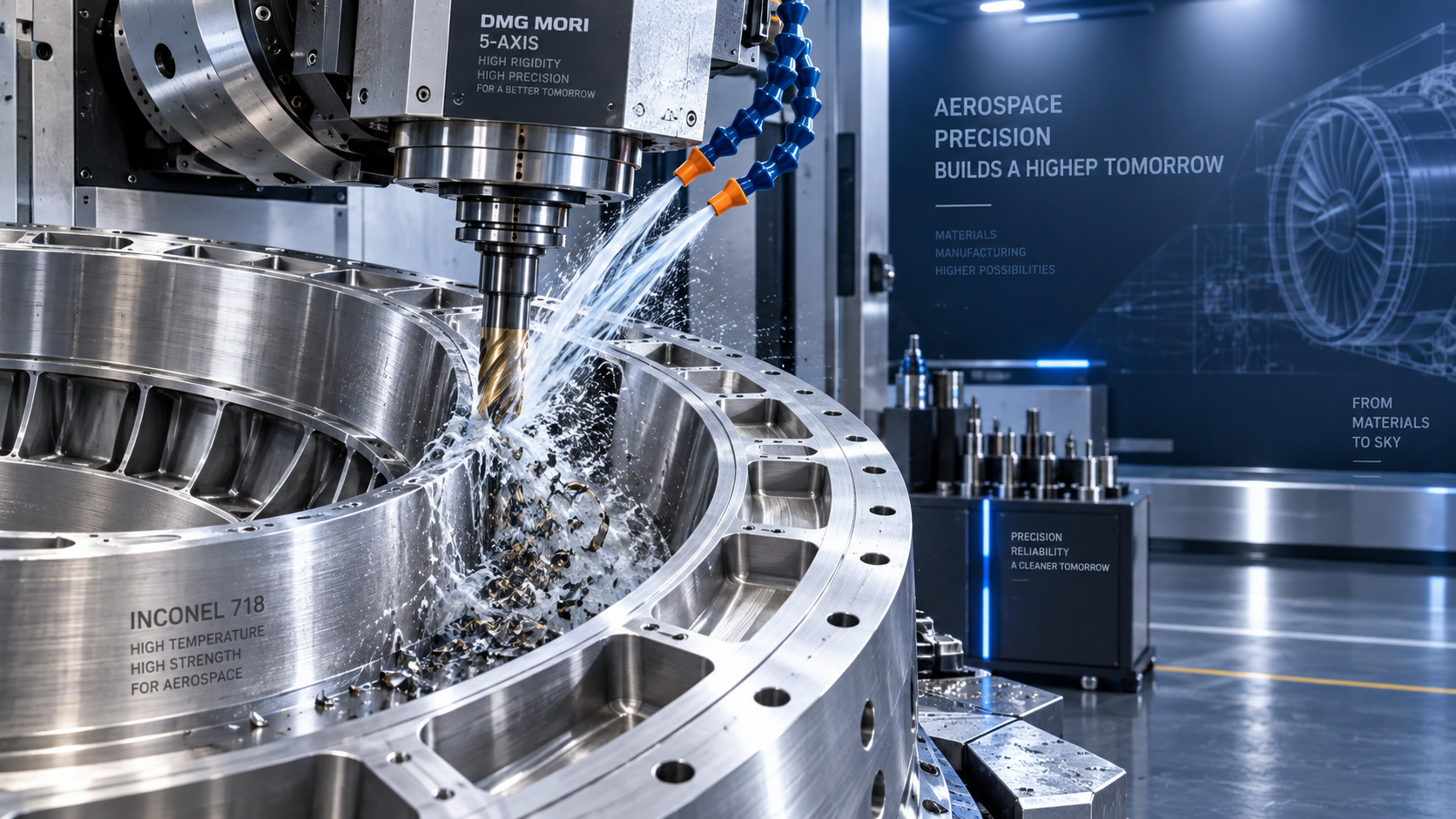
 Can CNC Machining Inconel Control Tool Wear in High-Temperature Aerospace Parts?CNC Machining Technology Center
 Machine Tool Market Outlook: Demand Drivers, Capacity Shifts, and Investment RisksManufacturing Market Research Center
 Zero-Point Clamping or Modular Fixtures? Choosing a Faster CNC Changeover SystemCNC Machining Technology Center
 How to Cut CNC Fixture Changeover Time Without Sacrificing Part AccuracyCNC Machining Technology Center
 When Does CNC Turning Pay Off? A Break-Even Guide by Annual Part VolumeMachine Tool Industry Editorial Team
 Machine Tool Standards by Country: What Importers Must Verify Before PurchaseManufacturing Policy Research Center

Aris Katos
Future of Carbide Coatings
15+ years in precision manufacturing systems. Specialized in high-speed milling and aerospace grade alloy processing.
▶
Global Manufacturing Trends: How Supply Chains and Regional Shifts Affect SourcingManufacturing Market Research Center▶
Small-Batch Production and Smart Manufacturing for Small Businesses: Where to Start FirstManufacturing Market Research Center▶
What Smart Manufacturing Technology for Industry 4.0 Means for Mid-Sized FactoriesManufacturing Market Research Center▶
How Smart Manufacturing Benefits Reduce Downtime and Scrap in Metal Parts ProductionManufacturing Market Research Center▶
Advanced Manufacturing Technology for Energy Equipment: Key Processes and Use CasesManufacturing Market Research Center
Mastering 5-Axis Workholding Strategies
Join our technical panel on Nov 15th to learn about reducing vibrations in thin-wall components.

Providing you with integrated sanding solutions
Before-sales and after-sales services
Comprehensive technical support