• Global CNC market projected to reach $128B by 2028 • New EU trade regulations for precision tooling components • Aerospace deman
NYSE: CNC +1.2%LME: STEEL -0.4%

Advanced Manufacturing Technology for Energy Equipment: Key Processes and Use Cases
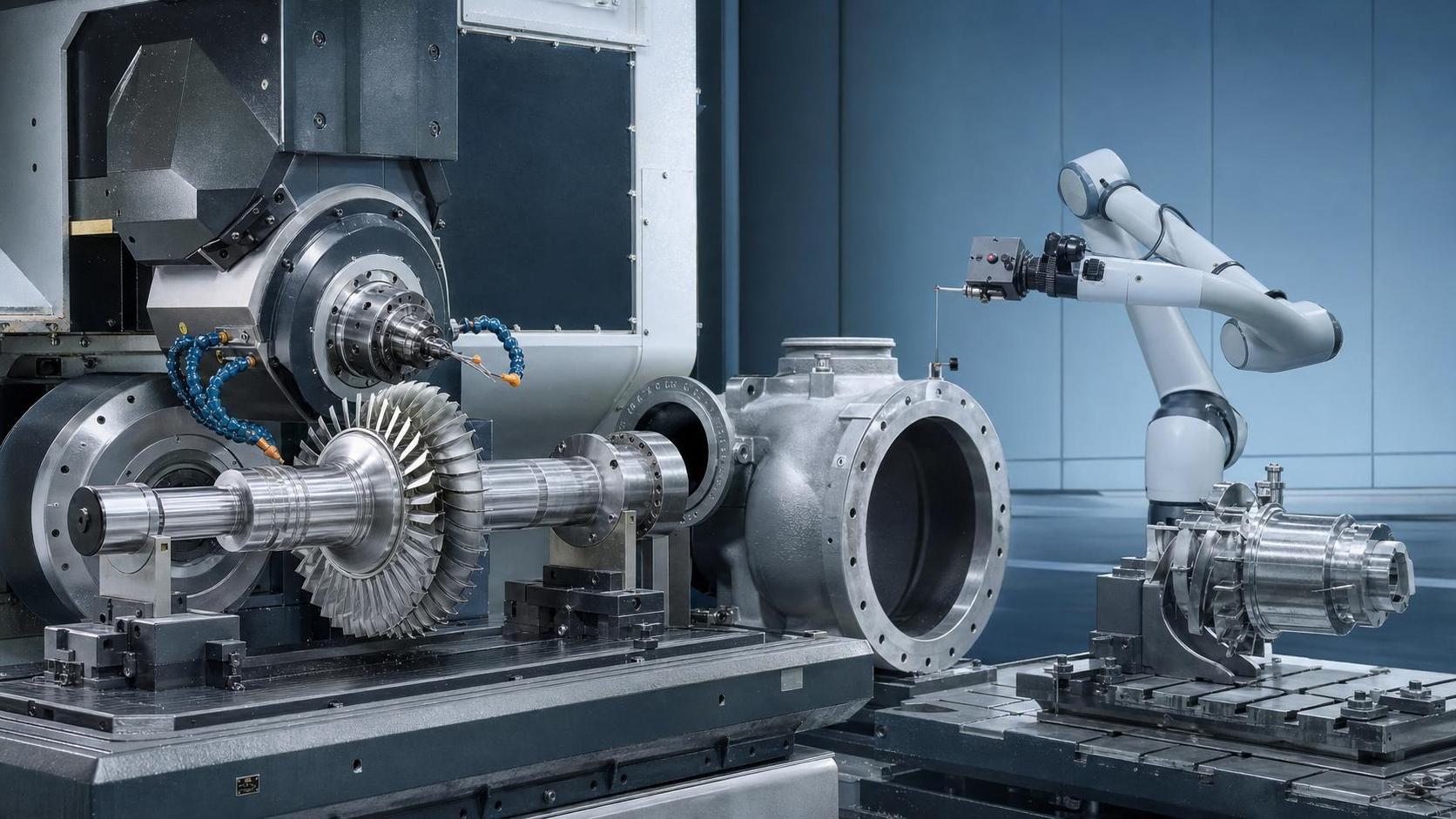
Why is Advanced Manufacturing Technology for energy equipment getting so much attention?
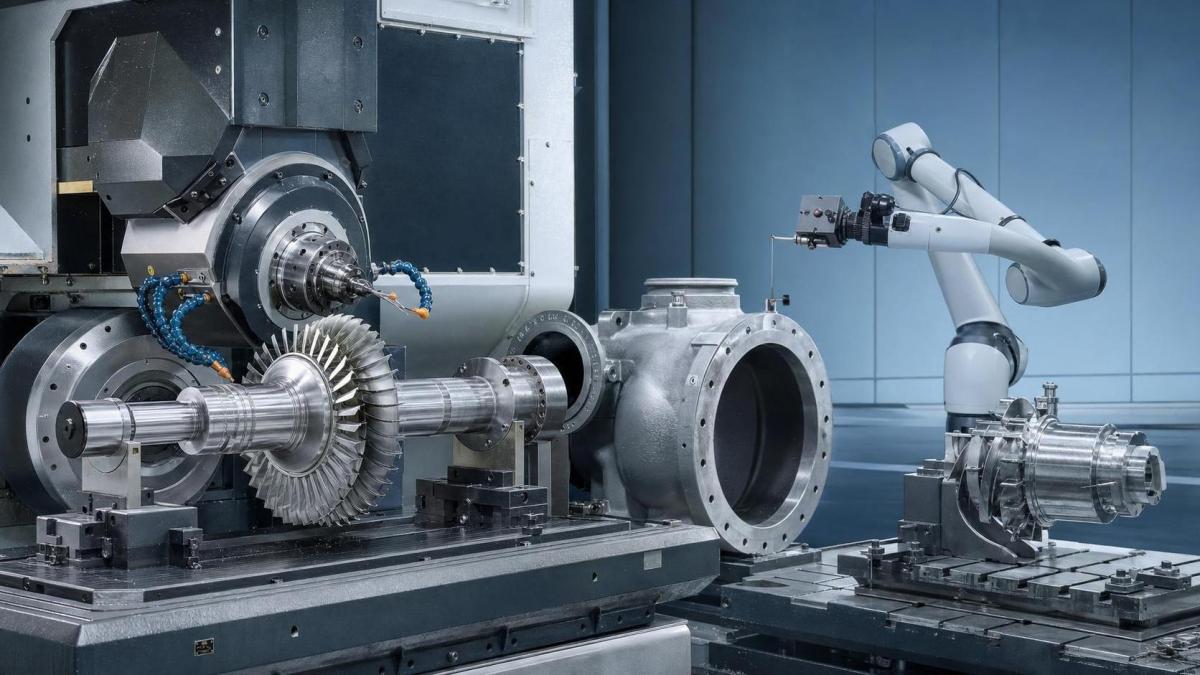
Advanced Manufacturing Technology for energy equipment matters because energy parts are large, complex, and expected to perform for years under heat, pressure, vibration, and corrosion.
That changes the production challenge. It is not enough to machine a part that simply fits. The part must also remain stable in real operating conditions.
In practice, this includes turbine shafts, valve bodies, pressure vessel parts, flanges, pump housings, and precision sealing surfaces.
The reason this topic is expanding now is clear. Energy systems demand tighter tolerances, higher efficiency, and better traceability across the full manufacturing process.
At the same time, CNC machine tools, multi-axis machining centers, industrial robots, and digital production systems have become more capable and more connected.
So when people search for Advanced Manufacturing Technology for energy equipment, they usually want more than a definition. They want to know what processes matter and where the value actually appears.
What does it actually include beyond standard CNC machining?
A common misunderstanding is to treat advanced manufacturing as a single machine upgrade. In reality, it is a process combination.
The core usually starts with precision CNC turning, milling, boring, drilling, and grinding. For energy equipment, these steps often run on large-format or multi-axis platforms.
Then the process becomes more specialized. Heat treatment, in-process measurement, automated tool management, fixture optimization, and digital quality control are added.
For difficult materials, cutting strategy matters as much as machine power. Stainless steels, nickel alloys, and hardened forgings require stable tooling and controlled chip removal.
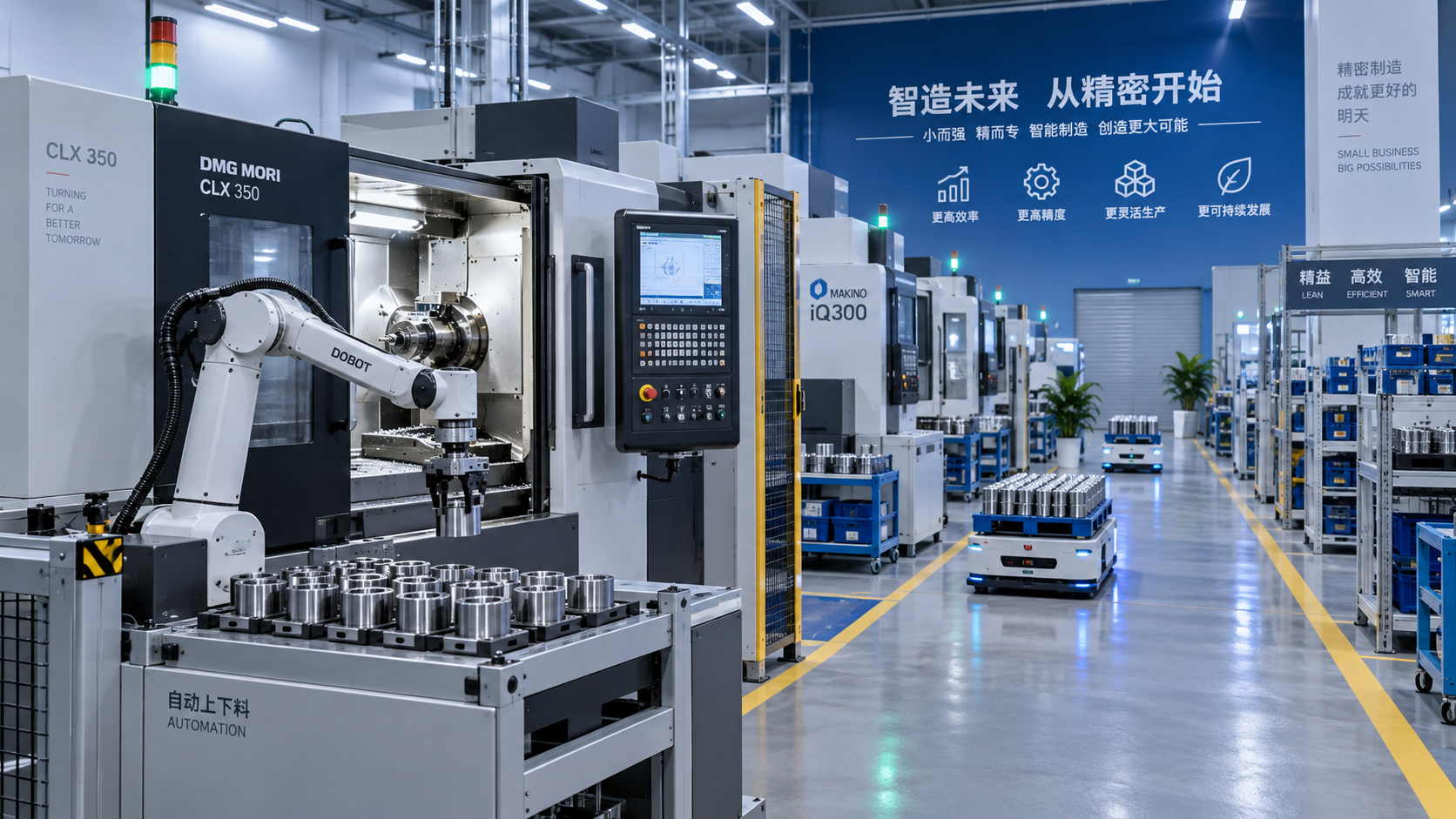
Advanced Manufacturing Technology for energy equipment also includes production coordination. Flexible lines, robot loading, and data-linked inspection reduce variation between batches.
More mature setups usually combine these capabilities:
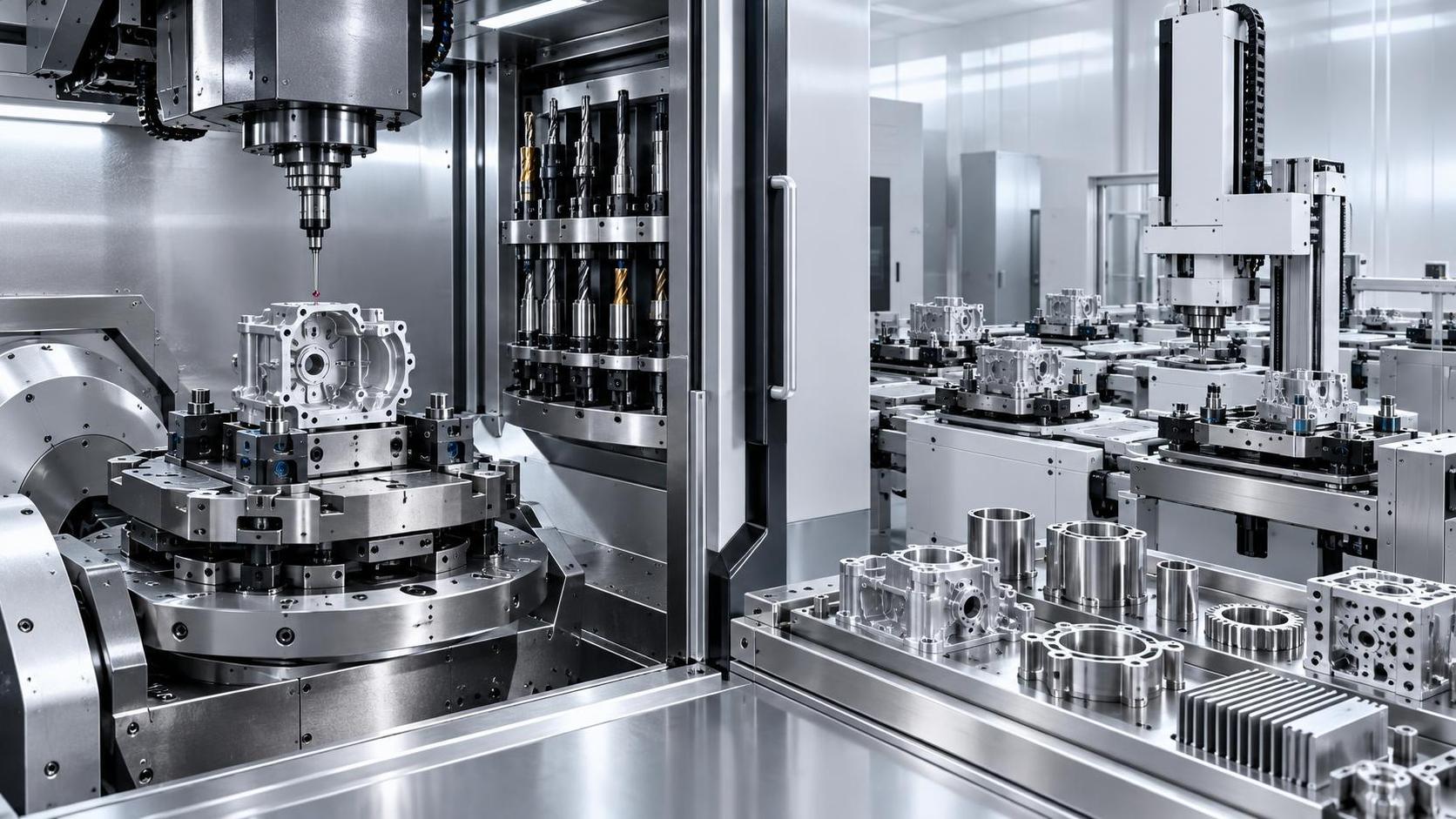
- Multi-axis machining for complex surfaces and fewer re-clamping steps
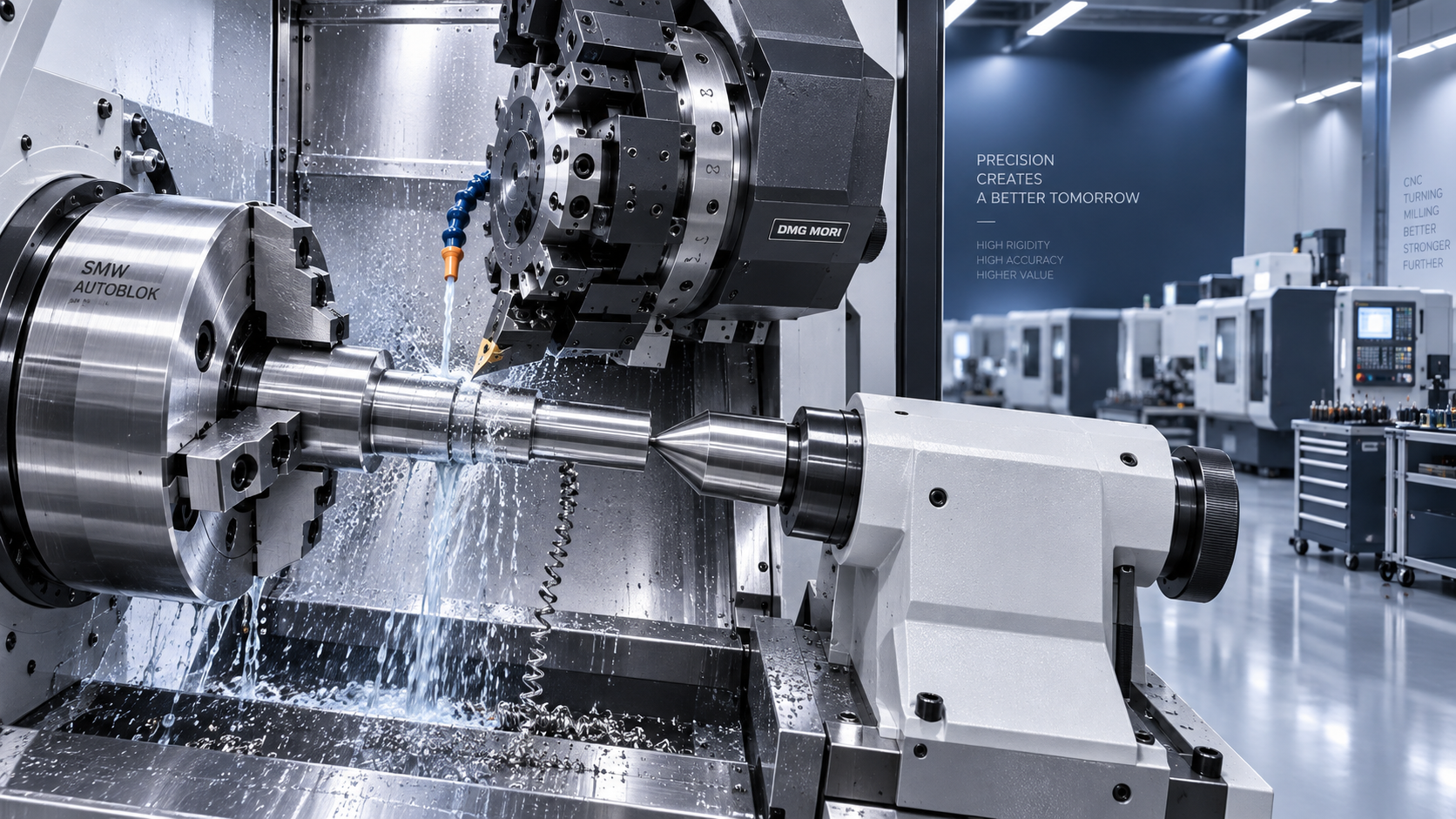
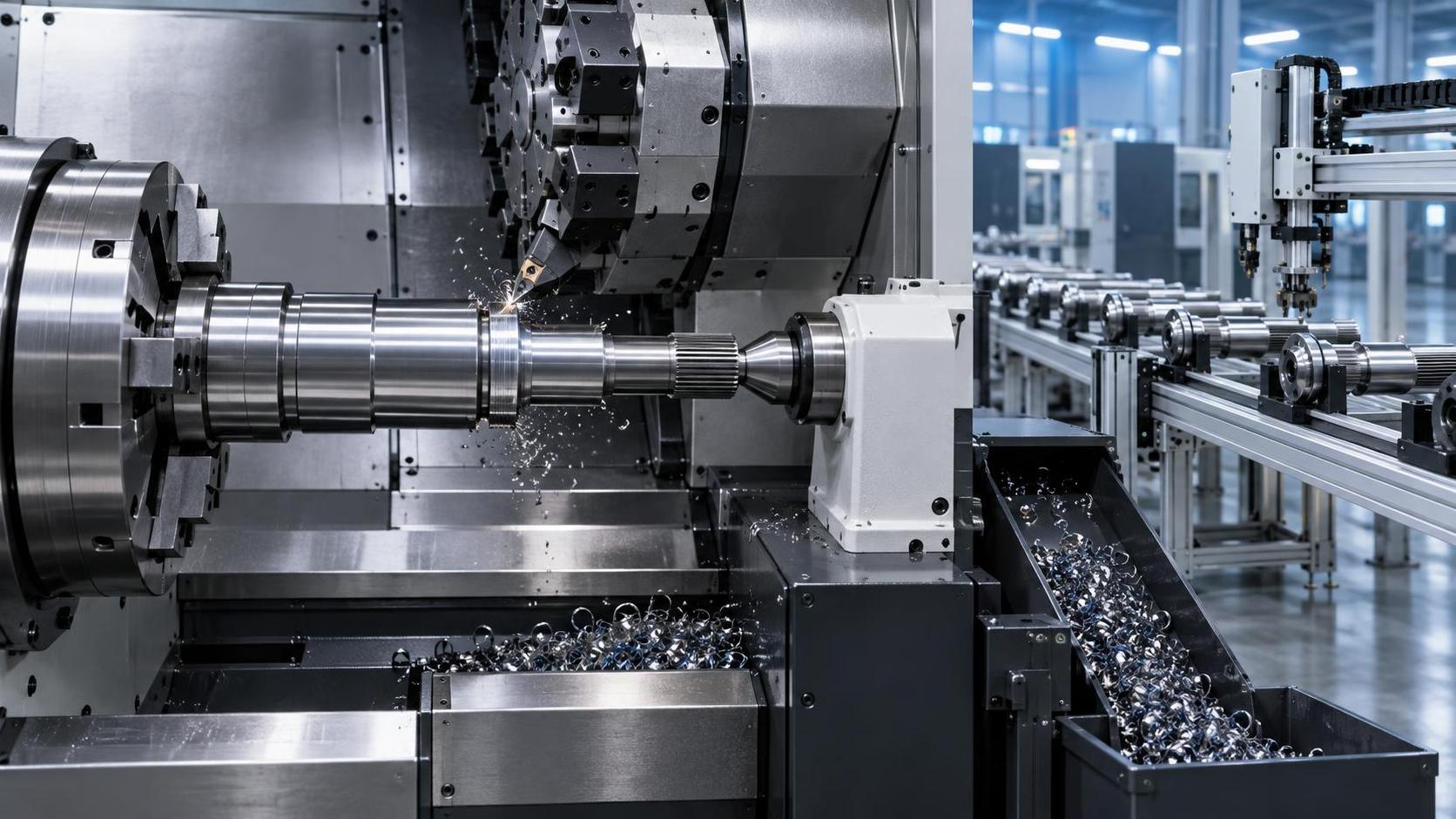
- CNC turning centers for long shafts, rotors, and concentric features
- Precision grinding for sealing faces and critical tolerance finishing
- Automated inspection for repeatable dimensional verification
- Digital monitoring for tool life, machine load, and process traceability
Simple machining removes material. Advanced manufacturing controls the whole path from raw stock to verified component performance.
Which energy equipment applications benefit the most?
The strongest use cases appear where precision directly affects efficiency, safety, or maintenance intervals. Energy equipment is full of those situations.
Turbine components are one clear example. Rotor parts, blade carriers, and shaft interfaces need strict balance, surface integrity, and geometric consistency.
Pressure-related parts are another. Valve blocks, vessel connections, and sealing grooves demand accurate machining because leakage risk is costly and sometimes dangerous.
Pump and compressor assemblies also benefit. Small dimensional errors can reduce efficiency, create vibration, and shorten service life.
In newer energy systems, the same logic applies to wind power shafts, hydrogen equipment parts, and heat-exchange structures with demanding tolerance stacks.
A practical way to judge application fit is to look at where failure cost is high. If downtime, leakage, imbalance, or thermal distortion matter, advanced methods are usually justified.
Quick application judgment table
The table below helps connect common energy parts with the manufacturing focus that usually matters most.
How is it different from conventional production methods?
The difference is not only speed. Advanced Manufacturing Technology for energy equipment changes how accuracy is achieved and maintained.
Conventional production may rely on separate machines, repeated handling, manual setup corrections, and end-of-line inspection.
That can work for simpler parts. It becomes risky when dimensions interact across several surfaces or when parts are too large to reposition easily.
Advanced workflows reduce re-clamping, stabilize datum references, and capture process data earlier. This lowers cumulative error rather than only detecting it later.
Another difference is integration. Cutting tools, fixtures, measuring systems, and CNC programs are optimized together, not treated as separate purchases.
In actual production, the gain often shows up in three places:
- More consistent tolerance control across complex parts
- Shorter cycle time through fewer manual transfers
- Better traceability for audits, maintenance, and process improvement
For energy equipment, that last point is easy to underestimate. Traceability is increasingly tied to quality confidence and project acceptance.
What should be checked before choosing an advanced process route?
Choosing the right route starts with the part, not the machine brochure. The best setup depends on geometry, material, tolerance chain, and expected batch size.
A long shaft and a thick-walled valve block may both belong to energy equipment, but the process logic is very different.
More reliable evaluation usually includes the following questions:
- Does the part require multi-axis access to avoid repeated repositioning?
- Are material hardness, heat input, or residual stress likely to affect finish quality?
- Is in-process measurement needed to prevent scrap on high-value workpieces?
- Will automation reduce setup variation across medium or large production runs?
- Can the shop maintain tooling, fixtures, software, and operator discipline together?
Need to compare options quickly? The judgment is often simpler than expected. High-value, high-risk, and high-precision parts benefit first.
If the part is low complexity and easy to inspect after machining, a fully advanced route may not be necessary.
Where do projects usually run into trouble?
The biggest mistake is assuming technology alone solves process instability. A new machine cannot fix weak planning, poor fixtures, or unclear tolerance strategy.
Another common issue is over-specification. Some parts are given extreme tolerance targets that do not improve performance but do increase cost and lead time.
There is also a digital gap. Shops may install sensors and software, yet still fail to connect data with actual decisions on tools, offsets, maintenance, or rework control.
For global supply chains, consistency is another concern. Strong machine tool clusters in China, Germany, Japan, and South Korea support capability, but process standards still need alignment.
A more grounded approach is to watch a few signals rather than everything:
- Scrap rate on critical features
- Setup repeatability between shifts or batches
- Tool life stability on difficult materials
- Inspection feedback speed and traceability quality
- Actual cycle time versus planned cycle time
These indicators reveal whether Advanced Manufacturing Technology for energy equipment is delivering real control or only higher capital cost.
How should the next step be evaluated?
A useful next step is to map the process around one representative component. Choose a part with clear tolerance pressure, quality risk, or recurring production difficulty.
Then compare the current route with an advanced route. Look at setup count, inspection timing, tooling demands, cycle stability, and rework exposure.
This makes Advanced Manufacturing Technology for energy equipment easier to judge in practical terms, not just as an industry trend.
It also helps separate useful investment from unnecessary complexity. Sometimes the right move is a multi-axis upgrade. Sometimes it is better fixturing, better measurement, or tighter digital tracking.
The broader manufacturing direction is already visible across the machine tool industry: higher precision, more automation, and deeper digital integration.
For energy equipment, the real question is not whether that shift matters. It is where the process will create the most measurable value first.
A sensible approach is to define the critical parts, confirm process bottlenecks, compare route options, and track cost, lead time, and quality together before scaling further.
Recommended for You
 CNC Lathe Quick Installation Guide: Alignment Checks Before First Production RunCNC Machining Technology Center
 How to Select a CNC Lathe for Small Parts Without Sacrificing Accuracy or Cycle TimeCNC Machining Technology Center
 How to Select a Slant Bed Lathe for High-Precision Shaft and Chuck WorkCNC Machining Technology Center
 Smart Manufacturing for Small Businesses: Where Automation Delivers the Fastest ROIMachine Tool Industry Editorial Team
 How to Specify a CNC Lathe for High-Volume Automotive Shaft ProductionCNC Machining Technology Center
 How Automated Precision Machining Maintains Tolerance in High-Mix ProductionCNC Machining Technology Center

Aris Katos
Future of Carbide Coatings
15+ years in precision manufacturing systems. Specialized in high-speed milling and aerospace grade alloy processing.
▶
Global Manufacturing Trends: How Supply Chains and Regional Shifts Affect SourcingManufacturing Market Research Center▶
Small-Batch Production and Smart Manufacturing for Small Businesses: Where to Start FirstManufacturing Market Research Center▶
What Smart Manufacturing Technology for Industry 4.0 Means for Mid-Sized FactoriesManufacturing Market Research Center▶
How Smart Manufacturing Benefits Reduce Downtime and Scrap in Metal Parts ProductionManufacturing Market Research Center▶
Advanced Manufacturing Technology for Energy Equipment: Key Processes and Use CasesManufacturing Market Research Center
Mastering 5-Axis Workholding Strategies
Join our technical panel on Nov 15th to learn about reducing vibrations in thin-wall components.

Providing you with integrated sanding solutions
Before-sales and after-sales services
Comprehensive technical support