• Global CNC market projected to reach $128B by 2028 • New EU trade regulations for precision tooling components • Aerospace deman
NYSE: CNC +1.2%LME: STEEL -0.4%

Small-Batch Production and Smart Manufacturing for Small Businesses: Where to Start First
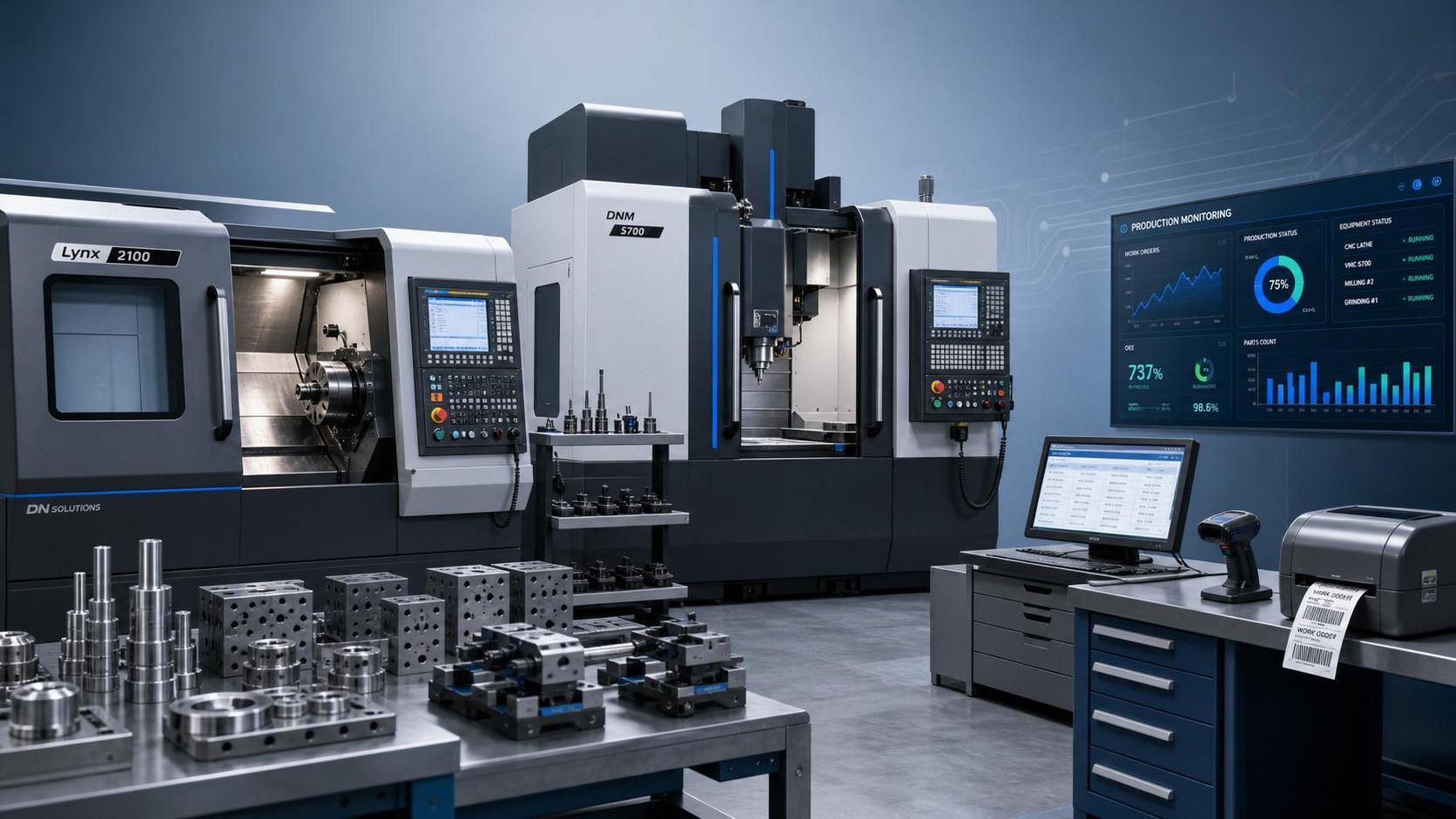
Where Small-Batch Production Starts to Make Sense
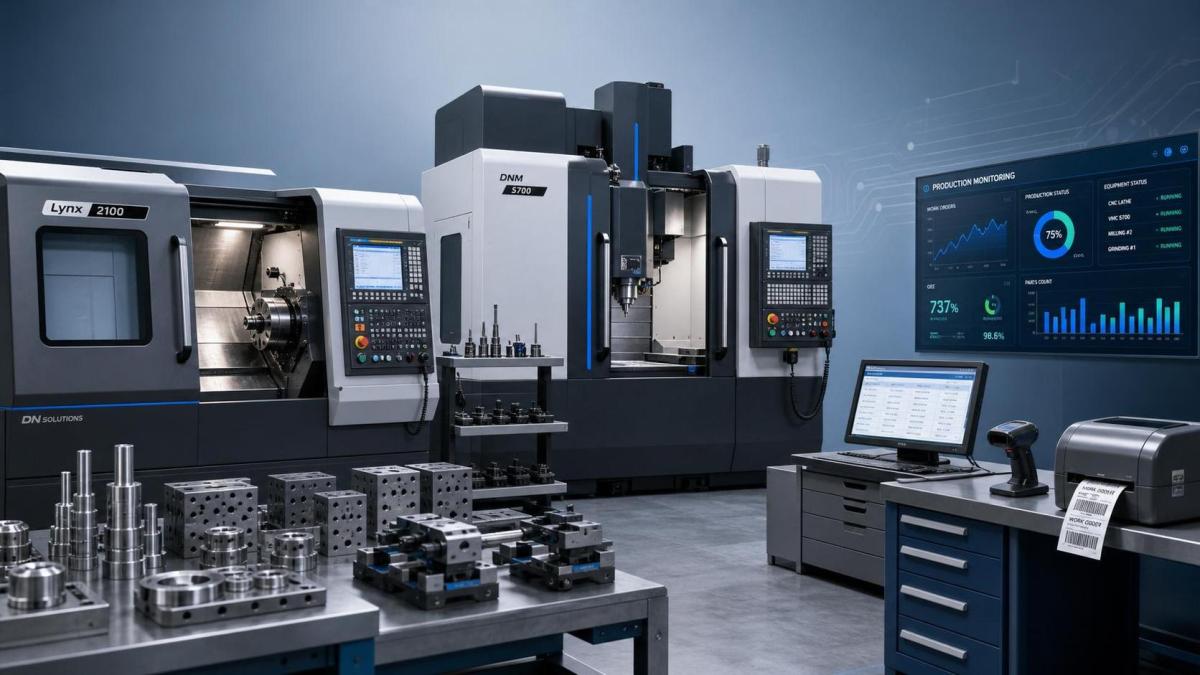
Small-Batch Production and Smart Manufacturing for Small Businesses usually begins long before a full factory upgrade becomes necessary.
The first real question is not which machine looks most advanced. It is where production friction already costs time, scrap, or delivery confidence.
In precision manufacturing, small volumes often involve frequent changeovers, mixed part geometries, and tighter deadlines than large repeat orders.
That changes the starting point for Smart Manufacturing for Small Businesses. Flexibility matters more than headline capacity.
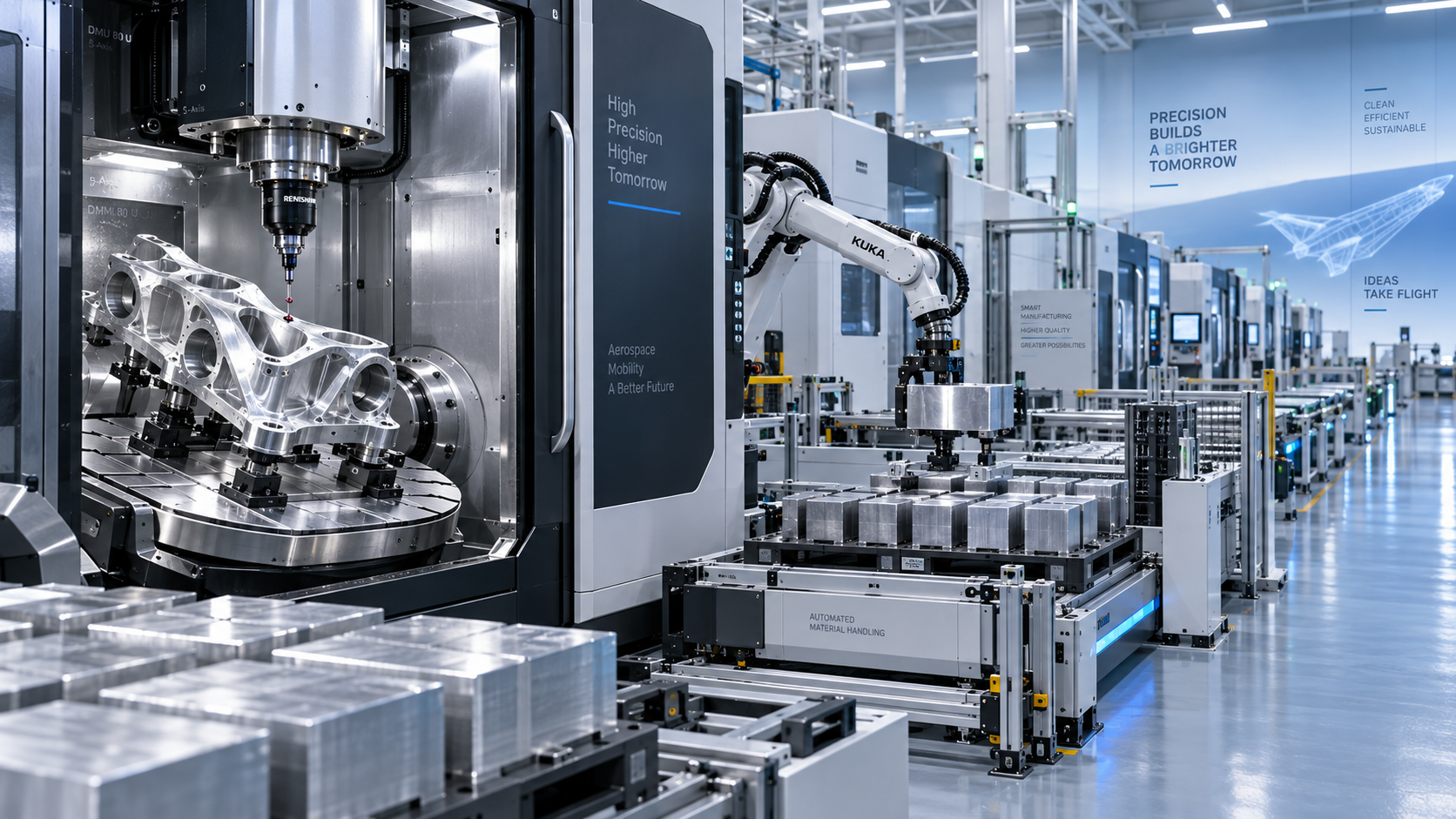
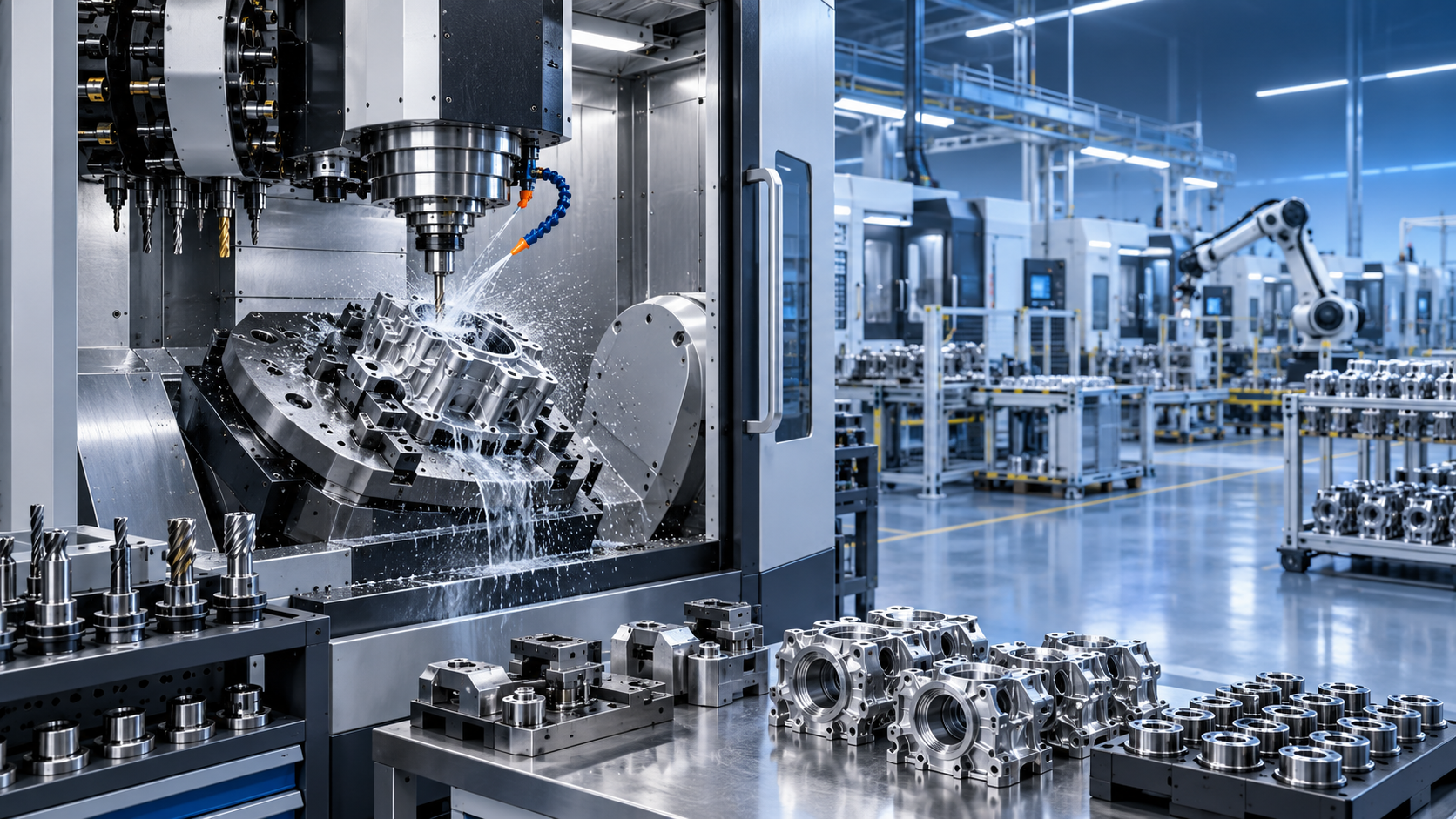
This is especially true in CNC machining, where lathes, machining centers, tooling systems, and basic automation can reshape throughput without rebuilding the whole line.
Across automotive components, energy parts, electronics housings, and subcontract precision work, the pattern is similar.
The best first move usually improves visibility, repeatability, or setup efficiency. Those gains create the base for later digital integration.
Actual Priorities Change with the Production Scene
Different production scenes create different bottlenecks, even when two shops use similar CNC equipment.
A workshop producing custom shafts in low volumes cares about changeover speed, tool life tracking, and dimensional consistency across short runs.
A supplier machining electronics fixtures may care more about micron-level repeatability, traceable inspection records, and spindle utilization.
The same Smart Manufacturing for Small Businesses strategy cannot be copied across both settings without adjustment.
In practice, demand variation also matters. Some small businesses run stable monthly parts. Others survive on unpredictable mixed orders.
When order patterns fluctuate, modular automation and simple production data capture often deliver more value than a heavily integrated system.
Where part quality risk is higher, the better starting point may be in-process measurement, fixture control, and standardized setup sheets.
A useful way to frame the first decision
Before investing, map where each order loses time.
- Programming delays between quotation and machining
- Manual setup variation between operators or shifts
- Tool wear causing unstable dimensions in short runs
- Material handling pauses between machining steps
- Poor production visibility causing late reactions
That diagnosis keeps Small-Batch Production and Smart Manufacturing for Small Businesses tied to real operating conditions rather than trend language.
When CNC Upgrades Are the Right First Step
Many small operations begin with one machine that handles too many part types.
In that situation, replacing an aging manual process with a compact CNC lathe or machining center can do more than increase speed.
It reduces setup inconsistency, improves repeatability, and creates usable production data for later planning.
This matters in industries where tolerance drift causes downstream problems, such as precision discs, structural brackets, connector parts, or small energy components.
However, not every CNC upgrade supports Smart Manufacturing for Small Businesses in the same way.
A machine with advanced axis capability may be unnecessary if most delays come from fixture swaps or unplanned tool replacement.
A more practical upgrade may be automatic tool measurement, faster control interfaces, or better compatibility with CAM and shop-floor data systems.
Look beyond spindle power
For small-batch work, evaluation should focus on operational fit.
This is where Small-Batch Production and Smart Manufacturing for Small Businesses becomes practical instead of aspirational.
When Workflow Visibility Delivers More Than New Hardware
A common mistake is assuming smart manufacturing starts with expensive equipment.
In many low-volume environments, the larger problem is that nobody sees production status clearly enough to respond early.
Jobs wait for programs, tools, approvals, material checks, or inspection release. Machines appear busy, but orders still slip.
For those conditions, Smart Manufacturing for Small Businesses often starts with workflow visibility.
Basic machine monitoring, digital job travelers, tooling history, and simple production dashboards can expose hidden idle time.
That visibility is particularly useful where one team handles quoting, programming, setup, machining, and inspection in a compressed cycle.
Once the flow is visible, automation decisions become easier. The operation can see whether the real constraint is spindle time, labor time, or information delay.
Signals that visibility should come first
- Jobs are reprioritized daily without reliable status updates
- Setup sheets and tooling data exist, but stay on paper
- Inspection findings arrive after the batch is already complete
- Delivery issues are blamed on machines, but downtime data is unclear
In these scenes, software discipline and process visibility can create faster returns than adding another machine tool.
Flexible Automation Works Best in Repeatable Pockets
Automation is often discussed as an all-or-nothing choice, yet small-batch production rarely behaves that way.
The more useful approach is to automate the part of the process that repeats, even when the entire order mix does not.
For example, part loading, pallet movement, barcode tracking, tool presetting, or post-process inspection may be stable enough for selective automation.
That is often the most realistic version of Smart Manufacturing for Small Businesses.
This approach fits workshops supplying varied sectors, including automotive service parts, small aerospace brackets, electrical connectors, and machinery spares.
Order geometry may vary, but handling routines or data capture steps often repeat enough to justify investment.
The benefit is not only labor reduction. Flexible automation also stabilizes cycle planning and improves quoting confidence for future batches.
Where Small Operations Often Misjudge the Situation
Several misreads appear again and again when Small-Batch Production and Smart Manufacturing for Small Businesses is discussed.
One is treating similar parts as identical production cases. A short-run aluminum housing and a hardened steel shaft may share volume levels but not setup risk.
Another is judging equipment only by purchase price. Tooling compatibility, maintenance intervals, operator training, and software integration often decide the real cost.
A third is assuming smart factory ideas require full integration from day one.
In reality, many successful upgrades begin with one reliable data loop: machine status, tool condition, inspection traceability, or setup standardization.
There is also a global context worth noting. Machine tool clusters in China, Germany, Japan, and South Korea continue pushing precision, automation, and digital compatibility forward.
That means even smaller operations now face higher expectations on quality records, lead times, and process control across international supply chains.
Questions worth answering before any investment
- Which job families create the most setup repetition?
- Where does scrap appear: programming, fixturing, tooling, or inspection?
- Can current controls export useful production data?
- Will one upgrade support both current parts and likely next-stage work?
- What maintenance or training burden will the change add?
A Practical Starting Path for the Next Twelve Months
A practical path does not begin with a full smart factory blueprint.
It starts with a narrow production scope, a measurable bottleneck, and one upgrade that improves both current output and future integration.
For many operations, that means selecting one part family, recording setup time, tracking tool-related stoppages, and measuring inspection delays for several weeks.
The next step is to compare three paths: CNC capability upgrade, workflow visibility tools, or selective automation.
The right choice depends on where variation hurts most.
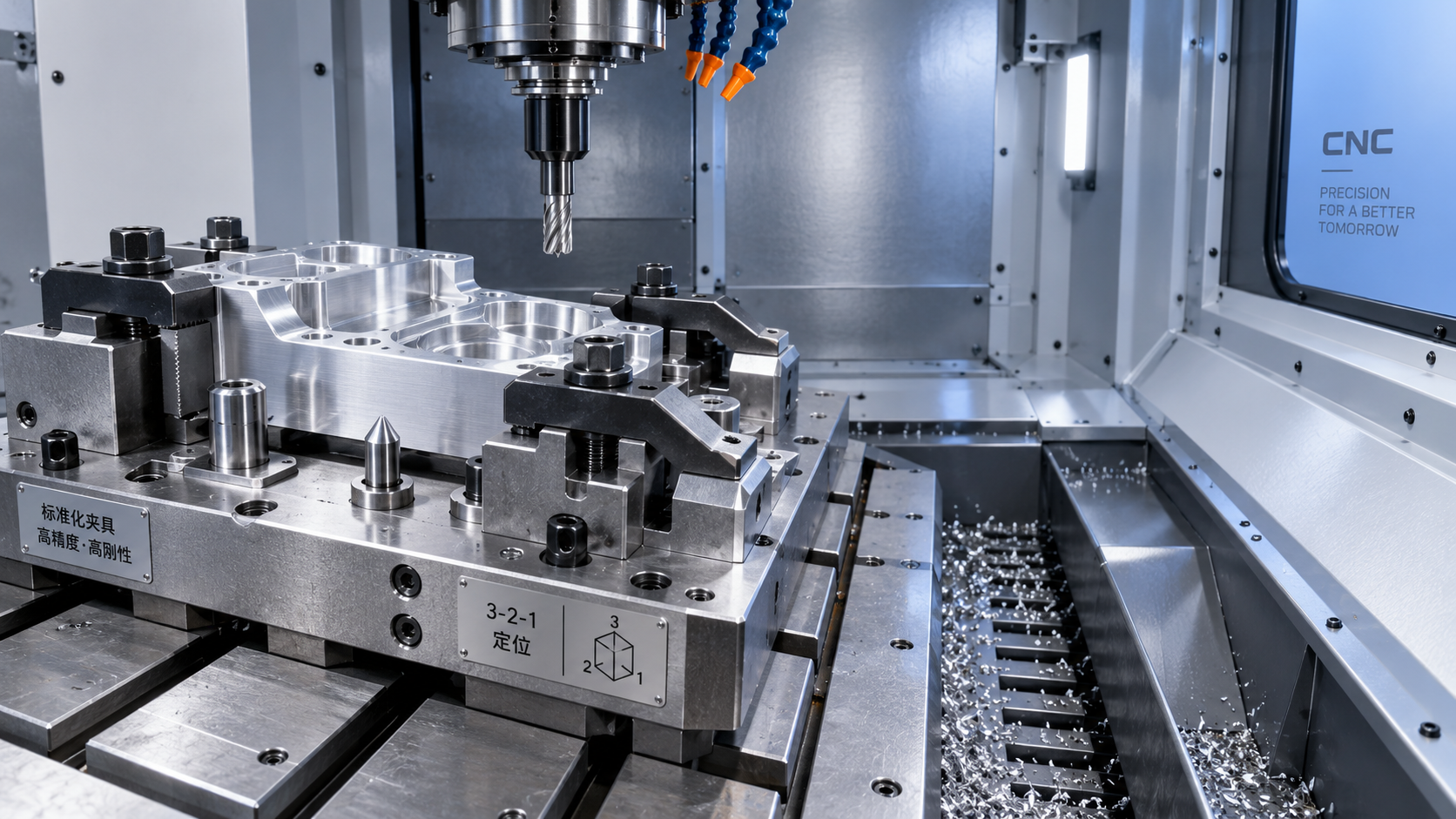
If setup instability dominates, standardize fixturing and machine routines first. If idle time dominates, improve scheduling visibility first. If manual handling limits output, automate that pocket first.
Small-Batch Production and Smart Manufacturing for Small Businesses works best when each step builds a cleaner baseline for the next one.
The most reliable progress usually comes from clarifying part mix, comparing operating conditions, defining key parameters, and testing one scalable change before expanding further.
Recommended for You
 Selecting Machine Tools for Automotive Parts: Accuracy, Throughput, and AutomationMachine Tool Industry Editorial Team
 Industrial Machining: Selecting Processes for Tight-Tolerance Metal PartsCNC Machining Technology Center
 Manufacturing Technology Trends That Improve Throughput and Quality ControlManufacturing Market Research Center
 How to Design Cost-Effective Fixtures That Maintain Cycle Time in Mass ProductionCNC Machining Technology Center
 Is Learning CNC Programming Worth It for Shop Owners Seeking Higher Margins?CNC Machining Technology Center
 CNC Machine Arrival Inspection: Check Shipping Damage, Accuracy, Safety, and DocumentsCNC Machining Technology Center

Aris Katos
Future of Carbide Coatings
15+ years in precision manufacturing systems. Specialized in high-speed milling and aerospace grade alloy processing.
▶
Manufacturing Technology Trends That Improve Throughput and Quality ControlManufacturing Market Research Center▶
Global Manufacturing Trends: How Supply Chains and Regional Shifts Affect SourcingManufacturing Market Research Center▶
Small-Batch Production and Smart Manufacturing for Small Businesses: Where to Start FirstManufacturing Market Research Center▶
What Smart Manufacturing Technology for Industry 4.0 Means for Mid-Sized FactoriesManufacturing Market Research Center▶
How Smart Manufacturing Benefits Reduce Downtime and Scrap in Metal Parts ProductionManufacturing Market Research Center
Mastering 5-Axis Workholding Strategies
Join our technical panel on Nov 15th to learn about reducing vibrations in thin-wall components.

Providing you with integrated sanding solutions
Before-sales and after-sales services
Comprehensive technical support