• Global CNC market projected to reach $128B by 2028 • New EU trade regulations for precision tooling components • Aerospace deman
NYSE: CNC +1.2%LME: STEEL -0.4%

How to Compare a CNC Manufacturing Factory Before Ordering
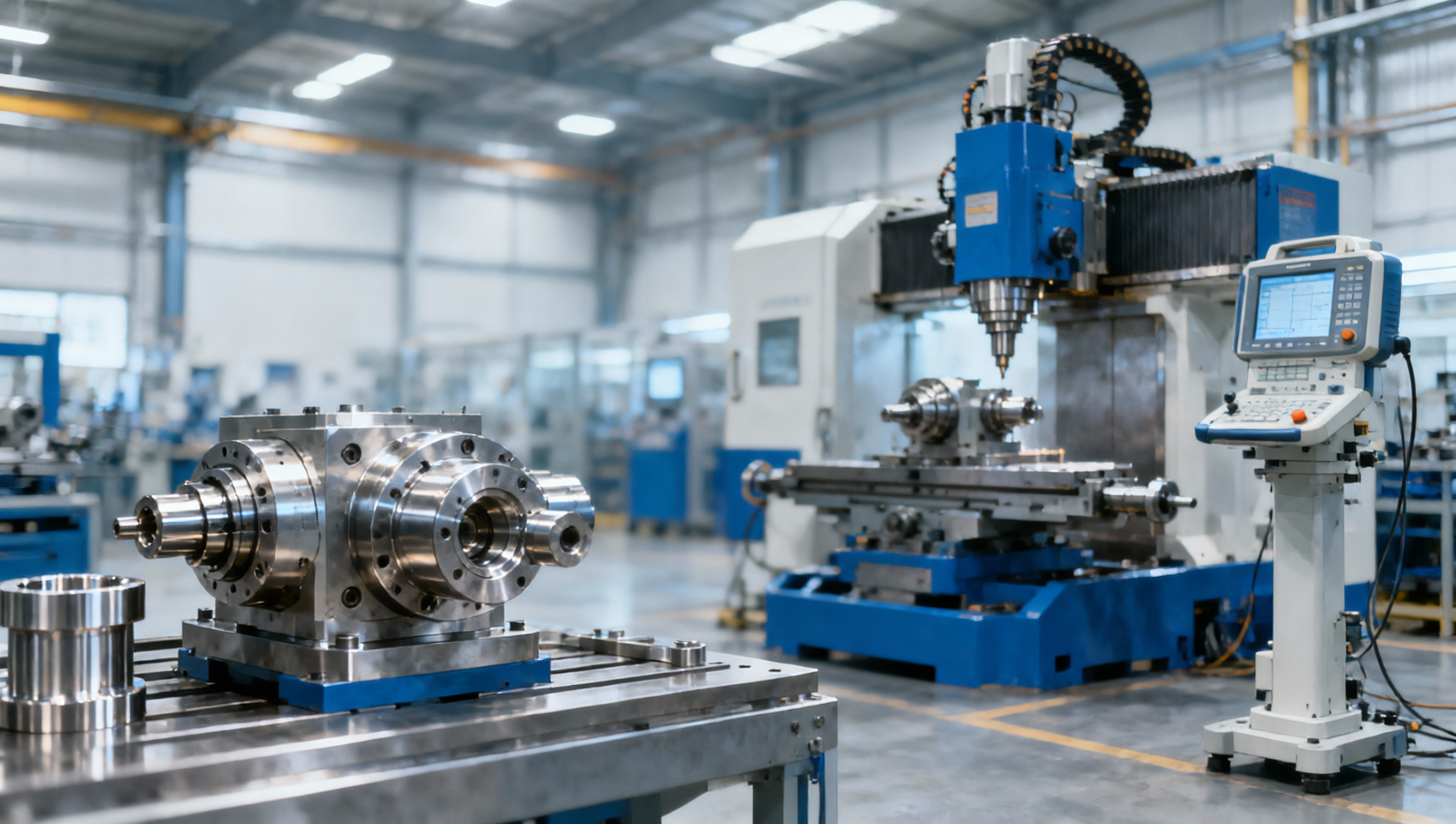
Choosing the right CNC manufacturing factory is not just about finding the lowest quote. In practice, the best supplier is the one that can consistently meet your tolerance requirements, handle your part complexity, maintain stable quality, and deliver on time without creating hidden costs. If you are comparing suppliers before ordering, focus first on capability fit, process control, communication quality, and delivery reliability. Price matters, but it should be evaluated after you confirm that the factory can actually produce your parts to the required standard.
For procurement teams, engineers, operators, and business decision-makers, the challenge is usually the same: many CNC suppliers look similar on paper, but their real-world performance can vary significantly. A factory may claim high precision CNC manufacturing, multi-axis machining, and strict inspection, yet still struggle with repeatability, documentation, or schedule control. This guide explains how to compare a CNC manufacturing factory in a practical way before placing an order.
Start with the most important question: can this factory truly make your parts?
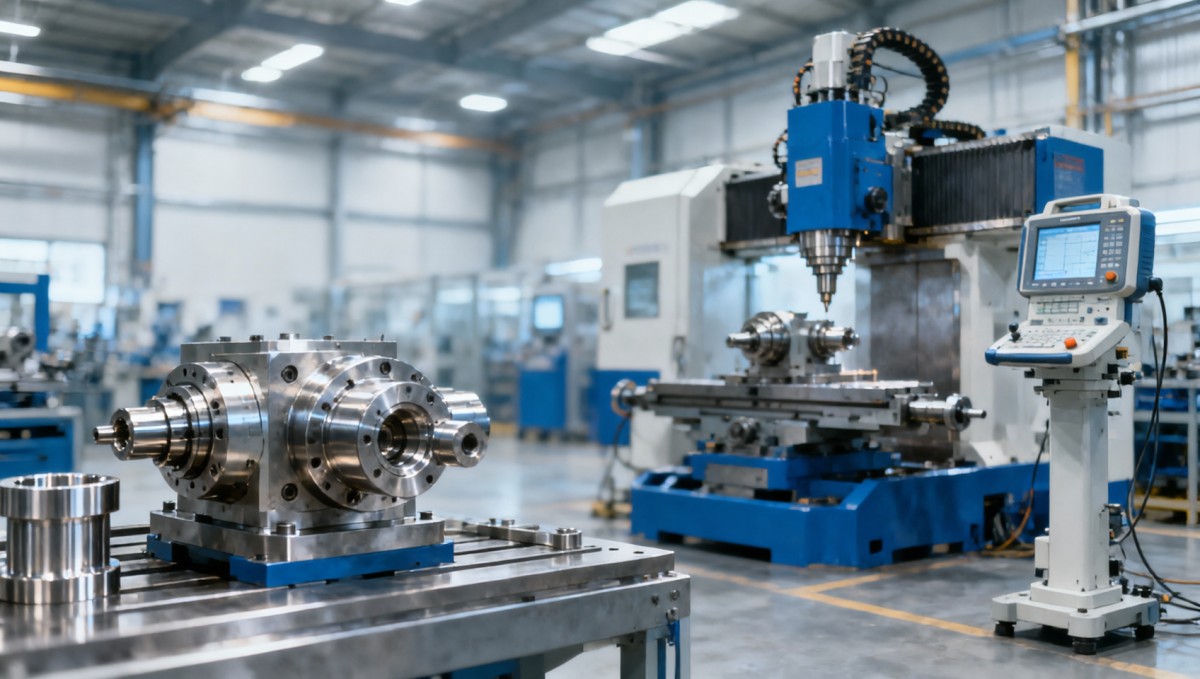
Before comparing prices, certifications, or lead times, first confirm whether the factory is a real match for your product requirements. This is the most important screening step because a supplier that is excellent for simple metal brackets may be a poor choice for aerospace housings, electronics components, or energy equipment parts.
Ask the factory to review the following:
- Part material: aluminum, stainless steel, titanium, copper, engineering plastics, hardened steel, or special alloys
- Part geometry: shafts, discs, enclosures, structural parts, thin-wall parts, deep cavities, or complex contoured surfaces
- Tolerance requirements: standard machining tolerance versus tight-tolerance precision parts
- Surface finish needs: anodizing, passivation, plating, polishing, bead blasting, heat treatment, coating, or grinding
- Batch size: prototype, low-volume production, or large-scale repeat orders
- Industry requirement: aerospace, electronics, energy equipment, automotive, or general industrial use
A capable CNC manufacturing factory should be able to explain how it will machine your part, what risks it sees in the drawing, and which operations may affect accuracy or cost. If a supplier gives only a fast quotation without discussing manufacturability, that is a warning sign. Strong suppliers usually ask questions about datums, tolerances, critical dimensions, and end-use conditions before confirming an order.
Compare machine capacity, not just the equipment list
Many factories advertise advanced CNC machine tools, but the real issue is whether those machines match your parts and production needs. A long equipment list can look impressive, yet what matters is usable production capacity.
When evaluating CNC manufacturing capability, look at:
- Machine types: CNC lathes, vertical machining centers, horizontal machining centers, turn-mill machines, and grinding equipment
- Axis configuration: 3-axis, 4-axis, 5-axis, and multi-axis CNC manufacturing systems
- Work envelope and table size: whether your part dimensions fit the machine properly
- Spindle speed and rigidity: especially important for precision parts and hard materials
- Automation level: pallet changers, robotic loading, bar feeders, and flexible production cells
- Redundancy: whether the factory has backup machines to reduce downtime risk
For complex parts, multi-axis CNC manufacturing can reduce setups, improve positional accuracy, and shorten cycle time. However, not every factory that owns 5-axis machines uses them efficiently. Ask for examples of similar parts they have produced and how they controlled accuracy across multiple surfaces or complex angles.
Also check whether the factory is overloaded. A supplier may have good machines but limited available capacity, causing delays. Reliable factories can explain current scheduling, average queue time, and how they handle urgent orders.
Evaluate quality control through evidence, not promises
Quality control is one of the biggest differences between CNC suppliers. A weak factory often talks about “strict inspection” in general terms. A strong factory can show exactly how it controls quality from incoming material to final shipment.
Ask about the full quality process:
- Incoming material verification
- First article inspection
- In-process inspection during machining
- Final dimensional inspection
- Surface finish and appearance checks
- Traceability and inspection records
- Control of nonconforming parts
It is also useful to ask what measuring equipment the supplier uses. Depending on your project, this may include calipers, micrometers, height gauges, bore gauges, thread gauges, optical measurement systems, and coordinate measuring machines. For high precision CNC manufacturing, process repeatability is just as important as one-time inspection.
If your application is in aerospace, electronics, or energy equipment, documentation can be as important as the machined part itself. Confirm whether the factory can provide:
- Material certificates
- Inspection reports
- First article reports
- Process records
- Heat treatment or surface treatment certificates
- Lot traceability where required
A useful test is to request sample inspection documents before ordering. This quickly shows whether the factory has a mature quality system or only basic workshop-level inspection.
Look closely at delivery performance and production management
Late delivery can create larger losses than a higher unit price. For buyers and operations teams, supplier reliability directly affects inventory, production continuity, customer deadlines, and internal planning.
When comparing factories, ask practical questions such as:
- What is the typical lead time for prototypes and production orders?
- How often are orders delivered on time?
- How are production schedules managed?
- What happens if a machine breaks down?
- How are subcontracted processes such as anodizing or heat treatment controlled?
- Can they support forecast-based or blanket orders?
Subcontracting is especially important. Many CNC manufacturing factories machine parts internally but outsource surface finishing, heat treatment, special coatings, or certain inspections. This is normal, but it adds delivery risk if the supplier has poor control over external partners. A well-managed factory should be transparent about which processes are in-house and which are outsourced.
You should also compare communication speed and order visibility. If a supplier takes too long to answer technical questions before ordering, communication may become worse after the purchase order is placed. Good factories provide clear updates, confirm drawing revisions, and communicate delays early rather than after the schedule has already slipped.
Compare supplier experience by industry and application
Industry experience matters because different sectors have different machining expectations, inspection standards, and documentation requirements. A factory with strong experience in general industrial components may still struggle with aerospace precision parts or high-volume electronics components.
Ask whether the supplier has experience in applications similar to yours:
- Aerospace: tight tolerances, complex geometry, traceability, difficult materials
- Electronics: small precision parts, cosmetic requirements, fast production cycles
- Energy equipment: large structural parts, durability requirements, difficult machining conditions
- Automotive: repeatability, production efficiency, process consistency
The goal is not simply to hear “yes.” Ask for specific examples: what types of components, which materials, what tolerance range, what annual volume, and what quality challenges were involved. Even if names cannot be disclosed, a credible factory should be able to describe its project background in technical terms.
For buyers, this reduces supplier selection risk. For decision-makers, it improves confidence that the factory can support future scale, not just the first order.
Understand the real cost, not just the quoted price
A low quote can become expensive if it leads to scrap, delays, excessive engineering corrections, or unstable quality. When comparing CNC manufacturing factories, calculate total procurement value rather than unit price alone.
Factors that influence real cost include:
- Expected yield and defect risk
- Rework and replacement frequency
- Lead time reliability
- Engineering support during drawing review
- Packaging quality and shipping damage risk
- Documentation completeness
- Long-term consistency across repeat orders
Ask suppliers to explain the basis of their quotation. For example, do they assume a certain tolerance interpretation, material grade, surface treatment route, or inspection scope? Quotation gaps often appear later when assumptions were not aligned at the start.
It is also smart to compare whether a supplier offers design for manufacturability feedback. A factory that helps simplify features, reduce setups, or optimize tolerances may lower your total cost significantly without harming function.
Use a practical supplier comparison checklist before placing an order
To make supplier evaluation more objective, create a simple comparison sheet and score each CNC factory across the criteria that matter most to your project. This is especially useful for procurement teams and managers who need to justify supplier selection internally.
A practical checklist may include:
- Capability fit for your part type and material
- Precision CNC manufacturing ability
- Multi-axis CNC manufacturing capacity if required
- Quality control process and inspection capability
- Industry experience in aerospace, electronics, energy equipment, or your target field
- Lead time and delivery reliability
- Communication responsiveness
- Engineering review quality
- Documentation and traceability support
- Total cost and long-term value
If possible, start with a pilot order or sample batch. A small trial often reveals more than a sales presentation. You can verify machining quality, packaging, communication speed, responsiveness to issues, and actual delivery performance before committing to a larger order.
Warning signs that a CNC factory may not be the right choice
Some problems are easy to detect before ordering if you know what to watch for. Be cautious if a supplier:
- Provides a quote without reviewing drawings carefully
- Cannot explain how critical dimensions will be controlled
- Gives vague answers about inspection equipment or reports
- Avoids discussing capacity or realistic lead times
- Promises everything but provides no sample evidence
- Has inconsistent communication or slow technical responses
- Does not clarify outsourced processes
- Cannot share examples of similar CNC manufacturing work
These issues do not always mean the supplier is poor, but they increase risk. In CNC procurement, uncertainty usually becomes cost later.
Final decision: choose the factory that lowers operational risk
The best CNC manufacturing factory is usually not the one with the cheapest price or the most aggressive promises. It is the supplier that can match your technical requirements, maintain stable quality, support your schedule, and communicate clearly when problems arise.
Before ordering, compare factories based on real production fit: machine capability, precision control, quality systems, delivery performance, and relevant industry experience. For critical applications, request documentation samples, inspect communication quality, and consider a trial order. This approach helps buyers, users, and business leaders make a more confident and lower-risk sourcing decision.
In short, if you want to compare a CNC manufacturing factory effectively, ask one core question throughout the process: can this supplier deliver the required part quality, on time, at a sustainable total cost? When the answer is supported by evidence rather than sales language, you are much closer to the right decision.
Recommended for You
 Choosing Industrial Robots for Warehouse Picking and PalletizingMachine Tool Industry Editorial Team
 How to Cut CNC Machining Energy Use per Part Without Longer Cycle TimesCNC Machining Technology Center
 How thermal drift affects accuracy in high-precision manufacturingCNC Machining Technology Center
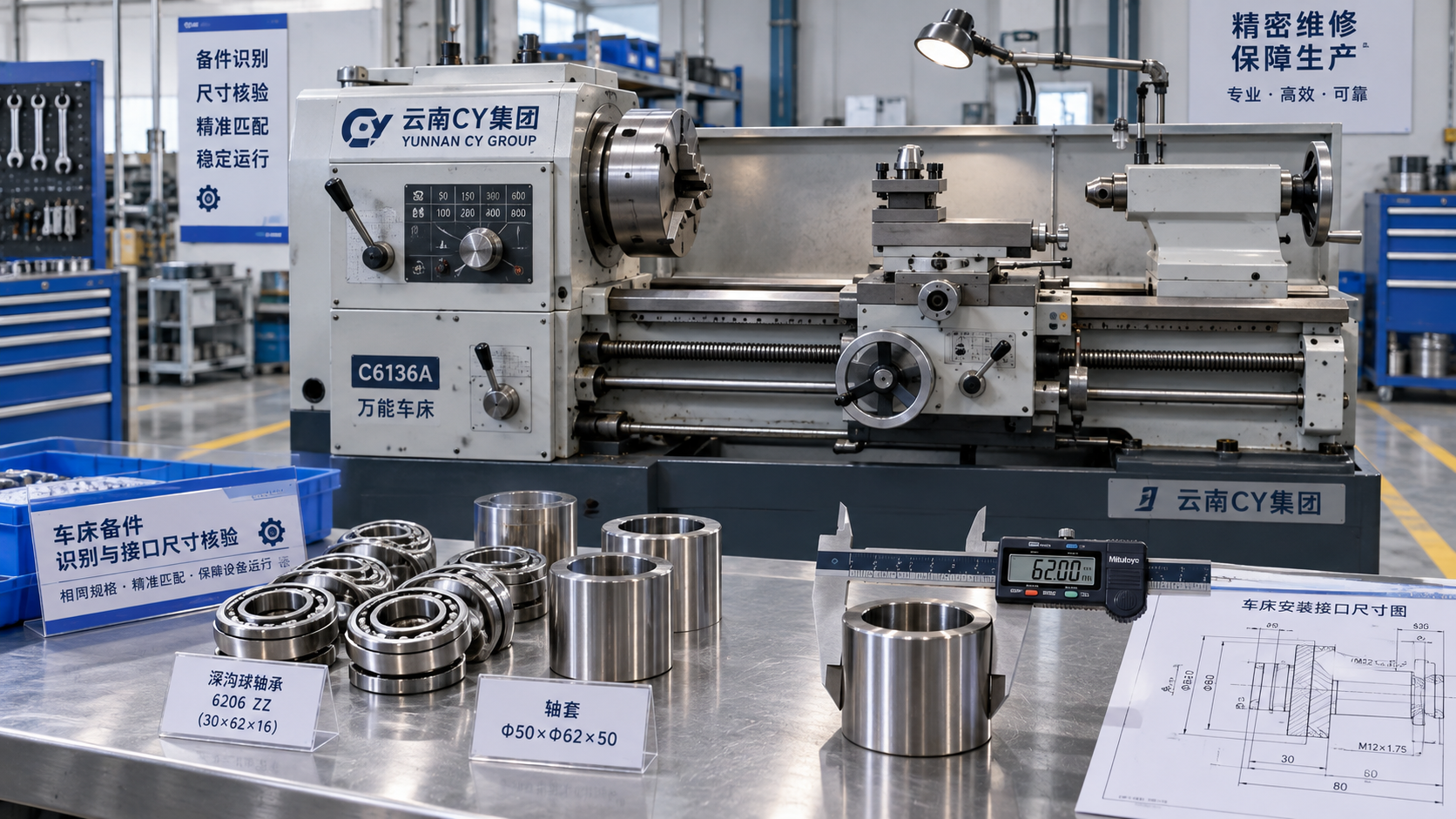
 How to verify spare part compatibility for Yunnan CY Group lathesMachine Tool Industry Editorial Team
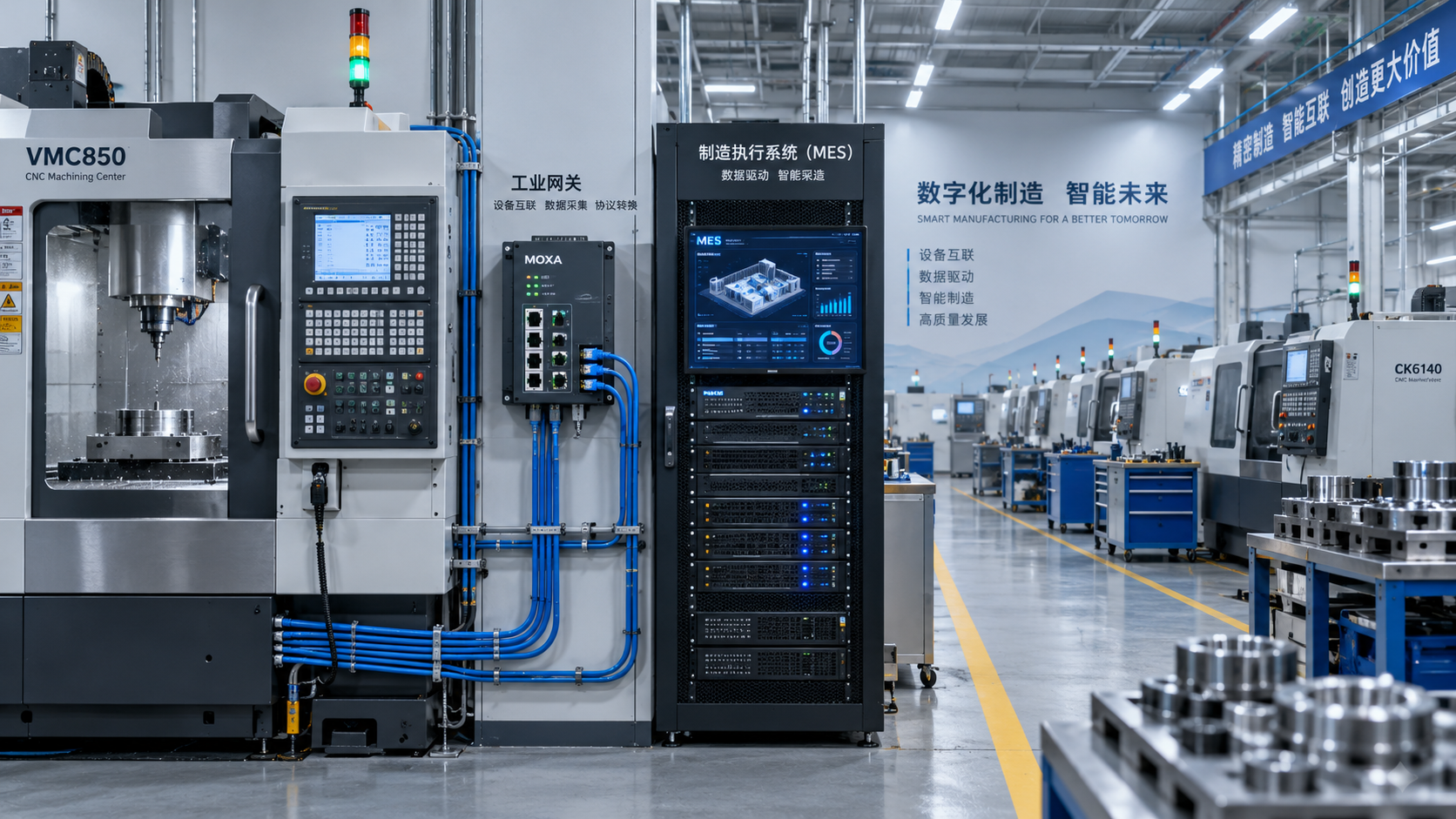
 Digital Manufacturing for Smart Factories: Connecting Legacy Machines to MESMachine Tool Industry Editorial Team
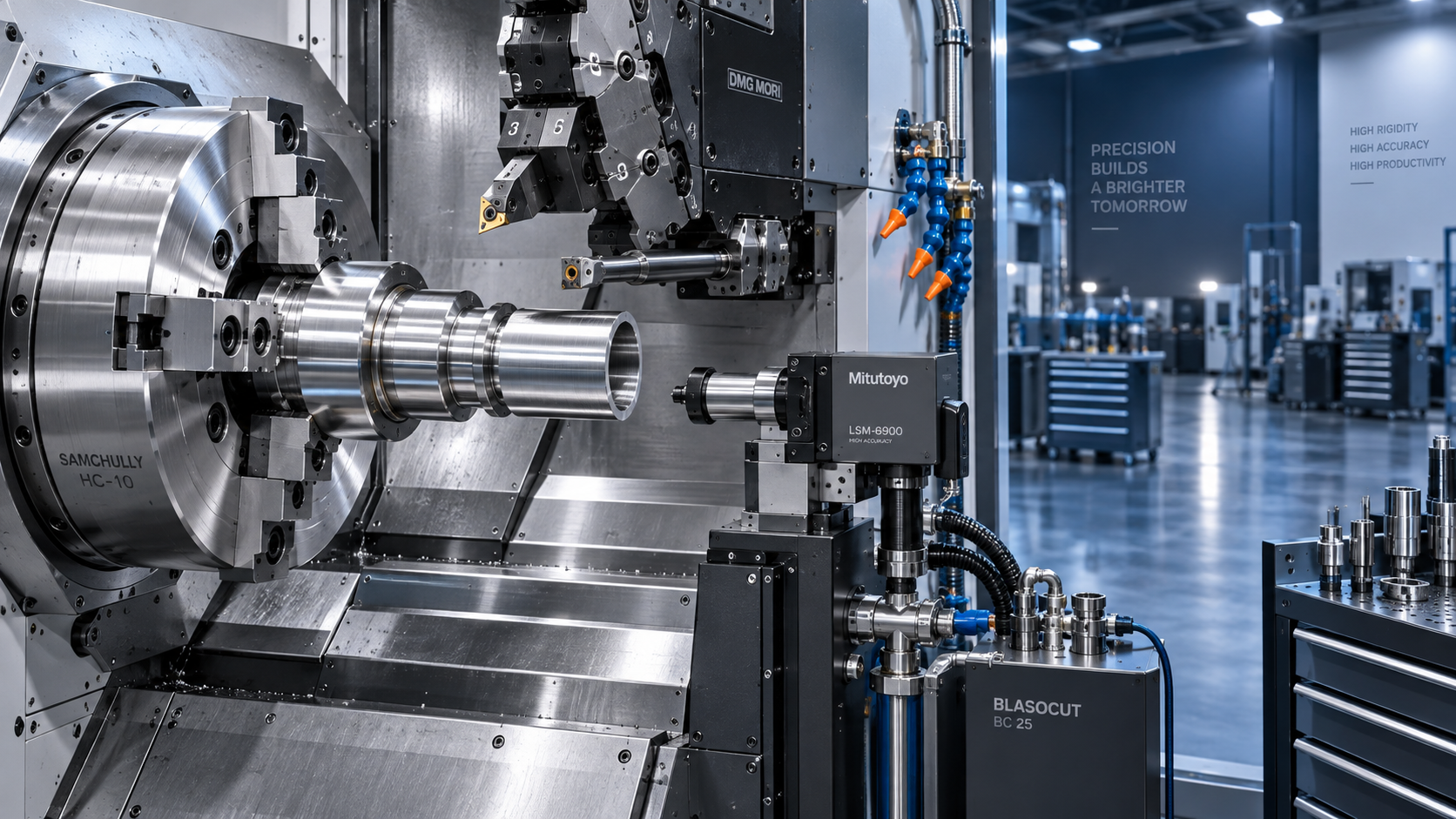
 How to Select a CNC Metal Lathe for Tight-Tolerance Shaft and Sleeve PartsCNC Machining Technology Center


Aris Katos
Future of Carbide Coatings
15+ years in precision manufacturing systems. Specialized in high-speed milling and aerospace grade alloy processing.
▶
How to Choose a CNC Manufacturing Wholesaler for Quality, Lead Time, and CostManufacturing Market Research Center▶
China Temporarily Bans Helium ExportsManufacturing Market Research Center▶
Yangshan Port Launches Smart Clearance for CNC ExportsManufacturing Market Research Center▶
Shanghai Port Adds Real-Time CNC Shipment TrackingManufacturing Market Research Center▶
Waigaoqiao Port Tightens CNC Export Slot BookingManufacturing Market Research Center
Mastering 5-Axis Workholding Strategies
Join our technical panel on Nov 15th to learn about reducing vibrations in thin-wall components.

Providing you with integrated sanding solutions
Before-sales and after-sales services
Comprehensive technical support