• Global CNC market projected to reach $128B by 2028 • New EU trade regulations for precision tooling components • Aerospace deman
NYSE: CNC +1.2%LME: STEEL -0.4%

Metal Lathe vs CNC Lathe: Which Is Better for Tolerance, Output, and Cost?
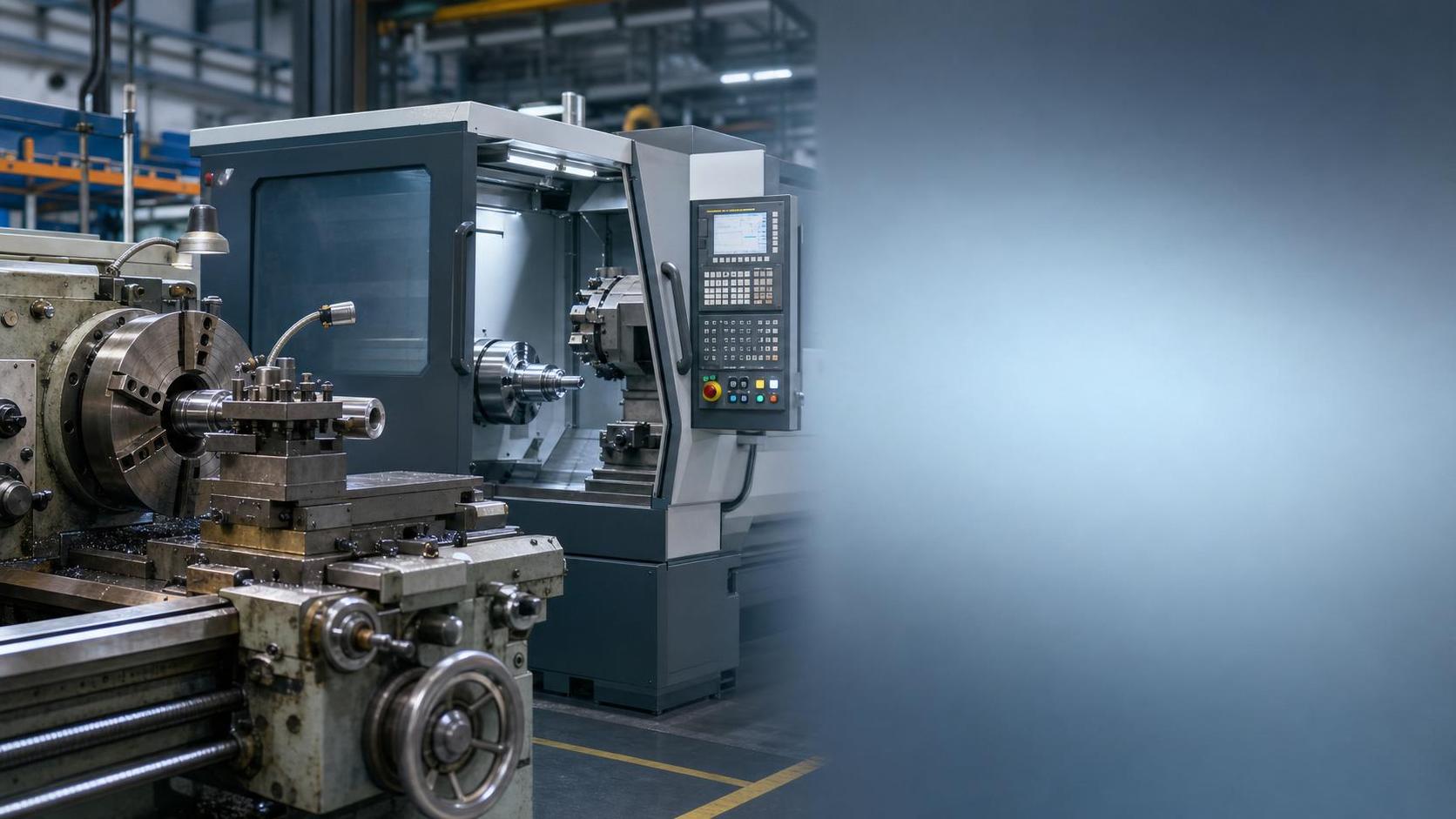
A metal lathe and a CNC lathe can both remove material, shape rotating parts, and support core industrial production. The real difference appears when tolerance, repeatability, output pace, and operating economics start affecting delivery, quality risk, and expansion plans.
That is why this comparison matters across automotive, aerospace, energy equipment, electronics, and general precision manufacturing. In a market moving toward automation and digital integration, equipment choice is no longer only a workshop decision. It is a business decision.
What the Comparison Really Means
A conventional metal lathe usually relies on manual controls, operator skill, and direct adjustment during machining. It remains useful for repair work, simple turning, prototypes, and low-volume jobs where flexibility matters more than automation.
A CNC lathe uses programmed instructions to control spindle speed, feed rate, tool position, and cutting sequence. That allows stable repetition, faster cycle consistency, and easier integration with modern production lines.
In practice, the question is not whether one machine can cut metal and the other cannot. The question is which platform fits the required part mix, process stability, labor structure, and cost model.
Tolerance Is Often the First Deciding Factor
Tolerance performance is where the gap becomes visible. A metal lathe can achieve respectable accuracy in skilled hands, especially on simpler parts and shorter runs. However, results depend heavily on setup discipline and operator experience.
A CNC lathe is generally better when tolerances are tight and repeatability matters across many parts. Programmed movements reduce variation between shifts, operators, and batches. That matters for shafts, bushings, discs, threaded components, and precision seating surfaces.
Industries with strict dimensional control rarely judge tolerance by one successful sample. They judge it by the ability to hold the same dimension over time, across materials, and through larger orders.
That broader definition favors CNC equipment. It also supports better process traceability, which is increasingly important in internationally traded machine tool and precision manufacturing supply chains.
Where manual accuracy still makes sense
A metal lathe still has value when tolerances are moderate, part geometry is straightforward, and frequent one-off adjustments are needed. Toolroom work, maintenance departments, and sample development often fit this profile.
The limitation appears when accuracy must remain stable through repeat production. Manual compensation can solve isolated issues, but it is harder to scale into predictable throughput.
Output Depends on More Than Spindle Speed
Output comparisons are often oversimplified. A metal lathe may look less expensive per hour, yet actual output includes setup time, rework, inspection burden, operator attention, and production interruptions.
CNC lathes usually outperform manual equipment in repeated jobs because they shorten the gap between acceptable first parts and stable batch production. Tool changes, cycle repetition, and multi-step operations become easier to standardize.
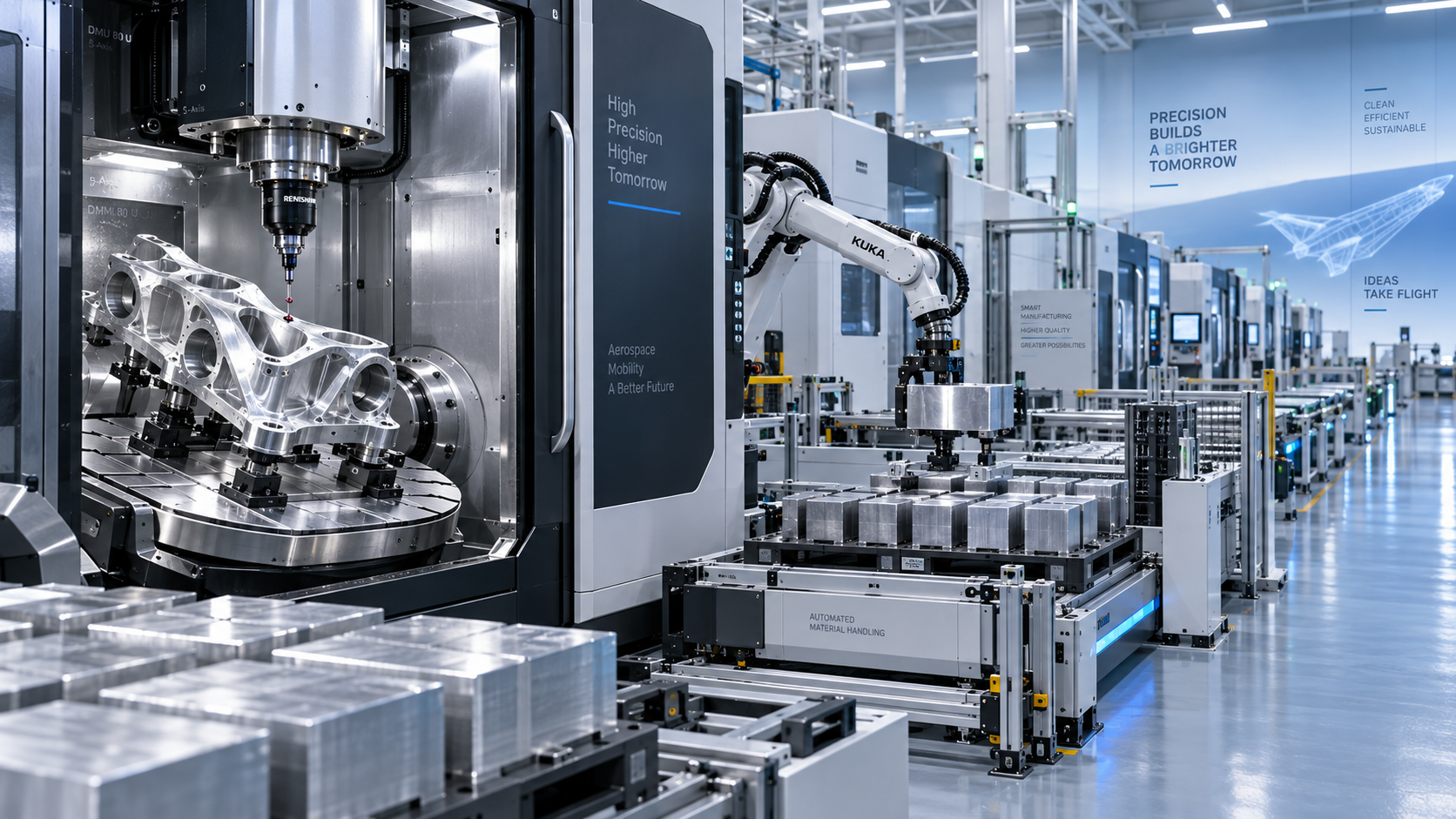
This matters even more in facilities using machining centers, robotic handling, automated assembly, or flexible cells. A CNC lathe fits more naturally into connected workflows where timing and consistency affect the whole line.
A metal lathe can still be productive in short custom work. But once order volume rises, operator-dependent pace becomes a planning constraint. Lead times become harder to forecast, especially when labor availability changes.
Typical output differences by scenario
Cost Looks Different at Purchase and Over Time
A metal lathe usually wins on initial acquisition cost. It is simpler, easier to deploy, and often cheaper to maintain at a basic level. For low utilization or noncritical work, that can be a rational decision.
The longer view is more complicated. A CNC lathe typically requires higher capital investment, programming capability, stronger maintenance discipline, and better supporting systems. Yet it may lower unit cost once volume, scrap risk, and labor intensity are included.
Cost analysis should not stop at machine price. It should include machine uptime, operator dependency, training, tool life management, fixture repeatability, inspection frequency, energy use, and the financial impact of missed tolerances.
In sectors where rejected parts are expensive or delivery penalties are real, the lower purchase price of a metal lathe can become less attractive than it first appears.
Cost areas worth comparing
- Initial machine price and installation needs
- Programming and training requirements
- Labor hours per finished part
- Scrap, rework, and inspection burden
- Production scheduling stability
- Expansion into automated or smart factory systems
Why the Industry Is Paying Closer Attention
Global machine tool manufacturing is moving toward higher precision, automation, and digital control. Strong clusters in China, Germany, Japan, and South Korea continue to shape equipment standards, component supply, and process expectations.
That shift changes how a metal lathe is evaluated. It is no longer compared only by cutting ability. It is compared by how well it supports connected manufacturing, quality documentation, and international production requirements.
For facilities serving energy equipment, automotive systems, aerospace assemblies, or electronics hardware, tolerance control and throughput consistency have become strategic concerns. The machine tool sits inside a larger production and supply chain logic.
This is also why CNC lathes, machining centers, cutting tools, fixtures, and automated handling systems are increasingly assessed together rather than as isolated purchases.
When a Metal Lathe Is the Better Choice
A metal lathe is not obsolete. It remains practical where part variation is high, order frequency is low, and direct operator control saves time. It can also support internal maintenance, tooling repair, and urgent workshop response.
It often makes sense in these situations:
- Short-run work with changing dimensions
- Simple shafts, sleeves, spacers, or threaded repairs
- Toolroom or maintenance environments
- Budget limits combined with modest tolerance demands
- Facilities that need manual backup capacity
In these cases, the metal lathe offers versatility without the overhead of full programming and automation infrastructure.
When CNC Delivers the Stronger Business Case
A CNC lathe becomes the stronger option when dimensional consistency drives customer acceptance, when batches repeat, or when output must grow without matching labor growth.
This is especially true for precision discs, stepped shafts, complex contours, and components that feed downstream assembly or inspection systems. Programmed machining reduces variation that would otherwise accumulate through manual handling.
The business case improves further when there is a plan to add robotics, data collection, tool monitoring, or multi-machine scheduling. In that environment, CNC is not only a machine. It is part of a digital production architecture.
How to Judge the Right Fit in Practice
A useful comparison starts with actual part families rather than generic machine claims. Review the drawings, annual volume, tolerance bands, material mix, change frequency, and inspection requirements.
Then test each option against business realities:
- How many parts require repeatable tight tolerances?
- How much output loss comes from setup and rework?
- How dependent is current production on specific operator skill?
- Will future orders require traceability or automated integration?
- Does the lower upfront cost of a metal lathe still hold after unit economics are modeled?
That framework usually produces a clearer answer than debating machines in the abstract.
A Practical Next Step
Between a metal lathe and a CNC lathe, there is no universal winner. The better choice depends on how tightly tolerance must be held, how repeatable output needs to be, and how cost is measured across the full production cycle.
For current investment decisions, the most useful next step is to compare part families, target volumes, scrap exposure, labor structure, and expansion plans on the same worksheet. That reveals whether a metal lathe supports the workload well enough, or whether CNC capacity is the more durable answer.
In a manufacturing landscape shaped by precision, automation, and global competition, that level of evaluation is no longer optional. It is the basis for choosing equipment that fits both today’s orders and tomorrow’s production model.
Recommended for You
 Manufacturing Technology Trends That Improve Throughput and Quality ControlManufacturing Market Research Center
 How to Design Cost-Effective Fixtures That Maintain Cycle Time in Mass ProductionCNC Machining Technology Center
 Is Learning CNC Programming Worth It for Shop Owners Seeking Higher Margins?CNC Machining Technology Center
 CNC Machine Arrival Inspection: Check Shipping Damage, Accuracy, Safety, and DocumentsCNC Machining Technology Center
 How to Select a Machine Tool for Aerospace Parts with Tight Tolerances?Machine Tool Industry Editorial Team
 How to Select CNC Equipment for High-Mix, Low-Volume ProductionCNC Machining Technology Center

Aris Katos
Future of Carbide Coatings
15+ years in precision manufacturing systems. Specialized in high-speed milling and aerospace grade alloy processing.
▶
CNC Lathe Quick Installation Guide: Alignment Checks Before First Production RunCNC Machining Technology Center▶
How to Select a CNC Lathe for Small Parts Without Sacrificing Accuracy or Cycle TimeCNC Machining Technology Center▶
How to Select a Slant Bed Lathe for High-Precision Shaft and Chuck WorkCNC Machining Technology Center▶
How to Specify a CNC Lathe for High-Volume Automotive Shaft ProductionCNC Machining Technology Center▶
CNC Turning Explained: How It Works, Key Tolerances, and Best-Fit Part TypesCNC Machining Technology Center
Mastering 5-Axis Workholding Strategies
Join our technical panel on Nov 15th to learn about reducing vibrations in thin-wall components.

Providing you with integrated sanding solutions
Before-sales and after-sales services
Comprehensive technical support