• Global CNC market projected to reach $128B by 2028 • New EU trade regulations for precision tooling components • Aerospace deman
NYSE: CNC +1.2%LME: STEEL -0.4%

How to Choose an Industrial Lathe: Swing, Bed Length, Spindle Bore, and Tolerance Explained
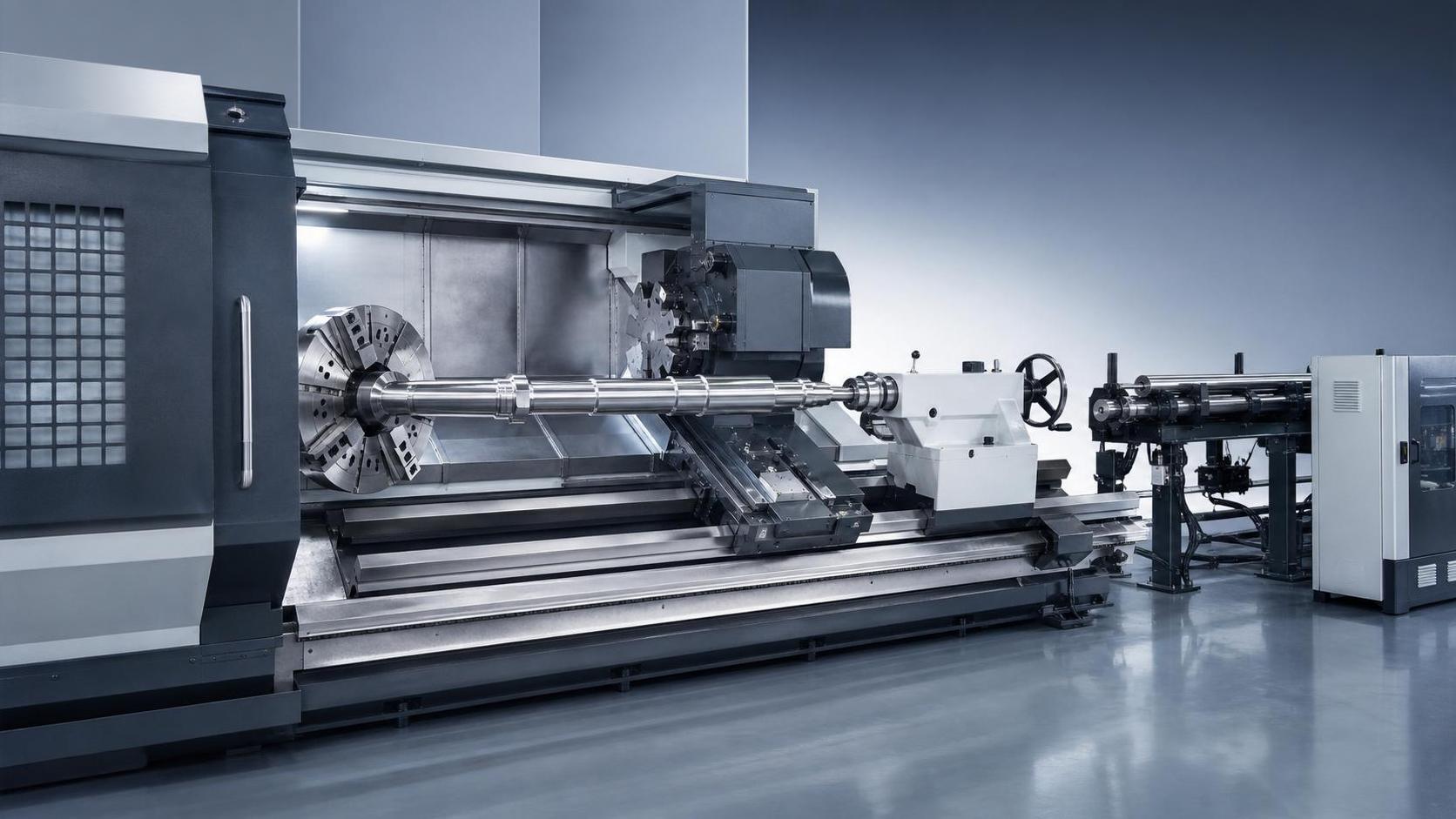
Why Industrial Lathe Selection Starts with Real Part Requirements
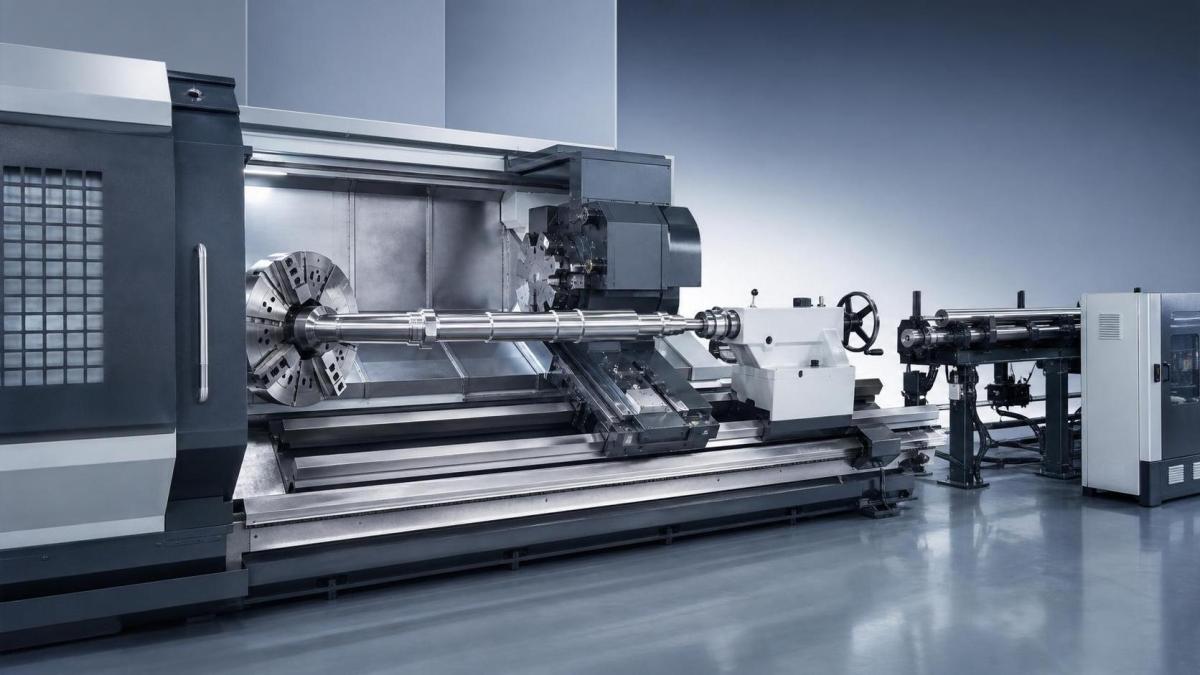
Choosing an industrial lathe looks simple at first. In practice, it is a technical decision with long operational consequences.
A machine that seems large enough on paper may still limit productivity, tooling options, or part accuracy.
That is why swing, bed length, spindle bore, and tolerance matter so much in industrial lathe evaluation.
These four specifications define what parts you can run, how stable the process stays, and how much rework you may face later.
In modern manufacturing, that decision also connects with automation, material flow, and digital production planning.
An industrial lathe used for energy shafts needs a very different setup from one serving electronics fixtures or aerospace sleeves.
So the best approach is not to start with brand preference. Start with parts, tolerances, batches, and downstream process risk.
This guide breaks down the key industrial lathe specifications in practical terms, so selection becomes clearer and more defensible.
What Swing Means on an Industrial Lathe
Swing is one of the first numbers people compare. It is also one of the most misunderstood.
In simple terms, swing is the maximum diameter that can rotate over the bed without collision.
For industrial lathe selection, swing affects the upper size range of shafts, discs, flanges, and irregular round parts.
But the rated swing is not the same as your comfortable working diameter.
Tool holders, turret geometry, chuck size, and setup clearance can reduce actual usable capacity.
A practical rule is to avoid sizing the machine exactly at the maximum part diameter.
Leave room for jaw projection, tool approach, and future part revisions. That extra margin often prevents expensive layout changes later.
In actual production, larger swing also supports better flexibility when orders shift between part families.
How to Check Swing in a Real Evaluation
- List the maximum finished diameter and raw stock diameter separately.
- Include chuck jaws, fixtures, steady rests, and tool overhang in clearance planning.
- Check whether the swing over carriage is lower than swing over bed.
- Review oversized jobs that may appear during the next three to five years.
This makes industrial lathe sizing more realistic and reduces the chance of selecting a machine that only works in ideal conditions.
Why Bed Length Is About More Than Part Length
Bed length is often matched directly to workpiece length. That is only the starting point.
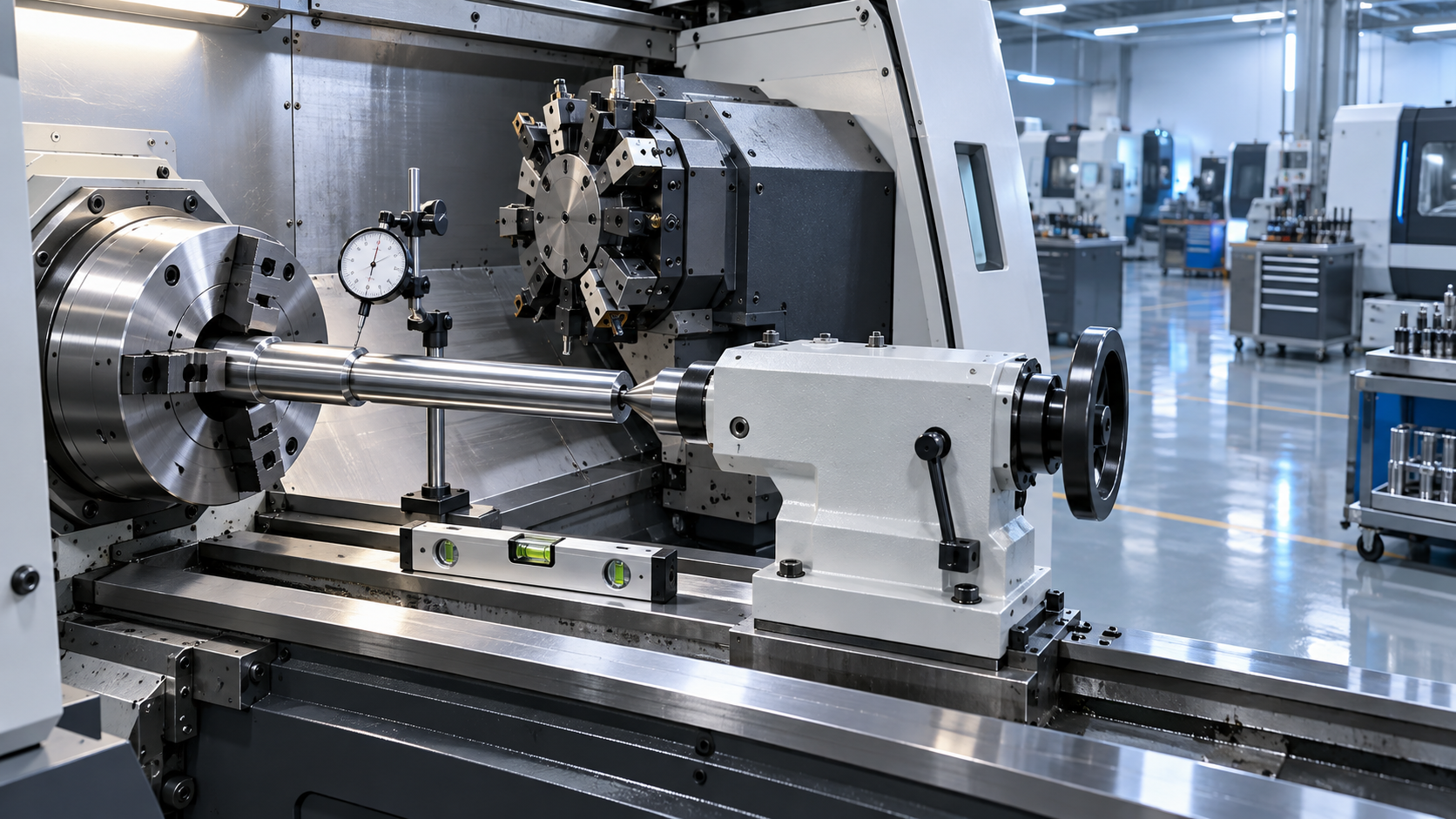
On an industrial lathe, usable length depends on chucking method, tailstock support, tooling space, and loading access.
Long shafts may need center support, steady rests, or follow rests. Each adds space and affects cutting stability.
If you choose the shortest acceptable bed, the machine may run the part, but setup time can increase sharply.
That tradeoff becomes more obvious in mixed production, where changeovers happen often and operators need room to work safely.
Bed length also affects rigidity behavior across long cuts. Slender workpieces are especially sensitive to vibration and deflection.
So when selecting an industrial lathe, compare not only the longest part, but also the toughest long-part process.
Key Questions for Bed Length Selection
- What is the maximum raw stock length, not just finished length?
- Will the process require tailstock drilling, center support, or sub-operations?
- How much loading and unloading room is needed for heavy parts?
- Can future jobs include longer shafts from adjacent product lines?
A slightly longer industrial lathe may cost more upfront, but it can reduce bottlenecks and protect future capacity.
Spindle Bore: A Small Number with a Big Production Impact
Spindle bore is easy to overlook during a quick comparison. It should never be treated as a minor detail.
The spindle bore determines the maximum bar or tube diameter that can pass through the spindle.
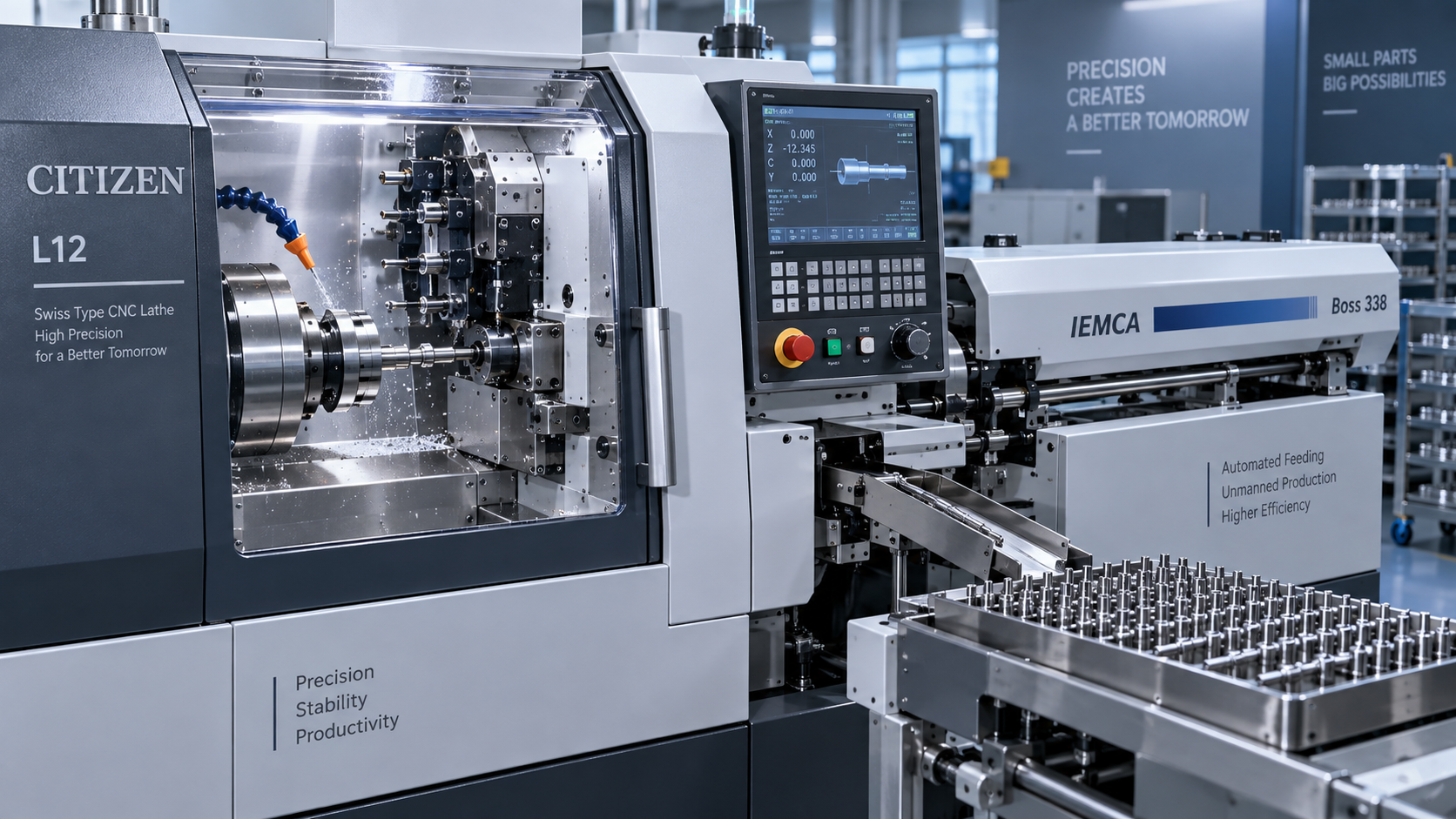
For any bar-fed industrial lathe, this affects automation level, cycle time, and scrap risk.
If the bore is too small, operators may need to cut stock into shorter blanks. That adds handling and interrupts flow.
In high-volume work, that limitation can quietly erase the productivity gains expected from CNC turning.
Spindle bore also matters when processing pipes, hollow shafts, and long through-hole components used in energy and fluid systems.
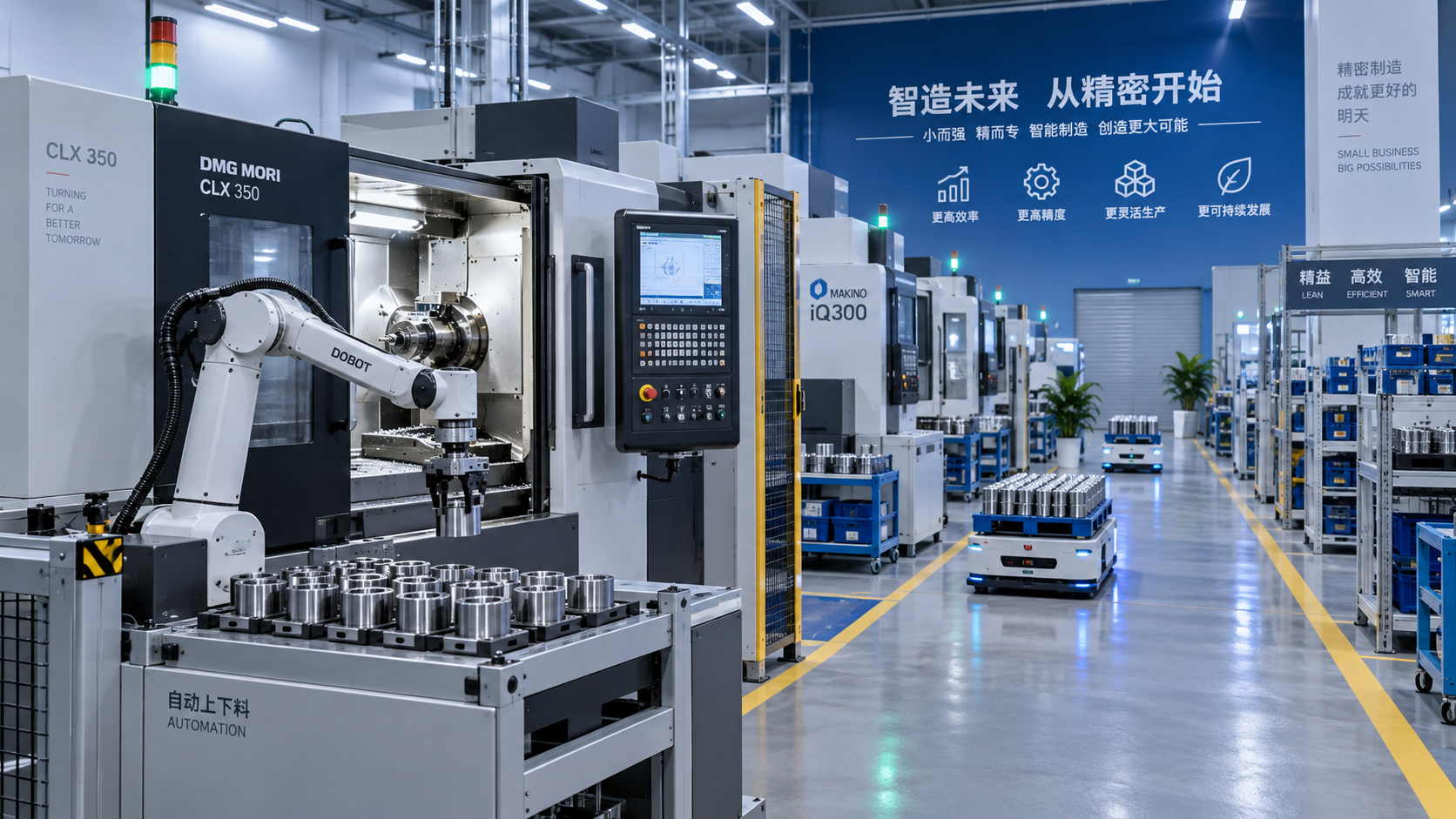
From a broader manufacturing view, a suitable spindle bore supports leaner material handling and better integration with feeders or robotic cells.
What to Review Beyond the Bore Size
- Maximum bar diameter for your main product family.
- Tolerance of raw material and whether it varies by supplier.
- Compatibility with bar feeders, collets, and spindle liners.
- Future need for larger tube or hollow stock.
When industrial lathe buyers ignore spindle bore, they often discover the issue only after production planning begins.
Tolerance: The Specification That Connects Machine and Business Risk
Tolerance is where industrial lathe selection becomes most serious. It links machine capability directly to quality outcomes.
A catalog may present positioning accuracy, repeatability, and spindle performance as separate figures. In reality, they work together.
The real question is simple. Can the industrial lathe hold required tolerance consistently across shifts, materials, and batch sizes?
This is especially important in automotive, aerospace, and precision equipment, where one unstable dimension can stop an assembly line.
Tolerance should never be judged by one sample part alone. Process capability matters more than a single demonstration cut.
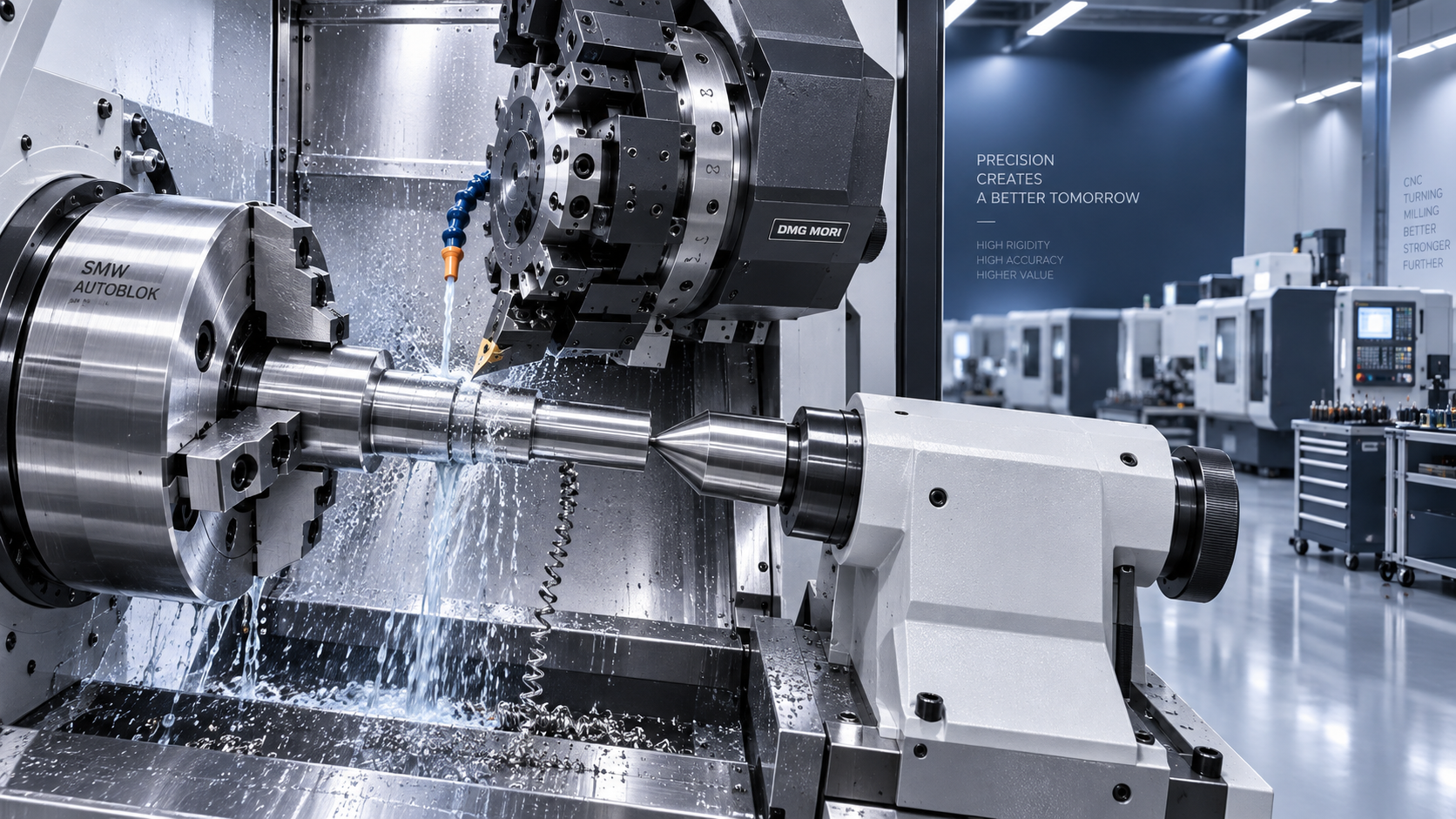
Thermal stability, machine structure, guideway design, tool system rigidity, and coolant strategy all influence repeatable results.
This also means a higher precision industrial lathe is not always the right answer if the application does not require it.
Overbuying precision can tie up capital without creating practical value. The target is fit-for-purpose accuracy with stable yield.
A Practical Tolerance Review Checklist
How to Balance Swing, Bed Length, Spindle Bore, and Tolerance Together
An industrial lathe should never be selected by one specification in isolation.
A large swing with poor bore capacity may limit bar work. Excellent tolerance with insufficient bed length may block longer shaft projects.
The strongest evaluation method is to build a part-family matrix and score every machine against actual production needs.
That matrix should include current parts, forecast parts, annual volume, material types, and quality risk level.
In many factories, the best industrial lathe is not the biggest or the most expensive. It is the one with the best operational fit.
This approach also supports better cross-team communication between engineering, purchasing, production, and quality departments.
Recommended Evaluation Steps
- Define the top ten representative parts by size, length, material, and tolerance.
- Map each part against swing, bed length, spindle bore, and required stability.
- Identify where future orders may exceed current machine assumptions.
- Request cutting trials that reflect real conditions, not ideal showroom settings.
- Estimate total process impact, including setup, automation, scrap, and inspection effort.
Common Selection Mistakes and How to Avoid Them
A few recurring mistakes show up in industrial lathe purchasing across many sectors.
- Choosing by price first and discovering process limits later.
- Using finished part dimensions without checking raw stock conditions.
- Ignoring spindle bore because the first project does not need bar feeding.
- Trusting nominal tolerance claims without multi-part validation.
- Buying for a single job and missing broader production flexibility.
Avoiding these mistakes usually saves more money than negotiating a slightly lower purchase price.
From a long-term view, the right industrial lathe supports throughput, quality consistency, and smoother expansion into new market demands.
Final Decision Criteria for an Industrial Lathe
A smart industrial lathe decision comes from matching machine capability to real manufacturing behavior.
Swing defines diameter room. Bed length shapes workable part range. Spindle bore affects material flow. Tolerance protects final quality.
When those four factors are reviewed together, machine selection becomes clearer, faster, and easier to defend internally.
Before closing a purchase, compare candidate machines against actual parts, realistic setups, and expected future orders.
That final discipline turns industrial lathe buying from a specification exercise into a practical manufacturing strategy.
If the machine fits your part mix today and still leaves room for tomorrow, you are likely making the right choice.
Recommended for You
 When Does CNC Turning Pay Off? A Break-Even Guide by Annual Part VolumeMachine Tool Industry Editorial Team
 Machine Tool Standards by Country: What Importers Must Verify Before PurchaseManufacturing Policy Research Center
 CNC Lathe Quick Installation Guide: Alignment Checks Before First Production RunCNC Machining Technology Center
 How to Select a CNC Lathe for Small Parts Without Sacrificing Accuracy or Cycle TimeCNC Machining Technology Center
 How to Select a Slant Bed Lathe for High-Precision Shaft and Chuck WorkCNC Machining Technology Center
 Smart Manufacturing for Small Businesses: Where Automation Delivers the Fastest ROIMachine Tool Industry Editorial Team

Aris Katos
Future of Carbide Coatings
15+ years in precision manufacturing systems. Specialized in high-speed milling and aerospace grade alloy processing.
▶
CNC Lathe Quick Installation Guide: Alignment Checks Before First Production RunCNC Machining Technology Center▶
How to Select a CNC Lathe for Small Parts Without Sacrificing Accuracy or Cycle TimeCNC Machining Technology Center▶
How to Select a Slant Bed Lathe for High-Precision Shaft and Chuck WorkCNC Machining Technology Center▶
How to Specify a CNC Lathe for High-Volume Automotive Shaft ProductionCNC Machining Technology Center▶
CNC Turning Explained: How It Works, Key Tolerances, and Best-Fit Part TypesCNC Machining Technology Center
Mastering 5-Axis Workholding Strategies
Join our technical panel on Nov 15th to learn about reducing vibrations in thin-wall components.

Providing you with integrated sanding solutions
Before-sales and after-sales services
Comprehensive technical support