• Global CNC market projected to reach $128B by 2028 • New EU trade regulations for precision tooling components • Aerospace deman
NYSE: CNC +1.2%LME: STEEL -0.4%

Industrial Lathe Buying Guide: Bed Length, Spindle Bore, and Power Ratings That Matter
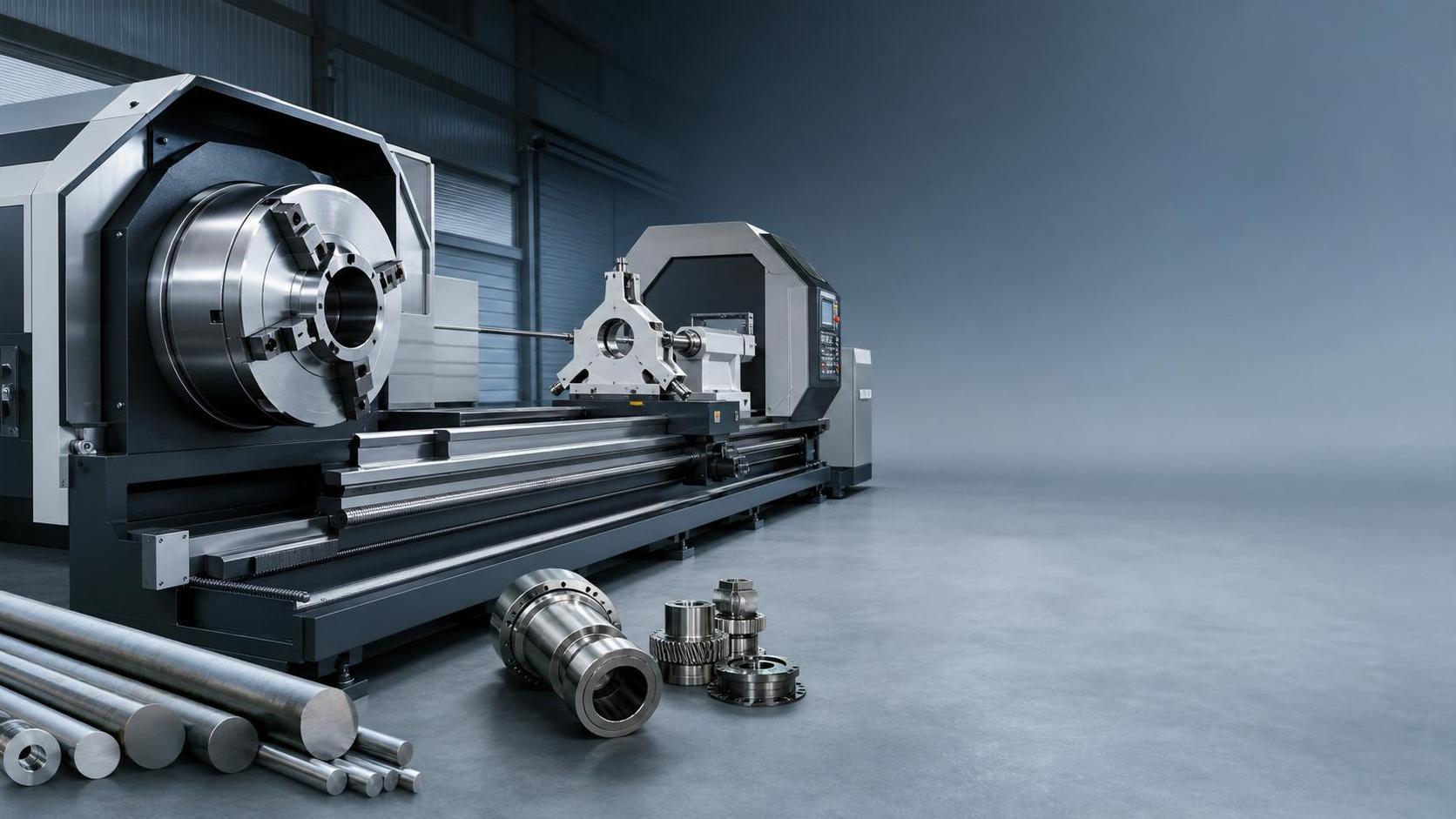
Industrial Lathe Buying Guide: Bed Length, Spindle Bore, and Power Ratings That Matter
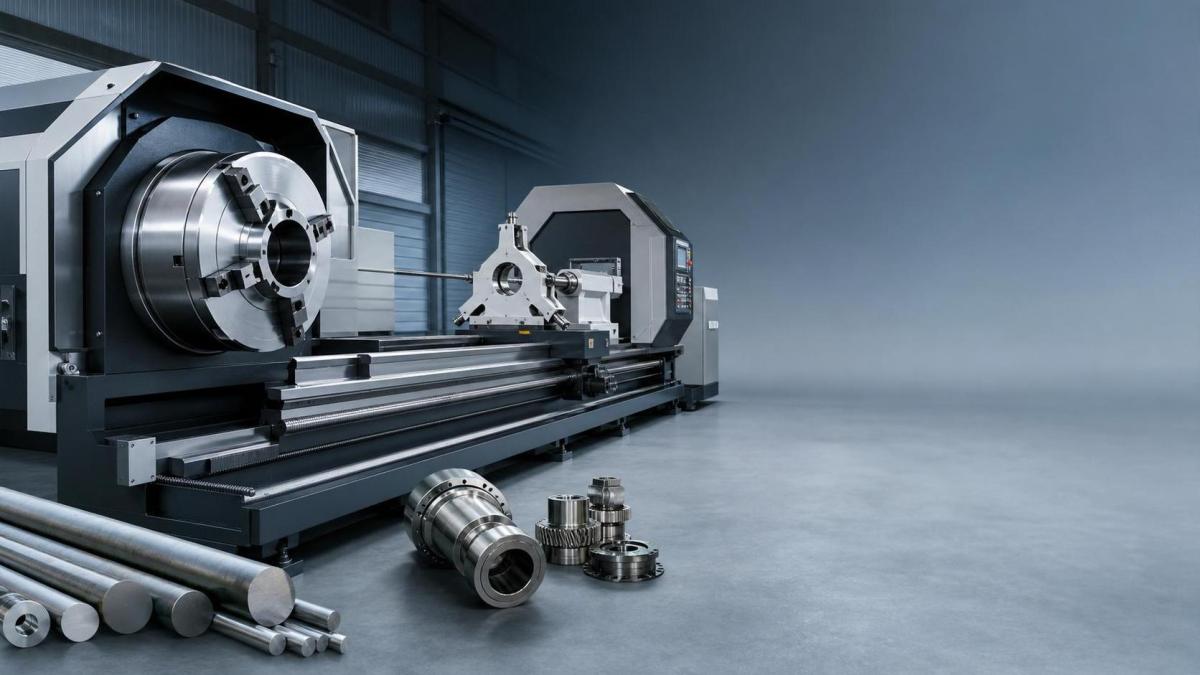
Choosing the right industrial lathe affects accuracy, output, and cost control over many years.
For buyers, three specifications shape most decisions: bed length, spindle bore, and power ratings.
These numbers look simple on a quotation sheet, but they define what the machine can really do.
A well-matched industrial lathe supports stable quality, faster cycle times, and fewer production bottlenecks.
A poorly matched one can create scrap, idle time, tooling stress, and avoidable capital waste.
In practical purchasing, the goal is not buying the biggest machine.
The goal is buying an industrial lathe that fits current work and realistic future demand.
This guide explains how to evaluate those three core specifications with a cost-focused mindset.
Why These Three Specifications Drive Purchase Risk
Many buyers compare speed, price, and brand first.
That is understandable, but it often misses the machine’s real production boundaries.
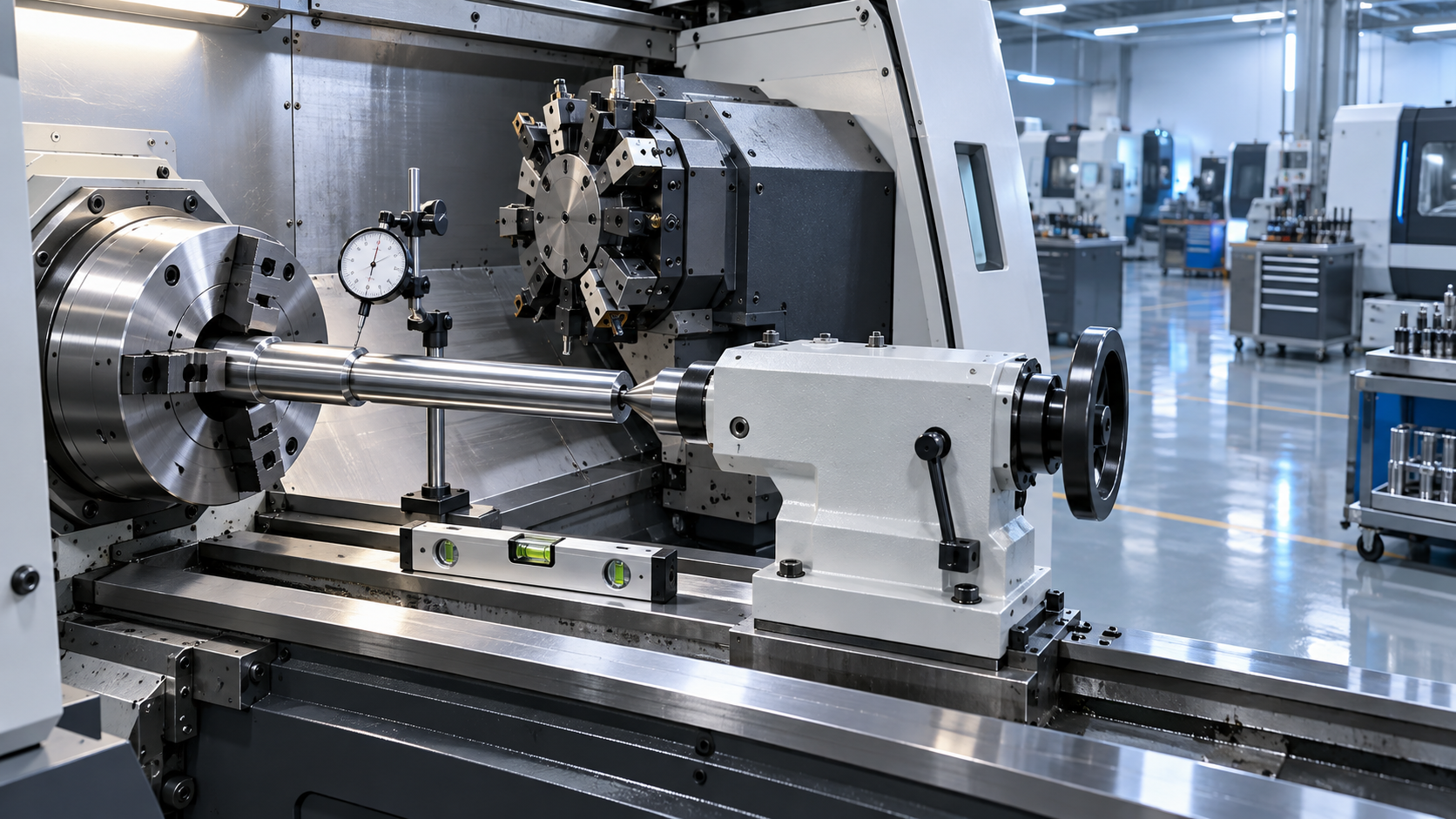
Bed length determines supported workpiece length and setup flexibility.
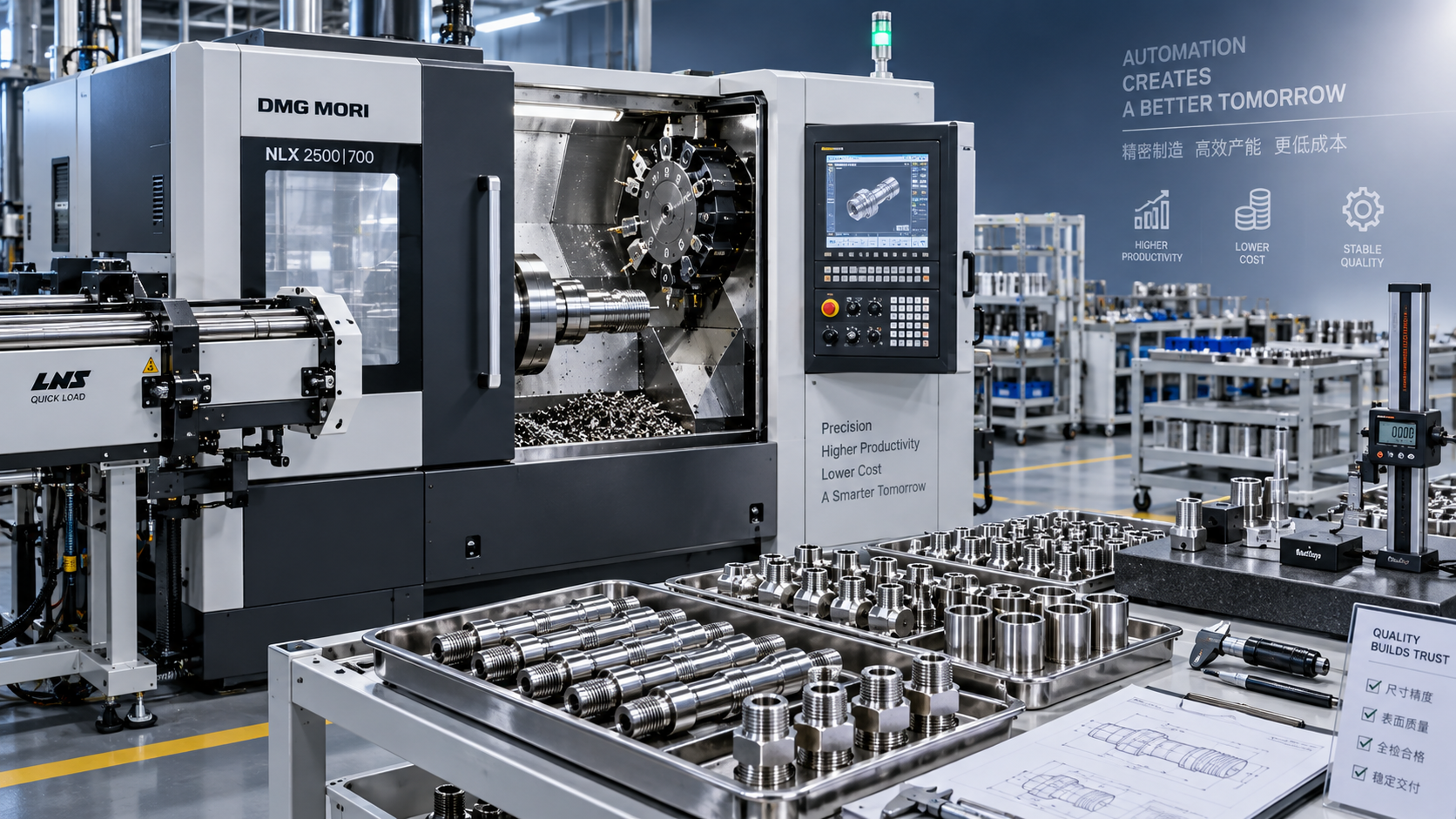
Spindle bore determines how much bar stock or tubing can pass through the headstock.
Power ratings influence torque, cutting capacity, and performance under demanding materials.
When one of these is undersized, the industrial lathe may still run, but not efficiently.
That usually shows up as slower production, extra handling, or limits on future orders.
From a procurement perspective, these are not engineering details.
They are direct indicators of utilization, margin protection, and expansion potential.
How to Judge Bed Length Without Overbuying
Bed length is one of the first industrial lathe specifications that buyers notice.
It seems straightforward, but many companies buy too much or too little.
The right starting point is the longest part family you expect to machine regularly.
Then add space for chucking, tooling clearance, tailstock use, and possible steady rest support.
A part that measures 800 mm does not mean an 800 mm capacity is enough.
In actual production, fixturing and safe travel consume more space than buyers often expect.
Longer beds also affect floor space, machine rigidity, and investment cost.
If most jobs are short shafts or compact discs, a larger industrial lathe may reduce efficiency.
It can raise footprint, energy use, and handling time without adding meaningful output.
A disciplined buyer usually checks these points:
- Longest current workpiece length
- Expected future part mix over three to five years
- Need for tailstock, sub-spindle, or support devices
- Space constraints in the existing production cell
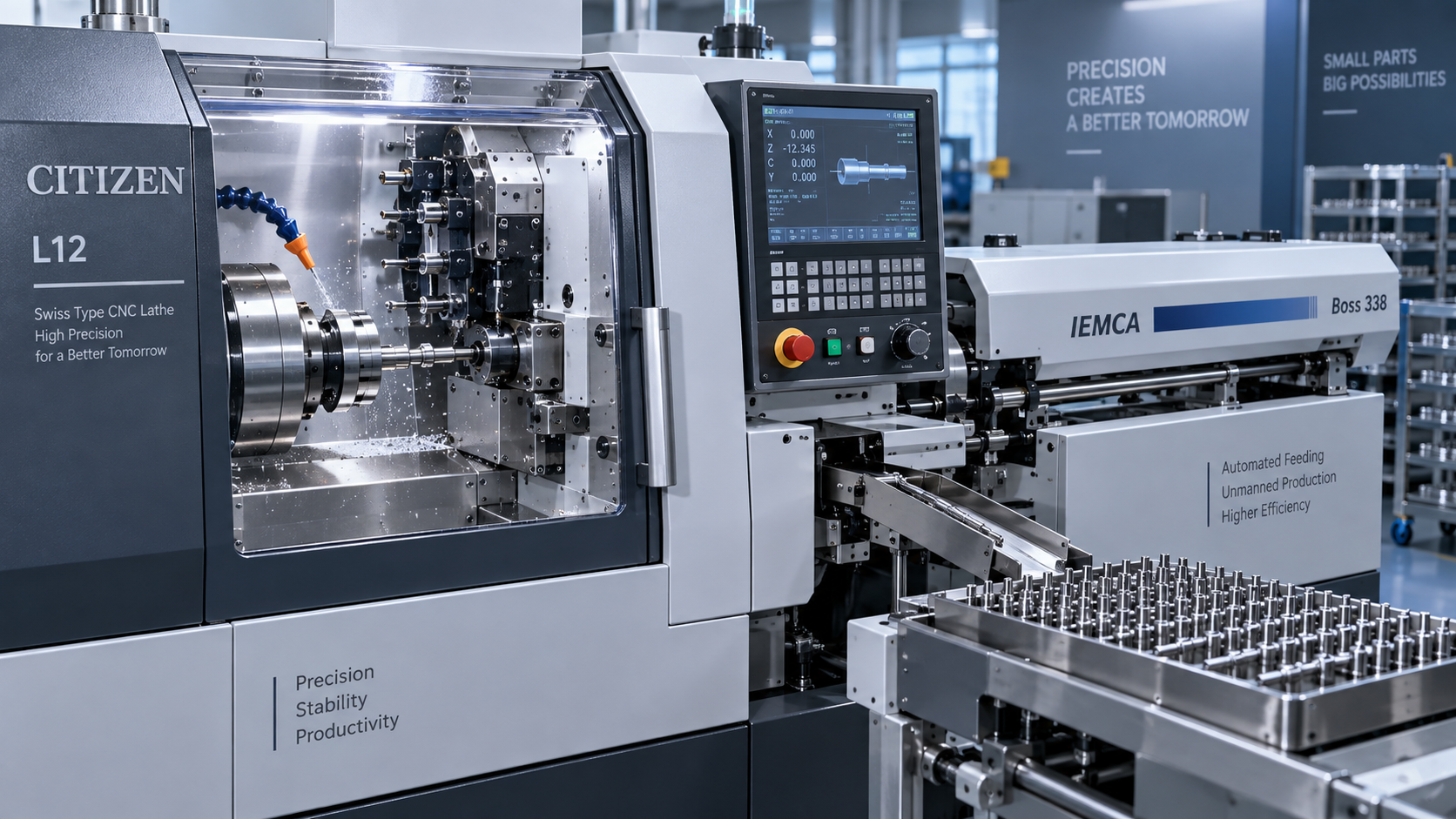
- Loading method, including robot or bar feeder integration
If the workload is mixed, split the analysis by volume.
A few oversized jobs should not automatically define the main industrial lathe purchase.
Sometimes the better answer is one mid-size machine plus outsourced overflow for rare long parts.
Spindle Bore: The Spec That Quietly Controls Throughput
Spindle bore is often underestimated during industrial lathe selection.
Yet it directly affects bar feeding, setup time, and how many operations can be completed in one cycle.
If the spindle bore is too small, material cannot pass through the spindle.
That forces operators to cut stock into shorter blanks and load them individually.
The result is more handling, more downtime, and less consistency across high-volume runs.
For manufacturers working with shafts, tubes, hydraulic parts, or long bar stock, this matters a lot.
A larger spindle bore can transform the economics of unattended machining.
It supports continuous feeding and reduces non-cutting time across the shift.
When reviewing industrial lathe options, compare spindle bore against your largest routine bar diameter.
Do not compare it only with finished part diameter.
Raw stock can be larger because of machining allowance, clamping needs, or process stability.
This is where hidden constraints often appear.
A machine may look ideal on speed and price, but fail on spindle passage capacity.
That can turn an apparently low-cost industrial lathe into a higher operating-cost asset.
What Power Ratings Really Mean in Daily Production
Power ratings can be misleading when viewed alone.
Higher kilowatt numbers do not automatically mean a better industrial lathe for every factory.
What matters is the relationship between motor power, torque curve, spindle speed range, and material type.
For heavy roughing in steel, alloy, or large-diameter stock, torque at lower speeds is critical.
For smaller precision parts, stable control and thermal behavior may matter more than raw power.
This is why two industrial lathe models with similar motor ratings can perform very differently.
Buyers should ask suppliers for more than peak power.
Continuous power, rated torque, and performance under sustained cuts are more useful indicators.
In cost terms, undersized power creates slower metal removal and longer cycle times.
Oversized power raises purchase cost and sometimes energy demand without improving output enough.
A practical comparison framework includes:
- Main materials, such as carbon steel, stainless steel, aluminum, or superalloys
- Typical depth of cut and required removal rate
- Part diameter range and spindle speed requirements
- Duty cycle over full-shift or multi-shift operations
- Future plans for tougher materials or larger batches
This approach keeps industrial lathe selection tied to production reality, not brochure claims.
Looking Beyond the Spec Sheet
The three core specifications matter most, but they should not be reviewed in isolation.
A smart industrial lathe purchase also considers repeatability, control system reliability, and service support.
Tooling compatibility and automation readiness also affect total value.
In recent years, more buyers are evaluating digital monitoring, predictive maintenance, and integration with factory systems.
That trend is especially relevant in automotive, aerospace, electronics, and energy equipment production.
An industrial lathe that fits today’s parts but cannot support tomorrow’s workflow may age quickly.
At the same time, paying for advanced features with no adoption plan also hurts return on investment.
The better question is whether the machine strengthens your production model over time.
A Practical Industrial Lathe Evaluation Checklist
Before requesting final quotations, align internal teams around the same buying criteria.
That reduces confusion between production, engineering, finance, and sourcing.
- List top part families by revenue, volume, and difficulty.
- Define the real maximum workpiece length, not the nominal drawing length.
- Confirm raw stock diameter to size spindle bore correctly.
- Match motor power and torque to material and cut demands.
- Check automation plans, including loaders, bar feeders, and robotics.
- Compare service response time, spare parts access, and training support.
- Estimate total cost, including tooling, maintenance, energy, and downtime risk.
- Request sample cutting data or live demonstration on similar parts.
This kind of structured review keeps the industrial lathe decision grounded and defensible.
Final Takeaway
A good industrial lathe purchase is rarely about one headline specification.
It is about how bed length, spindle bore, and power ratings work together in your process.
When those three are aligned, production becomes easier to scale and easier to control.
When they are misaligned, costs rise in ways that quotations do not reveal upfront.
The strongest buying decision starts with actual part data, realistic growth plans, and supplier verification.
Use that discipline, and the next industrial lathe investment is more likely to deliver throughput, flexibility, and long-term value.
Recommended for You
 Zero-Point Clamping or Modular Fixtures? Choosing a Faster CNC Changeover SystemCNC Machining Technology Center
 How to Cut CNC Fixture Changeover Time Without Sacrificing Part AccuracyCNC Machining Technology Center
 When Does CNC Turning Pay Off? A Break-Even Guide by Annual Part VolumeMachine Tool Industry Editorial Team
 Machine Tool Standards by Country: What Importers Must Verify Before PurchaseManufacturing Policy Research Center
 CNC Lathe Quick Installation Guide: Alignment Checks Before First Production RunCNC Machining Technology Center
 How to Select a CNC Lathe for Small Parts Without Sacrificing Accuracy or Cycle TimeCNC Machining Technology Center

Aris Katos
Future of Carbide Coatings
15+ years in precision manufacturing systems. Specialized in high-speed milling and aerospace grade alloy processing.
▶
CNC Lathe Quick Installation Guide: Alignment Checks Before First Production RunCNC Machining Technology Center▶
How to Select a CNC Lathe for Small Parts Without Sacrificing Accuracy or Cycle TimeCNC Machining Technology Center▶
How to Select a Slant Bed Lathe for High-Precision Shaft and Chuck WorkCNC Machining Technology Center▶
How to Specify a CNC Lathe for High-Volume Automotive Shaft ProductionCNC Machining Technology Center▶
CNC Turning Explained: How It Works, Key Tolerances, and Best-Fit Part TypesCNC Machining Technology Center
Mastering 5-Axis Workholding Strategies
Join our technical panel on Nov 15th to learn about reducing vibrations in thin-wall components.

Providing you with integrated sanding solutions
Before-sales and after-sales services
Comprehensive technical support