• Global CNC market projected to reach $128B by 2028 • New EU trade regulations for precision tooling components • Aerospace deman
NYSE: CNC +1.2%LME: STEEL -0.4%

ANVISA Expands Regulation to CNC Devices for Dental Surgical Guides

Brazil’s National Health Surveillance Agency (ANVISA) issued Resolution RDC 2026-33 on May 10, 2026, extending mandatory registration and Good Manufacturing Practice (GMP) compliance requirements to computer numerical control (CNC) milling equipment used in the production of dental implant surgical guides and orthopedic navigation templates. This regulatory shift directly affects medical device manufacturers, equipment distributors, and service providers operating in or exporting to Brazil’s dental and orthopedic precision fabrication markets — making it a critical development for stakeholders engaged in regulated medical hardware production and supply.
Event Overview
On May 10, 2026, ANVISA published Resolution RDC 2026-33. The resolution formally classifies CNC milling systems used to fabricate dental implant surgical guides and orthopedic directional templates as II-class medical device manufacturing facilities under Brazilian regulation. Affected entities must complete GMP certification and implement Portuguese-language user interfaces by October 1, 2026.
Which Subsectors Are Affected
Medical Device Manufacturing Facilities
Facilities that operate CNC equipment to produce dental or orthopedic surgical guides are now subject to II-class facility registration. This means their entire production process — from machine calibration and software validation to personnel training records — falls under ANVISA’s GMP oversight. Non-compliance may result in production suspension or market withdrawal.
Dental Equipment Distributors & Importers
Distributors importing or supplying CNC milling systems into Brazil must verify whether the devices they handle are intended for use in manufacturing regulated surgical guides. If so, they become responsible for ensuring the equipment meets local language interface requirements and supports traceable, auditable manufacturing workflows — shifting part of regulatory accountability upstream.
Contract Manufacturing Organizations (CMOs)
CMOs offering guide fabrication services for dental clinics or implant brands must now register their CNC-equipped production lines as II-class facilities. This includes validating machine-specific workflows, maintaining Portuguese-language SOPs, and documenting software version control — all prerequisites for continued service authorization in Brazil.
What Relevant Enterprises or Practitioners Should Focus On and How to Respond
Monitor Official Updates on Implementation Guidance
ANVISA has not yet published detailed technical annexes specifying GMP interpretation for CNC equipment. Enterprises should track upcoming notices from ANVISA’s Technical Directorate on acceptable validation protocols, software documentation standards, and Portuguese interface scope — particularly whether embedded firmware, HMI screens, and maintenance logs all require localization.
Identify and Segment Affected Equipment by Intended Use
Not all CNC machines fall under this rule — only those explicitly used to manufacture dental implant guides or orthopedic navigation templates. Companies should audit current equipment deployment, document primary use cases, and distinguish between general-purpose milling systems and those dedicated to certified medical device output. This distinction determines registration obligation.
Prepare for Interface Localization Beyond Basic Translation
The requirement for Portuguese-language operation interfaces extends beyond UI text replacement. It likely encompasses error messages, calibration prompts, safety interlocks, and diagnostic outputs. Firms should initiate vendor engagement now to assess feasibility, timeline, and validation burden for full functional localization — especially for proprietary or legacy control software.
Align Internal Documentation with Facility-Level GMP Expectations
Unlike product-level registration, this is a facility classification. Affected sites must update quality manuals, equipment maintenance logs, staff training records, and change control procedures to reflect II-class status. Preparing these documents ahead of the October 1, 2026 deadline avoids last-minute bottlenecks during ANVISA review.
Editorial Perspective / Industry Observation
Observably, this resolution signals ANVISA’s growing emphasis on regulating the manufacturing infrastructure behind precision medical devices — not just the final products. It reflects a broader global trend where regulators treat digitally controlled fabrication tools as integral components of the quality system. Analysis shows this is less an immediate enforcement action and more a policy signal: the October 2026 deadline provides a defined window for alignment, but ongoing scrutiny of production process integrity is expected to intensify post-deadline. From an industry perspective, this move underscores that compliance is increasingly tied to operational transparency — especially where software-defined processes intersect with clinical outcomes.
Conclusion
This regulatory expansion marks a structural shift in how Brazil governs high-precision medical fabrication — moving oversight upstream to the machinery itself. It does not introduce new device classifications, nor does it ban existing equipment; rather, it formalizes accountability for the systems that generate clinically consequential tools. Currently, it is best understood as a procedural milestone requiring targeted operational adjustments — not a market access barrier, provided stakeholders act within the established timeline and scope.
Information Sources
Main source: ANVISA Resolution RDC 2026-33, published May 10, 2026.
Points requiring ongoing observation: ANVISA’s forthcoming technical guidance on GMP application to CNC equipment, including validation expectations and interface localization scope.
Recommended for You
 Zero-Point Clamping or Modular Fixtures? Choosing a Faster CNC Changeover SystemCNC Machining Technology Center
 How to Cut CNC Fixture Changeover Time Without Sacrificing Part AccuracyCNC Machining Technology Center
 When Does CNC Turning Pay Off? A Break-Even Guide by Annual Part VolumeMachine Tool Industry Editorial Team
 Machine Tool Standards by Country: What Importers Must Verify Before PurchaseManufacturing Policy Research Center
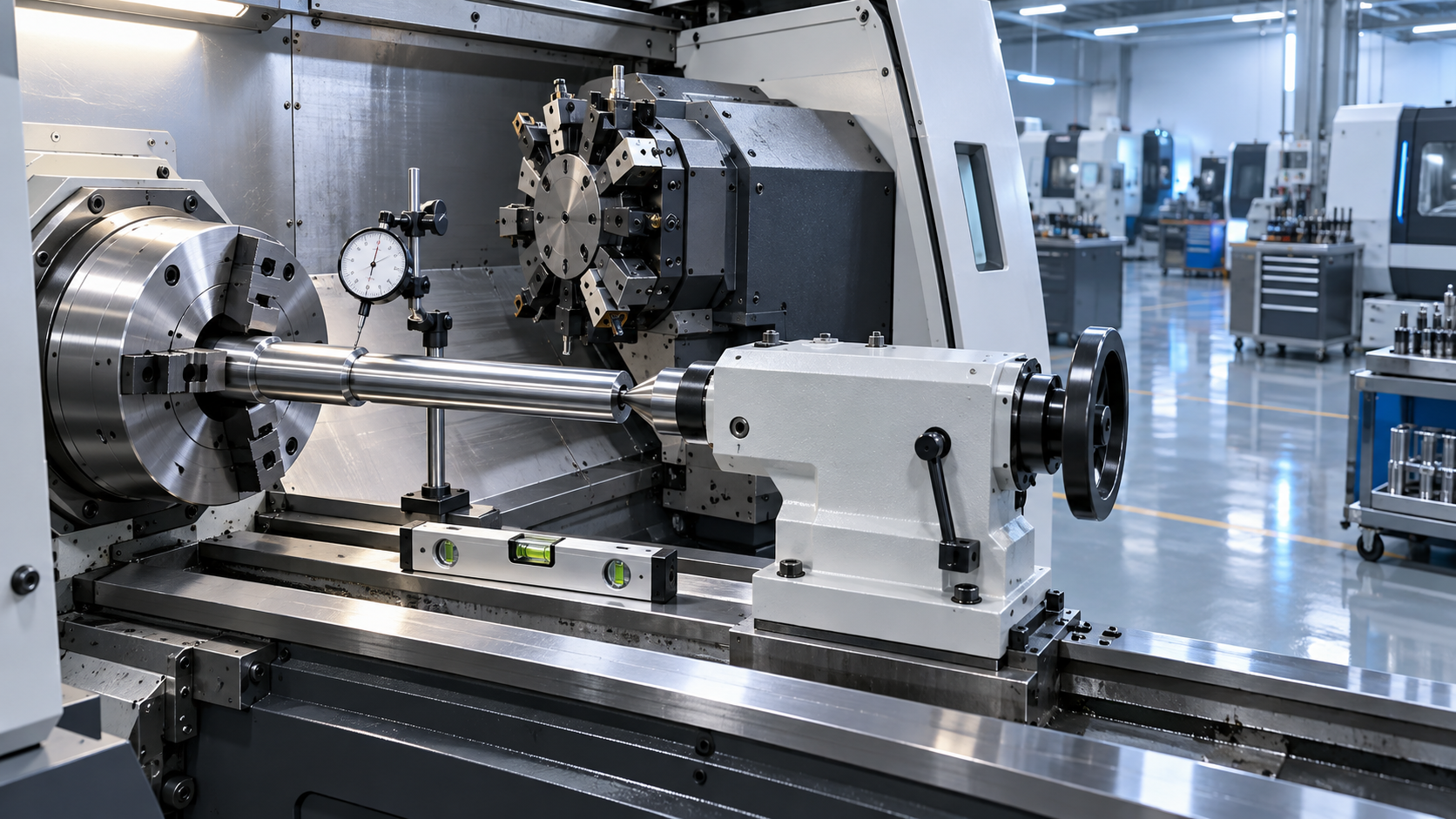
 CNC Lathe Quick Installation Guide: Alignment Checks Before First Production RunCNC Machining Technology Center
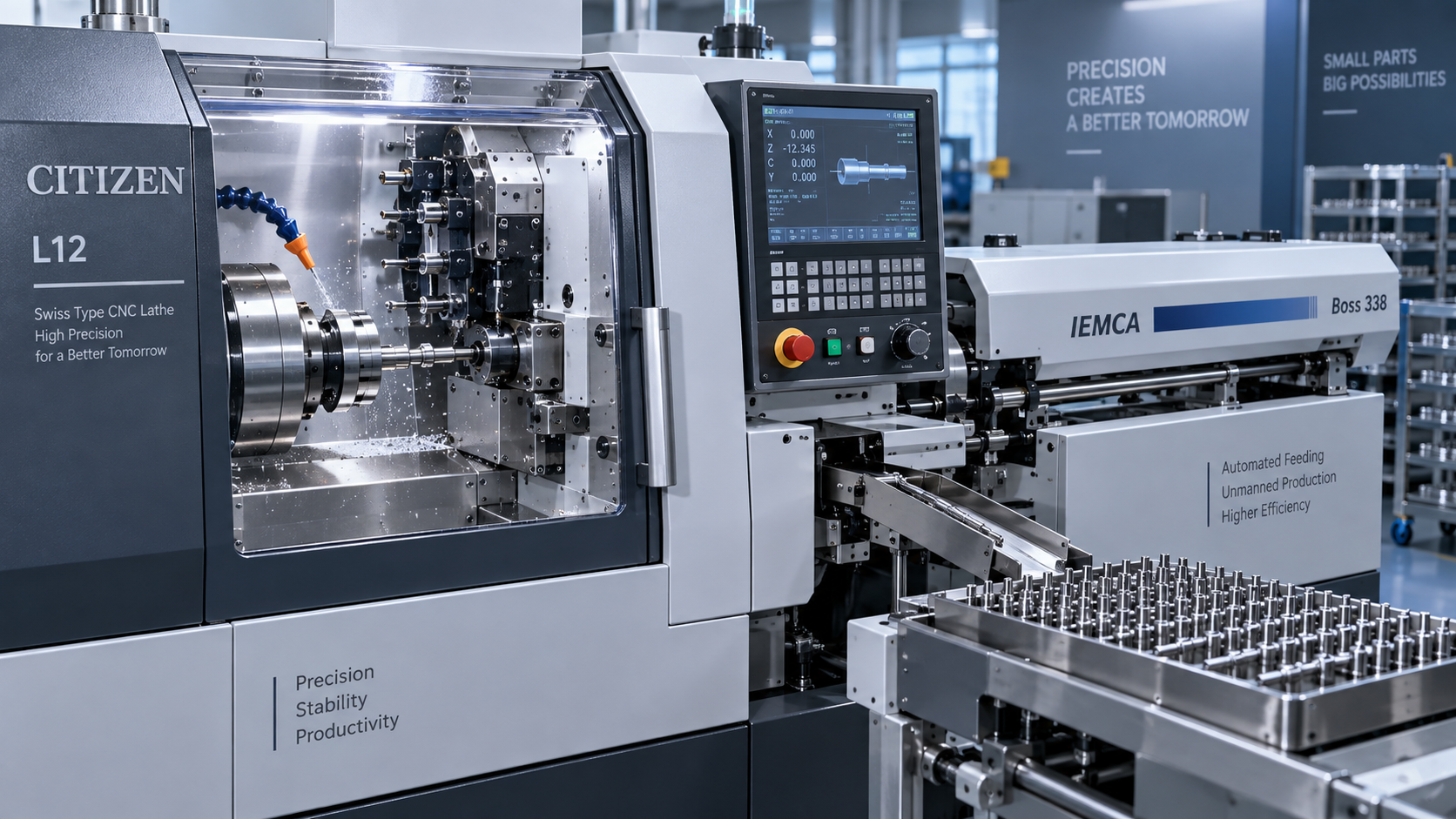
 How to Select a CNC Lathe for Small Parts Without Sacrificing Accuracy or Cycle TimeCNC Machining Technology Center

Aris Katos
Future of Carbide Coatings
15+ years in precision manufacturing systems. Specialized in high-speed milling and aerospace grade alloy processing.
▶
How Automated Precision Machining Maintains Tolerance in High-Mix ProductionCNC Machining Technology Center▶
CNC Programming Explained: From CAD Models to Reliable Shop-Floor ToolpathsCNC Machining Technology Center▶
How Multi-Axis Machining Produces Complex Components With Fewer SetupsCNC Machining Technology Center▶
How Much Does CNC Programming Software Cost in 2026?CNC Machining Technology Center▶
CNC Machining Explained: Processes, Tolerances, and Parts It Can ProduceCNC Machining Technology Center
Mastering 5-Axis Workholding Strategies
Join our technical panel on Nov 15th to learn about reducing vibrations in thin-wall components.

Providing you with integrated sanding solutions
Before-sales and after-sales services
Comprehensive technical support